Solo Female Travel in Iceland: Safety, Routes and Hostels
Solo Female Travel in Iceland: Safety, Routes and Hostels

Iceland is one of the easiest countries in the world for a woman to travel alone. Crime is low, locals are used to solo visitors, and the real risks come from weather, roads and wild landscapes, not from people. This guide covers what official advisories say, how to plan the route, how to meet other travelers, and what to check before you book a hostel bed.
TL;DR
- Iceland is generally safe for solo women. The U.S. State Department says female travelers can move freely day and night without street harassment, and ordinary precautions still apply.
- Nature is the main danger. Check road and weather conditions daily, and leave your plans with your accommodation or Safe Travel Iceland before any remote trip.
- You will not be lonely unless you want to be. Hostels, small-group day tours, geothermal pools and multi-day trails all put you around other travelers.
- When choosing a hostel, check the room type, the reviews from solo women, how far it is from the sights you want, and whether food is on site.
- The South Coast is a very good first solo base: Reynisfjara, Skógafoss and glaciers are all within a day’s reach of Vík.
Table of Contents
- Is Iceland safe for women traveling alone?
- The real risk is the landscape
- Getting around: car, bus or tour
- How to meet people when you travel alone
- What to check when choosing a hostel
- Why the South Coast works well for a first solo trip
- Our perspective: what solo women tell us they want
- Stay with us on the South Coast
- Packing and habits that keep you safe
- FAQ
- Sources
Is Iceland safe for women traveling alone?
Yes. The U.S. State Department’s Iceland advisory says that female travelers can generally move freely day and night without street harassment, and that locals are welcoming and accustomed to solo female travelers. The same page still asks for normal situational awareness, which is good advice anywhere.
The country’s wider reputation backs this up. The Global Peace Index, which ranks 163 countries, has named Iceland the most peaceful country in the world every year since 2008, including in its 2025 edition.
Safe does not mean risk-free. Three official bodies describe what to watch for:
- Petty theft. Australia’s Smartraveller says petty theft can occur in central Reykjavík and at popular Golden Circle sites, and recommends watching your belongings on buses, in taxis and at ATMs, especially at night.
- Nightlife areas. The UK Foreign Office notes that crime levels are low, but petty theft and antisocial behavior can happen around downtown Reykjavík bars. Keep your valuables close and carry ID or a passport copy.
- Parked cars. The U.S. advisory suggests not leaving valuables in a parked vehicle, which matters at busy waterfall car parks.
If you want one rule to follow, take Smartraveller’s: it advises against going out alone after dark or to isolated places. In Iceland that is as much about cold, darkness and terrain as it is about people.
The real risk is the landscape
Most solo trips that go wrong in Iceland go wrong because of nature. Weather can swing from clear skies to a blizzard within an hour, particularly in the highlands, according to The Icelandic Guide. Smartraveller adds that Iceland can see eruptions without warning, snow, sand and ash storms, and that mobile coverage in remote areas can be limited, so help may take longer to reach you.
Global Affairs Canada goes further. It says weather, rough terrain and volcanic activity create significant risks and recommends not trekking or visiting remote natural areas alone. It also advises telling someone your itinerary, carrying communication tools and supplies, and buying insurance that covers helicopter rescue and medical evacuation.
For a solo woman, that translates into a short checklist:
- Register your plan. Leaving a travel plan with Safe Travel Iceland helps authorities find and assist you if something happens. It asks for your route, dates, activity and equipment, and takes a few minutes.
- Tell your accommodation. The UK advice suggests leaving outdoor-trip plans and contact details with your hotel or hostel as well.
- Check conditions every morning. The road and weather sites are the standard tools. Do not attempt Highland F-roads without a 4WD, and do not drive them at all if you are unsure.
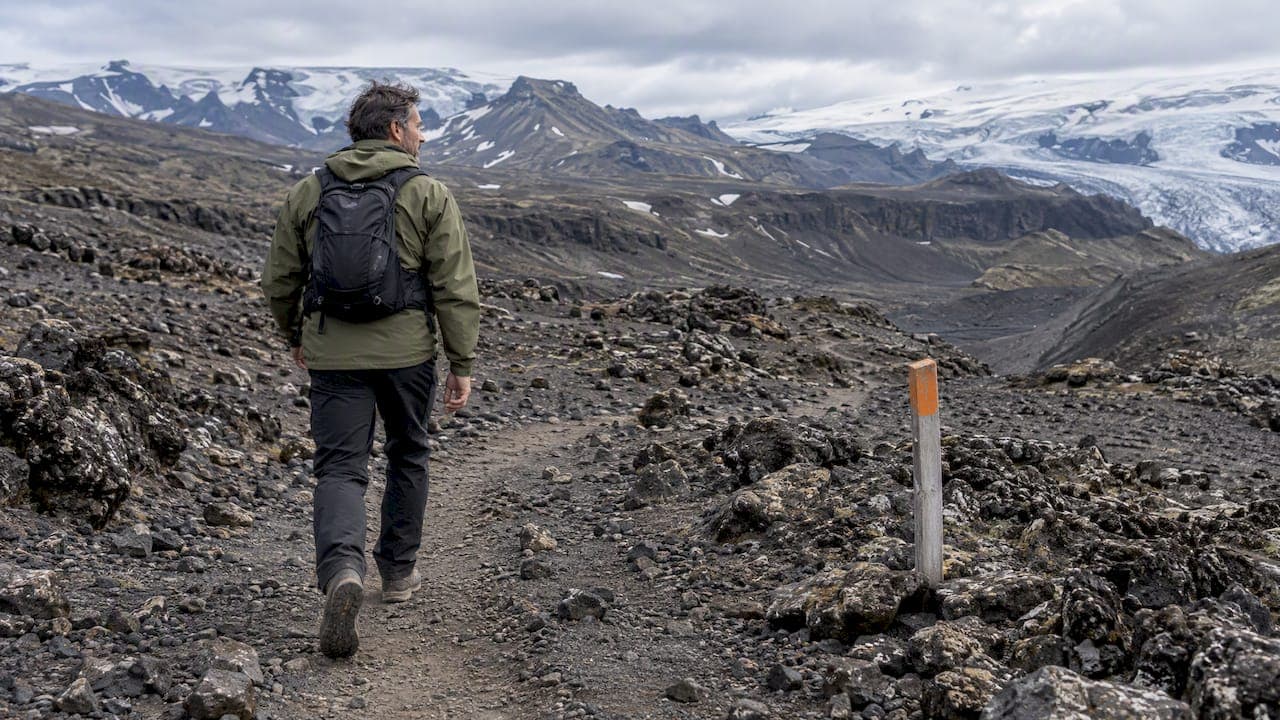
- Match the hike to your fitness. Global Affairs Canada advises making sure your physical condition suits the activity, and carrying a phone or personal locator beacon in remote areas.
- Buy proper insurance before you fly, including rescue and evacuation cover.
If a self-guided hike or glacier outing feels like too much alone, a guided trip is a sensible answer. This overview of the benefits of guided adventure tours explains why local guides, safety briefings and gear are worth it when conditions are unpredictable.
Getting around: car, bus or tour
Your transport choice shapes the whole trip, so decide it early.
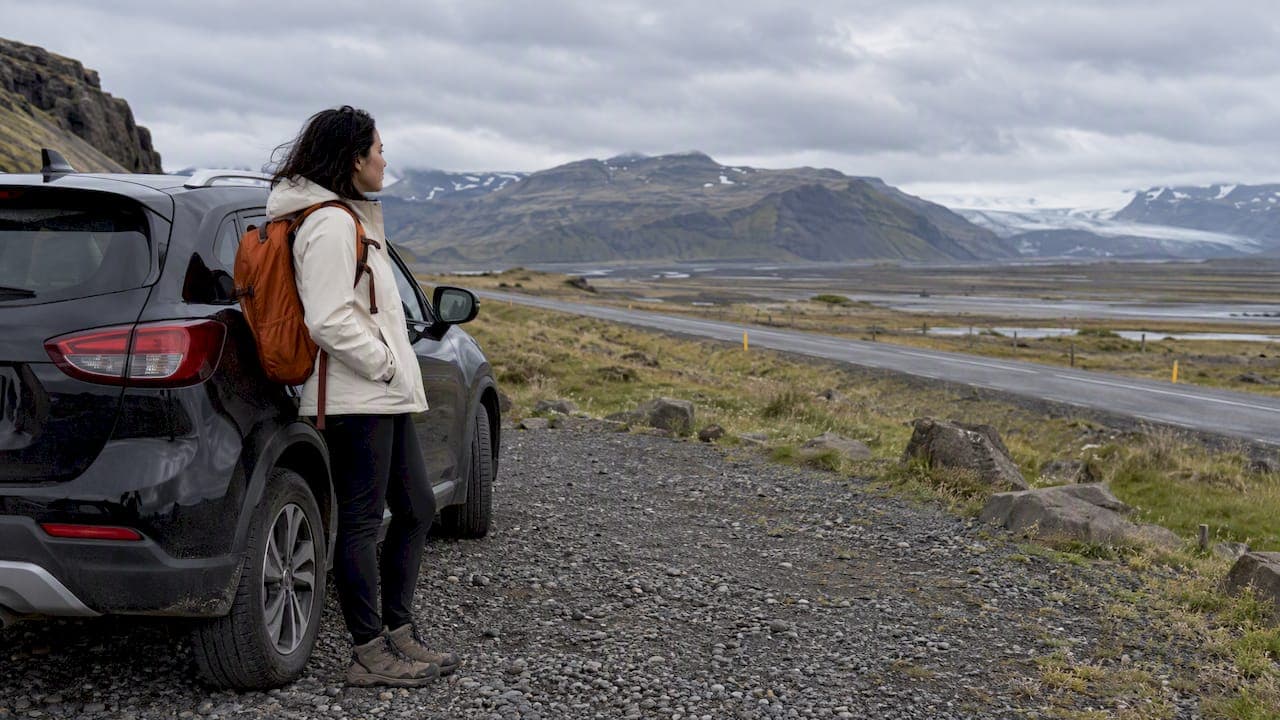
Rental car. It gives the most freedom, and on the South Coast it makes the day easy. Much Better Adventures notes that a standard car can handle the Ring Road in summer, while a four-wheel drive is recommended in winter or for extensive travel off the Ring Road. Driving alone in winter takes confidence: short daylight hours, ice and wind are real. If that sounds stressful, choose another option for the dark months.
Public buses. One travel blog reports that Strætó is reliable in Reykjavík and on main tourist routes in summer, but coverage is limited in rural areas and in winter. Many travelers combine buses with a hire car for a few days.
Day tours and small groups. From Reykjavík, small-group tours to the Golden Circle, the South Coast, Snæfellsnes and for Northern Lights are a common way for solo travelers to see the sights and meet people along the way.

A practical pattern for a first trip: pick up a car for the South Coast, sleep in one or two bases rather than a new town every night, and keep driving days short. For a longer plan, our two-week guide compares the full circuit with staying on one coast: Iceland solo itinerary for two weeks.
How to meet people when you travel alone
Iceland has no classic backpacker trail, but there are plenty of places where conversation happens by itself.
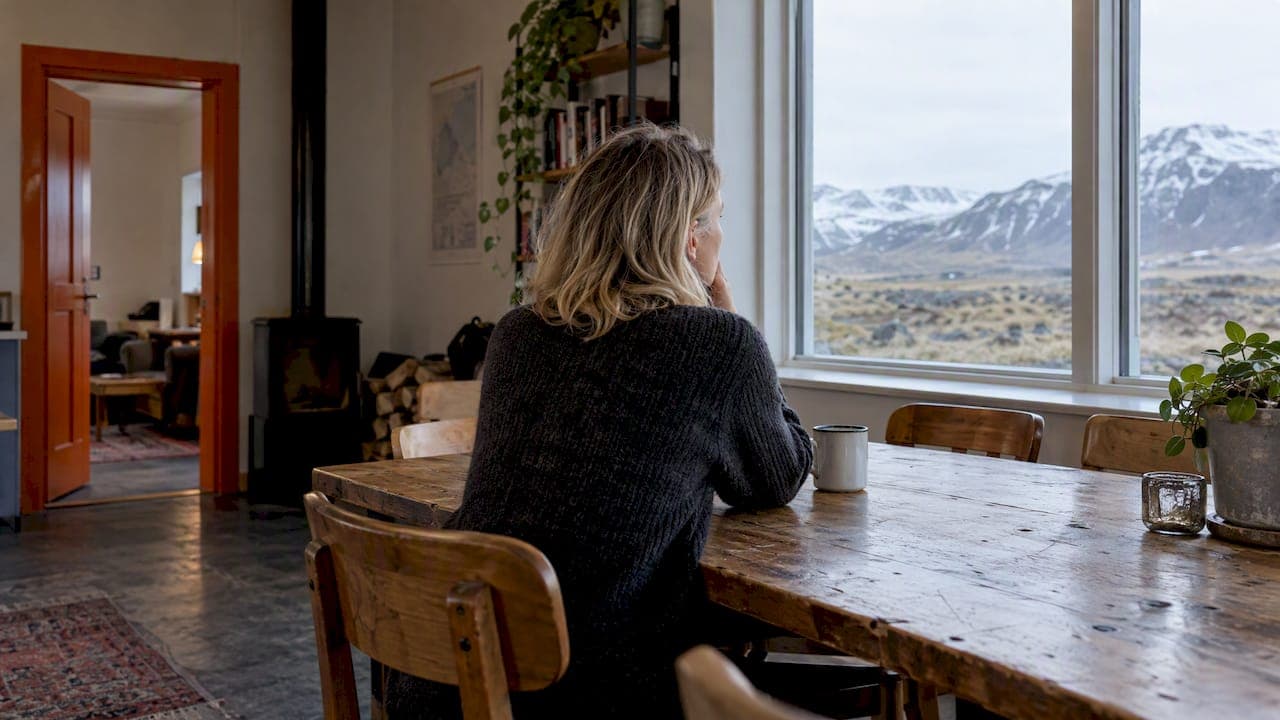
- Hostels and guesthouses. Shared kitchens and lounges are the easiest place to find travel partners for the next day. Icelandia lists them among the social settings for solo travelers, along with local pools, cafés and food tours.
- Geothermal pools. The Icelandic Guide calls public swimming pools central to Icelandic social life and an accessible way for solo travelers to meet locals. Everyone showers first, everyone relaxes, and chatting is normal.
- Multi-day hikes. The same guide suggests that trails such as Laugavegur naturally form small groups of walkers who keep meeting at huts.
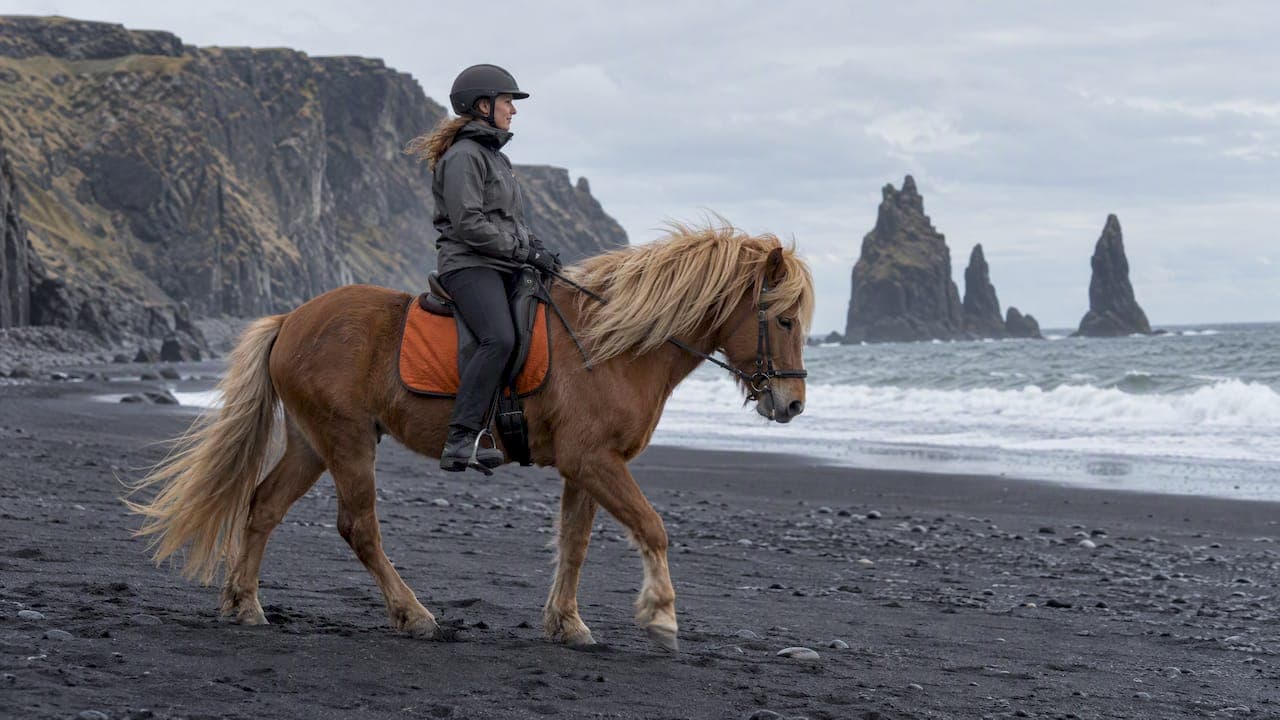
- Group activities. Rafting, glacier walks and horse rides pair you with others by design.
Eating alone is often the part people dread most. If that is you, this piece on solo dining confidence has tactics that work in any country, from choosing a counter seat to bringing a book.
We have also written two practical guides on the social side: how to meet other travelers in Iceland and how to meet people in hostels.
What to check when choosing a hostel
A good hostel makes solo travel feel safer, simpler and more fun. A poor match makes you tired and uneasy. There is no official rating for hostel safety in Iceland, so you judge it with a short list of questions, which you can answer from the booking page, recent reviews and a quick message to the host.
Room type
The biggest choice is between a shared dormitory and a private room. Shared dorms are cheaper and more social. A private room gives you a door that closes, which many women prefer on the first night after a long flight or in the middle of a long trip. Our room types guide for solo travelers walks through the trade-offs, and if privacy in a bunk is your worry, read how to get privacy in a hostel bunk.
Reviews from solo women
Search reviews for words like “solo,” “female” and “alone.” Look for comments about how staff handle questions, whether common areas feel welcoming, and whether guests felt comfortable arriving late. Several consistent reviews matter more than one glowing one.
Staff and check-in
Message the hostel before you arrive. A quick, friendly answer tells you a lot. Ask how late reception is staffed, how to check in after hours, and who to contact in an emergency.
Location and food
Iceland’s distances are long, and many places have no shop or restaurant at night. A hostel with food on site means you do not have to drive in the dark or in bad weather to eat. Check whether there is a kitchen for self-catering, breakfast, or a restaurant.
Practical details
Ask about lockable storage for valuables, whether you can charge devices at your bed, and whether the building has a clear way to get information on road and weather conditions. A host who will help you plan tomorrow’s drive is worth a lot.
For first-timers, our guide on how to prepare for a solo hostel stay in Iceland covers packing, etiquette and what to expect on the first night.
Why the South Coast works well for a first solo trip
The South Coast packs black sand beaches, waterfalls, glaciers and cliffs into a route that is straightforward to drive. You travel on the Ring Road, services are regular, and you can tackle it in short hops. The Icelandic Guide names the South Coast among the solid choices for a solo itinerary, alongside Reykjavík, the Golden Circle and the Laugavegur Trail.
A simple three-day pattern might look like this:
| Day | Plan | Why it suits solo travel |
|---|---|---|
| 1 | Drive from Reykjavík, stopping at waterfalls on the way, and settle in near Vík | Short driving day after arrival, daylight for all stops |
| 2 | Black sand beach, cliffs and nearby glacier or waterfall stops | Busy sites with plenty of other visitors around |
| 3 | A guided activity such as rafting, then an easy evening | Built-in company and a guide who handles safety |
Wave safety is the standout hazard on the beaches here, so stay well back from the water’s edge and never turn your back on the sea. Check the conditions on the day.
Our perspective: what solo women tell us they want
We run Fox Hostel in a renovated barn on the South Coast, near Vík, and our guests include many solo travelers. What we hear most is not about danger. It is about ease: arriving somewhere they can relax, eat without effort, and talk to people if they feel like it.
That is how we set up the place. There are shared dormitories for travelers who like company and private dormitories for those who want quiet. The communal spaces and kitchen make it simple to meet others over breakfast. Dinner is at Hrífunes Pizzeria on site, so after a day of driving you do not have to go back out into the dark and wind.
Our advice to any woman planning a first solo trip to Iceland is simple. Do not over-plan the route, and do over-plan the safety: register your trip, check the road conditions each morning and tell your host where you are going. If the first night is the part you are nervous about, book a private room and move to a shared dorm later once you feel settled. Most people relax within a day.
— Siggi
Stay with us on the South Coast
If the South Coast is on your route, Fox Hostel gives you a base with breakfast, an on-site pizzeria and a social common area, a short drive from the major sights. You can book a bed in a shared or private dormitory, or look at our guided rafting adventure if you want a group activity with a guide. Traveling with friends? See group bookings.

Current room options and availability are on the booking page, so check there before you plan your dates.
Packing and habits that keep you safe
A few small habits do more than any gadget.
- Share your location with a friend or family member back home, and message when you arrive each day.
- Use tap-to-pay. The U.S. advisory recommends it where possible, which also means you carry less cash.
- Keep a fully charged phone and a power bank. Cold drains batteries fast, and coverage can be thin in remote areas.
- Carry layers, water and snacks in the car. The UK advice lists enough food, clothing and emergency supplies for outdoor trips.
- Keep a copy of your passport separate from the original, as the UK advice suggests.
- Fill the tank early. In rural stretches, fuel stops are further apart than you expect.
- Trust your instincts. If a place or person feels off, leave. Iceland’s low crime rate does not cancel good judgment.
FAQ
Is it safe to stay in a hostel dorm as a solo woman in Iceland?
Iceland has low crime overall, and hostels are a normal choice for solo women. Choose a place with strong recent reviews, ask about lockable storage, and book a private room if you prefer more privacy. Introduce yourself to the staff on arrival so they know you are traveling alone.
Can I drive around Iceland alone as a woman?
Yes, and many do. In summer, a standard car is fine on the Ring Road, but winter calls for more caution and a four-wheel drive for longer trips. Check road and weather conditions each morning and keep your driving days short.
Is it safe to walk around Reykjavík at night?
The U.S. advisory says women can move freely day and night without street harassment. Both the UK and Australian governments still warn about petty theft and antisocial behavior near downtown bars, so keep your belongings close and stay aware late at night.
How do I meet people while traveling alone in Iceland?
Stay in places with shared kitchens and lounges, join small-group tours, and visit public geothermal pools. Multi-day hikes and activities such as rafting also put you in a group naturally.
Should I hike alone in Iceland?
Global Affairs Canada recommends against trekking or visiting remote natural areas alone. Choose trails that suit your fitness, register your plan with Safe Travel Iceland, and consider a guided hike for anything remote or at altitude.
Sources
- Iceland Travel Advisory, U.S. Department of State
- Iceland Travel Advice & Safety, Smartraveller
- Safety and security, Iceland travel advice, GOV.UK
- Iceland travel advice, Global Affairs Canada
- Global Peace Index 2025: Iceland named the world’s safest country, Time Out
- Solo Travel in Iceland, The Icelandic Guide
- Solo Travel in Iceland, Icelandia
- Iceland Solo Travel: The Ultimate Guide, Much Better Adventures
- Iceland Public Transport Guide, Slice of Iceland