Top advantages of shared accommodations in Iceland countryside
Top advantages of shared accommodations in Iceland countryside
TL;DR:
- Shared accommodations in Iceland offer cultural immersion, social connection, and budget savings.
- They are ideal for solo travelers, backpackers, and groups seeking authentic countryside experiences.
- These stays foster meaningful interactions and memories beyond typical sightseeing, emphasizing community.
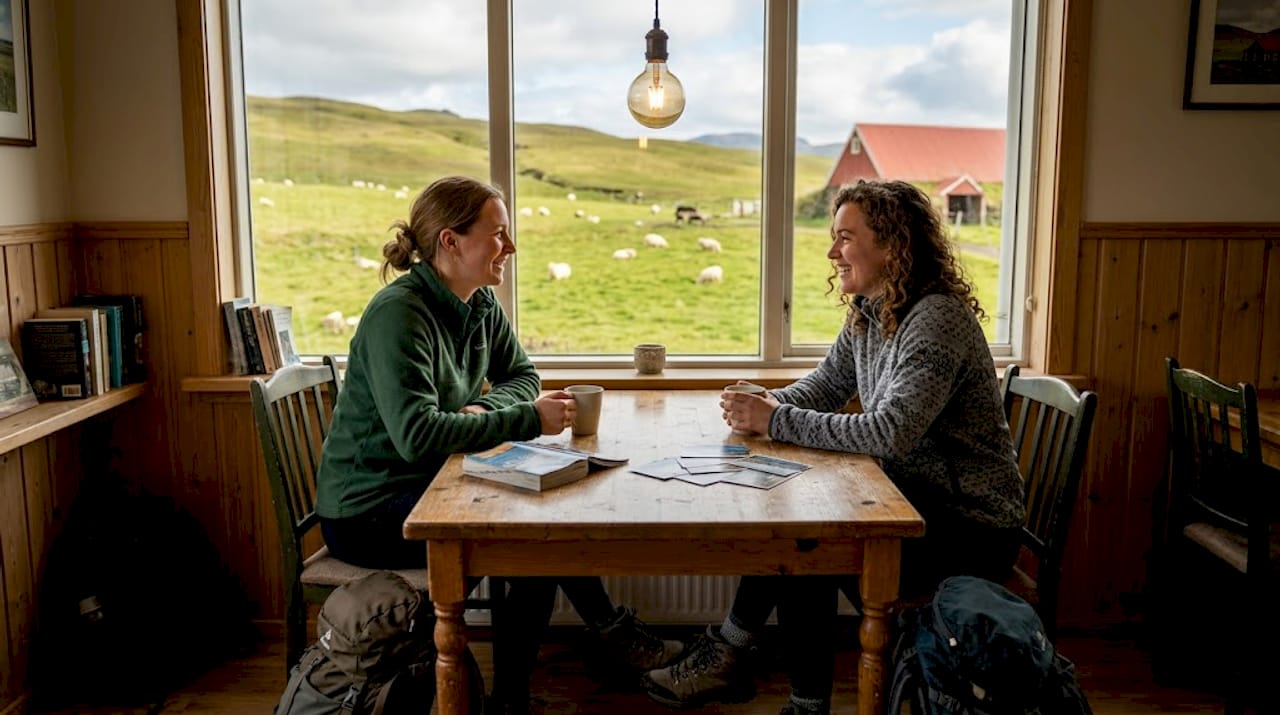
Planning a trip through Iceland’s countryside forces you to make one real choice: do you splurge on a private room and stay isolated, or do you share a space and actually live the experience? Most travelers who come for the raw landscapes, the midnight sun, and the volcanic silence also want something deeper than a hotel room offers. Shared accommodations, from rural hostels to farm stays, give you budget flexibility, social energy, and a front-row seat to Icelandic rural life. This guide walks through the top advantages so you can decide whether shared living is the right call for your South Iceland adventure.
Table of Contents
- What are shared accommodations and who are they for?
- Immersion in Icelandic culture and local life
- Budget benefits: save more, experience more
- Community and new friendships on the road
- Why Icelandic shared stays are more than just a bed
- Ready to book your immersive Iceland stay?
- Frequently asked questions
Key Takeaways
| Point | Details |
|---|---|
| Cultural immersion | Shared accommodations bring you closer to Icelandic traditions and family hospitality. |
| Budget-friendly travel | Dorms and hostels make countryside adventures affordable for solo and group travelers. |
| Community and connection | Meet like-minded explorers and create lasting friendships through shared experiences. |
| Flexible room options | Many rural stays offer both shared and private rooms, suiting families, couples, and solo adventurers. |
What are shared accommodations and who are they for?
Shared accommodations means staying in a space where some areas, like kitchens, lounges, bathrooms, or sleeping rooms, are used by multiple guests. In Iceland’s countryside, this covers a wide range of options.
Common types you’ll find in rural Iceland:
- Hostels with dorm beds: The classic setup. You book a bed in a shared room, often with 4 to 10 other travelers. Some modern hostels, like those built into converted barns, offer premium finishes that make the word “dorm” feel misleading.
- Farm stays: Privately owned farms that open their doors to travelers. Guests often share a kitchen or common room with the hosting family. Farm stays and rural hostels provide authentic Icelandic immersion with family hospitality, homemade meals, animal interactions, and proximity to countryside nature.
- Guesthouses with communal spaces: Smaller than hotels, often family-run, with shared lounges or breakfast areas that naturally encourage conversation.
So who actually benefits from these setups? Solo travelers gain the most. Instead of sitting alone in a private room, you’re instantly surrounded by people heading to the same waterfalls and lava fields. Social backpackers thrive here too, since the shared format accelerates friendships that would take weeks to build anywhere else.
Budget travelers benefit from obvious savings, but small groups and couples also win because many hostels let you buy out an entire room. You get the social atmosphere of a hostel with the privacy of a guesthouse. Understanding shared hostel spaces can help you figure out exactly what to expect before you arrive.
Shared accommodations are a better fit when you’re flexible, social, and want to stretch your travel budget. They’re a worse fit if you need strict quiet hours, have young children who sleep on a fixed schedule, or simply value total privacy above everything else. Honestly, for most Ring Road travelers, shared stays hit the sweet spot.
Pro Tip: Book at least 6 to 8 weeks ahead for summer travel (June through August). Rural Iceland has limited beds, and the best-value shared options sell out fast. Look at types of hostel room options to understand exactly what you’re reserving before you click confirm.
Immersion in Icelandic culture and local life
With a sense of who benefits from shared accommodations, we can explore one of their top draws: the chance for true cultural immersion.
Iceland has a culture that rewards curiosity. The country is small, roughly 370,000 people, and outside of Reykjavík, communities are tight-knit. Family-run hostels and farm stays operate differently than chain hotels. The host isn’t a manager reading from a script. They’re a farmer who has lived on this land for decades, knows every hiking path by memory, and will tell you about the hidden hot spring that doesn’t appear on Google Maps.
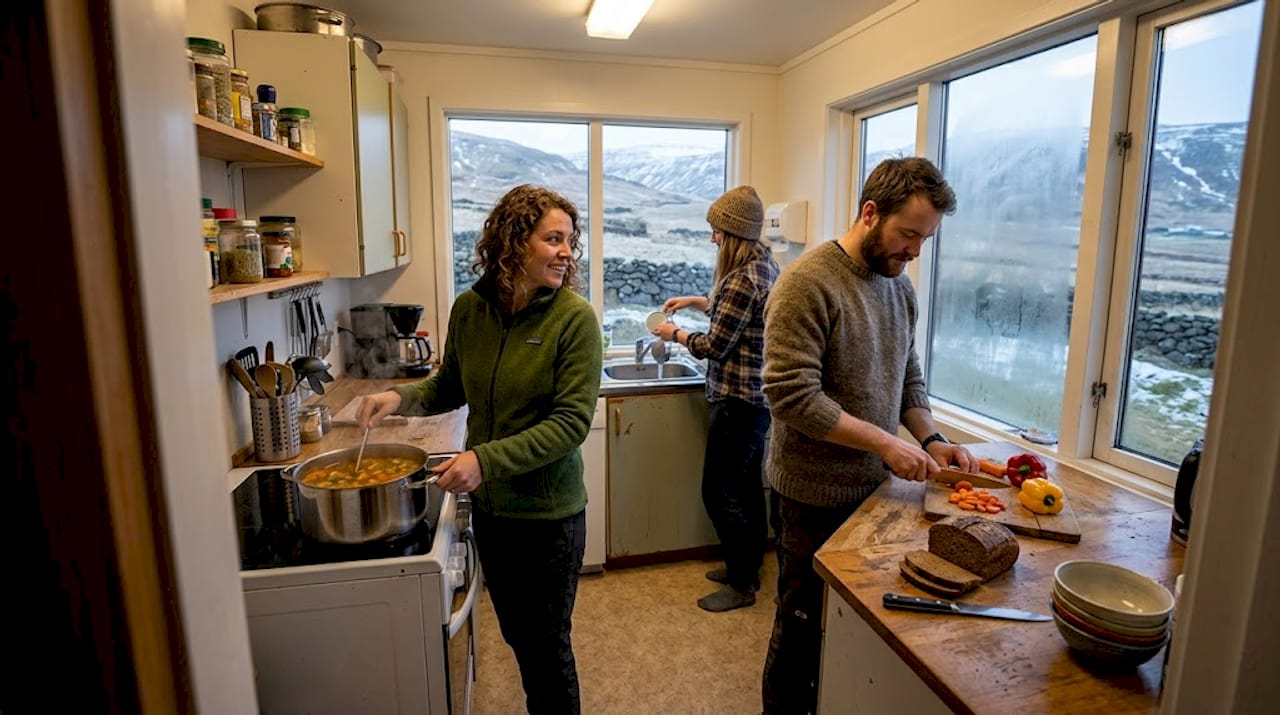
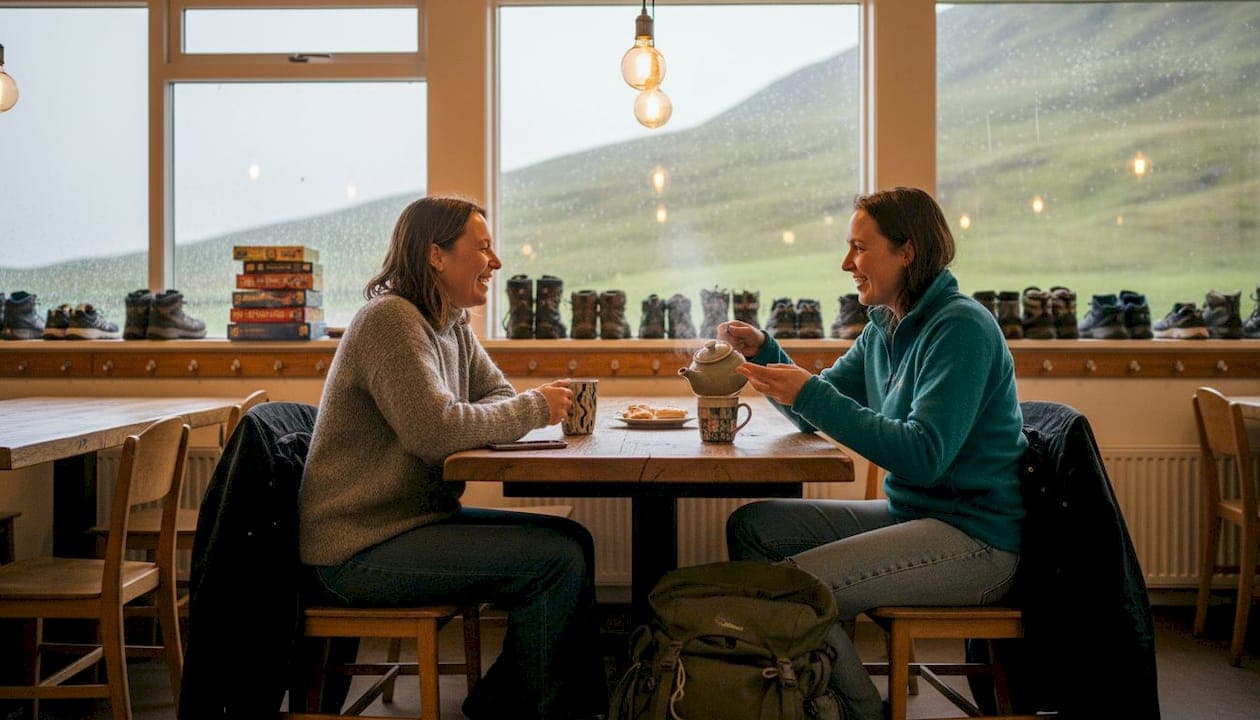
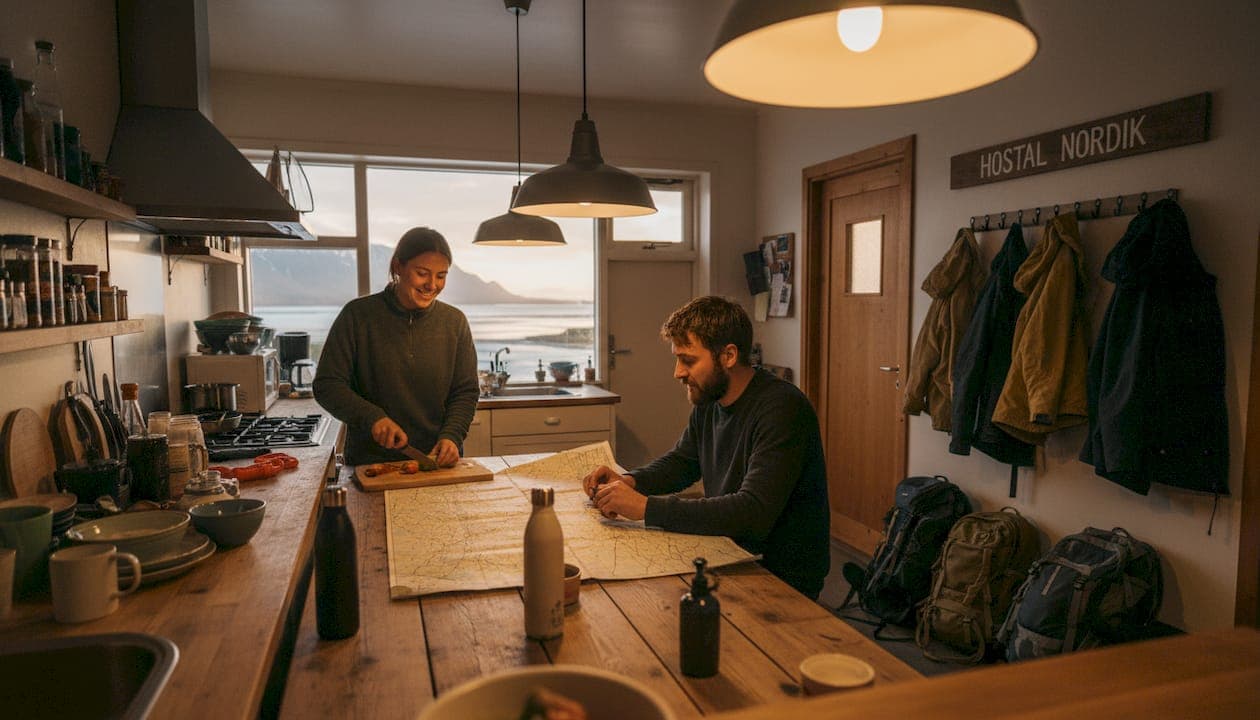
Rural Iceland stays offer a quality of local access that simply doesn’t exist at branded hotels. Communal kitchens are the real engine here. When six travelers are all cooking dinner at the same time, conversations happen naturally. Someone mentions the puffin colony they found. Someone else shares a shortcut to a glacier trail. These moments are unscripted and genuinely valuable.
Top cultural activities available at rural shared stays:
- Joining farm chores like feeding horses or collecting eggs
- Participating in traditional Icelandic meals with the host family
- Listening to local legends and folklore around a communal fire
- Getting off-map recommendations for hot springs and viewpoints
- Stargazing sessions organized by hosts during low-light season
“I expected to see Iceland. I didn’t expect to feel like I belonged there. The family at our farm stay talked with us every evening. We left knowing the names of their horses.” — traveler review from a southern Iceland farm stay
That kind of connection is the definition of an immersive countryside experience. It’s not engineered by a tour operator. It grows naturally from shared space and shared time. Even if you’re introverted, the low-pressure atmosphere of a rural Icelandic hostel makes cultural exchange feel effortless rather than forced.
Budget benefits: save more, experience more
Beyond local culture, travelers also care about their wallets, so let’s break down why sharing spaces helps you travel more for less.
A private hotel room in southern Iceland can easily run 25,000 to 45,000 ISK per night in peak season. A dorm bed at a well-run rural hostel typically costs 6,000 to 12,000 ISK. That difference is real money you can redirect toward a glacier hike, a boat tour on Jökulsárlón, or simply more days on the road. Farm stays and rural hostels pair affordable pricing with genuine countryside immersion.
Strategies to stretch your budget further:
- Cook your own meals in the communal kitchen instead of eating out every night. Iceland’s restaurant prices are steep, so a grocery run saves thousands of ISK per week.
- Split car rental costs with dorm neighbors heading in the same direction. This is extremely common on the Ring Road.
- Join group tours organized through your hostel. Many shared stays connect guests with local guides offering group discounts that aren’t available to solo bookers.
- Take advantage of free host tips. The best free hikes, hot pots, and viewpoints come from hosts, not guidebooks.
| Accommodation type | Average nightly cost (ISK) | Communal kitchen | Social vibe |
|---|---|---|---|
| Dorm bed (hostel) | 6,000 to 12,000 | Yes | High |
| Farm stay (shared) | 10,000 to 18,000 | Often included | Medium to high |
| Private guesthouse room | 20,000 to 35,000 | Rarely | Low |
| Hotel (private) | 30,000 to 55,000+ | No | Very low |
For groups and families, the savings multiply fast. Booking an affordable hostel adventure where you buy out a whole room gives you the privacy of a guesthouse at a fraction of the price. Learn more about private hostel rooms if you want the best of both worlds: social atmosphere with personal space.
Community and new friendships on the road
Travel isn’t just about the places. It’s also about the people you meet. Let’s look at the community aspect of shared stays.
There’s a specific kind of loneliness that hits solo travelers in remote places. Iceland’s interior is vast and quiet. A hostel dorm doesn’t eliminate the wilderness, but it makes you feel anchored. Waking up to the sound of other people, planning the day over coffee, comparing notes on yesterday’s hike: these small rituals matter more than most travelers admit.
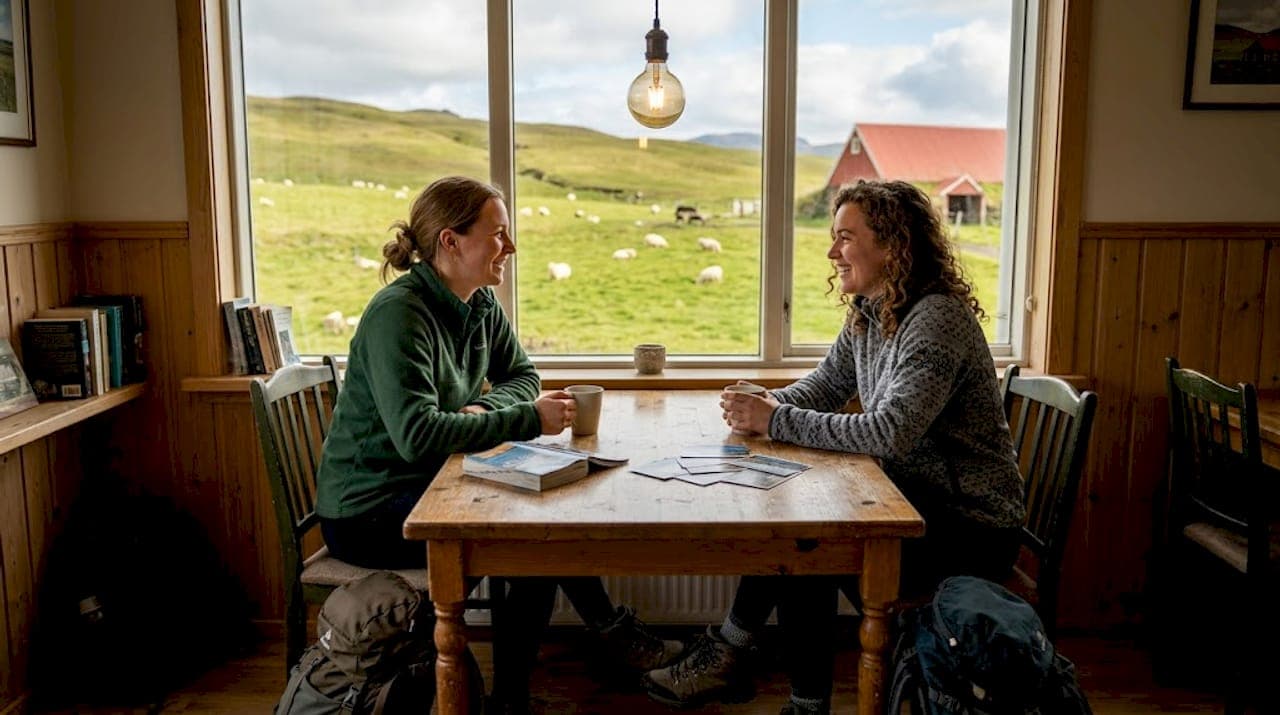
Hostel common areas are where real travel bonds form. A lounge with a good couch and decent Wi-Fi becomes a gathering point. The person next to you might be heading to the same glacier tomorrow. You split the gas. You share the experience. You stay in touch for years.
Ways to connect with fellow travelers at shared stays:
- Introduce yourself in the kitchen during cooking hours
- Join hostel-organized evening activities or Northern Lights alerts
- Post on the hostel’s notice board if you need a ride-share
- Sit in the common lounge instead of retreating to your bunk
- Ask other guests which stops impressed them most
| Experience factor | Solo private room | Shared accommodation |
|---|---|---|
| Chance of meeting new people | Very low | High |
| Spontaneous group activities | Rare | Common |
| Local tips from other travelers | Minimal | Frequent |
| Feeling of safety in remote areas | Moderate | Strong |
| Cost per night | High | Low to medium |
Pro Tip: If you’re an introvert, don’t force it. Common areas work best when you show up without an agenda. Grab a book, sit in the shared lounge, and let conversations come to you. Most hostel guests are friendly but not pushy.
Farm stays and rural hostels in Iceland naturally support this social structure, with communal setups that make connection easy without ever feeling obligatory.
Why Icelandic shared stays are more than just a bed
Most travel guides frame shared accommodations purely as a cost-saving move. That framing misses the point entirely.
The real value of a rural Icelandic hostel or farm stay is what happens in the in-between moments. Not the hike itself, but the conversation before it. Not the Northern Lights, but the five strangers who ran outside with you at 2 a.m. because someone shouted that the sky was moving. These experiences don’t appear in any itinerary. They can’t be booked.
We’ve seen travelers arrive at Fox Hostel fully intending to keep to themselves, and leave with three new travel partners and a lunch invitation from a local family. The discomfort of sharing space with strangers is real, but it’s also temporary. The memories that come from why rural stays matter are permanent.
Conventional wisdom says private accommodations are the “upgrade.” We’d argue the opposite is true in Iceland’s countryside. Privacy insulates you from the very thing that makes this place extraordinary: its people, its warmth, and its completely unscripted hospitality.
Ready to book your immersive Iceland stay?
If everything above sounds like the kind of trip you want to take, Fox Hostel is built exactly for this experience. Set inside a converted traditional Icelandic barn in Hrífunes Nature Park, just 35 minutes east of Vík, we offer dorm beds for solo travelers and full room buyouts for couples, families, and groups who want privacy without losing the communal energy.
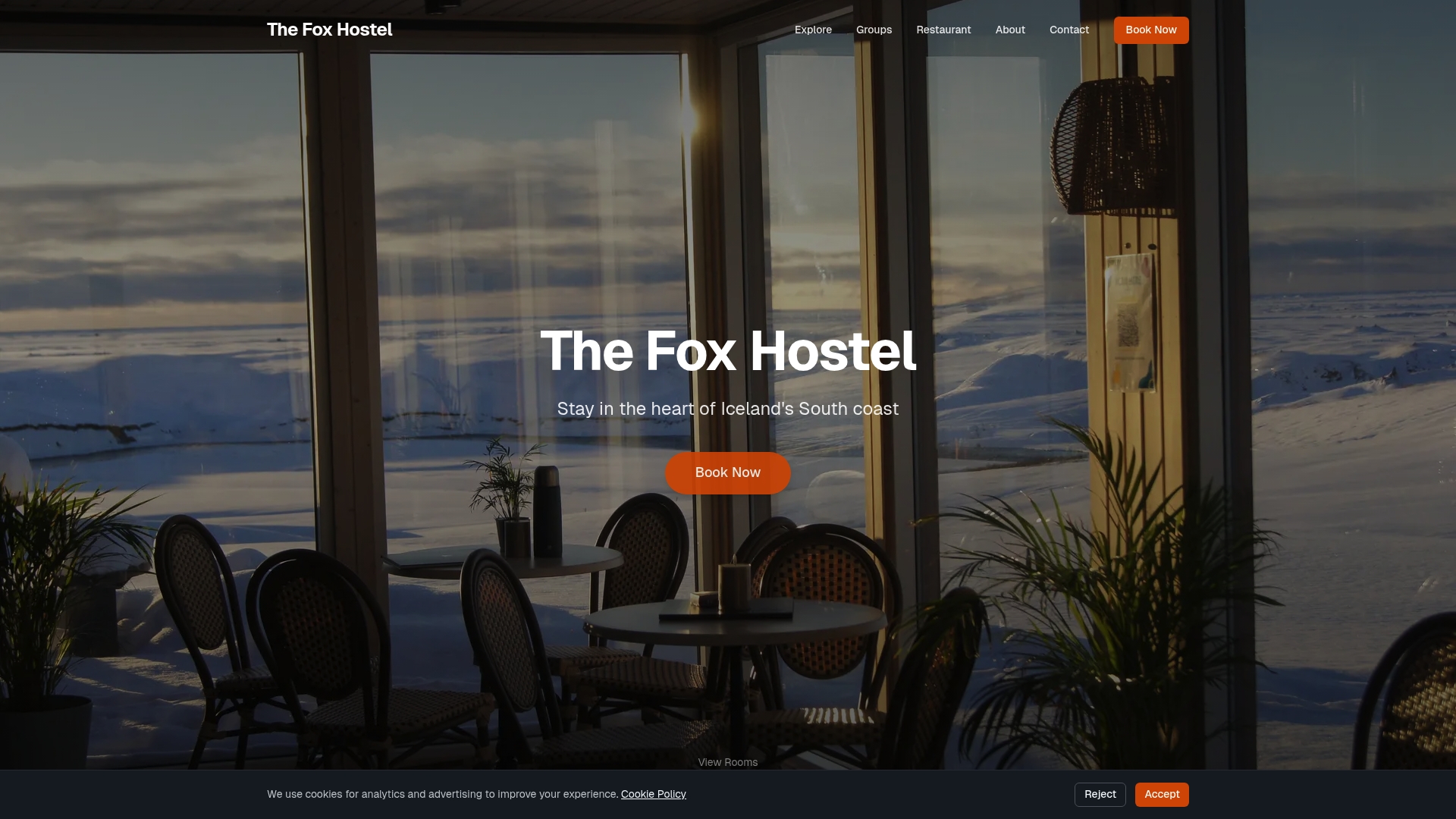
Our massive communal kitchen, on-site pizzeria, and dark sky location for Northern Lights viewing make every evening as memorable as the day trips. Explore our hostel room options and book early. Summer beds fill up weeks in advance, and the right room at the right price is worth securing now.
Frequently asked questions
What types of shared accommodations exist in rural Iceland?
Travelers can find hostels, farm stays, guesthouses, and some campsites with shared rooms or dorms in the Icelandic countryside. Farm stays and rural hostels each offer a distinct experience, ranging from dorm-style bunks to family-hosted shared spaces with meals included.
Is it safe to share a room with strangers in Iceland?
Yes, rural hostels and farms in Iceland have a strong reputation for safety, with attentive hosts and secure facilities that protect guests. Iceland consistently ranks among the safest countries in the world, and that culture of trust extends naturally into its shared accommodations.
How can I find the best shared stay for my trip?
Use trusted booking platforms, read recent guest reviews, and prioritize stays with host involvement and communal kitchen access. Location relative to key South Coast attractions should also weigh into your decision.
Are shared accommodations suitable for families or couples?
Absolutely. Many rural hostels and farm stays offer private family or couple rooms alongside dorms, so you can enjoy a social atmosphere while still having your own space at night.
Recommended
- Experience real Iceland: why rural stays offer more for less | Fox Hostel – South Iceland
- Top couples room types in Iceland for comfort & adventure | Fox Hostel – South Iceland
- Shared hostel spaces: affordable adventure & community | Fox Hostel – South Iceland
- Ventajas de alojarse fuera de Reikiavik en Islandia | Fox Hostel – South Iceland
- Beds in 8 Bed Mixed Dormitory - Bedspot