Travel Iceland on a budget: smart tips for affordable adventure
Travel Iceland on a budget: smart tips for affordable adventure
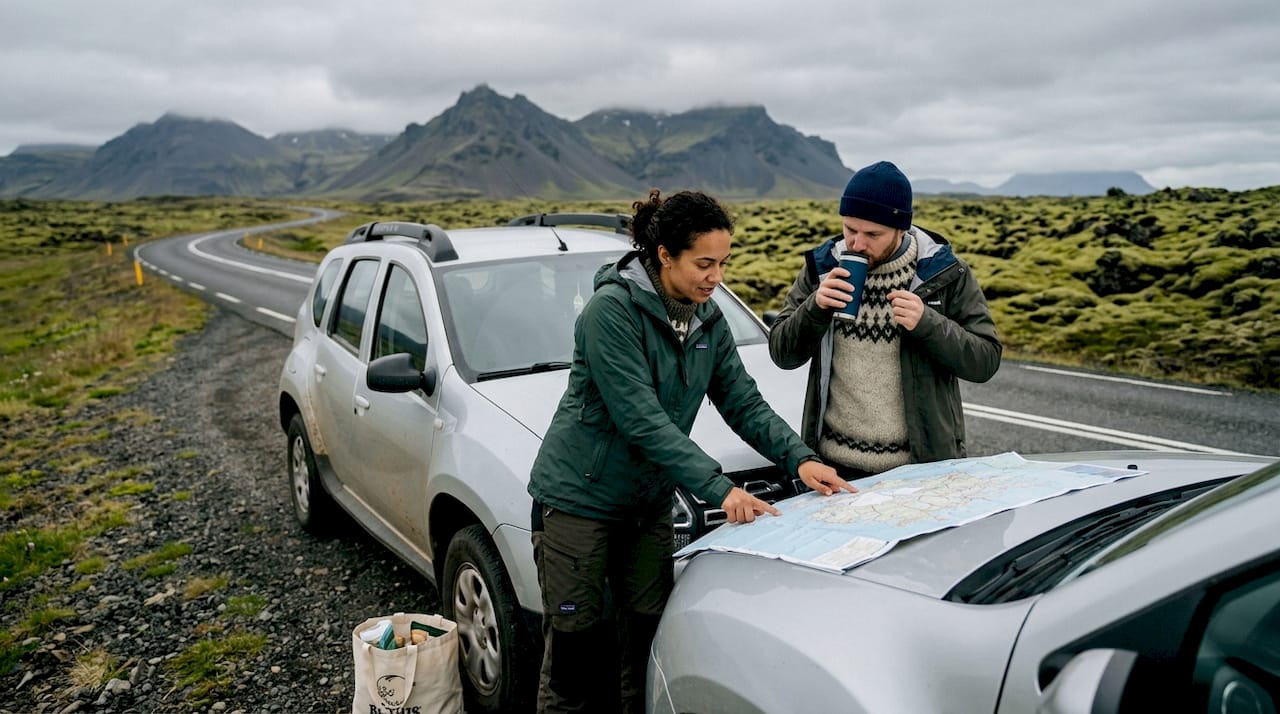
Iceland’s jaw-dropping landscapes come with a price tag that stops many travelers cold. Waterfalls, glaciers, volcanic beaches, and the Northern Lights are all within reach, but without a solid plan, costs spiral fast. Budget daily costs for Iceland in 2026 range from $110 to $200 USD per person per day. The good news? With the right strategies across accommodation, food, transport, and activities, you can see the best of Iceland without draining your savings account.
Table of Contents
-
Experiences and activities: Free sights, cheap admissions, and splurges
-
Timing and booking tips: When to go and how to reserve cheaply
Key Takeaways
| Point | Details |
|---|---|
| Budget your trip carefully | Expect to spend $110-200 USD per day with smart choices for lodging, food, and transport. |
| Book ahead and choose shoulder seasons | Visiting May-June or September-October and reserving early can reduce costs by up to 40%. |
| Maximize free and low-cost experiences | Most of Iceland’s natural wonders are free to visit, so prioritize free sights and public pools. |
| Shop, cook, and save on meals | Self-catering and buying groceries at discount stores cut food expenses drastically. |
| Pick transport based on your itinerary | Focus on one region and use public transit or shared rentals to minimize travel costs. |
Budget overview: What to expect and plan for
Understanding where your money goes is the first step to controlling it. Iceland is expensive by design: it imports most goods, has high labor costs, and sits far from major travel hubs. But knowing the breakdown gives you real power to cut costs where it matters most.
Daily costs for budget travelers in 2026 sit between $110 and $200 USD per person. Here is how that typically breaks down:
| Expense category | Budget range (per day) |
|---|---|
| Accommodation | $35 to $60 (dorm) |
| Food | $20 to $50 |
| Transport | $20 to $45 |
| Activities | $10 to $30 |
| Miscellaneous | $5 to $15 |
The five biggest factors that shape your total spend are:
-
Season: Peak summer (June to August) inflates every cost category.
-
Accommodation type: Dorms cost a fraction of private rooms or hotels.
-
Transport choice: Car rental adds up fast but unlocks remote areas.
-
Food habits: Eating out daily can double your food budget overnight.
-
Activity selection: One premium experience like the Blue Lagoon can cost $95 or more.
The smartest approach is to lock in your biggest expenses first: flights, accommodation, and car rental. Everything else becomes easier to manage once those are set.
Prioritize affordable accommodations in Iceland
Accommodation is typically the largest single expense on any Iceland trip. Choosing the right type and booking at the right time can save you hundreds of dollars over a two-week stay.
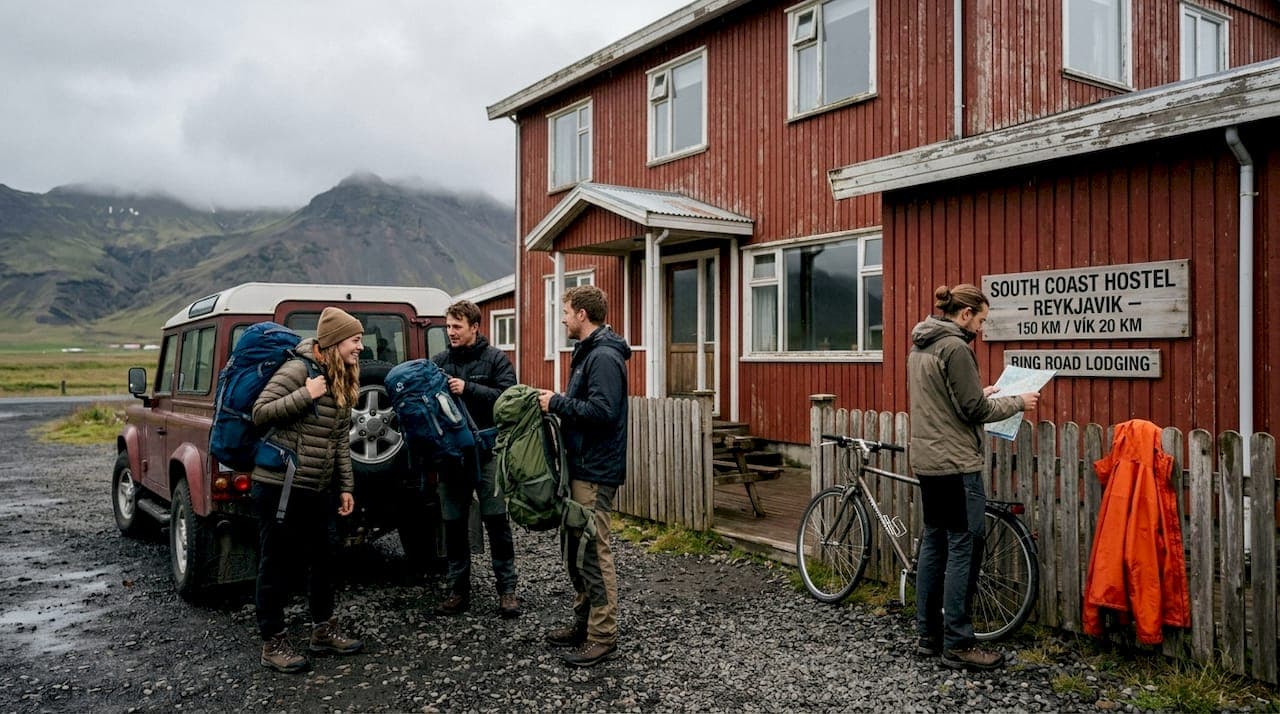
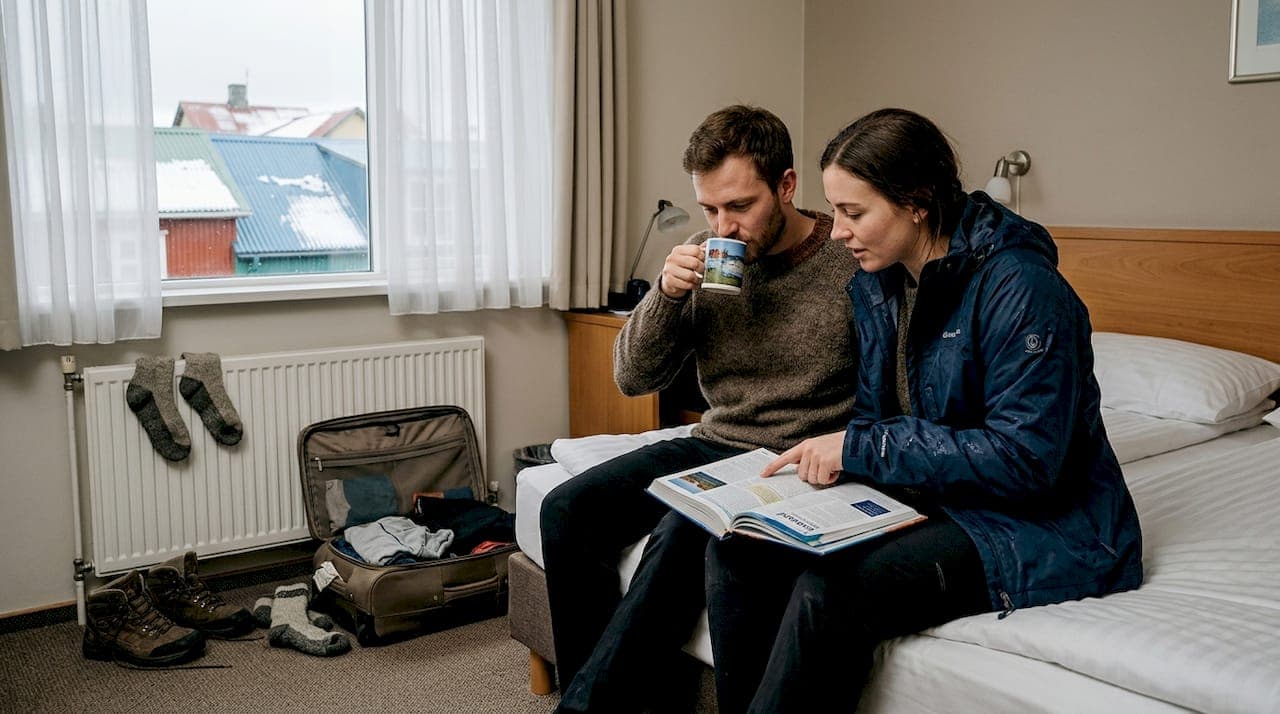
Hostels run $35 to $60 per night for a dorm bed, camping costs $10 to $20 per person per night with facilities, and guesthouses range from $90 to $140 per night. Book four to six months ahead, especially for summer travel.
| Accommodation type | Cost per night | Best for |
|---|---|---|
| Hostel dorm | $35 to $60 | Solo travelers, social stays |
| Camping | $10 to $20 | Adventurers, summer travel |
| Guesthouse | $90 to $140 | Couples, comfort seekers |
| Budget hotel | $130 to $200 | Families, short stays |
Key strategies to keep lodging costs low:
-
Book early: Summer availability disappears fast. Four to six months ahead is not an exaggeration.
-
Choose dorms over private rooms: You can save $40 to $80 per night in a hostel dorm.
-
Stay near key routes: Accommodation along the South Coast puts you close to major attractions without extra driving costs.
-
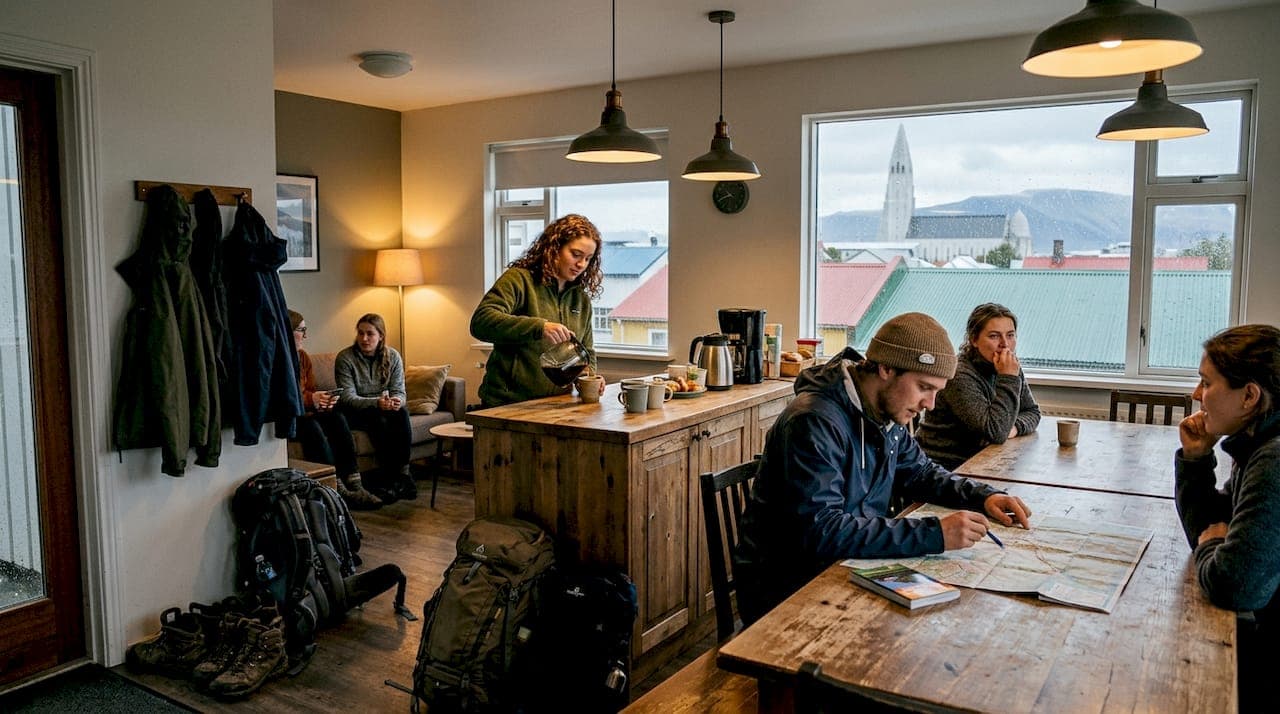
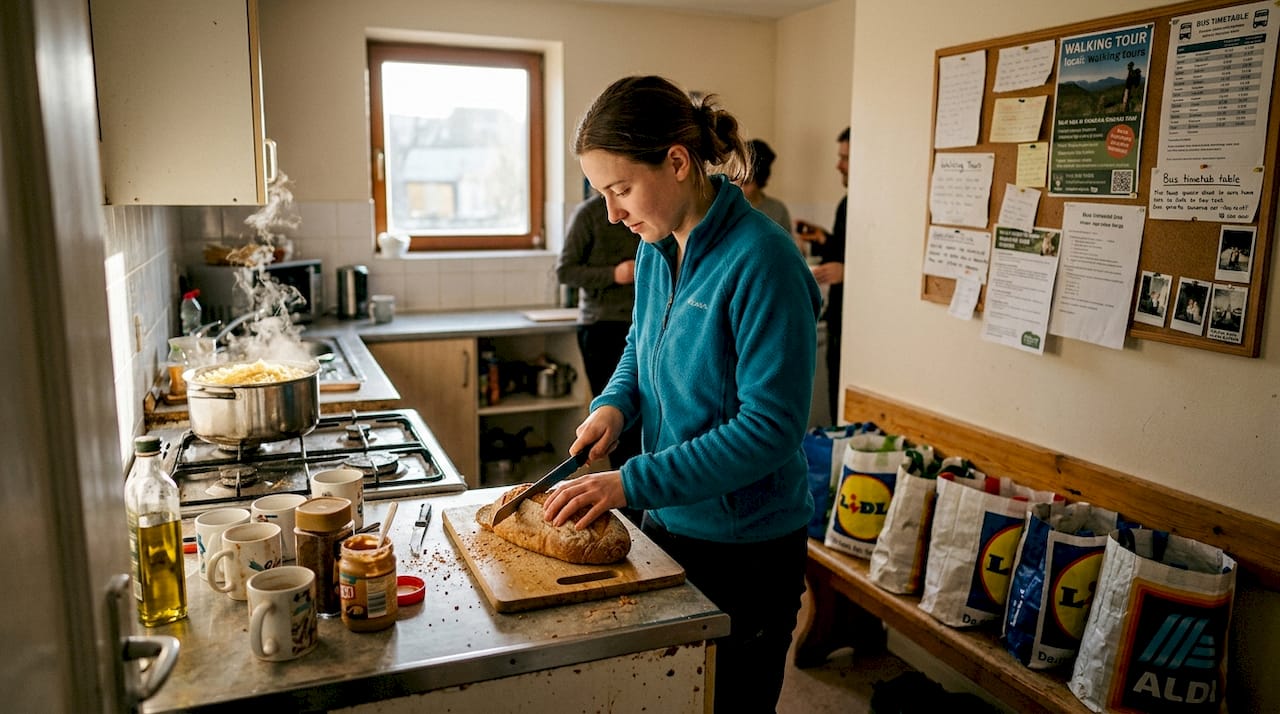
Look for kitchen access: Hostels with shared kitchens let you self-cater and cut food costs dramatically.
Pro Tip: Staying at budget hostels on South Iceland near Vik puts you within easy reach of Reynisfjara Black Sand Beach, Skogafoss waterfall, and glacier hikes, so you spend less time and fuel driving between sights.
Cutting food costs: Shopping, cooking, and eating out
Food in Iceland is genuinely expensive if you eat out for every meal. A sit-down lunch can easily run $25 to $35, and dinner at a mid-range restaurant often hits $50 or more per person. Self-catering is your most powerful tool here.
Shop at Bónus or Krónan supermarkets, which are roughly 40% cheaper than convenience stores or tourist-area shops. Self-catering can cut your food costs by up to 60%, bringing daily grocery spending to $20 to $40 per person versus $50 or more for eating out.
Practical food-saving habits that actually work:
-
Make breakfast and lunch yourself: Oatmeal, bread, cheese, and fruit from Bónus keep mornings and middays cheap.
-
Use hostel kitchens: Most budget hostels provide full kitchen access at no extra charge.
-
Pack picnic lunches: Iceland’s scenery makes roadside picnics genuinely enjoyable, not just a budget compromise.
-
Eat your main meal at lunch: Many restaurants offer lunch specials that are 30 to 40% cheaper than the same dish at dinner.
-
Limit alcohol purchases: Bar prices are steep. Buy alcohol duty-free at the airport on arrival for significant savings.
Iceland has no tipping culture, so service is always included in the price. That alone saves you 15 to 20% compared to dining in the US.
Pro Tip: Check out affordable local restaurants near your accommodation for honest, filling meals at prices that won’t wreck your daily budget.
Transportation strategies: Getting around for less
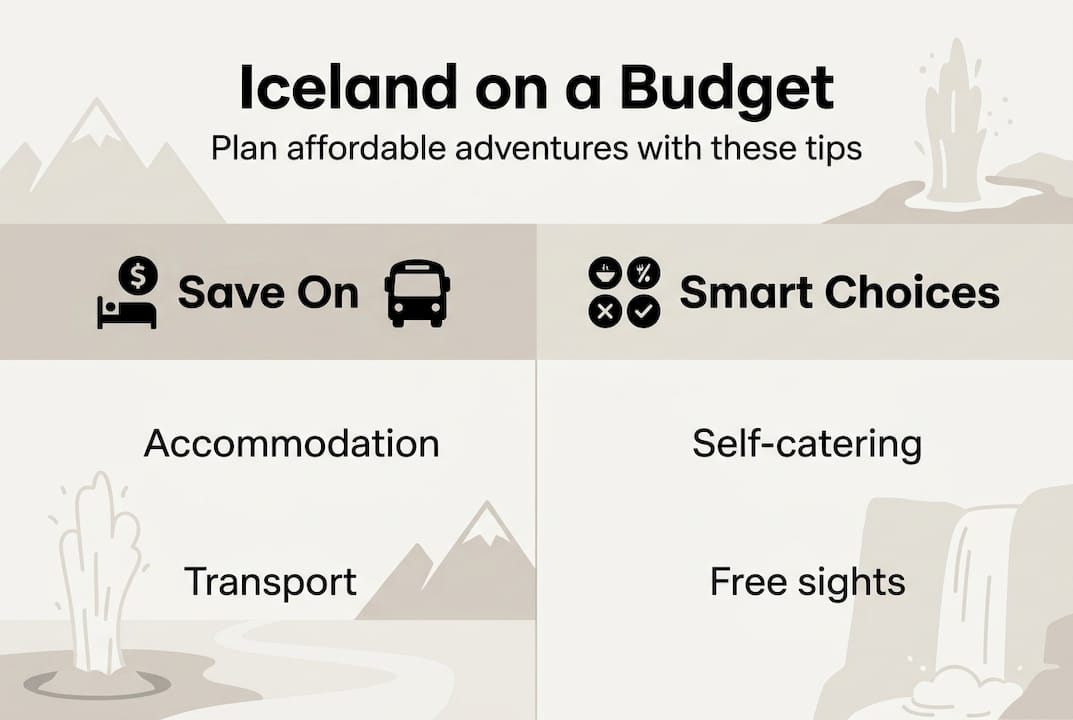
Getting around Iceland is one of the trickier budget puzzles. The country has limited public transport outside Reykjavik, but car rental costs add up quickly. The key is matching your transport choice to your actual itinerary.
Shoulder seasons like May to June and September to October save you 20 to 40% on flights, accommodation, and car rentals compared to peak summer months. That is a massive difference on a two-week trip.
| Transport option | Cost estimate | Best for |
|---|---|---|
| Rental car (shared) | $40 to $70/day split | Groups, rural exploration |
| Public bus (Reykjavik) | $3 to $5/ride | City travel only |
| Organized day tours | $80 to $150/tour | Solo travelers, no car |
| Reykjavik City Card | $30 to $50/day | City-focused stays |
Smart transport moves to make:
-
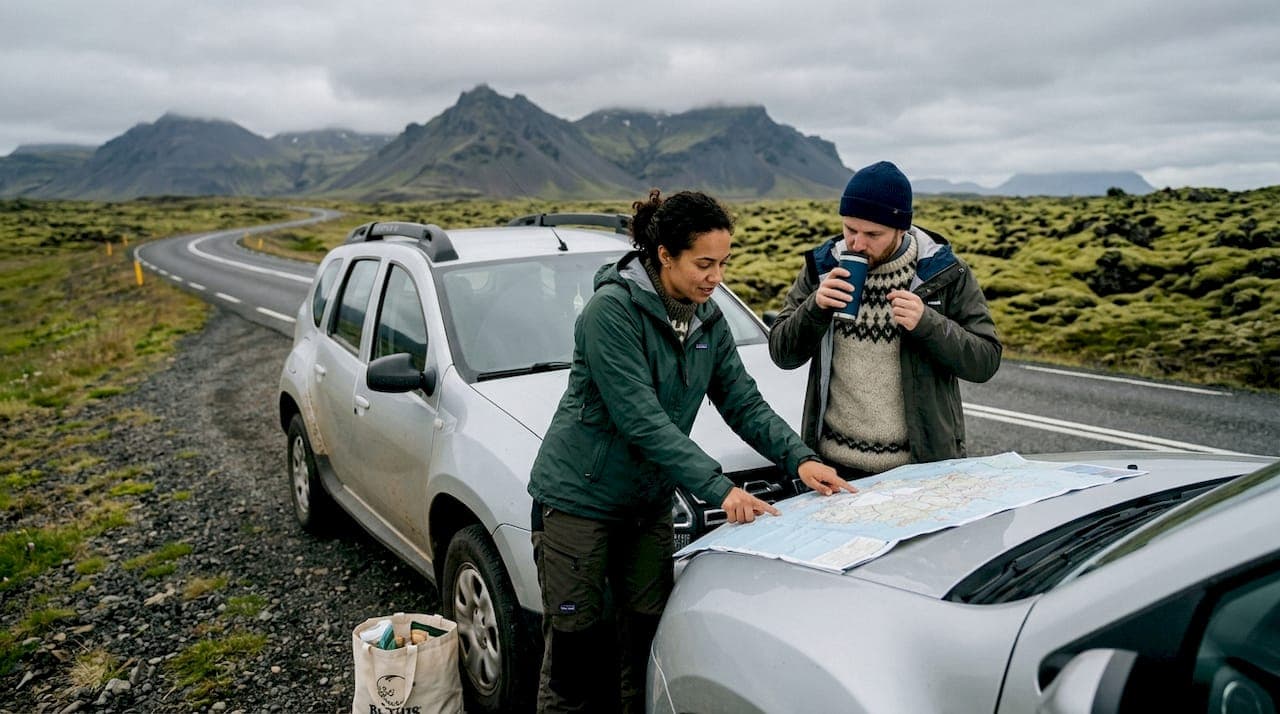
Travel one region deeply. Focusing on one region rather than attempting the full Ring Road cuts fuel and rental days significantly.
-
Share a rental car. Splitting a compact car four ways brings the daily cost down to $15 to $20 per person.
-
Use the Reykjavik City Card for unlimited bus rides and museum access if you are spending two or more days in the capital.
-
Book car rentals early. Prices spike in summer. Booking three to four months ahead locks in lower rates.
-
Avoid airport pickup surcharges by taking the shuttle to the city and picking up your rental there.
Pro Tip: Public transport works well for the South Coast in summer, but a shared rental car gives you far more flexibility for the same or lower cost when split between travelers.
Experiences and activities: Free sights, cheap admissions, and splurges
Here is where Iceland genuinely surprises budget travelers: most of the country’s most iconic sights cost nothing at all. You do not need a packed activity schedule to have an unforgettable trip.
Most natural attractions are free, including waterfalls like Seljalandsfoss and Skogafoss, black sand beaches, glacier viewpoints, and hiking trails. Plan to spend on just one or two paid experiences if your budget allows.
Top free and low-cost experiences:
-
Reynisfjara Black Sand Beach (free)
-
Seljalandsfoss and Skogafoss waterfalls (free, small parking fee)
-
Fjadrargljufur Canyon (free)
-
Glacier viewpoints at Solheimajokull (free to view, guided hike extra)
-
Northern Lights hunting on clear nights (free)
-
Reykjavik street art and harbor walks (free)
Public swimming pools cost $8 to $10 and offer the same geothermal hot tub experience as the Blue Lagoon at a fraction of the $95 plus entry price. Locals actually use them, which makes the experience far more authentic.
| Experience | Cost | Worth it? |
|---|---|---|
| Blue Lagoon | $95 plus | Once, if budget allows |
| Local geothermal pool | $8 to $10 | Absolutely, every time |
| Glacier hike (guided) | $60 to $90 | Yes, unique experience |
| Whale watching | $80 to $100 | Optional splurge |
| Waterfalls and beaches | Free | Always |
“Iceland’s best moments often cost nothing. Standing at the edge of a black sand beach with waves crashing against sea stacks is as powerful as any paid tour.”
Timing and booking tips: When to go and how to reserve cheaply
Timing your trip correctly is one of the highest-leverage budget moves you can make. A few weeks’ difference in travel dates can save you hundreds of dollars across every expense category.
Shoulder seasons from May to June and September to October deliver 20 to 40% savings on flights, accommodation, and car rentals versus peak summer. You also deal with smaller crowds at major sights.
Your booking checklist for the lowest prices:
-
Set flight alerts three to four months out using Google Flights or Skyscanner to catch price drops.
-
Book accommodation four to six months ahead for summer travel. Book well in advance since popular hostels and guesthouses fill up fast.
-
Reserve your rental car at the same time as your flights to lock in early-bird rates.
-
Plan your itinerary before booking activities so you avoid paying for overlapping or redundant tours.
-
Check cancellation policies before paying. Flexible bookings protect you if plans shift.
Pro Tip: Traveling in late September gives you a real shot at the Northern Lights, cooler but manageable weather, and prices that are noticeably lower than July or August. It is one of the best value windows in the Icelandic travel calendar.
Save more with Fox Hostel’s budget-friendly options
Putting all these strategies together is much easier when your base is already working for you. Fox Hostel South Iceland sits near Vik, right in the heart of the South Coast’s most iconic landscapes. You wake up minutes from black sand beaches, waterfalls, and glacier access without burning extra fuel or time.
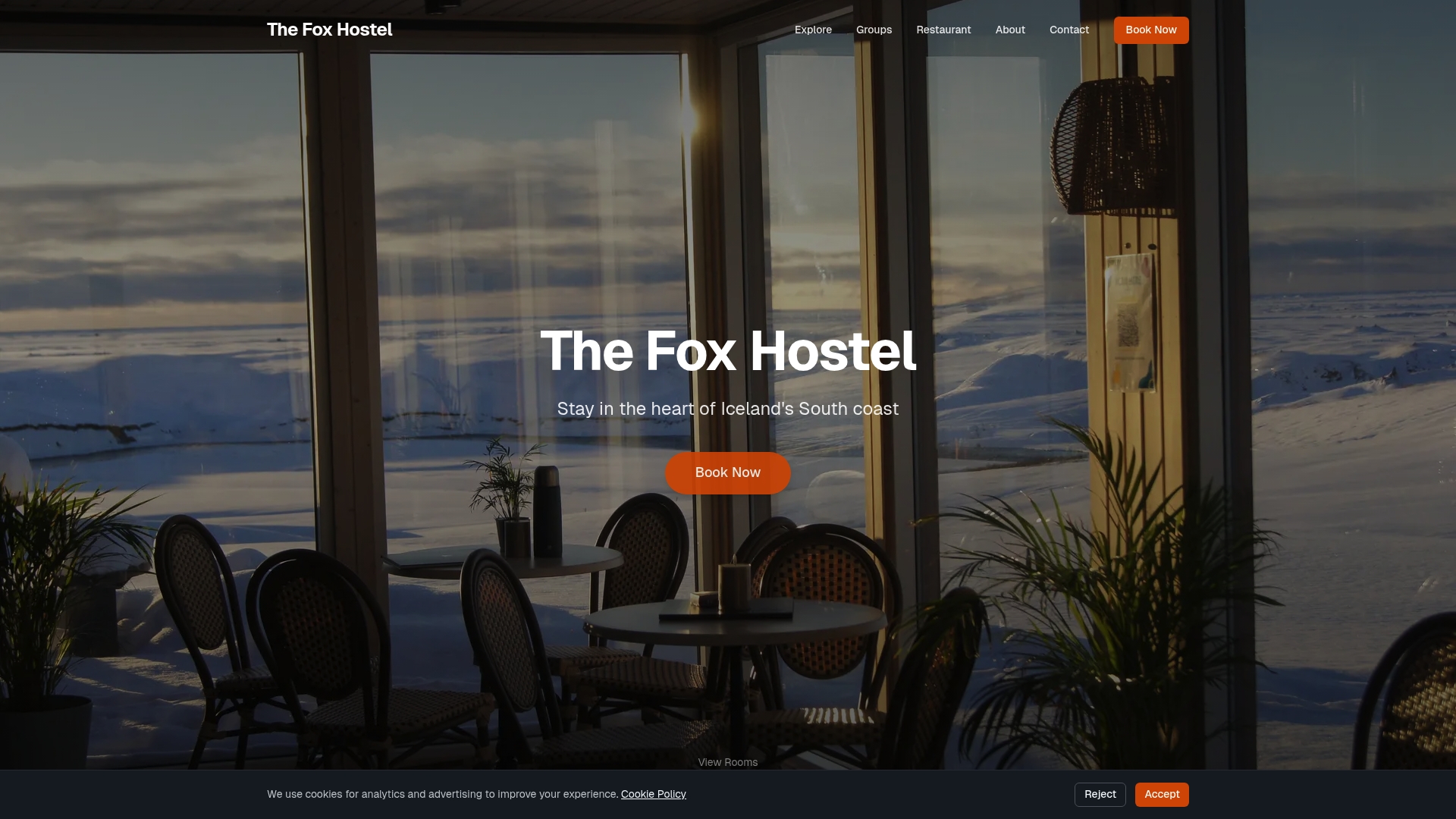
Fox Hostel offers budget rooms and dorms designed for travelers who want comfort without the hotel price tag. Whether you are traveling solo, as a couple, or in a group, there is a room type that fits your budget and your style. The shared spaces make it easy to connect with other travelers, swap tips, and even split car rental costs. On-site affordable dining options mean you can grab a solid meal without hunting for a restaurant after a long day on the road. Book directly for the best available rates and start your Iceland adventure on the right financial footing.
Frequently asked questions
How much should I budget per day for Iceland in 2026?
Plan for $110 to $200 USD per person per day using hostels, self-catering, and public transport or a shared car rental. Staying closer to $110 is realistic if you cook most meals and choose dorm beds.
What are the cheapest months to visit Iceland?
May to June and September to October are the best value windows, offering 20 to 40% savings on flights, accommodation, and car rentals compared to peak summer months.
Can I self-cater meals in Iceland hostels and guesthouses?
Yes, most hostels and guesthouses provide kitchen facilities. Self-catering cuts costs by up to 60%, bringing daily food spending down to $20 to $40 per person instead of $50 or more.
Are natural attractions in Iceland free to visit?
Most are. Waterfalls, beaches, and hikes are free to access. Budget for one or two paid experiences like a guided glacier hike or the Blue Lagoon if you want a premium activity.
Is tipping expected in Iceland restaurants?
No. Iceland has no tipping culture, and service charges are already included in menu prices, so you never need to add extra.