Visiting Kirkjubæjarklaustur: Your 2026 Tourist Guide
Visiting Kirkjubæjarklaustur: Your 2026 Tourist Guide
TL;DR:
- Kirkjubæjarklaustur is a small Icelandic village known for its natural basalt formations, waterfalls, and proximity to volcanic sites. Visitors should allow at least two days to explore key attractions, including the Laki craters and Fjaðrárgljúfur canyon, during the July-September high season. Proper planning and adherence to environmental rules are essential to enjoy its dramatic landscapes safely.
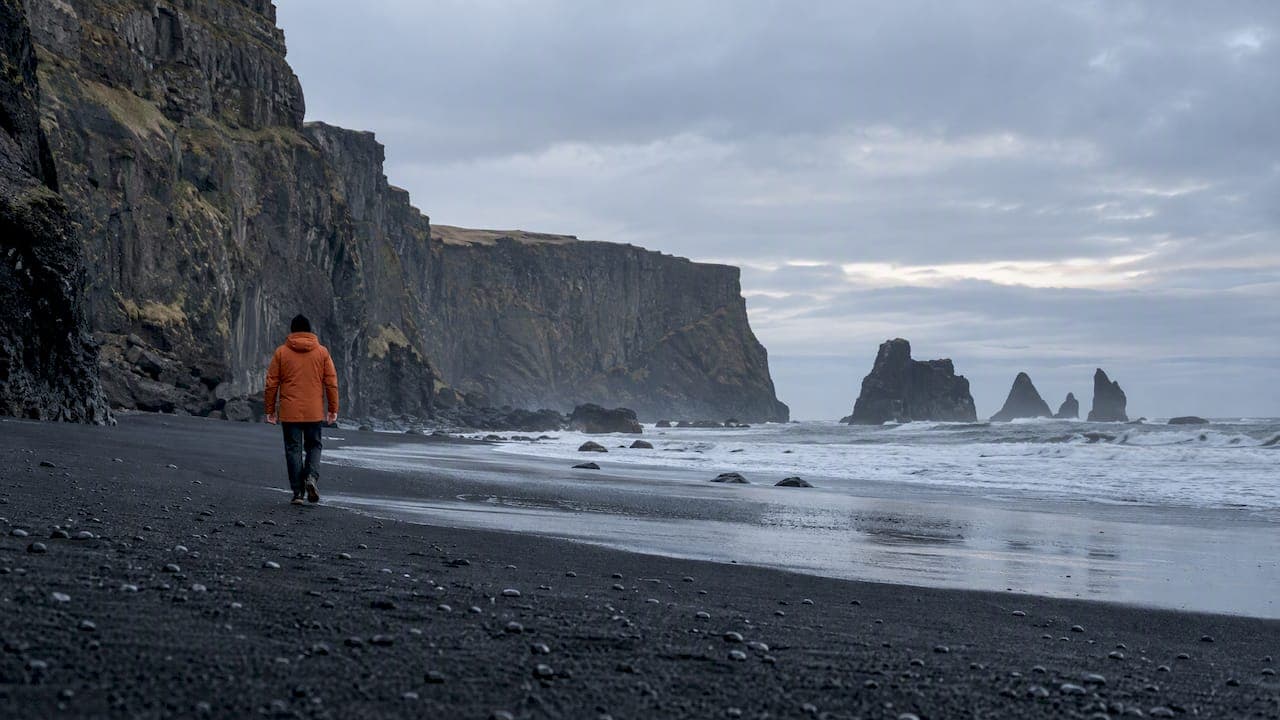
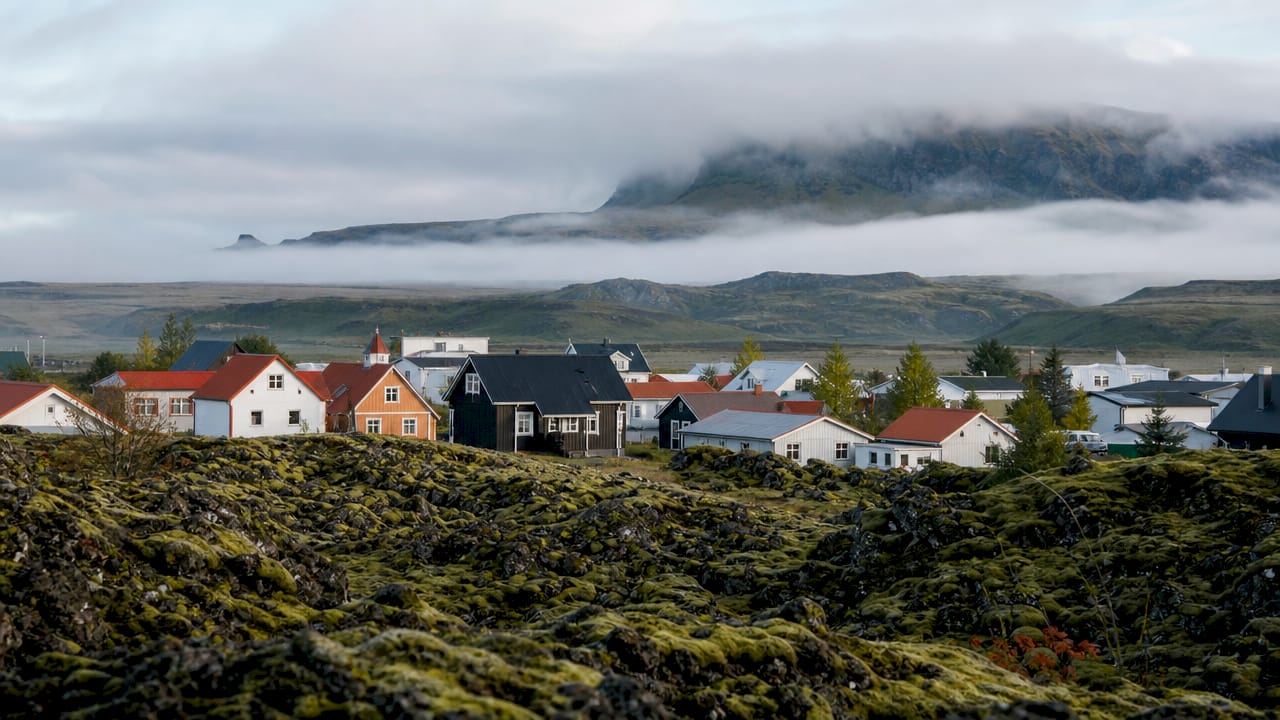
Kirkjubæjarklaustur is a small village on Iceland’s South Coast, sitting at the crossroads of ancient lava fields and the vast glaciers of Vatnajökull National Park. Locals shorten the name to Klaustur, and that nickname tells you something: this place is practical, unpretentious, and deeply Icelandic. Your visiting Kirkjubæjarklaustur tourist guide starts here, with the core truth that this village is not just a fuel stop. It is a genuine base for some of the most dramatic scenery in all of Iceland, including the Kirkjugólf basalt columns, Systrafoss waterfall, and the Laki craters.
What are the must-see Kirkjubæjarklaustur attractions?
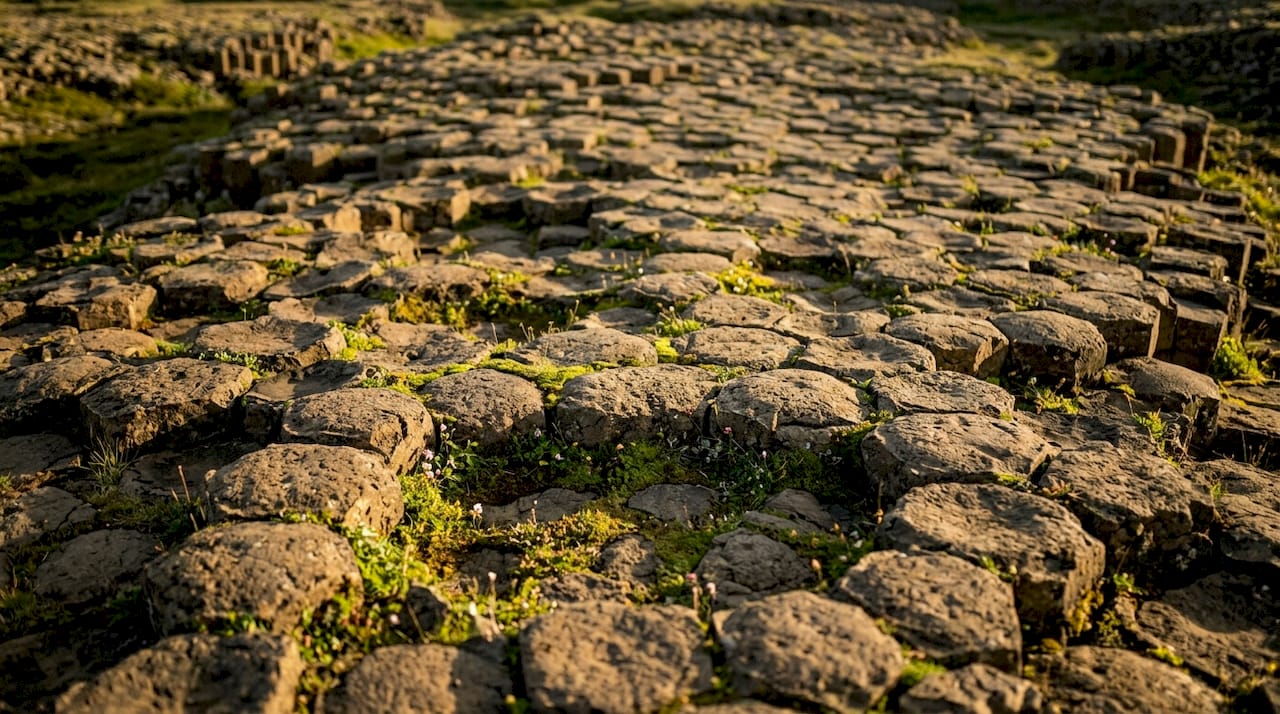
Kirkjugólf is the village’s most famous natural feature. The name translates to “church floor,” and the formation earns it: hundreds of hexagonal basalt columns, worn flat by glaciers, tile the ground like a mosaic laid by a giant. The site sits just a short walk from the village center and takes about 20 minutes to explore properly.
Systrafoss waterfall drops directly into the village from a cliff above, making it one of the most accessible waterfalls in South Iceland. A short trail leads up from the falls to Systravatn lake, a peaceful tarn surrounded by green hillsides. The walk is short but can get muddy, so waterproof boots are the right call.
Stjórnarfoss is a lesser-known waterfall a few kilometers east of the village. Most travelers drive past it without stopping. That is a mistake. The falls are wide, powerful, and almost entirely crowd-free, which makes them worth the brief detour.
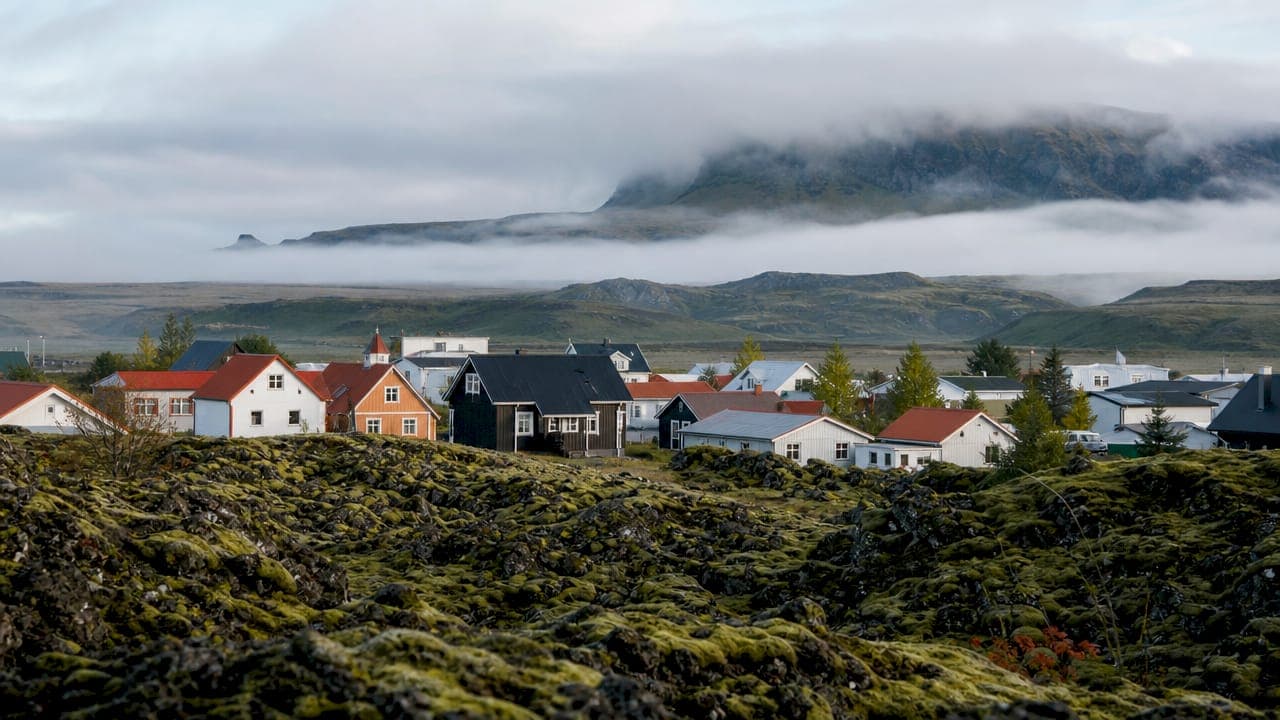
The Eldhraun lava field stretches for kilometers along Route 1 west of Klaustur. The 1783 Laki eruption produced it, and the thick green moss that now covers every surface makes it look like something from another planet. Skaftáreldahraun, the broader lava field system from that same eruption, represents one of Iceland’s most significant volcanic events in recorded history. The landscape still carries that weight.
Fjaðrárgljúfur canyon sits about 10 kilometers west of the village. The canyon walls drop roughly 100 meters, and the river below carves through ancient rock in tight S-curves. Viewpoints along the rim offer some of the most photogenic shots in South Iceland.
- Kirkjugólf: Natural basalt “church floor,” 20-minute walk from the village center
- Systrafoss and Systravatn: Accessible waterfall and lake trail, muddy in wet weather
- Stjórnarfoss: Wide, uncrowded waterfall a few kilometers east on Route 1
- Eldhraun lava field: Moss-covered lava from the 1783 Laki eruption, protected ecosystem
- Fjaðrárgljúfur canyon: 100-meter deep canyon with dramatic river views, 10 km west
- Laki craters: Remote volcanic row accessible only by 4x4 in summer months
- Skaftafell: Part of Vatnajökull National Park, reachable in under 90 minutes east
Pro Tip: Visit Fjaðrárgljúfur early in the morning. The canyon fills with tour buses by mid-morning in summer, and the light is better before 9:00 AM anyway.
How to plan your visit: transportation, timing, and accommodation
Getting to Klaustur is straightforward. Route 1, the Ring Road, runs directly through the village. The drive from Reykjavík takes roughly 3.5 hours under normal conditions. From Vík, it is about 75 kilometers east, or just under an hour.

Reaching the Laki craters requires more preparation. Access to Lakagígar is restricted to 4x4 vehicles and is only open from july through september due to the conditions on F-road 206. Attempting the route in a standard car is not just inadvisable. It is genuinely dangerous and can void your rental insurance.
Timing your visit matters. The july through september window opens up the highlands and Laki access, and the long daylight hours give you more flexibility for day trips. Spring and fall offer fewer crowds and lower prices, but some highland roads stay closed. Winter visits are possible for Northern Lights, but Laki and several hiking trails are off the table.
Recommended daily schedule for a two-day stay:
- Day 1 morning: Walk to Kirkjugólf and Systrafoss, then hike up to Systravatn lake
- Day 1 afternoon: Drive to Fjaðrárgljúfur canyon, arrive before noon if possible
- Day 1 evening: Refuel in the village, stock up on supplies, check into accommodation
- Day 2 morning: Drive the Eldhraun lava field stretch on Route 1 west toward Vík
- Day 2 afternoon: Head east toward Skaftafell or book a guided Laki tour if in season
The village has limited supplies during peak summer weekends. Fuel, food, and basic groceries are available, but inventory runs thin when tour groups pass through. Fill your tank and buy provisions before you need them, not after.
| Logistics item | Details |
|---|---|
| Route access | Route 1 (Ring Road) for all main sites; F-road 206 for Laki (4x4 only) |
| Best travel window | July–September for full highland access |
| Recommended stay | 1–2 days for village sites; 3+ days for Laki and Skaftafell |
| Fuel and supplies | Available in the village but limited during peak season |
| Accommodation | Budget hostels, guesthouses, and camping options in and near the village |
For Kirkjubæjarklaustur accommodation, budget travelers do well with hostel-style lodging in the area. Fox Hostel sits midway between Vík and Klaustur in Hrífunes Nature Park, making it an excellent base for day trips in both directions. Travelers planning to stay near Klaustur will find the location cuts drive times significantly for both western and eastern South Coast sites.
What safety and environmental rules should you follow?
Weather near Kirkjubæjarklaustur changes without warning. A clear morning can turn into horizontal rain and wind within an hour. Waterproof jackets and warm layers are not optional gear. They are the baseline for any day outdoors in this part of Iceland, regardless of the season.
The Eldhraun moss is the most ecologically sensitive feature in the area. The moss covering the lava field takes decades to recover from a single footprint. Stepping off the marked paths causes permanent damage to an ecosystem that has been growing since the 18th century. Stay on the road or designated viewing areas at all times.
“The Eldhraun lava field is one of the most fragile ecosystems in Iceland. The moss you see growing over the rocks has taken centuries to establish itself. One careless step can undo hundreds of years of natural recovery. Treat it like the irreplaceable thing it is.”
Footwear matters more than most travelers expect. The trail to Systravatn lake becomes extremely muddy after rain, and the terrain around Fjaðrárgljúfur canyon is uneven. Waterproof hiking boots with ankle support are the right choice for any trail in the area.
- Stay on marked trails at all times, especially near Eldhraun
- Carry waterproof outerwear and warm layers every day, not just on forecast rain days
- Use a 4x4 vehicle for F-road 206 to Laki. Standard cars are not permitted
- Wear waterproof hiking boots for Systravatn and Fjaðrárgljúfur trails
- Check road conditions at road.is before driving any F-road
Pro Tip: Download an Iceland eSIM before you leave the main highway. Cell coverage drops significantly on F-roads, and having a data connection for maps and weather updates can be the difference between a great day and a genuinely difficult one. Iceland eSIM options are available for short-term travel.
What are the best activities and excursions near Kirkjubæjarklaustur?
The area rewards travelers who go beyond the roadside stops. The hike to Systravatn lake is the most accessible multi-step experience in the village itself. You start at Systrafoss, follow the trail uphill through birch scrub and open meadow, and arrive at a quiet lake with views back over the village and the lava plains beyond.
Guided tours to the Laki craters are the most dramatic excursion available from Klaustur. The crater row stretches for roughly 25 kilometers and includes more than 100 individual craters. The 1783 eruption that created them was one of the largest in Iceland’s history, and the landscape still looks actively volcanic. Most guided tours depart from the village in summer and last a full day.
- Systravatn lake hike: Short trail from Systrafoss, muddy in wet weather, rewarding views
- Laki craters guided tour: Full-day excursion, summer only, departs from Klaustur
- Fjaðrárgljúfur canyon walk: Rim trail with multiple viewpoints, best before 9:00 AM
- Skaftárstofa Visitor Centre: Educational exhibits on the Vatnajökull region and volcanic history
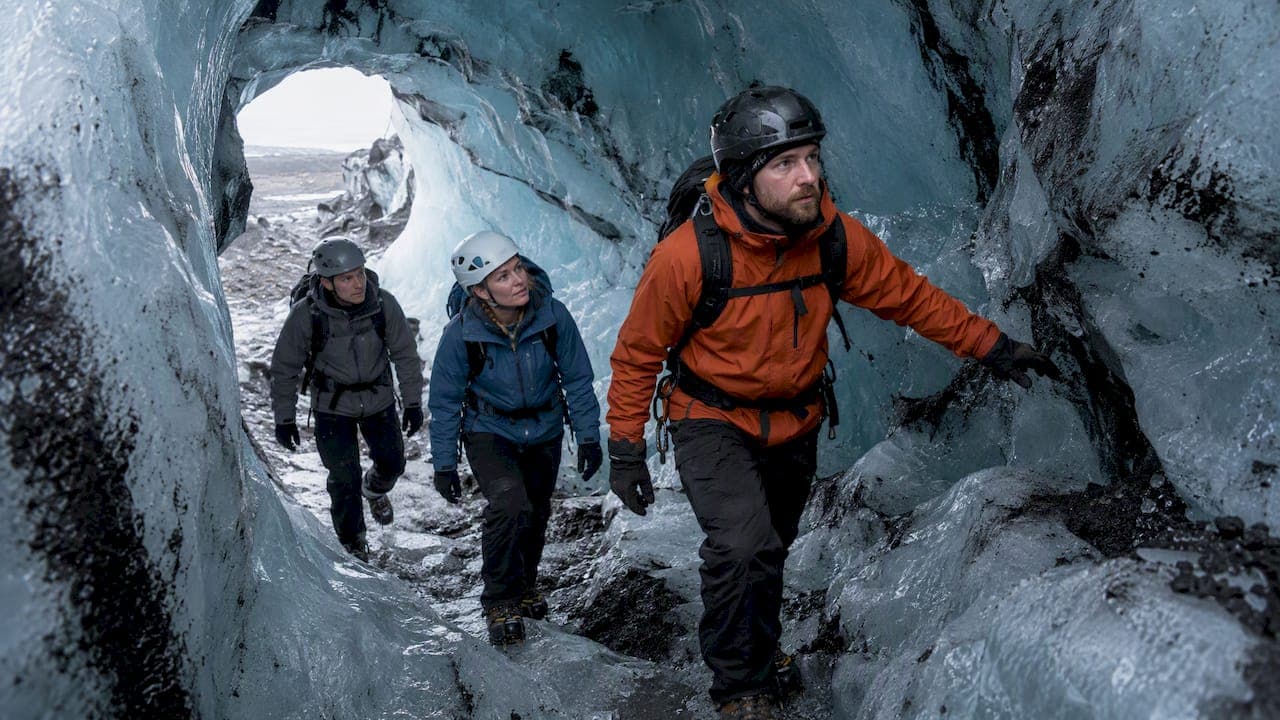
- Vatnajökull National Park day trip: Glacier hikes, ice caves (winter), and waterfall trails within 90 minutes east
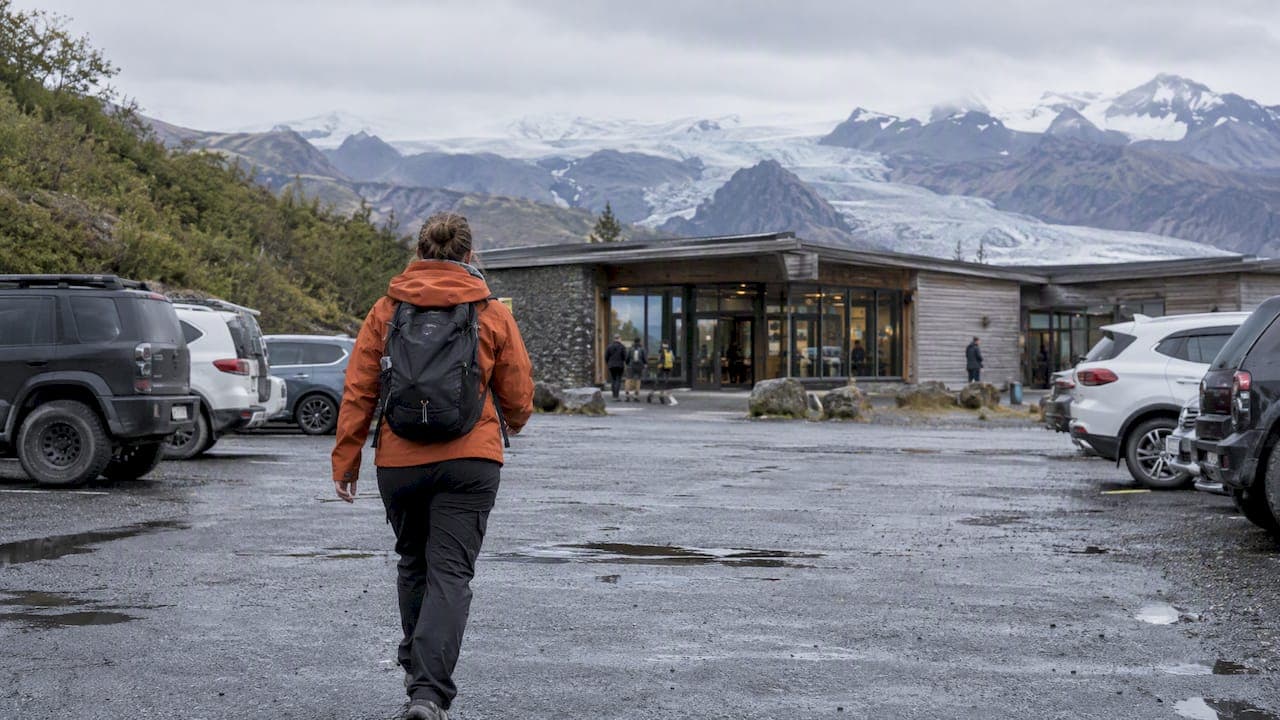
The Skaftárstofa Visitor Centre in the village is worth an hour of your time, especially if you are heading toward Vatnajökull. The exhibits explain the volcanic history of the region clearly and give useful context for what you will see on the road east. Rangers there can also give you current road and trail conditions, which is more reliable than any app.
For travelers building a multi-day South Iceland itinerary, Klaustur works as the eastern anchor. Jökulsárlón Glacier Lagoon is roughly two hours further east. Combining Klaustur with Jökulsárlón and Skaftafell in a three-day loop gives you the full range of South Coast terrain, from lava fields to glaciers to icebergs.
Key Takeaways
Kirkjubæjarklaustur is the most strategically located village on Iceland’s South Coast, combining accessible natural landmarks with gateway access to remote highland sites like Laki.
| Point | Details |
|---|---|
| Gateway location | Klaustur sits between lava fields and glaciers, making it the ideal South Coast base. |
| Laki access requires 4x4 | F-road 206 is open july–september only and is restricted to four-wheel-drive vehicles. |
| Moss protection is non-negotiable | Eldhraun moss takes decades to recover. Stay on marked paths without exception. |
| Plan supplies in advance | Village inventory runs low on peak summer weekends. Fuel and stock up before you need to. |
| Allow 1–2 days minimum | Kirkjugólf, Systrafoss, and Fjaðrárgljúfur each deserve time. Budget at least two full days. |
Klaustur’s quiet power: what most travelers miss
I have driven through Klaustur more times than I can count, and the travelers who get the most out of it are never the ones rushing through for a bathroom break and a tank of gas. They are the ones who stop for two nights, walk the Systravatn trail before breakfast, and spend an evening at the visitor center asking questions.
The village has a quality that is genuinely rare in Iceland’s tourist corridor: it is not performing for visitors. The lava fields are not curated. The waterfalls are not fenced off with selfie platforms. You can stand at Systrafoss with nobody else around if you time it right.
My honest advice is to resist the urge to treat Klaustur as a waypoint. The Ring Road makes it easy to keep driving, and most itineraries do exactly that. But the travelers who slow down here consistently say it was the part of their South Iceland trip that felt most real. That is not an accident. The village has history, geology, and a scale that is actually human-sized, which is rare this far east on the South Coast.
Book your accommodation before you arrive, especially in july and august. The village fills up faster than people expect, and the options thin out quickly. A base like Fox Hostel, positioned between Vík and Klaustur, gives you flexibility without locking you into the village itself. You can prepare for your hostel stay in advance and arrive knowing exactly what to expect.
— Siggi
Fox Hostel: your base for South Iceland exploration
Fox Hostel sits in Hrífunes Nature Park, 35 minutes east of Vík and perfectly positioned for day trips to Kirkjubæjarklaustur and beyond. The hostel occupies a converted traditional Icelandic barn, with dorm-style rooms available as individual beds or full room buyouts for couples, families, and groups who want privacy.

The on-site pizzeria, fully equipped communal kitchen, and dark skies for Northern Lights viewing make Fox Hostel more than a place to sleep. It is a genuine base for the South Coast. Guests heading east to Klaustur, Vatnajökull, or Jökulsárlón Glacier Lagoon start each day with a head start on the road. Check rooms and availability and book early for summer travel. Spots fill fast, and the location is worth planning around.
FAQ
What is Kirkjubæjarklaustur known for?
Kirkjubæjarklaustur is known for its natural basalt formation called Kirkjugólf, the Systrafoss waterfall, and its position as the closest service village to the Laki craters. It also serves as a key gateway between Iceland’s southern lava fields and Vatnajökull National Park.
How long should I spend in Kirkjubæjarklaustur?
Plan for 1–2 hours if you are only visiting the main village landmarks. A full two-day stay is recommended if you want to include Fjaðrárgljúfur canyon, the Systravatn lake hike, and a guided Laki tour.
Do I need a 4x4 to visit Kirkjubæjarklaustur?
A standard car handles Route 1 and all village-level sites without any issue. A 4x4 is required only for F-road 206 leading to the Laki craters, which is also only accessible between july and september.
Is the Eldhraun lava field safe to walk on?
Walking on the Eldhraun moss is prohibited, not just discouraged. The moss takes decades to recover from damage, so visitors must stay on the road or designated viewing areas. The lava field is best appreciated from the roadside or marked stops along Route 1.
When is the best time to visit Kirkjubæjarklaustur?
July through september offers the best conditions, with highland road access, long daylight hours, and all local trails open. Spring and fall are quieter and cheaper but limit access to remote sites like Laki.