Group Travel Packing List: What Every Group Needs
Group Travel Packing List: What Every Group Needs
TL;DR:
- A group travel packing list divides personal items from shared gear and assigns ownership to prevent gaps. Proper coordination before departure ensures all essentials are packed efficiently, reducing stress and redundancy. Clear responsibility and early finalization of the list enable smoother group travel experiences.
A group travel packing list is defined as a coordinated checklist that separates personal items from shared communal gear, with each shared item assigned to a specific traveler. This division prevents the classic group trip failure: three people pack a first aid kit while nobody brings a power strip. The fix is simple but requires structure. Assigning responsibility for shared items like chargers and sunscreen eliminates redundant bulk and closes the gaps that cause last-minute panic. Get this right, and your group arrives prepared, light, and stress-free.
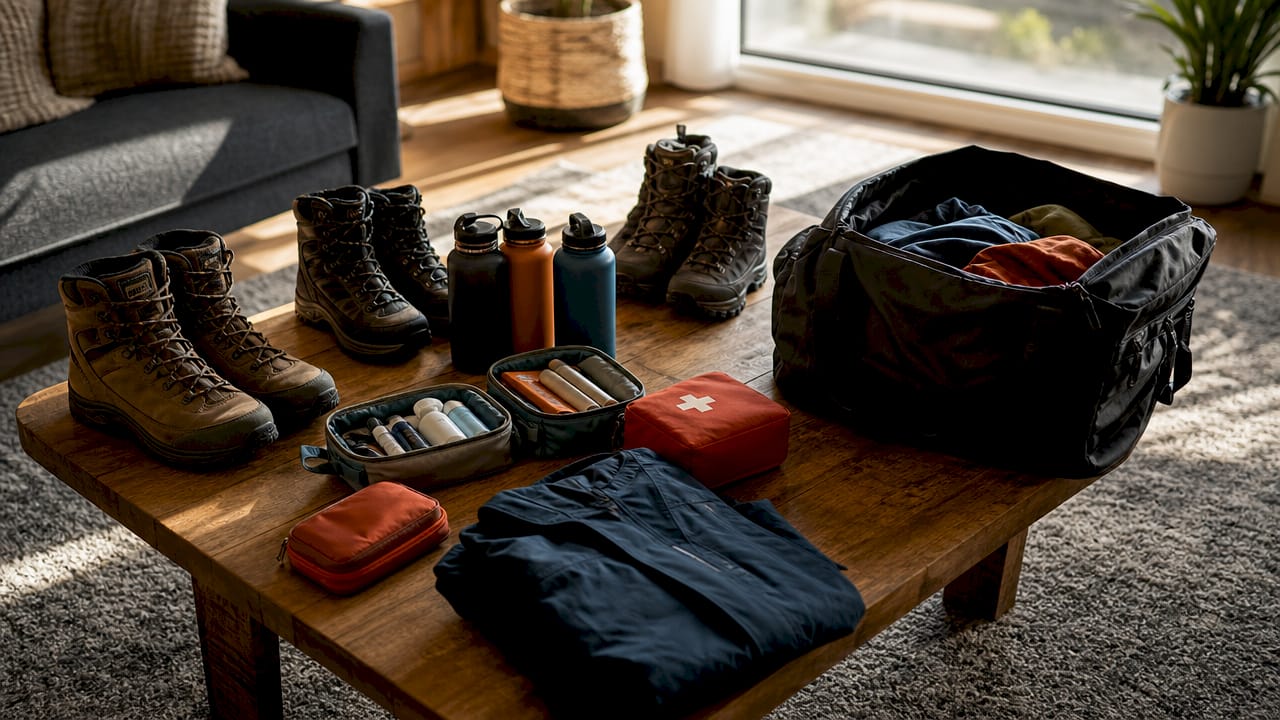
1. How to build a master group travel packing list
The master list is the foundation of every well-run group trip. Without one central document, you get overlap on some items and total gaps on others. The goal is a living, shared checklist that every traveler can view and update in real time.
Start by splitting the list into two clear columns: personal items and communal items. Personal items belong to each individual. Communal items get assigned to one named person. Collaborative packing tools like WePlanify combine itinerary, budget, and packing lists in one place, which keeps everyone accountable without endless group chats.
Categorize items clearly across three buckets: clothing and personal toiletries, travel documents and medications, and shared group gear. This structure makes it obvious who is responsible for what. Finalizing the list at least one week before departure gives everyone time to order missing items or make adjustments without rushing.
Build destination-specific items into the list from the start. A trip to Iceland’s South Coast requires waterproof layers and thermal base layers. A beach trip needs reef-safe sunscreen and rash guards. Aligning on destination needs early reduces in-trip conflict and surprise purchases.
Pro Tip: Name every communal item in the master list with the responsible traveler’s name next to it. “First aid kit: Marcus” is clearer than a generic checkbox and removes all ambiguity.
2. Essential individual items for every group traveler
Every person in the group carries their own personal kit. No exceptions, no sharing on these categories. The goal is to pack light without leaving anything critical behind.
The “Rule of 3” is the most effective framework for clothing. Pack three versatile outfits built from mix-and-match pieces. For a one- to two-week trip, three to five tops and two to three bottoms cover most scenarios when you plan for mid-trip laundry. This approach keeps your bag carry-on sized and your back happy.
Personal non-negotiables for each traveler include:
- Passport and ID (plus a digital photo backup stored in cloud storage)
- Personal medications labeled with your name, especially in shared accommodations
- Toiletries: toothbrush, deodorant, shampoo in travel sizes
- Phone charger and adapter (personal, not shared)
- Travel insurance documents and emergency contact card
- Cash and cards in a secure travel wallet
- Destination-specific clothing: waterproof jacket and thermal layers for Iceland, breathable linen for tropical destinations
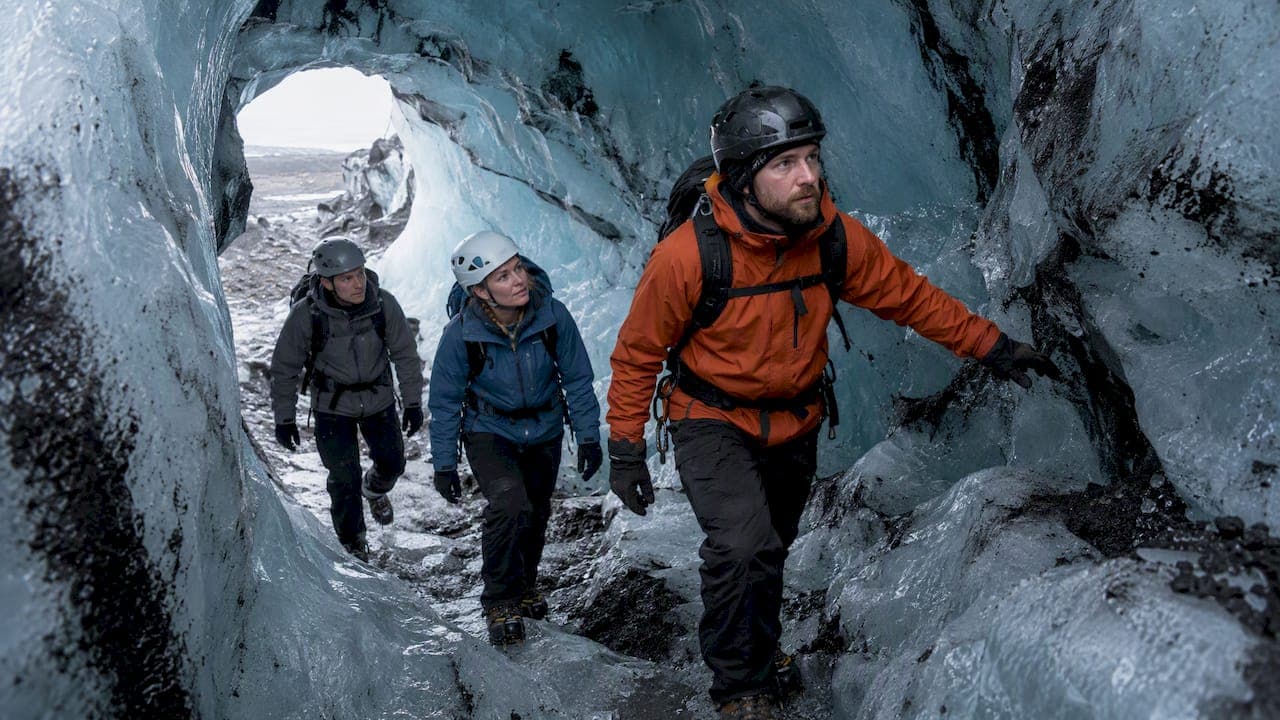
Label your medications and toiletries before you leave home. In a shared hostel room, unlabeled bottles disappear fast. Broken-in boots and moisture-wicking layers are non-negotiable for mountain or glacier hikes. Packing the wrong footwear is the most common individual mistake on adventure group trips.
Pro Tip: Plan one laundry day for every five to seven days of travel. This single habit cuts your clothing volume in half and frees up space for souvenirs or gear.
3. Shared items and how to assign them without conflict
Shared group trip essentials are where most groups go wrong. Without clear ownership, you end up with three first aid kits and no portable speaker. The fix is named assignment, not voluntary contribution.
Common shared items every group should coordinate:
- First aid kit: bandages, antiseptic wipes, blister pads, pain relievers
- Sunscreen: one high-SPF bottle per four to five people
- Universal power strip or multi-port USB charger
- Snacks and trail mix for day trips
- Reusable water bottles or a group water filter for remote areas
- Games or cards for hostel evenings
- Kitchen supplies if renting a self-catering space: dish soap, sponge, basic spices
Treating the packing list as a dynamic shared document with named owners next to each communal item is the single most effective method. One person owns the first aid kit. One person owns the power strip. No debates, no duplicates.
Use a dedicated communal bag, ideally a soft-sided tote or daypack, to store all shared items during travel. This bag stays with the group leader or rotates daily. It keeps communal gear contained and prevents items from scattering across five different backpacks.
For trips with specific environmental conditions, coordinate accordingly. Iceland’s weather demands shared hand warmers and a group emergency poncho. Humid tropical destinations need a shared dry bag and moisture-absorbing packets for electronics. Group tour coordination works best when shared items are matched to the actual conditions you will face, not a generic list.
4. Packing efficiently and managing luggage as a group
Efficient packing for a group is not just about what you bring. It is about how you organize it so nothing gets lost in a shared room with eight bags on the floor.
Packing cubes are the single best investment for group travel. Dedicating one compression cube per activity keeps outfits together and easy to locate in limited hostel space. Use one cube for hiking gear, one for casual clothes, and one for sleepwear. This system means you never unpack your entire bag to find a single item.
Key luggage management habits for groups:
- Label every bag with your name and phone number on the outside
- Designate one luggage zone in your accommodation immediately on arrival
- Assign storage space before anyone unpacks to prevent territorial disputes
- Use a color-coded tag system so bags are identifiable at a glance in busy transit areas
- Keep your travel documents in a single accessible pocket, never buried in the main compartment
Designating a specific luggage area upon arrival reduces clutter and confusion in shared spaces. This sounds minor, but in a six-person dorm room, unmanaged bags create real friction fast. Agree on the system before you check in, not after.
The night before departure, run a verbal “anchor list” check as a group. This verbal confirmation covers passport, ID, phone, wallet, and charger for every traveler. It takes three minutes and eliminates the most common forgotten-item disasters.
Pro Tip: Photograph the contents of your bag before you leave home. If luggage is lost or delayed, this photo speeds up the insurance claim and helps you remember exactly what you packed.
5. Coordinating the list across the whole group
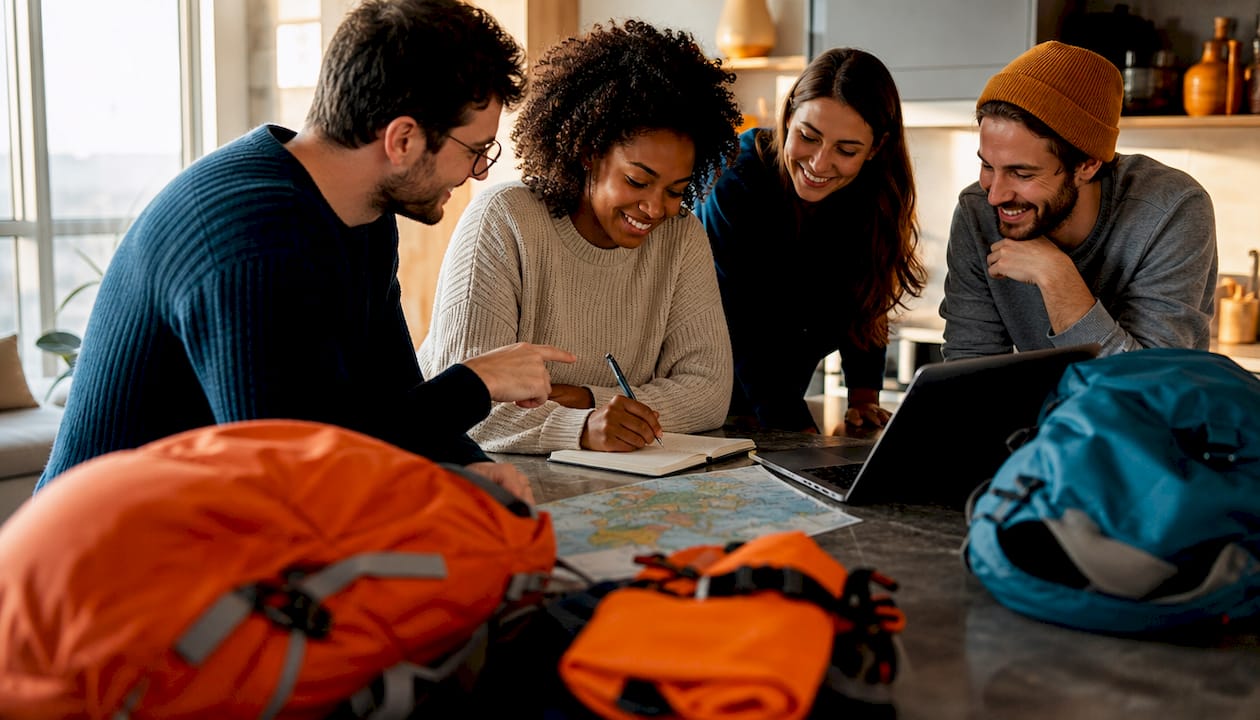
Coordination is the part most groups skip, and it is where trips fall apart. A well-built list means nothing if half the group never sees it. Clear ownership of packing tasks is the defining factor between a smooth departure and a chaotic one.
Appoint one person as the packing coordinator. This person does not pack everything. They maintain the master list, send reminders, and confirm assignments. The coordinator role works best when it rotates on future trips so no one person carries the organizational burden every time.
Set two hard deadlines: a draft list deadline two weeks out, and a final confirmation deadline one week before departure. Use a shared app or a simple shared Google Sheet. Combining itinerary and packing list management in one tool reduces the number of platforms the group has to check. Fewer platforms means fewer missed updates.
For groups traveling internationally, check cultural norms for your destination. Some countries restrict certain medications or require specific documentation for prescription drugs. Aligning on cultural and destination-specific needs before departure prevents customs delays and in-trip surprises. Small group travel, in particular, benefits from this kind of advance alignment, as small group coordination allows for faster decision-making and fewer logistical bottlenecks.
Key takeaways
A group travel packing list works best when personal items stay individual and every shared item has one named owner assigned before departure.
| Point | Details |
|---|---|
| Separate personal and shared items | Divide the list into individual and communal categories to prevent duplication and gaps. |
| Name every shared item owner | Assign one traveler to each communal item so accountability is clear from the start. |
| Finalize the list one week out | Lock the list seven days before departure to allow time for ordering or adjustments. |
| Use packing cubes per activity | One cube per activity type keeps gear organized and easy to find in shared rooms. |
| Run a verbal anchor check | Confirm passport, ID, phone, wallet, and charger for every traveler the night before departure. |
What I have learned from coordinating group packing
Siggi’s take on group packing coordination
The biggest mistake I see groups make is treating the packing list as a suggestion rather than a contract. Someone assumes someone else packed the first aid kit. Nobody did. That assumption costs real money and real time at a pharmacy in an unfamiliar town.
The second mistake is waiting too long to assign communal items. When you send the list three days before departure, people are already mentally checked out of logistics. They confirm what they already packed, not what the group actually needs. Two weeks out is the minimum for meaningful coordination.
What actually works is radical specificity. Not “someone bring a charger.” Instead: “Jamie brings the six-port USB hub, confirmed by tuesday.” That level of detail feels excessive until the moment it saves the group from a dead-phone situation at 11 PM in a rural hostel.
Mismanagement of shared items is consistently cited as a top group trip stressor, and the cause is almost always the same: the trip organizer tried to do everything themselves instead of delegating with clear instructions. Delegate early. Be specific. Follow up once. The group will thank you.
— Siggi
Fox Hostel makes group packing even easier
Groups heading to South Iceland already have one major logistics decision simplified. Fox Hostel offers dorm-style rooms with the option to buy out an entire room for complete group privacy, a massive communal kitchen for self-catering, and designated luggage areas that keep shared gear organized from the moment you arrive.

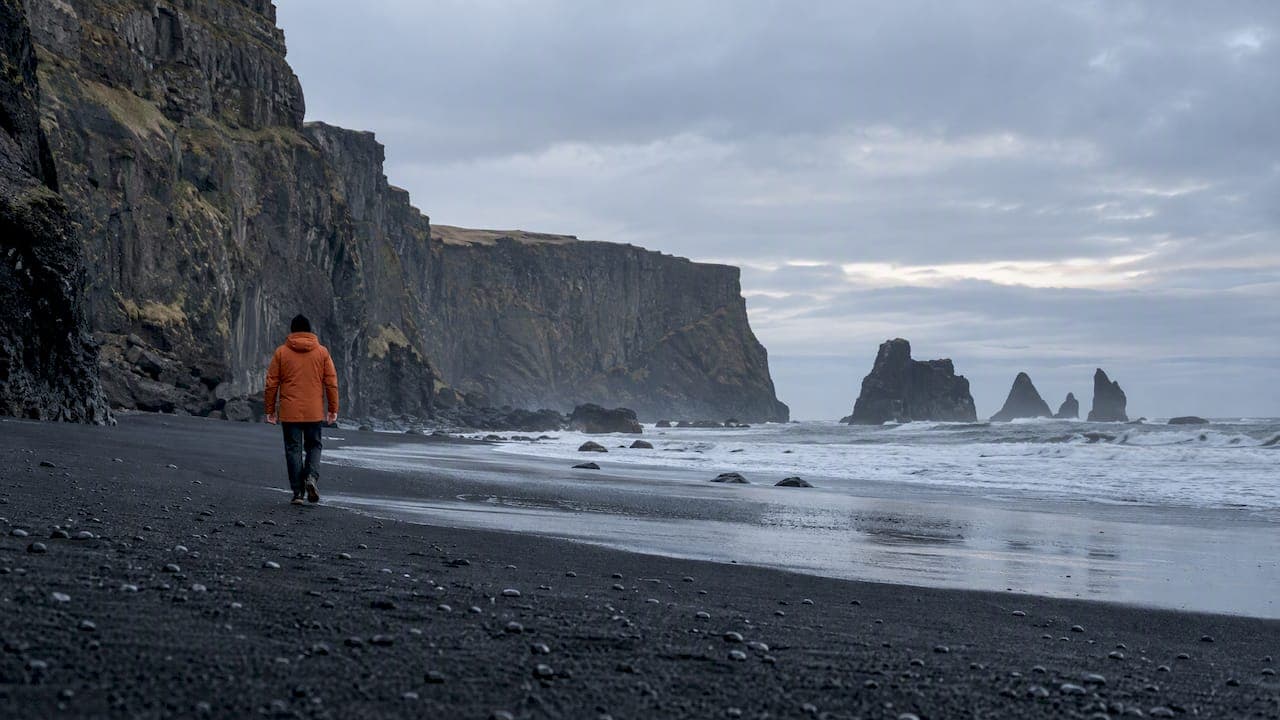
The communal kitchen means your group’s shared cooking supplies, snacks, and reusable bottles have a real home base. The hostel sits 35 minutes east of Vík, giving groups fast access to Reynisfjara Black Sand Beach and Dyrhólaey while staying away from the crowds. Check the rooms and dorms page for current availability and group booking options. Fox Hostel handles the space. Your packing list handles the rest.
FAQ
What goes on a group travel packing list?
A group travel packing list includes personal items each traveler carries individually, plus shared communal items assigned to specific group members. Common shared items include a first aid kit, sunscreen, a power strip, and snacks.
How do you avoid duplicate items when packing for a group?
Assign each communal item to one named traveler in a shared digital document. Named ownership eliminates the assumption that someone else will handle it.
When should a group finalize its packing list?
Groups should finalize their packing list at least one week before departure. This window allows time to order missing items and confirm all assignments without last-minute stress.
What are the best tools for a collaborative packing list?
Shared apps that combine itinerary, budget, and packing list management in one place work best for group coordination. A simple shared Google Sheet also works when the group prefers a low-tech option.
How many outfits should each person pack for a group trip?
Three versatile, mix-and-match outfits cover most one to two week trips when you plan for at least one mid-trip laundry day. This keeps luggage carry-on sized and manageable in shared accommodations.