What Is a Dormitory Room? Your Honest Guide
What Is a Dormitory Room? Your Honest Guide
TL;DR:
- A dormitory room is a shared sleeping space with communal facilities, found in colleges and hostels worldwide. It offers affordability, community, and convenience despite limited privacy and potential noise challenges. Choosing the right dorm depends on personal preferences, location, and the desired social environment.
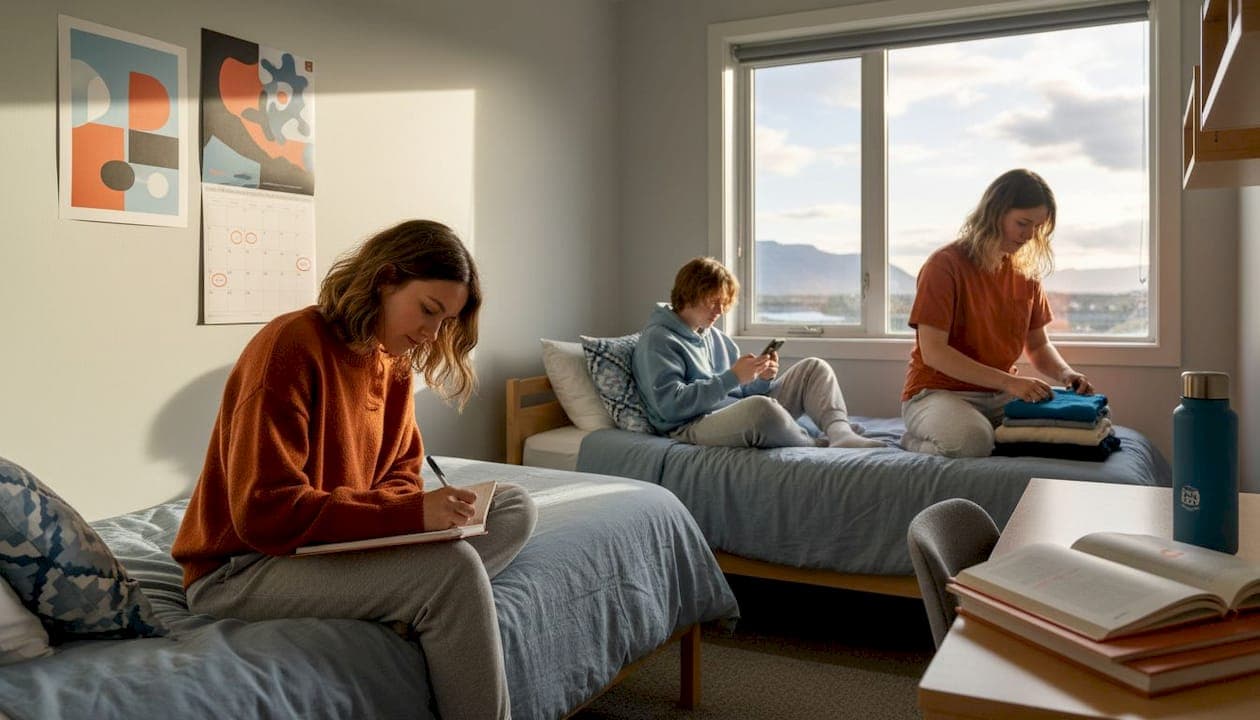
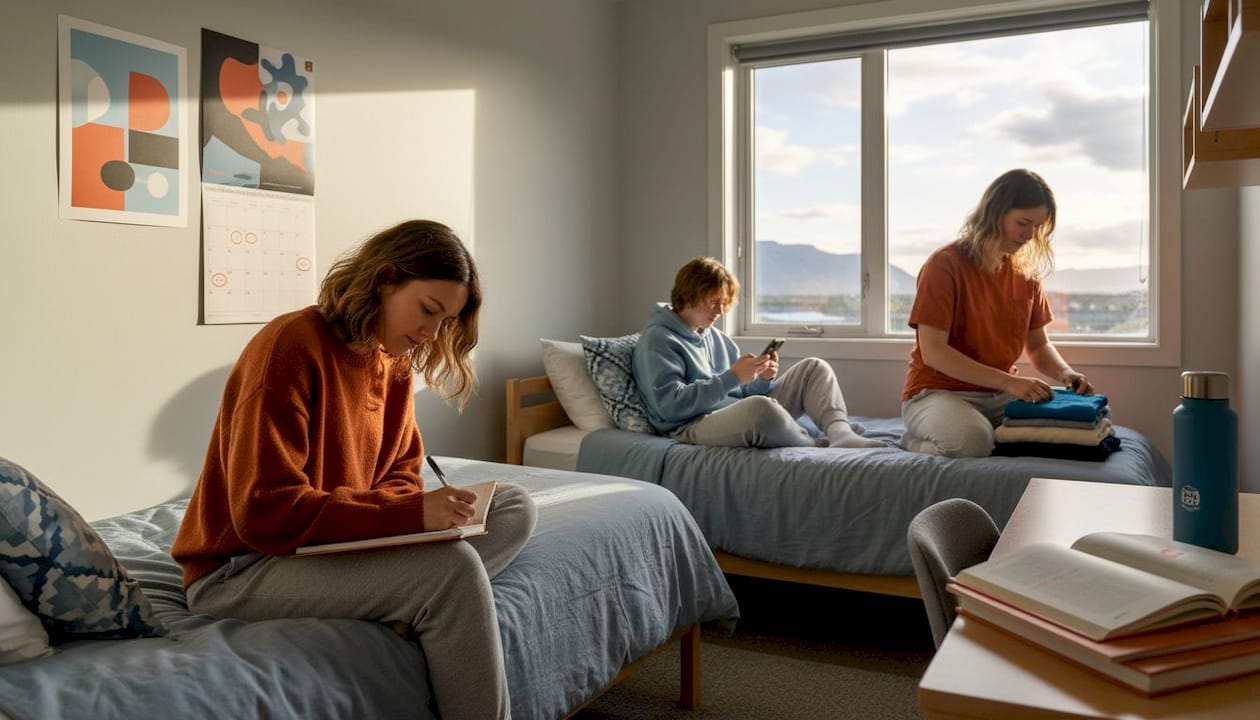
Most people picture a dormitory room as a cramped, noisy box shared with strangers and zero privacy. That picture is incomplete. A dormitory room is any shared sleeping space where multiple people occupy the same room, typically with access to communal bathrooms and shared common areas. You’ll find them on college campuses, in hostels across Iceland, and in residential programs worldwide. Whether you’re a student picking your first dorm or a traveler weighing accommodation options, understanding what a dormitory room actually offers changes how you evaluate it.
Table of Contents
- Key takeaways
- What is a dormitory room, exactly
- Why dormitory living works for so many people
- Challenges to expect in a dorm room
- How to choose the right dorm room
- Hostel dorms vs. student dorms
- My honest take on dormitory living
- Experience the best of dorm living at Fox Hostel
- FAQ
Key takeaways
| Point | Details |
|---|---|
| Dormitory rooms vary widely | They range from 2-person college rooms to large hostel bunk setups, each with different rules and layouts. |
| Cost is a real advantage | Dorm-style living consistently costs less than private rooms or apartments for comparable locations. |
| Community is the core draw | Shared spaces and proximity to other residents create social connections that private rooms simply don’t offer. |
| Privacy requires planning | You can manage the lack of private space by choosing rooms carefully and communicating expectations with roommates. |
| Hostels and student dorms differ | Hostel dorms are typically more flexible and social; student dorms have stricter policies and longer stays. |
What is a dormitory room, exactly
A dormitory room is a shared bedroom designed to house multiple occupants under one roof, with communal facilities nearby. That’s the core definition. But the reality is far more varied than most people expect.
In college settings, dorm rooms typically house 1 to 4 students and almost never include a private bathroom. You share a hallway bathroom with everyone on your floor. The furniture is standardized: a bed, a desk, a wardrobe, and limited storage. Dorm room dimensions average around 12 by 19 feet, roughly the size of a one-car garage. Two people sharing that space need to be intentional about organization.
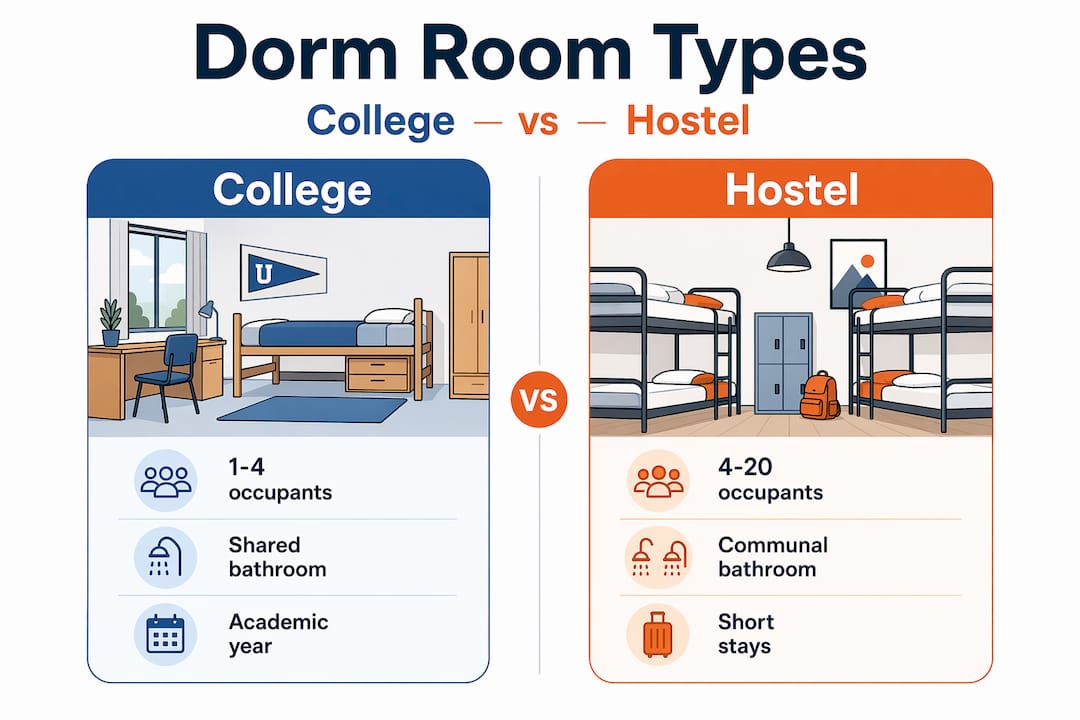
Hostel dormitory rooms work differently. They can hold anywhere from 4 to 20 people, with bunk beds as the standard layout. Bathrooms may be en suite or shared. The vibe is transient and social rather than long-term and academic. Hostel dorms attract travelers who want to keep costs low and meet other people quickly.
Here’s a quick breakdown of typical dormitory room features across settings:
| Feature | College dorm | Hostel dorm |
|---|---|---|
| Occupants per room | 1 to 4 | 4 to 20 |
| Bathroom setup | Shared hallway | Shared or en suite |
| Average stay | Semester or year | 1 to 7 nights |
| Furniture included | Bed, desk, storage | Bunk bed, locker |
| Rules and policies | Strict | Moderate |
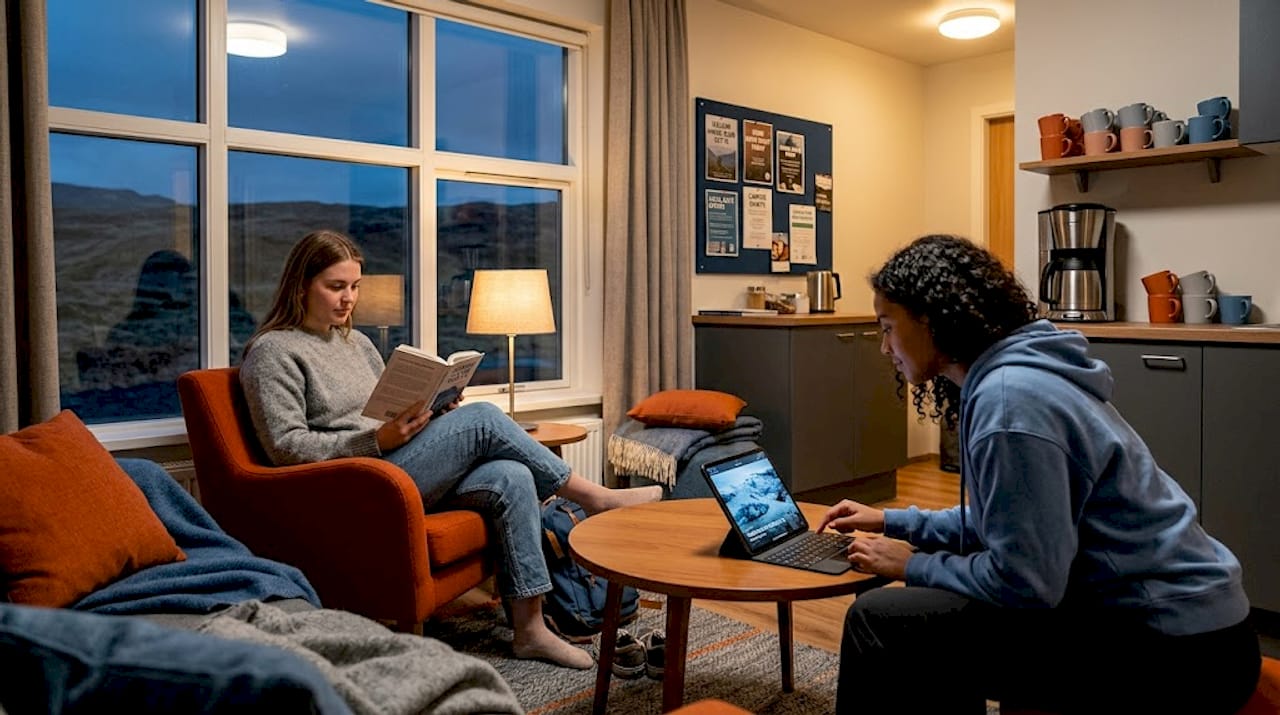
Beyond the sleeping area, dormitories provide communal spaces like lounges, study rooms, kitchens, and dining areas. These shared zones are not just amenities. They are where community actually forms.
Why dormitory living works for so many people
The benefits of dormitory living go beyond saving money, though that is a significant factor. Here’s what makes dorm-style accommodation genuinely appealing:
- Lower cost. A private apartment near a major university or city center costs dramatically more than a dorm bed. The same logic applies to hostel dorms versus hotel rooms in popular destinations.
- Built-in community. Sharing a space forces interaction. Most lasting travel friendships and college relationships start in shared rooms, not private suites.
- Central location. Dorms and hostels are typically positioned close to campuses, transit hubs, or major attractions. You spend less time commuting and more time doing what you came for.
- Supportive environment. Student dorms often have resident advisors and structured programming. Hostels offer staff who know the local area well.
- Academic correlation. New residence hall projects, like the 420-bed hall at University of Pittsburgh, reflect institutional recognition that on-campus living correlates strongly with academic retention and performance.
Pro Tip: If you’re a traveler and want the social benefits of a hostel dorm without sacrificing sleep quality, look for hostels with 4 to 6 bed rooms rather than 12 to 20 bed rooms. Smaller dorms are quieter and still affordable.
The affordability point deserves more emphasis. A hostel dorm bed in Iceland, for example, can cost a fraction of what a private hotel room runs in Reykjavík. For road-trippers planning multi-week itineraries, that difference adds up fast and funds more experiences along the way.
Challenges to expect in a dorm room
Honest assessment matters here. Dormitory living has real trade-offs, and knowing them ahead of time lets you prepare rather than feel blindsided.
The most obvious challenge is privacy. There is none, or very little, in a standard dorm. You sleep, change, and wake up around other people. That is the deal. Some people adapt quickly; others find it genuinely difficult.
Noise and schedule conflicts come next. Your roommates may sleep at different hours, keep lights on, or have loud phone calls. Dormitory policies typically include quiet hours and appliance restrictions, but enforcement varies. Violating house rules can lead to warnings or removal, so reading the handbook matters.
A few other practical challenges worth knowing:
- Bathroom sharing. Multiple people sharing one bathroom creates scheduling friction, especially in the morning.
- Limited personalization. Most dorms prohibit nails or screws in walls. You’re working with command hooks and minimal decoration options.
- Furniture constraints. Buying large furniture before arrival is a common mistake. Wait until you know the room layout before purchasing anything beyond the basics.
- Roommate compatibility. This is the biggest variable. A great roommate makes dorm life enjoyable. A poor match makes it miserable.
Pro Tip: When completing a college housing questionnaire, answer honestly rather than strategically. Candid housing survey responses significantly improve roommate compatibility and overall dorm satisfaction. Trying to game the system usually backfires.
How to choose the right dorm room
Choosing a dormitory room well comes down to knowing your own preferences before you commit. Work through these steps:
- Assess your privacy needs. Are you someone who needs quiet time alone to recharge? If yes, a 4-person room serves you better than a 12-bed hostel dorm.
- Evaluate location relative to your goals. A college dorm close to your department or a hostel near a major trailhead both reduce friction in your daily routine. Location matters more than most first-timers realize.
- Check the room layout and features before booking. Look for photos, floor plans, and specific amenities. Are there individual lockers? Reading lights above each bunk? Power outlets at the bed?
- Factor in hidden costs. Some dorms charge extra for laundry, parking, or meal plans. The base rate is rarely the full cost.
- Ask about security. Lockers, keycard access, and staff presence all affect how comfortable you’ll feel leaving valuables.
A comparison table helps when you’re deciding between dormitory and apartment-style living:
| Factor | Dormitory room | Apartment |
|---|---|---|
| Upfront cost | Low | High (deposit, first month) |
| Social opportunity | High | Low unless arranged |
| Privacy | Low | High |
| Location premium | Usually included | Varies widely |
| Flexibility | Short to medium stays | Usually 6 to 12 month leases |
The dormitory vs apartment living question often comes down to phase of life and travel style. For short trips or first years away from home, dorms offer more support and less financial commitment. For longer stays where routine and privacy matter more, an apartment earns its cost.
Hostel dorms vs. student dorms
These two versions of dormitory living share a structural similarity but differ in almost every other way. Understanding those differences helps you set the right expectations.
Student dorms are institutional. They exist to house enrolled students for an academic year, with strict rules about guests, noise, and conduct. You’re assigned a room, often without much choice in roommates. Stays are long and the community is consistent.
Hostel dorms are fluid. People come and go every few days. The atmosphere is inherently international and social. You might share a room with someone from Brazil one night and someone from Japan the next. Shared hostel spaces create a particular kind of connection that forms quickly and travels well.
Key distinctions at a glance:
- Hostel dorms often have more beds per room and may mix genders unless specified otherwise.
- Student dorms typically separate by floor or building based on gender policies.
- Hostel stays require no enrollment or affiliation; you just book and show up.
- Student dorms include meal plans or dining hall access; hostels usually offer communal kitchens.
- Security in hostels relies more on individual lockers; student dorms use building-level access control.
Both types of dormitory rooms benefit from the same mindset: respect shared spaces, communicate with the people around you, and treat communal areas as part of the experience, not an inconvenience.
My honest take on dormitory living
I’ve spent enough nights in shared rooms to know that the quality of the experience almost never comes down to the room itself. It comes down to attitude.
The people who struggle most in dorms are the ones who treat the shared space as a compromise rather than a choice. I’ve seen travelers turn a 10-bed hostel dorm into the best night of their trip, just by being present and open. I’ve also seen people in beautiful private rooms miss everything the place had to offer because they never left their door.
What I’ve learned is that the most common pitfall is going in with uncommunicated expectations. You want quiet at 10pm, but you haven’t said so. You’d prefer the bottom bunk, but you grabbed the top anyway. Small frictions compound fast in shared spaces. The fix is almost always just saying something out loud, early.
My other observation: the communal kitchen or lounge area is where dormitory living actually pays off. Meals shared with strangers become conversations. Conversations become plans. Plans become the stories you tell later. That doesn’t happen in a hotel room with a mini fridge.
If you’re on the fence about trying dormitory-style accommodation, the one thing I’d tell you is this: go smaller than you think you need to. A 4-bed room in a well-run hostel will convert you. A 16-bed party room might not.
— Trygve
Experience the best of dorm living at Fox Hostel
If you’re traveling Iceland’s South Coast and want accommodation that actually delivers on the promise of community, comfort, and affordability, Fox Hostel in Hrífunes Nature Park is worth a serious look.

Fox Hostel’s dorm-style rooms are designed for real travelers, not afterthoughts. Solo travelers can book a single bed, while groups and couples can buy out an entire room for complete privacy at a fraction of hotel prices. You get a massive communal kitchen, an on-site pizzeria, and some of the darkest skies in Iceland for Northern Lights viewing. Positioned 35 minutes east of Vík and midway between Reynisfjara and Jökulsárlón Glacier Lagoon, Fox Hostel puts you exactly where the South Coast action starts.
FAQ
What is a dormitory room used for?
A dormitory room is a shared sleeping space for multiple occupants, typically found in colleges, universities, or hostels. It includes basic furniture and relies on communal bathrooms and shared facilities nearby.
How many people share a typical dorm room?
College dorms typically house 1 to 4 students per room, while hostel dorms can range from 4 to 20 occupants depending on the property.
What should I bring to a dormitory room?
Pack a 10-foot power cord, shower shoes for communal bathrooms, and damage-free wall hooks since most dorms prohibit nails or screws. Avoid buying storage furniture until you’ve seen the room dimensions in person.
What is the difference between a hostel dorm and a student dorm?
Student dorms are for enrolled students with semester-length stays and strict rules. Hostel dorms are open to any traveler, with short stays, more beds per room, and a social atmosphere built around people passing through.
Is dormitory living cheaper than renting an apartment?
Yes, significantly. Dorm rooms include utilities, location, and often communal amenities in one price. Apartments require deposits, longer leases, and separate utility costs, making them more expensive upfront and less flexible overall.
Recommended
- Family rooms in hostels: your guide to affordable Iceland stays | Fox Hostel – South Iceland
- Dormitorios mixtos en hostales: guía para viajeros sociales | Fox Hostel – South Iceland
- What Is Hostel Etiquette? A Friendly Traveler’s Guide | Fox Hostel – South Iceland
- Types of hostel room options: find the best stay in Iceland | Fox Hostel – South Iceland