What Is a Guest Lounge? Features, Access, and Benefits
What Is a Guest Lounge? Features, Access, and Benefits
TL;DR:
- A guest lounge is a shared comfort space designed for relaxation, socializing, and work beyond a private room. It features ergonomic seating, layered lighting, high-speed Wi-Fi, and integrated power outlets to encourage longer stays and guest satisfaction. Access is typically through premium booking, loyalty programs, or day passes, and well-designed lounges enhance both guest experience and hotel revenue.
A guest lounge is a designated non-sleeping common area in hotels and hostels built specifically for comfort, socializing, and extended stays between 30 minutes to several hours. Unlike a lobby or hallway, a guest lounge is designed with intention: warm lighting, ergonomic seating, and amenities that make travelers want to stay. Understanding what a guest lounge offers helps you choose better accommodations, use available spaces more fully, and recognize the real value behind the room rate you pay.
What is a guest lounge and what defines it?
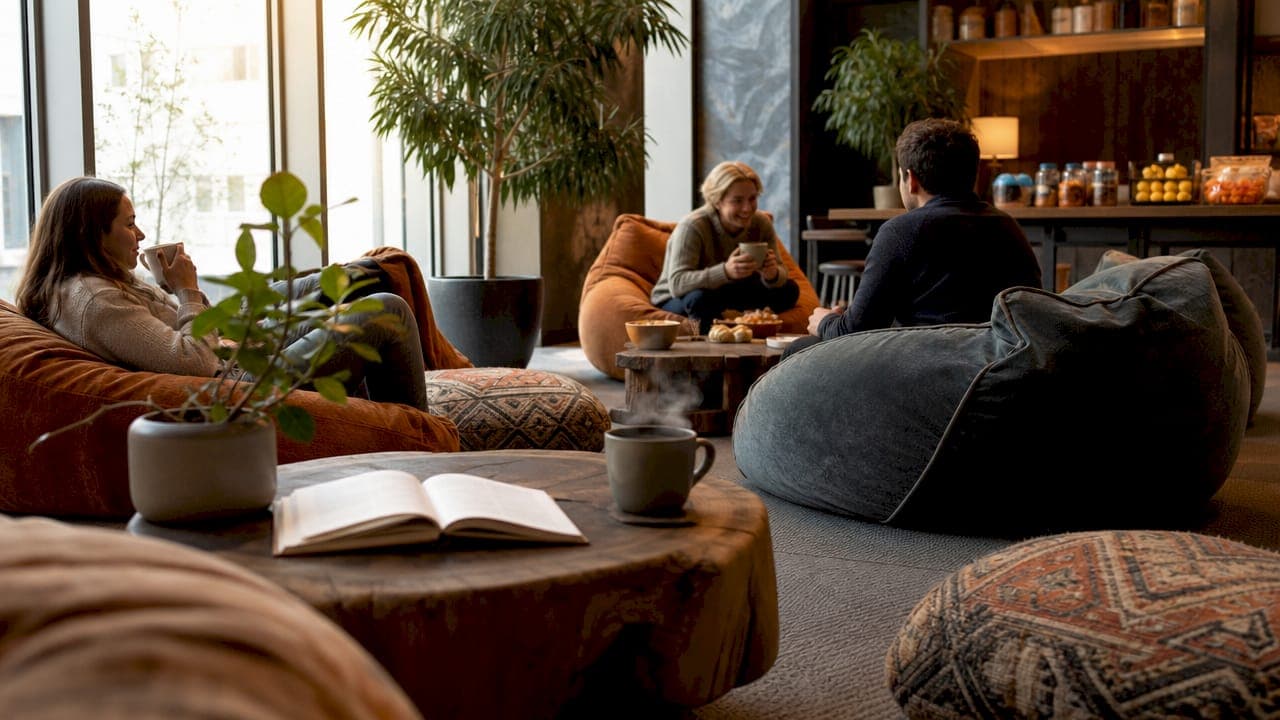
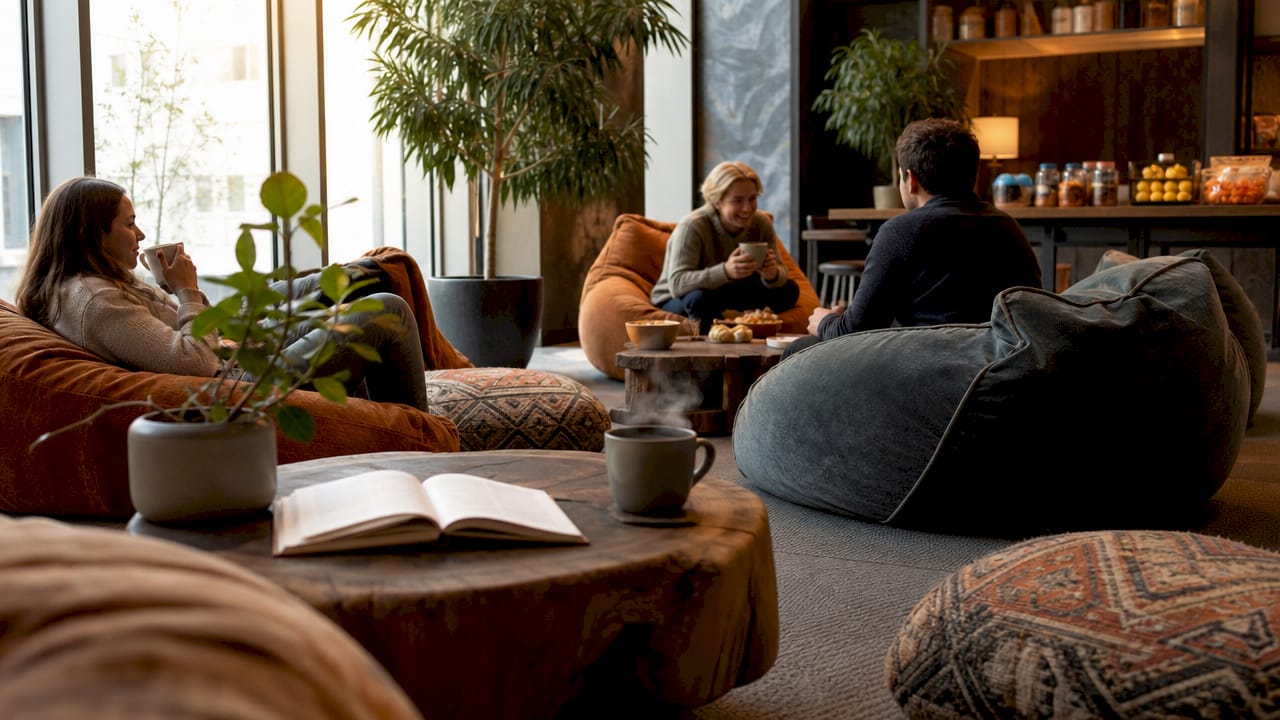
A guest lounge is the hospitality industry’s term for a shared comfort space that sits between a private room and a public bar. Lounges differ from lobbies through intentional, human-centered design: warm dimmable lighting, semi-private seating clusters, and a layout that invites guests to stay rather than pass through. A lobby moves people. A lounge holds them.
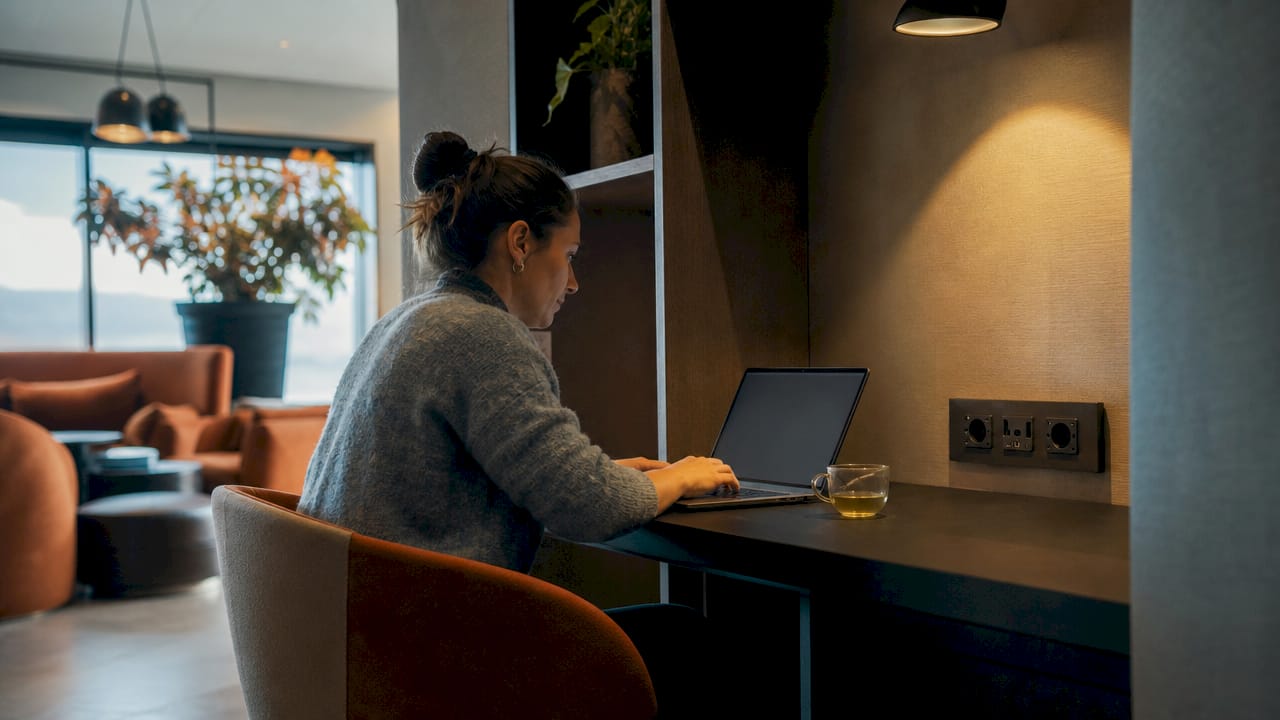
The guest lounge meaning extends beyond furniture. These spaces serve as a social anchor for the property, giving travelers a place to decompress after a long drive, connect with other guests, or get work done without retreating to their room. Properties that invest in well-designed lounges report stronger guest retention and higher satisfaction scores. That outcome is not accidental. It reflects deliberate design choices.
The lounge environment also reflects brand identity. Furniture choices, color palettes, and layout all signal what kind of property you are staying at. A well-executed lounge sets guest expectations from the moment they walk in. That first impression shapes how travelers rate their entire stay.
What features and amenities define a guest lounge?
The features of a guest lounge separate it from a generic waiting area. Effective lounges include ergonomic seating clusters, layered lighting, clear circulation paths, and power sockets built directly into furniture and tables. These details are not decorative. They encourage longer stays and support the hospitality goals of brand loyalty and repeat bookings.
Core guest lounge amenities typically include:
- Seating variety: A mix of armchairs, sofas, and communal tables to serve solo travelers, pairs, and groups at the same time
- Beverages and snacks: Complimentary coffee, tea, water, and light food options, often extending to full bar service in the evening
- Connectivity: High-speed Wi-Fi and integrated power outlets at every seating position, now a baseline expectation in modern lounges
- Lighting design: Layered, dimmable lighting that shifts the mood from bright and productive in the morning to warm and social at night
- Privacy options: Soft visual dividers and quiet nooks alongside open social zones, so guests can choose their level of interaction
Pro Tip: When evaluating a property, check whether the lounge has power outlets at seating level, not just along the walls. That single detail tells you whether the space was designed for guests or just for appearances.
The guest lounge vs waiting area distinction comes down to purpose. A waiting area is transactional: you sit until something happens. A lounge is experiential: you stay because the space itself is worth your time. Clear, unobstructed circulation paths and soft dividers for privacy keep lounges open and navigable, even when multiple guests arrive at once with luggage.
How does access to a guest lounge typically work?
Access policies for guest lounges vary widely depending on the property type. Understanding how to use a guest lounge starts with knowing what grants you entry in the first place.
- Premium room booking. Many hotel lounges, particularly executive or club-level floors, restrict access to guests who book specific room categories. Look for descriptors like “club level” or “concierge level” when reserving to confirm lounge access before arrival.
- Loyalty program status. High-tier loyalty status at major hotel brands typically unlocks lounge access automatically, regardless of room category. This is one of the most underused benefits in frequent traveler programs.
- Authentication at entry. Physical key cards or digital check-in credentials are the standard method for verifying lounge eligibility. Some properties use app-based access tied to your reservation.
- Guest policies for additional visitors. Most executive lounges allow one room occupant plus one accompanying guest. Additional visitors typically require a fee. Confirming this policy before inviting travel companions avoids surprises at the door.
- Day passes and open access. Many travelers overlook that lounges are not exclusive to elite members. Independent and boutique properties frequently sell day passes or allow non-guests to purchase access, making the lounge a genuine “third space” between a private room and a public café.
The day pass model is particularly relevant at independent properties and modern hostels. These venues treat the lounge as a community hub rather than a gated perk. That approach broadens the lounge’s value for solo travelers and road-trippers who want a comfortable base without paying for a full hotel room.
What benefits do guest lounges offer travelers and hospitality providers?
Guest lounges deliver measurable value on both sides of the hospitality relationship. For travelers, the benefits are immediate and practical.
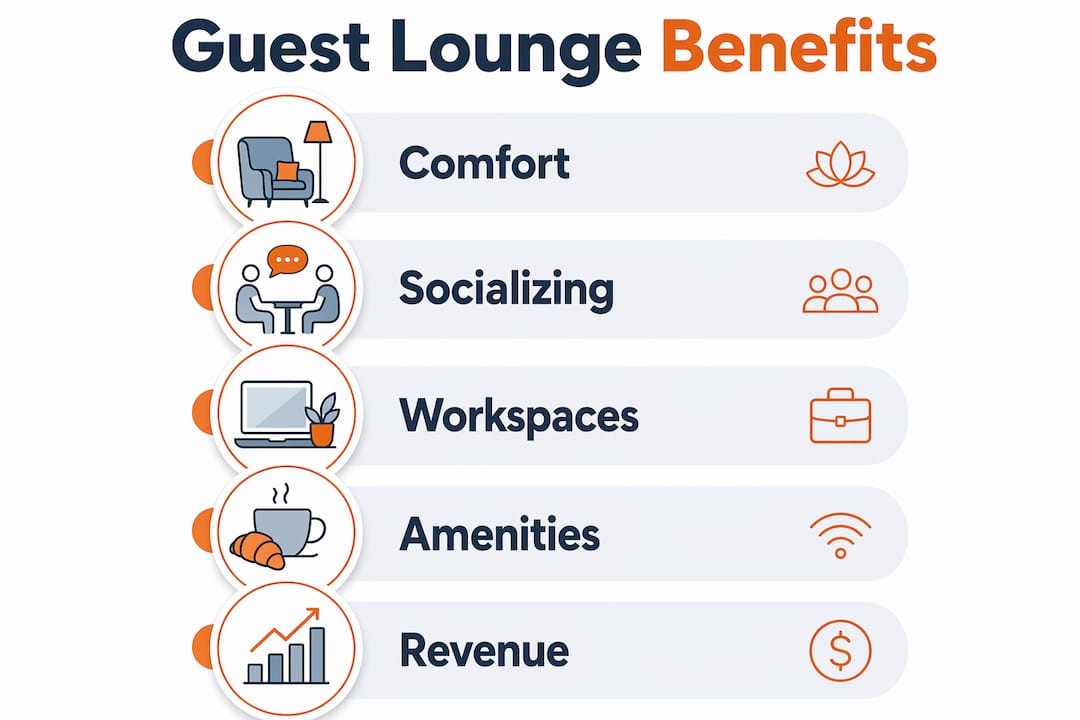
- Comfort between check-in and check-out. Lounges give guests a place to rest, freshen up, or store luggage during the gap between arrival and room availability.
- Social connection. Shared lounge spaces are where solo travelers meet other guests, share route tips, and form the kind of connections that define memorable trips. The shared spaces model in modern hostels and boutique properties is built on this dynamic.
- Remote work support. Reliable Wi-Fi, power access, and quiet zones make lounges functional workspaces for travelers who cannot fully disconnect.
- Relaxation without isolation. A lounge offers the social energy of a public space with the comfort level closer to a private room.
For hospitality providers, the purpose of a guest lounge extends well beyond comfort. Dedicated lounges drive revenue through high-margin food and beverage sales, and they strengthen guest retention. Executive lounges with complimentary breakfast, hors d’oeuvres, and all-day drinks create a perceived value that guests factor into loyalty decisions. When a lounge closes temporarily, properties often issue food and beverage credits to maintain that perceived value. That operational response shows how central the lounge has become to the guest experience contract.
Premium lounges also require dedicated staffing and operational planning. That cost is real, but properties that absorb it consistently outperform on guest satisfaction metrics. The lounge is not a luxury add-on. It is a revenue and retention tool.
What are the current trends in guest lounge design?
Guest lounge design in 2026 has moved well beyond the static, formal sitting room of earlier decades. Two trends define the current direction: dynamic all-day programming and the rise of in-room micro-lounge spaces.
Guest lounges now shift function throughout the day, moving from morning coffee stations to midday workspaces to evening social bars. Layered lighting and modular seating make this possible without a full redesign between uses. Standard lobbies cannot replicate this flexibility. That adaptability is what makes a well-designed lounge worth seeking out.
The second trend is the in-room micro-lounge: a dedicated social corner of 50–80 square feet within a suite or premium room, furnished with multi-functional pieces. These spaces are included in the room rate and offer private meeting or relaxation zones without requiring guests to access a shared floor. They increase the perceived value of the room and reduce the sense of isolation that single-occupancy travelers often report.
| Trend | What it means for travelers |
|---|---|
| All-day dynamic use | One lounge serves breakfast, work, and evening social functions |
| In-room micro-lounges | Private social corners within suites, no separate access needed |
| Integrated power at seating | Outlets built into furniture, not just walls |
| Soft visual dividers | Privacy without walls, keeping the space open and navigable |
| Digital access authentication | App or keycard entry replacing manual check-in at lounge doors |
Pro Tip: When booking, ask whether the lounge operates on a fixed schedule or all day. A lounge that closes at 10 p.m. is far less useful for travelers arriving late from long drives or flights.
The benefits of shared spaces in modern accommodations align directly with these design trends. Properties that invest in flexible, well-lit communal areas attract travelers who prioritize experience over square footage in their private room.
Key Takeaways
A guest lounge is the single most underused amenity in travel accommodations, and knowing how to identify and access a quality one changes the value of every stay.
| Point | Details |
|---|---|
| Core definition | A guest lounge is a designed comfort space for socializing, work, and rest beyond the private room. |
| Defining features | Ergonomic seating, layered lighting, integrated power outlets, and beverage service separate lounges from waiting areas. |
| Access options | Entry comes through premium bookings, loyalty status, key card authentication, or purchasable day passes. |
| Benefits for travelers | Lounges provide social connection, remote work support, and comfort during check-in and check-out gaps. |
| Current design direction | All-day dynamic use and in-room micro-lounges are the two dominant trends shaping lounge spaces in 2026. |
Why I think most travelers underestimate the lounge
Travelers spend hours researching room size and bed type, then walk past the lounge without a second look. That is a mistake I have seen repeated constantly. The lounge is where the actual texture of a stay happens. It is where you meet the couple who just drove the Ring Road and can tell you exactly which stretch to hit at sunrise. It is where you decompress after a day on black sand beaches before deciding whether to push further east.
The properties that get this right treat the lounge as a genuine program, not an afterthought. They staff it, light it properly, and stock it with things guests actually want. The ones that get it wrong put four chairs in a corner near the elevator and call it a common area.
My honest advice: before you book, look at photos of the communal spaces, not just the rooms. A modern hostel or boutique property that invests in its shared spaces almost always delivers a better overall stay than one that puts everything into the room and ignores the rest of the building. The lounge tells you what a property thinks of its guests.
— Trygve
Communal spaces worth staying for at Foxhostel
Foxhostel, set in a converted Icelandic barn in Hrífunes Nature Park, 35 minutes east of Vík, takes communal spaces seriously. The property’s shared areas are built for the kind of travelers who spend their days at Reynisfjara Black Sand Beach or Dyrhólaey and need a real place to land at the end of it.
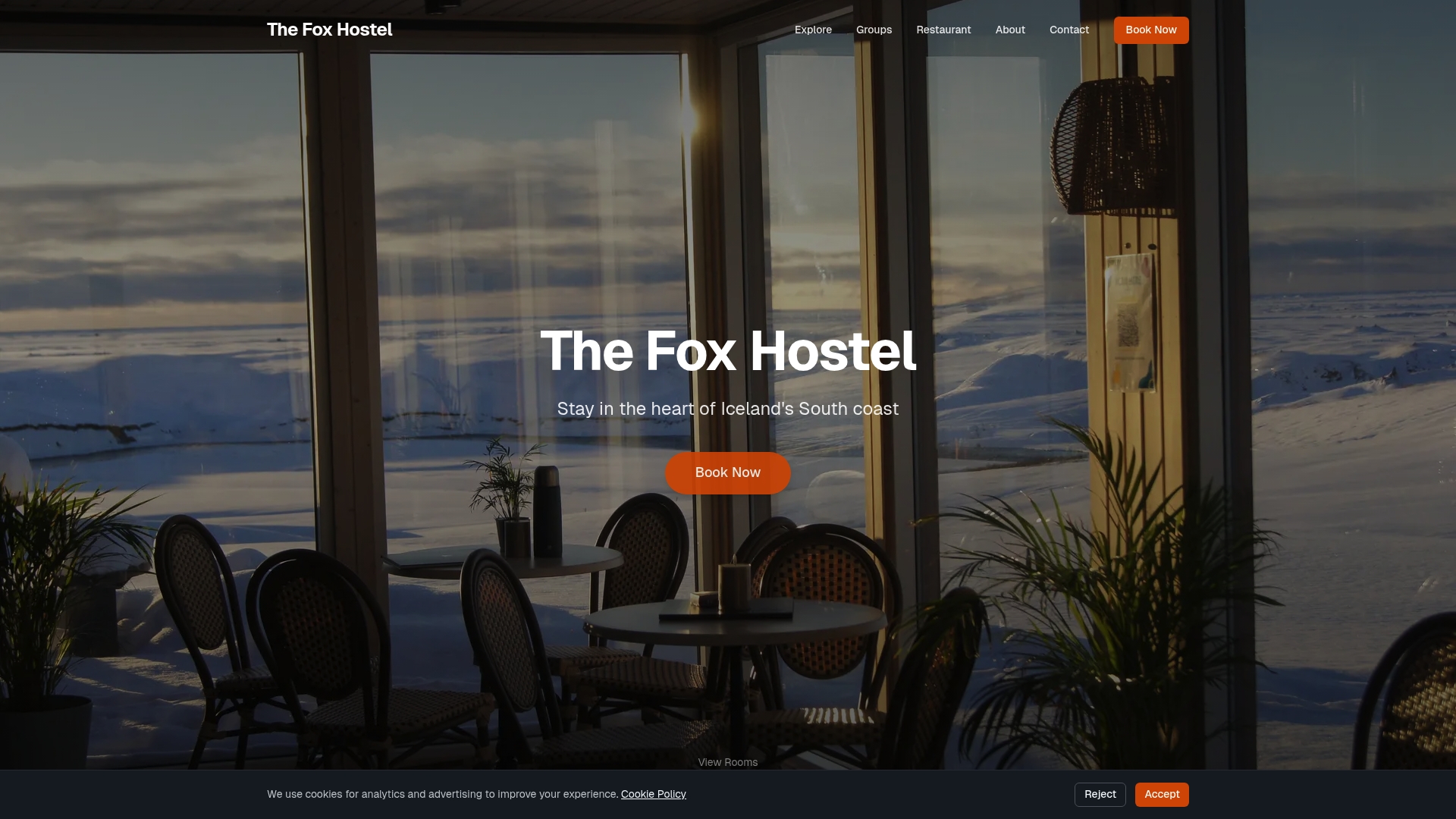
The massive communal kitchen, on-site pizzeria, and social gathering areas give guests the lounge experience without the velvet rope. Solo travelers, couples, and groups can all find their corner of the space. Dark skies outside make the evenings worth staying in for. Book your stay at Foxhostel and use the communal spaces the way they were designed to be used.
FAQ
What is the basic guest lounge meaning?
A guest lounge is a designated shared comfort area in a hotel or hostel, designed for relaxation, socializing, and work beyond the private room. It differs from a lobby by offering amenities, seating variety, and an atmosphere built for extended stays.
What are the standard features of a guest lounge?
Standard guest lounge amenities include ergonomic seating, layered lighting, complimentary beverages, high-speed Wi-Fi, and integrated power outlets at seating level. Premium lounges add dedicated staffing, food service, and quiet work zones.
How do you get access to a hotel guest lounge?
Access typically comes through booking a club-level or concierge-level room, holding high-tier loyalty status, or purchasing a day pass. Authentication is usually handled by key card or digital check-in credentials at the lounge entrance.
What is the difference between a guest lounge and a waiting area?
A waiting area is transactional: guests sit until a room is ready or a service is complete. A guest lounge is experiential, with intentional design, amenities, and an atmosphere that makes the space worth occupying on its own terms.
Can non-guests use a hotel guest lounge?
Some independent and boutique properties sell day passes or allow non-guests to purchase lounge access for a fee. This model treats the lounge as a community third space rather than an exclusive perk tied to room bookings.
Recommended
- Why Choose Shared Spaces: Benefits for Travelers | Fox Hostel – South Iceland
- What Is Communal Lodging? A Traveler’s 2026 Guide | Fox Hostel – South Iceland
- What Is an Ensuite Room? Your 2026 Travel Guide | Fox Hostel – South Iceland
- What Is Shared Accommodation? Types, Benefits and Tips | Fox Hostel – South Iceland