Why Stay Social While Traveling: Real Benefits
Why Stay Social While Traveling: Real Benefits
TL;DR:
- Staying social while traveling improves brain health, reduces stress, and fosters long-lasting friendships. Engaging in shared activities and choosing communal accommodations create the best environment for connection. Building human bonds during travel enriches experiences and promotes personal growth that lasts beyond the trip.
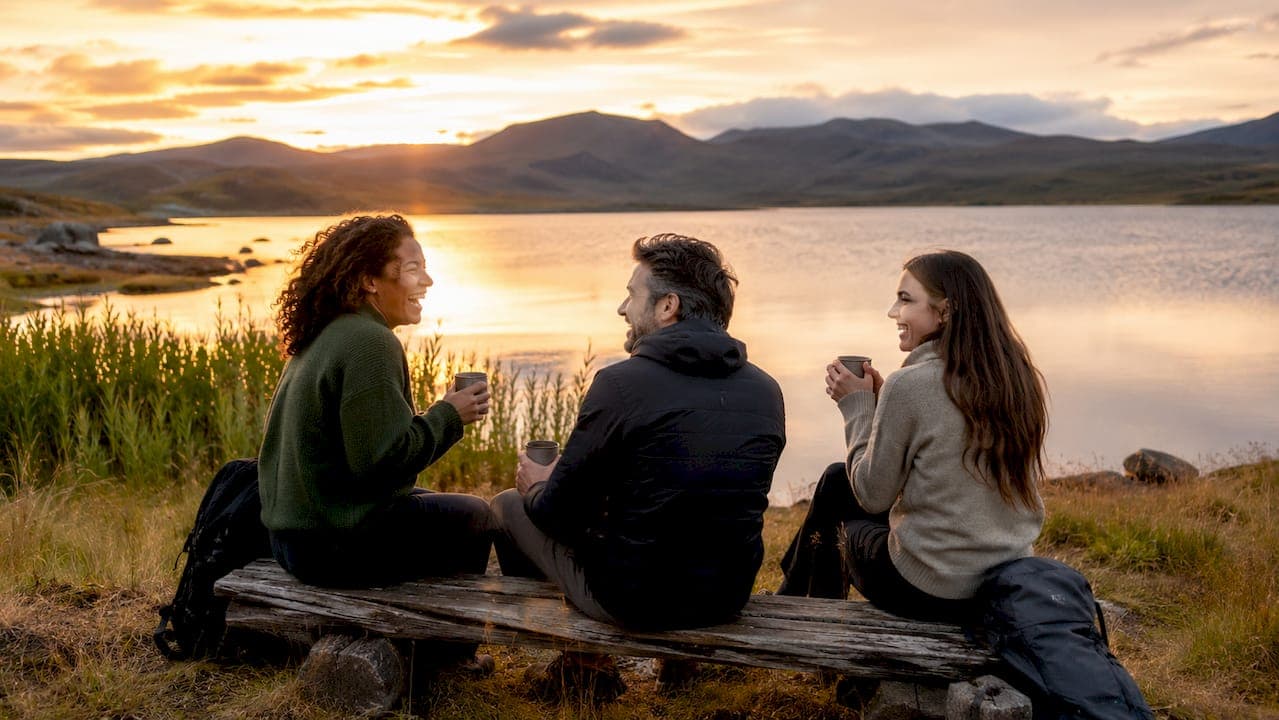
Staying social while traveling is defined as the deliberate practice of building human connections during a trip, and research proves it transforms the quality of any journey. Nearly half of solo travelers form a lifelong friendship on a trip, and 55% of travelers report feeling lonely in daily life, making travel one of the most accessible antidotes to social isolation. The benefits of socializing while traveling go far beyond swapping stories at dinner. They reach into brain health, emotional resilience, and the kind of memories that stay with you for decades.
Why stay social while traveling: the psychological and health case
Social interaction during travel does measurable good to your brain and body. Travel socializing increases cerebral neuroplasticity and lowers the risk of neurodegenerative diseases. That means every conversation you strike up at a hostel kitchen or on a group hike is literally building a healthier brain.
The body responds just as strongly as the mind. Social travel interactions lower cortisol, the primary stress hormone, while raising serotonin and endorphins. The result is a calmer nervous system, and 41% of travelers name returning home with a refreshed brain or calmer nervous system as a top goal for their trips. That goal is far easier to reach when you spend your trip connecting with other people rather than scrolling alone in your room.
Richer social lives are also linked to longer, healthier lives overall. Loneliness carries health risks comparable to smoking 15 cigarettes a day, according to public health research. Travel gives you a low-stakes environment to rebuild or strengthen your social habits.
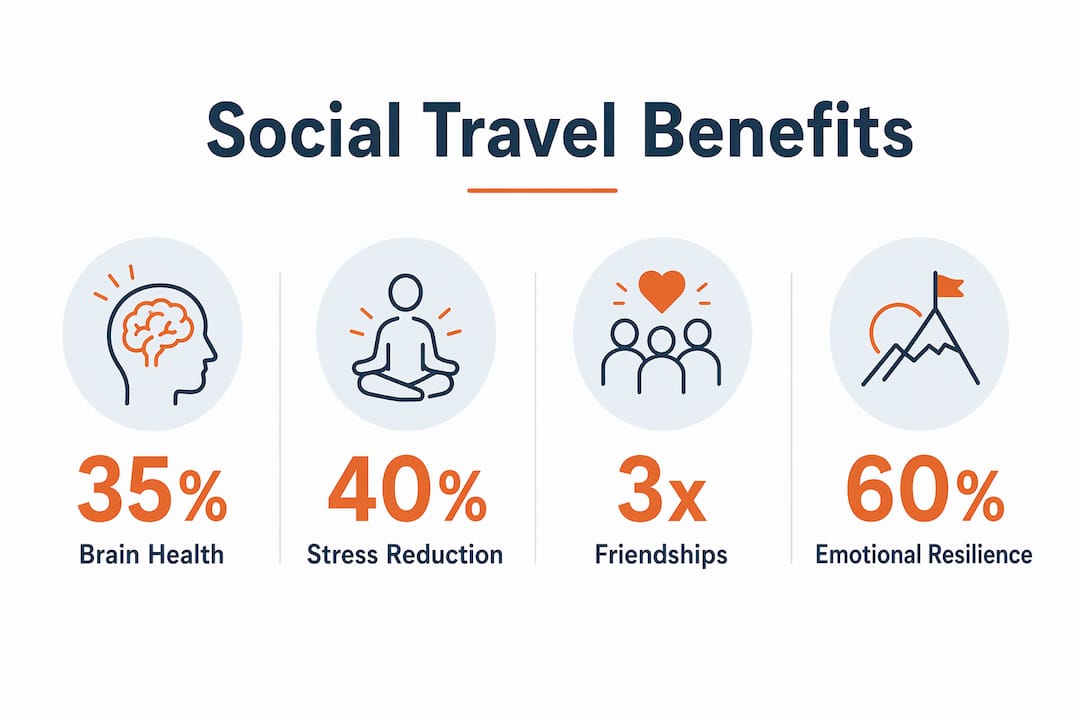
- Brain health: Social stimulation during travel increases neuroplasticity and reduces neurodegenerative risk.
- Stress reduction: Shared experiences lower cortisol and trigger serotonin release.
- Nervous system reset: Travelers who socialize report returning home calmer and more mentally clear.
- Longevity link: Strong social connections correlate with longer, healthier lives across multiple studies.
- Emotional resilience: Navigating new social situations builds confidence that carries over into daily life.
Pro Tip: Book accommodations with communal kitchens or shared dining areas. Cooking or eating together is one of the fastest ways to break the ice with strangers, and it costs nothing extra.
How has social backpacking changed modern travel culture?
Solo travel used to mean solitude by design. The first wave of backpackers in the 1970s and 1980s prized independence above all else. The culture today looks very different.
A new model called social backpacking has emerged, where connection is the point of the trip, not a side effect. Community-based travel experiences have surged 136% as travelers actively seek group identity and belonging beyond traditional tourist attractions. That number reflects a fundamental shift in what people want from a trip.
“Solo travel does not necessarily mean solitude. It provides low-pressure social settings where travelers can explore new identities and connections without everyday obligations.” — Industry insight on modern travel behavior
The data on loneliness explains the shift. When 40% of travelers struggle to meet new people in their daily lives, a trip becomes more than a vacation. It becomes a structured opportunity to practice connection without the weight of existing social roles. You are not the shy coworker or the overcommitted parent. You are just a traveler with a story.
Female solo bookings have tripled between 2018 and 2025, a trend that reflects growing confidence in solo travel and a hunger for the social freedom it provides. Group trips built around shared interests, from photography tours to hiking circuits, have grown alongside this trend.
| Travel style | Primary social goal | Typical connection depth |
|---|---|---|
| Classic solo travel | Independence, self-discovery | Occasional, surface-level |
| Social backpacking | Deliberate community building | Deep, often lasting |
| Interest-based group travel | Shared activity and identity | Moderate to deep |
| Slow travel stays | Local integration, repeat contact | Very deep over time |
What practical strategies help you stay social on trips?
The importance of social connections during travel does not happen by accident. The environment you choose and the habits you build determine how much human contact you actually get.
Choose accommodations built for connection
Hostels with communal kitchens, shared lounges, and on-site dining are the single most effective social infrastructure a traveler can choose. Staying in social accommodations puts you in daily contact with other travelers who are equally open to conversation. Private hotel rooms, by contrast, seal you off from that spontaneous contact.
Slow down and stay longer
Slow travel, defined as staying in one place for a week or more, transforms your status from tourist to familiar face. Locals remember you. Fellow travelers recognize you at breakfast. That repetition is what turns a pleasant chat into a real friendship.
Use structured social events as entry points
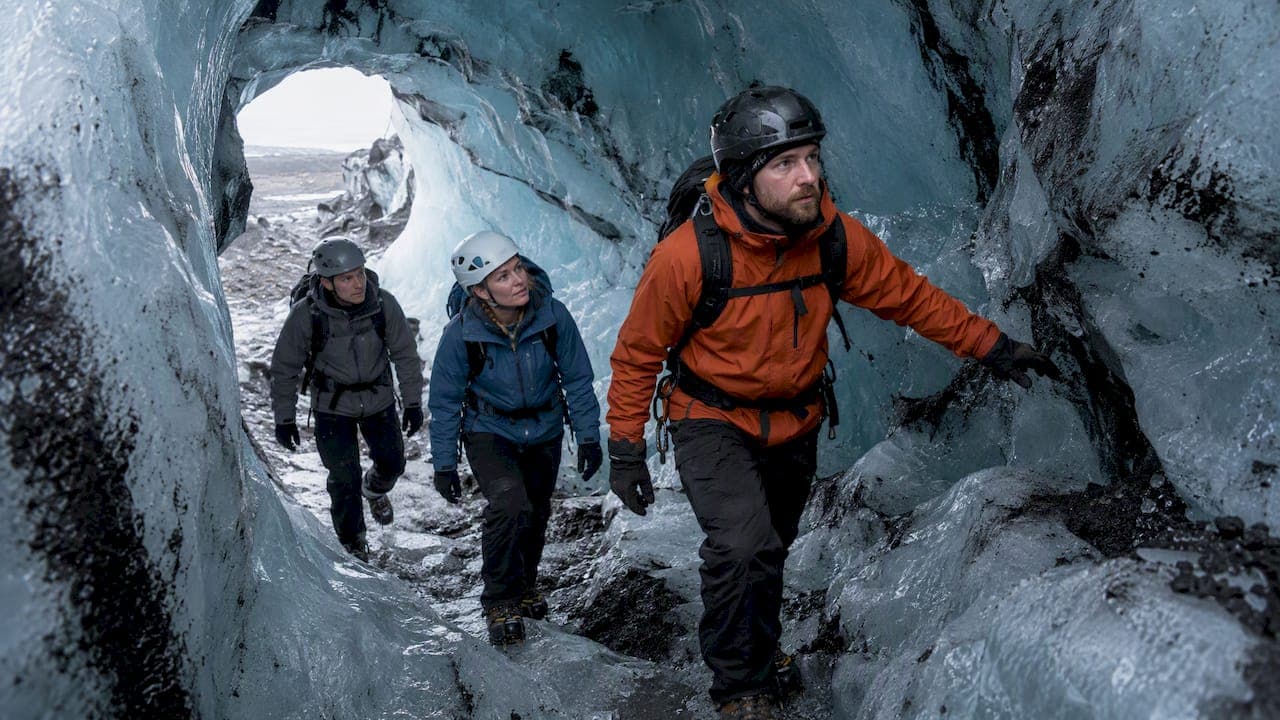
Local workshops, guided hikes, cooking classes, and hostel-organized events give introverted travelers a task to focus on while naturally meeting people. The activity removes the pressure of pure small talk. You bond over doing something together, which is far more effective than forced conversation.
Here are the most reliable strategies for making friends while traveling:
- Book dorm-style or communal accommodations where shared spaces create daily social contact without effort.
- Join one group activity per destination, whether a free walking tour, a cooking class, or a hostel dinner.
- Practice slow travel by staying at least five to seven days in one location to build familiarity with locals and repeat visitors.
- Eat at communal tables whenever available. Shared meals are the oldest social accelerator in human history.
- Introduce yourself first. Most travelers are equally nervous. Being the one who speaks first removes the barrier for everyone.
- Use niche interest communities such as hiking clubs, language exchange meetups, or photography groups to find people who share your passions.
Pro Tip: If social anxiety makes large groups feel draining, start with one-on-one conversations rather than group settings. A single genuine connection is worth more than a dozen surface-level exchanges.
How do travel friendships drive long-term personal growth?
The connections you form on a trip do not stay in the trip. They follow you home, and research shows they change you in lasting ways.
Travel accelerates friendship formation by stripping away the social armor people wear in familiar environments. Without the usual context clues of job titles, neighborhoods, or mutual friends, people meet each other more honestly. Months of typical social bonding compress into days. That is why you can feel closer to someone you met on a five-day trip than to a coworker you have known for three years.
Memory science reinforces this effect. Collaborative recall, the act of retelling shared experiences, strengthens the neural pathways that hold those memories. When you and a travel friend recount the time you got lost in a lava field together, both of your brains are actively reinforcing the bond. Solitary reflection does not produce the same effect.
- Identity expansion: Stepping into unfamiliar social situations builds a more flexible, confident self-image.
- Ongoing support networks: Travel friendships often become long-distance support systems that provide perspective and encouragement after the trip ends.
- Empathy development: Spending time with people from different cultures and backgrounds builds genuine cross-cultural understanding.
- Comfort zone erosion: Each social risk you take on a trip makes the next one easier, both abroad and at home.
| Growth area | Mechanism | Long-term outcome |
|---|---|---|
| Self-confidence | Low-stakes social risk-taking | Greater ease in new social situations |
| Memory quality | Collaborative recall with travel companions | Stronger, more detailed long-term memories |
| Emotional resilience | Navigating shared challenges | Better stress tolerance in daily life |
| Social network | Friendships formed across cultures | Broader, more diverse support system |
Key takeaways
Staying social while traveling produces measurable gains in brain health, emotional resilience, and the depth of memories you carry home.
| Point | Details |
|---|---|
| Social travel improves brain health | Socializing during trips increases neuroplasticity and lowers neurodegenerative risk. |
| Loneliness drives the social travel trend | 55% of travelers feel lonely daily, making deliberate connection a core travel motive. |
| Environment determines social outcomes | Communal accommodations and slow travel create the conditions for real friendships. |
| Travel compresses social bonding | Shared intense experiences form deep friendships in days rather than months. |
| Friendships outlast the trip | Collaborative recall and ongoing contact turn travel bonds into lasting support networks. |
What I learned from choosing connection over comfort
I used to book private rooms by default. I told myself I needed quiet to recharge, and that was partly true. But what I was really doing was protecting myself from the awkward first five minutes of meeting someone new.
The trip that changed my thinking was a week in South Iceland. I stayed in a dorm, ate at a communal table every night, and joined a group heading out to watch the Northern Lights. By day three, I had a group of people I genuinely looked forward to seeing at breakfast. By the end of the week, we had shared a rental car, cooked together, and exchanged numbers that I still use.
What surprised me most was how little effort it actually took once I stopped avoiding it. The social architecture of a well-designed hostel does most of the work for you. The kitchen, the shared lounge, the dinner table: these spaces are built to make connection the path of least resistance. You just have to show up and not put your headphones in.
My honest advice is this: balance matters. You do not need to be social every hour of every day. Some mornings, a solo walk is exactly what you need. But if you spend an entire trip behind a screen or sealed in a private room, you will come home with photos and no stories. The stories come from the people.
— Trygve
Foxhostel: where social travel comes naturally
Foxhostel is built for exactly the kind of travel described in this article. Set in a converted Icelandic barn inside Hrífunes Nature Park, just 35 minutes east of Vík, it offers dorm rooms and private buyout options that work for solo travelers, couples, and groups alike.

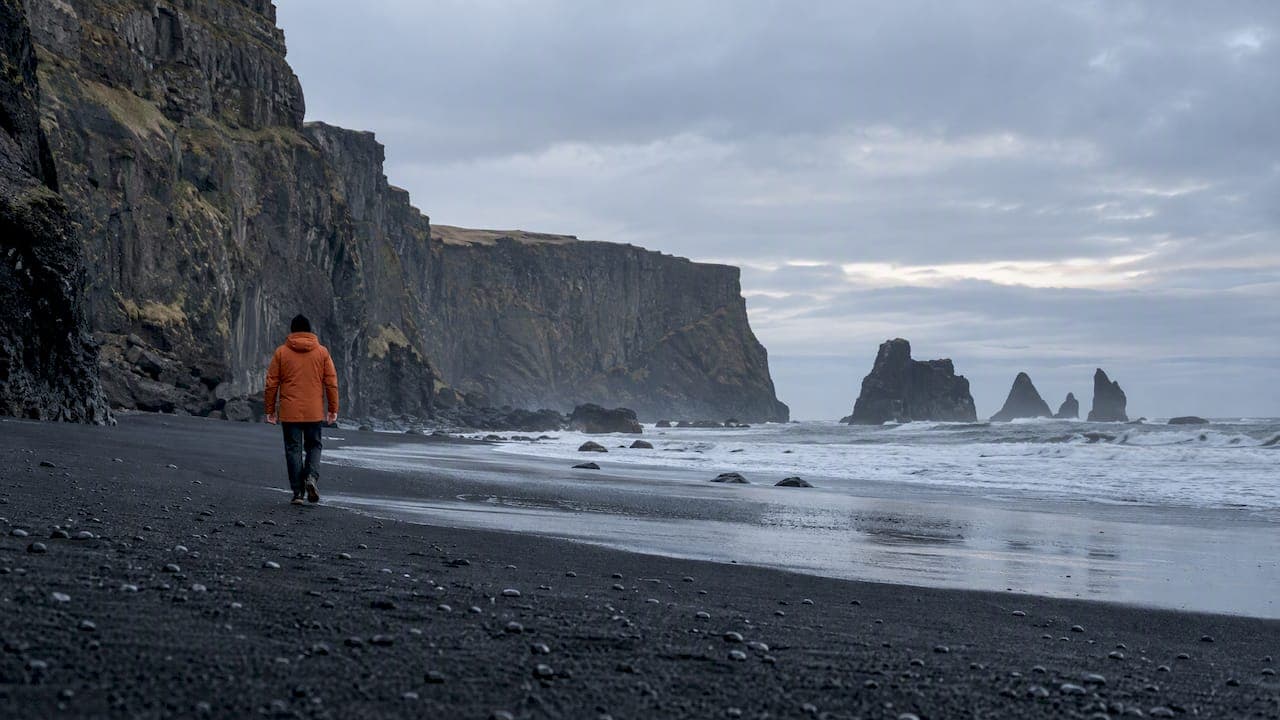
The communal kitchen is fully equipped and genuinely large, which means cooking together happens organically every evening. The on-site pizzeria gives guests a natural gathering point. Dark skies above the property make Northern Lights watching a shared event rather than a solitary one. Foxhostel sits midway between Vík and Kirkjubæjarklaustur, giving guests easy access to Reynisfjara Black Sand Beach, Jökulsárlón Glacier Lagoon, and Vatnajökull National Park. If you want a base that puts you in the middle of both Iceland’s landscapes and a genuine travel community, Foxhostel is the place to book.
FAQ
Why is staying social while traveling beneficial?
Staying social while traveling boosts brain health, lowers stress hormones, and creates lasting friendships. Research shows it increases neuroplasticity and helps prevent neurodegenerative disease.
How do you meet people while traveling solo?
Choosing communal accommodations, joining group activities, and eating at shared tables are the most reliable methods. Meeting people in hostels is especially effective because the environment is designed for it.
What is social backpacking?
Social backpacking is a travel style where building human connections is a primary goal, not a side effect. Community-based travel experiences have surged 136% as more travelers seek belonging alongside adventure.
How quickly can you form real friendships while traveling?
Travel compresses the usual social bonding timeline significantly. Shared intense experiences can create genuine closeness in days rather than the months it typically takes in everyday social settings.
Does slow travel help you make deeper connections?
Slow travel, defined as staying in one place for a week or more, transforms you from a passing tourist into a familiar face. That repetition is what turns brief encounters into lasting relationships.
Recommended
- 12 Proven Ways to Meet People While Solo Traveling | Fox Hostel – South Iceland
- Why Choose Shared Spaces: Benefits for Travelers | Fox Hostel – South Iceland
- How to Connect with Other Travelers: 2026 Guide | Fox Hostel – South Iceland
- How to meet other travelers in hostels: Iceland social guide | Fox Hostel – South Iceland