6 Unit Duty Free: How Tourists Save on Alcohol in Iceland
6 Unit Duty Free: How Tourists Save on Alcohol in Iceland

Yes, tourists can buy and drink alcohol in Iceland, but full-strength beer, wine and spirits are sold only through the state retail chain, Vínbúðin. The legal purchase and drinking age is 20, and travelers arriving in the country may bring a limited duty-free allowance. Check the official limits before you fly, since anything beyond them gets charged on arrival.
TL;DR:
- Vínbúðin is the only retail outlet for full-strength alcohol in Iceland, with fixed prices and limited store hours that often exclude Sundays and holidays.
- Duty-free travelers can bring up to six units of alcohol based on strength, but any excess must be declared and may incur import duties.
- The legal drinking age is 20, and staff regularly check IDs, with the authority to refuse service to intoxicated customers or those with undeclared alcohol.
- Alcohol prices are high due to taxes and state markups, so buying at duty-free or splitting bottles with companions offers the best savings.
- Local spirits like Brennivín and Icelandic craft beer are popular, with customs rules discouraging unlabelled homemade spirits and uncharacterized alcohol from strangers.
Table of Contents
- Where to buy alcohol in Iceland and how the state monopoly works
- Duty-free limits and bringing alcohol into Iceland
- Laws, age limits, ID checks and enforcement
- Prices, taxes and smart ways to save
- What to try: Brennivín, beer and local drinking customs
- Safety and responsible drinking in public and on the road
- A local perspective on enjoying a drink in South Iceland
- Unwind after a day on the South Coast at Fox Hostel
- Sources
- FAQ
Where to buy alcohol in Iceland and how the state monopoly works
Anything stronger, including regular beer, wine and spirits, comes exclusively from Vínbúðin, the government-run retail monopoly found in towns and cities across the country.

Vínbúðin operates more like a controlled public service than a typical liquor store. Hours vary by branch, and many outlets close on Sundays and holidays, with some smaller shops shutting earlier on weekdays too. It pays to check your specific store’s hours before planning a late-night purchase, especially outside Reykjavík.
A few things to know before your first visit:
- Vínbúðin is the only legal retailer for full-strength beer, wine and spirits.
- Supermarkets and gas stations stock only low-alcohol drinks at 2.25% ABV or below.
- Store hours differ by location, and Sunday or holiday closures are common.
- Prices are fixed and promotional discounts are rare, since ÁTVR’s regulations prioritize public health over retail competition and not sales volume.
The system exists by design. Iceland’s alcohol policy treats retail control as a public-health tool, which is why you will not find flashy end-of-aisle deals or loyalty programs the way you might elsewhere.
Duty-free limits and bringing alcohol into Iceland
If you are flying in, duty-free is often the cheapest way to stock up, but the allowance is strict and cannot be split or shared between travelers.
According to Island, visitors get a duty-free allowance equal to 6 units of alcohol, with each unit defined by strength: 0.25 liters for spirits over 21% ABV, 0.75 liters for alcohol under 21%, or 3.0 liters of beer or sparkling drinks under 6%. In practice, that might mean one bottle of spirits plus a bottle of wine, or several beers instead, as long as the combined total stays within the 6-unit cap.

You cannot pool your allowance with a travel companion, even if you are checking in together. Bring more than your share and customs will charge import duty on the excess, so it is worth using an official import calculator or declaring goods upfront if you are close to the limit.
Laws, age limits, ID checks and enforcement
The legal purchase and drinking age in Iceland is 20, and this applies uniformly whether you are at Vínbúðin, a bar or a restaurant. Staff routinely check ID, including for visitors who look well past their twenties, so carry a passport or photo ID whenever you plan to buy a drink.
Vendors also have the authority to refuse sale to anyone who appears intoxicated, a rule built into ÁTVR’s operating guidelines for Vínbúðin staff. This is standard practice rather than an exception, so do not be surprised if a clerk or bartender declines a sale late in the evening.
A quick checklist for staying on the right side of the law:
- Carry valid photo ID any time you plan to buy alcohol.
- Expect ID checks at Vínbúðin, bars and restaurants alike.
- Understand that staff can legally refuse service to intoxicated customers.
- Know that bringing in alcohol beyond your duty-free allowance, or anything undeclared, risks seizure at customs.
Prices, taxes and smart ways to save
Alcohol in Iceland carries a reputation for being expensive, and that reputation is earned. High VAT, ÁTVR markups and a small domestic market all push prices well above what many visitors expect, and bars add their own margins on top of Vínbúðin’s already-elevated base price.
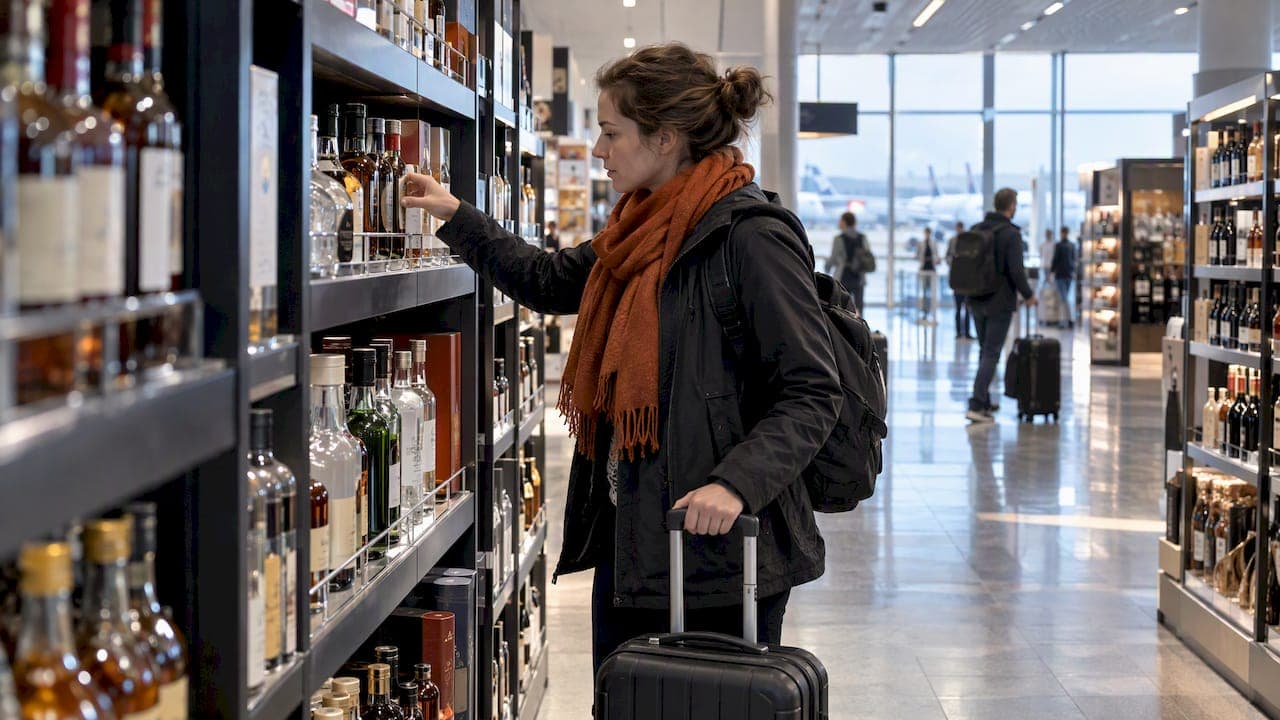
Duty-free at Keflavík Airport is usually your best value, especially if you are buying in bulk or splitting a bottle with travel companions. Vínbúðin comes next for anything you did not pick up on arrival, while bars and restaurants will always be the priciest option since you are also paying for service and atmosphere.
A few ways to stretch your budget:
- Buy spirits and wine at duty-free on arrival rather than waiting for a Vínbúðin trip.
- Split a bottle with your group instead of each person buying their own.
- Try local craft beer at Vínbúðin instead of imported brands, which often cost less.
- Check Vínbúðin’s website for any monthly specials before you shop.
Pro Tip: Pick up your duty-free bottle the moment you land, since you cannot go back through security to buy more once you leave the terminal.
What to try: Brennivín, beer and local drinking customs
No visit is complete without trying Brennivín, Iceland’s signature aquavit-style spirit, typically bottled between 37.5% and 40% ABV. Traditionally it is served ice-cold in small glasses alongside hákarl, the famously pungent fermented shark, a pairing locals half-jokingly call “black death” for the spirit’s bite and the shark’s smell.

Beer has its own origin story worth knowing. Iceland banned beer outright for decades, and the ban was only lifted on March 1, 1989, a date now celebrated every year as Beer Day. That history helped fuel a craft-beer boom that is still growing, particularly in Reykjavík, alongside a cocktail scene that caters to younger drinkers while older generations tend to stick with more traditional spirits.
A few customs worth knowing before a night out:
- Brennivín pairs traditionally with hákarl, smoked lamb or hardfiskur (dried fish).
- Pregaming at home before heading out is common, since bar prices run high.
- Finishing a round before ordering another is standard etiquette in most bars.
- Homemade spirits called landabrugg exist in rural areas but are not sold commercially, so do not accept an unlabeled bottle from a stranger.
Safety and responsible drinking in public and on the road
Public drinking is generally tolerated in Iceland at organized outdoor events or private gatherings, but it is not something you should assume is fine everywhere, particularly near schools, in parks during daytime, or in small towns where norms are more conservative than in central Reykjavík.
Driving after drinking is never worth the risk. Enforcement is active, and the safest plan is always a taxi, a designated sober driver, or simply walking back to where you are staying.
Keep these basics in mind for a safe night out:
- Stick to private venues or designated event spaces for public drinking.
- Arrange a taxi or sober driver well before you start drinking, not after.
- Dial 112 for emergencies, Iceland’s general emergency number.
- Keep your embassy’s contact details and travel insurance information handy just in case.
A local perspective on enjoying a drink in South Iceland
Guests often ask us what to pick up before settling in for the evening, and we usually point them toward a bottle of local craft beer or a small Brennivín to pair with dinner. South Iceland moves at a slower pace than Reykjavík, and a quiet drink with new friends after a long day on the road is part of what makes the trip memorable. We just remind everyone to plan transport home before the first round starts.
— Siggi
Unwind after a day on the South Coast at Fox Hostel
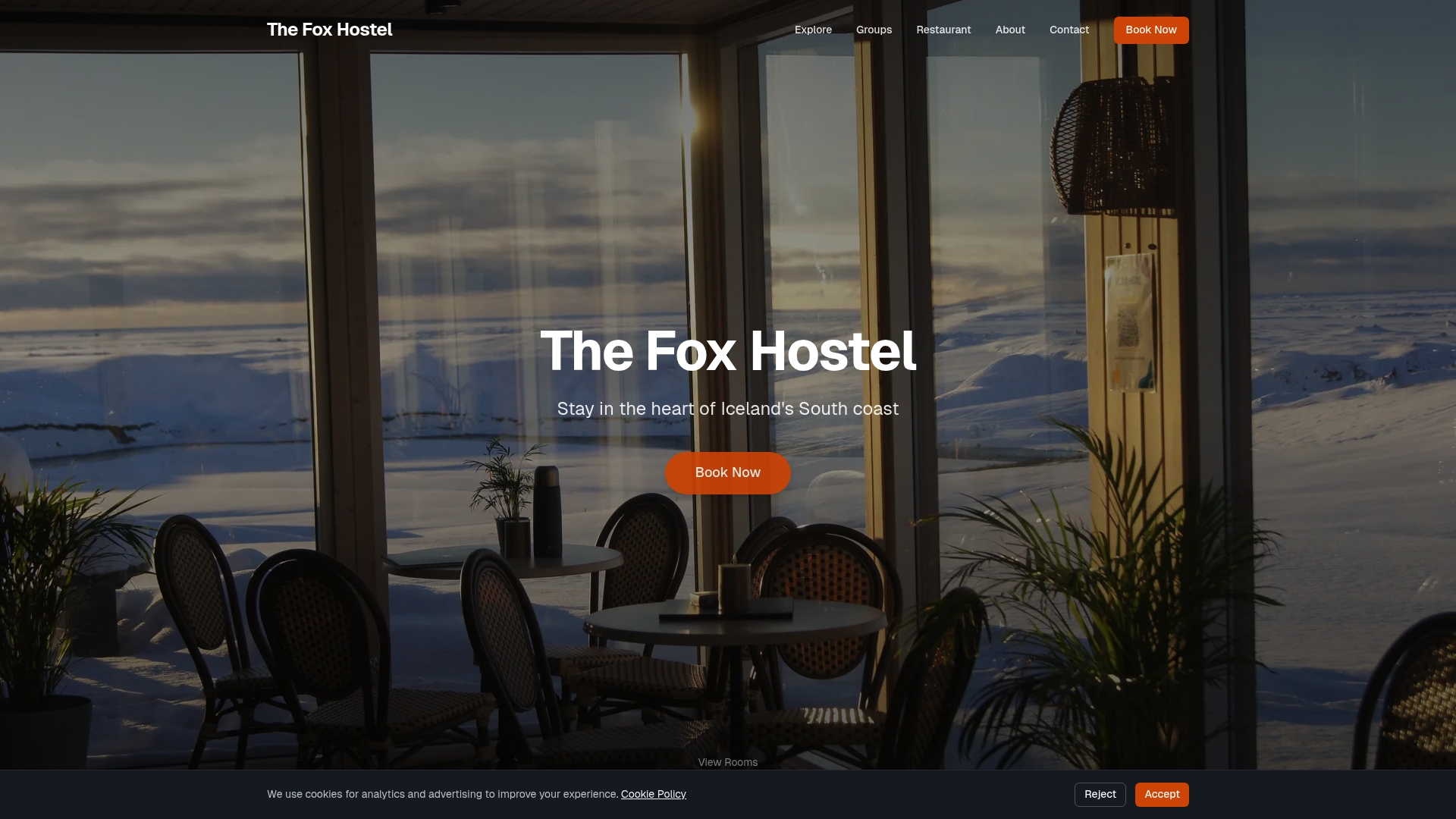
A day chasing waterfalls and black sand beaches deserves a relaxed evening, and Fox Hostel gives you exactly that — a cozy spot embraced by travelers who know why backpackers prefer hostels for Greece trips for great value and local atmosphere. Our on-site pizzeria, Hrífunes Pizzeria, serves dinner right where you are staying, and we keep beers, wines and soft drinks on hand so you do not need a late-night Vínbúðin run.
- Breakfast and dinner are both available on site, so your evening plans stay simple.
- A selection of beers, wines and other refreshments are available on site for guests who want a drink without leaving the property.
- Groups can book an entire room together through our group bookings page, ideal for splitting bottles and sharing stories.
Check availability on our rooms page and make a converted barn in the South Iceland countryside your base for the trip.
Sources
Always confirm current hours and allowances directly with these sources before you travel, since rules can change.
FAQ
Can tourists drink alcohol in Iceland?
Yes, tourists can legally drink and buy alcohol in Iceland as long as they are 20 or older, the legal purchase age nationwide. Full-strength beer, wine and spirits must come from Vínbúðin, while bars and restaurants can serve alcohol directly to customers who meet the age requirement.
What is the most common alcohol in Iceland?
Beer is the most widely consumed alcohol in Iceland today, especially since its legalization in 1989 sparked a lasting craft-beer boom. Brennivín, a traditional aquavit-style spirit around 37.5% to 40% ABV, remains the country’s best-known signature drink for visitors to try.
What is a must-try snack in Iceland?
Hákarl, fermented shark, is the most famous traditional snack, often served alongside a shot of Brennivín. Smoked lamb and hardfiskur, a type of dried fish, are also common bar snacks worth trying alongside a local beer.
Which country had a 75-year ban on beer?
Iceland banned beer for decades as part of its broader prohibition history, and the ban was lifted on March 1, 1989. That date is now celebrated annually as Beer Day across the country.
How much alcohol can I bring into Iceland duty-free?
Travelers get a duty-free allowance of 6 units of alcohol, with each unit defined by strength: 0.25 liters for spirits over 21% ABV, 0.75 liters for alcohol under 21%, or 3.0 liters of beer under 6%. This allowance cannot be combined with another traveler’s, and anything beyond it is subject to import charges.