How to prepare for a solo hostel stay in Iceland
How to prepare for a solo hostel stay in Iceland
TL;DR:
- Effective preparation for a solo hostel stay in Iceland involves packing layered clothing, safety gear, and hostel-specific essentials to handle unpredictable weather and shared accommodations. Choosing the right hostel with social activities, convenient location, and appropriate dorm options enhances the experience and fosters connections. Proper planning around budgeting, meals, and safety measures transforms potential challenges into enjoyable, memorable adventures.
Figuring out how to prepare for a solo hostel stay can feel like solving a puzzle with moving pieces: what do you pack for weather that changes in an hour, how do you stay safe in a shared dorm, and how do you actually meet people without being awkward about it? Iceland adds another layer entirely. The midnight sun messes with your sleep, the landscapes demand serious hiking gear, and the costs can spiral fast if you haven’t planned ahead. This guide walks you through every practical step, from your packing list to your daily budget, so you show up ready to enjoy Iceland’s South Coast rather than scrambling to catch up.
Table of Contents
- Essential preparations for your solo hostel stay in Iceland
- Choosing the right hostel for solo travelers in Iceland
- Budgeting and meal planning for solo travelers at Iceland hostels
- Navigating hostel life: check-in, safety, and making connections
- Troubleshooting common challenges during a solo hostel stay in Iceland
- Why thoughtful preparation transforms your solo hostel experience in Iceland
- Discover your ideal solo hostel stay in Iceland with Fox Hostel
- Frequently asked questions
Key Takeaways
| Point | Details |
|---|---|
| Pack for Iceland’s weather | Bring waterproof and layered clothing plus key hostel gear like padlocks and earplugs for comfort and security. |
| Choose social hostels | Select hostels known for safe female dorms, social events, and convenient Reykjavik locations for best experience. |
| Budget wisely | Plan a daily budget around $150-200 by using hostel kitchens and shopping at affordable supermarkets like Bonus. |
| Stay safe in hostels | Use your own padlock, consider female-only dorms, and bring portable security items like door locks. |
| Engage socially early | Arrive early and join hostel events to avoid solo isolation and enhance your travel experience. |
Essential preparations for your solo hostel stay in Iceland
To ensure your solo hostel stay starts smoothly, learning what to pack and prepare is crucial. Iceland’s weather is genuinely unpredictable. You can have sun, rain, and wind all before noon. Your clothing strategy needs to reflect that.
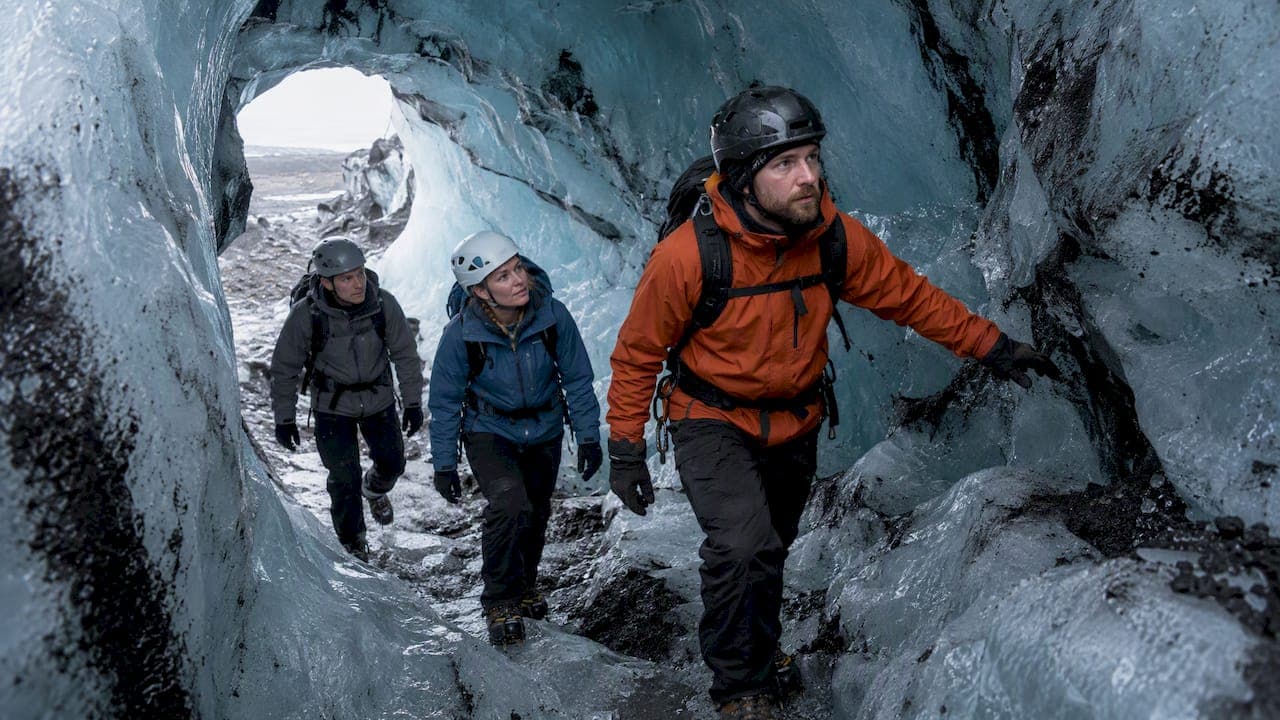
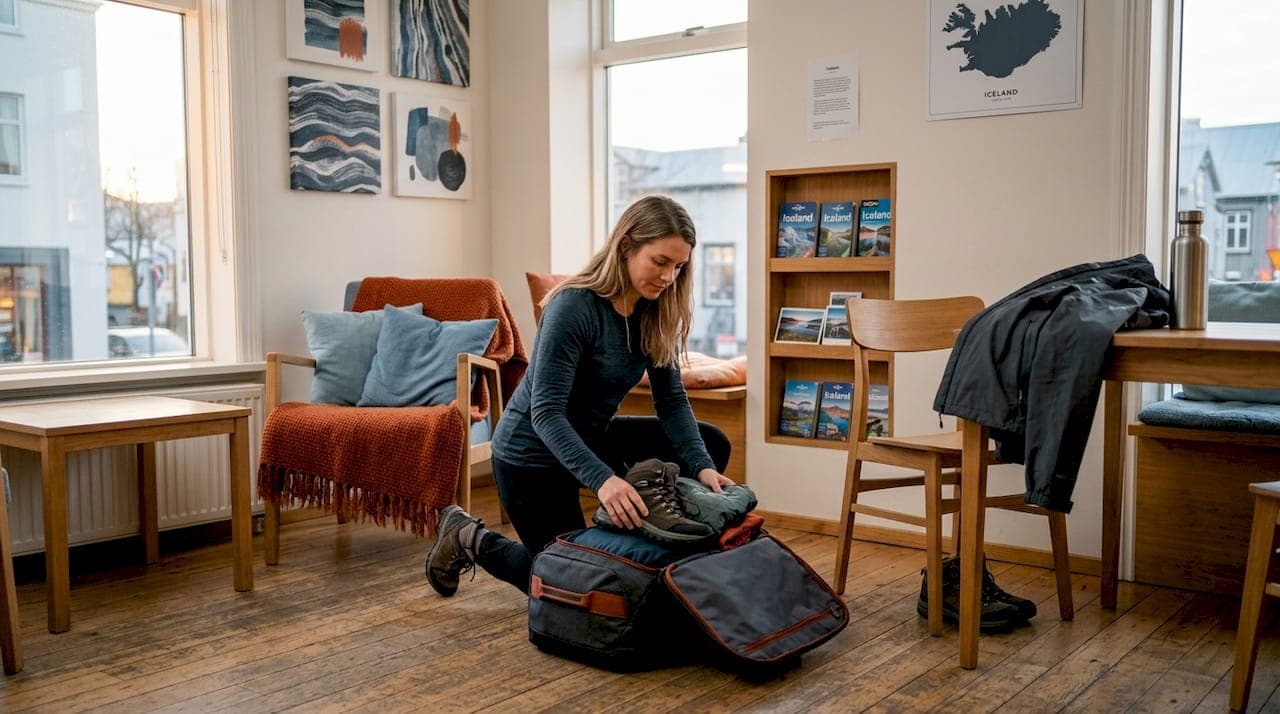
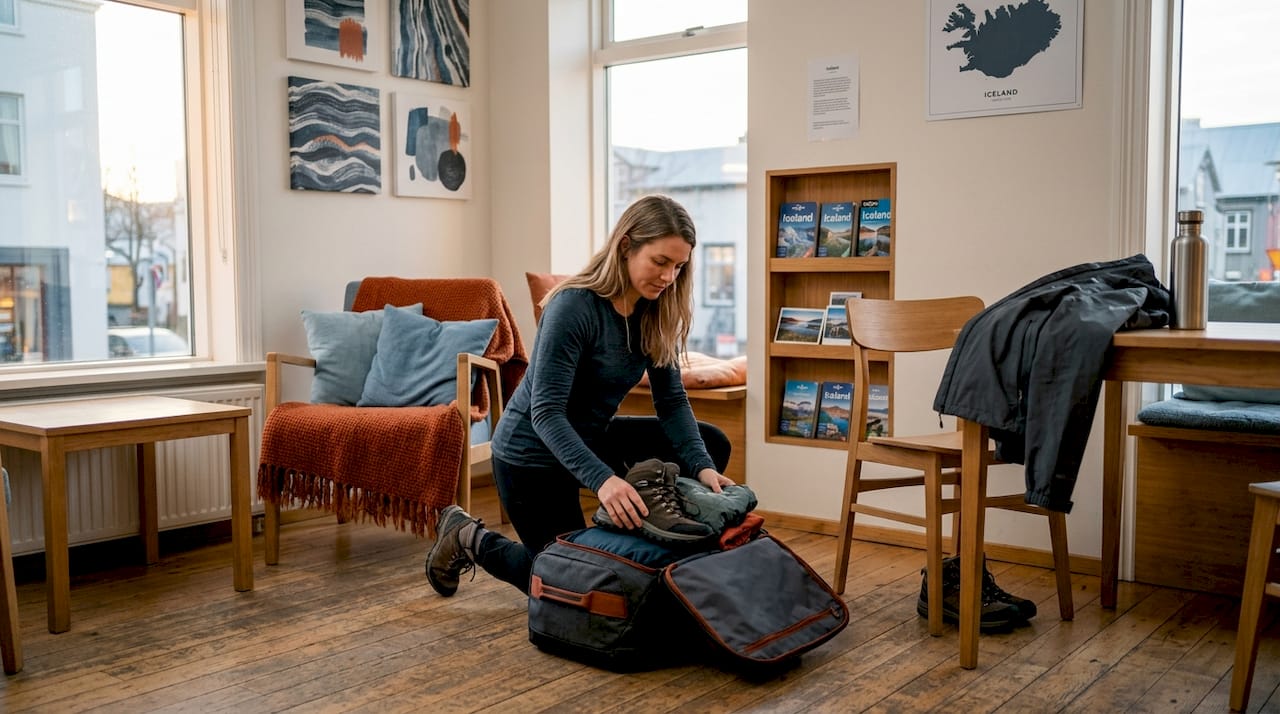
Layering is non-negotiable. Start with a merino wool base layer (it regulates temperature and resists odor far better than cotton), add a mid-layer fleece, and top it with a waterproof and windproof shell jacket. Sturdy, waterproof hiking boots are essential, not optional. Many of Iceland’s best viewpoints require walking across wet lava fields or muddy paths. As part of any complete solo travel packing list for Iceland, pack layers including waterproof jackets, merino wool, a microfiber towel, padlock for lockers, earplugs, an eye mask, and a personal locator beacon for nature hikes.
Your hostel-specific gear matters just as much. Most hostels provide free lockers, but you supply the lock. A sturdy padlock, not a flimsy combination lock, is a must. Add earplugs and a sleep mask to your kit because dorm life means noise and light at odd hours. In summer, Iceland never gets truly dark. Packing a sheet of aluminum foil to cover a bunk-side window is a trick experienced hostel travelers swear by.
Safety items for Iceland’s nature are part of first time hostel tips that often get skipped. If you plan any independent hiking, carry a headlamp and consider renting or buying a personal locator beacon. Cell coverage in the Highlands and remote areas is unreliable. Don’t assume your phone GPS is enough.
Pro Tip: Check the hostel check-in guide for South Iceland before you arrive. Knowing check-in times and what to bring saves you from waiting in a parking lot with wet boots and nowhere to store your bag.
Solo travel packing list for Iceland hostels
| Category | Essential items |
|---|---|
| Clothing | Merino wool base layer, waterproof jacket, fleece mid-layer, hiking boots |
| Hostel gear | Padlock, microfiber towel, earplugs, eye mask, flip flops |
| Safety | Personal locator beacon, headlamp, emergency whistle |
| Sleep hacks | Aluminum foil (summer sun block), sleep mask |
| Documents | Travel insurance, hostel booking confirmations, emergency contacts |
Choosing the right hostel for solo travelers in Iceland
Now that you know what to pack, selecting the right hostel will shape your solo experience in Iceland. The wrong hostel leaves you isolated in a quiet corner of a building. The right one hands you a social life within hours of arrival.
In Reykjavík, dorm beds start at $40 to $60 per night at well-reviewed spots like Reykjavík Loft HI Eco Hostel and KEX Hostel, both of which run organized social events and have 24/7 reception. If you are exploring the South Coast, you want something positioned near key nature attractions, not tucked in the capital.
What to look for when comparing hostels:
- Female-only dorm options. Several Icelandic hostels offer them at no extra charge. They tend to be quieter, more organized, and preferred by solo women for obvious reasons.
- Organized events. Quiz nights, communal dinners, and guided walking tours are where solo travelers actually become travel companions. A hostel without programming leaves you on your own every evening.
- Location relative to tours. If you’re booking South Coast day trips, check whether your hostel is on or near a tour pickup route. Losing an hour of sleep to catch a 7 AM bus from the wrong side of town adds up.
- Kitchen access. A real communal kitchen, not just a kettle and a mini-fridge, is one of the biggest factors in both budget and socialization.
Explore your hostel room options carefully before booking. Some hostels let you buy out an entire dorm room if you want privacy without paying hotel rates. This is a useful option for solo travelers who want guaranteed quiet but still want the social common areas.
Pro Tip: Check out the guide to social hostels in Iceland before booking. The social atmosphere of a hostel is harder to judge from photos than room quality is. Reading about how a place actually runs tells you more than star ratings.
Hostel comparison: Reykjavík vs. South Coast options
| Feature | Reykjavík hostels | South Coast hostels (e.g., Fox Hostel) |
|---|---|---|
| Nightly dorm cost | $40 to $60 | Similar range, often slightly lower |
| Proximity to nature | 45+ min to major sites | Steps from lava fields, glaciers nearby |
| Social events | Quiz nights, pub crawls | Northern Lights nights, group hikes |
| Kitchen access | Usually available | Full communal kitchen |
| Crowd level | Busy year-round | Quieter, more intimate |
Budgeting and meal planning for solo travelers at Iceland hostels
With your ideal hostel selected, managing your budget and meals smartly will keep adventures affordable. Iceland has a well-earned reputation for being expensive. But solo travelers who cook even half their meals walk away with dramatically more money for tours and experiences.
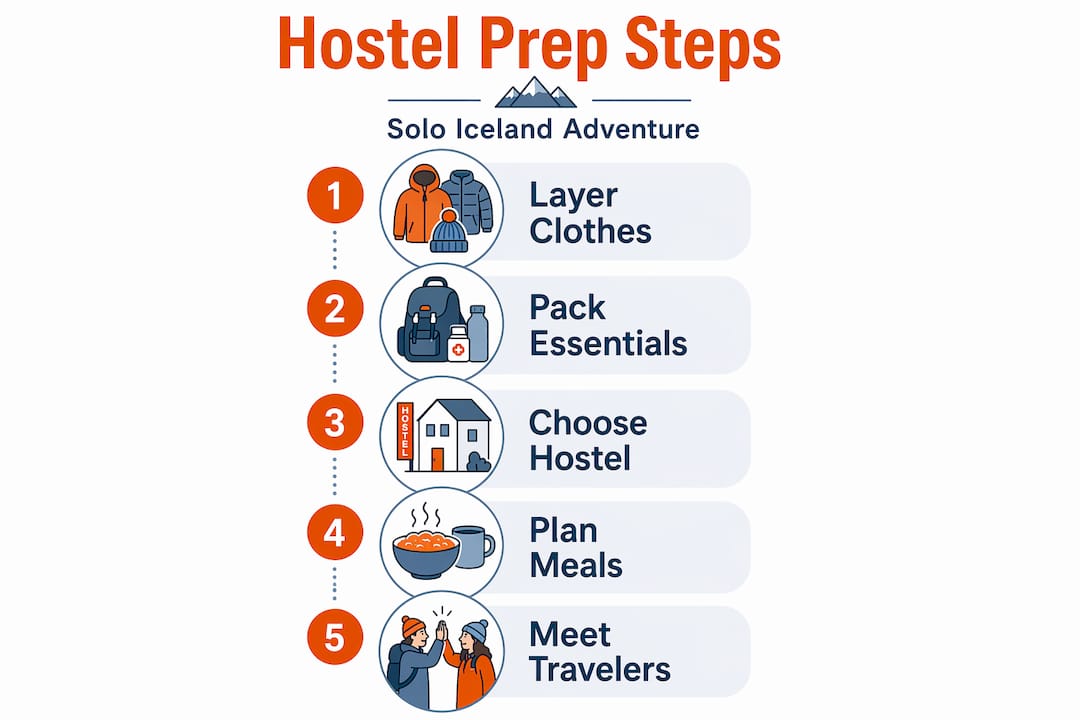
Daily budgets of $150 to $200 cover a hostel bed at $40 to $60, self-catered meals at $40 to $60, and tours around 70 EUR per day. That number shrinks fast if you eat out for every meal. A basic restaurant meal in Iceland runs $25 to $35. Two of those per day and you’ve spent your entire food budget before snacks.
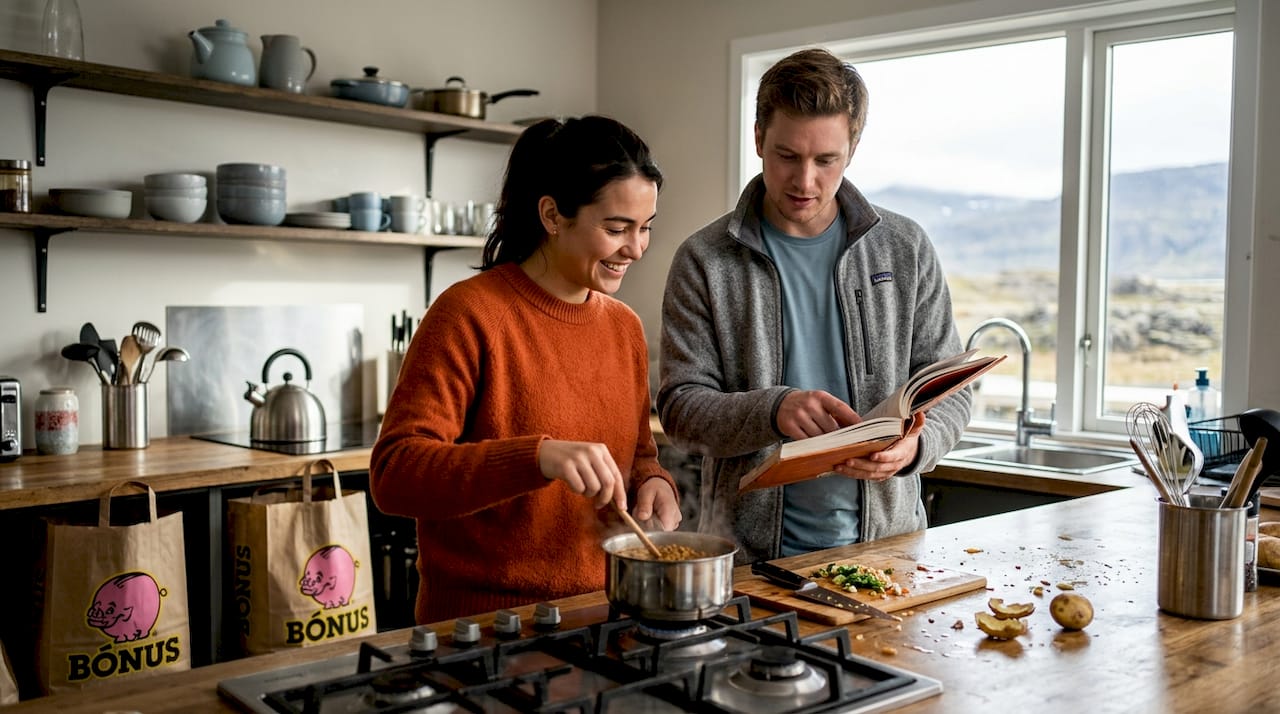
Where to shop: Bónus (spelled with an accent) is Iceland’s budget supermarket and a staple for travelers watching costs. Look for rye bread, skyr (a thick Icelandic yogurt high in protein), pasta, eggs, and oats. A full day’s worth of groceries typically runs 1,000 to 1,500 ISK (roughly $7 to $11). That’s a 70 to 80 percent saving compared to eating out.
A practical daily budget breakdown:
- Hostel dorm bed: $40 to $60
- Breakfast from hostel kitchen: $3 to $5
- Packed lunch (from Bónus supplies): $4 to $7
- Dinner cooked in the hostel kitchen: $6 to $10
- Day tour or entrance fees: $60 to $90
- Transportation (fuel or bus): $15 to $25
- Miscellaneous (coffee, snacks, SIM data): $10 to $15
Total: approximately $138 to $212
The hostel shared kitchen is also where unexpected social moments happen. Cooking next to another traveler leads to conversations, shared meals, and sometimes joint plans for the next day’s hike.
Pro Tip: Use the budget travel resources put together for South Iceland to spot which attractions are free and which tours offer the best value per hour of experience.
Navigating hostel life: check-in, safety, and making connections
Knowing how to navigate hostel routine and connect socially will enrich your solo journey. This is where tips for solo hostel travel move from abstract to practical.
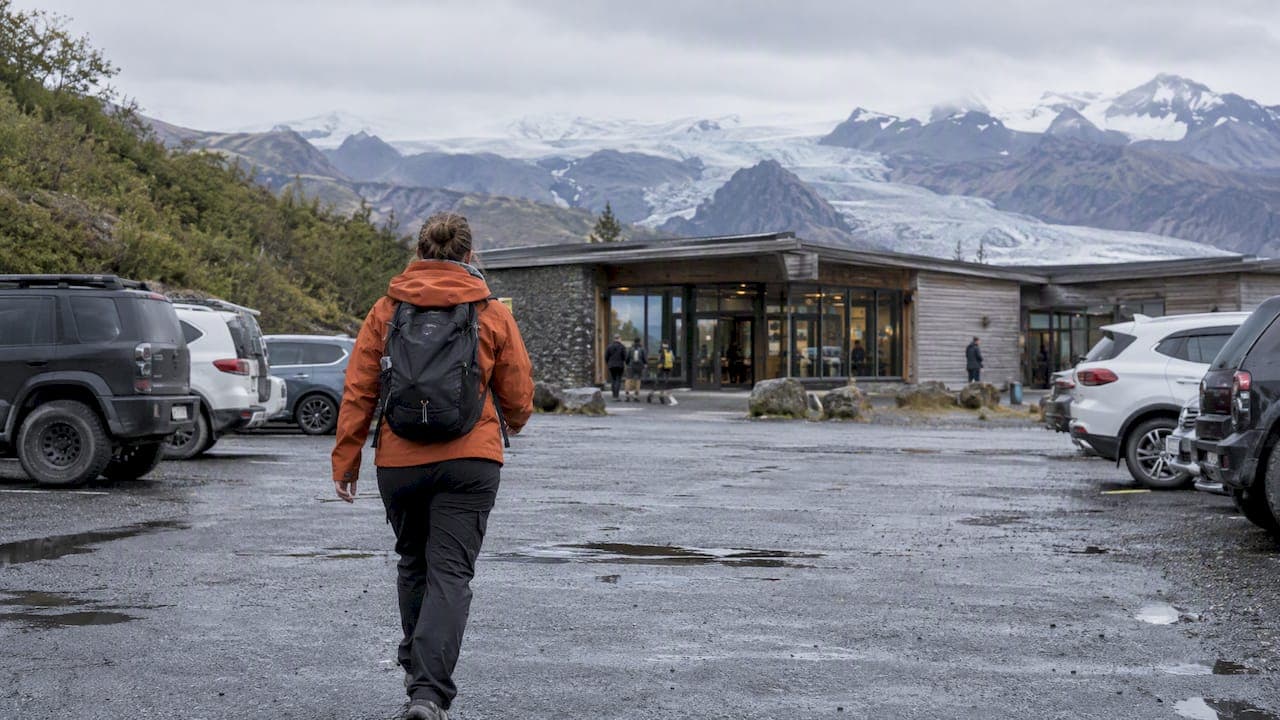
Check-in typically starts at 3 PM. Arriving before that doesn’t mean you’re stuck outside. Most hostels will store your bags and let you use common areas. Call ahead if you’re arriving very late. Some smaller hostels don’t have 24/7 staffing and need a heads-up.
A numbered approach to your first 24 hours:
- Store your bags and head to the common area immediately.
- Introduce yourself to the first two or three people you see.
- Ask staff about any events happening that evening or the next morning.
- Sign up for at least one activity on your first day.
- Cook or eat dinner in the communal kitchen rather than going out alone.
Safety tips for solo travelers in shared dorms:
- Always use the provided locker with your own padlock.
- Keep your passport and extra cash in a separate hidden pouch, not in your main bag.
- Bring flip flops. Shared bathroom floors in busy hostels harbor more than you want to think about.
- If you’re a light sleeper, top bunks generally get less disturbance from movement below.
“The biggest mistake solo travelers make is waiting to be invited into conversations. In a hostel, showing up to the kitchen with a question about where to hike tomorrow opens more doors than any app.”
Check the hostel check-in guide for South Iceland’s specific logistics. And if socializing feels daunting, the guide on meeting other travelers in Iceland breaks down exactly how to start those first conversations without forcing it.
Per guidance for solo female travelers, check-in from 15:00 is standard; bring a padlock and flip flops, use shared kitchens to connect and save, request female-only dorms when booking, and sign up for hostel events on day one.
Troubleshooting common challenges during a solo hostel stay in Iceland
Even with great preparation, challenges can arise; knowing how to handle them eases your solo hostel stay.
Noise. Weekend nights in popular hostels can get loud until 1 or 2 AM. Earplugs handle most of it. If you need guaranteed quiet, book for weeknights or ask for a smaller dorm with fewer beds. Top bunks are almost universally quieter because people walk and shuffle below you, not above.
Weather disruptions. Iceland’s roads can close with almost no warning in winter, and summer storms ground tour buses. Check road.is every morning before any drive or outdoor plan. This is the official Icelandic Road Administration site and it’s updated in real time. Experienced backpackers recommend arriving early afternoon for quieter social spaces, signing up for events immediately, and using local forums for current weather and safety updates.
Loneliness. It hits differently in a room full of strangers. The fix is counterintuitive: go to the kitchen, not your bunk. Lying in a dorm alone makes isolation worse. The Iceland hostel social guide offers specific conversation starters and social strategies that work even for introverts.
Essential items for hostel stay security:
- Personal cable lock to tether your bag to your bed frame
- Anti-theft backpack with hidden zipper compartments
- Portable door lock (a wedge or bar lock adds a layer to shared rooms)
- Digital copies of all important documents stored offline
“Iceland’s solo hostel culture is genuinely warm. Most travelers there are in the same position: exploring alone, open to company, and grateful when someone else makes the first move.”
Pro Tip: If a tour or accommodation cancels due to weather, contact your hostel first. They often know alternative options, local guides willing to redirect groups, and which roads are still passable.
Why thoughtful preparation transforms your solo hostel experience in Iceland
Here’s the thing most solo travel guides won’t say directly: the discomforts of hostel travel are almost entirely predictable, which means they’re almost entirely preventable. The people who describe solo hostel stays as stressful or lonely almost always skipped the social entry points on day one.
The myth that solo hostel travel is risky falls apart the moment you look at how these spaces actually function. Hostels in Iceland, especially on the South Coast, draw a self-selecting crowd: people who are curious, budget-conscious, and specifically looking for connection. The safety protocols (lockers, staffed reception, community kitchens) exist because that community is the product, not just the accommodation.
What separates a forgettable hostel stay from one you talk about for years is the small, deliberate choices made in the first few hours. Solo travelers report that arriving early to hostels allows natural socializing before the rush, and that cooking together in communal kitchens often sparks lasting friendships and shared low-cost dinners.
Buying groceries from Bónus with another traveler you just met. Pulling out a headlamp to point at the Northern Lights from the hostel yard at midnight. Sharing a pot of pasta and spontaneously deciding to drive to a glacier the next morning. None of these moments are accidental. They happen because someone prepared well enough to show up relaxed, opened their kitchen bag, and said “want some?”
Proper preparation for a solo hostel stay also shifts your mental state on arrival. When you’re not scrambling for a padlock, worrying about what to eat, or stressed about the weather, you have bandwidth to actually be present. And presence is what converts a solo trip into a social one. The guide on meeting travelers solo digs into exactly why first-hour habits matter more than any social skill.
Discover your ideal solo hostel stay in Iceland with Fox Hostel
Ready for a social, affordable, and genuinely memorable Iceland adventure? Fox Hostel sits inside Hrífunes Nature Park, 35 minutes east of Vík, in a converted Icelandic barn surrounded by lava fields and open sky. Solo travelers book individual dorm beds and land in a space built for connection: a massive communal kitchen, an on-site pizzeria, and dark skies that make Northern Lights nights feel personal.
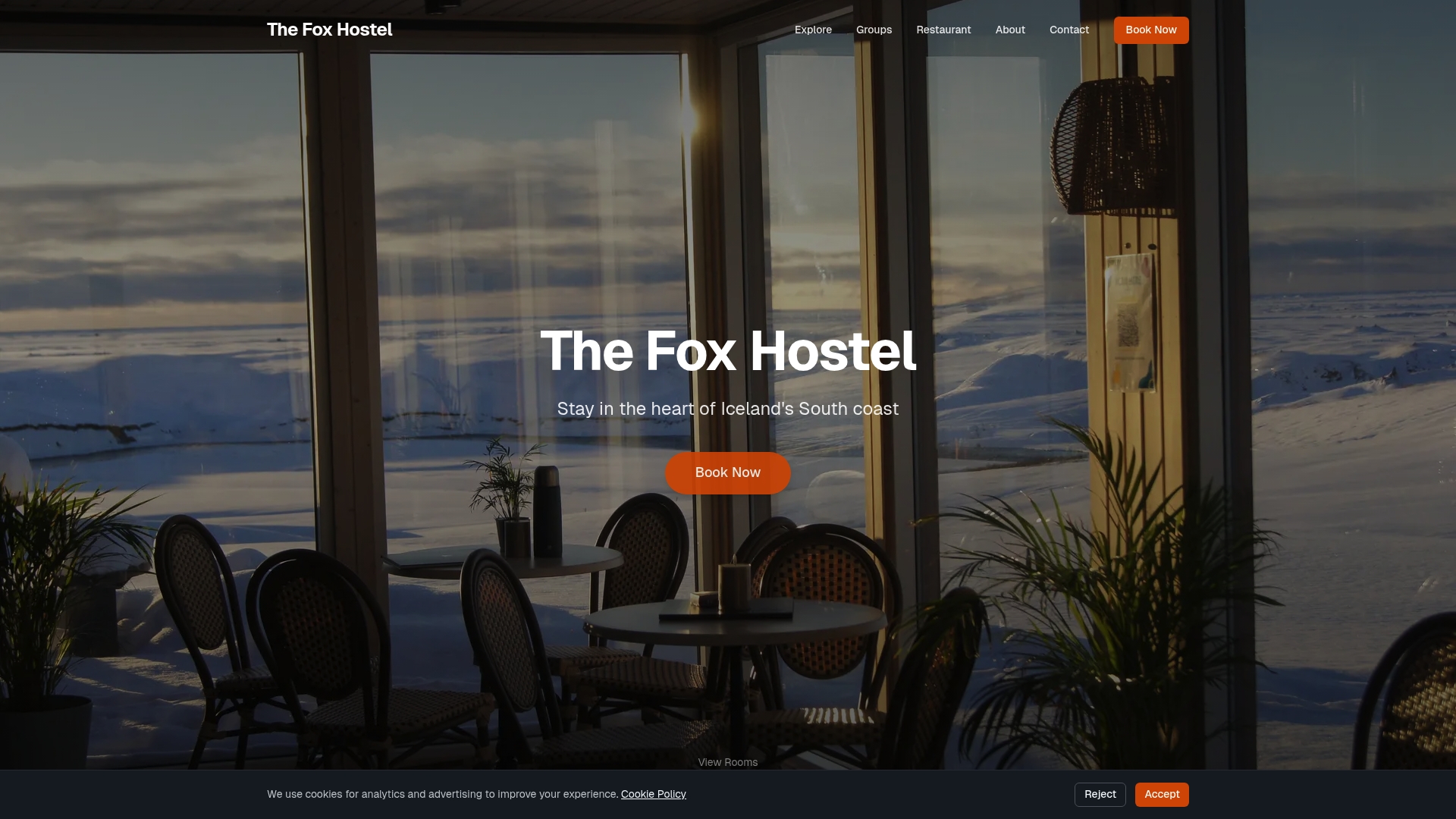
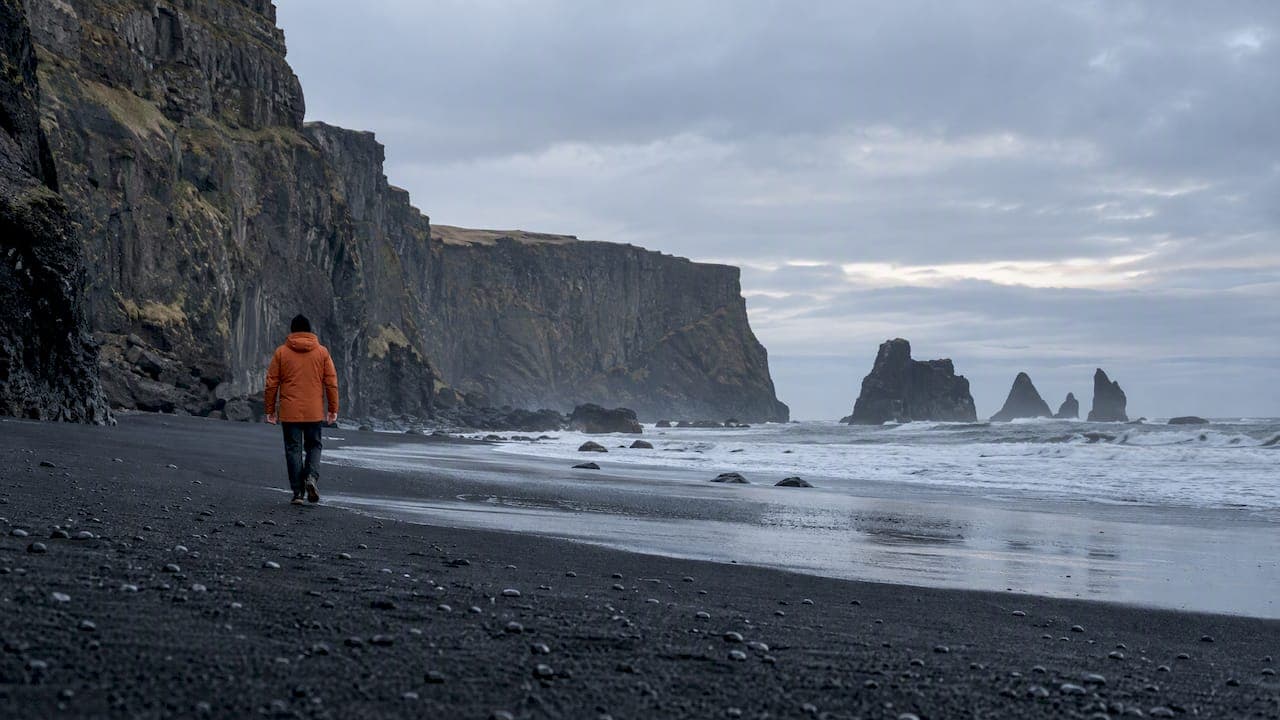
You’re positioned midway between Vík and Kirkjubæjarklaustur, with Reynisfjara Black Sand Beach and Dyrhólaey close by and Jökulsárlón Glacier Lagoon within striking distance for a day trip east. The social atmosphere here is real, not manufactured. Find out how guests connect at Fox Hostel and why so many solo travelers extend their stay by a night or two once they arrive.
Frequently asked questions
What essentials should I pack for a solo hostel stay in Iceland?
Bring layered clothing including a waterproof jacket and sturdy hiking boots, a padlock for lockers, earplugs, a microfiber towel, and aluminum foil to block midnight sun light. A personal locator beacon is also strongly recommended for any independent hiking off marked trails.
How can I stay safe in shared hostel dorms as a solo traveler?
Use female-only dorms if preferred, secure valuables with your own sturdy padlock, and keep your passport in a hidden body pouch rather than your main bag. Female dorms improve safety significantly; adding a portable door lock gives an extra layer of peace of mind.
What’s the best way to meet other travelers in Iceland hostels?
Join hostel events like quiz nights and group hikes on your very first day, and cook dinner in the communal kitchen instead of eating alone in your bunk. Early arrival and cooking together are the two habits that most consistently lead to real friendships on the road.
How much should I budget daily for a solo hostel trip in Iceland?
Plan for $150 to $200 per day covering your hostel bed, self-catered meals from Bónus supermarket, local tours, and transportation. Daily budgets of $150 to $200 are realistic when you cook most meals yourself and book tours in advance.
Are female-only dorms available and recommended in Icelandic hostels?
Yes, many Icelandic hostels offer female-only dorms at the same price as mixed dorms, and they are strongly recommended for solo women travelers seeking comfort and added security. Solo women are advised to book them specifically and to always use the provided lockers with their own lock.
Recommended
- Step-by-step hostel check-in guide for South Iceland travelers | Fox Hostel – South Iceland
- How to book shared hostel rooms in South Iceland easily | Fox Hostel – South Iceland
- How to Meet Other Travelers in Iceland: Solo Guide | Fox Hostel – South Iceland
- How to book a group hostel stay in South Iceland easily | Fox Hostel – South Iceland