How to Visit South Coast Waterfalls in Iceland
How to Visit South Coast Waterfalls in Iceland
TL;DR:
- Visiting Iceland’s south coast waterfalls requires careful planning, early morning arrivals, and proper gear to avoid crowds and enjoy the scenery fully. Key sites include Seljalandsfoss, Skógafoss, Gljúfrabúi, and Svartifoss, each offering unique experiences and hikes. Staying near Vík or Skaftafell enhances access, allowing for more relaxed exploration and better photography conditions.
Iceland’s south coast waterfalls are defined by three iconic sites: Seljalandsfoss, Skógafoss, and Svartifoss, each offering a completely different experience within a single drivable corridor. Knowing how to visit south coast waterfalls means more than just showing up. It means timing your arrival to beat tour buses, packing the right gear, and building an itinerary that lets you actually absorb what you’re seeing. This guide covers the best waterfalls to visit, how to reach them, what the terrain demands, and where to stay so you can start early and end late.

Which south coast waterfalls should you visit first?
The best south coast waterfalls cluster along a 150-kilometer stretch of Ring Road between Seljalandsfoss and Skaftafell. Each one rewards a different kind of effort.
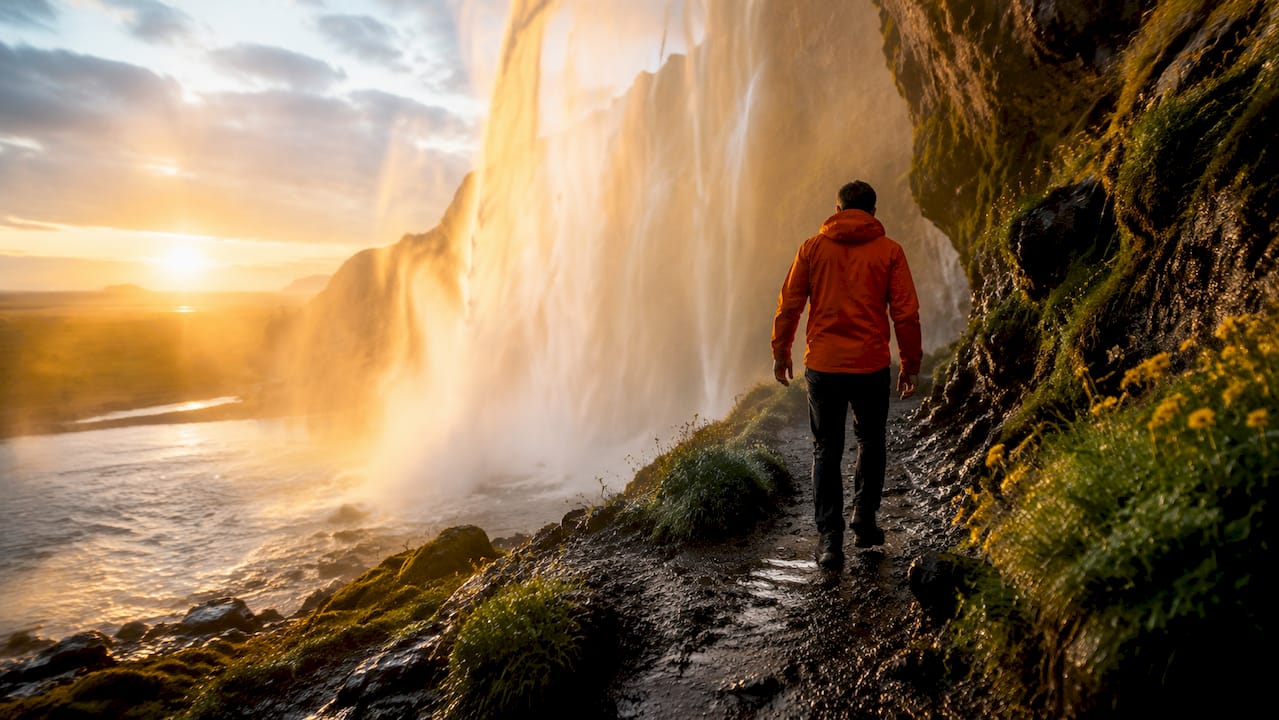
- Seljalandsfoss drops approximately 60 meters and lets you walk the full path behind the curtain of water. That walk is what makes it famous. The spray soaks visitors waist down in under two minutes, so waterproof trousers and a microfiber cloth for your camera lens are not optional. The path is also closed during high wind or icy conditions, so build a backup plan.
- Gljúfrabúi sits just 500 meters north of Seljalandsfoss and most visitors walk right past it. To see the full drop, you wade 3–5 meters into a narrow gorge through a shallow stream. The enclosed amphitheater view inside is unlike anything else on the coast. Waterproof boots are required.
- Skógafoss is wide, powerful, and produces mist rainbows on sunny mornings. A 527-step staircase climbs to a viewing platform at the top. Continuing another 500 meters inland on the Fimmvörðuháls trail reveals smaller, far less visited cascades that most day-trippers never see.
- Svartifoss in Skaftafell is framed by hexagonal basalt columns that look almost architectural. It requires a moderate hike and is covered in detail in the terrain section below.
- Kvernufoss is a short walk from Skógafoss and almost always empty. It offers a similar walk-behind experience to Seljalandsfoss without the crowds.
Pro Tip: Visit Seljalandsfoss and Gljúfrabúi together first thing in the morning. They share a parking area, and doing both before 9 AM means you get the walk-behind experience without a line.
How do you plan access, transport, and timing?
Logistics determine whether your waterfall day is memorable or exhausting. Here is how to structure it.
- Drive from Reykjavík. Seljalandsfoss is approximately 120 kilometers from Reykjavík, about 1.5 hours by car. Skógafoss is 30 kilometers further. The full waterfall corridor from Seljalandsfoss to Skaftafell runs roughly 2–2.5 hours of driving one way before stops.
- Rent a car or campervan. Self-driving gives you the flexibility to arrive before tour buses and stay after they leave. Public buses run limited schedules and lock you into fixed stops. A south coast private tour is worth considering if you want a guide without losing flexibility, but a rental car remains the most practical option for waterfall-focused itineraries.
- Time your arrival. Tour buses peak between 11 AM and 4 PM at Seljalandsfoss and Skógafoss. Arriving before 9 AM or after 8 PM in summer puts you there in near-solitude. That is not a minor improvement. The difference in atmosphere and photography quality is significant.
- Plan for at least two days. Two days is the recommended minimum to visit Seljalandsfoss, Skógafoss, and Svartifoss without rushing. Trying to compress all three into one day means you skip Gljúfrabúi, skip the Fimmvörðuháls trail, and arrive at Svartifoss too tired to enjoy the hike.
- Check seasonal conditions. Winter trails can be icy and dangerous. Some paths close without notice. Always verify current conditions before you leave your accommodation.
Pro Tip: Parking at most south coast waterfall sites is free or low cost, but arrive early to claim a spot. Seljalandsfoss and Skógafoss lots fill quickly on summer mornings.
What should you expect on waterfall hikes and trails?
Trail conditions vary significantly across the south coast waterfall sites. Knowing what each demands helps you pack correctly and set realistic expectations.
Seljalandsfoss walk-behind path: The trail circles behind the falls on a narrow ledge. It is wet, often slippery, and exposed to constant spray. Waterproof trousers, grippy footwear, and a lens cloth for your camera are the minimum. The path closes when wind or ice makes it unsafe, so check conditions at the parking area before committing.
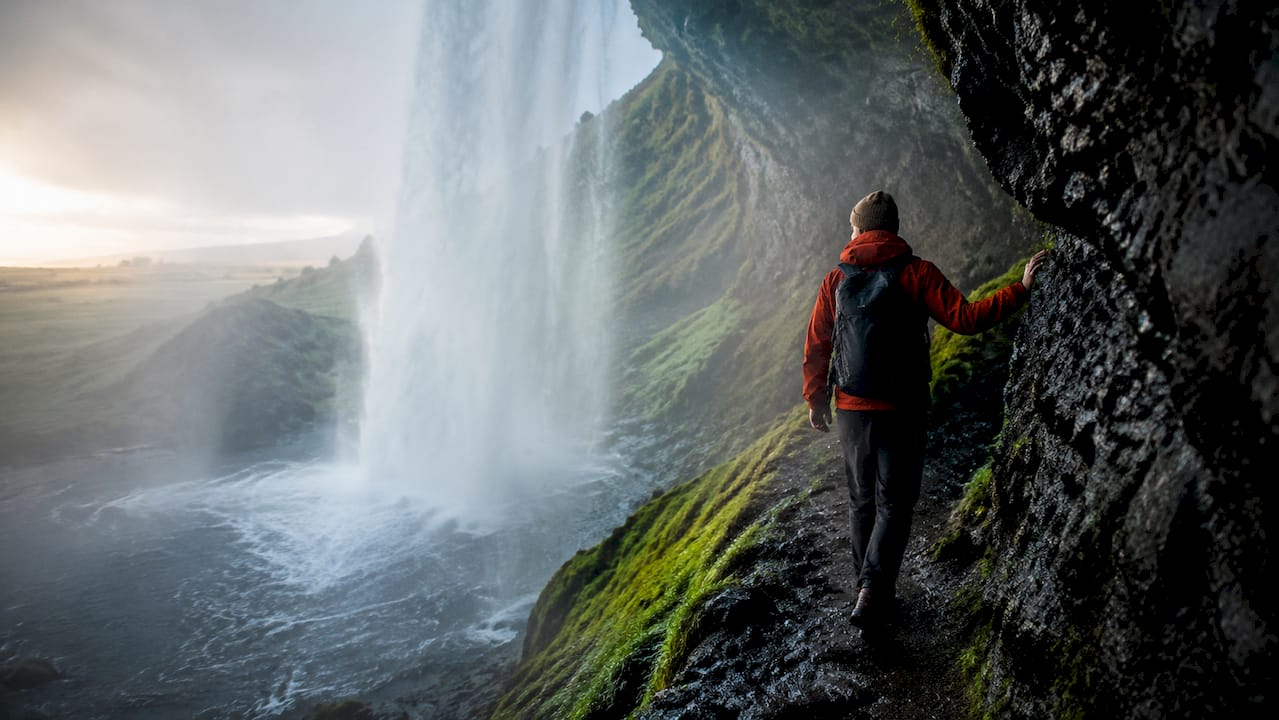
Gljúfrabúi gorge entry: The creek walk into the gorge is only 3–5 meters, but the water is cold and the footing is uneven. Waterproof boots with ankle support are the right choice. Most visitors stop at the gorge entrance and miss the full view entirely. Pushing through the shallow water reveals the full vertical drop and enclosed amphitheater that makes this waterfall genuinely special.
Skógafoss staircase and Fimmvörðuháls trail: The 527-step staircase is steep but manageable for most fitness levels. The real reward comes from continuing on the Fimmvörðuháls trail, which leads past a series of smaller cascades with almost no foot traffic. Budget an extra hour if you plan to go beyond the top platform.
Svartifoss hike in Skaftafell: This is a 5.5-kilometer roundtrip hike with 1.5–2 hours of walking time. The trail climbs steadily and includes slippery sections. Check conditions at the Skaftafell Visitor Center before you start. The basalt column backdrop makes Svartifoss one of the most photographed waterfalls in Iceland, and the hike itself passes several smaller falls worth stopping for.
Safety note: Respect every posted warning sign on south coast trails. Terrain changes fast with weather. Experienced guides consistently emphasize that dynamic natural terrain on the south coast demands attention, not just enthusiasm. Checking with local visitor centers before hiking is not overcautious. It is standard practice.
What else can you do near south coast waterfalls?
The waterfalls are the headline, but the south coast surrounds them with attractions that reward a longer stay.
Reynisfjara Black Sand Beach near Vík is one of the most dramatic beaches in Europe. The basalt sea stacks, crashing Atlantic waves, and black volcanic sand create a landscape unlike anything in the continental United States. It sits about 30 minutes from Seljalandsfoss and pairs naturally with a morning waterfall visit. You can find more adventure activities near Vík that round out a full south coast day.
Skaftafell and Jökulsárlón Glacier Lagoon anchor the eastern end of the waterfall corridor. Skaftafell sits inside Vatnajökull National Park and offers glacier walks in addition to the Svartifoss hike. Jökulsárlón, about 70 kilometers further east, is a glacial lagoon filled with floating icebergs. Both destinations justify extending your trip to three or four days.
| Attraction | Distance from Seljalandsfoss | Best Combined With |
|---|---|---|
| Skógafoss | 30 km east | Kvernufoss, Fimmvörðuháls trail |
| Reynisfjara Beach | 35 km east | Vík village, Dyrhólaey |
| Svartifoss | 130 km east | Skaftafell glacier walk |
| Jökulsárlón Lagoon | 200 km east | Diamond Beach, glacier tours |
Staying near the waterfalls rather than commuting from Reykjavík each day changes the entire experience. You get earlier starts, less driving fatigue, and the option to return to a site at golden hour. Budget-friendly hostels along the south coast, particularly those positioned between Vík and Kirkjubæjarklaustur, put you within reach of every major site. Staying near Iceland’s waterfalls is one of the most practical decisions you can make for this kind of trip.
Key takeaways
Visiting Iceland’s south coast waterfalls well requires two days minimum, early morning timing, waterproof gear, and a self-drive itinerary anchored at Seljalandsfoss, Skógafoss, Gljúfrabúi, and Svartifoss.
| Point | Details |
|---|---|
| Prioritize four core sites | Seljalandsfoss, Skógafoss, Gljúfrabúi, and Svartifoss cover the full range of south coast waterfall experiences. |
| Arrive before 9 AM | Tour buses peak between 11 AM and 4 PM; early arrival means better photos and near-empty trails. |
| Pack waterproof gear | Waterproof trousers, boots, and a lens cloth are required at Seljalandsfoss and Gljúfrabúi. |
| Allow two full days | Rushing all sites into one day means missing Gljúfrabúi, the Fimmvörðuháls trail, and Svartifoss. |
| Stay on the south coast | Lodging near Vík or Kirkjubæjarklaustur cuts commute time and unlocks early starts at every site. |
What i’ve learned from watching travelers rush the south coast
By Trygve
The most common mistake I see is treating the south coast waterfalls like a checklist. Travelers drive from Reykjavík, hit Seljalandsfoss at noon, photograph Skógafoss from the base, and call it done. They miss Gljúfrabúi entirely. They never climb the Skógafoss stairs. They skip Svartifoss because it requires a hike.
The key to a satisfying south coast experience is pacing, not volume. Three waterfalls seen properly leave a stronger impression than six seen briefly. That is not a soft opinion. It is what the terrain demands. The walk behind Seljalandsfoss at 7 AM with mist catching the early light is a completely different experience than the same walk at 1 PM surrounded by tour groups.
Weather flexibility matters more than most people plan for. The Seljalandsfoss walk-behind path closes without warning. Svartifoss trails get icy. I always tell people to hold their afternoon plans loosely and let conditions guide the day. The travelers who enjoy this coast most are the ones who came prepared to adapt, not the ones who had every hour scheduled.
The hidden waterfalls, Gljúfrabúi and Kvernufoss especially, reward the people willing to get their boots wet and walk past the obvious. That willingness is the difference between a good trip and one you talk about for years.
— Trygve
Start your waterfall adventure from the right base
Planning a south coast waterfall trip works best when your accommodation puts you in the middle of the action, not two hours away.

Foxhostel sits in Hrífunes Nature Park, 35 minutes east of Vík and perfectly positioned between the waterfall corridor and the eastern attractions of Vatnajökull National Park and Jökulsárlón Glacier Lagoon. Guests get early access to Seljalandsfoss, Skógafoss, and Svartifoss without the long Reykjavík commute. The hostel offers dorm beds for solo travelers and full room buyouts for couples and groups, a fully equipped communal kitchen, an on-site pizzeria, and dark skies ideal for Northern Lights viewing. Book your stay at Foxhostel and use it as your launchpad for the entire south coast.
FAQ
What are the best south coast waterfalls to visit?
Seljalandsfoss, Skógafoss, Svartifoss, and Gljúfrabúi are the top four. Kvernufoss is a strong addition for travelers who want a walk-behind experience without crowds.
How long does it take to drive the south coast waterfall route?
Driving from Reykjavík to Seljalandsfoss takes about 1.5 hours. The full corridor to Skaftafell runs approximately 2–2.5 hours one way before stops, making two days the practical minimum for the full route.
Do you need waterproof gear to visit these waterfalls?
Waterproof trousers and boots are required at Seljalandsfoss and Gljúfrabúi. Spray from Seljalandsfoss soaks visitors waist down in under two minutes, and Gljúfrabúi requires wading through a shallow stream.
When is the best time of day to visit south coast waterfalls?
Arriving before 9 AM or after 8 PM in summer avoids peak tour bus crowds, which run heaviest between 11 AM and 4 PM at Seljalandsfoss and Skógafoss.
Is the svartifoss hike difficult?
Svartifoss requires a 5.5-kilometer roundtrip hike rated moderate difficulty, with uphill sections and potentially slippery terrain. The hike takes 1.5–2 hours. Check conditions at the Skaftafell Visitor Center before starting.
Recommended
- How to Plan a South Coast Itinerary in Iceland | Fox Hostel – South Iceland
- What Is the South Coast of Iceland? A Travel Guide | Fox Hostel – South Iceland
- Why staying near Iceland’s waterfalls elevates your trip | Fox Hostel – South Iceland
- How to Discover Scenic Spots Near Vík, Iceland | Fox Hostel – South Iceland