Iceland educational travel: learn, explore, and thrive
Iceland educational travel: learn, explore, and thrive
TL;DR:
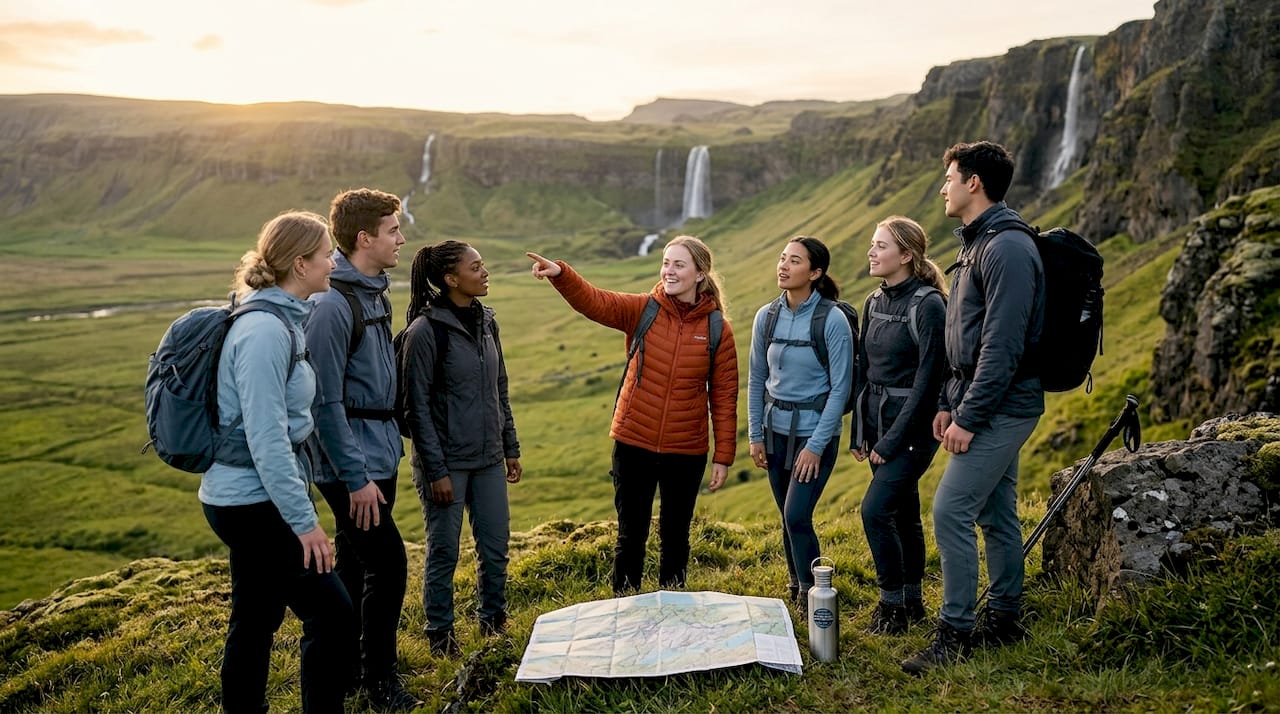
- Iceland offers a unique, hands-on educational experience by allowing travelers to engage directly with active geology and climate change phenomena. Small group formats and expert guides enhance learning through immersive activities like glacier hikes, geothermal tours, and tectonic plate walks, fostering deeper understanding. Planning ahead and choosing programs aligned with specific curiosity questions maximizes both value and memorable, multi-sensory learning.
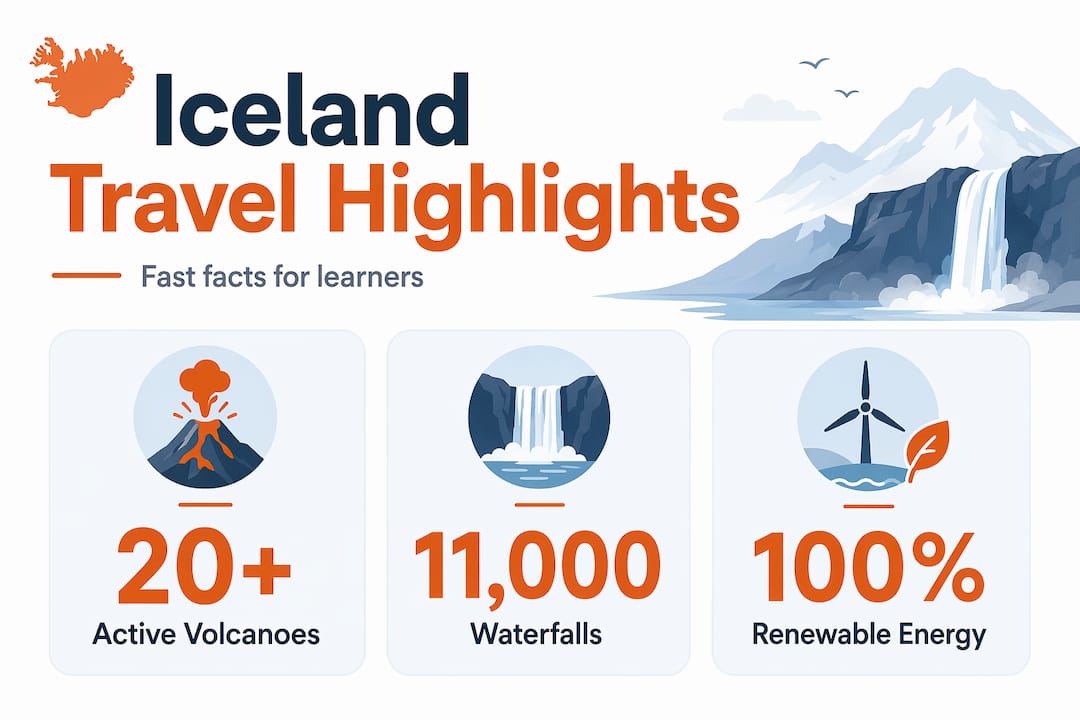
Iceland doesn’t just reward the curious, it practically demands it. This small island nation runs on 100% renewable energy and doubles as a living laboratory where you can hike across active volcanoes, watch tectonic plates drift apart in real time, and collect climate data at the edge of a retreating glacier before dinner. Most visitors arrive with a camera and leave with photographs. Travelers who come with genuine curiosity leave with something far more valuable: a shift in how they understand the natural world, and themselves.
Table of Contents
- What makes educational travel in Iceland unique?
- Top educational travel programs in Iceland
- Hands-on learning: Activities and field experiences
- Practical tips: Costs, group sizes, and maximizing your trip
- Beyond sightseeing: Why immersive learning beats passive travel
- Ready to explore Iceland your way?
- Frequently asked questions
Key Takeaways
| Point | Details |
|---|---|
| Iceland is a natural laboratory | You gain hands-on learning in geology, climate science, and sustainable practices surrounded by stunning landscapes. |
| Options for every learner | Whether you’re a student, teacher, or curious traveler, you’ll find programs tailored for different ages, activity levels, and learning styles. |
| Plan for success | Booking early, packing for the elements, and choosing the right group size maximize your safety and enjoyment. |
| Immersive guides matter | Expert guides turn active fieldwork into lifelong memories, making the difference between sightseeing and real discovery. |
What makes educational travel in Iceland unique?
Iceland occupies a singular position on the global map of learning destinations. Nowhere else can you stand on the boundary between two tectonic plates, soak in a geothermally heated pool fed by volcanic activity, and watch scientists measure glacial retreat within a single afternoon. The entire country functions as a natural laboratory that no textbook can replicate.
What truly separates Iceland from other educational destinations is how adventure and structured learning reinforce each other. On a typical field excursion, you might hike lava fields, watch whales, and walk tectonic plate boundaries all in one day, each activity layered with scientific and cultural context provided by expert guides. This is not a slideshow about geology. You are standing in it, touching it, asking questions while your boots sink into volcanic soil.
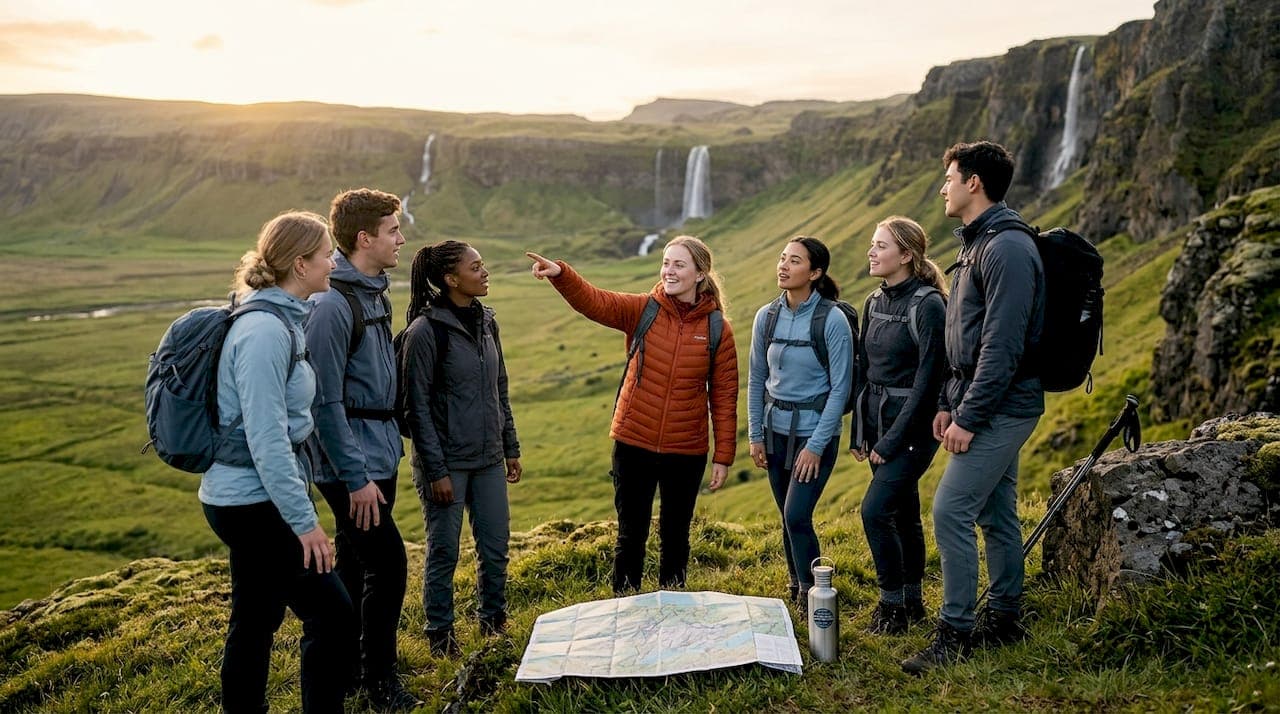
Small group formats amplify this effect significantly. When a group has 12 to 16 participants instead of 50, guides can pause to answer individual questions, adapt the itinerary to what the group finds most compelling, and create space for real dialogue. That kind of flexibility is rare in conventional tourism and almost impossible to replicate in a large bus tour.
Key features that set Iceland apart as an educational destination:
- Living geology: Active volcanoes, lava tubes, geysers, and glaciers provide visible, touchable evidence of Earth science principles
- Climate urgency: Iceland’s glaciers are among the world’s most studied and most threatened, making every glacier visit a real-time lesson in climate change
- Cultural depth: Nordic history, the Sagas, and Iceland’s unique democratic traditions add rich social science layers
- Expert access: Many programs arrange direct meetings with geologists, climate scientists, and energy engineers working at active research sites
- Social hostel culture: Staying in community-oriented accommodations extends the learning conversation well beyond the field
Pro Tip: When choosing a tour, look for itineraries that name specific expert guides or research partners. Reviewers across multiple platforms consistently rate guide knowledge as the single most important factor in a memorable educational experience.
“The moment our guide explained how the valley we were standing in was still rising after the last ice age, everyone went quiet. That silence was the learning.” — Typical traveler reflection after a geological field day in South Iceland
Top educational travel programs in Iceland
Understanding Iceland’s educational value, it’s time to explore which tours or programs best fit various learning goals and travel styles. The landscape of providers has expanded considerably, and each operator brings a distinct philosophy and audience.
| Provider | Focus | Duration | Key activities | Audience | Price range |
|---|---|---|---|---|---|
| EF Educational Tours | Multidisciplinary: STEM, culture, geography | 8 to 12 days | Lava hikes, whale watching, tectonic walks | Secondary school students | $3,500 to $5,500 |
| GeoCamp Iceland | Geology and Earth sciences | 5 to 10 days | Rock sampling, glacier field trips, volcanic site visits | School groups, university students | $2,500 to $4,500 |
| SIT Study Abroad | Climate change, Arctic studies | Full semester | Data collection, renewable energy fieldwork, expert seminars | University undergraduates | $18,000 to $22,000 |
| GEEO Teacher Travel | Professional development for educators | 7 to 14 days | Northern lights, cultural immersion, energy tours | K12 teachers | $1,899 to $3,500 |
| Smithsonian Journeys | History, culture, natural history | 10 to 14 days | Expert-led cultural and geological tours | Adult learners, professionals | $6,000 to $9,000+ |
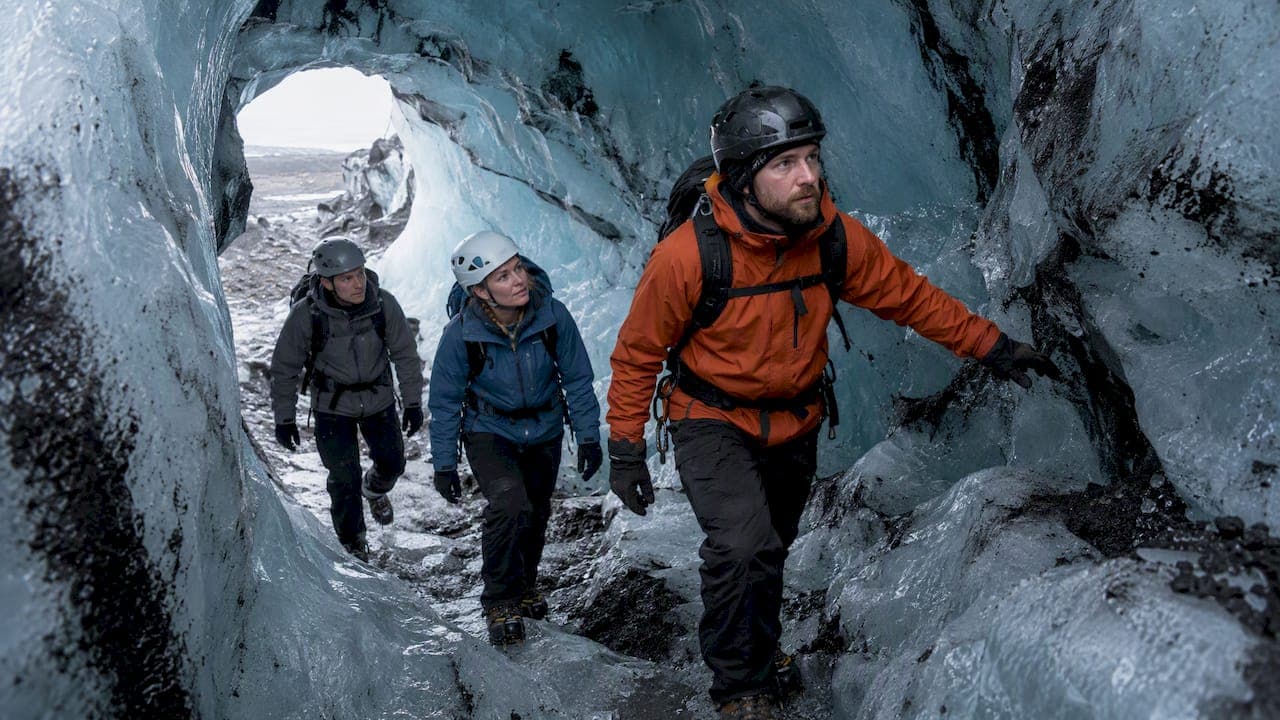
| Arctic Adventures | Adventure and nature science | 3 to 10 days | Ice caves, kayaking, lava field hikes | Mixed adult groups | $1,900 to $5,000 |
Multiple providers serve genuinely different travelers, so matching the program to your learning goals matters as much as matching it to your budget. A secondary school teacher running a climate unit will get very different value from GEEO than from Smithsonian Journeys, even if both visit the same glacier.
SIT Study Abroad stands out for university students who want deep, semester-long immersion in climate science and Arctic policy. The program places students in actual research contexts, not simulated ones. Meanwhile, Arctic Adventures earns a 4.6 out of 5 rating across 207 reviews, with reviewers repeatedly citing diverse activities and guides who make complex science accessible to non-specialists.
Key considerations when comparing programs:
- Adventure level: GeoCamp and Arctic Adventures are physically demanding; Smithsonian Journeys is more moderate
- Group composition: Some programs mix ages; others are strictly for educators or students only
- Expert access: SIT and GeoCamp offer the most direct interaction with working researchers
- Flexibility: GEEO and EF tours follow set itineraries; some providers adapt daily based on conditions
If you’re traveling with a group, understanding room types for groups in advance helps you plan accommodation that keeps the team together and the energy high after long days in the field.
Hands-on learning: Activities and field experiences
Once you’ve chosen a program, what does a day of learning by doing in Iceland actually look like? Let’s dig into the field experiences that make these programs so memorable.
A typical full-day session with a geology-focused program might begin at a geothermal power plant, where an engineer walks you through how Iceland converts volcanic heat into electricity for 90% of its homes. You’re not watching a video. You’re standing next to the turbines, asking how often the equipment needs replacing when mineral-rich water runs through it constantly.
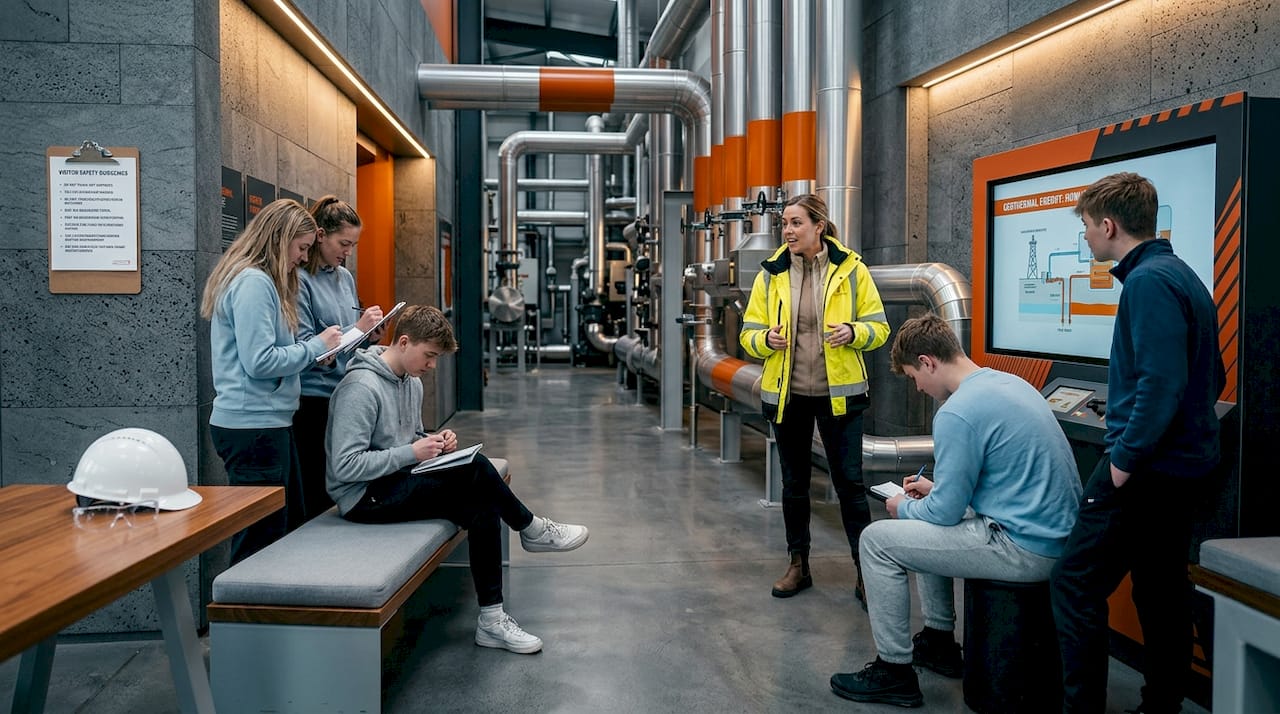
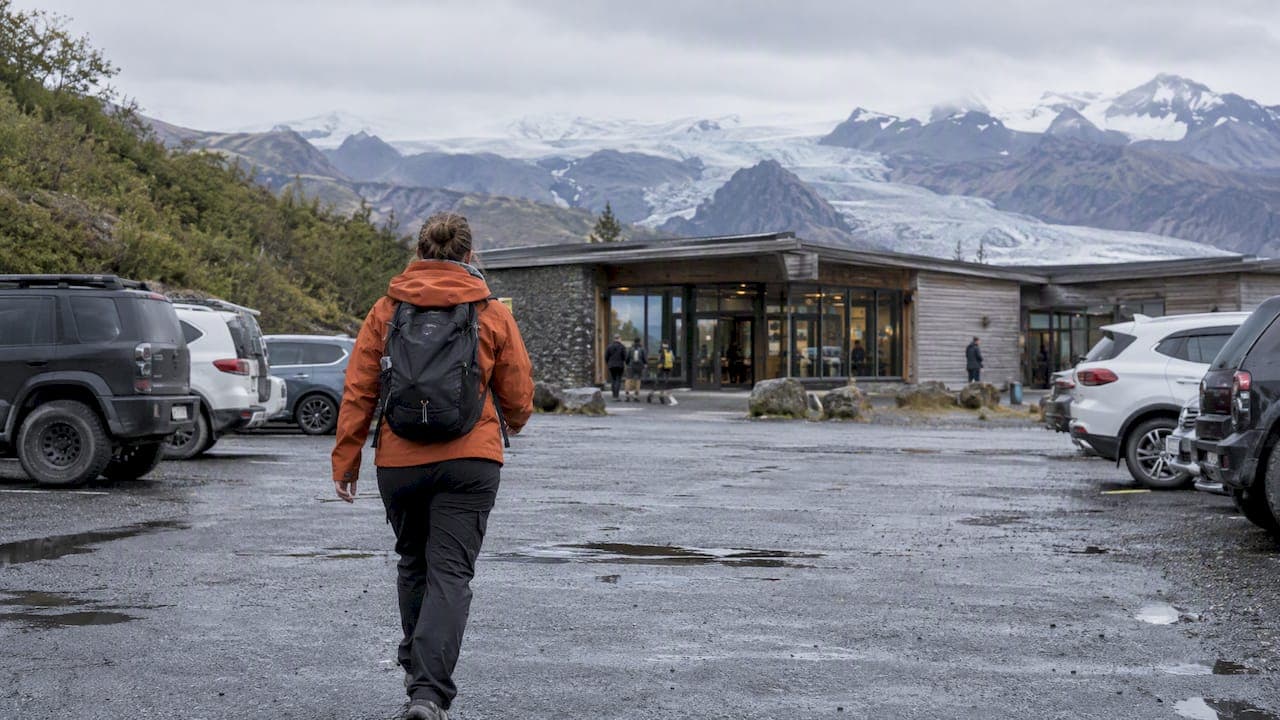
Popular field activities include glacier hikes with GPS data collection, renewable energy plant tours, marine biology observation sessions at coastal sites, and tectonic plate walks through Þingvellir National Park. Each activity is designed to produce an observable, recordable outcome, not just a memory.
| Activity | Location | Learning outcome |
|---|---|---|
| Glacier data collection | Vatnajökull or Sólheimajökull | Measuring glacial retreat, reading climate data |
| Geothermal plant tour | Hellisheiði or Nesjavellir | Renewable energy systems, volcanic geology |
| Tectonic plate walk | Þingvellir National Park | Plate tectonics, rift valley formation |
| Marine biology observation | Snæfellsnes or South Coast | Ocean ecosystems, whale and seabird behavior |
| Lava tube exploration | Raufarhólshellir | Volcanic processes, underground geology |
| Northern lights tracking | Rural South Iceland | Atmospheric science, solar activity |
GeoCamp Iceland structures programs around expert lectures paired with outdoor fieldwork at geological sites, power plants, and glacier margins, and this sequenced model is one reason participants retain information so effectively.
Here is how a typical hands-on learning session unfolds:
- Meet the expert guide at the site and receive a brief orientation on what you’ll observe and why it matters
- Conduct fieldwork: take measurements, collect samples, sketch formations, or record observations in your field notebook
- Analyze findings as a group while still on location, using what you’ve just seen to interpret the data
- Group debrief back at the accommodation or transport, where each participant shares one insight and one remaining question
- Independent reflection, often a short journal entry or discussion prompt that anchors the day’s learning
Pro Tip: Bring a waterproof notebook and a mechanical pencil. Iceland’s weather changes within minutes, and a soggy journal page ruins three hours of careful observation. Dress in moisture-wicking base layers with a waterproof shell on top, and always carry an extra pair of gloves, even in July.
Knowing your hostel room options in Iceland before your trip helps you choose a base that works for early departures and late returns, which is exactly how fieldwork days tend to run.
Practical tips: Costs, group sizes, and maximizing your trip
You know what to expect in the field, so let’s ensure your trip is smooth, affordable, and as rewarding as possible.
Group sizes typically range from 12 to 24 participants, with total costs spanning from roughly $1,900 for a 7-day teacher-focused trip to over $9,000 for premium adult learning programs with luxury inclusions. That’s a wide range, and the difference almost always comes down to accommodation quality, expert access, and whether flights are bundled.
Planning timeline and practical checklist:
- Book 6 to 9 months in advance: Small group programs fill quickly, and shoulder season dates (May and September) sell out first
- Budget for extras: Meals not included in the program, personal gear, travel insurance, and optional excursions can add $400 to $800 to your total cost
- Assess fitness requirements: Most programs involve moderate hiking and standing for extended periods outdoors; start a daily walking routine at least 6 weeks before departure
- Pack strategically: Waterproof jacket, thermal base layers, sturdy waterproof boots, hat and gloves, sunscreen (yes, for summer), and a reusable water bottle
- Research group accommodation tips: Where you sleep shapes how well you debrief, plan the next day, and build group cohesion
- Arrange group stays in South Iceland that put you within reach of major geological sites without the prices of Reykjavík
Cost snapshot: A 7-day educator trip through GEEO starts at $1,899 per person and includes guided experiences, simple hotel stays, and a group leader. A 14-day Smithsonian Journeys program can exceed $9,000 per person with expert fellows, premium lodging, and internal flights included.
Pro Tip: The shoulder season in Iceland, particularly May and early September, offers a compelling combination of lower prices, manageable crowd levels, and better odds of seeing the northern lights than the summer months provide. Spring northern lights, however, are less predictable due to longer daylight hours, so plan accordingly.
Balancing educational and adventure goals is easier than it sounds. The best programs build in free afternoons so you can swim at a natural hot spring, photograph a waterfall, or simply absorb the silence of a lava field without a schedule. That unstructured time is not wasted. It’s where the learning settles.
Beyond sightseeing: Why immersive learning beats passive travel
Here is something the travel industry rarely admits: most people forget a conventional tour within a few weeks. You retain the photographs, but the information dissolves. Immersive educational travel in Iceland works differently, and the reason is neurological as much as experiential.
When you collect data on a glacier with your own hands, cross-reference it against historical records, and hear a glaciologist explain what the numbers mean for global sea levels, you are encoding memory through multiple channels simultaneously. You see it, touch it, hear it, and discuss it. That multi-sensory encoding is why guide expertise in history and geology consistently emerges as the top-rated element of immersive learning programs, not the scenery, not the itinerary, but the person standing next to you explaining why it matters.
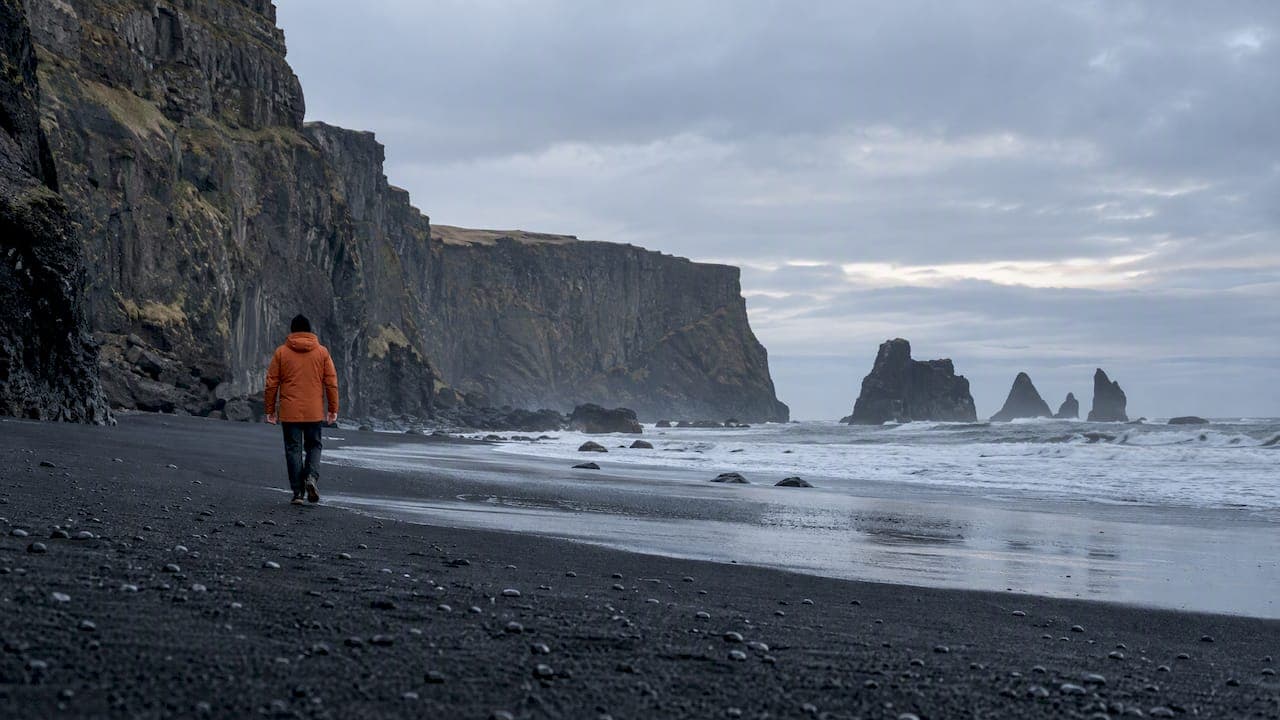
The most common mistake travelers make in Iceland is treating it as a backdrop for photographs rather than a subject of genuine inquiry. They rush from Reynisfjara to Jökulsárlón to Þingvellir, collecting images but skipping the conversations that give those images meaning. A glacier doesn’t become unforgettable because you stood in front of it. It becomes unforgettable because someone explained that it has retreated 400 meters since your parents were born and showed you exactly where it used to reach.
Shifting your mindset requires one deliberate choice before departure: decide what question you want answered by the end of the trip. Not a vague goal like “learn about Iceland,” but a specific, curious question like “how does a country this small power itself without fossil fuels?” or “what does glacial retreat look like when you’re standing on one?” That question becomes your compass, and it transforms every site from a photo opportunity into a data point.
The affordable adventure community that forms around shared accommodation is part of this too. When you’re staying with other curious travelers and comparing what you learned at different sites, the learning extends naturally into evenings, meals, and late-night conversations under dark skies.
Ready to explore Iceland your way?
You’ve mapped out programs, understood the costs, and built a sense of what a hands-on field day actually feels like. The next piece is finding a home base that keeps you energized, connected, and close to where the action is.

Fox Hostel sits in Hrífunes Nature Park, just 35 minutes east of Vík, perfectly positioned between the South Coast’s major educational sites and the wider Ring Road. Whether you’re a solo learner booking a single bed or a group that wants to book out an entire room for a private team debrief after a long field day, Fox Hostel adapts to how you travel. With a fully equipped communal kitchen, an on-site pizzeria, and dark skies that rival any northern lights viewing spot in the country, it’s the kind of place where the day’s learning actually has room to land. Explore your affordable Iceland accommodation options and put your base camp to work.
Frequently asked questions
Is educational travel in Iceland suitable for families with children?
Yes. Many programs cater to secondary school through university groups and offer flexible formats that adapt for younger learners, including hands-on activities designed to engage different age levels.
What is the best season for educational travel in Iceland?
Late spring through early fall offers the most reliable access to outdoor field activities and safer hiking conditions. However, northern lights are less predictable in spring due to extended daylight hours, so plan your expectations accordingly.
How physically demanding are these educational programs?
Most programs involve moderate fitness requirements because fieldwork on glaciers, volcanoes, and hiking routes forms the core of daily activities. Some providers offer modified itineraries for participants with limited mobility.
Are there affordable options for students and educators?
Absolutely. GEEO’s 7-day educator spring trip starts at $1,899, which includes guided experiences, group leadership, and simple hotel accommodation. Student-focused programs like GeoCamp also offer competitive pricing for school group bookings.
What should I pack for a hands-on educational trip in Iceland?
Pack waterproof, layered clothing, sturdy waterproof hiking boots, a waterproof notebook, and sun protection for summer travel. Conditions change fast outdoors, and being underprepared for wind or rain will cut a field session short before it gets interesting.
Recommended
- Social hostels in Iceland: connect, explore, and save | Fox Hostel – South Iceland
- Travel Iceland on a budget: smart tips for affordable adventure | Fox Hostel – South Iceland
- How to Meet Other Travelers in Iceland: Solo Guide | Fox Hostel – South Iceland
- Explora Vík en Islandia: aventura auténtica y asequible | Fox Hostel – South Iceland