Discover nature hostels: budget-friendly adventure in Iceland
Discover nature hostels: budget-friendly adventure in Iceland
TL;DR:
- Nature hostels in Iceland offer affordable, communal outdoor-centered accommodation with eco-friendly practices.
- They foster social connections through shared kitchens, common areas, and flexible room options.
- Staying in a nature hostel allows travelers to experience Iceland’s landscape more deeply and extend their trip.
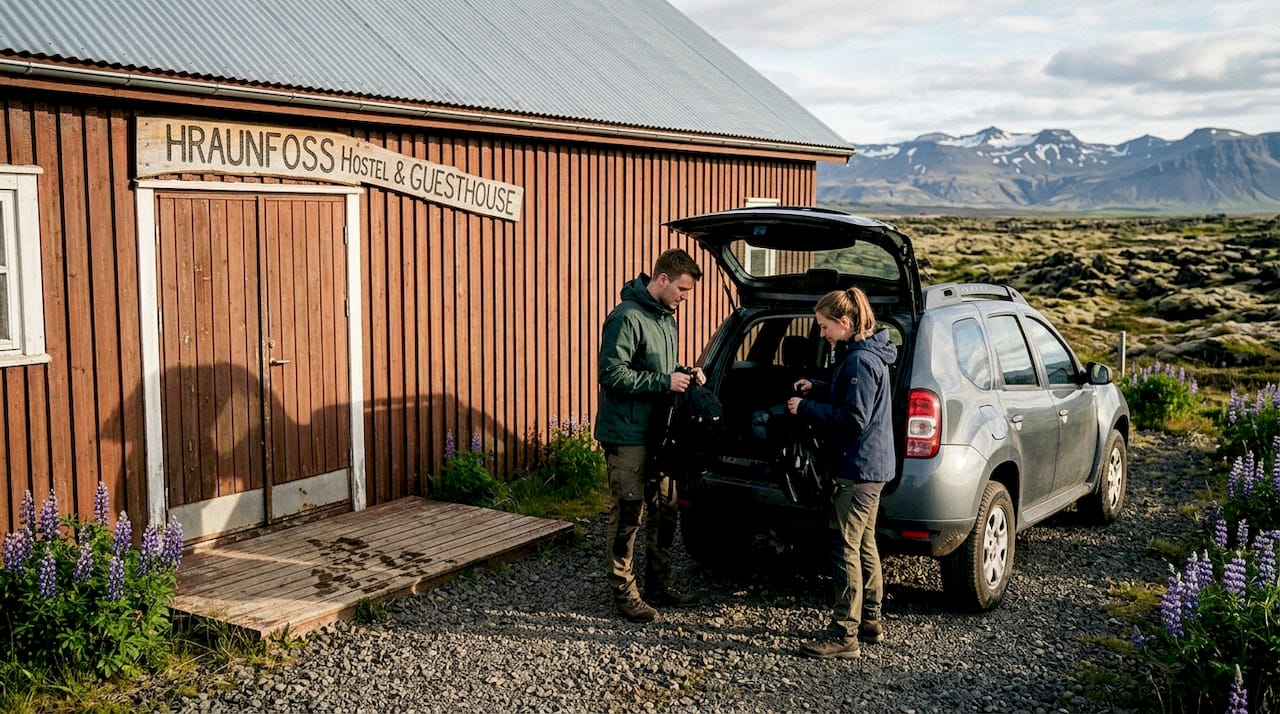
Travelers heading to Iceland often hit the same wall: hotels are expensive, glamping feels staged, and wild camping can leave you cold and isolated. There’s a fourth option that most visitors overlook until someone at a trailhead tips them off. Nature hostels sit right at the intersection of affordability, community, and raw outdoor access. They’re not roughing it, and they’re not a luxury retreat. They’re something better: a place where you share a meal with a stranger who becomes a hiking partner by morning, all while paying a fraction of what the hotel down the road charges.
Table of Contents
- What defines a nature hostel in Iceland?
- How nature hostels foster social connection and adventure
- Nature hostels: Budget and accessibility benefits in Iceland
- How to choose and prepare for your nature hostel stay
- Why nature hostels are the real gateway to Iceland’s wild side
- Ready to book your nature hostel adventure?
- Frequently asked questions
Key Takeaways
| Point | Details |
|---|---|
| Definition clarified | Nature hostels blend affordable lodging, communal living, and eco principles for adventurous travelers in Iceland. |
| Social benefits | Shared spaces and activities create strong connections among guests, ideal for solo and group travelers. |
| Budget-friendly travel | Dorm beds and flexible options make Iceland accessible without sacrificing nature immersion. |
| Planning tips | Choose the right hostel, pack essentials, and prepare for a unique eco-focused experience. |
What defines a nature hostel in Iceland?
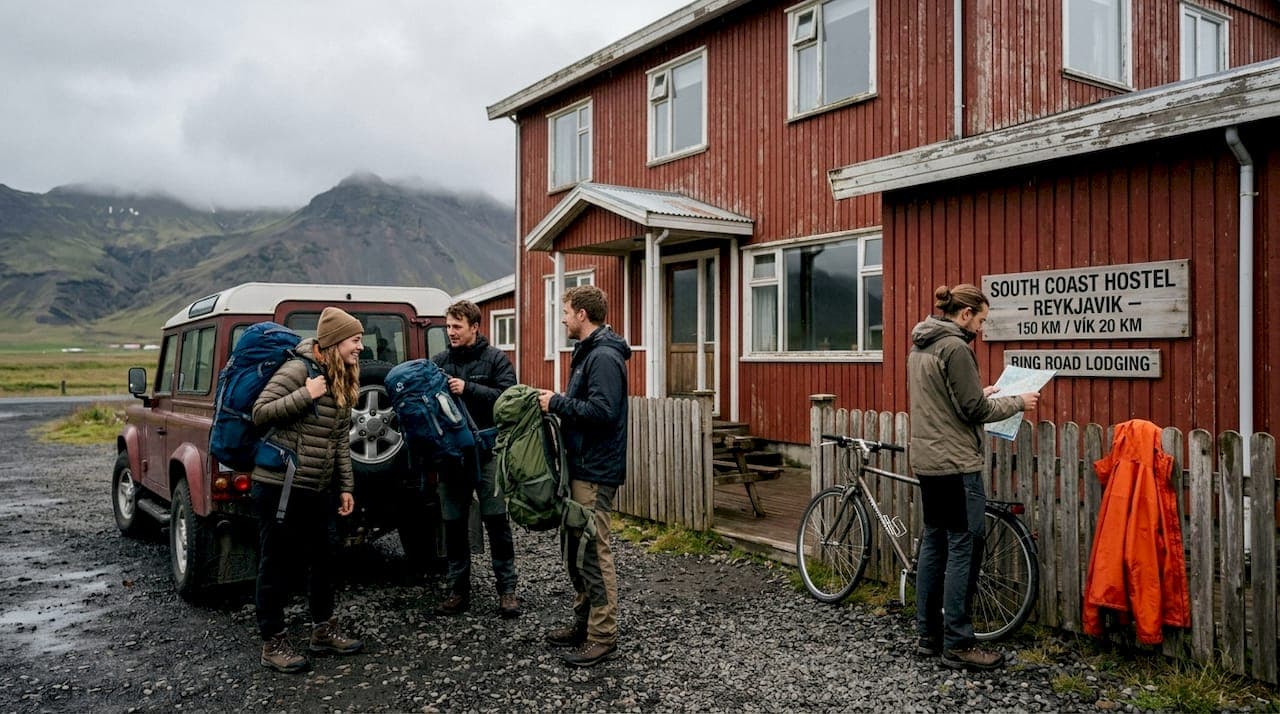
A nature hostel isn’t just a hostel that happens to be near a waterfall. The term refers to a specific type of lodging built around outdoor immersion, communal living, and a lighter footprint on the land. You’ll typically find them in rural or wilderness settings, far from city noise, designed to serve travelers who are there for the landscape first and the bed second.
Structurally, nature hostel essentials include a mix of room types in nature hostels that range from shared dorms to private rooms, along with self-catering kitchens, shared bathrooms, and common areas where guests naturally gather. The accommodation options typically feature dorms with 4 to 10 beds, private rooms, self-catering kitchens, shared bathrooms, common areas, and eco-focused amenities. That setup is intentional. It keeps costs low and social energy high.
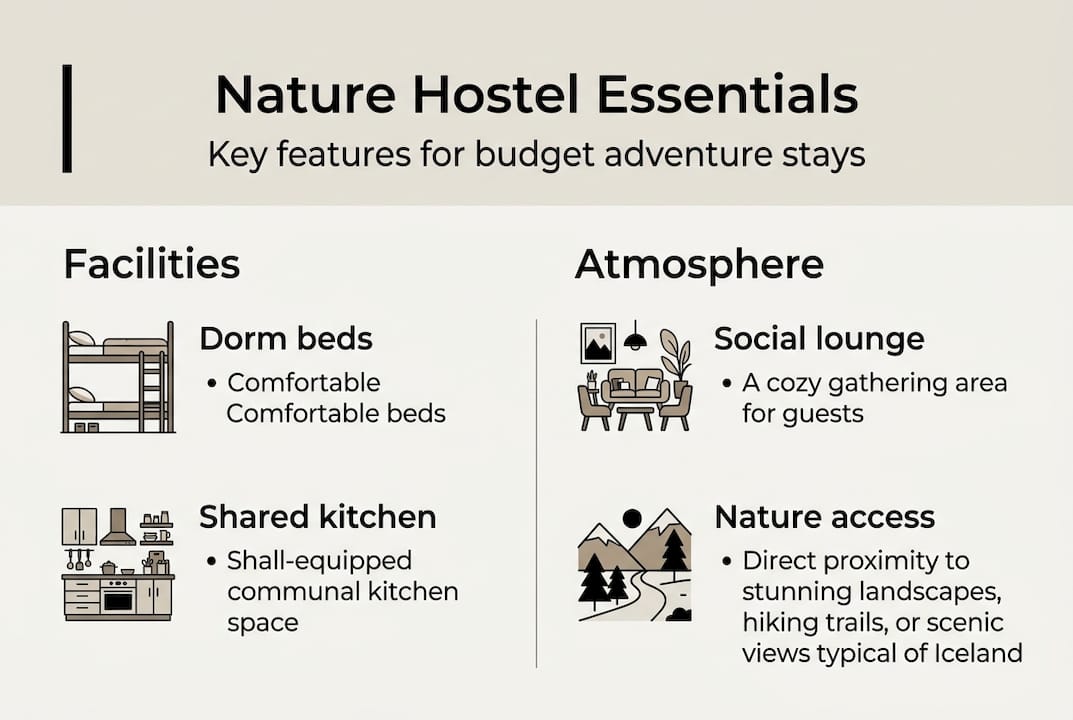
Eco-friendly practices vary by property, but many nature hostels in Iceland minimize electricity use, rely on geothermal heating, reduce single-use plastics, and encourage guests to practice leave-no-trace habits. Some compost food waste, collect rainwater, or use solar panels for supplemental power. These aren’t just marketing points. They reflect a genuine philosophy about how travelers should interact with Iceland’s fragile environment.
Here’s a quick breakdown of what you’ll typically find:
- Sleeping arrangements: Dorm beds (4 to 10 per room) and private rooms for couples or groups
- Kitchen access: Fully equipped communal kitchens for self-catering meals
- Bathrooms: Shared facilities, usually clean and well-maintained
- Common areas: Lounges, dining areas, and outdoor spaces for socializing
- Eco amenities: Geothermal heating, recycling stations, minimal energy use
- On-site extras: Some hostels include on-site dining, like the hostel dining options at Fox Hostel
| Feature | Nature hostel | Standard hotel |
|---|---|---|
| Dorm beds | Yes | No |
| Communal kitchen | Yes | Rarely |
| Eco practices | Common | Uncommon |
| Social atmosphere | High | Low |
| Rural/nature setting | Usually | Mixed |
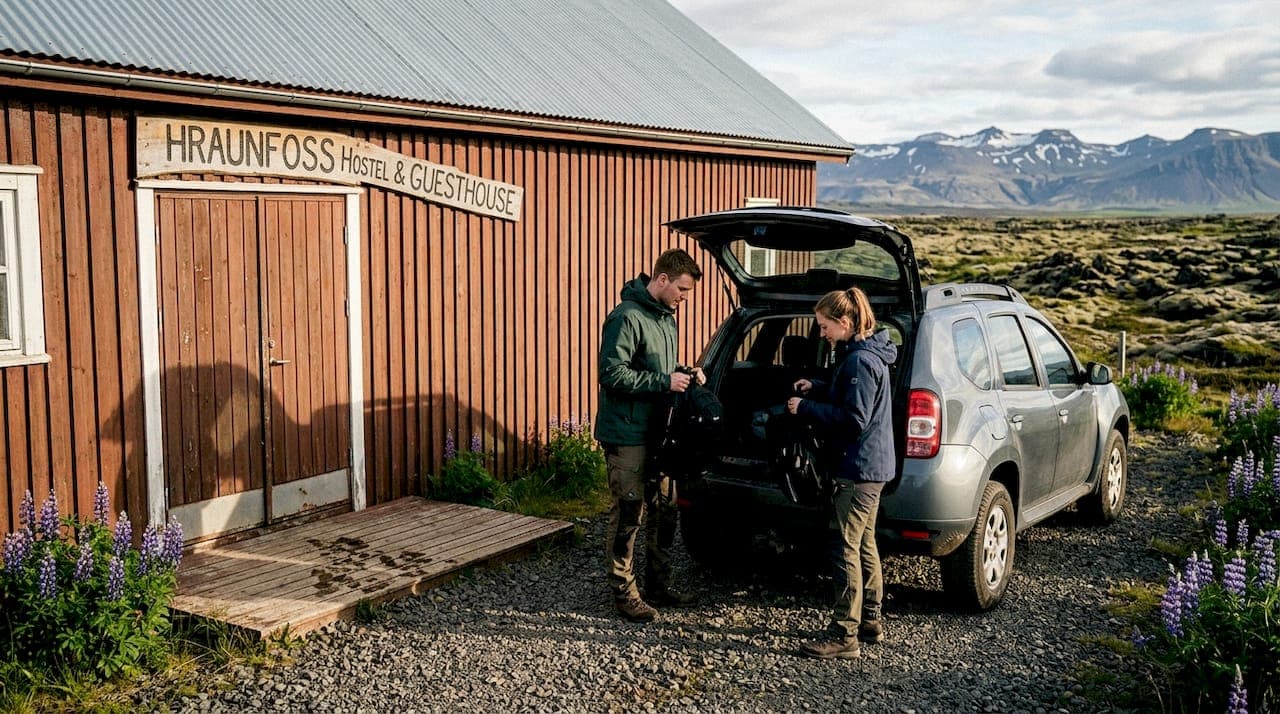
The Fox Hostel facilities are a strong example of this model done well: a converted Icelandic barn in Hrífunes Nature Park, complete with a massive communal kitchen, an on-site pizzeria, and skies dark enough to spot the Northern Lights.
Pro Tip: When comparing hostels, look specifically at the common area design. A well-lit, spacious lounge with a big kitchen table does more for your trip than any amenity list. It’s where the real connections happen.
How nature hostels foster social connection and adventure
The layout of a nature hostel is basically a social experiment that works every time. When you put a dozen travelers from different countries into a shared kitchen at 7 p.m., something clicks. Someone’s making pasta, someone else has leftover lamb from a roadside stop, and suddenly you’re sharing dinner with people who hiked the same glacier you’re planning for tomorrow.
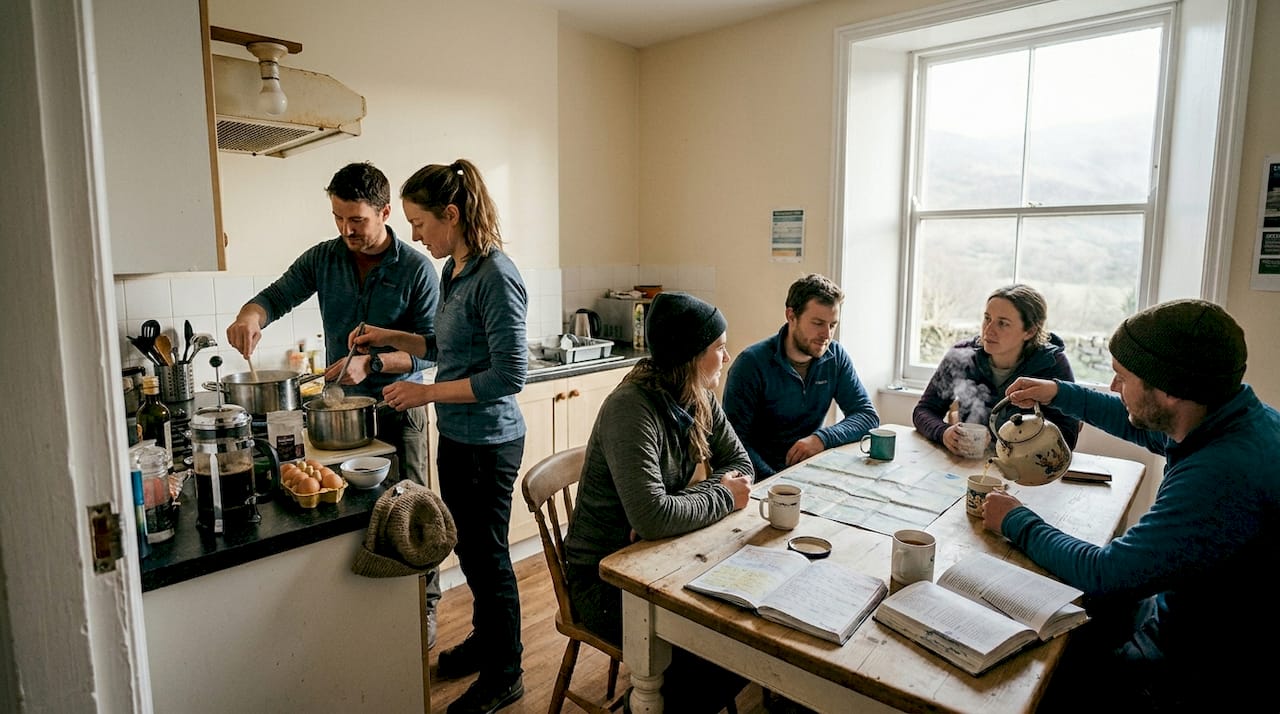
Shared hostel experiences are built into the design. Nature hostels offer no-frills, communal spaces that are ideal for meeting fellow travelers, and that simplicity is actually the point. There’s no room service to hide behind. You’re in the kitchen, the lounge, the shared hallway. Proximity creates conversation.
Compare that to other lodging types:
| Lodging type | Social interaction | Cost level | Nature access |
|---|---|---|---|
| Nature hostel | Very high | Low | High |
| Glamping | Low | High | Medium |
| Boutique lodge | Medium | High | Medium |
| Guesthouse | Low to medium | Medium | Varies |
Glamping looks appealing in photos, but you’re often sealed in a private pod with no reason to meet anyone. Boutique lodges are beautiful but isolating. Nature hostels are the opposite: every design choice nudges you toward other people.
Here are three specific ways hostels help guests build real connections:
- Communal kitchens: Cooking together is the fastest way to break the ice. Shared meal prep leads to shared meals, shared plans, and shared adventures.
- Group-friendly common areas: Lounges and outdoor fire pits create natural gathering points in the evening, especially after a long day on the Ring Road.
- Flexible room booking: When groups can book a full room together while still accessing communal spaces, you get the best of both worlds: privacy when you want it, community when you need it.
“The hostel format encourages spontaneous collaboration. You meet someone at breakfast who’s heading to the same glacier, and by noon you’re splitting a rental car and cutting costs in half.”
That kind of organic trip-building is almost impossible in a hotel. It’s the default mode in a well-run nature hostel.
Nature hostels: Budget and accessibility benefits in Iceland
Iceland has a reputation for being expensive, and that reputation is earned. A mid-range hotel room on the South Coast can easily run $200 to $300 per night. A dorm bed in a nature hostel? Significantly less. Dorm bed prices in Iceland are lower than hotels, offering a budget-friendly solution for backpackers and solo travelers who want more nights in the country without draining their savings.
That price gap changes the entire shape of a trip. Instead of spending five nights in Iceland and rushing every stop, you can stretch to ten nights and actually linger at Jökulsárlón or take a detour into the Highlands. Budget savings on accommodation directly translate to more time in the places you came to see.
Here’s what makes nature hostels especially accessible for different types of travelers:
- Solo travelers: Affordable room options let solo visitors book a single dorm bed rather than paying for an entire room they don’t need
- Couples and small groups: Room buyout options mean you get privacy without hotel prices
- Backpackers: Self-catering kitchens eliminate the need to eat every meal at a restaurant, which adds up fast in Iceland
- Road-trippers: Hostels along the Ring Road create natural stopping points that align with the day’s driving distance
- First-timers: The communal atmosphere gives new Iceland visitors an instant network of people who’ve already done the routes you’re planning
For budget travel in Iceland, the math is simple. Saving $100 to $150 per night on accommodation over a 10-day trip means $1,000 to $1,500 freed up for experiences: a glacier hike, a whale watching tour, a rental car upgrade, or simply more days on the road.
Nature hostels also reduce the logistical friction of traveling Iceland. Many are positioned strategically along major routes, so you’re never far from the next attraction. Fox Hostel sits midway between Vík and Kirkjubæjarklaustur, which puts you 35 minutes from Reynisfjara Black Sand Beach and within easy striking distance of Vatnajökull National Park to the east.
How to choose and prepare for your nature hostel stay
Not every nature hostel is the same. Location, cleanliness, kitchen quality, and social atmosphere vary widely. Choosing the right one takes a few minutes of research that pays off for the entire trip.
Here’s a practical step-by-step approach:
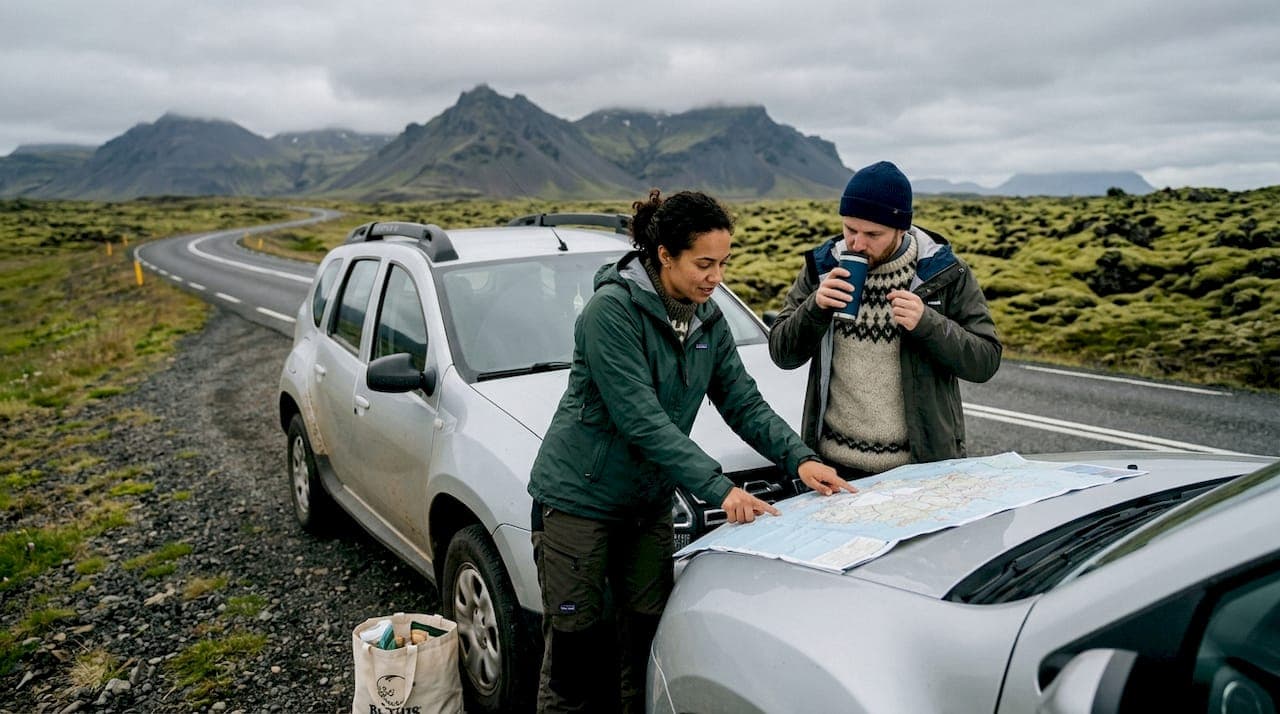
- Nail down your route first. Iceland’s South Coast has a logical flow. Decide which areas you want to spend the most time in, then find hostels that anchor those zones rather than forcing detours.
- Read recent reviews, not just star ratings. Look for comments about kitchen quality, noise levels, and staff helpfulness. A 4.2-star hostel with glowing kitchen reviews beats a 4.7-star place where guests mention cold showers and unfriendly staff.
- Check room flexibility. Some hostels only offer dorm beds. Others, like booking hostel rooms at Fox Hostel, let you buy out an entire room for a couple or group. Know what you need before you commit.
- Confirm eco practices if that matters to you. Ask directly or check the hostel’s website for information on heating, waste management, and sustainability commitments.
- Look at what’s nearby. A hostel 10 minutes from a major trailhead is worth more than a cheaper option that adds 45 minutes of driving each way.
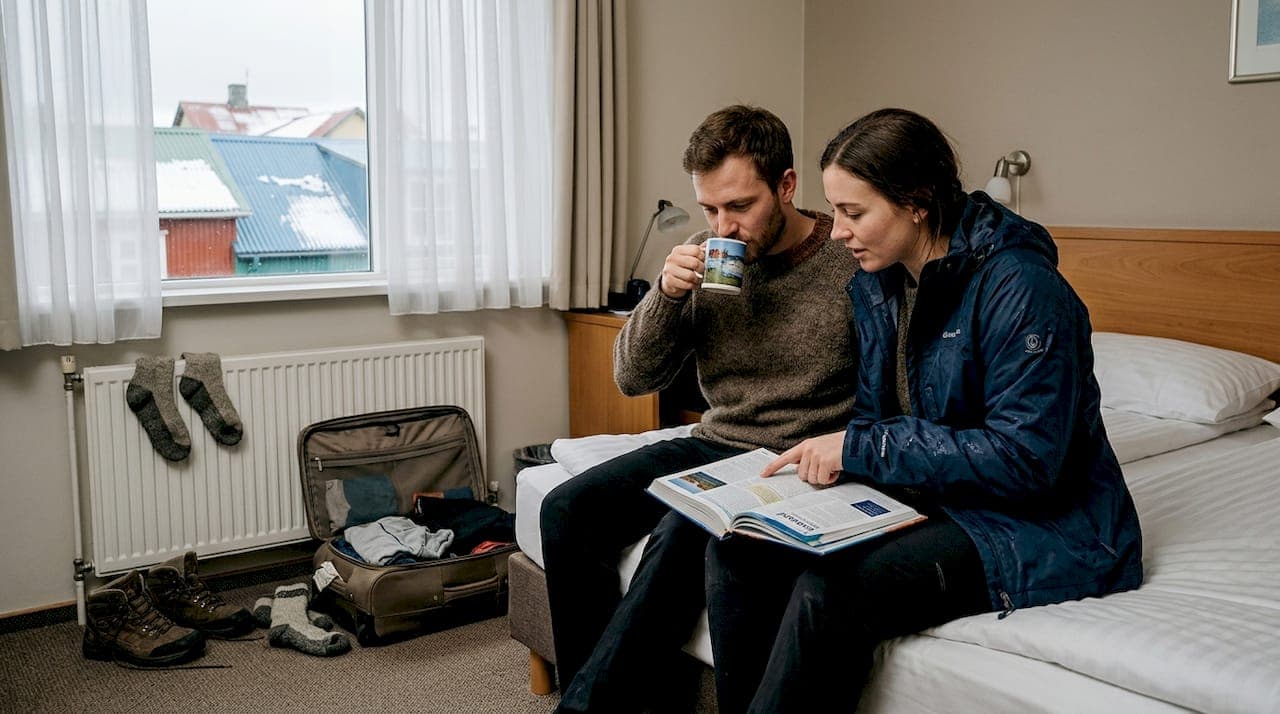
Once you’ve booked, preparation matters. Nature hostels often have minimal amenities, so guests should plan for self-catering and shared facilities. Pack a good set of earplugs for dorm nights, a quick-dry towel, a reusable water bottle, and a small padlock for your valuables. Bring ingredients for at least one or two self-cooked meals. Iceland’s grocery stores are solid, but having basics on hand saves time and money.
Pro Tip: Arrive at the hostel with a flexible attitude about electricity. Some nature hostels limit outlet access or have shared charging stations. Carry a portable battery pack for your phone and camera so you’re never stuck with a dead device on the trail.
Why nature hostels are the real gateway to Iceland’s wild side
Here’s an honest take: most travelers who stay in hotels in Iceland see the country through glass. They drive to the viewpoint, take the photo, and drive back to a room that could be anywhere in the world. There’s nothing wrong with that, but it’s a fundamentally different trip.
Nature hostels force a different kind of engagement. You’re sharing space with people who are just as excited about the landscape as you are. You’re cooking your own food, which means you’re buying groceries at local stores, talking to locals, and slowing down. The simplicity isn’t a drawback. It’s what makes the experience stick.
We’ve seen it repeatedly at Fox Hostel: guests who book a dorm bed for one night end up staying three because they found a group heading east toward the glacier lagoon and decided to join them. That kind of spontaneous, community-driven travel is exactly what experiences with Icelandic hostels are built for. Hotels and glamping can’t replicate it, no matter how good the thread count is.
Ready to book your nature hostel adventure?
Iceland’s South Coast is one of the most dramatic stretches of road on the planet, and where you sleep shapes how much of it you actually experience.

Fox Hostel South Iceland is a converted Icelandic barn in Hrífunes Nature Park, sitting perfectly between Vík and Kirkjubæjarklaustur. Whether you want to see room options for a solo dorm bed or a full room buyout for your group, the booking process is straightforward. The communal kitchen, on-site pizzeria, and Northern Lights-ready skies are waiting. Check out our budget travel tips to plan a South Coast trip that goes further without costing more. Your next adventure starts here.
Frequently asked questions
What is a nature hostel and how does it differ from regular hostels?
A nature hostel emphasizes eco-friendly, remote settings with communal facilities, focusing on outdoor adventure and social connection more than typical city-based hostels. You’ll find them near Iceland’s major natural attractions, with communal kitchens and eco practices built into the experience from day one.
Are nature hostels in Iceland good for solo travelers?
Yes, they’re one of the best options for solo travelers because the social atmosphere makes it easy to meet people quickly. Budget-friendly and communal by design, they remove the isolation that can come with solo travel in a remote country.
How much does a dorm bed in a nature hostel typically cost in Iceland?
Dorm beds are significantly cheaper than hotel rooms, making them the go-to choice for backpackers. The lower dorm bed price compared to hotels means you can stay longer and spend more on experiences rather than accommodation.
What amenities should I expect in Icelandic nature hostels?
Expect shared bathrooms, communal kitchens, dorm or private rooms, common areas, and eco-friendly features like geothermal heating. As noted in Iceland accommodation guides, shared dorms and communal kitchens are the backbone of the nature hostel format.
Do nature hostels offer private rooms or only dorm beds?
Most nature hostels offer both, and some allow groups to buy out an entire dorm room for privacy. Dorms and private rooms are standard across most Icelandic nature hostels, so you have options regardless of your travel style.