See Puffins Near Vík: Self Guided Plan to Dyrhólaey in 15–20 Minutes
See Puffins Near Vík: Self Guided Plan to Dyrhólaey in 15–20 Minutes

The most reliable place to see puffins from Vík is the Dyrhólaey peninsula, where you can often watch them from the clifftop viewpoint without booking a tour during the summer nesting season. A secondary option sits at the east end of Reynisfjara beach, below the sea cliffs. Both spots work best from late May through mid-August, in the early morning or evening, and both require checking for seasonal access closures before you go.
TL;DR:
- Dyrhólaey offers the highest chance of seeing puffins with the best views and quickest access, especially from late May to mid-August.
- Peak puffin activity occurs in June and July, with the best viewing times in early morning and late evening when the birds are feeding chicks or returning to nests.
- Visiting Dyrhólaey early (around 6:00 to 6:30 AM) and staying at nearby accommodations like Fox Hostel maximizes chances of observing puffins during their most active periods.
- Weather conditions heavily influence sightings, with calm, overcast days providing the best visibility and bird activity; fog and rain significantly reduce chances.
- Self-guided viewing requires careful timing, a pair of binoculars, and a telephoto lens for photography, while boat tours guarantee closer encounters but at higher cost and fixed schedules.
Table of Contents
- Best spots near Vík: ranked locations and what to expect
- When to go: season and best times of day
- Self-guided viewing: step-by-step logistics from Vík
- What to bring and photography or binocular tips
- Tours vs self-guided: which is right for you
- Safety, closures, and site rules to avoid fines or danger
- Fox Hostel local tips: timing and logistics near Vík
- Other wildlife to watch for near the puffin cliffs
- Recommended accommodations and amenities close to the viewpoints
- A quiet morning on the Dyrhólaey cliffs
- A convenient base for your puffin watch near Vík
- Sources
- FAQ
Best spots near Vík: ranked locations and what to expect
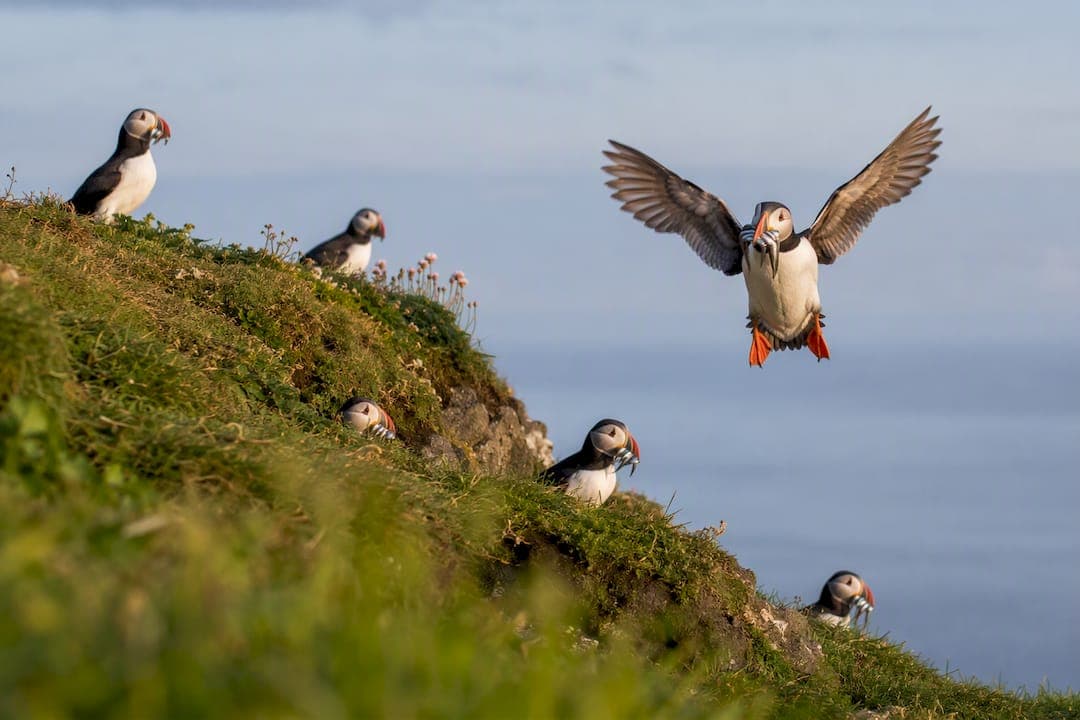
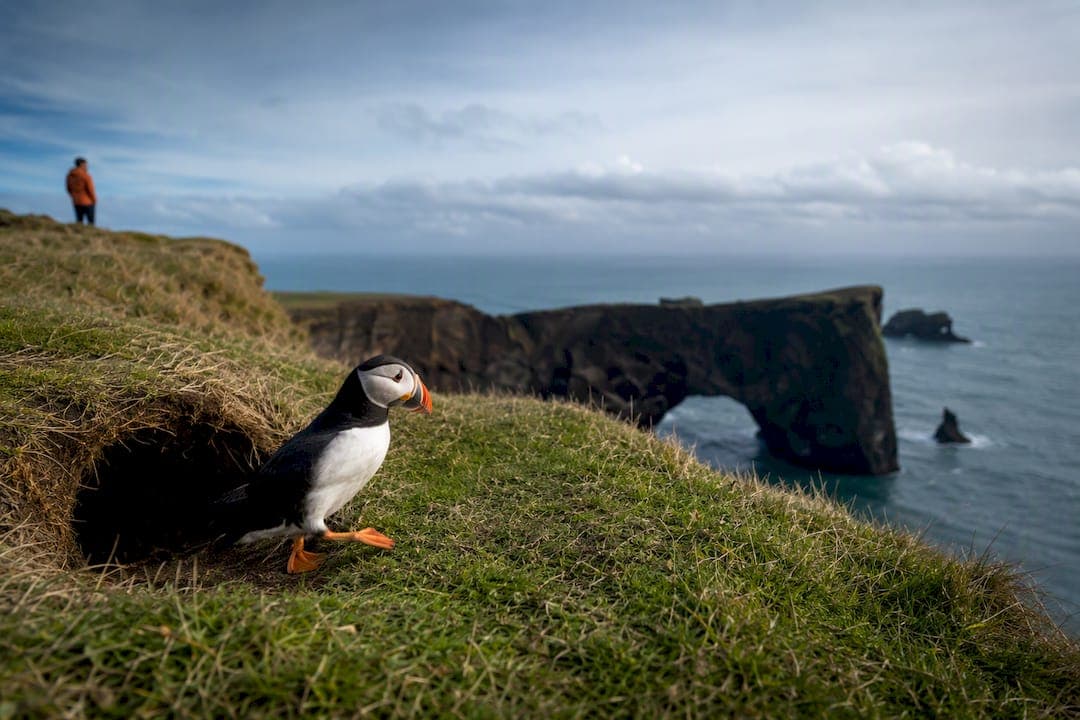
Dyrhólaey is the spot most visitors head to first, and for good reason. The peninsula sits about 17 kilometers (10 miles) west of Vík, roughly a 15 to 20 minute drive, and its clifftop trails put you at eye level with nesting burrows carved into the grassy slopes. The upper viewpoint near the old lighthouse gives the widest vantage, and on a clear day you can watch birds gliding in from the water and disappearing into their burrows within arm’s reach of the path. Numbers here vary through the season, but the colony is active and visible enough that most visitors who arrive in the right window see puffins within minutes.
Reynisfjara beach, on the other end, is better known for its black sand and basalt columns than for birds, but the cliffs at its eastern edge hold a smaller colony worth checking if Dyrhólaey is closed or crowded. From the main parking area, a short walk east along the sand brings you toward the cliff face where puffins nest in the grassy overhangs above the rocks. It is a quieter, less dramatic option than Dyrhólaey, but it works well as a backup or a second stop on the same outing.
Beyond these two, a handful of smaller promontories and cliff edges along the coast road offer occasional sightings, though they are less consistent and better suited to travelers who already have a puffin fix from Dyrhólaey and want a quieter, less trafficked lookout.
- Dyrhólaey: best odds, widest views, short walk from parking, occasional seasonal closures.
- Reynisfjara east cliffs: solid backup, easy walk from the main beach lot, smaller colony.
- Minor coastal promontories: unpredictable, best for a second look rather than a first visit.
For a short visit with limited time, Dyrhólaey alone is enough. For a longer stakeout, especially with a camera, plan to split time between Dyrhólaey in the morning and Reynisfjara in the evening, since light and bird activity shift through the day.
When to go: season and best times of day
Puffins near Vík are present roughly from late May through mid-August, which lines up with the breeding and colony period documented by BirdLife’s species factsheet. Outside that window, most birds have returned to open water and sightings from land become unlikely. Within the season, June and July are the most dependable months, when adults are actively feeding chicks and making frequent trips between the burrows and the sea.
Daily timing matters almost as much as the calendar. Early morning, roughly between 6:00 AM and 9:00 AM, and again in the evening from around 7:00 PM to 10:00 PM, tend to bring the most activity, since puffins spend a good part of the midday hours out on the water feeding. Iceland’s long summer daylight helps here: even a 9:00 PM arrival still gives you strong light for viewing and photography.
Weather has an outsized effect. Heavy fog or driving rain will keep birds low and flatten visibility along the cliffs, while overcast but calm days often produce the best combination of activity and comfortable light for photos.
- Late May to early June: birds are settling into burrows; numbers build steadily.
- Mid-June to July: peak activity, with adults shuttling food to chicks.
- Early August: numbers begin to thin as fledging approaches; a good last chance before the season ends.
Self-guided viewing: step-by-step logistics from Vík
Getting to either spot from Vík is straightforward, and neither requires more than basic planning.
- Drive to Dyrhólaey: head west on Route 1, then follow the signed turn onto Road 218 toward the peninsula. The drive takes about 15 to 20 minutes, and the upper parking area near the lighthouse is the best base for viewing.
- Walk to the viewpoint: from the upper lot, it is a five to ten minute walk on a gravel path to the main clifftop viewpoint. The path is uneven in spots but manageable for most fitness levels.
- Position yourself along the marked edge: stay behind any rope or fence line and scan the grassy slopes below for movement. Puffins tend to appear in short bursts, flying in from the sea and landing near their burrows, so give it 10 to 15 minutes of quiet watching before moving on.
- For Reynisfjara: park in the main beach lot, then walk east along the sand toward the cliff face, about a 10 minute walk, watching the grassy overhangs above the rocks.
- Budget your time: plan for 30 to 45 minutes at each site if you want a real chance at sustained activity rather than a quick glance.
Reading bird behavior helps here. Puffins circling repeatedly before landing are often returning with food, which means more activity nearby as other birds follow. A sudden quiet spell usually means it is worth waiting rather than leaving.
There are no restrooms or services directly at either viewpoint, so plan a stop in Vík beforehand. Keep dogs on a leash or leave them at your accommodation, since loose pets near nesting cliffs can scare birds off their burrows for the rest of the day.
Pro Tip: Arrive at Dyrhólaey about 30 minutes before your target viewing window. The birds are often already active by the time you reach the clifftop path, and that buffer keeps you from rushing the walk.

What to bring and photography or binocular tips
A pair of binoculars in the 8x to 10x magnification range is the single most useful piece of gear for spotting puffins on distant grassy slopes. For photography, a telephoto lens in the 300mm to 600mm range gives enough reach to frame individual birds without disturbing the colony, and a monopod or simple beanbag helps steady long shots in the wind that regularly sweeps these cliffs.
Dress for wind first. A windproof outer layer matters more than heavy insulation, since the cliff edges at Dyrhólaey and Reynisfjara catch gusts even on mild days. Sturdy, closed shoes with grip handle the gravel and grass paths better than sneakers.
For camera settings, a fast shutter speed of at least 1/1000 helps freeze puffins in flight, and continuous autofocus tracks their quick, erratic movement better than a single focus point. Skip the flash entirely: it does nothing useful at this distance and only risks startling birds nearby.
- Binoculars (8x to 10x) for scanning burrows from a distance.
- Telephoto lens (300mm to 600mm) for photography without approaching the colony.
- Windproof jacket and closed, grippy footwear for the cliff paths.
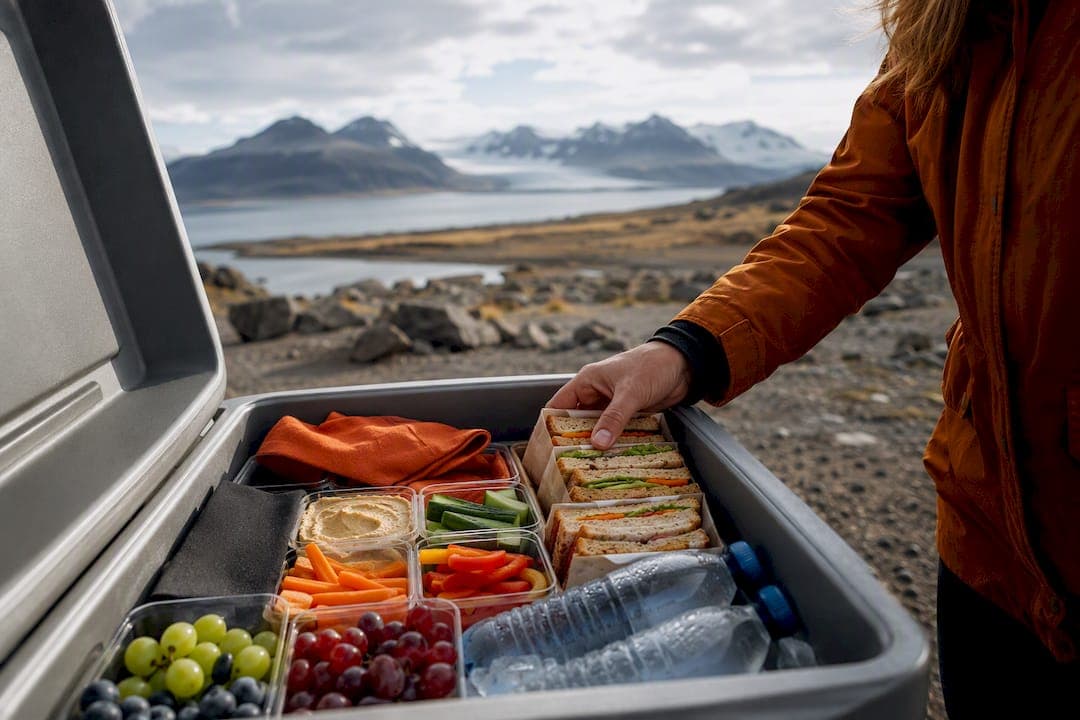
- Small daypack with water, since there are no services at the viewpoints.
Tours vs self-guided: which is right for you
A boat tour gets you closer to sea-level colonies and comes with a guide who knows exactly where birds are active that day, which matters if your visit is short and you want a guaranteed sighting. The tradeoff is cost and a fixed schedule that may not match the best light or weather.
Self-guided viewing from Dyrhólaey or Reynisfjara costs nothing beyond a rental car and gives you full control over timing, which matters most for photographers chasing specific light or families working around nap schedules. It is not the right call if you have only a few hours in the area and want certainty over flexibility, since land-based sightings depend on weather and timing in a way boat tours partly work around.
- Choose a tour if your time is limited and you want a near-guaranteed sighting from the water.
- Go self-guided if you have a flexible schedule and want to control your own timing and light.
- Photographers generally do better self-guided, since tours rarely wait for the right shot.
- Families with young children often find the clifftop paths easier to manage at their own pace.
Safety, closures, and site rules to avoid fines or danger
Dyrhólaey occasionally closes parts of its cliff trails during peak nesting weeks to protect breeding birds, so it is worth checking Fox Hostel’s Dyrhólaey lighthouse walk guide for current route and closure notes before you drive out. Local signage at the site itself is the most current source if anything has changed since your last check.
Cliff edges here are unfenced in places, and wet grass or gravel can be slippery, especially after rain. Tide timing matters most at Reynisfjara, where sneaker waves have caught visitors off guard on the open sand.
- Check current closures before your visit, since nesting-season restrictions can shift by the week.
- Stay well back from unfenced cliff edges, particularly in wind or wet conditions.
- Drones are not appropriate near nesting cliffs, since they can panic birds off their burrows.
- Keep pets leashed or away from the site entirely during nesting months.
Fox Hostel local tips: timing and logistics near Vík
Staying close to Vík rather than driving in from farther east or west changes how early or late you can realistically get to the cliffs. Guests have found that a short 15 to 20 minute hop to Dyrhólaey makes a 6:00 AM start manageable without an early wake-up call from farther away, and the same applies to a late evening return after a 9:00 PM viewing session. Fox Hostel’s journal on discovering scenic spots near Vík breaks down several of these local routes in more detail, and the 2 to 3 day Vík itinerary works well for pairing a puffin outing with Reynisfjara and other South Coast stops on the same trip.
Basing nearby also means less pressure to rush a sighting. If the birds are quiet on your first pass, a short drive back for breakfast and a second attempt later in the day is realistic rather than a lost cause.
Other wildlife to watch for near the puffin cliffs
The cliffs around Dyrhólaey and Reynisfjara host more than puffins, and a wider look at the birdlife often makes the outing more rewarding. Fulmars nest on similar rock ledges and are easy to spot gliding stiff winged along the cliff face, a distinct flight pattern from a puffin’s quick wingbeats. Arctic terns are common overhead in the same months, recognizable by their sharp calls and aggressive dives if you wander too close to a nest.

Guillemots and razorbills often share the same cliff ledges as puffins, packed tightly in rows on narrow rock shelves. Along the black sand at Reynisfjara, keep an eye out for seals occasionally hauling out near the shoreline, especially in calmer weather. None of these sightings are guaranteed on any given visit, but the combination of species is part of what makes the Vík coastline a strong stop for casual birdwatchers as well as dedicated puffin hunters. The IUCN Red List entry for the Atlantic puffin notes that the species shares much of its North Atlantic range with these other cliff-nesting seabirds, which explains why they so often turn up together.
Recommended accommodations and amenities close to the viewpoints
Vík itself has the closest cluster of restaurants, fuel stations, and shops if you need supplies before heading to the cliffs. For lodging, Fox Hostel sits about 35 minutes east of Vík in Hrífunes Nature Park, close enough to reach Dyrhólaey or Reynisfjara for a dawn outing without an unreasonable drive. The hostel’s on-site pizzeria and large communal kitchen make it easy to grab a quick meal before an early start or after a late evening viewing session, and its dark surroundings are also a draw for anyone hoping to catch the Northern Lights on the same trip once puffin season ends.
A quiet morning on the Dyrhólaey cliffs
I got to the upper lot just after 6:30 AM, with a thin layer of cloud and almost no wind. The path was quiet, just a few other early visitors, and within ten minutes of reaching the viewpoint the first puffins started coming in from the sea, landing in short bursts along the grassy slope below. I counted a dozen or so over the next half hour, most ducking straight into their burrows without much fuss. The light stayed soft and even the whole time, which made for easier photos than I expected. The takeaway: give the cliffs at least 15 quiet minutes before deciding nothing is happening, since the first wave of activity often takes a few minutes to arrive.
— Siggi
A convenient base for your puffin watch near Vík
Staying close to Vík rather than commuting in from farther away gives you an easier shot at both the early morning and late evening windows when puffins are most active. Fox Hostel sits about 35 minutes east of the village, close enough for a dawn run to Dyrhólaey without an unreasonable wake-up call, and the on-site kitchen means you can put together breakfast or a late dinner around your viewing schedule instead of around a restaurant’s hours.

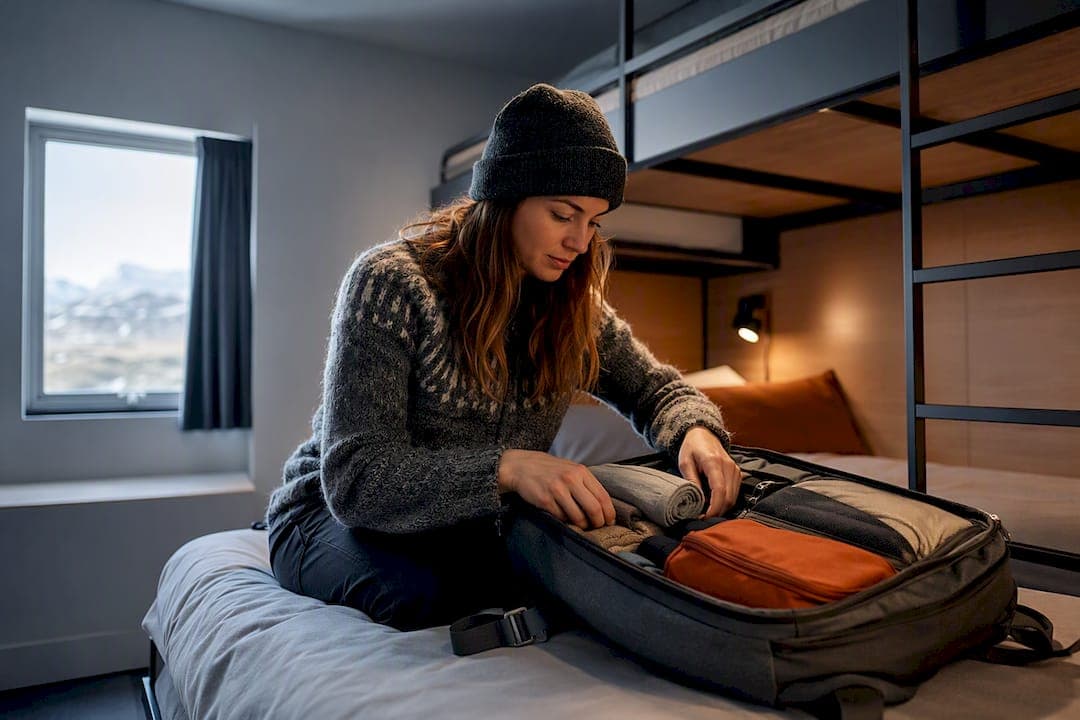
Dorm-style rooms are typically available that solo travelers can book by the bed, while couples, families, or small groups can book an entire room for privacy. Communal kitchen facilities and on-site dining options can support an early-out, late-back travel day.
-
- Dormitory rooms may be available for individual or full room bookings.
- Dining facilities and communal kitchen spaces may offer flexible meal options.
- Group booking options may be available for small teams planning outings.
If you are planning a dawn visit to Dyrhólaey, book the night before through Fox Hostel’s rooms page or, for a group, check availability through Group Bookings.
Sources
For species facts and seasonal presence, the IUCN Red List entry and BirdLife’s Atlantic puffin factsheet are the most reliable references. For access and route details specific to Vík, Fox Hostel’s local journal posts cover walking routes and closures in more depth.
FAQ
Is the puffin tour worth it?
A boat tour is worth it if your time in Vík is limited and you want a near-guaranteed sighting from the water rather than relying on land-based viewing. If you have a flexible schedule, self-guided viewing from Dyrhólaey costs nothing extra and often delivers similarly strong sightings during peak season.
Where is the best spot to see puffins?
Near Vík, the Dyrhólaey peninsula is the most reliable spot, with the east end of Reynisfjara beach as a solid backup. Both sites put you close to nesting cliffs without requiring a boat.
Which month is the best to see puffins in Iceland?
June and July tend to be the most dependable months, when adults are actively feeding chicks and making frequent trips to and from the cliffs. The breeding period tracked by BirdLife runs roughly from late May through mid-August, so early June and late July are also solid windows.
Where is the biggest puffin colony in the world?
Definitions of “biggest” vary depending on whether it is measured by population count or by area, and no single site is confirmed as the largest in every reference. Iceland as a whole holds a large share of the North Atlantic puffin population, per the IUCN Red List, but the exact ranking of individual colonies is not settled in the sources available.