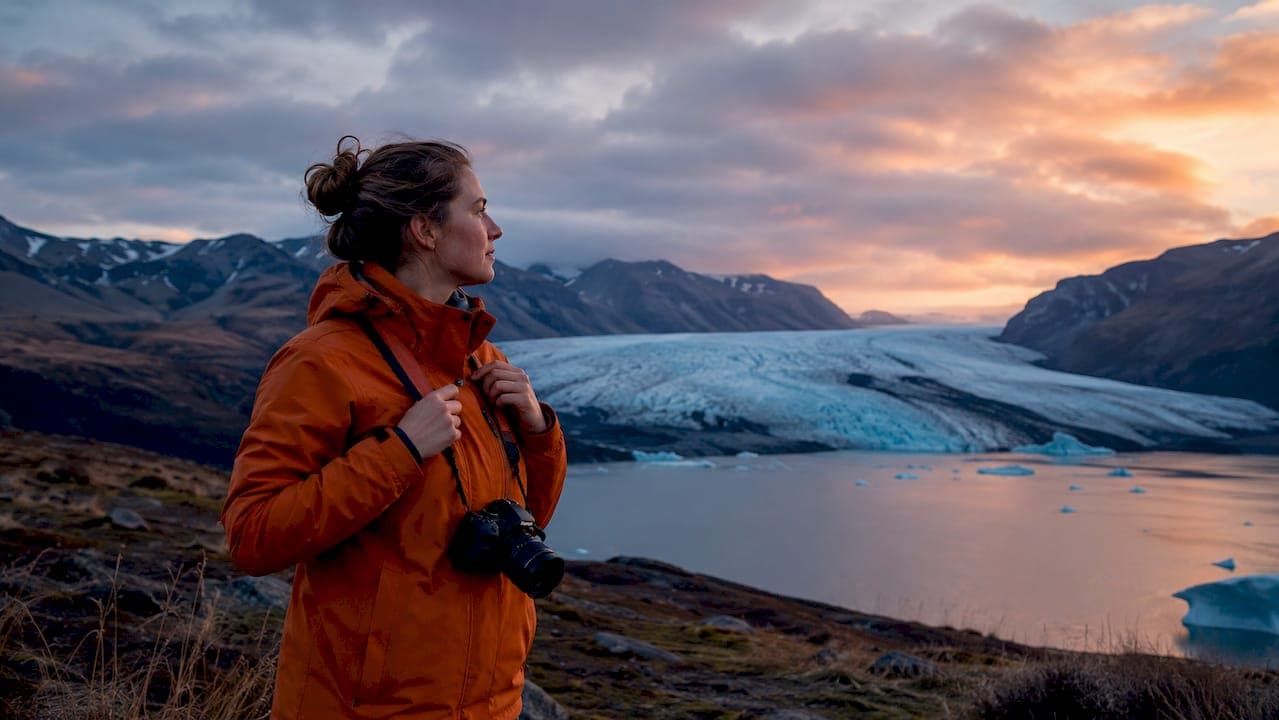
Tips for Group Travelers: Plan Smarter, Fight Less
Tips for Group Travelers: Plan Smarter, Fight Less

TL;DR:
- Successful group travel depends on locking travel dates first and planning roughly 70% of each day as shared activities.
- Using real-time expense tracking, establishing a clear leader, and choosing accommodations that suit the group size also help ensure smooth trips.
Group travel is defined as coordinated trips taken by three or more people who share planning, costs, and experiences together. The best tips for group travelers come down to three things: clear communication, shared budgeting, and a balanced itinerary that respects both the group and the individual. Tools like Splitwise, Doodle Poll, and Google Docs have made coordination faster, but the human side of group trips still breaks down without a solid framework. This guide gives you the exact strategies that experienced group travelers use to keep things smooth from the first planning message to the last day on the road.

1. Tips for group travelers: lock dates before anything else
The single biggest cause of planning paralysis is trying to coordinate dates, destinations, and logistics at the same time. Sequential planning fixes this. Lock travel dates first, then choose a destination, then handle logistics. Trying to do all three at once causes planning failures that kill trips before they start.
Use Doodle Poll or Google Forms to collect availability. Set a firm deadline of 48–72 hours for responses. After the deadline, the majority moves forward regardless of who did not reply.
Pro Tip: Aim for 80% group availability rather than unanimous agreement. Waiting for everyone to be free is how group trips never happen.
Once dates are confirmed, send a calendar hold to every member immediately. Confirmation locks commitment and prevents the slow drift of “I think I can make it” turning into a last-minute dropout.
2. Set the group budget ceiling at the lowest comfortable spend
Budget misalignment is the fastest way to create resentment on a group trip. The correct approach is to set the ceiling at the lowest maximum comfortable spend in the group. Planning around the average budget leaves the tightest spenders feeling pressured and excluded.
A tiered model works well in practice:
- Baseline budget: Covers shared accommodation, group meals, and core activities everyone joins.
- Optional upgrades: Higher-spend members can pay individually for premium experiences, nicer rooms, or extra excursions.
- Shared vs. personal expenses: Split accommodation and group dinners equally. Personal drinks, souvenirs, and solo activities stay individual.
Use Splitwise or Tricount to track every shared expense in real time. One person pays upfront, the app logs it, and everyone settles at the end of each day or at the trip’s close. This removes the mental math and the awkward “who owes what” conversation.
| Expense Type | How to Handle It |
|---|---|
| Accommodation | Split equally among all members |
| Group meals | Split equally, logged in Splitwise |
| Optional activities | Individual payment, opt-in basis |
| Personal spending | Each traveler pays their own |
Pro Tip: Collect a $100–$200 non-refundable deposit upfront from every member. Deposits act as a psychological commitment filter. People who are not serious drop out before the deposit stage, not the week before departure.
3. Build itineraries with the 70/30 rule
Overpacked itineraries burn groups out by day three. The 70/30 rule is the standard fix: plan roughly 70% of each day as shared group activities and leave 30% unscheduled. That unscheduled time is not wasted. It is where people recharge, wander, nap, or find the best meal of the trip by accident.
For trips longer than four days, build in at least one full free day with no group agenda. This is not optional. Without it, friction builds and small irritations become real arguments.
Practical ways to apply the 70/30 rule:
- Schedule group activities in the morning when energy is highest.
- Leave afternoons open for individual choices or smaller sub-group plans.
- Use Google Docs or Notion to share the itinerary so everyone can see the structure.
- Mark “group required” blocks clearly and label everything else as optional.
- Splitting up for a few hours is healthy. Normalize it early so no one feels guilty for stepping away.
A shared digital itinerary also prevents the “what are we doing today?” conversation from happening ten times before breakfast.
4. Appoint one trip coordinator and stick with it
Group decisions made by committee produce slow, frustrating results. A single trip coordinator holds deadlines, manages logistics, and keeps the group moving. The coordinator does not do every task. They own the timeline and make sure decisions get made.
“The coordinator’s job is not to be the boss. It’s to be the person who says ‘we’re deciding this by Thursday’ and then actually follows through.”
Avoid using the group chat for major decisions. Group chats are good for sharing photos and quick updates. They are terrible for resolving where to eat dinner when twelve people have opinions. Use a structured poll for any decision with more than two options. Schedule a short call for anything complex.
The coordinator should also run an early “vibe check” before planning begins. Misalignment on travel style is the root cause of most interpersonal conflicts during group trips. Ask directly: Do you want a packed schedule or a relaxed pace? Early mornings or late starts? Budget meals or one splurge dinner per day? Getting these answers upfront prevents conflict mid-trip.
- Assign the coordinator role before any planning starts.
- Run a vibe check survey using Google Forms or WhatsApp polls.
- Set firm deadlines for every decision and communicate them clearly.
- Use Doodle Poll for scheduling and a shared doc for all confirmed plans.
- Revisit the plan 48 hours before departure to catch any gaps.
5. Choose the right group size and accommodation type
The optimal group size for smooth travel is 4–6 people. This range is easy to coordinate, fits most vehicles, and works in the widest variety of accommodations. Groups of 8 or more often need to split into sub-groups for restaurants, tours, and transport. Groups of 10–12 genuinely benefit from working with a professional travel agent.
Accommodation choice has a direct impact on group dynamics:
| Accommodation Type | Best For | Key Advantage |
|---|---|---|
| Vacation rental | Groups of 4–8 | Shared living space, kitchen, lower per-person cost |
| Hotel block booking | Larger groups | Consistent quality, easy billing |
| Hostel room buyout | Budget-conscious groups | Social atmosphere, flexible booking |
Vacation rentals offer shared living areas that make group bonding natural. A kitchen also cuts food costs significantly. Hotels work for larger groups who need consistent quality and do not want to share cooking duties. Hostels with room buyout options give budget-focused groups privacy without the price of a full hotel.
For groups with mixed budgets, look for properties that offer tiered room options. Some members can book private rooms while others share dorms, all under the same roof. This keeps the group together socially without forcing everyone into the same price bracket. A clear group booking workflow also prevents double bookings and payment confusion.
Key takeaways
Successful group travel requires locking dates first, budgeting from the lowest comfortable spend, applying the 70/30 itinerary rule, appointing one coordinator, and choosing accommodations that fit both the group size and the budget range.
| Point | Details |
|---|---|
| Lock dates sequentially | Finalize travel dates before choosing a destination or handling logistics. |
| Budget from the lowest spend | Set the group ceiling at the tightest budget and offer optional upgrades for others. |
| Use the 70/30 rule | Plan 70% group activities and leave 30% unscheduled to prevent burnout. |
| Appoint one coordinator | One person owns deadlines and decisions to keep the group moving forward. |
| Match accommodation to group size | Groups of 4–6 travel most smoothly; choose lodging with shared social spaces. |
What I have learned after years of group trips
Group travel fails at the planning stage far more often than it fails on the road. The conversations most people avoid, like “what’s your actual budget?” and “are you a morning person?”, are the exact ones that prevent blow-ups three days into a trip. I have seen well-funded, well-intentioned groups fall apart because nobody asked those questions early enough.
The deposit rule changed how I think about commitment. Asking people to put $100–$200 down before anything is booked sounds harsh. In practice, it is the kindest thing you can do for the group. It separates the people who are genuinely in from the people who are “probably in.” That distinction matters enormously when you are booking non-refundable flights.
The other thing most group travel advice gets wrong is treating free time as a planning failure. Unscheduled time is not wasted time. The best moments from every group trip I have been on happened in the gaps, not the planned segments. Build the gaps in deliberately and protect them when the itinerary starts to creep.
One more thing: splitting up is not a sign that the group is fracturing. Successful groups embrace splitting up for short periods to recharge. Come back with better stories and more patience for each other.
— Trygve
Group stays in South Iceland worth knowing about
Planning a group trip to Iceland? Foxhostel sits in Hrífunes Nature Park, 35 minutes east of Vík, and is built for exactly the kind of group travel this article describes.
Groups can book an entire dorm room for complete privacy, use the massive communal kitchen to cut food costs, and base themselves perfectly between Reynisfjara Black Sand Beach and Jökulsárlón Glacier Lagoon. The on-site pizzeria and dark skies for Northern Lights viewing make it a natural gathering point after a day on the South Coast. Check availability and room options directly on the Foxhostel site and see why it works as a base for groups of all sizes.
FAQ
What is the ideal group size for a trip?
The optimal group size is 4–6 people. Larger groups of 8 or more typically need to split into sub-groups for restaurants, transport, and tours.
How should a group split travel expenses fairly?
Use Splitwise or Tricount to log shared costs in real time. Split accommodation and group meals equally, and keep personal spending individual.
Why should groups collect a deposit before booking?
A $100–$200 non-refundable deposit filters out uncommitted members early. It prevents last-minute cancellations that leave the group covering costs.
How do you stop group travel planning from stalling?
Sequential planning prevents stalls. Lock dates first, then destination, then logistics. Use 48–72 hour voting deadlines and move forward with the majority.
What is the 70/30 rule in group travel?
The 70/30 rule means planning roughly 70% of each day as shared activities and leaving 30% unscheduled. For trips longer than four days, include at least one fully free day.