Why Stay Near Glaciers: The Traveler's Advantage
Why Stay Near Glaciers: The Traveler’s Advantage
TL;DR:
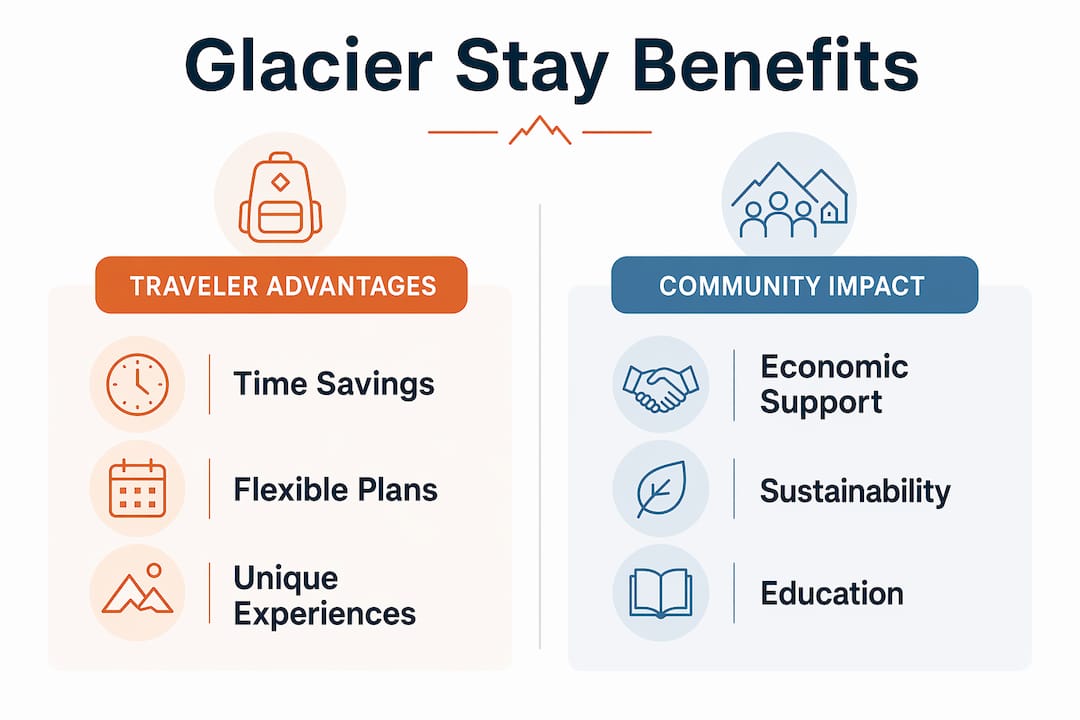
- Staying near glaciers saves travel time and allows immediate response to changing weather conditions. It enables access to unique experiences like ice calving observation, guided ice trekking, and glacier lagoon kayaking, which are impossible from a day trip. Longer stays support local economies and promote sustainable, ecological tourism by spreading out spending and reducing carbon footprints.
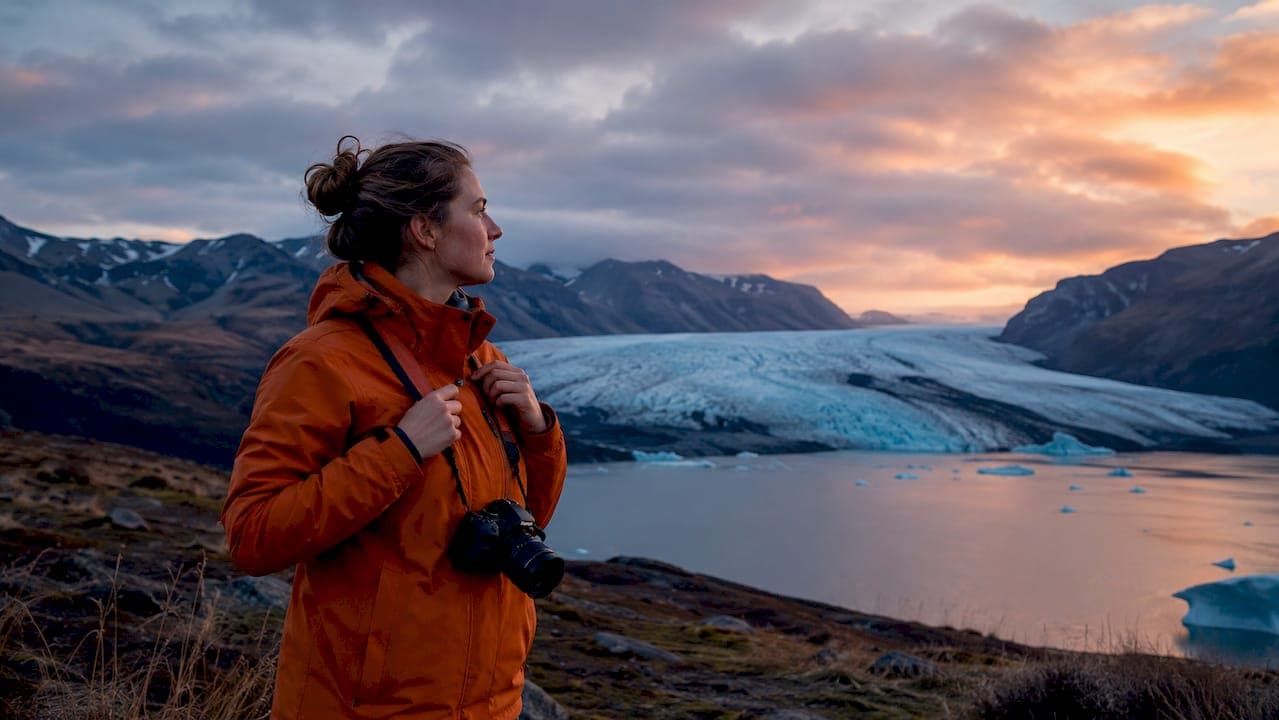
Staying near glaciers is the single most effective way to unlock the full range of experiences that glacier adventure tourism offers. Proximity to ice formations means you catch calving events at peak midday activity, adjust plans when weather shifts in minutes, and access guided treks that simply cannot be reached from a distant city hotel. Beyond the logistics, glacier proximity connects you to living ecosystems, local economies, and climate realities that no day trip from a hub city can replicate. This article breaks down exactly why staying close to glaciers transforms a good trip into an unforgettable one.
Why stay near glaciers: time, weather, and the flexibility advantage
The single biggest practical reason to stay near glaciers is time. Staying within 10–30 minutes of a glacier site saves 1–2 hours of daily driving compared to commuting from a regional hub. That adds up fast across a multi-day itinerary in Iceland or Patagonia.
Glacier weather is notoriously unstable. Conditions at Vatnajökull in South Iceland or the Southern Patagonian Ice Field can shift from clear to whiteout in under an hour. Travelers based nearby can act on a clear window immediately. Those staying an hour away often arrive to find the moment has passed.
Splitting your stay between two glacier-adjacent areas reduces daily driving from 2–3 hours to manageable distances. This approach works especially well on Iceland’s Ring Road, where Vík and Kirkjubæjarklaustur serve as natural anchor points for exploring Vatnajökull National Park and Jökulsárlón Glacier Lagoon.
- Book glacier-area accommodation months in advance. Demand in peak season far outpaces supply in small gateway communities.
- Prioritize locations within 30 minutes of your primary glacier target, not just the nearest large town.
- Check weather forecasts at 6 a.m. and be ready to move within the hour when conditions clear.
- Split multi-day itineraries across two bases to cut driving and increase time on the ice.
Pro Tip: In Iceland, the clearest glacier skies often appear in the early morning after a night of rain. Staying close means you can be at the glacier face by 8 a.m. instead of 10 a.m.
What glacier experiences are only possible when you stay close?
Proximity unlocks experiences that no day tripper can reliably access. Perito Moreno Glacier in Patagonia is 5 km wide and produces its most dramatic ice calving around midday. Travelers staying in El Calafate can time their visit precisely. Those arriving on a day trip from Buenos Aires often miss the main event.
Guided glacier trekking with crampons and ice axes requires an early start and physical preparation. Guides at sites like Vatnajökull and Perito Moreno run their first departures at dawn. Staying nearby means you board the first group, get the freshest ice conditions, and avoid the afternoon crowds that compress the experience.
“The glacier is not a backdrop. It is a living system. Standing on it, hearing it move beneath your feet, is something you cannot replicate from a boardwalk a kilometer away.” — Ice Explorers, Iceland
Specific experiences that require close proximity:
- Ice calving observation. Peak calving activity occurs around midday. Staying nearby lets you position yourself at the viewing platforms or boat tours at the right time.
- Guided ice trekking. Crampons, ice axes, and certified guides give access to seracs and crevasse zones. Early departure is required. This is not possible on a same-day commute from a distant city.
- Glacier lagoon kayaking. Sites like Jökulsárlón offer early-morning kayaking among icebergs. The light at 7 a.m. is unlike anything later in the day.
- Ephemeral ice formations. Ice caves, moulins, and blue ice tunnels form and collapse seasonally. A nearby base lets you respond to guide updates about new formations in real time.
How staying near glaciers supports local economies and sustainable travel
Tourism near glacier gateway towns is not just convenient. It is the economic backbone of entire communities. El Calafate’s economy of 25,000 residents runs almost entirely on glacier tourism. A minimum four-day stay is recommended to explore the region fully and to direct meaningful spending toward local businesses.
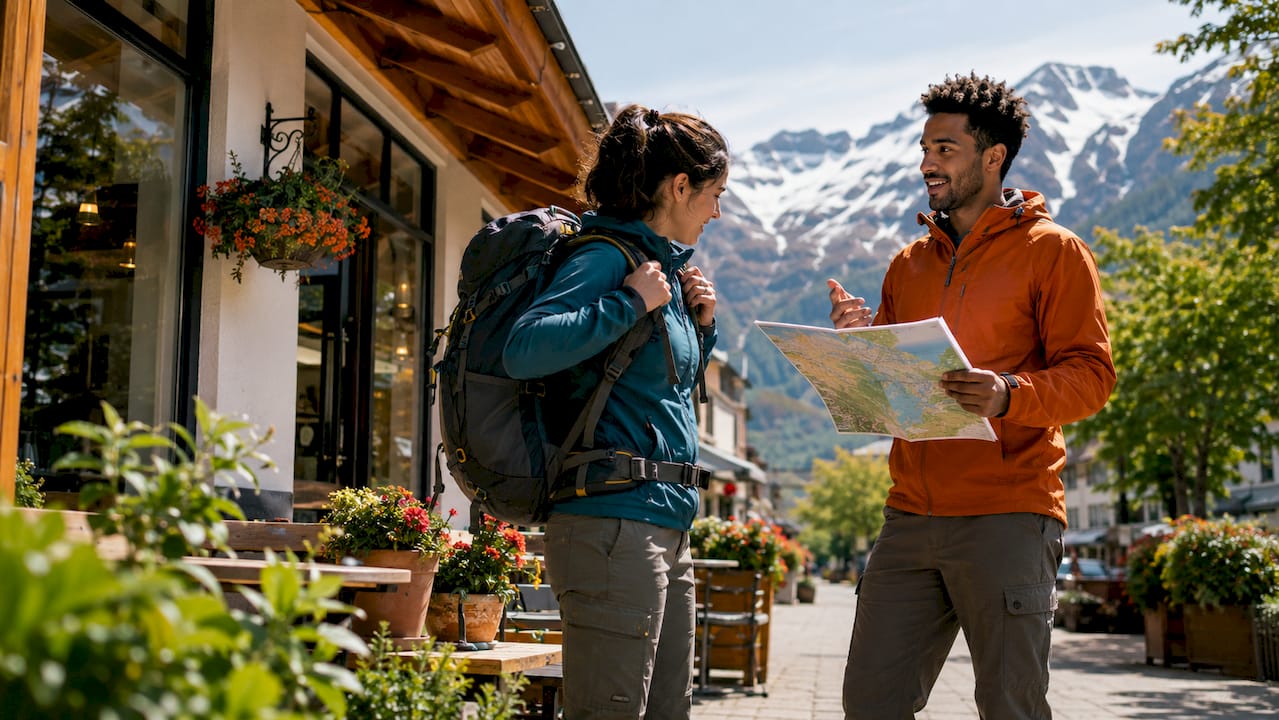
Longer stays reduce the carbon footprint per experience. Flying in, spending one night, and flying out concentrates emissions without maximizing the value of the trip. Staying four or more nights near a glacier spreads your spending across local restaurants, guides, gear shops, and accommodation, all of which fund conservation efforts in the surrounding national parks.
| Benefit | Impact |
|---|---|
| Longer stays | More local spending; lower carbon cost per experience |
| Small-group tours | Less ecological disruption; higher guide income |
| Local accommodation | Funds community services and park maintenance |
| Buying local food | Supports farmers and reduces supply chain emissions |
Sustainable glacier tourism thrives when travelers stay longer and choose small-group operators over mass-market bus tours. The difference is not just ethical. Small groups access areas that large tours cannot, and the experience quality is measurably higher.
Pro Tip: Ask your accommodation host which local guides they personally recommend. In glacier gateway towns, the best operators rarely advertise heavily. They fill up through word of mouth.
What ecological and educational benefits come from glacier proximity?
Glaciers are not just scenic. Glacier fronts are ecological hubs where fresh meltwater and marine water mix, creating highly productive feeding zones for seals, seabirds, and fish. Travelers staying nearby observe these wildlife behaviors directly, not through a telephoto lens from a tour bus.
Climate change is visible at glacier fronts in ways that no documentary captures. Retreat lines marked on rock faces, meltwater rivers that did not exist a decade ago, and the sound of ice cracking under warming temperatures are all immediate and visceral. This direct exposure builds genuine understanding of what climate data actually means on the ground.
Mountain glaciers act as drought buffers, releasing stored water during dry seasons and sustaining rivers and agriculture downstream. Staying near a glacier and learning this from a local guide connects abstract environmental science to a real place and real people.
- Observe seal feeding behavior at glacier fronts, where meltwater creates rich feeding conditions.
- Walk retreat lines with a guide to understand the pace of ice loss in measurable, visible terms.
- Learn how glacial meltwater feeds the rivers and farms of downstream valleys.
- Ask guides about the specific wildlife species that depend on glacier-fed water systems in the region.
Guided tours in glacier regions are the most effective format for this kind of education. A good guide translates geology, ecology, and climate science into stories that stay with you long after the trip ends.
Why Hólmsá River rafting is the perfect glacier-adjacent adventure
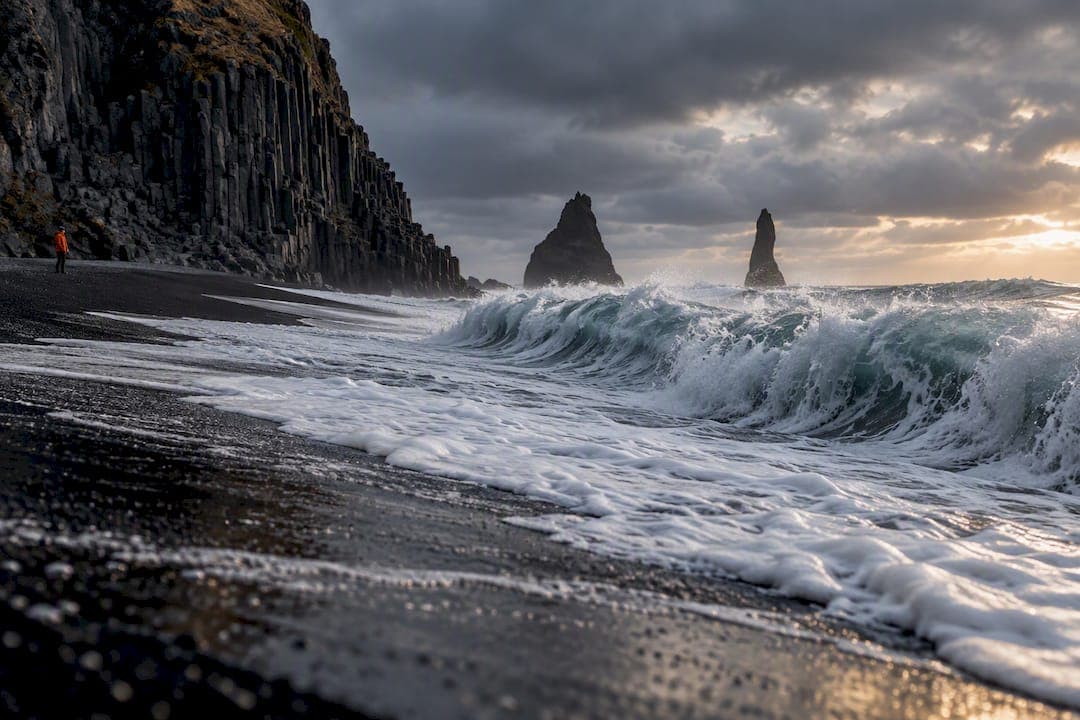
Hólmsá River in South Iceland offers one of the most underrated glacier-adjacent experiences on the entire Ring Road. The river runs through 7 km of raw, remote landscape featuring basalt column formations, those iconic hexagonal volcanic rocks that define Iceland’s geology. There are no crowds, no traffic noise, and no tourist infrastructure cluttering the view.
The rapids reach Class III, which means real whitewater and genuine excitement without requiring prior experience. Certified guides handle all safety and equipment. Families with kids, first-time rafters, and travelers who want adventure without technical climbing skills all find this trip accessible and memorable.
What makes Hólmsá stand out among glacier-area activities:
- Remote location. The silence and space here are rare. You feel genuinely far from the tourist trail.
- Basalt column scenery. The geological backdrop is as dramatic as the rapids themselves.
- Beginner-friendly Class III rapids. Exciting enough to remember, safe enough for first-timers.
- Certified guides. All safety equipment is provided. No prior rafting experience is needed.
- Short drive from glacier sites. Hólmsá sits in South Iceland, close to Vatnajökull and Jökulsárlón, making it a natural addition to any glacier-focused itinerary.
Staying near this stretch of South Iceland means you can combine a morning glacier trek with an afternoon on the river. That kind of day is only possible when your base is close to both.
Key takeaways
Staying near glaciers is the most direct way to maximize access, minimize wasted travel time, and experience the ecological and cultural depth that glacier regions offer.
| Point | Details |
|---|---|
| Time savings matter | Proximity cuts 1–2 hours of daily driving and lets you act on weather windows immediately. |
| Peak calving is time-sensitive | Midday calving at sites like Perito Moreno requires precise timing only possible from a nearby base. |
| Longer stays benefit communities | A minimum four-day stay in glacier gateway towns like El Calafate drives meaningful local economic impact. |
| Glaciers are ecological classrooms | Glacier fronts support wildlife feeding zones and offer direct, visible evidence of climate change. |
| Hólmsá adds variety | Class III rafting through basalt landscapes gives glacier-area travelers a family-friendly adventure beyond hiking. |
What I’ve learned from staying close to the ice
I used to plan glacier trips the way most travelers do: book a central city hotel, rent a car, and drive out each day. I lost count of how many times I arrived at a glacier to find the morning light gone, the guided trek full, or the weather closing in just as I pulled into the parking lot.
The shift happened on a trip to South Iceland. I stayed 35 minutes from Jökulsárlón instead of two hours away in Reykjavík. On the second morning, I was at the lagoon before the tour buses arrived. The icebergs were still, the light was flat and silver, and I had the whole place to myself for forty minutes. That does not happen on a day trip.
What I have found is that glacier travel rewards patience and proximity in equal measure. The travelers who get the most out of these places are not the ones with the best gear or the longest itineraries. They are the ones who stay close, stay flexible, and say yes when a guide texts at 7 a.m. to say the ice cave is open.
The Hólmsá River rafting experience near South Iceland is a perfect example of what proximity unlocks. You would never add it to a day trip from Reykjavík. But when your base is already in the area, it becomes an obvious afternoon addition. That is the compounding logic of staying near glaciers. Every nearby activity becomes easier, cheaper in time, and more spontaneous.
My honest advice: book your glacier-area accommodation before you book your flights. The best spots near Vatnajökull, Jökulsárlón, and the South Coast fill up months ahead of peak season. The travelers who wait until two weeks out end up an hour away, losing exactly the flexibility that makes glacier travel worth the trip.
— Trygve
Foxhostel: your base for South Iceland glacier adventures
Foxhostel sits in Hrífunes Nature Park, 35 minutes east of Vík, positioned midway between Vík and Kirkjubæjarklaustur on Iceland’s South Coast. That location puts Vatnajökull National Park, Jökulsárlón Glacier Lagoon, and the Hólmsá River all within striking distance for a morning departure.

The hostel occupies a converted traditional Icelandic barn with dorm-style rooms. Solo travelers book individual beds. Couples, families, and groups can book an entire room for full privacy. The communal kitchen is fully equipped, the on-site pizzeria handles the nights you do not want to cook, and the dark skies above Hrífunes are among the best in Iceland for Northern Lights viewing. If you want a countryside base near glaciers that keeps you close to the action without the Reykjavík price tag, Foxhostel is the practical choice. Book early. Rooms near the South Coast glacier corridor fill up well ahead of peak season.
FAQ
Why stay near glaciers instead of commuting daily?
Staying near glaciers saves 1–2 hours of daily travel and lets you respond immediately to weather windows. Glacier conditions change fast, and proximity is the only reliable way to catch peak moments.
What is the best time of day to see glacier calving?
Ice calving at sites like Perito Moreno peaks around midday. Staying close to the glacier lets you position yourself at viewing platforms or boat tours at exactly the right time.
How does staying near glaciers support the environment?
Longer stays in glacier gateway communities reduce the carbon cost per experience and direct spending toward local guides, accommodation, and conservation programs. Sustainable glacier tourism depends on travelers who stay longer and spend locally.
Is Hólmsá River rafting suitable for beginners?
Yes. Hólmsá offers Class III rapids through 7 km of remote South Iceland scenery, with certified guides and all equipment provided. It is accessible for kids, first-timers, and anyone adding an adventure day to a glacier-focused itinerary.
How far in advance should I book glacier-area accommodation?
Book months in advance. Demand in small glacier gateway communities consistently outpaces supply during peak season, and the best-located properties near sites like Vatnajökull and Jökulsárlón fill up earliest.