Waterfalls Between Vík and Skaftafell: Half Day or Full Day Route
Waterfalls Between Vík and Skaftafell: Half Day or Full Day Route

Skógafoss, Kvernufoss, Foss á Síðu, Systrafoss, and then Svartifoss once you reach Skaftafell: that’s the order to drive them in for an efficient day along Iceland’s south coast. A quick version of the route takes a half day of stops; a relaxed pace with the Svartifoss hike included fills most of a full day. Svartifoss is not a roadside glance. It sits at the end of a short hike, and that changes how you should budget your time.
TL;DR:
- Pair Skógafoss with Kvernufoss, which shares its parking area and adds a 30 minute riverside walk each way; Foss á Síðu takes about five minutes.
- Allow two hours for Svartifoss’s 5.8 kilometer loop from the visitor center; Hundafoss and Magnúsarfoss are along the trail.
- The fast itinerary fills a full day: stops take about three and a half hours, while driving between them adds close to two hours.
- Check road conditions and SafeTravel’s weather warnings the morning you leave; wind can erase Foss á Síðu, while spray makes rocks near falls dangerously slick.
- If you are not driving, rent a car or join a guided tour, since public transportation is limited and the stops offer little scheduling flexibility.
Table of Contents
- The Waterfalls to Stop for Along Route 1
- Hiking to Svartifoss: What the Trail Actually Involves
- Staying Safe and Checking Road Conditions Before You Go
- How to Budget Your Day: Fast Pass vs. Relaxed Pace
- What Locals Notice That Guidebooks Miss
- Base Yourself Near Vík for This Route
- FAQ
- Sources
The Waterfalls to Stop for Along Route 1
Each stop along this stretch of Route 1 asks something different of you: some are a two-minute walk from your car, others want real hiking shoes and an hour of your afternoon.
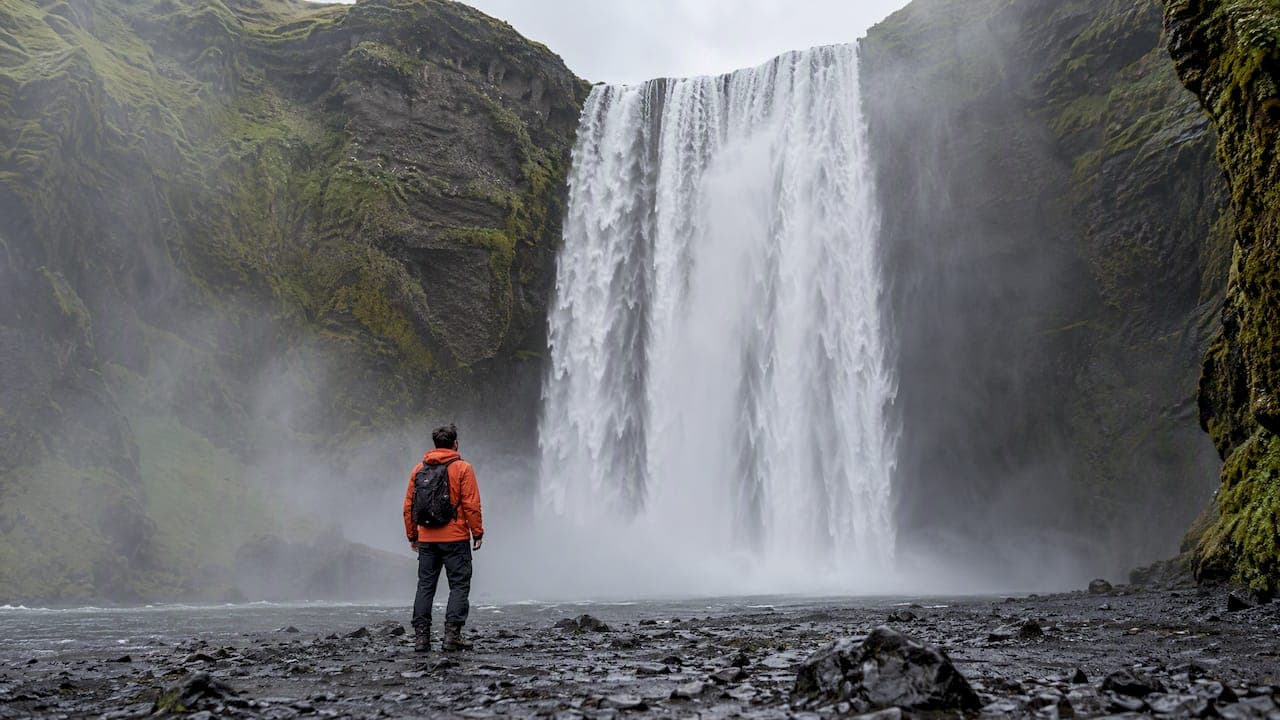
Skógafoss is the one everyone photographs. It drops 60 meters almost onto the parking lot, with a staircase beside it leading to a viewing platform at the top. Give it 20 to 30 minutes if you just want the base shot, longer if you climb the stairs for the view over the coastal plain.
Kvernufoss sits a short riverside walk from a gravel lot near the Skógar Folk Museum, about 15 minutes on foot each way. It gets a fraction of the crowd Skógafoss does, and the trail lets you walk behind the falling water, which makes it worth pairing with its famous neighbor since both stops share a parking area.

Foss á Síðu is a roadside pull off on Route 1, roughly one hour’s drive from Vík, and visible from the car without any walking. It’s a five-minute stop for most travelers, but check the wind first: on gusty days the water can blow upward and the falls can virtually disappear or flip into what looks like an upside-down waterfall. Stops like this one are high value precisely because they cost you almost no time for a solid photo.
Systrafoss sits just outside Kirkjubæjarklaustur, an easy short walk from a small parking area, and makes sense as a stretch-your-legs stop before or after lunch in the village.
Within Skaftafell itself, the stop list shifts to a hike rather than a pull off:
- Svartifoss: the signature black basalt waterfall, reached only on foot from the visitor center.
- Hundafoss and Magnúsarfoss: smaller falls passed along the same trail, worth a glance rather than a dedicated stop.
If you’re short on time, Skógafoss paired with Kvernufoss and a quick look at Foss á Síðu covers the roadside highlights before you commit to the Svartifoss hike.
Hiking to Svartifoss: What the Trail Actually Involves
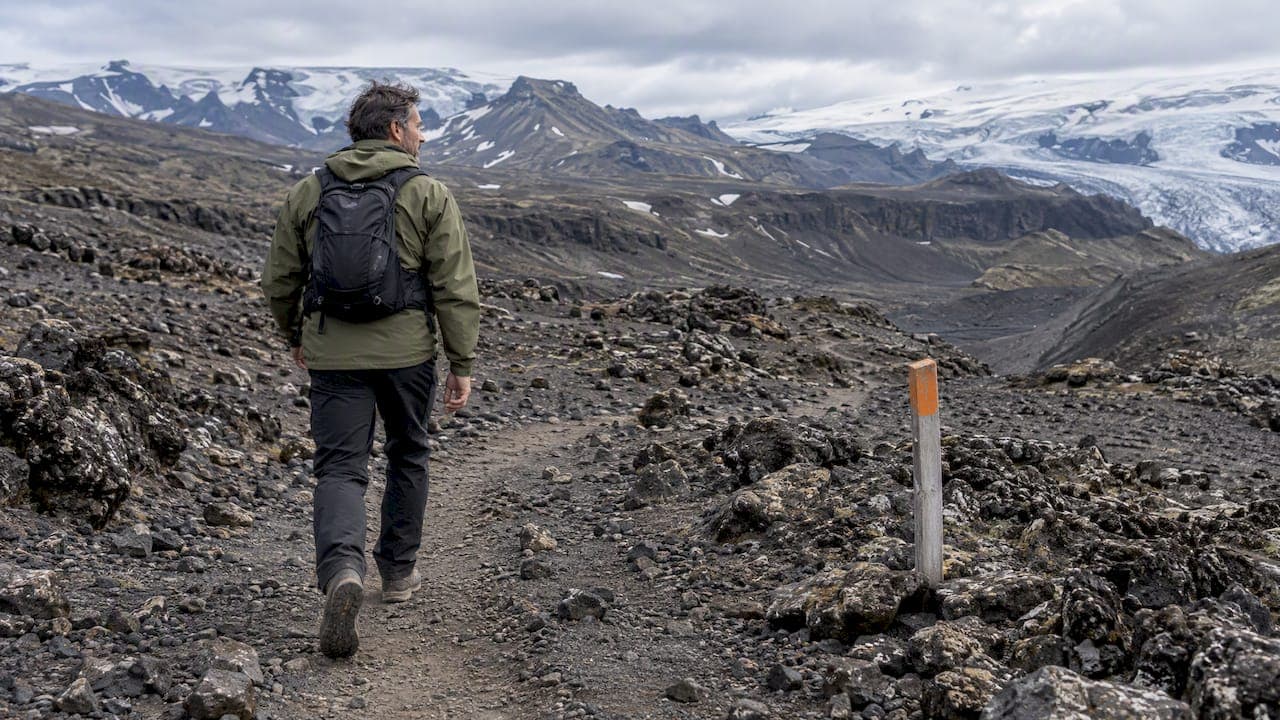
Svartifoss is the reason most people detour into Skaftafell, and it’s worth knowing before you set out that it’s a hike, not a drive up. The full loop from the visitor center is a 5.8 kilometer round-trip circuit taking approximately two hours, with some uphill sections on a well-marked gravel path.
| Detail | Figure |
|---|---|
| Round-trip distance | 5.8 km |
| Estimated time | ~2 hours |
| Other falls on route | Hundafoss, Magnúsarfoss |
| Starting point | Skaftafell visitor center |
Along the way you’ll pass Hundafoss and then Magnúsarfoss before the trail opens onto Svartifoss itself, framed by dark basalt columns that give the falls its name. The trailhead starts right at the visitor center, so there’s no extra driving once you’ve parked.
Expect mud in shoulder seasons and icy patches in winter, when crampons help on the steeper sections. Midday light tends to wash out the basalt columns in photos, so earlier or later in the day usually gives better contrast.
Staying Safe and Checking Road Conditions Before You Go
South Iceland’s weather changes fast, and a clear morning can turn into a closed road by afternoon. SafeTravel advises travelers to respect local weather warnings and adjust or cancel plans when officials flag bad conditions, which is the single most reliable signal for whether your waterfall day should go ahead as planned.
Before you leave, check these sources:
- The Icelandic Road and Coastal Administration maps for real-time road status, especially in winter.
- The 1777 phone service, run by the same agency, for the latest conditions when you don’t have signal for the website.
- SafeTravel’s advisory page for wind and weather warnings specific to the south coast.
At the falls themselves, stay behind barriers and off wet rocks near the edges: spray makes the stone slick, and the drops at Skógafoss and Svartifoss are not forgiving.
Pro Tip: Pack windproof outer layers and waterproof boots regardless of season. Spray from Skógafoss and Svartifoss reaches well past the viewing areas.
How to Budget Your Day: Fast Pass vs. Relaxed Pace
How much time you need depends entirely on whether Svartifoss is on your list.
- Fast one-day pass: Skógafoss (30 minutes), Kvernufoss (30 minutes), Foss á Síðu (10 minutes), Systrafoss (15 minutes), then straight through to Skaftafell for the Svartifoss loop (2 hours). Total driving time between stops runs close to two hours on top of that, making this a full but doable single day.
- Relaxed two-day option: split the drive so you reach Skaftafell with daylight to spare, give Svartifoss more time for photos in better light, and consider a sunrise or early evening visit to avoid the midday crowd at the basalt columns.
If you’re not driving yourself, this stretch has limited public transportation, so renting a car or joining a guided tour is the practical way to keep this kind of flexibility.
What Locals Notice That Guidebooks Miss
Most guides treat this stretch as a checklist: stop, photograph, move on. What they underplay is how much the Svartifoss hike itself matters, not just the waterfall at the end of it. The basalt columns get the attention, but the walk through the gorge, past Hundafoss and Magnúsarfoss, is where the stretch earns its reputation.

The other thing visitors underestimate is wind. Travelers plan around rain and ice, but a stiff crosswind can flatten Foss á Síðu into mist and turn the Skógafoss staircase into a genuinely unpleasant climb. Checking conditions the morning of, not the night before, is the habit that actually saves a trip.
If you only have time for one unhurried stop, make it Skaftafell. The roadside falls are easy wins, but the two hours in Skaftafell’s forest trail is where the route stops feeling like a drive-by and starts feeling like the reason you came.
— Siggi
Base Yourself Near Vík for This Route
We provide a convenient base near Vík with shared and private rooms, breakfast, and dining options on site for when you get back late from Skaftafell.

Whether you’re traveling solo or coordinating a group van, our rooms and group bookings make it easy to plan around this drive without losing daylight hours to logistics. If your group is renting a larger vehicle for the trip, booking winter tires early matters on this route, since snow tire availability on passenger vans tightens up fast in the colder months. Check availability and book your stay on our rooms page.
FAQ
How many waterfalls are in Iceland?
Iceland has a large number of named waterfalls scattered across the country, though no single official count is publicly listed. Along the Vík to Skaftafell stretch alone, travelers typically stop at seven or more named falls, from roadside pull offs to short hikes.
What are the top three biggest waterfalls in the world?
This question is usually asked about global rankings rather than Iceland specifically, and definitions vary depending on whether you measure by volume, width, or height. None of the waterfalls between Vík and Skaftafell rank on global lists by these measures, since their draw is accessibility and scenery rather than scale.
How tall is Skógafoss waterfall?
Skógafoss drops about 60 meters, making it one of the tallest and most photographed waterfalls along the south coast. Its height and the staircase beside it are what make it such a quick, high-reward stop on this route.
Is Dettifoss worth visiting?
Dettifoss sits in north Iceland, well outside the Vík to Skaftafell route this guide covers, so it isn’t a practical add-on to a south coast day. If your trip includes the north, it’s worth researching separately rather than folding it into a south coast itinerary.
Sources
- Foss á Síðu — European Waterfalls
- Travel conditions — SafeTravel Iceland
- Icelandic Road and Coastal Administration