What Is a Modern Hostel? Features, Trends & Benefits
What Is a Modern Hostel? Features, Trends & Benefits
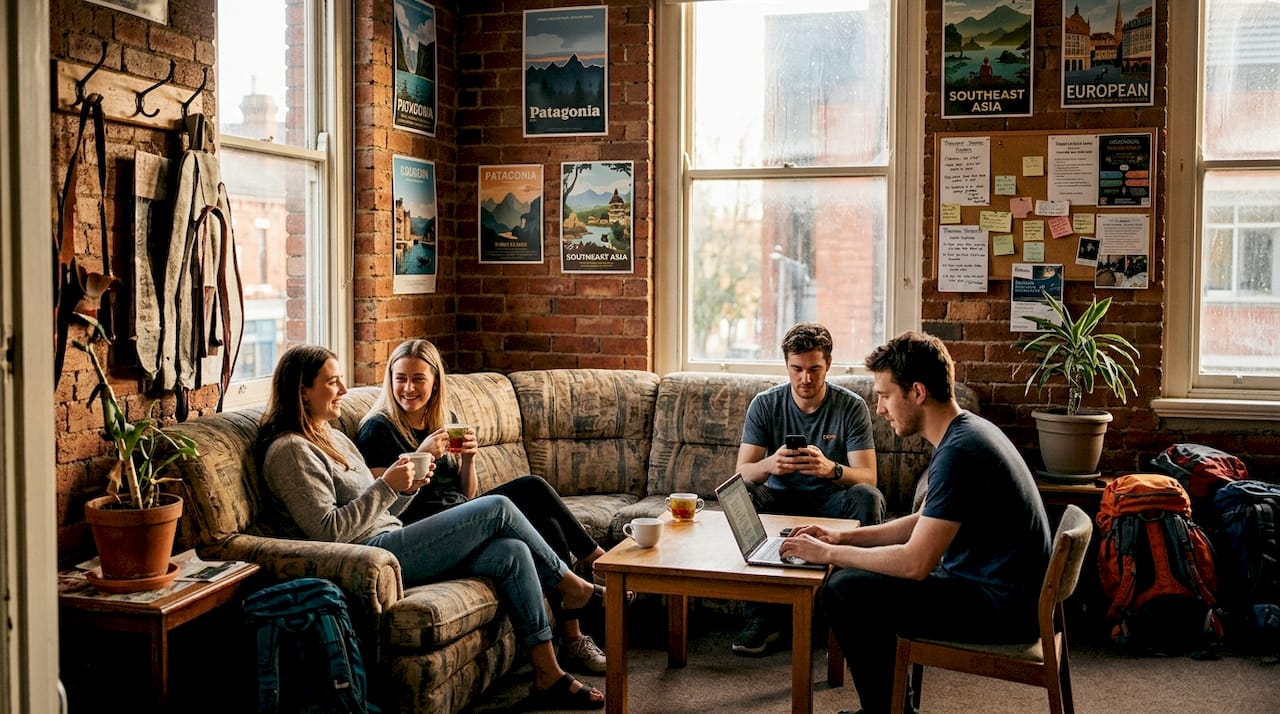
TL;DR:
- Modern hostels feature private rooms, tech amenities, and organized social activities instead of just basic dorms.
- They attract diverse travelers, including solo travelers, families, couples, and digital nomads.
- Sustainability and hybrid privacy options are key trends shaping the future of hostels globally.
The old image of hostels as crowded, noisy dorm rooms with broken lockers and mystery smells is long overdue for retirement. Today’s modern hostels are a completely different animal: stylish, tech-enabled social hubs where solo adventurers, couples, and even families can find their perfect fit. Whether you’re planning a Ring Road road trip through Iceland or just looking for a smarter way to travel, understanding what the modern hostel actually offers will change how you book your next trip. This guide breaks down the real features, the latest trends, and exactly who stands to gain the most from choosing a hostel in 2026.
Table of Contents
- How modern hostels differ from traditional hostels
- Key features you’ll find in a modern hostel
- Modern hostel trends: sustainability, tech, and hybrid spaces
- Who should choose a modern hostel and why?
- Why modern hostels are redefining travel for budget-conscious adventurers
- Ready to experience a modern hostel in Iceland?
- Frequently asked questions
Key Takeaways
| Point | Details |
|---|---|
| Modern hostels explained | They offer comfort, privacy, technology, and a social vibe far beyond old-style dormitories. |
| Features for all travelers | Modern hostels have options for solo guests, couples, families, and groups, including private rooms and amenities. |
| Tech and sustainability | Most modern hostels provide free WiFi, digital check-in, and eco-friendly operations as standard. |
| Community and value | You get to meet fellow adventurers and enjoy organized activities—all while saving on costs. |
How modern hostels differ from traditional hostels
Traditional hostels were built around one idea: cheap beds. That meant rows of bunk beds, shared bathrooms down the hall, and a common room with a battered couch. There was little thought given to design, privacy, or the kind of experience guests actually wanted. For many travelers, the trade-off was simple: save money, sacrifice comfort.
Modern hostels have flipped that equation entirely. Hybrid hostel models now include private rooms, co-working spaces, and organized social events alongside traditional dorms, giving travelers genuine options rather than a one-size-fits-all setup. The design is intentional, the amenities are real, and the community feel is built in rather than accidental.
To make the contrast concrete, here’s a quick side-by-side look:
| Feature | Traditional hostel | Modern hostel |
|---|---|---|
| Room types | Dorms only | Dorms, private, and family rooms |
| Privacy options | Minimal | Curtained pods, lockable storage |
| Technology | Basic or none | Mobile check-in, USB outlets, digital signage |
| Social programming | Rare | Regular events, group tours, communal kitchens |
| Design | Functional, sparse | Thoughtful, often locally inspired |
| Hygiene standards | Variable | Enhanced, post-pandemic protocols |
The guest profiles have also shifted. Traditional hostels drew almost exclusively young backpackers on shoestring budgets. Modern hostels attract a much wider crowd:
- Solo adventurers looking for connection and community
- Couples who want the social vibe but prefer a private room
- Families who need flexibility and secure spaces for kids
- Digital nomads who need reliable WiFi and a place to work
- Small groups splitting costs while exploring together
The numbers back this up. Private rooms now make up 25 to 30% of hostel inventory, and mobile check-in technology is found in 45% of hostels globally. These aren’t boutique outliers. They’re the new standard.
If you’re curious about the full range of what’s available, a closer look at hostel room options in Iceland shows just how varied and flexible modern hostel stays can be. The advantages of modern hostels go well beyond price, touching on design, community, and genuine comfort.
Key features you’ll find in a modern hostel
Walking into a modern hostel for the first time can feel surprisingly impressive. Gone are the days of bare walls and flickering fluorescent lights. Here’s what a typical stay actually looks like from arrival to morning.
- Check-in: Many properties now offer digital or self-service check-in, so you’re not waiting in line after a long travel day.
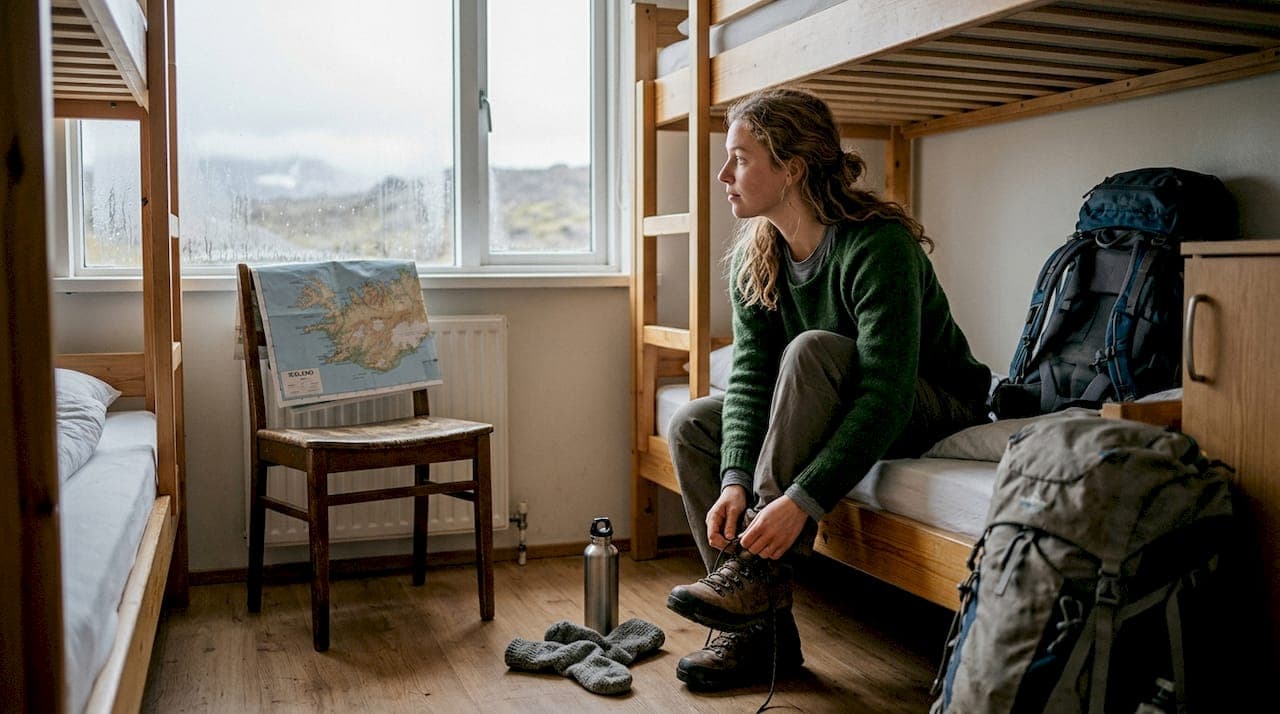
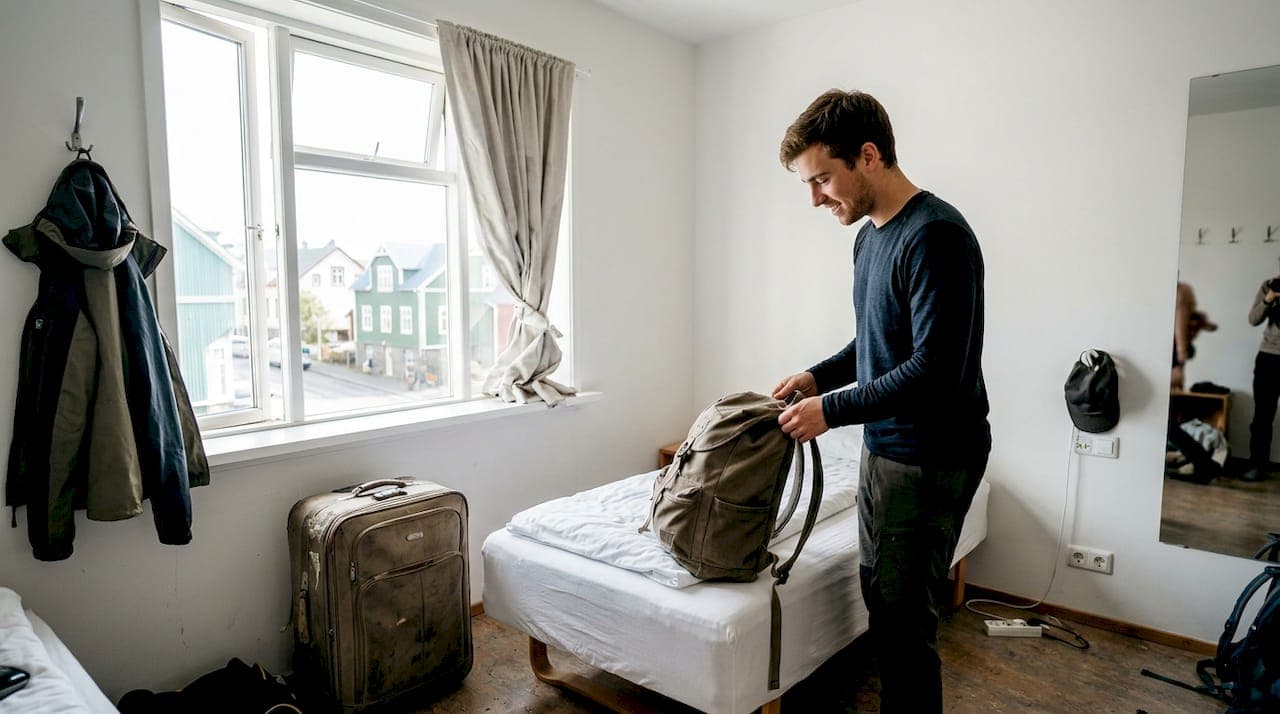
- Your bunk: Pod-style bunks with privacy curtains, a reading light, and USB charging outlets are now common. You have your own small world within the shared room.
- Storage: Secure lockers, often with USB charging built in, keep your gear safe.
- The kitchen: A fully equipped communal kitchen lets you cook your own meals, which is one of the biggest money-savers on any trip.
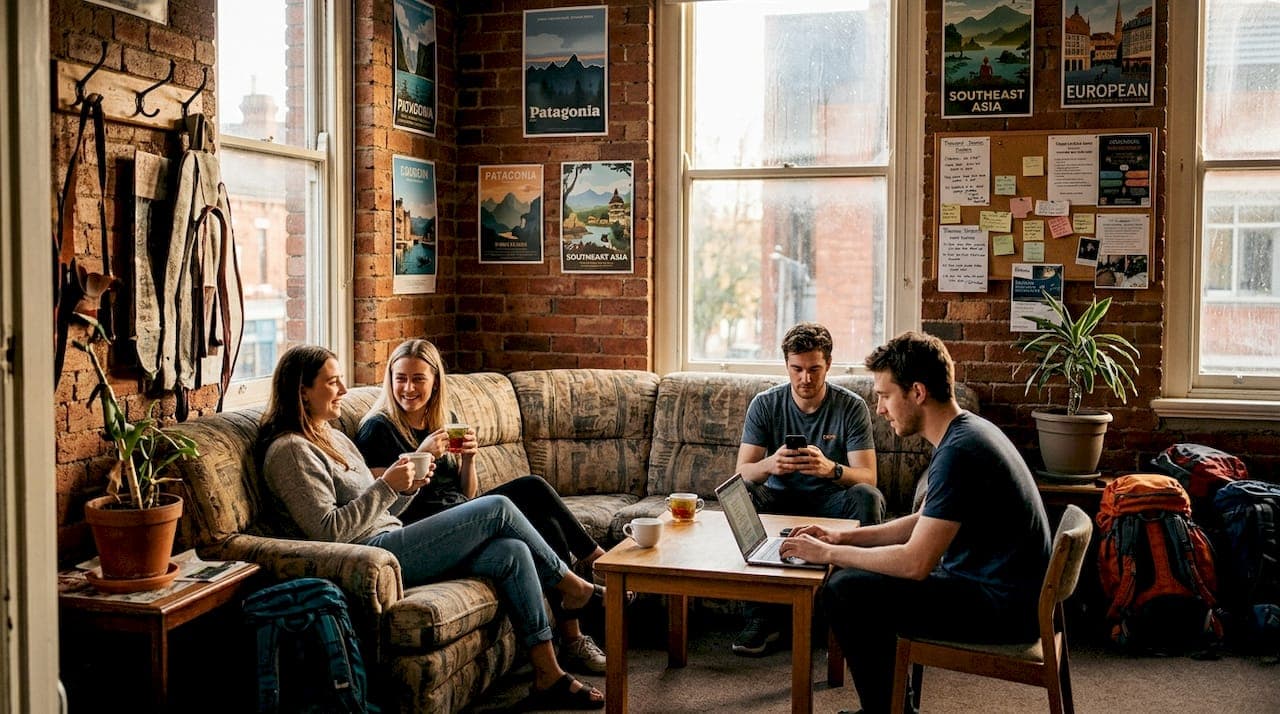
- Social spaces: Common areas are designed for real interaction: board games, local maps, and often organized events like group hikes or cooking nights.
- Bathrooms: Clean, well-maintained, and increasingly private or semi-private rather than purely communal.
The data table below shows how common these features actually are across the industry:
| Feature | Prevalence in modern hostels |
|---|---|
| Free WiFi | 90% of hostels |
| Pod-style bunks | Growing standard |
| Private room option | 25-30% of inventory |
| Mobile check-in | 45% of properties |
| Communal kitchen | Very common |
| Organized social events | Increasingly standard |
Hygiene is another area where modern hostels have made serious progress. UV sanitization and touchless tech are now baseline expectations at leading properties, a direct result of post-pandemic standards that most guests now take for granted.
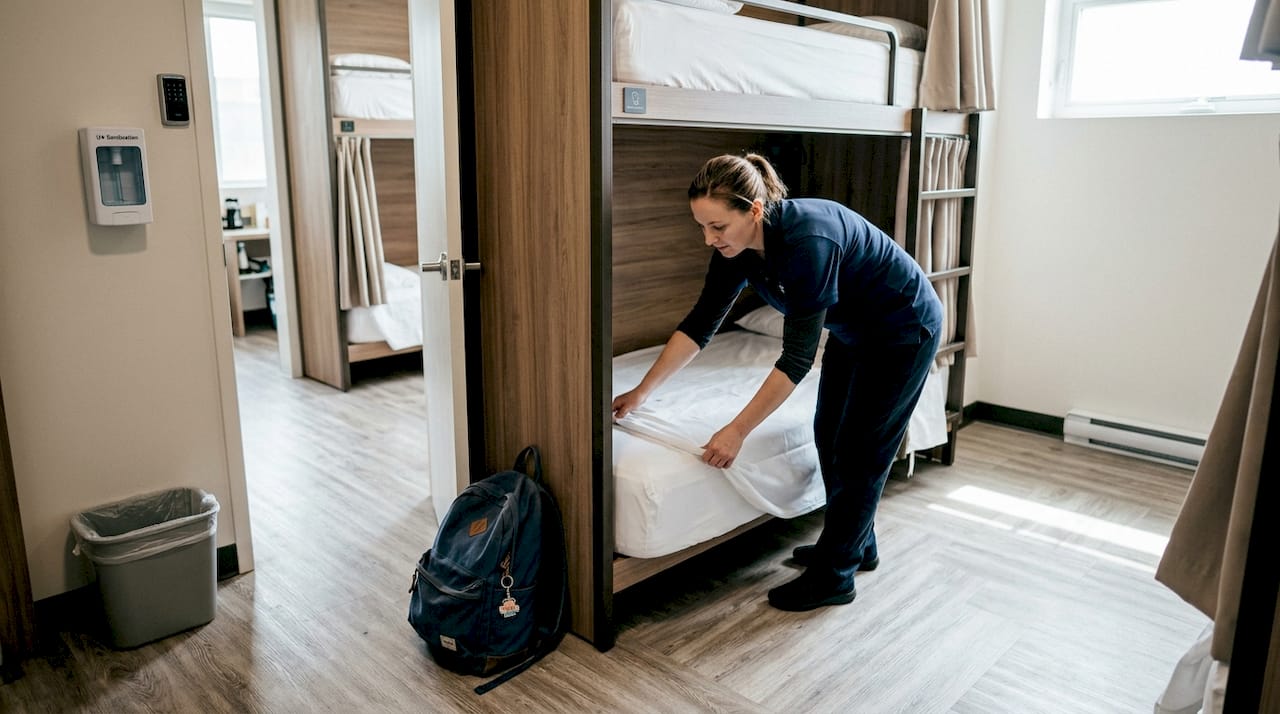
Technology is woven into the experience too. Digital signage in hostels helps guests navigate amenities, find local tips, and stay informed about events without needing to track down a staff member.
For Iceland specifically, the Iceland hostel amenities you’ll find at quality properties are built around the local experience: think gear drying rooms, Northern Lights wake-up calls, and communal spaces that make it easy to plan the next day’s adventure with fellow travelers. The value of shared hostel spaces really shows up when you’re comparing notes on glacier hikes with someone who just came back from the same trail.
Pro Tip: When comparing hostels, filter specifically for properties with enhanced hygiene certifications and digital amenities. These two features are the clearest signals that a hostel is genuinely modern rather than just rebranded.
Modern hostel trends: sustainability, tech, and hybrid spaces
The hostel industry isn’t standing still. Several major forces are reshaping what guests can expect in 2026 and beyond, and Iceland sits right at the intersection of many of them.
Here are the key trends defining the space right now:
- Eco-certifications: Labels like Nordic Swan signal that a property meets real environmental standards, not just marketing claims.
- Remote workspaces: Co-working corners and reliable high-speed internet make hostels viable for digital nomads on extended trips.
- Community programming: Guided hikes, language exchanges, and group dinners are now scheduled features, not happy accidents.
- Touchless technology: From keyless entry to app-based room controls, the physical touchpoints in a hostel stay are shrinking.
- Hybrid privacy models: The ability to book a private room or buy out a dorm for your group is becoming a standard offering rather than a rare exception.
The market is responding to these shifts in a big way. The global hostel market is expected to reach $6.35 billion in 2026, driven largely by demand for sustainability-focused and hybrid privacy-social models. That’s not a niche trend. It’s the direction the entire industry is moving.
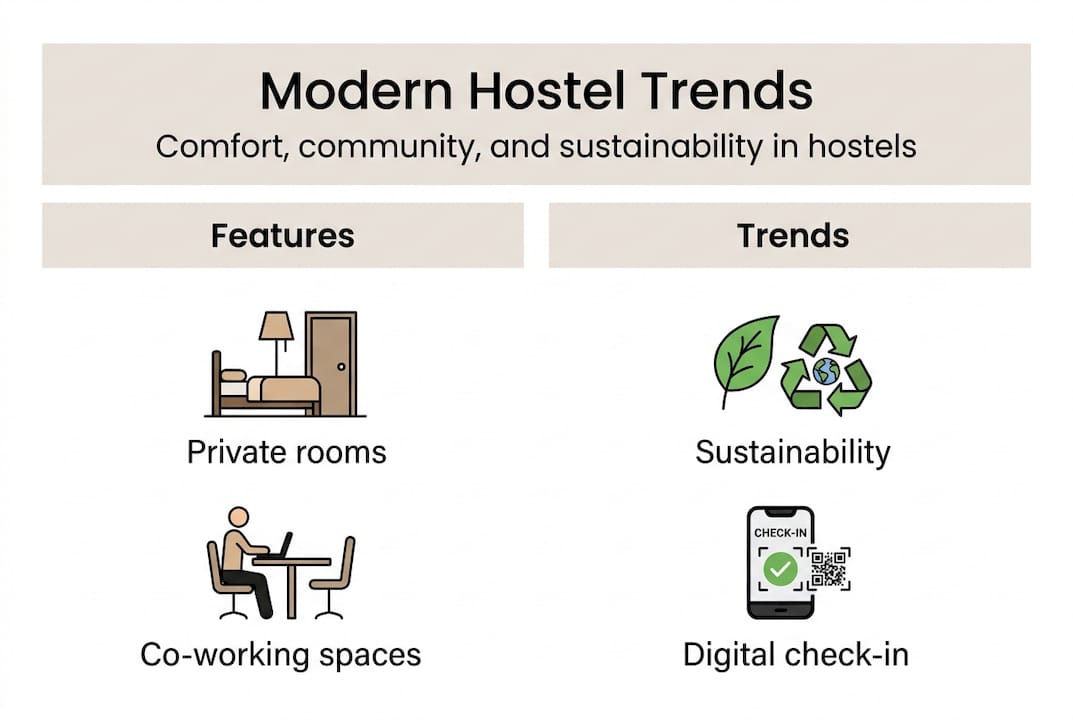
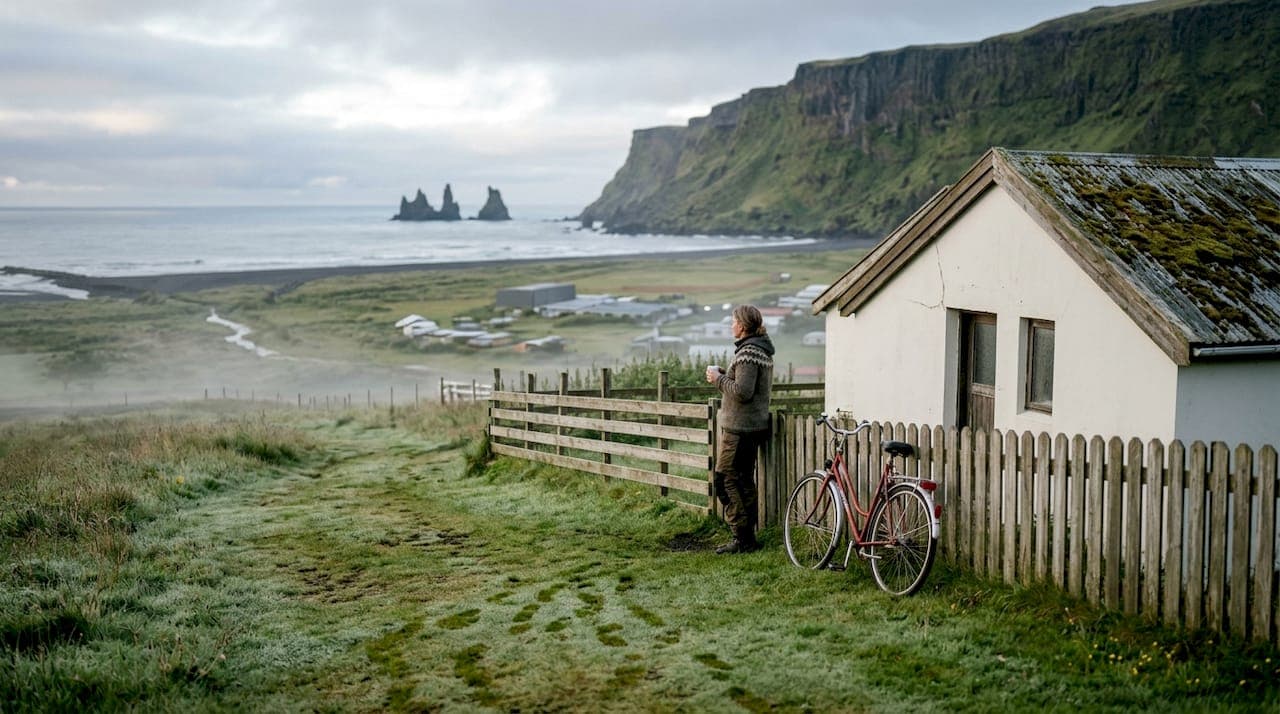
Leading properties are also raising the bar on environmental responsibility. Eco-certifications like Nordic Swan are now standard benchmarks at top-tier hostels, alongside energy-efficient design and green cleaning protocols. In Iceland, where the landscape itself is the main attraction, this kind of commitment resonates deeply with travelers who care about leaving places better than they found them.
For a deeper look at how sustainable hostel design trends are influencing everything from furniture choices to building materials, the conversation is evolving fast.
Pro Tip: In Iceland, look for hostels that display recognized sustainability labels or mention specific green practices on their website. It’s a reliable indicator of quality management across the board, not just environmental friendliness.
For travelers interested in eco-friendly hostels in Iceland or wanting to connect with like-minded adventurers through social hostels Iceland, the options in 2026 are genuinely exciting.
Who should choose a modern hostel and why?
Modern hostels aren’t just for 20-year-olds with backpacks anymore. The range of people who benefit from this style of accommodation has expanded significantly, and the practical advantages stack up quickly against hotels and vacation rentals.
Here’s who gets the most out of a modern hostel stay:
- Solo travelers: The built-in social environment makes it easy to meet people without any awkward effort. You show up, and the community is already there.
- Couples: With private room options and the option to buy out a dorm, you get the social atmosphere without sacrificing intimacy.
- Families: Secure storage, private room availability, and communal kitchens for cooking family meals make modern hostels genuinely practical for families on a budget.
- Adventure groups: Splitting the cost of a shared room or booking a whole dorm keeps group travel affordable without losing the fun of being together.
- Digital nomads: Co-working spaces, fast WiFi, and flexible booking make hostels a smart base for remote workers exploring new places.
Not sure if a modern hostel is right for your trip? Run through this quick checklist:
- Do you want to meet other travelers or prefer total isolation?
- Is saving money on accommodation a priority so you can spend more on experiences?
- Are you comfortable with shared spaces like kitchens and lounges?
- Do you value flexibility in room type (dorm bed vs. private room)?
- Are you drawn to organized activities or local insider tips from staff?
If you answered yes to three or more of those, a modern hostel is almost certainly the right call. Modern hostels serve 60 to 70% shared occupancy rates while actively catering to solo adventurers and digital nomads, which means the social infrastructure is real and well-practiced.
For travelers weighing the private hostel room benefits against a full dorm experience, or wanting to understand the shared hostel community experience before committing, both options are worth exploring in detail.
Why modern hostels are redefining travel for budget-conscious adventurers
Here’s an opinion that might surprise you: the modern hostel is not just a cheaper hotel. It’s a fundamentally different kind of travel experience, and in many ways it’s a better one.
Hotels give you a room and a door that closes. That’s it. Modern hostels give you a community, a kitchen, a shared mission of exploration, and often a staff that actually knows the local area. For Iceland, where the landscape rewards curiosity and the best experiences often come from a tip someone gave you over breakfast, that community layer is worth more than any room upgrade.
The post-pandemic shift toward eco-awareness has also made the modern hostel a genuinely ethical choice. Staying at a property with real sustainability practices, built into a local landscape rather than dropped on top of it, aligns your travel dollars with your values. That matters more to today’s traveler than it ever has before.
Choosing a shared adventure hostel in Iceland isn’t settling for less. It’s choosing more: more connection, more flexibility, more access to the wild beauty that brought you here in the first place.
Ready to experience a modern hostel in Iceland?
If this guide has shifted how you think about hostel travel, the next step is finding a property that actually delivers on all of it. Fox Hostel, set inside a converted Icelandic barn in Hrífunes Nature Park, is built around exactly the features this article describes: flexible booking, a massive communal kitchen, an on-site pizzeria, and dark skies perfect for Northern Lights viewing.
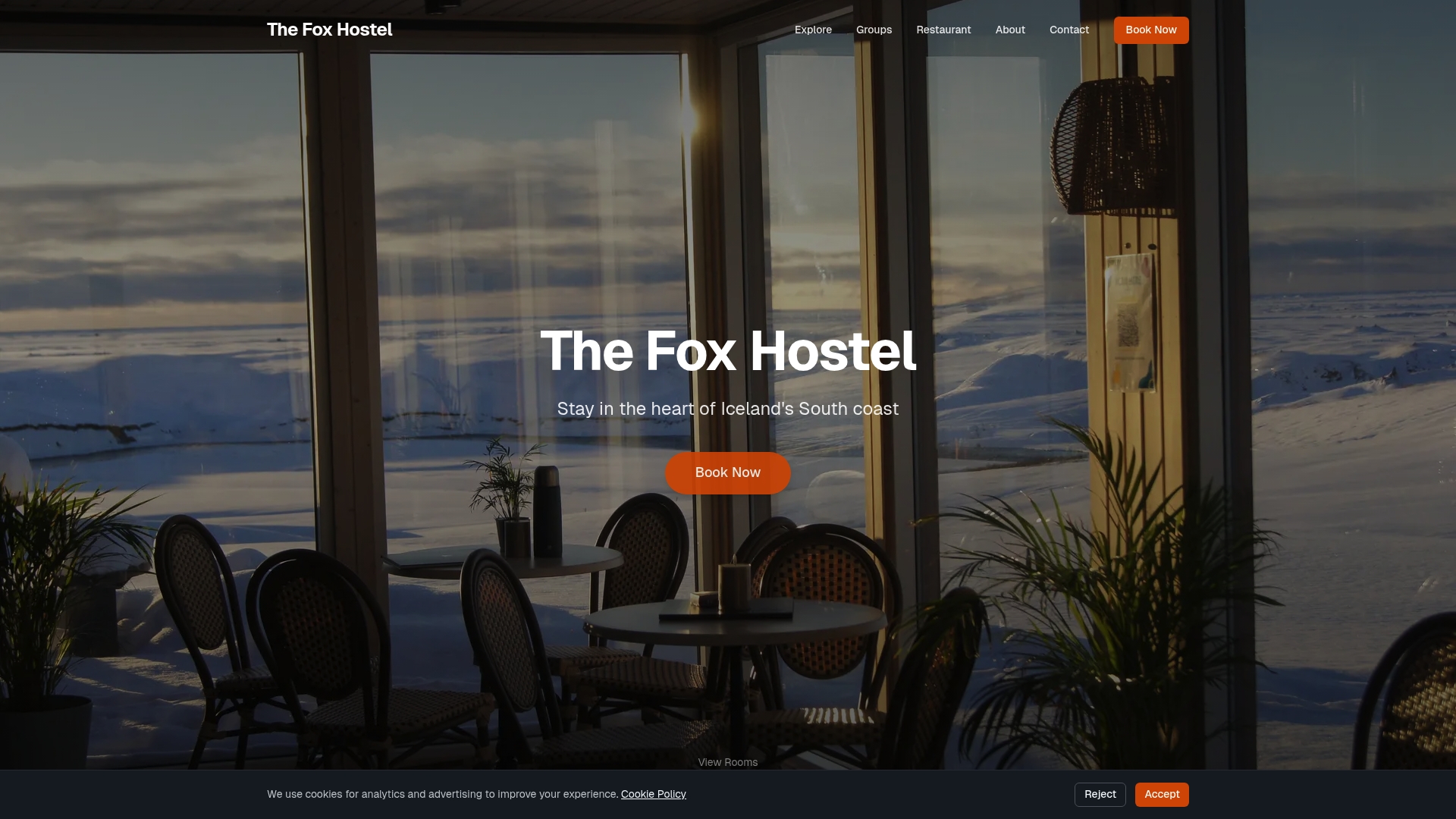
Whether you’re a solo traveler booking a single bed or a group looking to buy out a full room, Fox Hostel South Iceland has a setup that fits. Explore the full range of room options in Iceland or learn more about what makes rural Iceland hostel stays such a compelling alternative to crowded guesthouses. Your South Coast adventure starts here.
Frequently asked questions
What makes a hostel ‘modern’ compared to older hostels?
Modern hostels offer private rooms and hybrid models alongside traditional dorms, plus tech features, stylish design, and organized social events that older, basic dorm-only hostels simply didn’t provide.
Are hostels in Iceland family-friendly and safe?
Most modern hostels in Iceland offer private rooms, enhanced security, and family-oriented activities. Key features include security measures and privacy options that make them genuinely welcoming for families traveling together.
Do modern hostels provide private rooms or only dorms?
Many modern hostels now offer both. Private rooms account for 25 to 30% of hostel inventory globally, so finding a property with flexible room types is easier than ever.
What sustainability measures can I expect in modern Icelandic hostels?
Leading properties display eco-labels like Nordic Swan and integrate energy-efficient design and green cleaning methods. Sustainability and eco-certifications are now growing standards at top-tier hostels, not optional extras.
Recommended
- Descubre las ventajas de un hostel moderno en Islandia | Fox Hostel – South Iceland
- Vorteile Moderner Hostels in Island: Komfort & Abenteuer | Fox Hostel – South Iceland
- Why choose hostels on Iceland’s South Coast in 2026 | Fox Hostel – South Iceland
- Shared hostel spaces: affordable adventure & community | Fox Hostel – South Iceland
- How digital signage enhances guest experience: 2026