Why choose hostels on Iceland's South Coast in 2026
Why choose hostels on Iceland’s South Coast in 2026
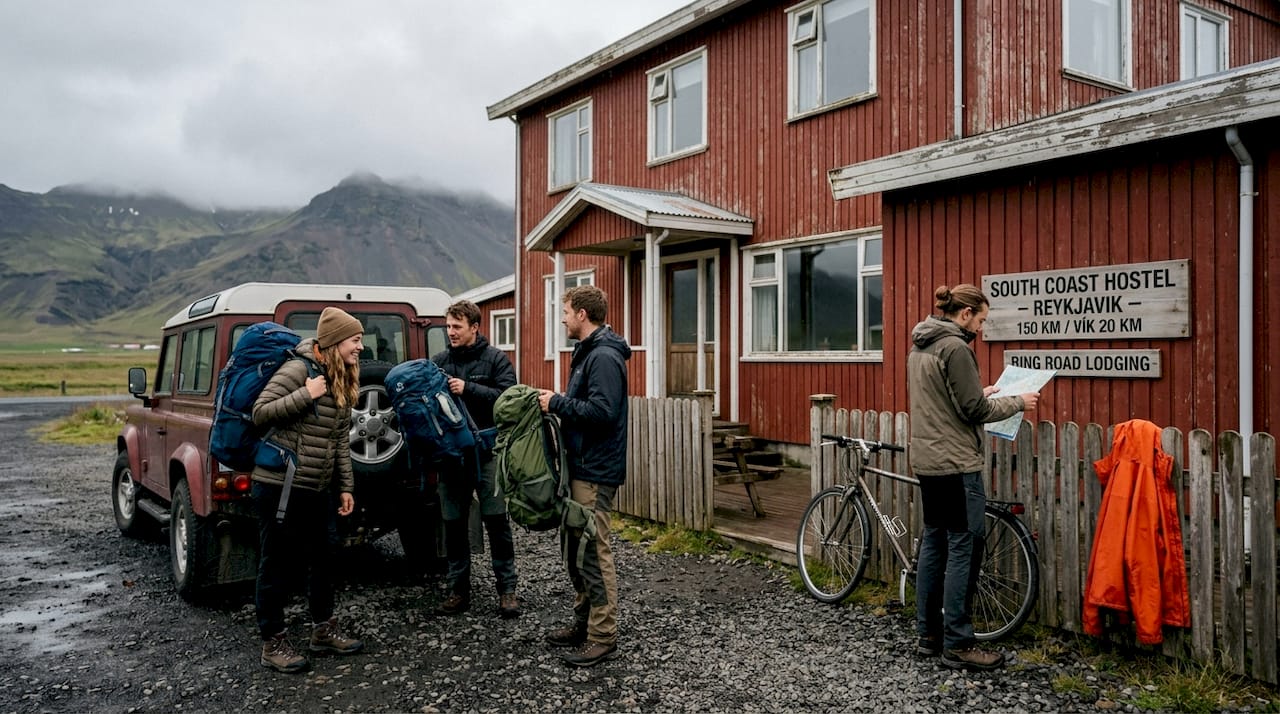
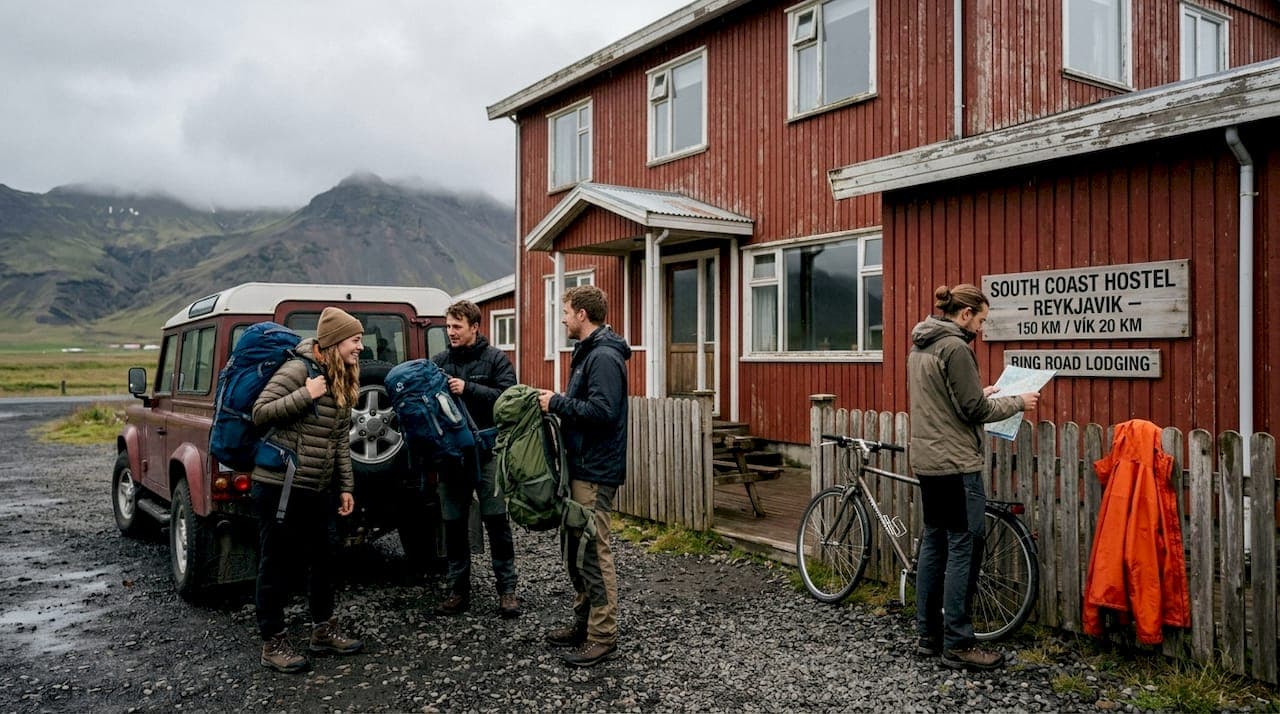
Hostels have a reputation problem. Many travelers still picture squeaky bunk beds, shared bathrooms with questionable cleanliness, and rooms packed with loud backpackers in their early twenties. That picture is outdated. Iceland’s South Coast has quietly become home to some of the most well-run, thoughtfully designed hostels in Northern Europe, and they serve solo adventurers, couples, families, and groups equally well. If you’ve been defaulting to hotels out of habit, this guide will show you exactly what you’re missing, from real cost savings to genuine community and world-class adventure access.
Table of Contents
- Cost savings: How hostels make Iceland more affordable
- Social atmosphere and community: Hostels as hubs for connection
- Flexibility and amenities: What to expect from modern hostels
- Hostels as immersive travel bases: Local experience and adventure
- Our take: Why the modern hostel outshines the hotel for Iceland adventurers
- Ready to experience the South Coast? Stay with us
- Frequently asked questions
Key Takeaways
| Point | Details |
|---|---|
| Save money, travel further | Choosing hostels in South Iceland can cut accommodation costs by up to 35% without sacrificing comfort or location. |
| Social traveler’s paradise | Hostels create daily opportunities to meet fellow explorers and share unique experiences along Iceland’s spectacular coast. |
| Flexible, modern amenities | Contemporary hostels offer private rooms, communal kitchens, and services suitable for solo travelers, couples, and families. |
| Local knowledge access | Hostel staff often unlock insider tips and adventurous excursions, deepening your connection to the South Coast. |
Cost savings: How hostels make Iceland more affordable
Let’s start with the number that matters most when planning an Iceland trip: your daily accommodation budget. Iceland is consistently ranked among the most expensive travel destinations in the world, and the South Coast is no exception. Hotels in the region regularly charge between $180 and $350 per night for a standard double room, especially during peak summer months.
Hostels flip that equation entirely. A dorm bed on the South Coast typically runs between $45 and $85 per night, while a private room in a hostel usually lands between $110 and $160. That’s a savings of 20 to 35 percent compared to equivalent hotel stays, money that goes directly toward glacier hikes, whale watching, or a few extra nights on the road.
| Accommodation type | Average nightly cost | Best for |
|---|---|---|
| Hotel (standard double) | $180 to $350 | Privacy, luxury |
| Hostel private room | $110 to $160 | Couples, light budgets |
| Hostel dorm bed | $45 to $85 | Solo travelers, groups |
The savings don’t stop at the bed. Most hostels include a fully equipped communal kitchen, which is a genuine game changer in Iceland where a sit-down dinner for two can easily cost $80 to $120. Cooking your own meals even a few times per week can save a solo traveler $200 or more over a week-long trip. Check out these Iceland budget tips for a fuller picture of how to stretch your krona.
Here’s what the savings actually look like in practice:
- Dorm bed plus self-catered meals: roughly $65 to $100 per day total
- Hotel room plus restaurant meals: roughly $250 to $400 per day total
- Hostel private room plus mixed cooking: roughly $150 to $200 per day total
Pro Tip: Book your South Coast hostel stay for three or more nights, or plan a shoulder-season trip in April, May, or September. Many hostels offer discounted rates for longer stays and dramatically lower prices outside peak summer, sometimes 30 percent below July rates.
The math is hard to argue with. Even if you splurge on one or two restaurant meals per day, a hostel-based trip costs a fraction of a hotel-based one.
Social atmosphere and community: Hostels as hubs for connection
Beyond saving money, the human connection is a core value many overlook when choosing accommodation. Hotels are designed for privacy. Walls are thick, lobbies are quiet, and most guests eat breakfast alone and disappear for the day. That’s fine if you want solitude. But for most travelers visiting Iceland’s South Coast, the experience is richer when shared.
Hostels are built around the opposite philosophy. Communal kitchens, shared lounges, and organized activities create natural opportunities to meet people from all over the world. You swap route tips over breakfast, find a last-minute hiking partner for Fimmvörðuháls, or join a spontaneous Northern Lights watch with a group of strangers who quickly become friends.
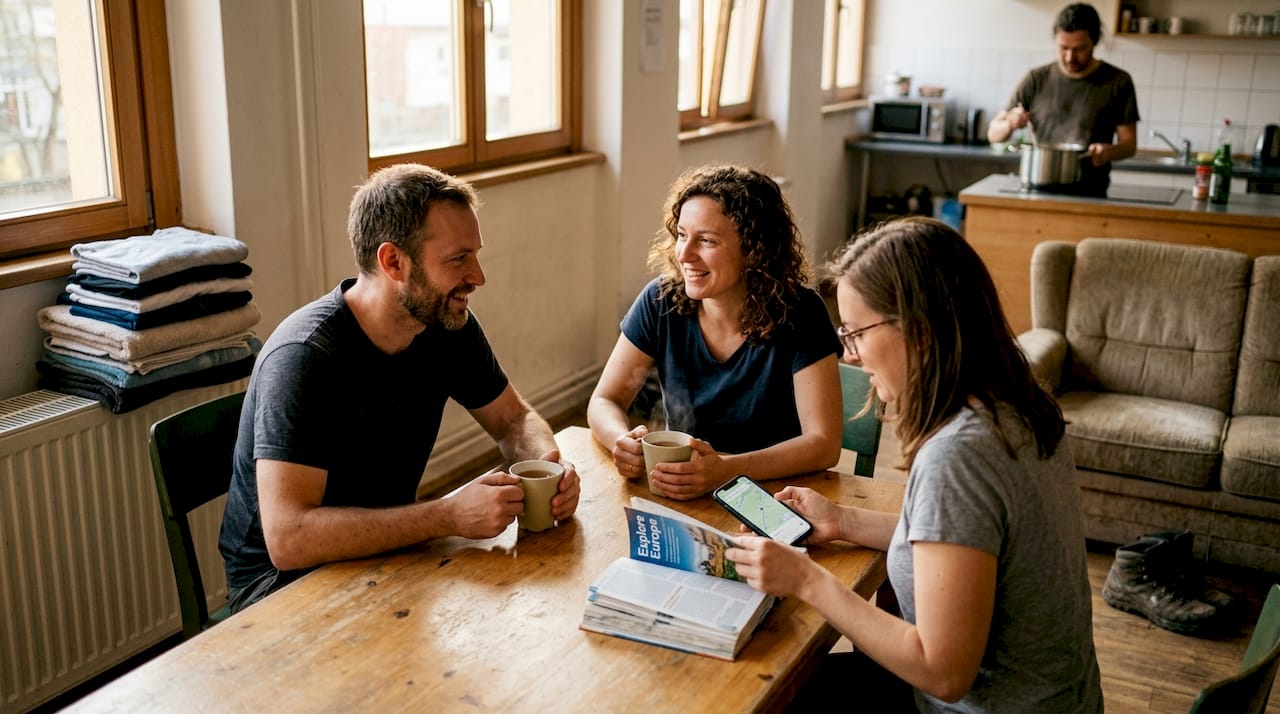
As research consistently shows, hostel guests rate the social atmosphere as one of the top benefits of choosing dorm-style accommodation over hotels. That’s not just a nice bonus. On a solo trip through a remote landscape, it can be the difference between a good trip and a transformative one.
The best social hostels in Iceland tend to organize activities that make connection easy without forcing it:
- Group glacier tours with fellow guests and a local guide
- Communal dinners where everyone contributes a dish
- Northern Lights alerts so the whole hostel heads outside together
- Map-sharing sessions where staff walk guests through the best day trips
- Game nights and movie evenings for rest days or stormy weather
Pro Tip: Don’t wait for someone else to start the conversation. Ask a question in the kitchen, offer to share a recipe, or post on the hostel’s notice board if you’re looking for a hiking buddy. The first move is always the hardest, and it almost always pays off.
“Hotels offer more privacy, but hostels provide better value for social, budget travel. For families and groups, larger hostels with private rooms can match hotel space at a fraction of the cost.”
The social energy of a great hostel is something you carry with you long after checkout. Many travelers return to Iceland specifically because of friendships made in hostel common rooms.
Flexibility and amenities: What to expect from modern hostels
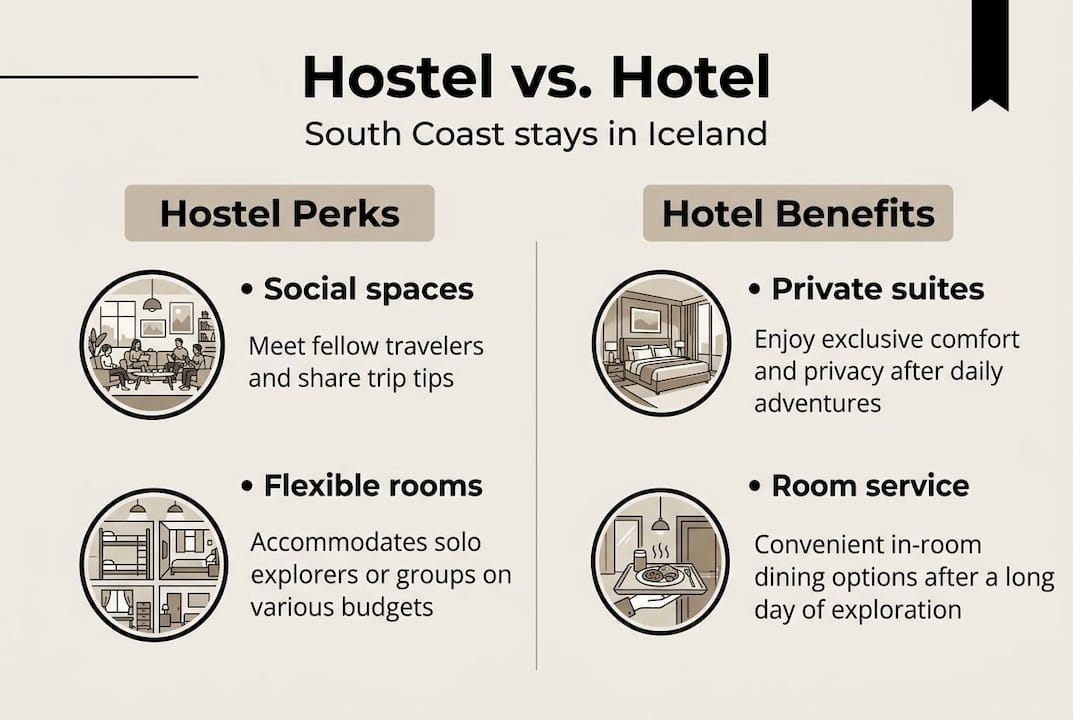
Social perks are important, but the practical side of hostel life is equally appealing. Modern hostels on Iceland’s South Coast have evolved well beyond basic bunks and shared bathrooms. Many now offer a range of room types and facilities that rival mid-range hotels in comfort, while keeping costs significantly lower.
According to hostel versus hotel comparisons, larger hostels with private rooms can genuinely match hotel-level space and comfort for families or groups, at a much lower price point. Here’s what a typical modern South Coast hostel offers:
| Facility | Typical hostel | Typical hotel |
|---|---|---|
| Room types | Dorms, privates, family rooms | Standard doubles, suites |
| Kitchen access | Full communal kitchen | Breakfast only or none |
| Common areas | Lounge, dining room, outdoor space | Lobby, bar |
| Local knowledge | Staff-led tips and tours | Concierge (variable) |
| Price per night | $45 to $160 | $180 to $350 |
Booking a hostel is also more straightforward than many first-timers expect. Here’s how the process typically works:
- Research: Filter by location, room type, and amenities. Look for rooms and dorms in South Iceland that match your group size and privacy needs.
- Booking: Reserve online with a credit card. Many hostels allow free cancellation up to 48 hours before arrival.
- Check-in: Arrive during reception hours, collect your key or locker code, and get a quick orientation from staff.
- Settling in: Claim your bunk or room, store your gear, and locate the kitchen, bathrooms, and common areas.
- Socializing: Introduce yourself, check the activity board, and ask staff for their top local recommendations.
Privacy is also more available than most people assume. Solo travelers can book a single bed in a dorm, while couples, families, or groups can often buy out an entire room for full privacy at a price that still beats most hotels. That flexibility is one of the strongest arguments for hostels in Iceland.
Hostels as immersive travel bases: Local experience and adventure
Once you know what to expect inside, it’s time to look at how hostels turn into launchpads for real adventure. This is where South Coast hostels genuinely outshine hotels. A good hotel gives you a comfortable room. A great hostel gives you a room and a crew of knowledgeable locals who know exactly where to send you.
Staff at well-run South Coast hostels often have deep roots in the region and share insider knowledge that no guidebook captures. They know which waterfall trail floods after rain, which stretch of the Ring Road has the best aurora viewing angle, and which local bakery opens early enough for a pre-hike breakfast.
Beyond staff advice, many hostels actively organize or facilitate:
- Glacier hikes on Mýrdalsjökull or Eyjafjallajökull with certified guides
- Northern Lights tours timed around weather windows and solar activity
- Volcano and lava field walks through some of Iceland’s most dramatic terrain
- Cultural evenings featuring Icelandic food, music, or storytelling
- Day trip coordination to Jökulsárlón Glacier Lagoon, Vatnajökull National Park, and the Highlands
Location matters too. The best South Coast hostels sit close to major attractions like Reynisfjara Black Sand Beach, Dyrhólaey, and the string of waterfalls between Selfoss and Vík. Being 35 minutes from Vík rather than inside it means you get quick access to services without the summer crowds.
Pro Tip: Always ask hostel staff about seasonal or hidden local experiences. In spring, that might mean puffin spotting at a cliff the tourists haven’t found yet. In winter, it might mean a private hot spring tip that doesn’t appear on any map.
For more on how immersive hostel experiences shape a South Coast trip, the difference between a passive sightseeing tour and a real adventure often comes down to who you’re staying with.
Our take: Why the modern hostel outshines the hotel for Iceland adventurers
Here’s a perspective that challenges the usual thinking: most travelers who choose hotels in Iceland do so out of habit, not genuine preference. They associate hotels with quality and hostels with compromise. But after reviewing the practical benefits, that logic falls apart quickly in Iceland’s specific context.
Hotels are the right choice if you need absolute privacy or are traveling on a luxury budget. That’s a real and valid use case. But for the vast majority of South Coast visitors, the 20 to 35 percent cost savings that hostels deliver aren’t just convenient. They’re transformative. That money funds the glacier hike you almost skipped, the extra night that lets you catch the aurora, or the kayaking tour you thought was out of budget.
Beyond cost, the hostel community changes how you experience Iceland. You leave with more friends, more stories, and more local knowledge than any hotel stay provides. The deeper takes on hostel culture make one thing clear: the memories that stick from Iceland trips almost always involve the people you met, not the thread count of your sheets.
Ready to experience the South Coast? Stay with us
If the case for hostels resonates with you, Fox Hostel South Iceland is exactly what this article describes. Set inside a beautifully converted traditional Icelandic barn in Hrífunes Nature Park, Fox Hostel sits just 35 minutes east of Vík, perfectly positioned between the South Coast’s biggest attractions and the quieter stretches of road heading east.
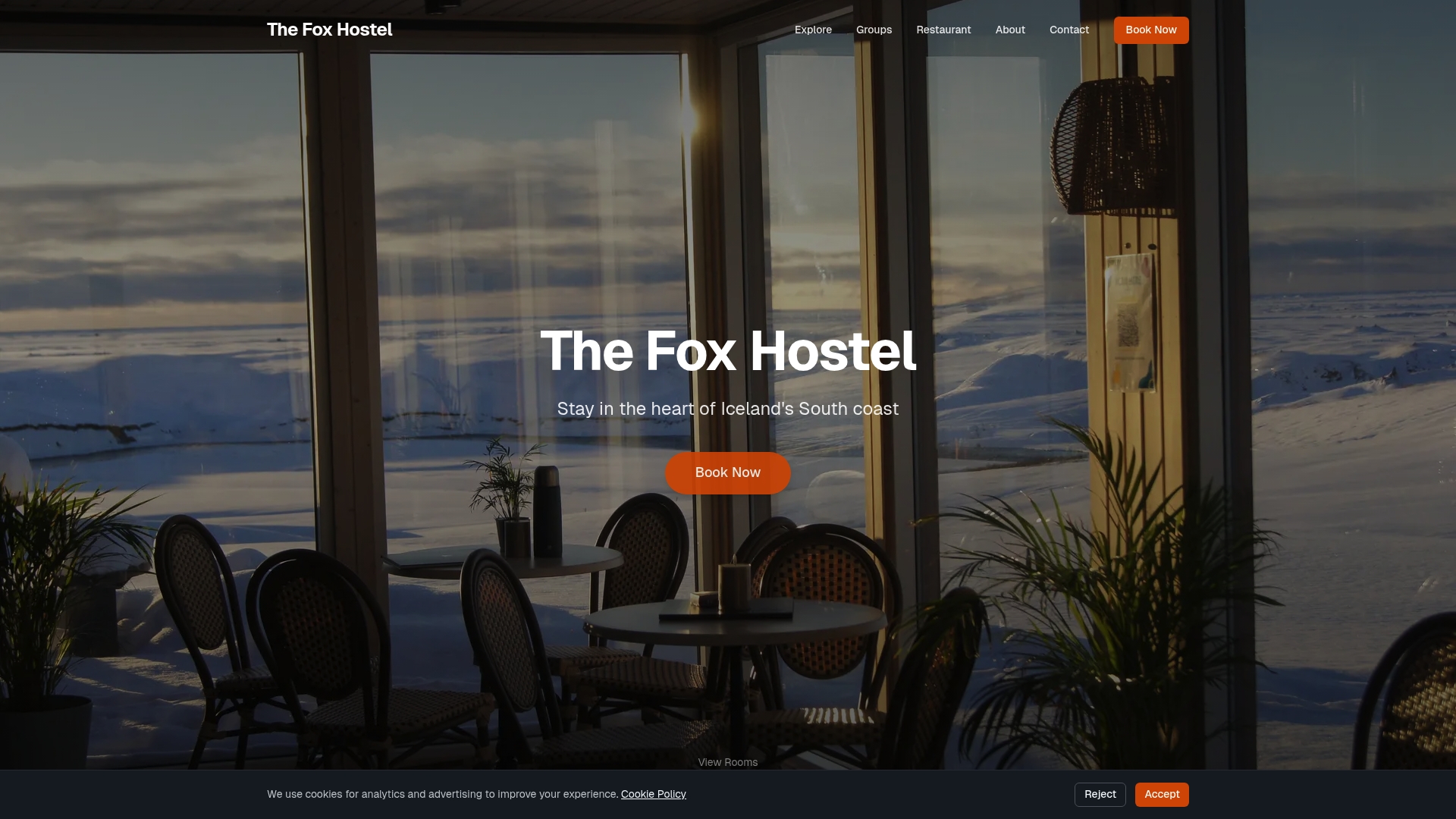
Our rooms and dorm options work for every traveler type. Solo guests book a single bed, while couples, families, or groups can take over an entire room for full privacy. The communal kitchen is massive and fully equipped, dark skies make Northern Lights viewing exceptional, and our on-site restaurant serves fresh pizza when you’d rather let someone else cook. Book directly on our site for the best available rates.
Frequently asked questions
Are hostels in Iceland safe for solo travelers?
Yes, South Coast hostels are well-regarded for safety, with secure lockers, reliable staff, and a welcoming culture that makes solo travelers feel at home quickly.
Can families or groups stay in Iceland hostels?
Absolutely. Many hostels offer private rooms or full room buyouts, so families and groups can enjoy the affordability of hostel pricing without sacrificing comfort or privacy.
How do hostel facilities compare to hotels on the South Coast?
Modern South Coast hostels offer communal kitchens, private room options, social lounges, and sometimes on-site dining, all at prices significantly below comparable hotel rates.
Are hostels good for meeting other travelers in Iceland?
Yes. The social atmosphere in hostels is one of their most valued features, with communal spaces and organized activities making it easy to connect with fellow travelers from around the world.