What Is Communal Lodging? A Traveler's 2026 Guide
What Is Communal Lodging? A Traveler’s 2026 Guide
TL;DR:
- Communal lodging includes shared accommodations like hostels and co-living spaces that emphasize social interaction and resource sharing. These models offer cost savings, built-in community, and environmental benefits, suitable for different travel purposes and stay durations. Choosing the right type and engaging actively enhances the social and health advantages of communal living on the road.
Communal lodging is defined as shared accommodation where travelers stay in private or dormitory-style rooms alongside communal spaces designed for social interaction and resource sharing. The two dominant forms are hostels and co-living spaces, each serving different traveler profiles. Both deliver the core communal living benefits: lower costs, built-in social connection, and flexible stays. Whether you are a solo backpacker booking a single bed or a digital nomad signing a month-long co-living lease, understanding what communal lodging offers helps you choose the right setup before you book.
What is communal lodging and what are its main types?
Communal lodging covers any accommodation model where guests share infrastructure, common areas, and often daily routines. The industry recognizes three main categories, each with a distinct guest profile and social contract.
Hostels are the most familiar form. They offer dormitory-style rooms with 4–12 or more beds per room, shared bathrooms, and communal lounges or kitchens. Some hostels also offer private rooms for travelers who want a quieter night without leaving the social atmosphere. The price point is the main draw: guests share the cost of space, utilities, and amenities, which makes travel significantly more affordable.
Co-living spaces are the newer, more professional version of shared housing concepts. They bundle utilities, cleaning, and internet into a single monthly payment, and typically offer private rooms with ensuite bathrooms alongside coworking desks, event programming, and curated community management. The target guest is the remote worker or digital nomad who wants a work-friendly environment with social upside.
Intentional communities and cohousing sit at the deeper end of the spectrum. These models involve shared meals, childcare, and skill-sharing among residents who have made a longer-term social commitment to one another. They are less common for short-term travelers but represent the fullest expression of cooperative housing options.
| Type | Best for | Stay length | Room type |
|---|---|---|---|
| Hostel | Budget travelers, backpackers | 1–14 nights | Dorm bed or private room |
| Co-living | Remote workers, digital nomads | 1–12 months | Private room, ensuite |
| Cohousing | Long-term residents, families | Months to years | Private unit, shared land |
Pro Tip: If you are traveling solo and want social connection without sacrificing sleep quality, look for hostels that offer room buyout options. You get a private space and still share the kitchen, lounge, and social energy of the whole property.
Why do travelers choose communal lodging?
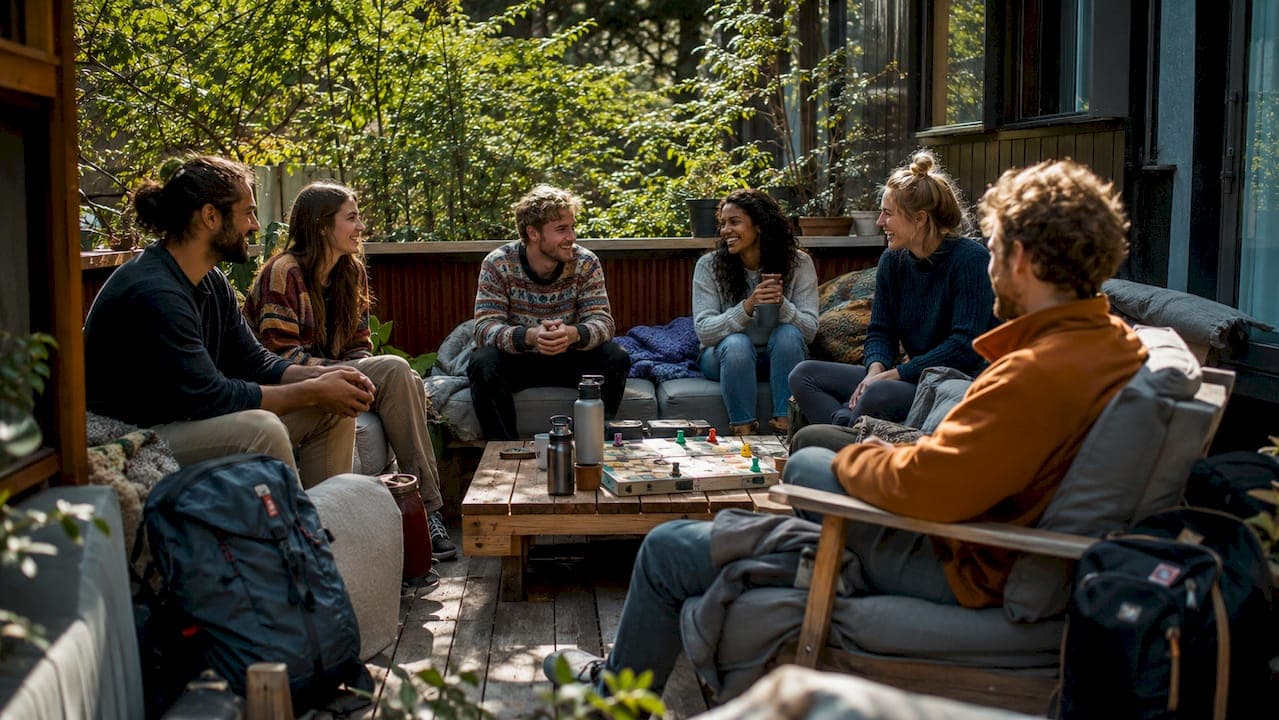
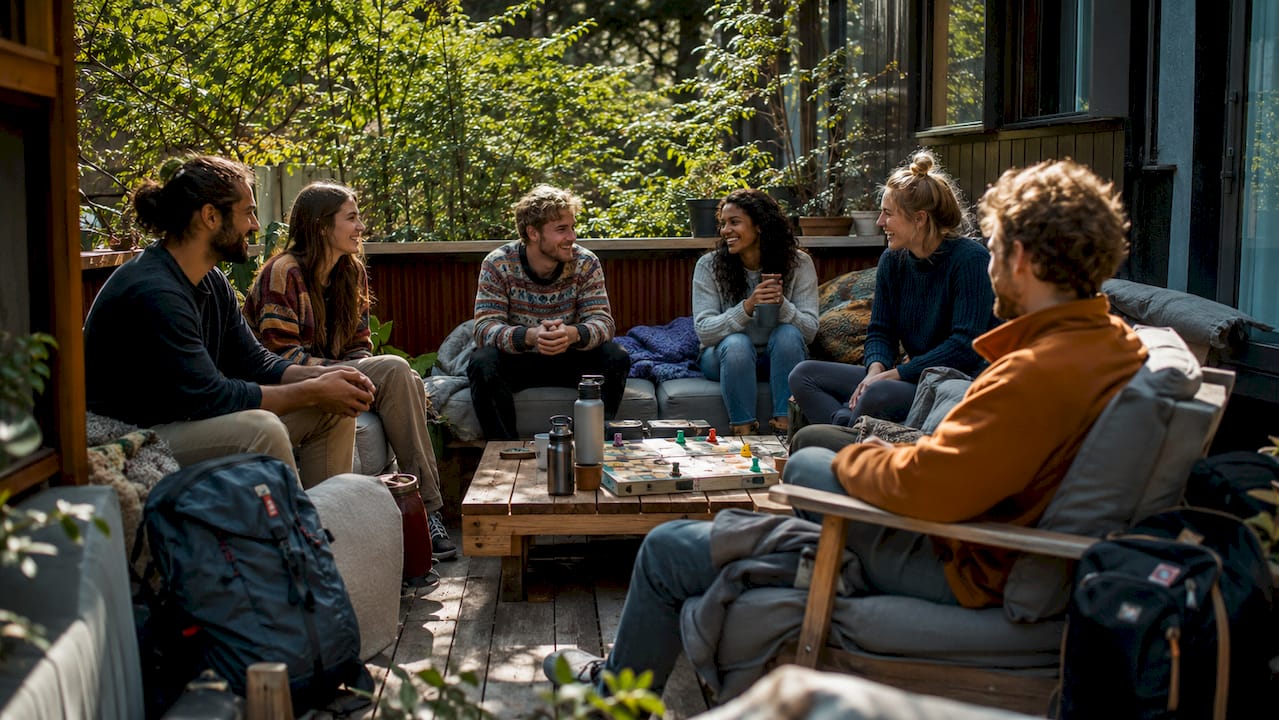
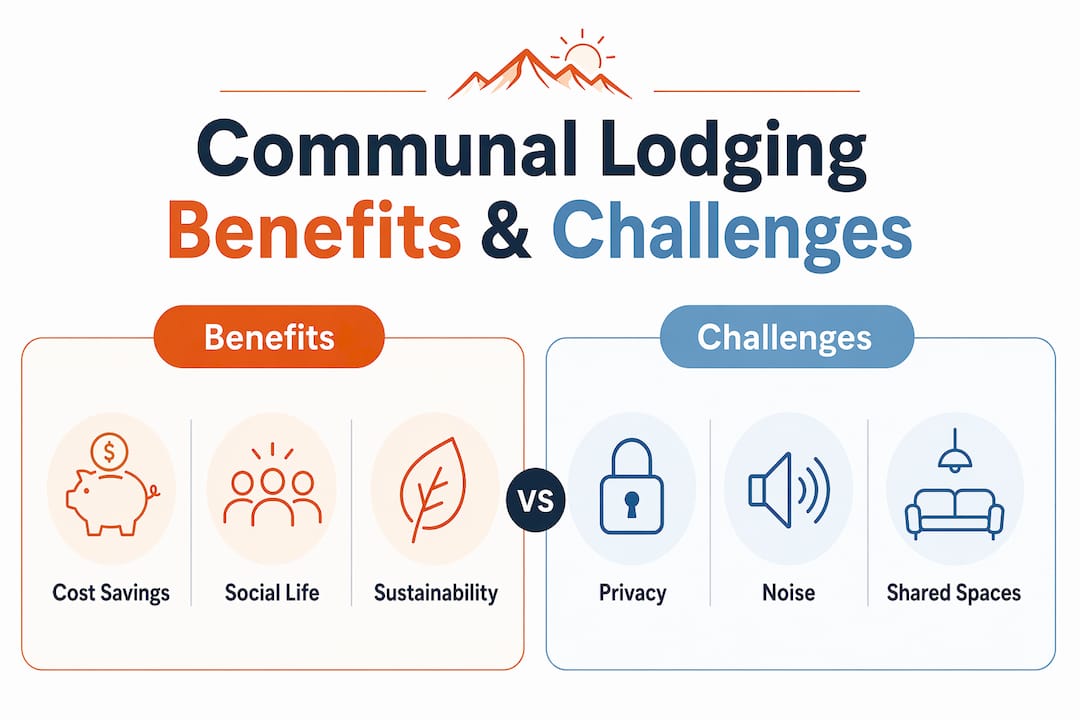
The primary reason travelers pick communal lodging is the social environment it creates by default. You do not have to work to meet people. The kitchen, the lounge, and the shared breakfast table do that work for you. Authentic interactions and shared kitchens are consistently cited as the top reasons travelers return to communal models over private hotels.

Cost savings are the second major driver. Shared accommodation cuts individual expenses by distributing the cost of space, utilities, and amenities across multiple guests. Sharing reduces individual cost-of-living and resource footprint in ways that a private hotel room simply cannot match. That saving compounds quickly on longer trips.
Flexibility is the third pillar. Co-living offers flexible leases and all-inclusive utilities, while hostels allow short-term bookings with immediate communal access. This suits the modern bleisure traveler, someone blending business and leisure, who needs a base that works for both a Zoom call and a sunset hike.
The advantages of communal lodging also extend to sustainability. Shared spaces reduce per-person energy and water consumption compared to solo hotel stays. For travelers who care about their environmental footprint, that is a meaningful difference.
- Social connection: Built-in community with travelers from dozens of countries
- Cost efficiency: Shared infrastructure lowers nightly rates and total trip costs
- Flexibility: Book a single bed or an entire room depending on your needs
- Sustainability: Lower per-person resource consumption than private accommodation
- Work-life balance: Co-living spaces support remote work alongside social activities
What are the health and sustainability advantages of communal living?
The health case for communal living is stronger than most travelers realize. A 2026 Frontiers in Public Health study found that cohousing reduces loneliness and increases social support among residents. Loneliness is a documented health risk, and communal lodging directly counters it by placing people in proximity with others who share similar interests and travel goals.
“Communal living addresses fundamental human vulnerabilities by providing care and community support, especially at vulnerable life stages such as youth and old age.” — Shared spaces strengthen community bonds
The environmental benefits are equally concrete. Shared resources cut greenhouse gas emissions and household costs. When six travelers share a kitchen instead of ordering six separate room-service meals, the energy, packaging, and food waste all drop. That is not a marginal gain. It is a structural advantage of the communal model.
Communal living also functions as what researchers at the Greater Good Science Center at UC Berkeley call “multiplayer housing.” The idea is that a larger pool of people can meet social, food, and care needs more efficiently than isolated individuals. For travelers, this shows up as shared cooking, spontaneous group dinners, and the kind of mutual support that makes a solo trip feel far less solitary.
| Benefit | Evidence |
|---|---|
| Reduced loneliness | 2026 Frontiers in Public Health cohousing study |
| Lower resource use | Shared kitchens and utilities cut per-person consumption |
| Emotional support | Multi-generational networks in cohousing models |
| Cost reduction | Bundled utilities in co-living lower monthly spend |
Hostel vs. co-living: which communal lodging fits your trip?
The clearest way to choose between a hostel and a co-living space is to ask one question: are you here to explore or to work and explore? The vibe difference is significant. Hostels are youthful and social, often with a party atmosphere in the evenings. Co-living spaces are professional and quieter, with social events built around networking and shared interests rather than late nights.
Here is a practical breakdown:
- Budget travelers and backpackers fit hostels. Dorm beds are cheap, check-in is fast, and the social scene is immediate.
- Remote workers on extended trips fit co-living. Private rooms, reliable Wi-Fi, and coworking desks make productivity possible.
- Couples or small groups can use either. Many hostels offer room buyout options that give full privacy while keeping access to shared spaces.
- Solo travelers seeking community benefit most from hostels with strong kitchen and lounge programming.
- Digital nomads on monthly stays get the most value from co-living’s all-inclusive pricing and curated community events.
The community management model also differs. Hostels create what the industry calls an “accidental community.” You meet people because you happen to be in the same space at the same time. Co-living spaces curate their community through applications, shared interest matching, and organized events. Neither is better. They serve different needs.
Pro Tip: When comparing properties, check whether the kitchen and lounge are adjacent or separated. Kitchen-lounge adjacency is the single strongest predictor of organic social interaction in communal lodging. A kitchen tucked away from the main social area kills spontaneous connection.
How to make the most of any communal lodging stay
The biggest mistake travelers make in communal lodging is treating it like a hotel. The mindset shift from consumer to active participant is what separates a forgettable stay from one you talk about for years. Guests who cook a meal for the table, share a local tip, or help a new arrival find their way create more value for everyone, including themselves.
Physical design matters too. Properties that prioritize kitchen-lounge adjacency generate more natural interaction than those with segmented private spaces. When you are choosing where to stay, look at the floor plan or photos. If the common areas look like an afterthought, the social experience will feel like one.
Chores and shared responsibilities in well-run communal properties are often organized around interest areas rather than rigid rotation schedules. Someone who loves cooking takes on kitchen stewardship. Someone detail-oriented manages the supply list. This approach builds genuine commitment rather than resentment.
A few practical rules that experienced communal travelers follow:
- Learn the hostel etiquette basics before you arrive: quiet hours, kitchen cleanup, and shared bathroom schedules
- Introduce yourself on day one. The first conversation is always the hardest. After that, the community opens up.
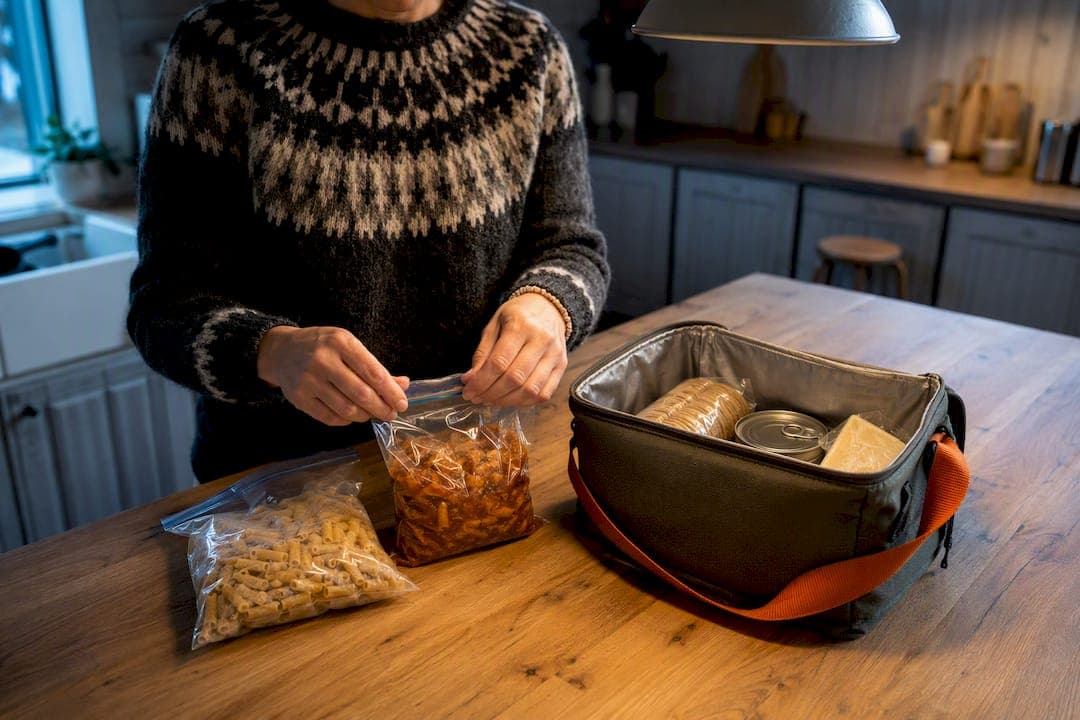
- Use the kitchen. Cooking and eating together is the fastest way to build real connection in any communal setting.
- Match your property choice to your travel purpose. A party hostel is wrong for a remote work sprint. A co-living space is wrong for a three-night stopover.
Key takeaways
Communal lodging is the most cost-effective and socially rich accommodation model available to modern travelers, provided you choose the right type for your trip purpose.
| Point | Details |
|---|---|
| Definition is clear | Communal lodging combines private or shared rooms with communal spaces for social interaction and resource sharing. |
| Three main types exist | Hostels, co-living spaces, and cohousing each serve distinct traveler profiles and stay lengths. |
| Health benefits are documented | A 2026 Frontiers in Public Health study links cohousing to reduced loneliness and stronger social support. |
| Mindset determines experience | Shifting from consumer to active participant is the single biggest factor in communal lodging satisfaction. |
| Design predicts social outcomes | Kitchen-lounge adjacency is the strongest physical predictor of organic community interaction. |
Why I think most travelers underestimate communal lodging
I have stayed in communal properties across Iceland, Portugal, and Southeast Asia, and the pattern is always the same. The travelers who get the most out of these places are not the most extroverted. They are the ones who show up with genuine curiosity and a willingness to contribute something, even if it is just a good conversation over dinner.
What surprises most people is how quickly a communal space becomes a real community. Two nights in a well-designed hostel with a good kitchen can produce friendships that outlast the trip. That does not happen in a private hotel room, no matter how nice the minibar is.
The health research backs this up. The 2026 Frontiers in Public Health findings on cohousing are not just about long-term residents. The same social mechanisms that reduce loneliness in cohousing communities operate in shorter-term communal stays. Proximity, shared meals, and low-stakes daily interaction are powerful regardless of how long you stay.
My honest advice: stop treating communal lodging as a budget compromise. It is a different travel philosophy. You trade some privacy for something most solo travelers are quietly searching for anyway, which is genuine human connection on the road. For a trip to South Iceland, where the landscapes are vast and the nights are long, that connection is not a nice-to-have. It is the whole point.
— Trygve
Experience communal lodging at its best with Foxhostel
Foxhostel in South Iceland puts every principle in this guide into practice. Set in a converted Icelandic barn inside Hrífunes Nature Park, just 35 minutes east of Vík, it offers dorm rooms and flexible booking options that work for solo travelers, couples, and groups alike. The fully equipped communal kitchen is the social heart of the property, and the on-site pizzeria keeps the energy going after a long day on the South Coast.
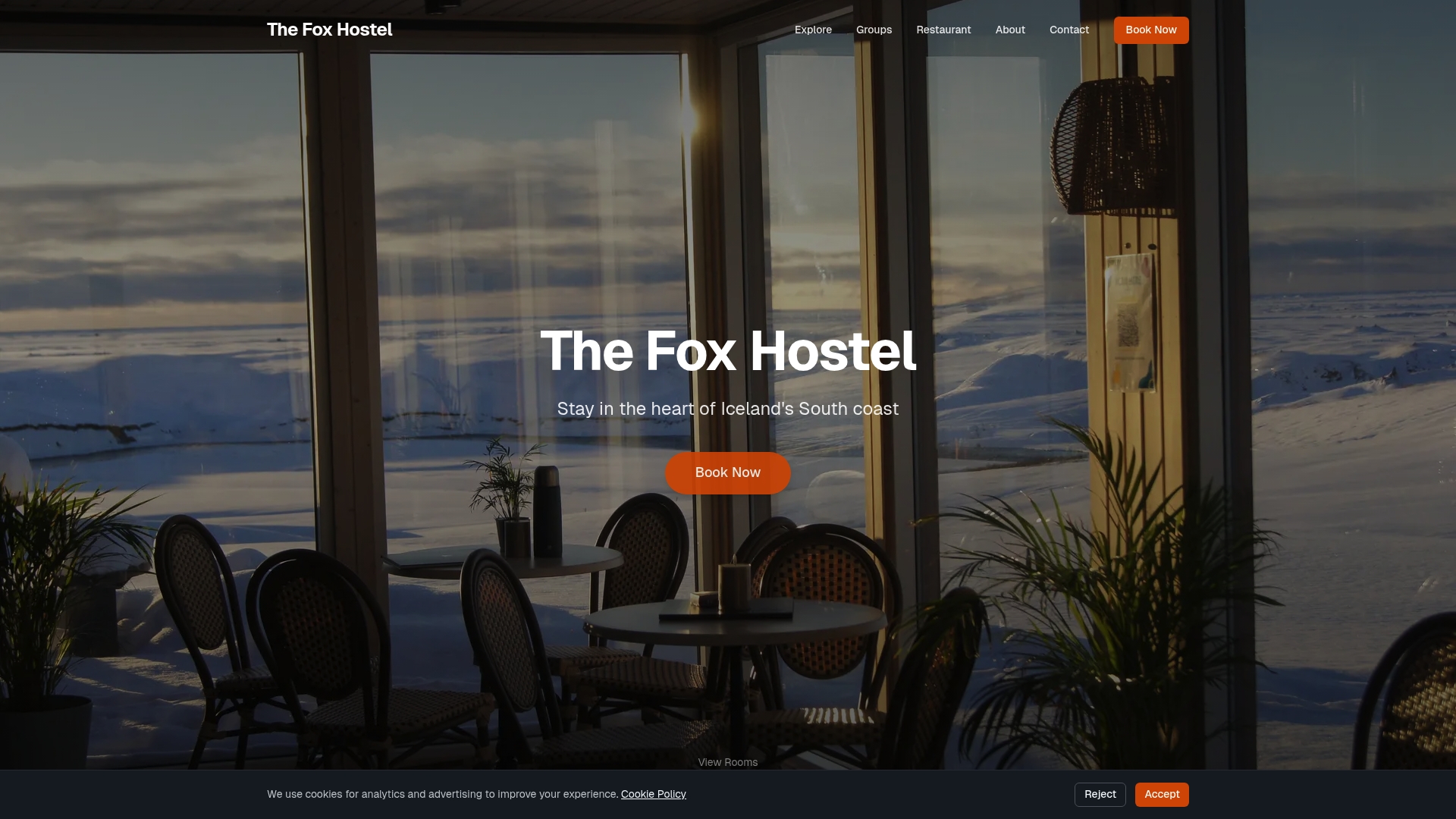
Solo travelers book a single bed. Groups book out an entire room for full privacy while still accessing the shared spaces. The location puts Reynisfjara Black Sand Beach, Dyrhólaey, Jökulsárlón Glacier Lagoon, and Vatnajökull National Park all within reach. If you want to experience communal lodging in Iceland with dark skies, Northern Lights, and a community of fellow adventurers, Foxhostel is the place to start.
FAQ
What is communal lodging in simple terms?
Communal lodging is shared accommodation where guests have access to private or dormitory-style rooms alongside shared spaces like kitchens, lounges, and coworking areas. The model is designed to reduce costs and encourage social interaction among travelers.
How does a hostel differ from a co-living space?
Hostels offer short-term dorm beds or private rooms with a social, often younger atmosphere, while co-living spaces provide private rooms with ensuite bathrooms, bundled utilities, and a professional community aimed at remote workers and digital nomads.
Is communal lodging safe for solo travelers?
Communal lodging is widely considered safe for solo travelers. Reputable hostels and co-living spaces use lockers, key-card access, and community norms to maintain security, and the social environment itself adds a layer of informal support.
What are the main benefits of communal lodging?
The core advantages of communal lodging are cost savings through shared infrastructure, built-in social connection, flexible booking terms, and a lower environmental footprint compared to private hotel stays.
How do I find good communal lodging for my trip?
Search for properties that show kitchen-lounge adjacency in their photos, read reviews that mention the social atmosphere, and check whether the property offers flexible booking or room buyout options to match your group size and privacy needs.
Recommended
- Room Types for Solo Travelers: 2026 Lodging Guide | Fox Hostel – South Iceland
- Qué significa alojamiento compartido para viajeros | Fox Hostel – South Iceland
- What Is Eco-Friendly Accommodation: A Traveler’s Guide | Fox Hostel – South Iceland
- Cuisine commune en hostel : guide pratique pour en profiter | Fox Hostel – South Iceland