What Is Rural Hospitality? A Guide for Travelers
What Is Rural Hospitality? A Guide for Travelers
TL;DR:
- Rural hospitality involves guests actively participating in local culture and agriculture in low-population areas. It fosters genuine relationships, preserves traditions, and benefits local economies through tourism. Travelers should expect slower, communal experiences focused on authenticity rather than luxury.
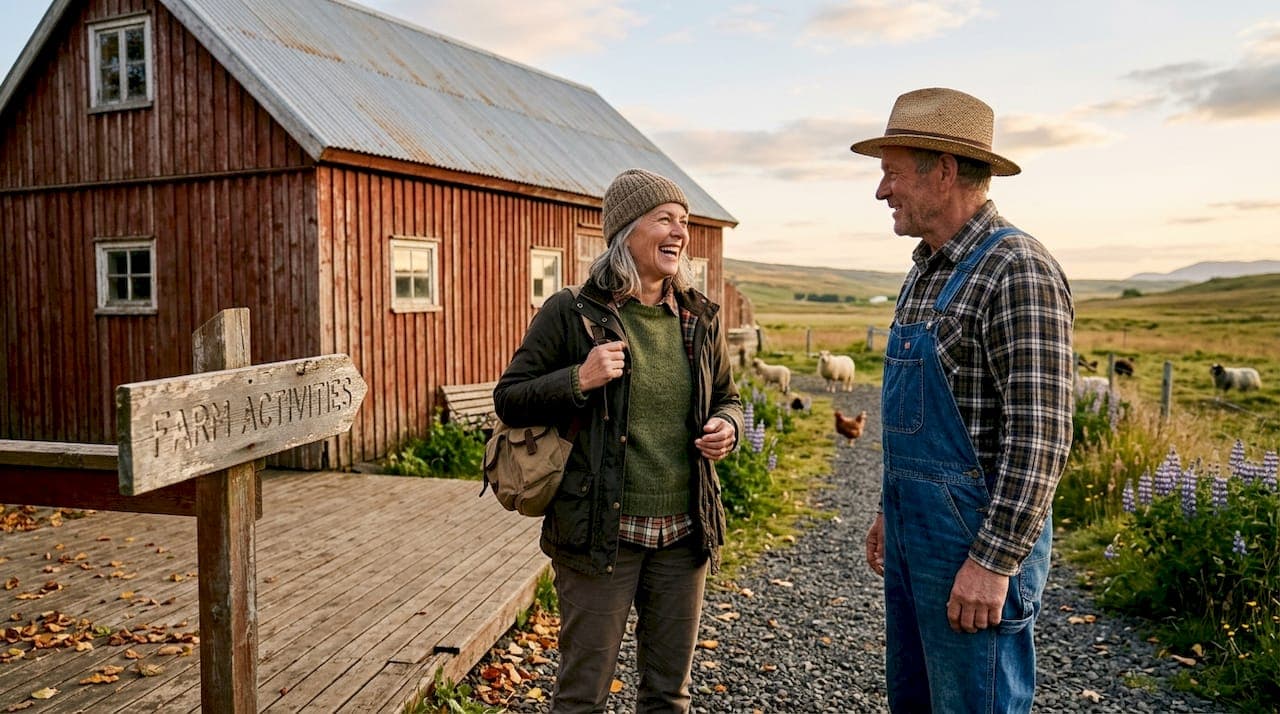
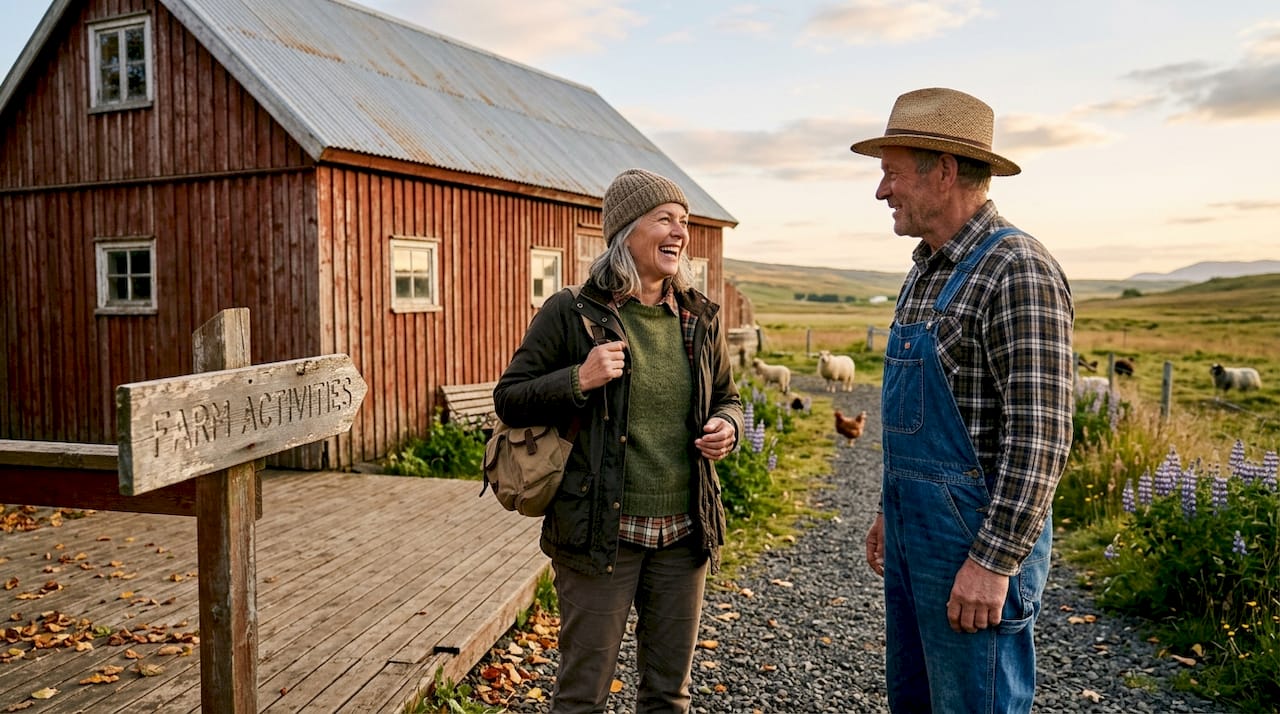
Rural hospitality is defined as the practice of welcoming guests in low-population-density areas where visitors actively participate in local traditions, agriculture, and community life. Known formally as rural tourism, this form of travel stands apart from mass tourism by prioritizing authentic guest-host relationships over standardized service. Research from 2025–2026 confirms that rural hospitality centers on community heritage and personalized experiences. Whether you stay on a working farm in Tuscany or a converted barn in South Iceland, the defining feature is the same: you are not just a guest. You are a participant.
What is rural hospitality, and what makes it different?
Rural hospitality is a form of tourism rooted in agricultural settings and small communities, where the guest experience depends on genuine interaction rather than polished service scripts. The industry term is rural tourism, and it covers everything from farm stays and agritourism to rural boutique lodges and nature retreats. What separates it from a standard hotel stay is the depth of engagement on offer.
A survey of tourists in Serbia and Italy identified four core factors that define rural tourism appeal: organic heritage, authentic comfort, authentic flavors, and warm farmstead experiences. These four factors show up consistently across rural destinations worldwide, from the vineyards of Burgundy to the lava fields of Iceland. The pattern is clear: travelers are not looking for luxury. They are looking for meaning.
The rural hospitality definition also carries economic weight. Hosts in rural areas use tourism to supplement farming income, preserve local crafts, and keep communities alive. A guest booking a night on a working sheep farm is not just buying a bed. That booking funds a way of life.
What are the main characteristics of rural hospitality?
The characteristics of rural hospitality are distinct from urban or resort-based lodging in several concrete ways.
- Low population density and natural surroundings. Rural stays place guests in agricultural or wilderness landscapes, far from city infrastructure. The setting itself is part of the product.
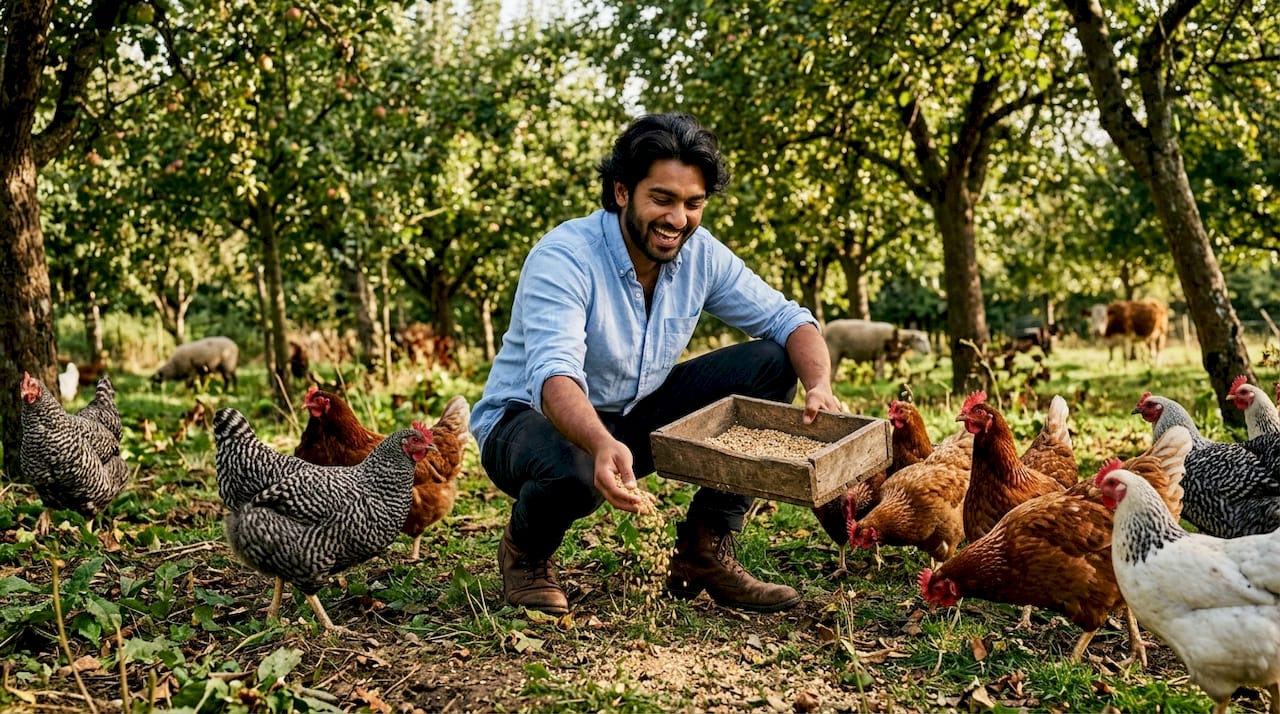
- Active guest participation. Guests join farm chores, attend local festivals, learn traditional crafts, or help with harvests. Passive observation is not the norm.
- Personalized host relationships. Hosts act as community curators, connecting guests with artisan knowledge and local seasonal rhythms rather than simply providing a room.
- Authenticity over luxury. Amenities are functional and local rather than standardized. Imperfections, like uneven stone floors or hand-stitched linens, are features, not flaws.
- Diverse accommodation types. Options range from farm stays and agritourism properties to rural guesthouses, converted barns, and nature lodges.
The accommodation range matters because it broadens access. A solo traveler on a tight budget and a family seeking privacy can both find a fit within rural hospitality. Fox Hostel in South Iceland, for example, offers dorm beds for solo travelers and full room buyouts for groups, all within a converted traditional Icelandic barn in Hrífunes Nature Park.
Pro Tip: When booking a rural stay, ask the host directly what participation looks like. Some properties offer structured activities; others leave it entirely open. Knowing in advance prevents mismatched expectations on both sides.
Why do travelers choose rural hospitality?
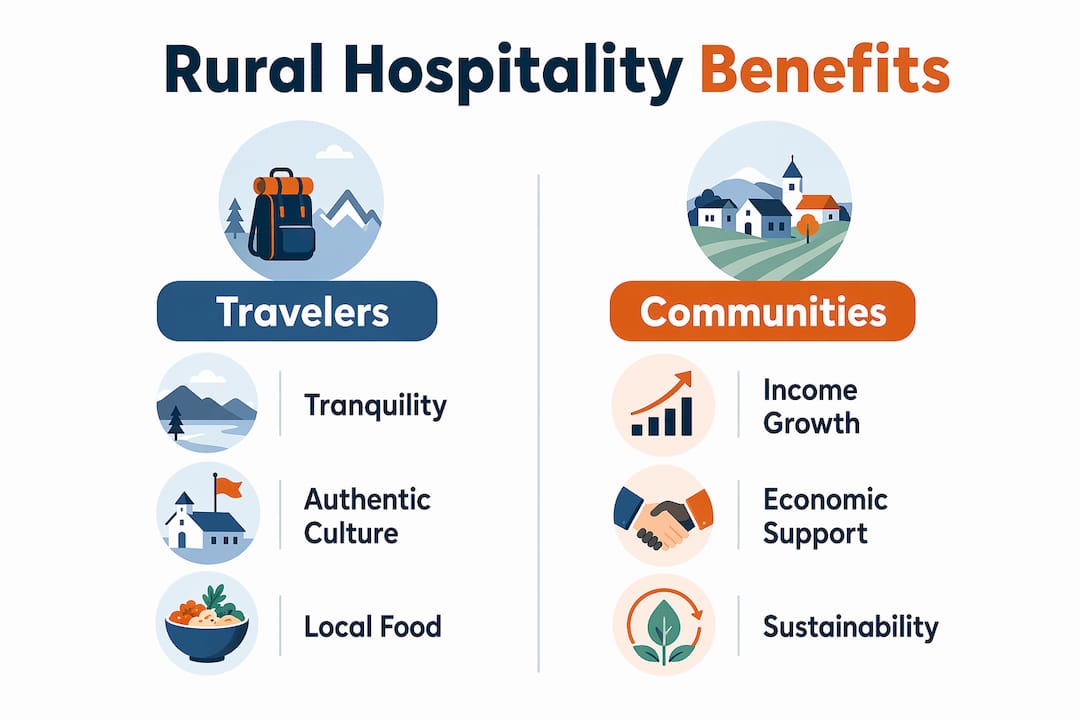
Travelers choose rural hospitality for reasons that go well beyond scenery. The motivations are specific, and they cluster around four consistent themes.
- Tranquility and mental reset. Urban travelers seek quiet that cities cannot provide. A property with no traffic noise, no crowds, and dark skies at night delivers a physical and psychological shift that resort pools cannot replicate.
- Authentic cultural encounters. Studies show that travelers engage in craft workshops and farm activities to deepen their understanding of local life and directly support rural livelihoods. The experience is educational and personal at the same time.
- Slow travel and local food systems. Rural hospitality aligns naturally with the slow travel movement, where the goal is depth over distance. Farm-to-table meals, local markets, and seasonal menus connect guests to food in ways that restaurant dining cannot.
- Affordability and value. Rural stays often cost less than urban hotels while delivering more in terms of space, meals, and included experiences. Agritourism research confirms that farm-based stays build economic opportunities for hosts while keeping costs accessible for travelers.
- Emotional belonging. Guests in rural settings frequently describe feeling “at home” in a way that anonymous hotels never produce. That feeling comes from being known by name, eating at a shared table, and being treated as a person rather than a booking number.
Pro Tip: If you want the full rural experience, plan your trip around a local event. Harvest seasons, regional festivals, and lambing periods give you a reason to participate rather than just observe. Check with your host before you book.
The benefits of rural hospitality for travelers are not just experiential. Premium rural stays increasingly focus on experiential exclusivity, like private nature access and farm-to-table dining, over traditional hotel luxuries. That shift reflects a broader change in what travelers consider valuable.
How does rural hospitality benefit local communities?
Rural hospitality delivers measurable benefits to the communities that practice it. The most direct is economic diversification. Farming income is seasonal and volatile. Tourism revenue smooths that curve and keeps families on the land.
Agritourism helps family farms diversify income and fosters community strength by connecting visitors directly with farming practices. That connection also preserves knowledge. When a guest learns to make cheese, press olives, or shear sheep, the host has an incentive to keep those practices alive. The guest becomes a reason to preserve heritage, not just a source of income.
“True rural hospitality is not just lodging but an entry to cultural engagement that benefits the community sustainably. Community-centered models associate guest participation with environmental resilience and the long-term economic sustainability of rural areas.”
Sustainability is the third pillar. South Tyrol’s Roter Hahn certification program is a well-documented example: it certifies farm-based tourism operations that meet standards for environmental practice, cultural authenticity, and guest experience. The program shows that rural hospitality can scale without losing what makes it valuable.
| Benefit | Who gains | How it works |
|---|---|---|
| Income diversification | Host families | Tourism revenue supplements seasonal farming income |
| Cultural preservation | Local communities | Guest interest creates incentive to maintain traditions |
| Environmental stewardship | Rural ecosystems | Certified programs tie revenue to sustainable land use |
| Community vitality | Entire rural regions | Tourism spending circulates locally, reducing land abandonment |
The challenge is balance. Overdevelopment erodes the authenticity that attracts travelers in the first place. Successful rural destinations balance accessibility with preservation, treating the unpolished rural character as a core asset rather than a problem to fix. Understanding local sourcing practices is one concrete way hosts maintain that balance while keeping food and supply chains rooted in the community.
What should guests expect from the rural hospitality experience?
The rural guest experience is active, not passive. Guests who arrive expecting hotel-style service will be surprised. Guests who arrive ready to participate will leave with stories they will tell for years.
- Participation is the default. Farm chores, nature walks, stargazing, local cooking, and seasonal harvests are typical activities. You are expected to engage, not just observe.
- Amenities are functional and local. Expect clean, comfortable spaces that reflect the local environment. A communal kitchen, shared dining, and locally sourced meals are more common than room service and minibars.
- The pace is slower. Meals take longer. Mornings are quieter. The rhythm of the day follows the land, not a schedule.
- Communication matters. Experienced hosts emphasize setting clear boundaries about guest involvement and private spaces. That clarity protects both the host’s wellbeing and the guest’s experience.
The role of location shapes everything in rural hospitality. A property 35 minutes from a major village gives you access to services without sacrificing the quiet. That balance is harder to find than it sounds.
| Feature | Rural hospitality | Standard hotel |
|---|---|---|
| Guest involvement | Active participation | Passive consumption |
| Amenities | Locally sourced, functional | Standardized, branded |
| Host relationship | Personal, community-rooted | Professional, transactional |
| Pace | Slow, seasonal | Consistent, scheduled |
| Primary value | Cultural immersion | Convenience and comfort |
Understanding what the rural guest experience actually involves helps travelers set realistic expectations and get more from their stay. The gap between expectation and reality is the most common source of disappointment in rural tourism.
Key Takeaways
Rural hospitality is defined by active guest participation in local culture and agriculture, and its value to both travelers and communities depends on that participation being genuine.
| Point | Details |
|---|---|
| Core definition | Rural hospitality places guests in agricultural settings where participation, not observation, drives the experience. |
| Four appeal factors | Organic heritage, authentic comfort, authentic flavors, and warm farmstead experiences define rural tourism appeal globally. |
| Community benefit | Agritourism diversifies farm income, preserves cultural traditions, and reduces rural land abandonment. |
| Guest expectations | Expect slower pace, communal amenities, and direct host relationships rather than standardized hotel service. |
| Sustainability balance | Successful rural destinations protect their unpolished character as a core asset, not a problem to fix. |
What I’ve learned about rural hospitality that most guides miss
Most travel writing treats rural hospitality as a charming alternative to city hotels. That framing misses the point entirely. Rural hospitality is a different category of experience, not a lower tier of the same one.
The most memorable rural stays I have encountered share one quality: the host is genuinely proud of where they live. That pride is not performed. It shows up in the way they explain the land, the way they cook, and the way they introduce you to neighbors. When that pride is present, every imperfection becomes part of the story. When it is absent, no amount of rustic decor compensates.
The mutual respect piece is also underrated. Hosts who maintain private spaces and set clear participation expectations last longer in this industry. Guests who respect those boundaries get better access to the real experience. The best rural stays feel like being invited into someone’s life, not renting a set piece from it.
My honest advice: go in with curiosity and low expectations for comfort. The travelers who get the most from rural hospitality are the ones who show up ready to be surprised. The ones who arrive with a checklist of amenities leave disappointed every time. Rural stays in Iceland taught me that the cold, the quiet, and the unscheduled hours are not inconveniences. They are the product.
— Siggi
Rural hospitality in South Iceland at Fox Hostel
Fox Hostel sits inside Hrífunes Nature Park in a converted traditional Icelandic barn, 35 minutes east of Vík. It puts travelers at the center of South Iceland’s most dramatic landscapes while keeping Reynisfjara Black Sand Beach and Dyrhólaey within easy reach. The location is also the midpoint between Vík and Kirkjubæjarklaustur, making it a natural base for day trips to Vatnajökull National Park and Jökulsárlón Glacier Lagoon.

The hostel offers dorm beds for solo travelers and full room buyouts for couples, families, and groups who want privacy without leaving the communal atmosphere. The on-site pizzeria, fully equipped communal kitchen, and dark skies for Northern Lights viewing make Fox Hostel a working example of rural hospitality done well. Book your stay and experience South Iceland’s countryside the way it was meant to be experienced.
FAQ
What is the rural hospitality definition?
Rural hospitality is tourism practiced in low-population-density, agricultural areas where guests actively participate in local culture, farming, and community life rather than consuming standardized services.
What are the main benefits of rural hospitality for travelers?
Travelers gain tranquility, authentic cultural encounters, local food experiences, and a sense of personal belonging that standardized hotels do not provide.
What types of accommodation fall under rural hospitality?
Rural hospitality covers farm stays, agritourism properties, rural guesthouses, converted barns, and nature lodges. Accommodation ranges from shared dorms to private rooms depending on the property.
How does rural hospitality support local economies?
Agritourism diversifies farm income and keeps rural communities economically viable by connecting tourism revenue directly to local families and land stewardship.
What should first-time rural hospitality guests know before they arrive?
Expect active participation, slower pace, and communal amenities. Ask your host about involvement expectations in advance, and treat the unpolished character of the setting as the experience, not an obstacle to it.