Why Choose Shared Spaces: Benefits for Travelers
Why Choose Shared Spaces: Benefits for Travelers

TL;DR:
- Shared accommodation offers travelers cost savings and opportunities for authentic social connection. These spaces are now a deliberate lifestyle choice for adventure travelers seeking more than just a bed.
Shared accommodation is defined as any lodging where guests share common areas, sleeping quarters, or both, trading some privacy for lower cost and built-in social connection. Travelers who choose shared spaces consistently report two core gains: meaningful savings on accommodation and faster, more authentic connections with other people. In 2026, places like Foxhostel in South Iceland and FnF Coliving in urban markets show that shared spaces have moved well beyond budget necessity. They are now a deliberate lifestyle choice for adventurers who want more from their travels than a room and a bed.
Why choose shared spaces over private accommodation?
Shared spaces reduce accommodation costs by distributing expenses across multiple guests. Flexible shared spaces cut operational costs by up to 30%, with savings reaching 70% in expensive urban markets like California. That gap is even wider in premium travel destinations where private rooms carry a steep premium.

The savings work because guests split the cost of kitchens, bathrooms, lounges, and other shared infrastructure. A solo traveler booking a dorm bed at a hostel like Foxhostel pays only for their bunk, not an entire room. The communal kitchen, the lounge, and the outdoor space are all included at no extra charge.
Beyond the nightly rate, shared spaces reduce the hidden costs of travel. A fully equipped communal kitchen means fewer restaurant meals. Shared gear storage means no locker rental fees. These small savings compound quickly on a long trip.
Cost comparison: shared vs. private stays
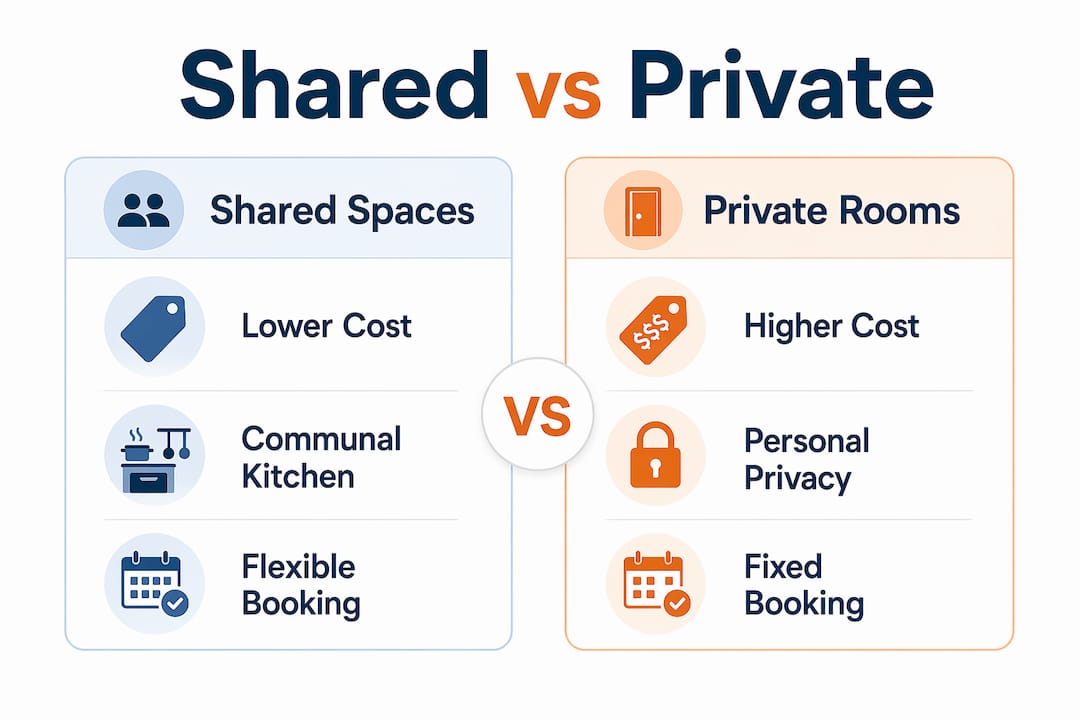
| Feature | Shared space | Private room |
|---|---|---|
| Nightly rate | Lower per person | Higher per person |
| Kitchen access | Communal, included | Often extra or unavailable |
| Social opportunities | Built in | Requires separate effort |
| Flexibility | Short-term, adaptable | Often fixed minimum stay |
| Infrastructure cost | Split across guests | Borne by one guest |
Pro Tip: Book a shared dorm for your base nights and use the savings to fund one or two private experiences, like a glacier hike or a boat tour. Your total trip budget stays the same, but the quality of your experiences goes up.
What social and mental health benefits do shared spaces provide?
Shared living spaces improve emotional well-being by providing passive social interaction that reduces stress and feelings of loneliness. Passive interaction means you do not need to actively socialize. Simply being in a room where other people are present lowers cortisol and creates a sense of safety.
Regular social contact in shared spaces fulfills a basic human need for connection. Research from UBC Magazine shows that shared spaces act as social infrastructure, combining community care with intergenerational knowledge transfer in ways that isolated living cannot replicate. For a solo traveler far from home, that kind of ambient community matters more than most people expect before they experience it.
The psychological impact of belonging is concrete. Travelers who feel part of a group report lower anxiety, better sleep, and more motivation to explore. A hostel common room, a shared kitchen table, or a communal fire pit all create the conditions for that sense of belonging without requiring anyone to perform extroversion.
The benefits of shared spaces for mental health include:
- Reduced loneliness: Passive proximity to others counters isolation, even without direct conversation.
- Lower stress: Shared environments with social activity naturally reduce anxiety compared to solitary stays.
- Sense of belonging: Repeated exposure to the same group of travelers builds trust and comfort quickly.
- Motivation boost: Body doubling and passive proximity near others enhance concentration and motivation, which matters for remote workers traveling long-term.
- Cultural exchange: Daily contact with travelers from different countries broadens perspective in ways no museum visit can.
Pro Tip: Do not wait for others to start a conversation. Sit at the communal table for your first meal, even if you are not hungry. The first 48 hours set the social tone for your entire stay.
How do shared spaces compare to private rooms in flexibility?
Many shared spaces offer short-term leases and the flexibility needed for unpredictable travel schedules. Private rooms in hotels or rental apartments typically require a minimum stay or a fixed checkout time. Shared spaces, especially hostels, let you book one night or ten with equal ease.
Professional shared accommodations also prioritize operational consistency. Zoning is a key design tool: effective shared spaces separate focus zones from social zones, so a guest who needs quiet can find it without leaving the property. This balance addresses the most common objection to shared stays, which is the fear of constant noise and zero privacy.
Modern shared spaces have also addressed the trust problem directly. Repeated exposure to neighbors in the first 48 hours reduces social anxiety and builds immediate trust. This “mere exposure” effect means that even introverted travelers typically feel comfortable within two days of arrival.
| Feature | Shared space | Private room |
|---|---|---|
| Booking flexibility | High, often nightly | Low, minimum stays common |
| Privacy | Moderate, zoned | High |
| Social opportunity | High | Low |
| Noise management | Zoned by design | Depends on hotel quality |
| Trust building | Fast, through exposure | Slow or absent |
Pro Tip: When choosing a shared space, look for properties that explicitly describe their zoning. A hostel with a dedicated quiet lounge separate from the social kitchen is a sign of professional design, not just a cheap bunk room.
What practical tips help travelers get the most out of shared spaces?
Getting the most from shared accommodation requires a small amount of intention. The space provides the conditions. You decide how much to use them.
- Choose the right type of shared space for your trip style. A party hostel in a city center suits a different traveler than a countryside hostel like Foxhostel in Hrífunes Nature Park. Read reviews specifically for atmosphere, not just cleanliness.
- Use the communal kitchen every day. The kitchen is the social center of any hostel. Cooking a meal there guarantees organic conversation without any social pressure.
- Bring noise-canceling headphones. They signal to others that you need focus time, and they protect your sleep in a dorm. This single item resolves the most common shared-space complaint.
- Show up consistently. Intentional usage and repeated presence transform shared areas into places of trust and belonging. Guests who eat breakfast in the common room every morning build stronger connections than those who appear only occasionally.
- Learn one name per day. You do not need to socialize with everyone. One genuine conversation per day is enough to make a stay feel connected rather than lonely.
The shared workspace benefits that remote workers talk about, including community, focus, and reduced isolation, apply equally to travelers staying in shared accommodation. The mechanism is the same: proximity to other motivated people raises your own energy and engagement.
What unique advantages do shared spaces offer for adventure travelers?
Adventure travelers have specific needs that shared spaces meet better than private rooms. Cost savings are the most obvious. 55% of global occupiers actively use flexible shared spaces, and the trend among travelers mirrors this shift. Lower nightly costs mean more budget for the activities that define an adventure trip.
The advantages of shared spaces for adventurers go beyond price:
- Local knowledge on demand. Other travelers in a hostel common room are a live database of trail conditions, road closures, and hidden spots. No guidebook updates as fast as a conversation with someone who hiked the route yesterday.
- Built-in travel companions. Solo travelers regularly find hiking partners, road-trip co-pilots, and dinner companions in shared accommodation. The adventure community in shared hostel spaces forms faster than in any other travel context.
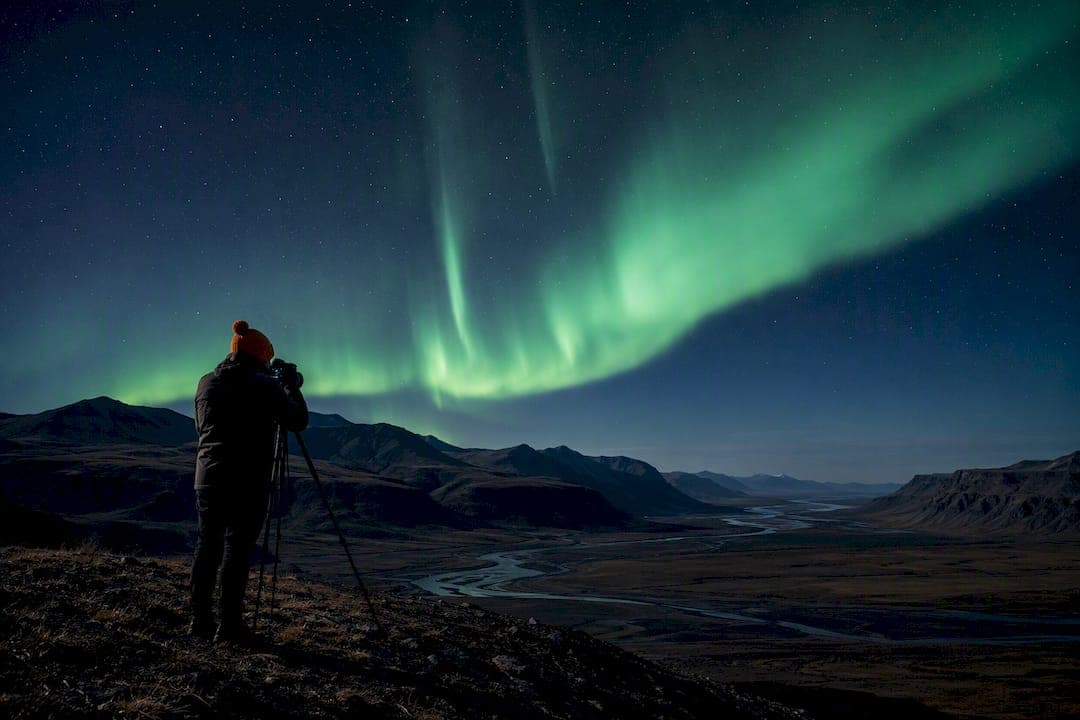
- Facilities designed for active travelers. Communal kitchens let you prepare trail food. Gear storage keeps equipment safe. Properties like Foxhostel add an on-site pizzeria and dark skies for Northern Lights viewing, which are amenities that serve the full adventure experience.
- Flexibility for changing plans. Weather cancels glacier hikes. Roads close. Shared accommodation with nightly booking lets you extend your stay without penalty when the conditions are not right.
- Cultural exchange that enriches the trip. Sharing a kitchen with travelers from Germany, Japan, and Brazil on the same night is an experience that a private hotel room simply cannot provide.
For travelers exploring Iceland’s South Coast, the room types available for solo travelers at shared hostels range from single dorm beds to full room buyouts, making shared accommodation work for every group size and privacy preference.
Key Takeaways
Shared spaces deliver the strongest value when travelers combine cost savings with deliberate social engagement, making them the most efficient accommodation choice for adventurers.
| Point | Details |
|---|---|
| Cost savings are substantial | Shared spaces reduce accommodation costs by up to 70% compared to private options in premium markets. |
| Mental health benefits are real | Passive social interaction in shared spaces reduces loneliness and stress without requiring active socializing. |
| Flexibility beats private rooms | Short-term bookings and adaptable stays suit unpredictable adventure travel schedules far better than fixed private rentals. |
| Trust builds fast | The first 48 hours of repeated exposure to fellow guests creates comfort and community, even for introverted travelers. |
| Adventure travelers gain the most | Lower costs, built-in local knowledge, and communal facilities make shared spaces the natural home base for active trips. |
Shared spaces changed how I think about travel
I used to treat accommodation as a place to sleep and nothing more. Private room, door locked, earbuds in. I thought that was efficiency. It was actually isolation dressed up as independence.
The shift happened on a trip through Iceland. I stayed in a shared hostel on the South Coast, sat down at the communal kitchen table with no plan, and ended up with a hiking partner for Reynisfjara and a dinner recommendation that was not in any guide. That one evening cost me nothing extra and added more to the trip than any paid tour I had booked.
What I have come to understand is that shared spaces are not a compromise. They are a different kind of infrastructure, one built around human connection rather than privacy. The travelers who get the most from them are not the loudest or the most social. They are the ones who show up consistently and stay open to what the space offers.
The practical advice I give now: stop optimizing for privacy and start optimizing for proximity. A well-run shared hostel gives you quiet when you need it and company when you want it. That balance is harder to find in a private room than most people realize before they try it.
— Trygve
Experience shared accommodation at Foxhostel in South Iceland
Foxhostel sits in Hrífunes Nature Park, 35 minutes east of Vík, inside a converted traditional Icelandic barn. The hostel offers dorm-style rooms where solo travelers book individual beds, while couples and groups can buy out an entire room for full privacy. The communal kitchen is fully equipped, the on-site pizzeria handles the nights you do not want to cook, and the dark skies above the property are among the best in Iceland for Northern Lights viewing.
Foxhostel is positioned midway between Vík and Kirkjubæjarklaustur, making it the ideal base for day trips to Vatnajökull National Park, Jökulsárlón Glacier Lagoon, and Reynisfjara Black Sand Beach. If you are planning a South Coast road trip and want accommodation that combines affordability with a genuine social atmosphere, book your stay at Foxhostel and see why shared spaces work best when the setting is this good.
FAQ
What are the main benefits of shared spaces for travelers?
Shared spaces reduce accommodation costs significantly and provide built-in social interaction that reduces loneliness. They also offer flexible booking terms that suit unpredictable travel schedules.
Is shared accommodation right for introverted travelers?
Shared accommodation works well for introverts because passive social interaction, simply being near others, delivers mental health benefits without requiring active conversation. Well-designed shared spaces include quiet zones for anyone who needs solitude.
How quickly do travelers feel comfortable in shared spaces?
The first 48 hours of repeated exposure to fellow guests builds trust and reduces social anxiety through a process researchers call the mere exposure effect. Most travelers feel settled within two days of arrival.
How do shared spaces save money compared to private rooms?
Shared spaces distribute the cost of communal infrastructure, including kitchens, bathrooms, and lounges, across multiple guests. This model cuts per-person costs by up to 70% in high-cost travel destinations compared to private room rates.
What should I look for when choosing a shared hostel?
Look for properties that describe their zoning clearly, separating social areas from quiet areas. A communal kitchen, flexible nightly booking, and genuine guest reviews about atmosphere are the three most reliable indicators of a well-run shared space.
Recommended
- Examples of Shared Spaces: Types, Design and Benefits | Fox Hostel – South Iceland
- Shared hostel spaces: affordable adventure & community | Fox Hostel – South Iceland
- What Is Shared Accommodation? Types, Benefits and Tips | Fox Hostel – South Iceland
- Por qué elegir alojamientos compartidos en 2026 | Fox Hostel – South Iceland