Why Visit Black Sand Beaches in Iceland: 7 Reasons
Why Visit Black Sand Beaches in Iceland: 7 Reasons
TL;DR:
- Iceland’s black sand beaches are formed from volcanic basalt lava that fractures upon contact with cold seawater, creating permanent black sand. Visiting Reynisfjara offers a unique geological, sensory, and wellness experience, but safety precautions are essential due to sneaker wave hazards. These beaches are a central feature of Iceland’s South Coast, combining dramatic scenery, wildlife, and cultural significance within accessible routes.
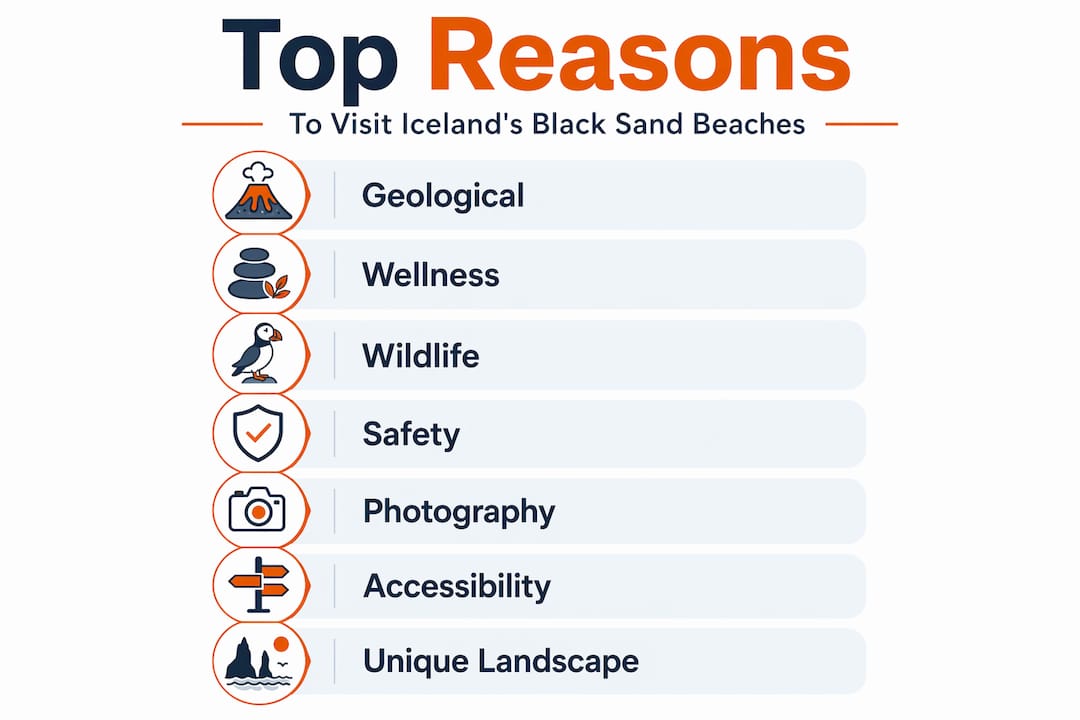
Iceland’s black sand beaches are volcanic coastal formations created when molten basalt lava shatters on contact with cold Atlantic seawater, producing one of the most visually arresting landscapes on Earth. Reynisfjara, the most famous of these beaches, sits 188 km from Reykjavik along the Ring Road, roughly a 2.5-hour drive from the capital. No white-sand resort or tropical coastline prepares you for the experience of standing on jet-black volcanic sand while Atlantic surf crashes against hexagonal basalt columns. If you’re planning an Iceland trip and wondering why visit black sand beaches in Iceland, the answer is geological, sensory, and deeply memorable.
Why black sand beaches in Iceland are unlike any other
Standard beaches form from quartz, coral, or limestone ground down over millions of years. Iceland’s black sand beaches follow a completely different process. Volcanic eruptions produce basalt lava that flows into the cold North Atlantic, where thermal shock causes the rock to fracture instantly into fragments. Wave action then grinds those fragments over thousands of years into the fine, dark grains that define beaches like Reynisfjara and Djúpalónssandur.
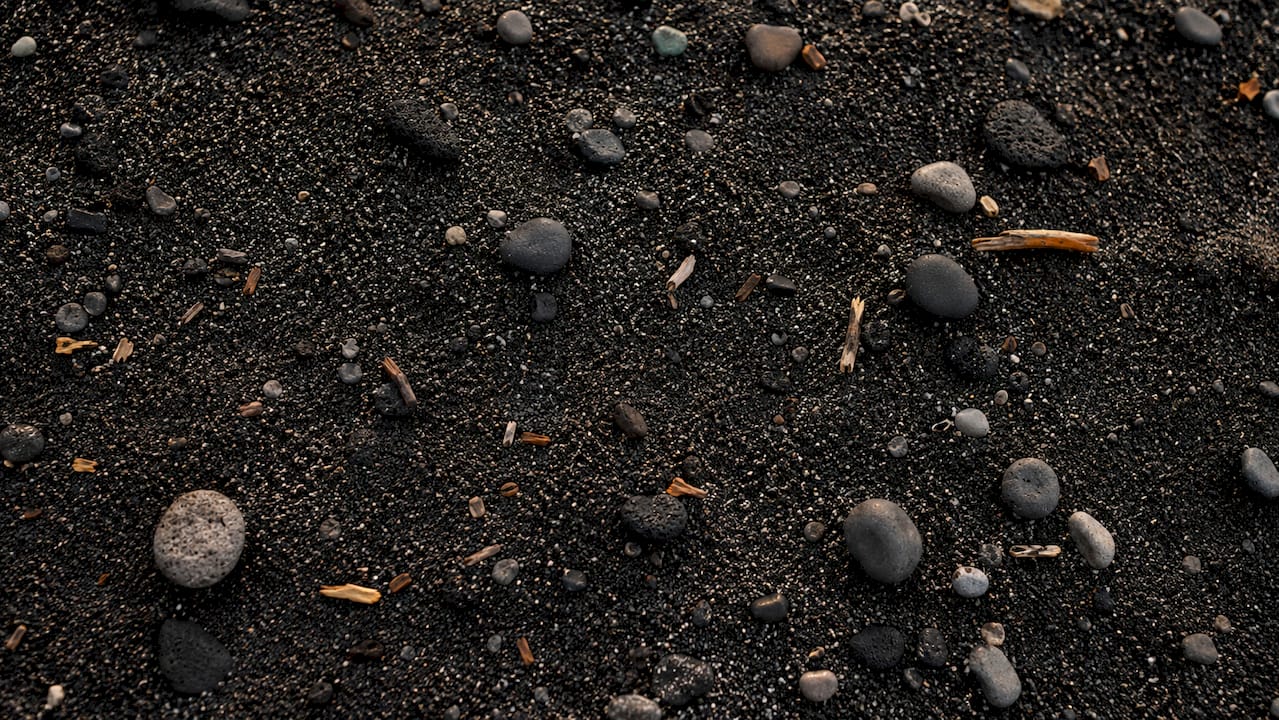
The result is sand that stays permanently black. Unlike iron-rich dark sands that fade or oxidize, basalt sand remains black even when wet, creating a stark visual contrast with white surf, gray fog, and winter snow that no other beach type can replicate. This is not a novelty. It is a direct record of Iceland’s position on the Mid-Atlantic Ridge, where the North American and Eurasian tectonic plates pull apart and volcanic activity is constant.
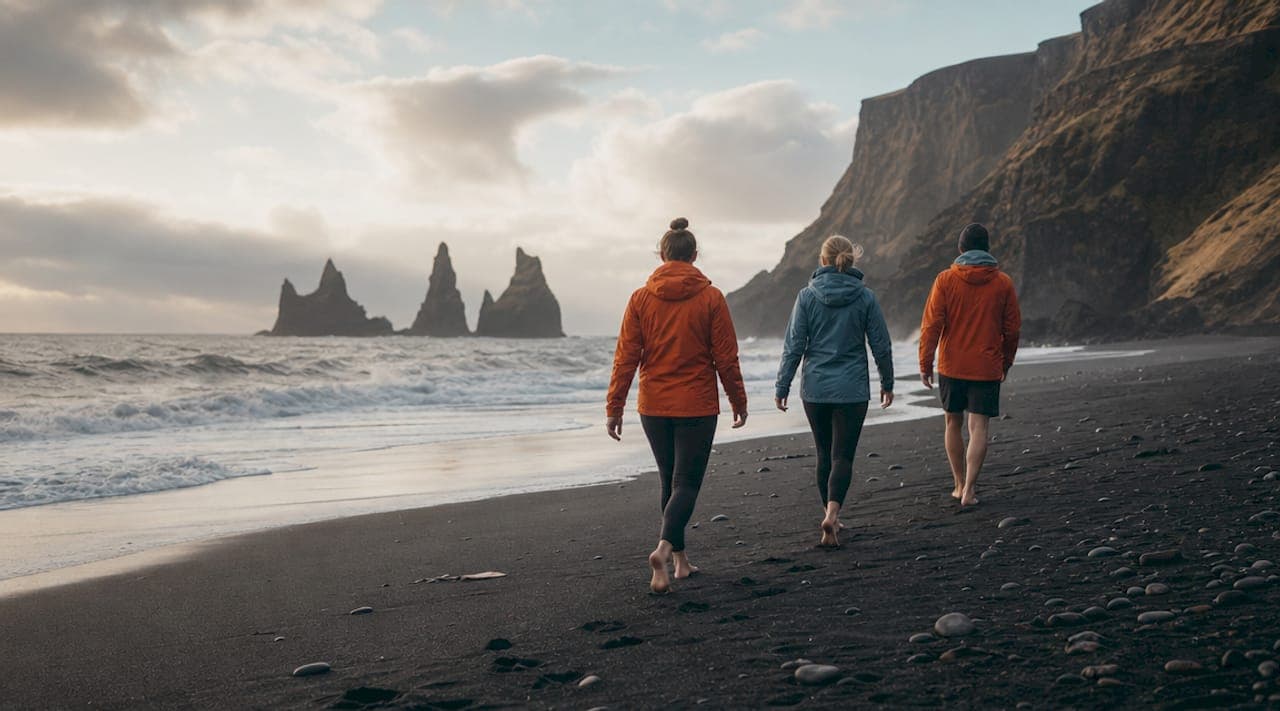
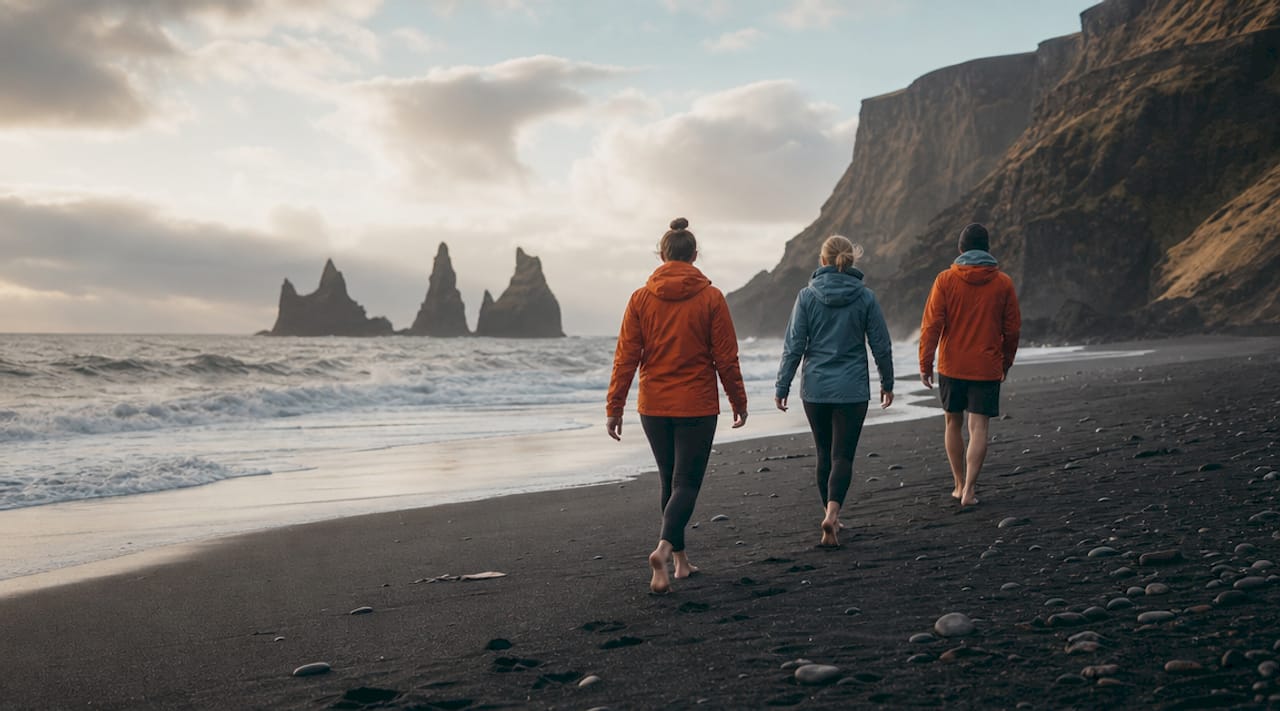
Reynisfjara’s most photographed features are the Reynisdrangar sea stacks and the Hálsanefshellir basalt column cave. The Reynisdrangar sea stacks are remnants of a once-continuous coastline eroded over millennia, rising dramatically from the surf like sentinels. The basalt columns themselves form hexagonal cross-sections because lava cools and contracts uniformly from multiple directions simultaneously. Geologists call this pattern columnar jointing, and Iceland produces some of the most photogenic examples anywhere on the planet.
| Feature | Iceland’s black sand beaches | Typical sandy beaches |
|---|---|---|
| Sand composition | Volcanic basalt | Quartz or coral |
| Color permanence | Permanently black, wet or dry | Varies with moisture |
| Geological age | Thousands of years | Millions of years |
| Coastal formations | Basalt columns, sea stacks | Dunes, cliffs |
| Wildlife | Puffins, Arctic terns | Gulls, shorebirds |
Pro Tip: Visit Hálsanefshellir cave during low tide and calm conditions. The geometric basalt columns inside the cave create a natural cathedral effect that photographs exceptionally well in overcast light, which Iceland provides in abundance.
What sensory and wellness benefits do visitors experience here?
The wellness case for visiting Iceland’s coastal spots is stronger than most travelers expect. Walking barefoot on wet basalt sand reduces cortisol levels and inflammation through direct electron transfer from the Earth’s surface, a practice researchers call grounding or earthing. Studies show this contact improves sleep quality and mood within a single session. The wet, conductive nature of black sand makes it particularly effective for this purpose compared to dry quartz sand.
The ocean proximity compounds the effect. Exposure to blue spaces, meaning any environment near open water, reduces systolic blood pressure by an average of 6 mmHg. Marine researchers describe this as the Blue Mind effect: the brain shifts from high-alert cognitive processing to a calmer, more reflective state near water. At Reynisfjara, the combination of crashing surf, salt air, and the visual weight of black sand against white foam produces a sensory environment that is difficult to replicate anywhere else.
The black-and-white landscape contrast reduces stress and cognitive load more effectively than typical sandy environments. Researchers attribute this to the visual simplicity of the scene: fewer competing colors mean the brain processes the environment with less effort. The practical result is that most visitors describe Reynisfjara as simultaneously stimulating and calming, a combination that is genuinely rare in travel.
Key sensory experiences you can expect at Iceland’s black sand beaches:
- The crunch and give of basalt gravel underfoot, which is denser and more textured than quartz sand
- Salt spray carried inland by consistent Atlantic winds, even on calm days
- The low, resonant sound of heavy surf on a steep beach face
- Negative ions from breaking waves, which research associates with improved alertness and reduced anxiety
- The visual shock of black sand meeting white surf, especially in winter light
What safety considerations should visitors keep in mind?
Reynisfjara is genuinely dangerous, and that statement is not a formality. Sneaker waves have claimed at least six lives at the beach since 2007. These waves appear without warning and surge significantly further inland than the preceding waves, pulling victims into cold water where rescue is effectively impossible. The beach’s steep gradient means water retreats fast and deep, making it nearly impossible to regain footing once swept in.
Local authorities installed a traffic light warning system at the beach entrance specifically because visitors consistently underestimate the hazard. A green light means conditions are relatively calm. A red light means waves are actively dangerous and you must stay well back from the waterline. This system is not advisory. It is the difference between a safe visit and a fatal one.
Follow these rules every time you visit:
- Check the warning light before approaching the waterline. Red means stop, regardless of how calm the water looks in that moment.
- Never turn your back on the ocean. Local experts are unambiguous on this point: sneaker waves arrive from behind without audible warning.
- Stay at least 30 meters from the waterline when waves are active. The beach’s steep slope amplifies surge distance.
- Keep children and pets on a very short leash near the water. Their lower body weight makes them far more vulnerable to wave force.
- Wear appropriate footwear. Basalt gravel composition makes walking more strenuous than typical sand, and wet basalt is slippery.
Pro Tip: The safest time to approach the waterline at Reynisfjara is during an extended lull between wave sets. Count the intervals between large waves for at least five minutes before moving closer. Even then, keep your eyes on the ocean and your escape route clear.
How do black sand beaches fit into a South Coast itinerary?
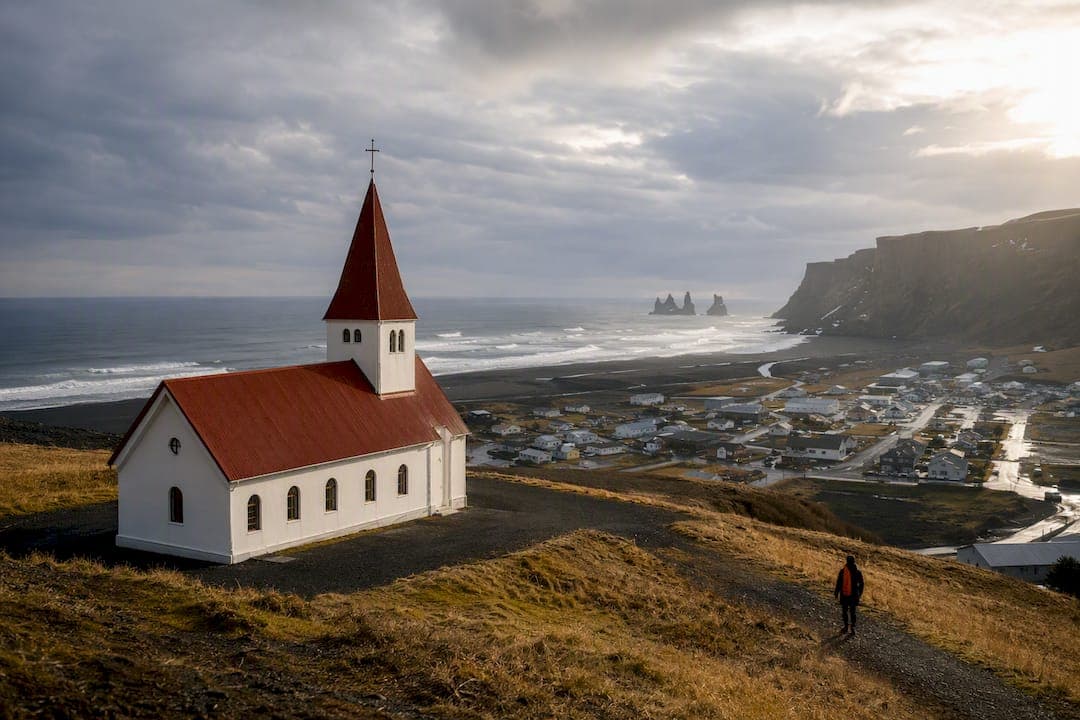
Reynisfjara sits at the center of Iceland’s most productive travel corridor. The beach stretches three kilometers between Dyrhólaey peninsula and Vík, giving you a natural anchor point for a full day of South Coast exploration. Most visitors combine the beach with Skógafoss and Seljalandsfoss waterfalls, both of which sit along the Ring Road route between Reykjavik and Vík.
The Reynisdrangar sea stacks serve double duty as a wildlife destination. From May through August, Atlantic puffins nest on the stacks and the surrounding cliffs at Dyrhólaey, making this one of the most accessible puffin viewing locations in Iceland. You do not need a boat or a guide. You need binoculars and patience. The puffins return to the same nesting sites annually and are remarkably tolerant of observers at a respectful distance.
| Attraction | Distance from Reynisfjara | Best season |
|---|---|---|
| Vík village | 5 km | Year-round |
| Dyrhólaey arch | 8 km | May to August for puffins |
| Seljalandsfoss waterfall | 60 km | Year-round |
| Skógafoss waterfall | 30 km | Year-round |
| Jökulsárlón Glacier Lagoon | 200 km | Year-round |
For travelers exploring beyond Reykjavik, the South Coast delivers the highest concentration of dramatic natural features per kilometer of any route in Iceland. Reynisfjara is not a detour. It is the centerpiece.
What practical tips improve your visit to Iceland’s black sand beaches?
Timing and preparation determine whether you get a transcendent experience or a frustrating one. Early morning visits, before 9 a.m., give you the beach with far fewer people and the best light for photography. Overcast conditions, which Iceland provides reliably, actually improve black sand photography by eliminating harsh shadows and allowing the sand’s texture to read clearly in images.
Gear recommendations for a productive visit:
- Waterproof hiking boots with ankle support. Wet basalt gravel shifts underfoot and the beach surface is uneven.
- A windproof outer layer. Atlantic wind at Reynisfjara is consistent and strong, even in summer.
- A polarizing filter if you shoot with a camera. It cuts glare from wet sand and intensifies the contrast between black sand and white surf.
- Binoculars for Reynisdrangar sea stack wildlife viewing, particularly during puffin season from May to August.
For photography specifically, the Iceland beach photography tips that consistently produce the strongest results involve shooting at the boundary between wet and dry sand, where the basalt reflects sky color and creates natural leading lines toward the sea stacks. Shoot wide to include the basalt columns, the stacks, and the surf in a single frame. That composition tells the full geological story of the beach in one image.
Sustainable practice matters here. Reynisfjara receives heavy visitor traffic, and the basalt formations are not renewable on any human timescale. Stay on marked paths, do not climb the basalt columns, and carry out everything you bring in.
Key takeaways
Iceland’s black sand beaches deliver a combination of geological drama, measurable wellness benefits, and wildlife access that no conventional beach destination can match, provided you respect the real safety hazards.
| Point | Details |
|---|---|
| Geological uniqueness | Black basalt sand forms from volcanic lava meeting cold seawater, a process unique to active volcanic islands. |
| Wellness benefits | Grounding on wet basalt sand and ocean proximity reduce cortisol and blood pressure in measurable ways. |
| Safety is non-negotiable | Sneaker waves have killed at least six people at Reynisfjara since 2007; obey the traffic light warning system every visit. |
| Itinerary integration | Reynisfjara anchors a full South Coast day that includes waterfalls, Dyrhólaey, and puffin viewing from May to August. |
| Photography advantage | Overcast light and the black-white contrast of basalt sand and surf produce images impossible to replicate elsewhere. |
What standing on black sand actually teaches you
I have visited Reynisfjara in every season, and the experience that stays with me is not the visual drama, though that is real. It is the sense of scale. You are standing on material that was liquid rock weeks, months, or centuries ago. The columns behind you formed because lava cooled slowly enough to contract into geometry. The sea stacks in front of you are what remains of a coastline that no longer exists. Visiting these beaches connects you to geological time in a way that a museum exhibit never can.
What I tell every traveler who asks about Reynisfjara is this: the danger is real, and it is part of the experience. The warning lights are not bureaucratic caution. They represent hard lessons learned from actual deaths. Respecting that system does not diminish the experience. It is the experience. You are visiting a place where natural forces operate on their own schedule, indifferent to tourism.
The emotional intensity of the black-and-white landscape is something I did not expect on my first visit. There is a photographic and emotional purity to basalt sand that quartz beaches simply do not produce. The color does not shift or fade. The contrast does not soften. It is one of the few landscapes that looks exactly as dramatic in person as it does in photographs, which is a genuinely rare thing to be able to say about any place on Earth.
— Trygve
Stay close to the action with Foxhostel

Foxhostel sits in Hrífunes Nature Park, just 35 minutes east of Vík, placing you within easy striking distance of Reynisfjara Black Sand Beach and Dyrhólaey without the noise and crowds of village accommodation. The hostel occupies a converted traditional Icelandic barn and offers dorm beds for solo travelers as well as full room buyouts for couples and groups who want privacy. An on-site pizzeria, a fully equipped communal kitchen, and dark skies ideal for Northern Lights viewing make it a genuine base camp rather than just a place to sleep. From Foxhostel, you can reach Reynisfjara before the morning crowds arrive, then push east toward Jökulsárlón Glacier Lagoon the same day. Book your stay and use the South Coast the way it deserves to be used.
FAQ
What makes Iceland’s black sand beaches different from other dark beaches?
Iceland’s black sand beaches form from volcanic basalt lava that fractures on contact with cold seawater, producing permanently black sand. Most dark beaches elsewhere contain iron-rich minerals that oxidize and lighten over time.
When is the best time to visit Reynisfjara Black Sand Beach?
Reynisfjara is accessible year-round, but May through August offers the best combination of longer daylight, calmer weather, and puffin nesting on the Reynisdrangar sea stacks. Early morning visits in any season minimize crowds.
How dangerous are the sneaker waves at Reynisfjara?
Sneaker waves at Reynisfjara have caused at least six fatalities since 2007. Always obey the traffic light warning system at the beach entrance and never turn your back on the ocean.
How far is Reynisfjara from Reykjavik?
Reynisfjara is approximately 188 km from Reykjavik, roughly a 2.5-hour drive along the Ring Road. Most visitors combine it with South Coast waterfalls like Skógafoss and Seljalandsfoss on the same day.
Do I need special footwear for black sand beaches in Iceland?
Yes. Basalt gravel is denser and more uneven than quartz sand, and wet basalt is slippery. Waterproof hiking boots with ankle support are the practical choice for comfortable and safe exploration of the beach and surrounding formations.
Recommended
- Guía para visitar playas negras en Islandia | Fox Hostel – South Iceland
- Top sites à visiter depuis Vík : guide 2026 | Fox Hostel – South Iceland
- Must-see attractions near Vík: adventure & hidden gems | Fox Hostel – South Iceland
- Why Explore Beyond Reykjavik: Iceland’s Best Kept Secrets | Fox Hostel – South Iceland