One Hour on Iceland’s South Coast: Fjallsárlón or Jökulsárlón?
One Hour on Iceland’s South Coast: Fjallsárlón or Jökulsárlón?

Pick Jökulsárlón if you want the postcard shot, Diamond Beach, and boat tours with more availability. Pick Fjallsárlón if you’d rather stand closer to the glacier face with a fraction of the crowd. Since they sit only about 10 kilometers apart on Route 1, most road-trippers with a spare hour end up doing both.
TL;DR:
- Fjallsárlón offers a closer view of the glacier face and fewer crowds, making it ideal for intimate photography and near-ice experiences.
- Jökulsárlón provides larger boat tours, exhibits more scale and activity, and is better suited for first-time visitors seeking the full glacial and ocean experience.
- Both lagoons are about five hours’ drive from Reykjavík, with Fjallsárlón accessed via gravel and winter weather requiring additional vehicle caution.
- Visiting early morning or late evening reduces crowd levels at Jökulsárlón, while Fjallsárlón remains quiet throughout the day for better photo opportunities.
- Booking boat tours in advance during summer is essential, with Fjallsárlón’s smaller Zodiacs selling out more quickly than Jökulsárlón’s larger fleet.
Table of Contents
- Fjallsárlón vs Jökulsárlón: Size, Scale, and Glacier Proximity
- Boat Tours: What Each Lagoon Actually Offers on the Water
- Getting to Fjallsárlón and Jökulsárlón From Route 1
- Crowds, Timing, and Getting the Best Photos at Each Lagoon
- Safety Rules and Official Resources Before You Go
- Suggested Itineraries: How Long to Spend at Each Lagoon
- Sources
- FAQ
Fjallsárlón vs Jökulsárlón: Size, Scale, and Glacier Proximity
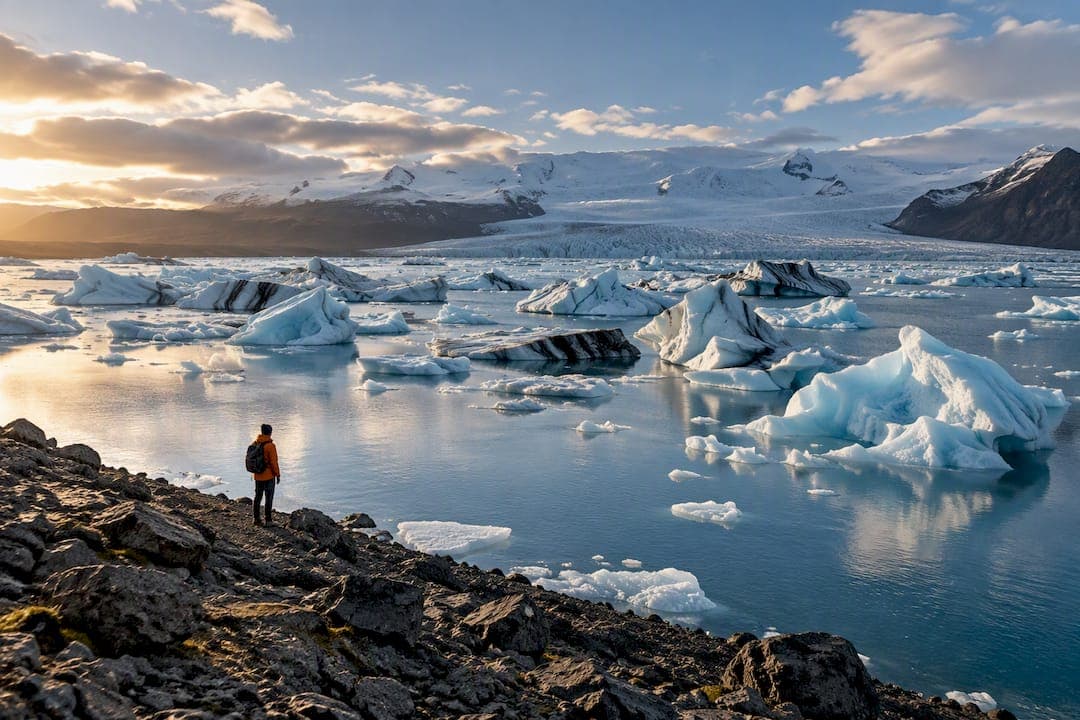
The two lagoons look related because they are, but the differences show up the moment you step out of the car. Jökulsárlón is Iceland’s deepest lake, with a reported depth of roughly 248 meters and a surface area big enough to hold icebergs the size of small buildings. Fjallsárlón covers closer to 4 square kilometers, a fraction of its neighbor’s scale, but that smaller footprint means the glacier tongue reaches almost to the water’s edge.
That proximity changes what you actually experience. At Fjallsárlón, you’re standing near the ice rather than looking across a wide bay at it. At Jökulsárlón, the payoff is scale: an open, shifting field of icebergs drifting toward a channel that empties into the ocean.
| Feature | Fjallsárlón | Jökulsárlón |
|---|---|---|
| Relative size | Smaller, ~4 sq km | Larger, Iceland’s deepest lake |
| Glacier front proximity | Very close to shore | Farther across open water |
| Boat tours | Zodiac only, summer | Amphibian & Zodiac, May–Oct |
| Facilities | Minimal, basic parking | Visitor center, café, restrooms |
| Crowd level | Quiet, few buses | Busy, major tour-bus stop |
| Signature feature | Intimate calving sounds | Diamond Beach & sea channel |
If you only remember one number from this comparison, make it the depth gap: 248 meters versus a lagoon you can walk most of the way around in twenty minutes.
- Choose Fjallsárlón if you want fewer people, a closer glacier wall, and don’t mind skipping the beach.
- Choose Jökulsárlón if this is your first time in Iceland and you want the full package: ice, ocean, and black sand ice sculptures.
- Choose both if your itinerary has a spare hour or two and you’re already driving this stretch of Route 1.
Boat Tours: What Each Lagoon Actually Offers on the Water
The boats aren’t interchangeable experiences with different names. Jökulsárlón runs both amphibian boats and Zodiac tours, generally operating from May through October, and larger group sizes mean tours are easier to book on short notice. Seals are a common sighting near the mouth of the lagoon, and the amphibian boats make boarding simple for travelers who aren’t comfortable climbing into a low inflatable craft.
Fjallsárlón takes the opposite approach: smaller Zodiac-only tours that run in the summer months, weather permitting, with far fewer passengers per trip. That intimacy is the whole appeal. You’re closer to the ice, the guide talks to a handful of people instead of a bus load, and the boat can maneuver nearer to calving sections of the glacier.
- Jökulsárlón: amphibian or Zodiac, bigger groups, easier booking, possible seal sightings.
- Fjallsárlón: Zodiac only, smaller groups, closer glacier approach, more dependent on weather.
- Both require climbing into the boat and following a crew safety briefing before departure.
Neither lagoon runs regular boat tours through winter, so if you’re visiting between November and April, plan on shore viewing only at both spots.
Pro Tip: If you get seasick easily or have mobility concerns, ask about the amphibian option at Jökulsárlón before booking. Zodiacs sit low in the water and require a bit more agility to board.

Getting to Fjallsárlón and Jökulsárlón From Route 1
Jökulsárlón sits right off Route 1, with a large parking area, restrooms, and a visitor center visible from the road. Fjallsárlón takes a bit more effort: watch for a marked turn-off onto a gravel side road, which leads to a smaller car park with basic facilities and none of the built-up infrastructure you’ll find at its larger neighbor.
Both lagoons sit roughly four to five hours’ drive from Reykjavík along the South Coast, depending on stops. Here’s how to plan the approach:
- Check vedur.is for weather warnings before you leave, especially in fall and winter when wind and ice fog can close roads.
- Check Vegagerdin (Road Administration) for real-time road conditions on Route 1 near Breiðamerkursandur.
- Fuel up before you commit to the gravel turn-off to Fjallsárlón. There’s no fuel station at either lagoon.
- If driving a rental sedan in winter, confirm your vehicle is rated for the gravel and ice conditions common on that side road.
Summer driving is straightforward in a standard car. Winter changes the math: ice, wind gusts, and shorter daylight make the Fjallsárlón side road less forgiving than the paved approach to Jökulsárlón.
Crowds, Timing, and Getting the Best Photos at Each Lagoon
Jökulsárlón draws tour buses by mid-morning and stays busy until late afternoon, especially in June and July. Arrive before 9 a.m. or after 6 p.m. and you’ll get a noticeably different lagoon: fewer people at the shoreline, softer light, and more room to actually enjoy the ice without weaving around groups.
Fjallsárlón rarely reaches that kind of crowd density at any hour, which is part of why photographers favor it for close-up glacier shots without strangers in the frame.
- Golden hour light (early morning or evening) works better for both lagoons in summer, when the sun sits low for hours.
- The bridge overlooking Jökulsárlón gives a wide shot of the whole lagoon and distant glacier.
- Diamond Beach, just across the road from Jökulsárlón, offers the classic ice-on-black-sand shot at low tide.
- Fjallsárlón’s shoreline lets you get tighter shots of the glacier face without a zoom lens.
The sensory difference matters as much as the visual one. At Fjallsárlón, the narrower basin amplifies calving sounds, so you often hear ice cracking before you see it fall. Jökulsárlón trades that intimacy for an expansive, almost oceanic feel.
Safety Rules and Official Resources Before You Go
Both lagoons look calm, and both can be dangerous if you treat them casually. Icebergs shift without warning, and the water underneath is far colder and deeper than it appears from shore.
- Never climb onto icebergs, floating ice, or attempt to swim in either lagoon.
- Stay behind marked paths and follow any ranger or staff instructions on-site.
- Check the Vatnajökull National Park pages, vedur.is, and Vegagerdin before you drive out.
- Dress for wind and spray: waterproof jacket, closed shoes with grip, and a warm layer even in July.
Pro Tip: Pack gloves even in summer. The wind off the ice at both lagoons is sharper than the air temperature suggests, and boat tours put you directly in the spray.
Suggested Itineraries: How Long to Spend at Each Lagoon
If you’re pressed for time, one hour is enough for a quick stop at Jökulsárlón: park, walk the shoreline, snap a few photos, and move on. Skip Fjallsárlón entirely on a tight schedule since the detour eats time you don’t have.
- Short stop (1 hour): Jökulsárlón only, shoreline walk plus a quick look at Diamond Beach across the road.
- Half-day (3 to 4 hours): Add a boat tour at either lagoon, plus a longer walk on Diamond Beach and time to photograph both angles of the ice.
- Full day: Visit Fjallsárlón first for quieter light and glacier close-ups, then Jökulsárlón for the boat tour and beach, breaking up the drive with a stop in Skaftafell or continuing east toward Höfn for the night.
Book any boat tour in advance during peak summer weeks. Slots fill fast, and Fjallsárlón’s smaller Zodiacs sell out quicker than Jökulsárlón’s larger fleet.
Why Fox Hostel Recommends Seeing Both Lagoons
A hostel on the South Coast between Vík and Kirkjubæjarklaustur can provide guests a head start toward Vatnajökull National Park the next morning. Staying nearby instead of driving straight from Reykjavík means you can reach Jökulsárlón or Fjallsárlón before the tour buses do, when the light and the shoreline are both at their best.
— Siggi
Base Yourself Near the Lagoons at Fox Hostel
Staying on the South Coast can give travelers a head start on Jökulsárlón and Fjallsárlón without the four-hour morning drive from Reykjavík. Situated in a converted barn in Hrífunes Nature Park near Vík, the location allows for early departures before the tour buses arrive and time to return for dinner.
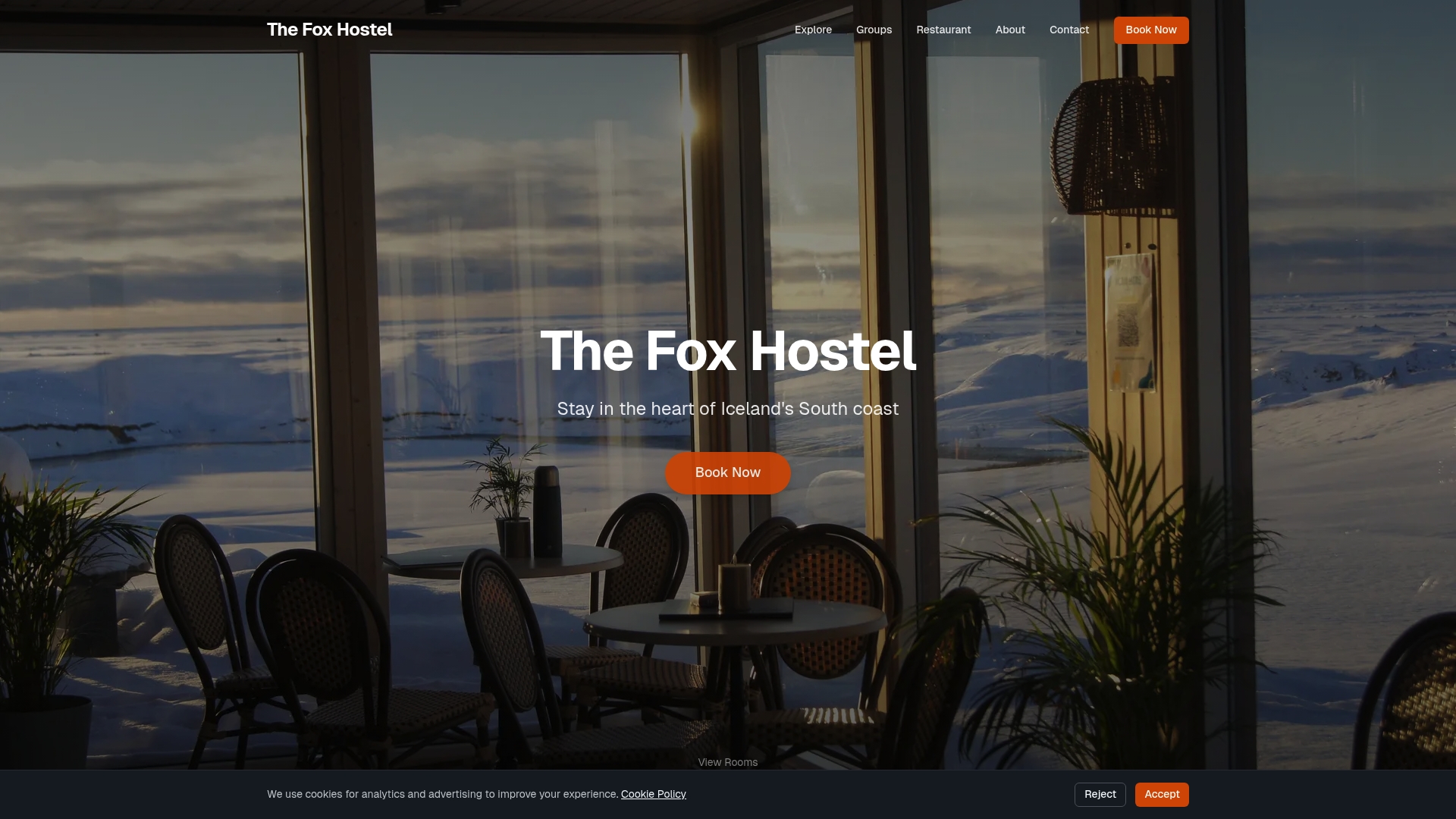
Solo travelers can book a single bed in the shared dormitories, while couples, families, or road-trip groups can buy out an entire room for privacy through Group Bookings. With communal kitchen facilities and an on-site pizzeria, guests have dining options available without needing to go elsewhere for food — ideal advice covered in our partner article on how to enjoy self-catering stays. Check current availability and book your dates on the rooms page before planning the rest of your South Coast route.
Sources
- Fjallsárlón - Vatnajökull National Park
- Fjallsárlón - Wikipedia
- Jökulsárlón - Glacier Lagoon Boat Tours in Iceland
FAQ
Which Glacier Lagoon in Iceland Is Best to Visit?
Jökulsárlón is the better pick for first-time visitors who want Diamond Beach and easier boat-tour booking, while Fjallsárlón suits travelers who want a quieter, closer glacier view. Since the lagoons sit only about 10 kilometers apart, most travelers with time to spare visit both.
How Long Do You Need at Jökulsárlón Glacier Lagoon?
A quick shoreline visit takes about an hour, enough time to walk the bank and cross the road to Diamond Beach. Add a boat tour or extra photo time and the visit stretches to three or four hours.
Can You Swim in Jökulsárlón?
No. The water is dangerously cold, deep in places to roughly 248 meters, and floating icebergs can shift or roll without warning. Park guidance also prohibits climbing onto ice at either lagoon.
Is It Hard to Drive to Jökulsárlón?
Jökulsárlón sits directly off Route 1 with a paved parking area, making it one of the easier South Coast stops to reach in a standard car. Fjallsárlón requires a short gravel turn-off, so check vegagerdin.is for conditions before driving out in winter.
Where Should I Stay to Visit Both Lagoons Early?
Basing yourself near Vík reduces driving time compared to starting from Reykjavík, and accommodations roughly midway between Vík and Kirkjubæjarklaustur allow early departures before the tour buses arrive.