South Coast to the Highlands: NSW, Iceland or Scotland?
South Coast to the Highlands: NSW, Iceland or Scotland?

“Highlands from south coast” is an ambiguous search phrase, but it usually describes a coastal-to-highland scenic transition in one of three places: New South Wales in Australia, Iceland’s south coast heading toward the interior, or coastal approaches into the Scottish Highlands. Below you will find how to tell which one you mean, a sample route for each, and a planning checklist.
TL;DR:
- The New South Wales loop from Sydney takes about 10 hours; splitting it over two days leaves time for Kiama, Fitzroy Falls, and Kangaroo Valley.
- Iceland’s coastal highlights can fit a day, but reaching Landmannalaugar requires different road types, seasonal access checks, and an overnight at each end.
- Check Iceland’s official road and weather maps daily, since mountain conditions change quickly; verify rental restrictions and carry food, water, and extra fuel.
- A drive from Glasgow toward Glencoe can fit into a day; use the village as a base, and plan Ben Nevis for a separate day.
- Book lodging early for peak season and remote stretches, add daylight and weather buffers, and download offline maps before leaving signal range.
Table of Contents
- Which highlands do you mean? Three regions compared
- Sample routes for each region
- What to check on roads and seasons before you go
- How to turn the idea into a plan
- Where to eat on a highlands route
- Travel responsibly between coast and highlands
- Siggi’s take: base yourself on the coast
- Stay with us on Iceland’s South Coast
- FAQ
- Sources
Which highlands do you mean? Three regions compared
The phrase is context-dependent. In Australia it implies a move from beachside leisure to country-town exploring. In Iceland it can describe a shift from an easy coastal road trip to a remote, technical interior. In Scotland it means getting from the coast into a huge mountain region. Here is how each plays out:
- New South Wales, Australia: The Coast to the Highlands scenic drive links the South Coast, around Kiama and the Illawarra, with the Southern Highlands towns of Bowral and Kangaroo Valley. Expect winding, lush mountain passes such as Cambewarra Mountain, plus rainforest and waterfalls.
- Iceland: The south coast is known for Skógafoss, Seljalandsfoss, glaciers and black sand beaches, and it is a gateway to hiking country. Interior highland areas like Landmannalaugar and Þórsmörk are a different game, with different road types, more remoteness and more rugged planning.
- Scotland: The Highlands combine mountainous interiors with dramatic, indented coastlines. Glencoe and Ben Nevis are the two names most visitors recognize, and coastal approaches from the west commonly feed into highland itineraries.
The landscapes share a pattern: you start somewhere easy and flat-ish, then climb into something wilder. What changes is how hard the climb is on the road, and that decides how you should plan.
Sample routes for each region
Pick the region that fits your search, then adapt the route below. Each one is a starting point, not a rigid schedule.
- New South Wales loop (about 10 hours from Sydney). A standard loop covering coast, valley and highlands takes roughly 10 hours from Sydney. Head down the coast toward Kiama, climb Cambewarra Mountain, stop at Fitzroy Falls, drop into Kangaroo Valley, then finish in the Southern Highlands. The highlands are also an easy long-weekend escape for Sydneysiders, with heritage shopfronts, cafés and short bushwalks.
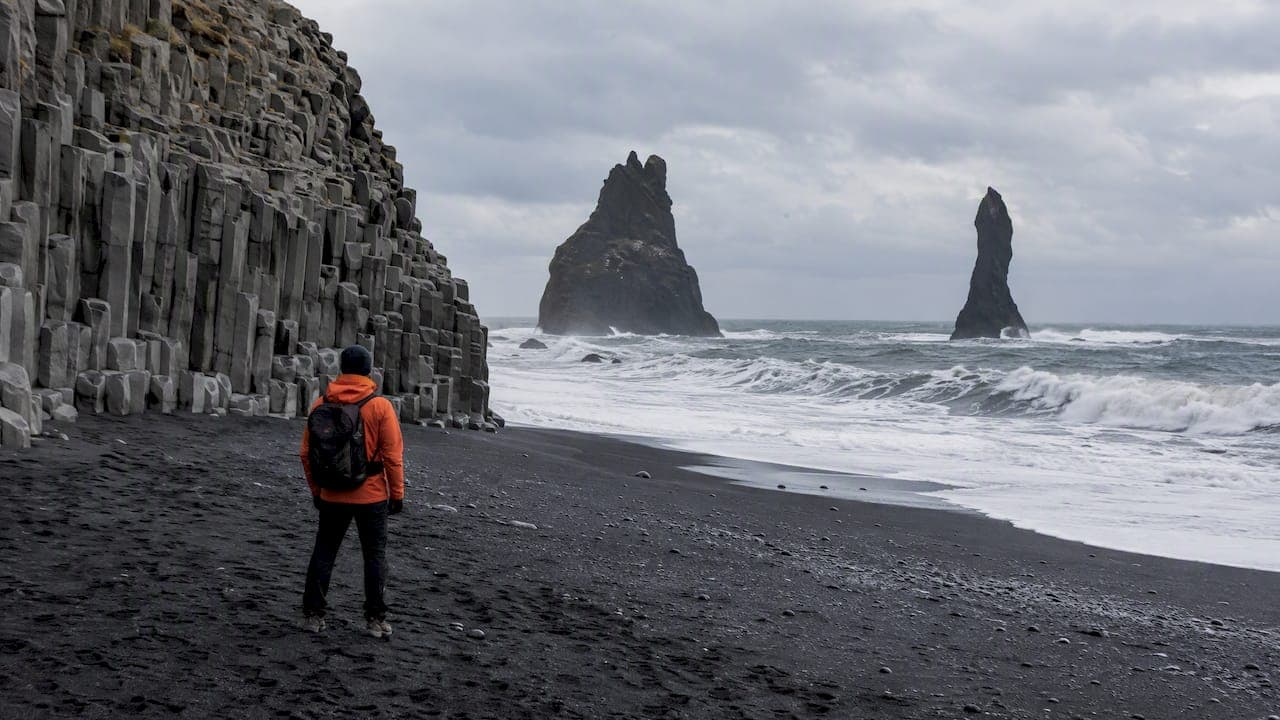
- Iceland, one day on the coast. Stack Seljalandsfoss, Skógafoss and Reynisfjara, all named highlights on the South Iceland route. This route can involve varied road conditions, so check current conditions and rental-car restrictions before setting out.
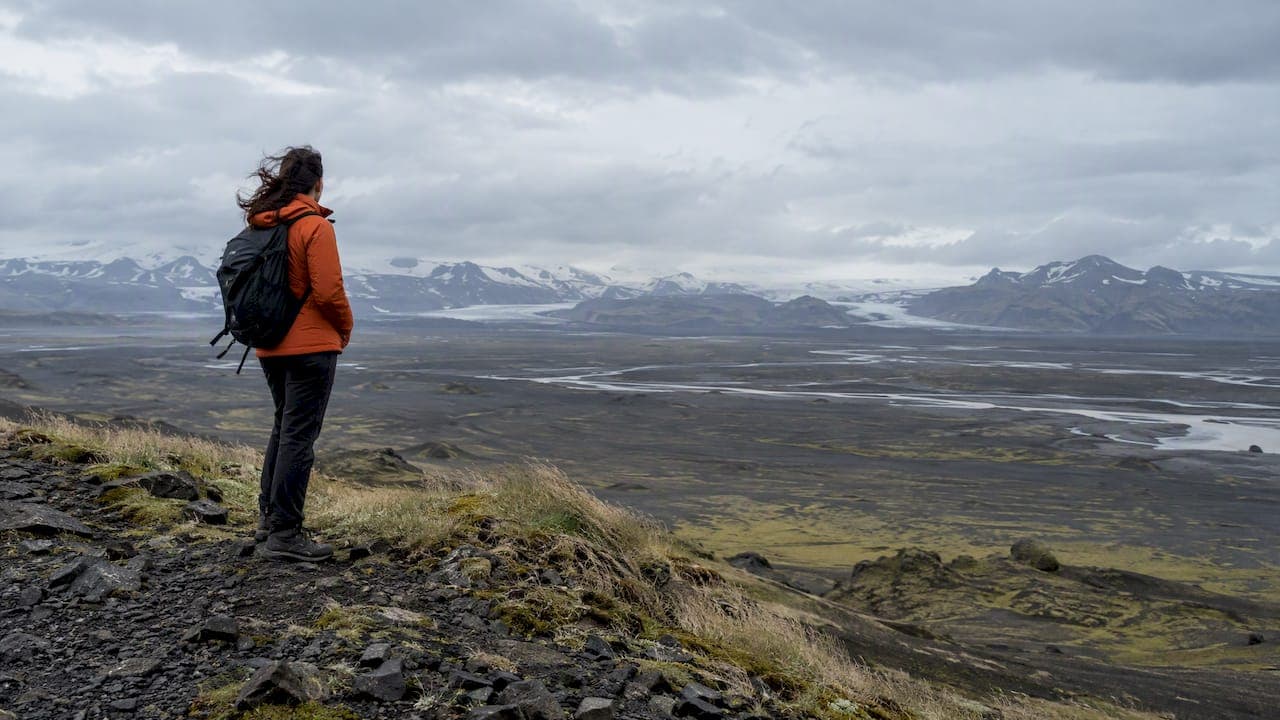
- Iceland, multi-day reach into the highlands. Landmannalaugar is known for colorful mountains and the Laugavegur trail, but access needs different road types and more rugged preparation. Plan an overnight at each end rather than a single push. Our guide to how long South Coast driving really takes helps you set realistic timing.
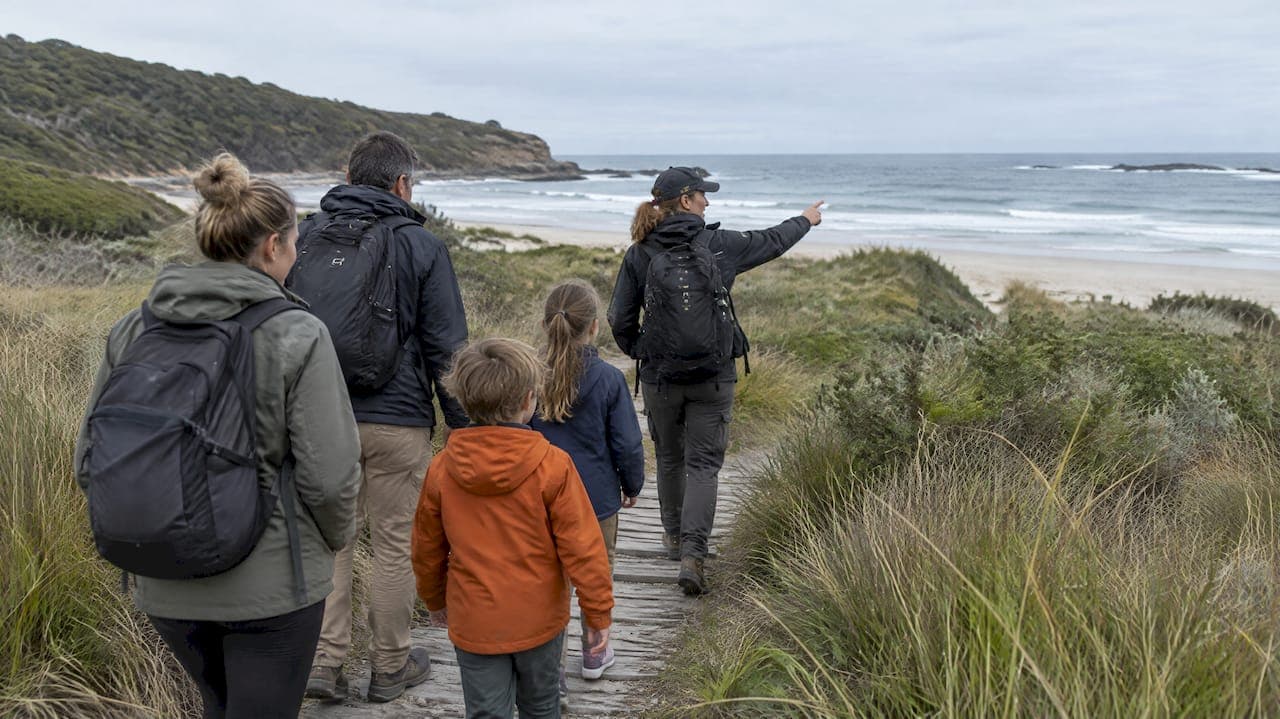
- Scotland, coast to Glencoe in a day. The drive toward Glencoe is considered one of the country’s most spectacular, and roads linking Glasgow and Fort William make a coastal-to-highland day feasible. Glencoe works as a base for viewpoints and short walks, and Ben Nevis sits nearby for those who want a summit attempt on a separate day.
Pro Tip: Scenic stops eat time. Leave a generous daylight buffer, and consider sleeping near the midpoint of any multi-day route instead of racing back to the coast.
For a deeper Iceland breakdown, see how to plan a South Coast itinerary in Iceland.
What to check on roads and seasons before you go
Roads decide how far you actually get. Sealed highways, gravel stretches and mountain tracks all demand different vehicles and different amounts of time, and a route that looks short on a map can take most of a day.
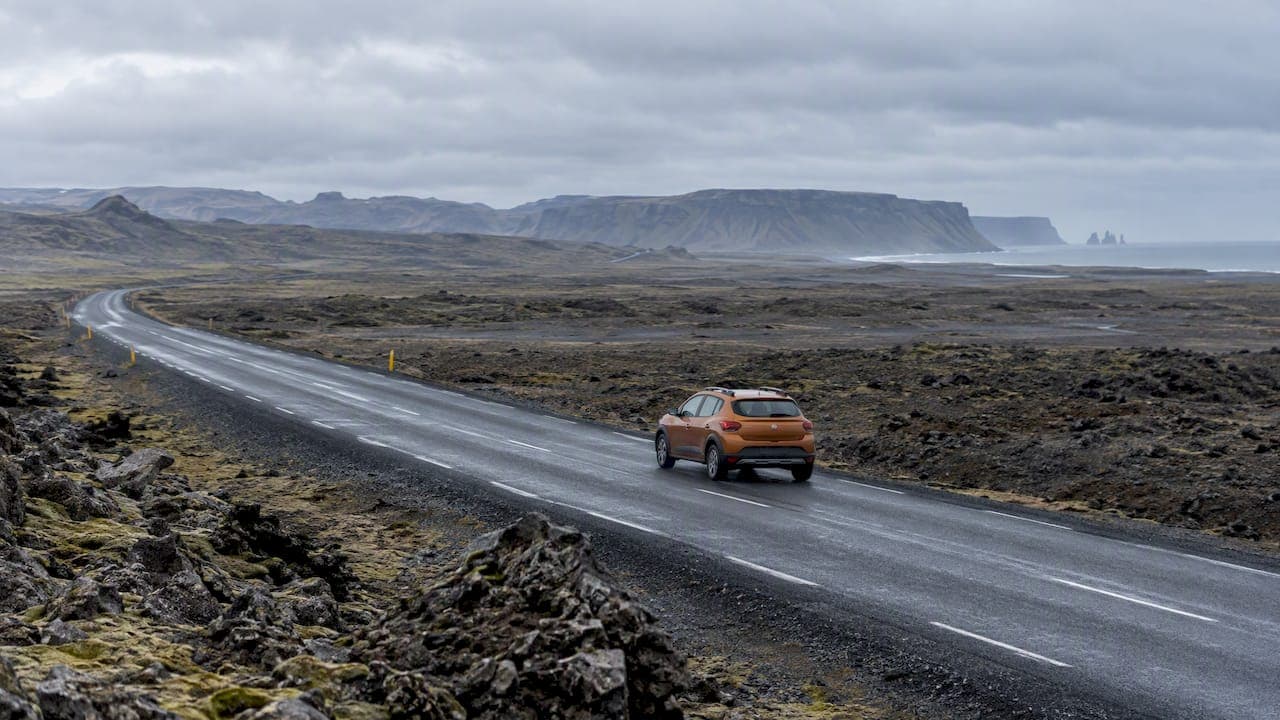
- Know your surface. Sealed coastal roads suit any car. Mountain and interior routes can include gravel segments and passes that slow you down, as on parts of the Ring Road and its detours.
- Check official conditions daily in Iceland. The Icelandic Road and Coastal Administration publishes a south Iceland road conditions map and warns that mountain roads and conditions can change quickly, especially in winter. Its pages also list emergency contact details.
- Use webcams and maps. The service updates road and weather information frequently, and its reporting pages note that phone services run seasonal hours, so rely on the maps and webcams outside them.
- Check seasonal access. Interior highland routes may have seasonal restrictions, and conditions can change quickly. Check current road information before setting out.
- Plan around crowds. Famous coastal stops fill up in summer, so arrive early or late in the day.
- Carry margin. Extra fuel, snacks, water, a charged phone and a daylight plan cost almost nothing and solve most small problems.
Our South Coast trip checklist covers the packing side in more detail.
How to turn the idea into a plan
Work through these steps in order and you will have a workable trip.
- Decide which region you mean and choose the matching sample route above.
- Choose your transport: a compact rental for sealed roads, a 4x4 for rugged interior tracks, a guided tour if you would rather not drive, or public transport where it exists.
- Book lodging early for peak season and remote stretches, and pick bases near the midpoint of multi-day routes. Booking efficiently also pays off, as this partner guide to weekend stay deals shows.
- Pack in layers with a waterproof shell, because mountain and coastal weather change fast. Download offline maps before you leave signal range.
- Reserve guided activities such as rafting in advance.
- Add buffer time for scenic stops and weather delays, then trim the plan rather than rushing it.
Where to eat on a highlands route
Food is easy to overlook until you are an hour from the nearest kitchen. Start by deciding where you will eat before you leave the coast, because choices thin out quickly as you climb.
In Australia, the Southern Highlands are built for lingering lunches. Towns like Bowral and Berrima have cafés and bakeries lining heritage streets, and Kangaroo Valley suits a casual stop between waterfalls and lookouts. Pack water and snacks for the winding mountain stretches between towns.
In Iceland, services get sparse once you leave the main coastal road. Fill up on a hearty breakfast, carry sandwiches and fruit for the day, and treat any roadside café as a bonus rather than a plan. Highland huts and trailheads are remote, so bring what you need.
In Scotland, Fort William and Glencoe village are the natural places to eat before or after a hike, with pubs, tearooms and takeaways in easy reach. Consider booking dinner ahead during busy periods, when the area can fill with walkers.

A simple rule works everywhere: eat a proper meal in the last town before the climb, carry a snack kit, and plan a warm dinner at your base. After a long day of switchbacks and waterfalls, a hot meal and a bed nearby matter more than almost anything else on the itinerary.
Travel responsibly between coast and highlands
Coastal-to-highland routes pass through fragile ground, and a few habits protect it. Stay on marked paths, because trampled moss, rainforest floor and alpine vegetation recover slowly. Pack out all your rubbish, including food scraps, and never rely on a remote spot having a bin.
Keep your distance from wildlife and never feed animals. Respect fences, farm gates and private land, and close gates behind you. Drive within the limit on winding roads, since slower speeds cut fuel use and reduce the chance of an incident that would need rescue.
Spread your impact by visiting famous stops early or late, or choosing a lesser-known viewpoint nearby. Shop at local businesses, book locally owned lodging and buy food in the towns you pass through, so your money stays in the community. Combine stops into one efficient loop instead of doubling back, and carry a refillable bottle. Small, boring habits like these protect the scenery that made you want to go in the first place.

Siggi’s take: base yourself on the coast
Most people overbuild highlands trips and underestimate how much a good base helps. A South Coast bed means you can leave at first light, adjust when the weather turns and get back before dark without a long transfer. My advice is conservative: start early, book lodging well ahead and accept that a plan with slack beats a perfect one. More background is in our South Coast guide.
— Siggi
Stay with us on Iceland’s South Coast
If your highlands trip starts in Iceland, we offer shared and private dormitories in a converted barn, breakfast and our on-site Hrífunes Pizzeria, so your base covers sleep and food. We also arrange a partnered rafting adventure for rest days. Browse beds and rooms on our rooms page and book directly.

FAQ
Is the Highlands worth visiting?
Yes, for most travelers who like scenery and outdoor activity. The Scottish Highlands pair mountain interiors with dramatic coastlines, and Ben Nevis alone attracts approximately 125,000 walkers each year.
What are examples of Highlands?
The best known are the Scottish Highlands, Iceland’s interior highlands around Landmannalaugar and the Southern Highlands of New South Wales. Each sits inland from a coast and feels very different in climate and road access.
What mountains are in the Scottish Highlands?
Ben Nevis, the UK’s highest mountain, is the headline peak, alongside the dramatic ridges of Glencoe. Both sit in the western Highlands near Fort William.
How long does the New South Wales coast-to-highlands loop take?
A standard loop from Sydney covering coast, valley and highlands takes about 10 hours, so many travelers split it over two days.
Sources
- Coast to the Highlands Scenic Drive – Kangaroo Valley | NSW Government
- The South coast
- Road conditions in south Iceland | Road conditions in south Iceland | The Icelandic Road and Coastal Administration
- South Iceland | Visit Iceland