South Coast: 5 Hours of Driving Can Take 2 Days on the Ring Road
South Coast: 5 Hours of Driving Can Take 2 Days on the Ring Road

Plan Selfoss to Höfn as a multi-day stretch: non-stop driving takes about 5 hours, but realistic pacing with sightseeing turns that into two full days. For the South Coast overall, budget one day if you are rushing, two days for a comfortable pace, or three if you want to linger. Weather, season, and daylight are the variables that decide which end of that range fits your trip.
TL;DR:
- Seljalandsfoss typically needs 30 to 45 minutes, while Skógafoss can take 45 to 90 minutes if you climb the viewpoint stairs.
- At Jökulsárlón, a shoreline visit takes under an hour, but a boat tour or walk to Diamond Beach can extend the stop beyond two hours.
- From October through April, add 25% to 40% to each leg; when daylight falls below six hours, drop a stop or add an overnight stay.
- On day one, visit waterfalls and Reynisfjara; spend day two at Jökulsárlón and Diamond Beach, and use a third day for Skaftafell trails.
Table of Contents
- South Coast Baseline: Distances and Driving Floors
- Leg-by-Leg Times You Can Actually Plan Around
- Adjusting Your Schedule for Season and Daylight
- Building Your Day: Time Budgets and Pacing Templates
- Clockwise or Counterclockwise: Which Fits Your Pacing?
- Checking Road Status Before Each Leg
- How Fox Hostel Guests Actually Time Their South Coast Days
- Keep Ambition in Check, Not Off the Table
- A South Coast Base That Fits Your Pacing
- FAQ
- Sources
South Coast Baseline: Distances and Driving Floors
Before you build an itinerary, you need the raw numbers. The drive from Selfoss to Höfn covers roughly 400 kilometers and takes about 5 hours without stopping. Reykjavík to Vík and Reykjavík to Jökulsárlón are the two other benchmarks most travelers measure their South Coast plans against, since Vík marks the end of the first common driving day and Jökulsárlón marks the eastern edge of the classic South Coast run.
These non-stop hours matter only as a floor. The entire point of the South Coast is that its best-known sights sit a short walk from the road, which means almost nobody drives it without stopping. Treat the non-stop figure as the minimum time you would need if the road were empty and you skipped every waterfall, and then build your real schedule around the stops you actually want to make.
The attractions that most commonly turn a short drive into a full day include:
- Seljalandsfoss, a waterfall you can walk behind
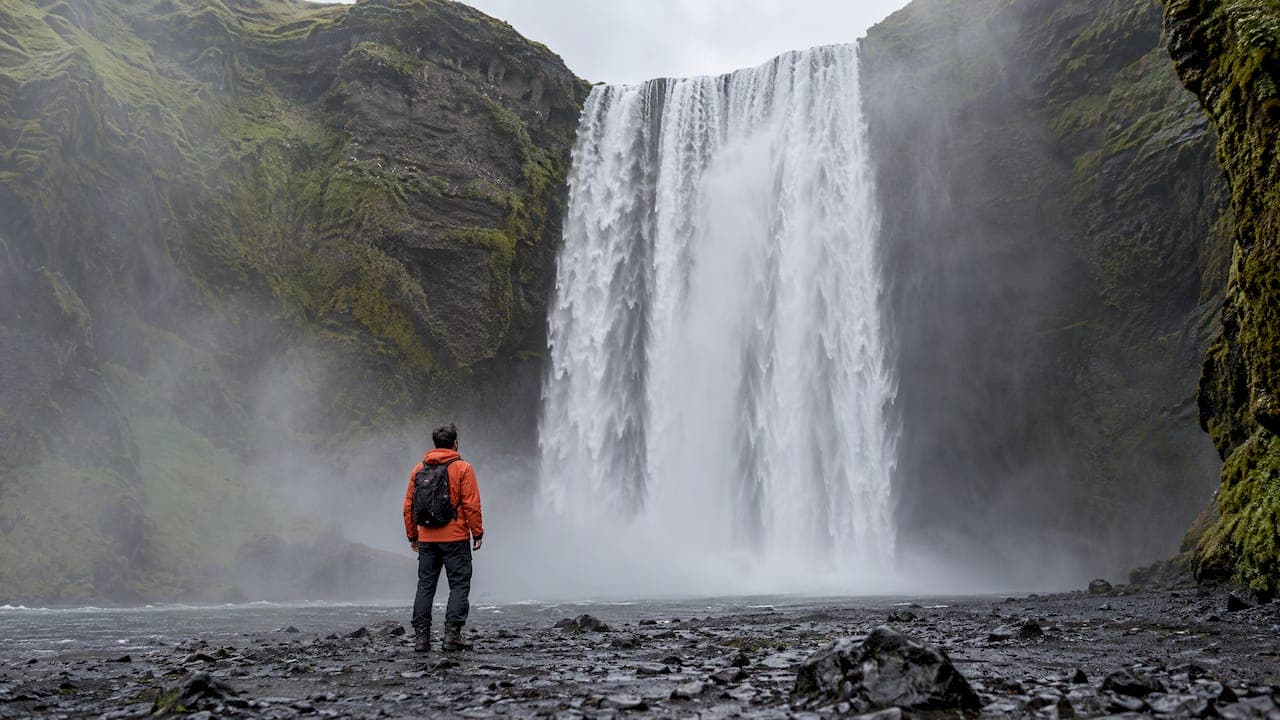
- Skógafoss, a wide waterfall with a steep viewpoint trail
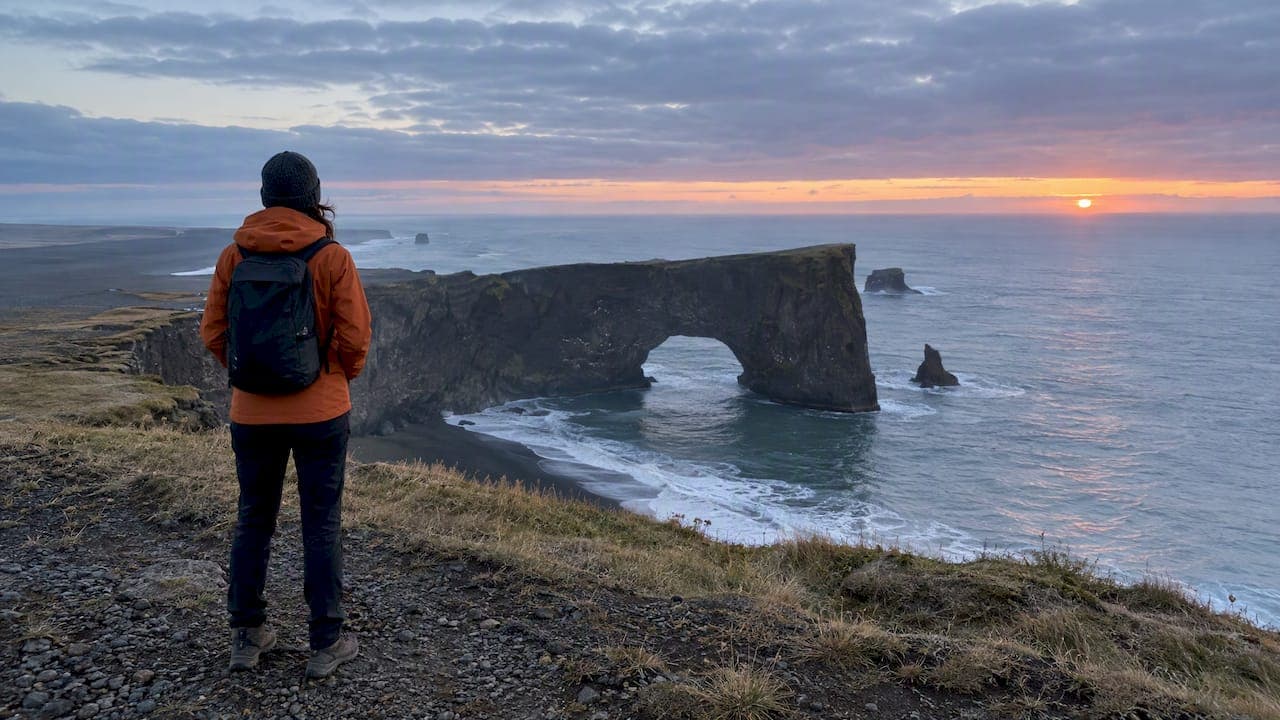
- Dyrhólaey, a coastal promontory with black sand beach views
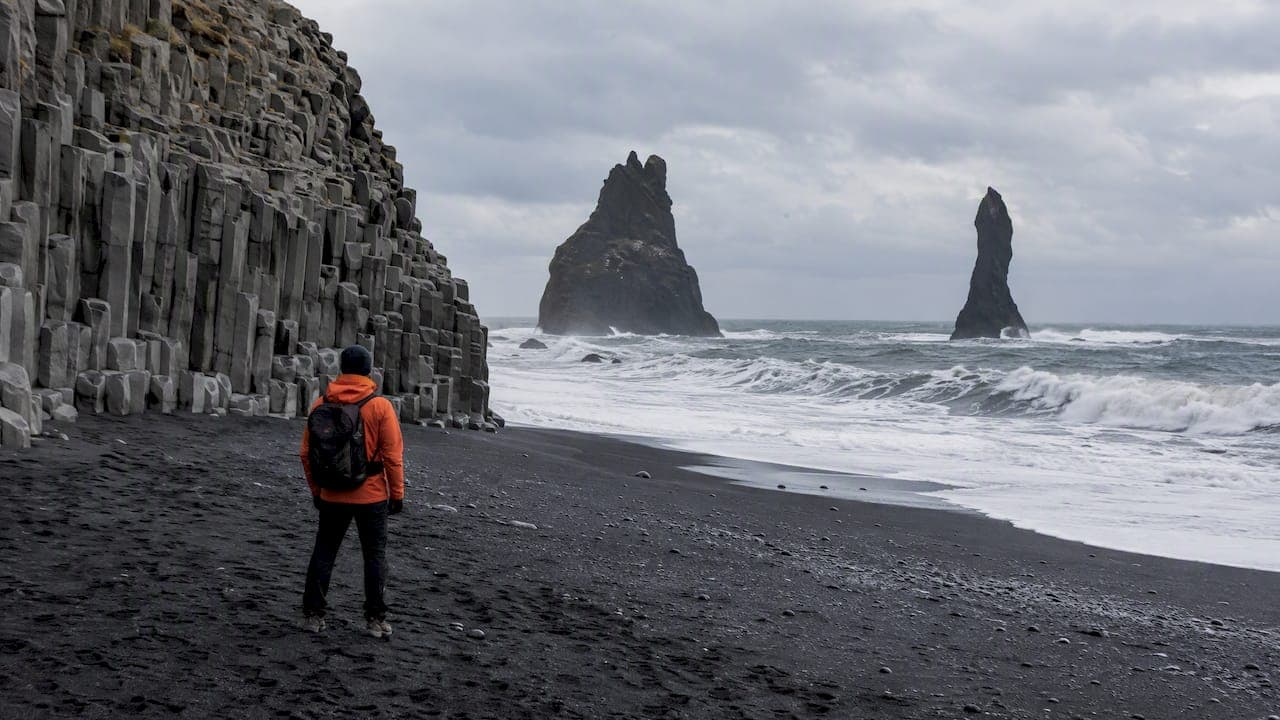
- Reynisfjara, the black sand beach near Vík
- Jökulsárlón, the glacier lagoon where icebergs drift toward the sea
Each of these adds anywhere from 30 minutes to two hours depending on how long you want to spend, which is why realistic South Coast planning treats the region as a multi-day leg rather than a single long drive, especially once you factor in photo stops, meals, and parking at busy pullouts during peak season.
Leg-by-Leg Times You Can Actually Plan Around
Breaking the South Coast into its common legs makes pacing much easier than thinking in one giant Selfoss-to-Höfn block. Each segment below shows the non-stop driving time against a realistic time that accounts for typical photo stops, short walks, and traffic at popular pullouts.
| Leg | Non-stop drive | Realistic with stops |
|---|---|---|
| Selfoss to Hvolsvöllur | 30 minutes | 30 minutes to one hour |
| Hvolsvöllur to Vík | 1 hour | two to three hours |
| Vík to Kirkjubæjarklaustur | 1 hour | 1.5 to 2 hours |
| Kirkjubæjarklaustur to Skaftafell | 1 hour | 1.5 to 2 hours |
| Skaftafell to Jökulsárlón | 45 minutes | 30 minutes to one hour |
| Jökulsárlón to Höfn | 1 hour | 30 to 45 minutes |
The Hvolsvöllur to Vík stretch swells the most because it holds Seljalandsfoss and Skógafoss back to back. Plan 30 to 45 minutes at Seljalandsfoss for the walk behind the falls and the short path to neighboring Gljúfrabúi, and 45 to 90 minutes at Skógafoss if you intend to climb the viewpoint stairs. Jökulsárlón deserves the widest range of all: a quick look from the shore takes under an hour, but adding a boat tour on the lagoon or a walk over to the adjacent Diamond Beach can stretch your stop past two hours.
With those numbers in hand, three sample plans cover most travel styles:
- One-day express: Leave Selfoss early, hit Seljalandsfoss and Skógafoss back to back, stop briefly at Reynisfjara, and arrive in Vík by late afternoon with no detour to Jökulsárlón.
- Two-day comfortable: Day one covers Selfoss to Vík with full stops at the main waterfalls and Reynisfjara; day two continues to Jökulsárlón and on to Höfn with time for the glacier lagoon and Diamond Beach.
- Three-day relaxed: Split the same route into three shorter driving days, adding time for Skaftafell nature trails, a glacier walk, or simply a slower pace at each waterfall.
Pro Tip: Visit Seljalandsfoss and Skógafoss before 9 AM or after 6 PM in summer to avoid the tour bus crowds that fill the parking lots midday.
Adjusting Your Schedule for Season and Daylight
Winter changes every number above. Icelandic road guidance recommends adding 25 to 40 percent extra time to each planned leg between roughly October and April, since snow, wind, and sudden flooding can slow or stop traffic on sections that are easy in summer. That buffer is per leg, not per day, so a string of three legs can add up to an extra hour or more before you even factor in stops.
Daylight hours in Iceland shrink dramatically in winter, and around December usable daylight can drop to only 4 to 5 hours, which compresses your entire driving window into the middle of the day.
Use this quick check to decide between a buffer and an extra night:
- If your planned buffer pushes arrival past sunset, add an overnight stop instead of driving in the dark.
- If a single leg crosses an open sand flat like Mýrdalssandur, check the forecast before committing to that day’s plan.
- If daylight is under 6 hours, cut one sightseeing stop rather than rushing every visit.
- If road status shows “difficult driving” anywhere on your route, assume the leg will take far longer than planned.
Building Your Day: Time Budgets and Pacing Templates
Once you know the legs, the next step is deciding how much time each stop actually deserves inside a single day. Short waterfall visits like Seljalandsfoss typically need 30 to 45 minutes including parking and the walk to the falls. A glacier viewpoint stop, such as a quick look at Sólheimajökull from the parking area, runs about 30 minutes, while an actual guided glacier walk adds two to three hours on top of travel time. Short coastal walks at Dyrhólaey or Reynisfjara usually take 20 to 40 minutes depending on how far you wander.
Three pacing templates cover most travel styles for a South Coast day:
- Fast pace: Start by 8 AM, limit yourself to two major stops, and target arrival at your overnight base by 6 PM.
- Comfortable pace: Start by 9 AM, allow three to four stops with full walking time at each, and aim to settle in before dark.
- Relaxed pace: Start by 10 AM, keep stops to a minimum of two or three, and leave room for an unplanned detour or a longer lunch.
If you are traveling with a second driver, swap at natural break points like Vík or Kirkjubæjarklaustur rather than mid-leg, since both towns have parking, food, and fuel. Early starts matter more than they seem: leaving even 30 minutes earlier can mean the difference between an empty Skógafoss parking lot and a line of tour buses. When a long driving day starts to run behind schedule, shorten the visit at your least essential stop rather than skipping dinner or pushing into unfamiliar roads after dark.
Clockwise or Counterclockwise: Which Fits Your Pacing?
Direction changes which days feel heavy and which feel easy. Many travelers and guides favor counterclockwise routing specifically because it front-loads the South Coast, letting you get comfortable with Icelandic road conditions on a route with frequent towns, fuel, and food before tackling the quieter east and north.
Clockwise travel saves the South Coast for the end of the trip, which works well if you want a strong finish or if your scheduled flight home lines up better with an eastern approach.
- Choose counterclockwise if you want services and sightseeing stacked early in the trip.
- Choose clockwise if your return flight timing favors finishing near Reykjavík.
- Check the forecast for Mýrdalssandur before committing either direction, since wind closures there affect South Coast access regardless of which way you are driving.
- Direction matters less once you are inside the South Coast itself: the leg-by-leg times above apply the same whichever way you approach them.
Checking Road Status Before Each Leg
Conditions on the South Coast can shift within hours, so checking status once in the morning is not enough. SafeTravel (ICE-SAR) emphasizes thorough preparation and sharing your travel plan before you leave, since weather and road conditions change quickly enough that yesterday’s forecast will not hold. Road closures tied to wind and storms can force large speed reductions or stop travel entirely on open sections like Mýrdalssandur, even when nearby roads stay clear.
Keep these resources open throughout your trip:
- road.is for live road condition status and closures
- safetravel.is for travel alerts and trip registration
- vedur.is for official weather forecasts
- Call 1777 for road condition updates or 112 for emergencies
IRCA labels conditions from passable through “difficult driving” to impassable, and a leg marked difficult driving can take two to three times longer than planned. If a leg closes while you are on the road, the safest move is usually to stay in the nearest town rather than wait it out roadside.
How Fox Hostel Guests Actually Time Their South Coast Days
Staying near Vík changes the math on your evening and morning transfers. Guests commonly arrive in the late afternoon after a full day covering Seljalandsfoss, Skógafoss, and Reynisfjara, then settle in well before dark rather than pushing on toward Kirkjubæjarklaustur or Höfn. That shorter evening transfer also means an earlier, less rushed start the next morning toward Jökulsárlón.
For readers mapping out the first driving day from Reykjavík, our Reykjavík to Vík drive guide breaks down stop timing in more detail, and our 2-day South Coast itinerary mirrors the comfortable pacing template above with specific overnight points. If you’re mapping the full loop instead of just the South Coast, our 7-day Ring Road itinerary shows how those extra days stack up.

Keep Ambition in Check, Not Off the Table
South Coast driving rewards a flexible mindset more than a packed checklist. It is tempting to cram every waterfall and viewpoint into one day, but the travelers who enjoy the drive most are usually the ones willing to drop a stop when weather or daylight says no.
Share your plan with someone before you leave each morning, and check road status again before every leg rather than once per day. Iceland’s weather does not wait for your itinerary to catch up.
— Siggi
A South Coast Base That Fits Your Pacing
Staying near Vík puts you inside the heaviest leg of the South Coast drive, which means shorter evening transfers and earlier starts the next morning. We offer shared and private dormitories inside a converted countryside barn, with breakfast on site to get you moving before the day’s crowds hit Seljalandsfoss and Skógafoss.

For groups traveling together, our group booking option lets you reserve a full room rather than scattering beds across a busy night. After a long driving day, dinner is a short walk away at our on-site Hrífunes Pizzeria rather than another drive down the road.
- Breakfast available to support early morning departures
- Private or shared rooms available depending on group size
- On-site dining options to reduce evening travel
- Group booking options for teams traveling the South Coast together
Check room availability and plan your South Coast nights around our rooms page.
FAQ
How many hours does it take to drive the Ring Road?
Driving Iceland’s full Ring Road without stopping takes roughly 17 to 20 hours across its 1,322 kilometers. Most travelers spread that drive across 7 to 10 days rather than attempting it in one stretch, since the non-stop figure ignores every stop along the way.
How do I estimate driving time with traffic and weather?
Start from the non-stop driving time for your route, then add time for your planned stops at waterfalls, viewpoints, or beaches. In winter, add 25 to 40 percent extra time per leg to account for snow, wind, or flooding, and check road.is or call 1777 before departing.
Is it better to drive the Ring Road clockwise or counterclockwise?
Many travelers prefer counterclockwise routing because it front-loads the service-rich South Coast before reaching quieter eastern and northern sections. Clockwise travel works better if your return flight timing favors finishing the loop near Reykjavík.
Is a 7-hour road trip too long for one day?
A 7-hour driving day is manageable on Iceland’s South Coast when split with regular stops at waterfalls or viewpoints rather than driven straight through. Pacing templates that break the day into a fast, comfortable, or relaxed structure make a long driving day feel shorter by giving it a clear rhythm of drive, stop, and rest.
How many days should I plan for just the South Coast?
A quick trip can cover the South Coast highlights in one day, a comfortable pace takes two days, and a relaxed pace with glacier activities or extra hikes takes three. The right number depends on how many stops like Jökulsárlón or Skaftafell you want to add beyond the main waterfalls.
Sources
- South Coast Iceland: driving conditions Selfoss to Höfn
- Iceland road conditions guide
- SafeTravel (ICE-SAR)
For road-trip pacing ideas beyond Iceland, see this Gulf Shores road trip guide, and for winter driving decisions in another mountain region, see this guide to driving to Zakopane in winter.