How to meet other travelers in hostels: Iceland social guide
How to meet other travelers in hostels: Iceland social guide
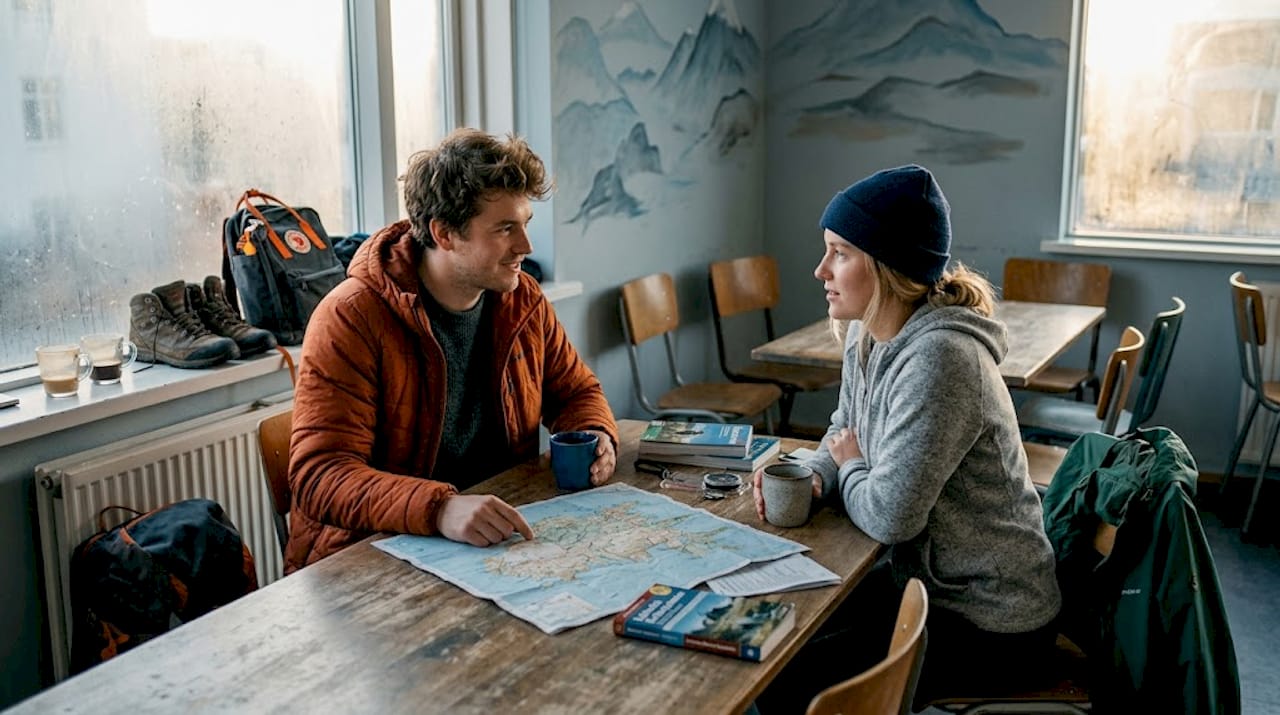
TL;DR:
- Choosing hostels with strong communal spaces and organized activities fosters genuine social connections for solo travelers in Iceland.
- Patience, strategic timing, and engaging in low-pressure environments like hot tubs and group meals build lasting friendships beyond brief encounters.
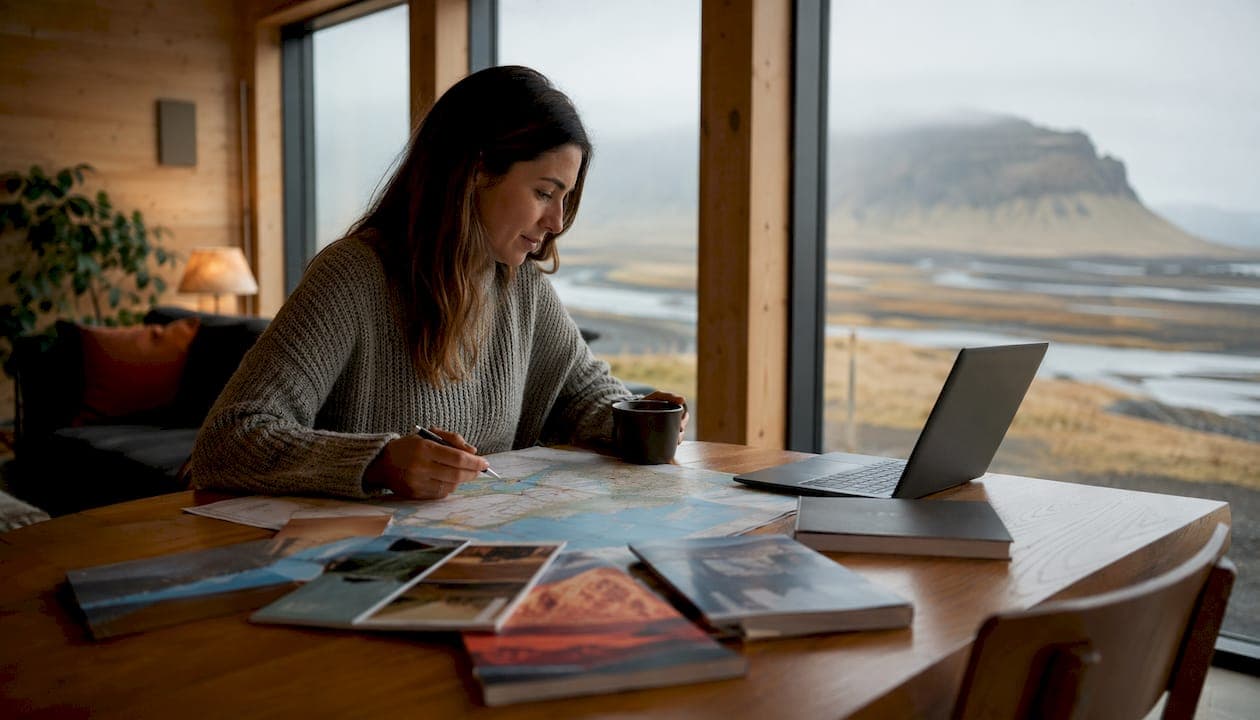
Hosteling sounds like the perfect social setup on paper. You’re sleeping in a room full of people from around the world, sharing a kitchen, maybe bumping into someone at breakfast. Yet a surprising number of solo travelers finish their trip feeling like they barely had a real conversation. The good news? That disconnect usually isn’t about personality. It’s about strategy. This guide walks you through exactly how to build genuine connections while staying on Iceland’s South Coast, from choosing the right hostel to navigating the unique social rhythms of Icelandic culture.
Table of Contents
- Choose the right hostel for social opportunities
- First steps after arrival: Setting yourself up for connection
- Best ways to meet travelers in Iceland: Hostels and beyond
- Tips for introverts and breaking the ice
- What to expect: Making connections that last
- What most travelers miss about meeting people in Icelandic hostels
- Ready to connect? Fox Hostel brings travelers together
- Frequently asked questions
Key Takeaways
| Point | Details |
|---|---|
| Pick the right hostel | Choose properties with common spaces and events to maximize chances of meeting others. |
| Act quickly after arrival | Head to the common room and check events as soon as you check in to meet people fast. |
| Leverage Iceland’s social spots | Geothermal pools and tours are culturally accepted places for conversations in Iceland. |
| Introverts can connect too | Low-pressure settings like group events make socializing in hostels comfortable for everyone. |
| Connections vary | Expect a mix of quick chats and occasional deep friendships—enjoy what unfolds naturally. |
Choose the right hostel for social opportunities
Once you’ve decided you want more than just a bed, it’s crucial to choose a hostel with the best setup for meeting others. Think of it as “social infrastructure,” the physical and programmatic features that make spontaneous connection not just possible, but easy.
Social hostels in Iceland vary widely in how well they support this. Some are essentially budget hotels with bunk beds. Others are built around community from the ground up. The difference is visible before you even book.
Properties that prioritize communal spaces include communal kitchens, common rooms and lounges, bars, and on-site or weekly events like mixers, pub crawls, movie nights, and cooking nights. These aren’t luxuries. They’re the mechanisms that make strangers feel comfortable talking to each other.
| Feature | Social-focused hostel | Basic budget hostel |
|---|---|---|
| Communal kitchen | Large, well-equipped, inviting | Minimal or shared with limited space |
| Common room | Lounge with seating, games, notice board | None or small hallway area |
| Organized events | Weekly dinners, guided hikes, movie nights | None |
| On-site bar or café | Yes, often serves as evening hub | Rarely |
| Staff engagement | Proactively share event info and tips | Check-in only |
What to look for when booking:
- A fully equipped communal kitchen (cooking together is one of the most natural social triggers)
- A common room or lounge with real furniture, not just a vending machine corner
- A posted event calendar or weekly schedule
- An on-site bar, café, or pizzeria that pulls people together in the evening
- Organized day trips or group activities
- Staff who are clearly briefed on local events and can connect guests
Hostel staff are massively underrated as social connectors. A well-briefed staff member can casually mention that three other guests are heading to Reynisfjara Black Sand Beach tomorrow morning and ask if you want to join. That single sentence can change your whole trip.
Pro Tip: When browsing hostels, search the reviews specifically for the words “met people” or “made friends.” Guests who experienced genuine connection almost always mention it, and that’s your most reliable signal.
If you want a benchmark for what South Coast hostel experiences can look like at their best, look for properties that clearly describe their communal spaces and weekly activities in their own words, not just in guest reviews.
First steps after arrival: Setting yourself up for connection
Now that you’ve booked your social-friendly hostel, your first hour on-site is key to breaking the ice. Most solo travelers make the same mistake: they arrive, unpack, check their phone, and wait for something to happen. It doesn’t. Connection requires a small but deliberate first move.
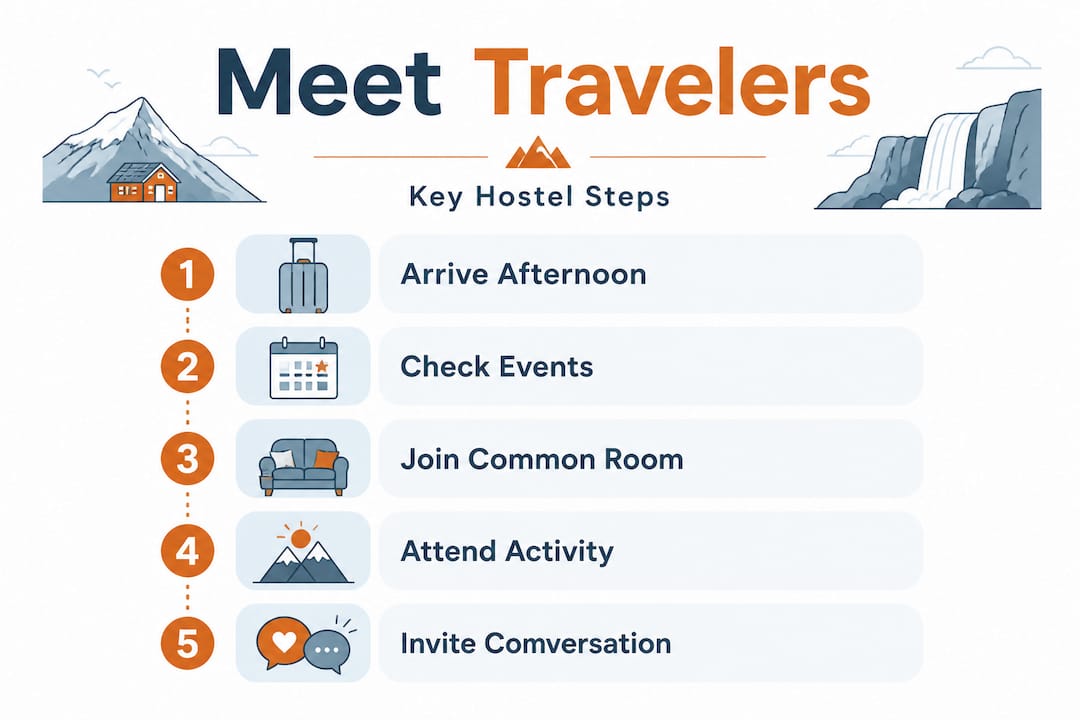
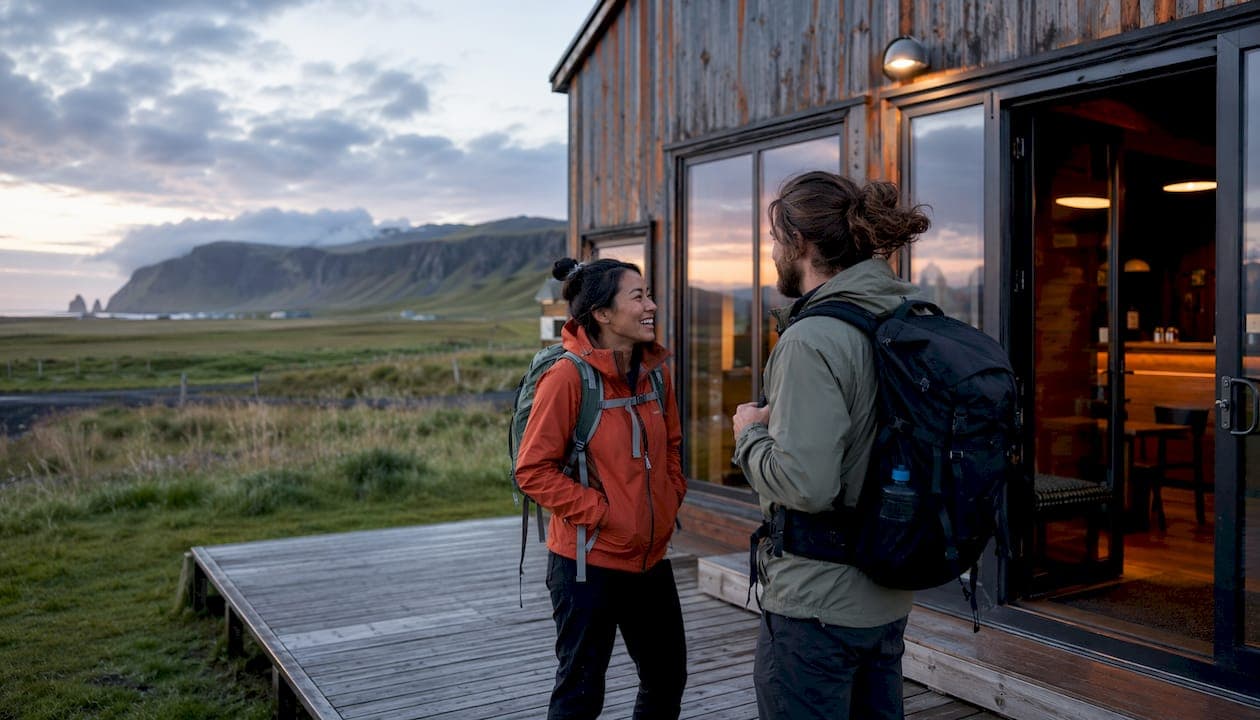
A practical first-night method that actually works is to go directly to the hostel’s common room or bar after check-in and start small talk with other guests who are also newly arrived. People who just checked in share your energy. They’re curious, slightly disoriented, and genuinely open to a friendly face.
Your arrival checklist, step by step:
- Check in and drop your bag, but don’t unpack fully yet
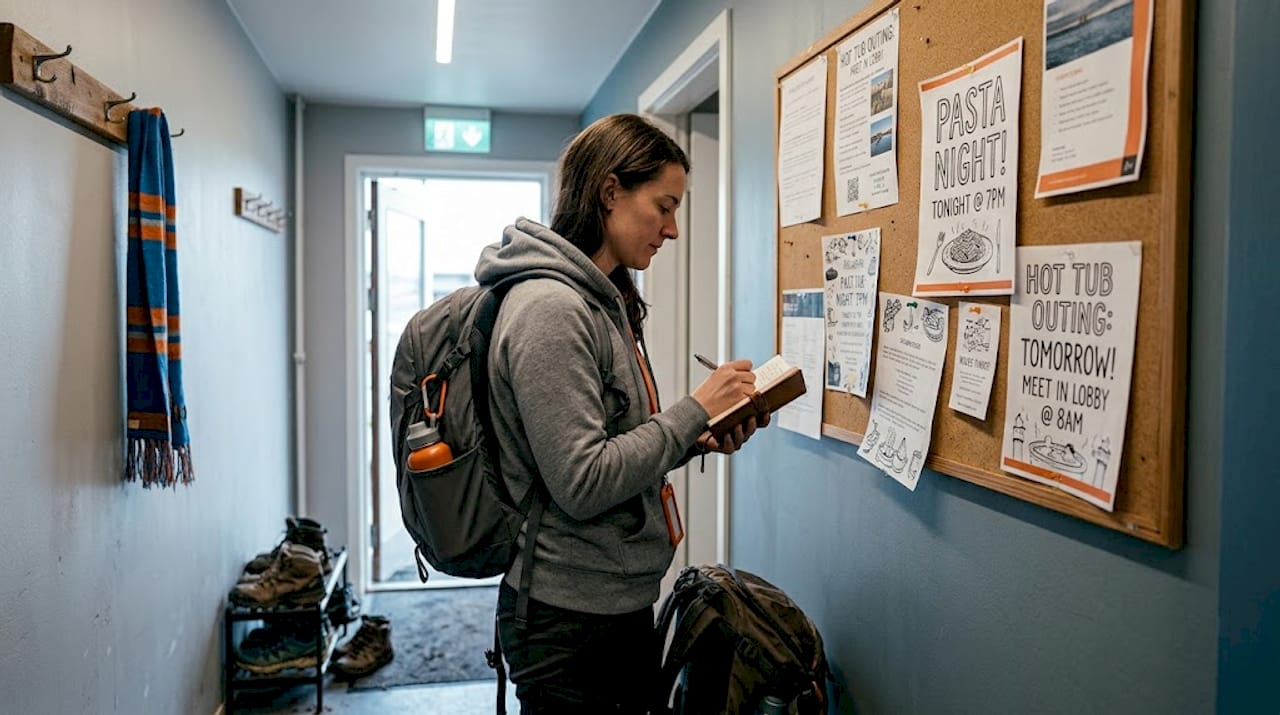
- Scan the event board or notice board near reception for anything scheduled in the next 24 hours
- Ask the person at the front desk: “What’s happening here tonight?” or “Any group activities tomorrow?”
- Head to the common room, kitchen, or bar within 30 minutes of arrival
- Make eye contact and smile at people who look like they just arrived too
- If food is involved, ask if anyone wants to cook or eat together
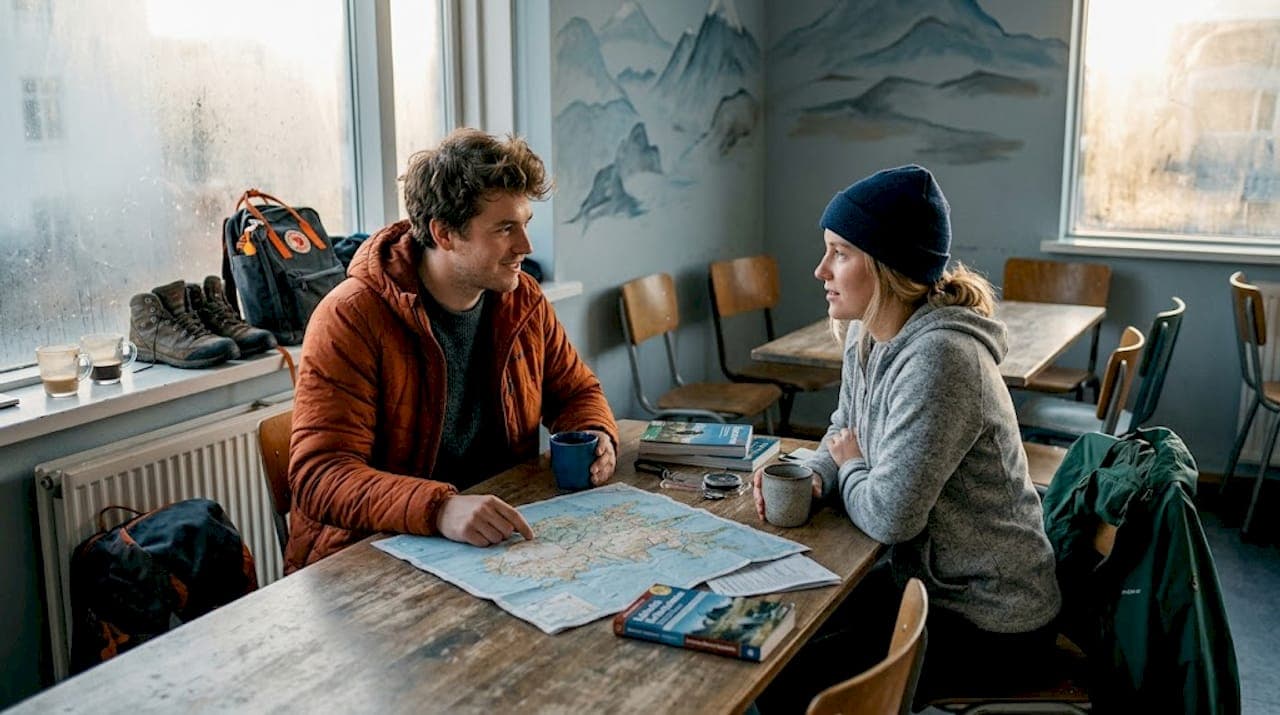
- Mention where you’re heading next and ask if others are doing the same route
The sequence matters. Checking the event board before you socialize gives you something concrete to mention. “Are you going to the group dinner tonight?” is infinitely easier than “So… you traveling alone?”
Timing matters too. Arriving in the afternoon or early evening puts you in the middle of a natural social rush. Morning arrivals often find the hostel quiet, with most guests already out exploring. Evenings bring people back with stories from their day, which is one of the best natural conversation starters you’ll ever find.
Pro Tip: If you feel nervous, use the scheduled activity as a social anchor. “Hey, I was thinking about joining the group hike tomorrow. Are you going?” immediately lowers the awkwardness because you’re asking about an activity, not putting yourself forward as a person who needs friends.
Connecting early also helps you find a travel partner for the following day. On Iceland’s solo travel guide, you’ll see this pattern consistently: the travelers who make lasting connections aren’t necessarily the most outgoing. They’re the ones who showed up to the common area on night one.
Best ways to meet travelers in Iceland: Hostels and beyond
Once you’ve got your hostel routine, there are even more ways to widen your social circle if you take advantage of Iceland’s unique social locations. Iceland has a strong “third place” culture, meaning places that aren’t home or work where people naturally gather. For travelers, this is gold.
Iceland’s geothermal pools function as social hubs in a way that almost nothing else does. The hot tubs in particular are conversation machines. There’s something about warm water and an outdoor view that erases social barriers completely.
| Social setting | What works | Best for |
|---|---|---|
| Hostel common room | Evening downtime, board games, movies | Initial icebreaking |
| Communal kitchen | Cooking together, sharing food | Natural, low-pressure chat |
| Organized hostel tours | Structured activity, shared experience | Instant common ground |
| Geothermal pools and hot tubs | Relaxed, no screens, intimate setting | Deeper conversations |
| Group hikes or glacier walks | Physical challenge builds bond | Strong connections fast |
The key insight about geothermal pools is that Icelandic socializing is context-dependent. Casual street approaches or chatting someone up in a grocery store line rarely works here. But inside a hot tub or around a hostel dinner table? Completely different story. Embrace the approved contexts and stop fighting the culture.
“The hot pot is where Icelanders go to talk. It’s the national social institution. For visitors, it functions the same way.” This is the dynamic that savvy solo travelers learn to use, not by forcing conversation anywhere, but by showing up where it flows naturally.
Spaces where conversation happens organically in Iceland:
- Hostel common rooms in the evening (especially with a fire or movie playing)
- Shared cooking sessions in communal kitchens
- Guided glacier walks or group day tours
- Geothermal pools, especially smaller regional ones
- Communal dinners organized by the hostel
If you’re staying on the South Coast, take advantage of the fact that travelers on the Ring Road often cross paths multiple times. You might meet someone at a hostel near Vík, run into them at Jökulsárlón Glacier Lagoon two days later, and end up hiking together in Vatnajökull. That repeat encounter is worth more than a dozen forced introductions.
Tips for introverts and breaking the ice
Whether you’re naturally outgoing or more reserved, here’s how to tailor socializing strategies for your comfort zone. Introversion doesn’t mean you don’t want connection. It means you need lower-pressure environments to feel comfortable enough to actually connect.
The safest path for introverted travelers is to start in structured, low-pressure environments where conversation can happen naturally. Hostel-run events, cooking sessions, and walking tours put you side by side with people working toward the same goal. You don’t have to perform. You just have to show up.
Best low-pressure events for introverted travelers:
- Communal cooking nights: Everyone’s focused on the task, conversation happens in gaps
- Movie or aurora watching: Shared experience with zero social obligation mid-activity
- Guided walking tours: The guide carries the conversation, you just join in when comfortable
- Group grocery runs: Surprisingly effective for bonding over mundane decisions
- Hostel-organized day trips: Long car rides create natural, extended conversation time
One thing introverts often get wrong is expecting connection to happen in the dorm room. It almost never does. The dorm is for sleeping. The common room, the kitchen, and the scheduled events are where it actually happens. Shifting your mental model from “I’ll meet someone in my room” to “I’ll meet someone at dinner” dramatically changes your experience.
Don’t pressure yourself to be “on” all the time either. It’s completely normal to take a solo hike, eat lunch alone, and then rejoin the group energy in the evening. That balance actually makes you more interesting to talk to, because you come back with something to share.
Pro Tip: Instead of introducing yourself cold, invite someone to join a next step. “I’m heading to the hot tub in ten minutes if you want to come” is a much easier ask than standing in a common room trying to make small talk from nothing. Purpose-based invitations work for everyone, especially introverts.
Exploring different hostel room types in Iceland can also help introverts find the right balance. Booking a smaller dorm gives you proximity to others without the social overwhelm of a twelve-person room.
What to expect: Making connections that last
After you’ve taken the plunge and started connecting, here’s what you can realistically expect, and how to make the most of it. Not every conversation becomes a friendship, and that’s completely fine. Understanding what kinds of connections actually form in hostels helps you stop measuring yourself against an unrealistic standard.
Hostel social infrastructure creates the conditions for both fleeting and lasting connections. Both have real value.
| Type of connection | What it looks like | How long it lasts |
|---|---|---|
| Fleeting but memorable | One great dinner conversation | A few days |
| Travel buddy | Same route, same pace | One to two weeks |
| Lasting friendship | Repeat trips, stay in touch | Years |
| Future travel partner | Plan a trip together later | Ongoing |
Most connections start as fleeting and graduate from there based on timing, shared interests, and a little intentionality. The travelers who form lasting bonds are usually the ones who do a few simple things consistently.
How to keep a connection going beyond the hostel:
- Exchange Instagram or WhatsApp contacts before you leave, not when you’re already walking out the door
- Tag them in a photo from an activity you did together
- Join a group chat if the hostel creates one for guests
- Follow up with a simple message a day or two later (“Great meeting you, hope the drive north went well”)
- If your routes overlap, plan a specific meet-up rather than a vague “let’s try to cross paths”
Many travelers who met at a hostel on Iceland’s South Coast end up sharing a rental car to Jökulsárlón, splitting the cost of a glacier hike, and staying in touch for years afterward. The connection starts with a kitchen conversation. The lasting friendship forms over shared experiences.
This kind of connection is exactly what shared hostel communities are designed to produce. It’s not accidental. It’s the result of good design, good spaces, and a little intentional effort on your part.
What most travelers miss about meeting people in Icelandic hostels
Here’s an honest take on what really works based on looking at both the step-by-step mechanics and the cultural reality of Iceland. The most common mistake travelers make is expecting connection to happen fast. They arrive, scan the room, make one or two awkward exchanges, and conclude that “nobody is very social here.” Then they spend the rest of their trip alone and frustrated.
What they missed is the power of repeat, low-stress encounters. The person you barely said hello to over breakfast becomes someone you actually talk to on your second evening in the kitchen. The third time you cross paths with someone in the common room, the conversation starts itself. This is how connection actually builds in a hostel context, and especially in Iceland, where people warm up gradually rather than immediately.
Iceland’s social culture rewards patience. Icelanders themselves are famously warm once a connection is established, but they don’t perform friendliness as a default. Visitors who understand this stop interpreting Icelandic reserve as coldness and start working with the rhythm instead of against it.
The same applies to other travelers at your hostel. Not everyone is in “social mode” on day one. Some people are exhausted from long drives. Some are processing being in a spectacular landscape for the first time. Give it a day. Show up again. Let the connection find its own speed.
Chasing too many connections also backfires. Trying to meet everyone in the hostel in one evening produces surface-level small talk and leaves you more drained than connected. One real conversation with one person is worth more than eight forgettable exchanges. Quality over volume, every time.
Exploring the benefits of South Coast hostels specifically is worthwhile here, because the geography helps. Travelers on the South Coast share a natural itinerary: Reynisfjara, Dyrhólaey, the glacier lagoon, the highlands. That shared direction creates repeated encounters and a built-in conversation topic that never gets old.
Ready to connect? Fox Hostel brings travelers together
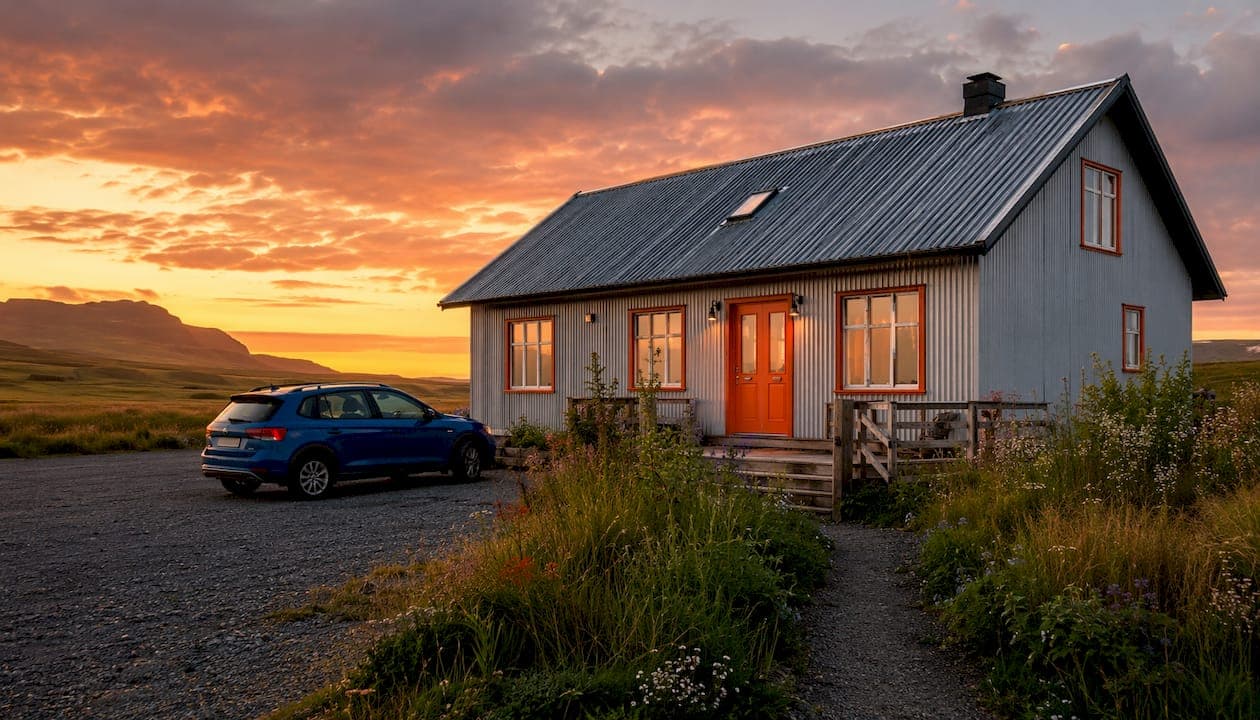
If you’re ready to put this guide into action and meet other travelers in the best environment possible, Fox Hostel is your next step. Tucked inside Hrífunes Nature Park in a beautifully converted Icelandic barn just 35 minutes east of Vík, Fox Hostel was built for exactly the kind of connection this guide describes.

The communal kitchen is the heart of the place, massive, fully equipped, and designed to pull guests together over shared meals. Add an on-site pizzeria, dark skies ideal for Northern Lights viewing, and a welcoming atmosphere that balances adventure with real rest. Whether you’re a solo traveler booking a single bed or a group looking to reserve a full room, Fox Hostel gives you the flexibility and the social setup to make your South Iceland trip genuinely memorable. Browse all hostels on Iceland’s South Coast and discover why Fox Hostel is the starting point for real community and adventure on the Ring Road.
Frequently asked questions
What are the best times to socialize in hostels?
Afternoons and early evenings, especially during scheduled events or meal times, are ideal for meeting others, since guests return from day trips ready to unwind and share experiences.
Are Icelandic hot tubs really good for meeting people?
Yes, geothermal pools and hot tubs function as natural social hubs in Iceland, creating a relaxed setting where conversation starts easily and feels completely normal.
Should introverts avoid party hostels?
Introverts don’t need to avoid them entirely, but prioritizing hostels with structured activities like cooking nights and guided walks makes socializing far more comfortable and enjoyable.
Is it common to make lasting friends in hostels?
Brief connections are the norm, but many travelers do form genuine friendships in hostels, especially when they share a multi-day route like Iceland’s South Coast Ring Road.
Can groups use hostels for socializing, too?
Absolutely. Groups often find it easier to meet others because they already have social energy and can invite other guests along to communal meals, day trips, or evening activities without it feeling awkward.
Recommended
- How to Meet Other Travelers in Iceland: Solo Guide | Fox Hostel – South Iceland
- Social hostels in Iceland: connect, explore, and save | Fox Hostel – South Iceland
- Unforgettable Social Hostel Experiences on Iceland’s South Coast | Fox Hostel – South Iceland
- How to book a group hostel stay in South Iceland easily | Fox Hostel – South Iceland