Hvolsvöllur, Iceland: Your South Coast Gateway Guide
Hvolsvöllur, Iceland: Your South Coast Gateway Guide
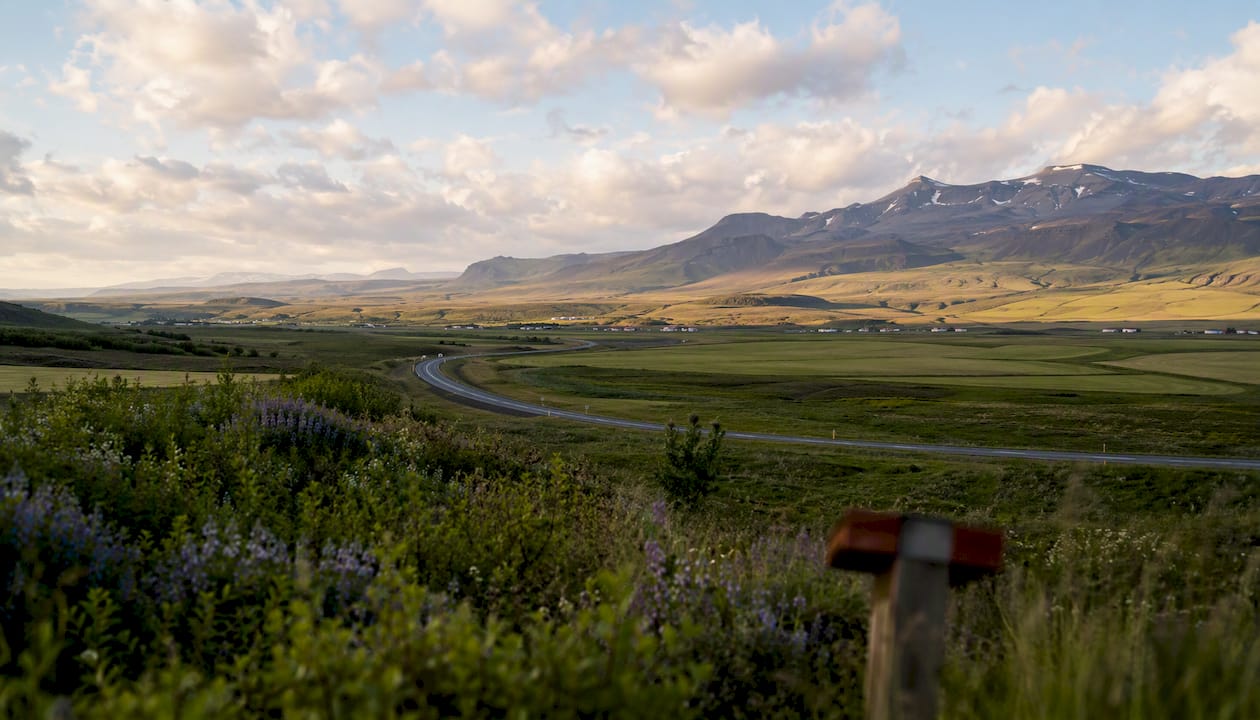
Hvolsvöllur is a small, unpretentious service town on Iceland’s Ring Road, about 106 km east of Reykjavík, and it earns its place on a South Coast itinerary not for spectacle but for practicality. Visit South Iceland frames it plainly: a quiet base with real amenities, close enough to Seljalandsfoss, Skógafoss, and Reynisfjara to make day trips effortless. If you want a calm overnight stop with a pharmacy, a supermarket, a geothermal pool, and a world-class volcano museum within walking distance, this town delivers. If you want a buzzy beach village, look elsewhere.
At a glance:
- About 106 km east of Reykjavík on Route 1, roughly 1.5 hours by car
- Main in-town draws: the LAVA Centre, Njál’s Saga Centre, geothermal swimming pool, and the UNA design shop
- Lodging ranges from budget hostel beds to guesthouses and farm stays, with camping available in summer
Key Takeaways
Hvolsvöllur is a practical, quiet South Coast base with real town services, a world-class volcano museum, and easy access to Iceland’s most famous waterfalls and black-sand beaches.
| Point | Details |
|---|---|
| Location and distance | Hvolsvöllur sits on Route 1, roughly — east of Reykjavík, about a 1.5-hour drive. |
| Best season to visit | Shoulder seasons (May, September) balance fewer crowds with decent daylight and Northern Lights potential. |
| Highland access caution | Þórsmörk and Landmannalaugar require a 4x4 or organized transfer; F-roads close in winter. |
| Book accommodation early | South Iceland beds fill fast in summer; book 6–8 weeks ahead for peak-season travel. |
| Fox Hostel as a base | Fox Hostel in Hrífunes Nature Park offers flexible dorm beds, a communal kitchen, and a pizzeria, 35 minutes east of Vík. |
Table of Contents
- What you need to know about Hvolsvöllur, Iceland before you arrive
- What are the top things to do in Hvolsvöllur?
- What day trips can you do from Hvolsvöllur?
- Where to eat, drink, and shop in Hvolsvöllur
- What accommodation options are available around Hvolsvöllur?
- Camping near Hvolsvöllur: what you need to know
- How do you get to Hvolsvöllur and get around?
- When is the best time to visit Hvolsvöllur?
- Practical services, safety, and money tips for Hvolsvöllur visitors
- Why Fox Hostel works as a base for South Coast travel
- A local perspective on Hvolsvöllur as a travel base
- Fox Hostel: your Ring Road base for South Coast adventures
- Sources
What you need to know about Hvolsvöllur, Iceland before you arrive
Pronunciation and name
The name trips up most visitors. A workable phonetic guide: roughly KVOLS-vöt-lur, with the “Hv” sounding closer to a “KV” and the “ö” like the “u” in “burn.” Locals won’t mind if you approximate it.
Population and what it tells you
Hvolsvöllur’s population was recorded at 1,108 in 2023, making it the primary service hub for the Rangárþing eystra municipality. That number sets realistic expectations: you get a functioning town with real services, not a tourist resort, and not a hamlet with one gas pump.
Town stat: Population 1,108 (2023) — large enough for a pharmacy, bank, supermarkets, and a health center; small enough that you’ll walk most of it in 20 minutes.
Services available in town
Travelers passing through or staying overnight will find:
- Pharmacy and health center
- Supermarket (Krónan or similar)
- Bank and ATM
- Gas station
- Geothermal swimming pool and sports center
- Accommodation across multiple price points
Distance from Reykjavík
The drive from Reykjavík takes about 1.5 hours on Route 1 under normal conditions. That puts Hvolsvöllur well within reach as a first overnight stop on a South Coast road trip, or as a base for two to three nights of day tripping.
What are the top things to do in Hvolsvöllur?
1. LAVA Centre (60–90 minutes)
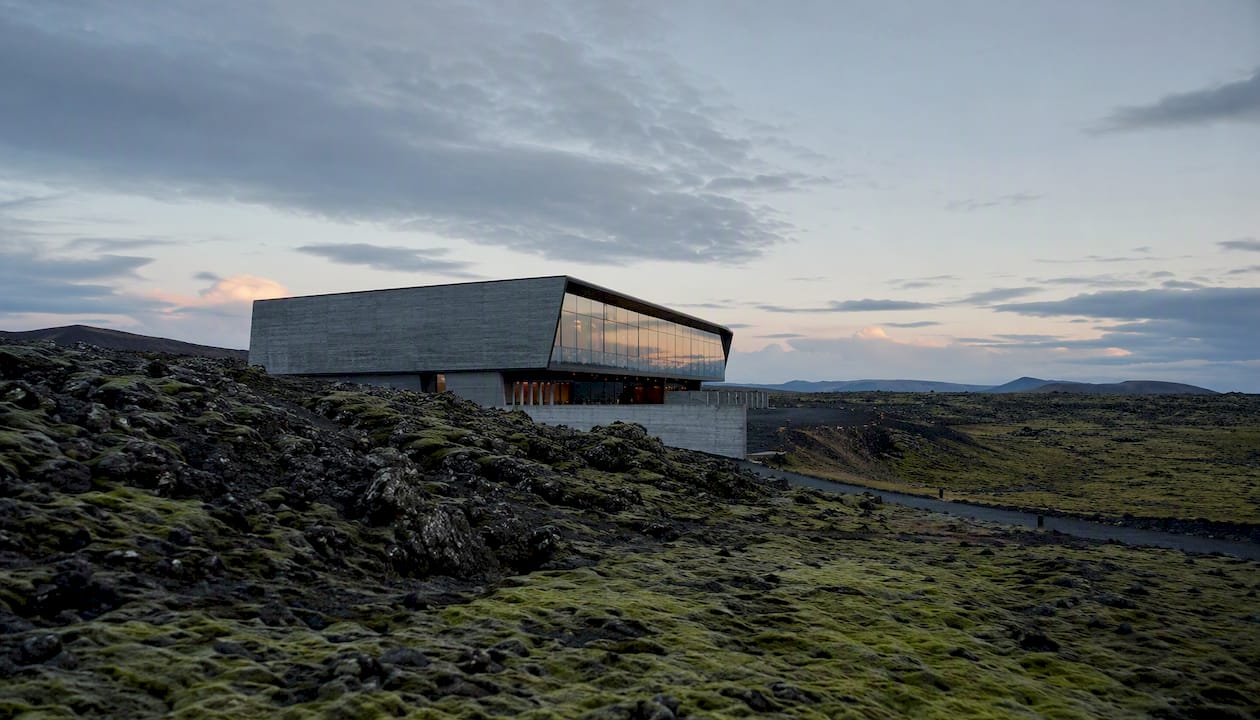
The LAVA Centre is the town’s standout attraction, and it’s genuinely impressive rather than just a rainy-day fallback. The interactive exhibition covers Iceland’s volcanoes and earthquakes in real depth, and the building sits between five active volcanic systems. Lonely Planet named it one of the top ten new attractions in the world in 2017, and it operates year-round, making it a reliable stop regardless of season. Budget 60–90 minutes, and save the rooftop observation deck for last if the weather cooperates: the panoramic view of the surrounding volcanic systems is the kind of thing you’ll photograph for ten minutes and then just stand and look at.
2. Njál’s Saga Centre (45–60 minutes)
NAT’s Hvolsvöllur guide calls the Saga region heritage one of the most overlooked cultural angles in South Iceland, and that’s fair. The Njál’s Saga Centre tells the story of one of the great medieval Icelandic sagas, set in this exact landscape. If you’ve read Njál’s Saga, the centre adds a layer of place to the text. If you haven’t, it’s a solid introduction to why these stories still matter.
3. Hvolsvöllur Swimming Pool (1–2 hours)
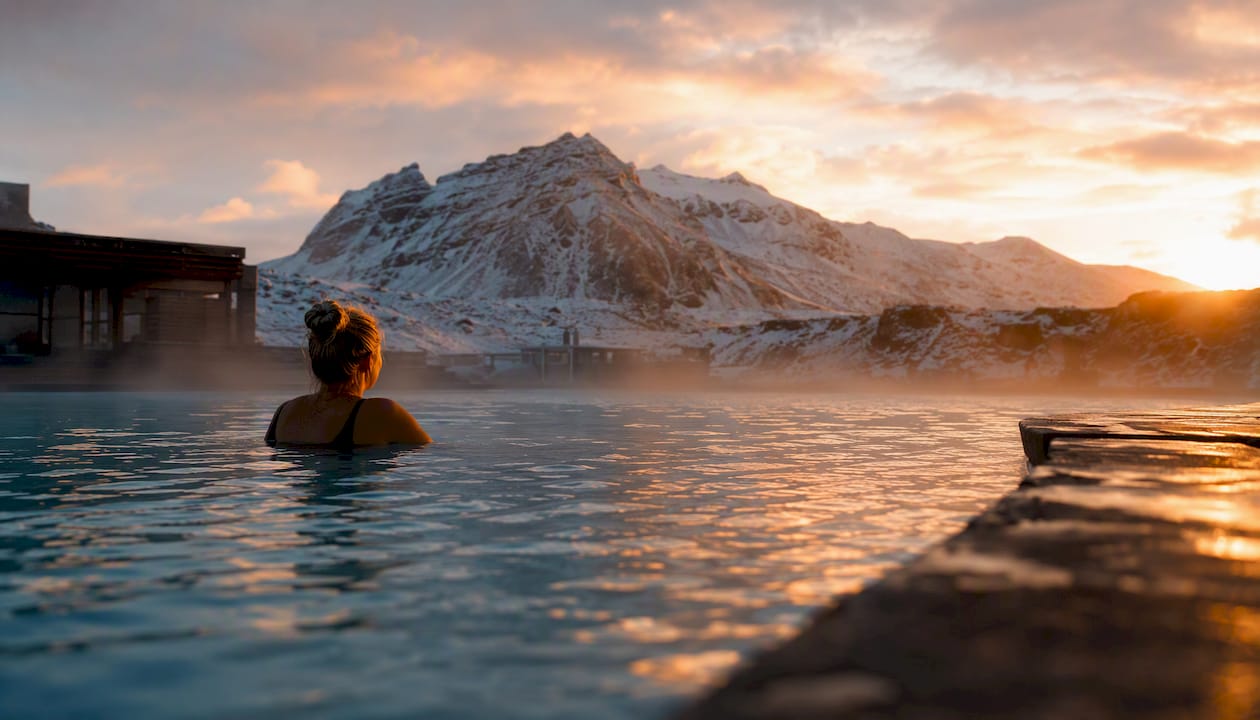
Iceland’s geothermal pools are a genuine local institution, not a tourist gimmick. The town’s swimming pool and sports center offers hot pots, lanes, and a chance to sit in warm water while staring at a mountain. After a day of waterfall-hopping, it’s hard to overstate how good this feels. Check current opening hours before you go, as they vary by season.
4. Breiðabólstaðarkirkja (15–20 minutes)
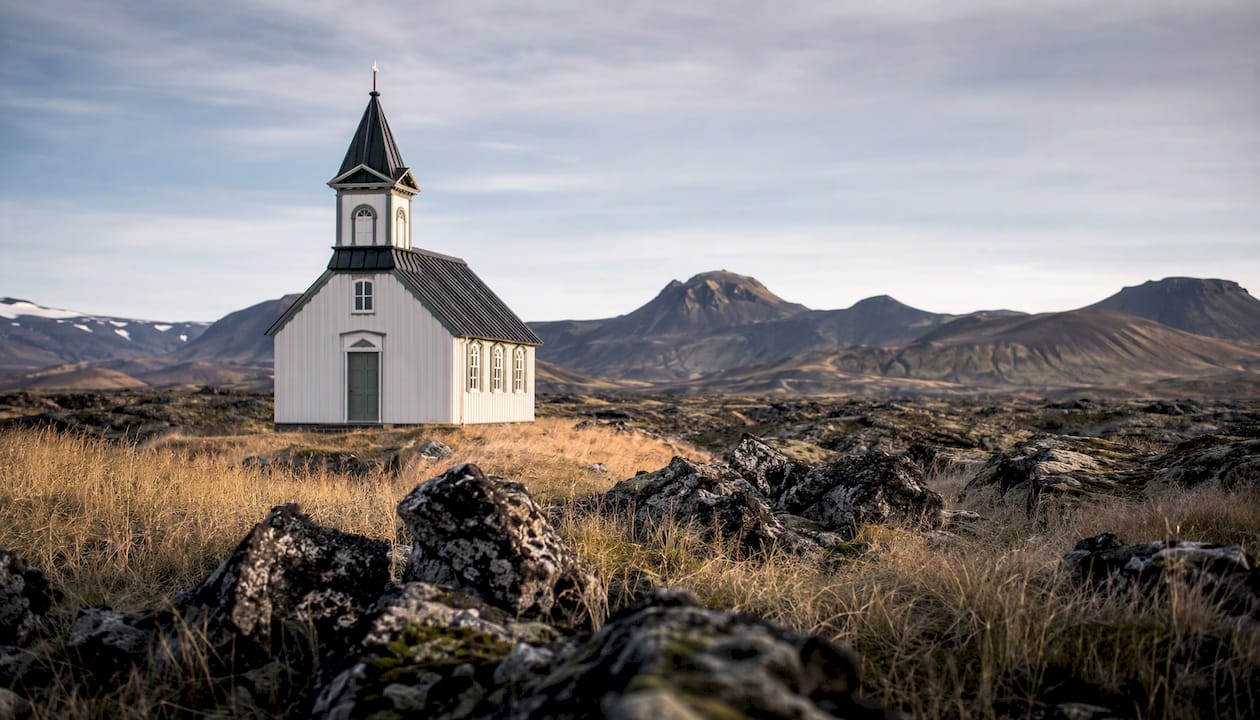
The local church, Breiðabólstaðarkirkja, is a modest but photogenic example of Icelandic rural ecclesiastical architecture. It’s a short detour worth making for the setting alone: a white timber church against a backdrop of lava fields and distant peaks.
5. UNA local design shop (30 minutes)
UNA is a small shop selling locally made food products, crafts, and design goods. It’s the kind of place where you pick up something you didn’t know you wanted. The town green area also hosts a summer photography exhibition, which adds a low-key cultural stop if you’re visiting between June and August.
What day trips can you do from Hvolsvöllur?
The town’s real value is its position. Most of the South Coast’s headline attractions sit within an hour’s drive, and a few lesser-known spots are even closer.
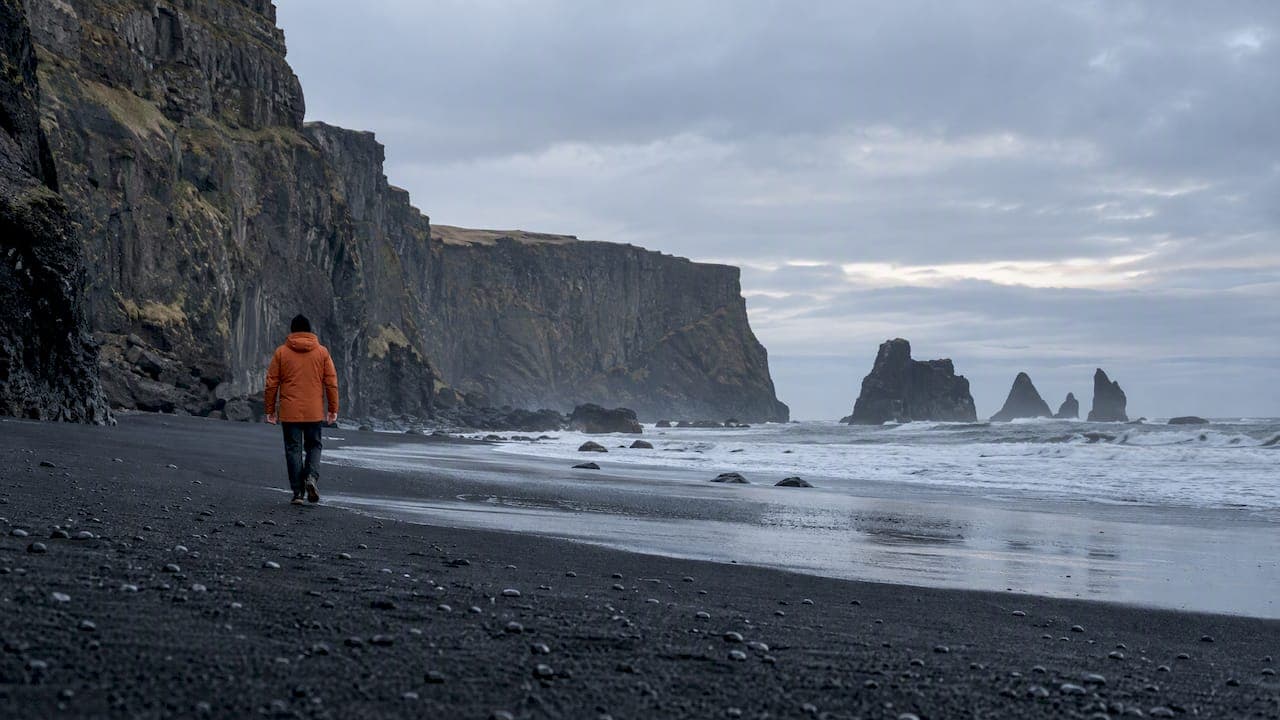
Reynisfjara safety note: The black-sand beach at Reynisfjara is one of Iceland’s most visited spots and one of its most dangerous. Sneaker waves here have killed visitors. Stay well back from the waterline, never turn your back to the ocean, and follow the warning signs. No photograph is worth the risk.
Highland access: Þórsmörk and Landmannalaugar both require F-roads with river crossings. These routes demand a 4x4 vehicle, and organized transfers are strongly recommended for anyone without highland driving experience. River crossings are a genuine hazard for unprepared drivers, not just a technicality.
Pro Tip: If you don’t have a 4x4 but want to reach Þórsmörk, book a guided transfer from Hvolsvöllur or Reykjavík. Several operators run scheduled buses on the highland routes in summer, and it removes the river-crossing risk entirely.
Where to eat, drink, and shop in Hvolsvöllur
The dining scene is small but functional. Options include:
- Local cafés and small restaurants serving Icelandic staples and international basics; most accept credit cards
- UNA design shop for local food products, crafts, and gifts
- Krónan supermarket for self-catering supplies, snacks, and picnic provisions
- Gas station convenience store for quick stops and basic supplies
- Summer outdoor photography exhibition on the town green (June–August)
Most restaurants in small Icelandic towns close earlier than visitors expect, often by 9 PM, and in shoulder seasons (April–May, September–October) some may operate reduced hours or close on weekdays.
Pro Tip: Check Google Maps hours the day you plan to eat out, not the day before. Seasonal adjustments happen without much online notice in smaller Icelandic towns. Having supermarket backup supplies at your accommodation is a smart habit anywhere outside Reykjavík.
Dietary options are limited compared to the capital, but most cafés can accommodate vegetarian requests. Vegan options are less reliable; self-catering is the safest bet for strict dietary needs.
What accommodation options are available around Hvolsvöllur?
The area offers a solid spread of lodging types, which is part of why it works as a base for different kinds of travelers.
Hostels suit solo travelers and budget-conscious groups. Dorm beds keep costs down, and the communal spaces tend to be where you meet other road-trippers and swap route tips. For solo travelers, understanding your hostel room options before booking helps you choose between a shared dorm and a private room buyout.
Guesthouses and farm stays are common across South Iceland and offer more privacy, often with breakfast included. They suit couples and families who want a quieter, more personal experience.
Hotels are limited in Hvolsvöllur itself but available in the broader South Coast corridor.
Camping is available in summer (see the next section for details).
Booking stat: South Iceland accommodation fills quickly between June and August. Booking 6–8 weeks ahead for peak summer travel is a reasonable minimum; popular hostels and guesthouses can sell out faster.
Pro Tip: If you’re prioritizing waterfall sunrises at Seljalandsfoss or Skógafoss, staying slightly east of Hvolsvöllur puts you closer to those sites. If you need pharmacy, supermarket, or health center access, staying in town is the smarter call.
For a broader look at where to stay on the South Coast, the Ring Road corridor offers several strong base options depending on which stretch of coast you’re focusing on.
Camping near Hvolsvöllur: what you need to know
Iceland’s camping rules changed significantly in recent years. Wild camping is now prohibited across most of the country, and travelers must use designated campsites.
Nearby campsite options typically offer:
- Toilets and running water
- Electrical hookups at some sites
- Shower facilities (sometimes coin-operated)
- Cooking shelters at larger sites
Key rules and practical notes:
- Wild camping outside designated sites is not permitted; fines apply
- Most campsites operate from mid-May through September; a few stay open into October
- During summer festivals and public holidays, sites near popular attractions fill fast — reserve in advance where booking is available
- The Camping Card Iceland covers many sites and can offer savings for travelers planning multiple nights under canvas
Check individual campsite pages or the Visit Iceland camping directory for current availability and facilities before arrival.
How do you get to Hvolsvöllur and get around?
Driving distances from key points
Public transport
Strætó and Reykjavík Excursions both run scheduled bus services along the South Coast, stopping at or near Hvolsvöllur. The Reykjavík–Vík route covers the Ring Road corridor and is a viable option for travelers without a car. That said, bus schedules are infrequent compared to driving, and reaching highland areas or smaller sites like Nauthúsagil canyon without a vehicle is impractical.
A rental car gives you the most flexibility. Most major rental companies operate from Reykjavík’s Keflavík Airport, and picking up a vehicle there before heading south is the standard approach.
Winter road access
F-roads close in winter, typically from October through May or June depending on conditions. Route 1 stays open year-round but can be icy and dangerous in winter storms. Always Road for live conditions before driving, and carry an ice scraper, warm layers, and a charged phone.
Pro Tip: The Landeyjahöfn ferry to the Westman Islands (Vestmannaeyjar) departs just 20 km from Hvolsvöllur. If you’re planning that side trip, Hvolsvöllur makes a logical overnight stop before or after the crossing.
When is the best time to visit Hvolsvöllur?
The answer depends entirely on what you’re after.
Summer (June–August)
- Up to 22–24 hours of usable daylight
- Highland roads (F-roads) open, giving access to Þórsmörk and Landmannalaugar
- Peak crowds at major waterfalls and beaches
- Warmest temperatures, typically 10–15°C
- Pack: waterproof jacket, layers, sunscreen (yes, really), and insect repellent for highland areas
Shoulder seasons (April–May and September–October)
- Fewer crowds at Seljalandsfoss and Skógafoss
- Variable weather: rain, wind, and occasional snow at elevation
- Some highland roads still closed in April and May; check road.is
- Better chances of Northern Lights in September and October as nights lengthen
- Pack: waterproof shell, thermal base layers, warm hat and gloves
Winter (November–March)
- Short days (4–5 hours of usable daylight in December)
- Strong Northern Lights potential on clear nights
- F-roads closed; highland day trips not possible
- Route 1 can be icy; drive with caution and check conditions daily
- Pack: crampons or ice cleats for icy paths near waterfalls, heavy waterproof jacket, thermal layers, hand warmers
The shoulder seasons offer the best balance for most travelers: manageable crowds, decent daylight, and real Northern Lights potential without the full winter road restrictions.
Practical services, safety, and money tips for Hvolsvöllur visitors
Hvolsvöllur functions as the main service hub for its municipality, which means travelers can handle most practical needs without backtracking to Reykjavík. The town has a pharmacy, health center, supermarket, gas station, bank, and ATM.
Safety checklist:
- Check weather forecasts daily at vedur.is
- Check road conditions at road.is before any drive
- Keep safe distances at all waterfalls: wet rocks are slippery and falls are common
- At Reynisfjara, stay well back from the waterline at all times
- Carry a fully charged phone and a portable battery pack
Money and connectivity:
- Iceland is almost entirely cashless; credit and debit cards are accepted nearly everywhere, including small cafés and campsites
- ATMs are available in Hvolsvöllur, but withdrawing cash before leaving Reykjavík is a sensible backup
- Icelandic SIM cards (available at Keflavík Airport from providers like Síminn and Nova) give reliable data coverage along Route 1; roaming works but can be expensive depending on your plan
Service note: With a population of 1,108, Hvolsvöllur covers the basics well. For specialist medical care or larger retail needs, Reykjavík is 1.5 hours away.
Pro Tip: Download offline maps for South Iceland before you leave Reykjavík. Cell coverage drops in some highland areas and canyon approaches, and having a cached map prevents the kind of wrong-turn that costs you two hours.
Why Fox Hostel works as a base for South Coast travel
For travelers using Hvolsvöllur as a gateway to the South Coast, Fox Hostel offers a strong practical alternative to staying in town. Located in Hrífunes Nature Park, just 35 minutes east of Vík, Fox Hostel sits in a converted traditional Icelandic barn and positions you midway between Vík and Kirkjubæjarklaustur, with Reynisfjara Black Sand Beach, Dyrhólaey, and the eastern glacier lagoons all within reach.
What Fox Hostel offers:
- Dorm-style rooms with flexible booking: individual beds for solo travelers, or full room buyouts for couples, families, and groups wanting privacy
- A large, fully equipped communal kitchen for self-catering
- An on-site pizzeria for nights when cooking isn’t the priority
- Dark skies with strong Northern Lights viewing potential
- A social atmosphere that makes it easy to connect with other road-trippers
The location is particularly useful for travelers who want to push further east. Vatnajökull National Park, Jökulsárlón Glacier Lagoon, and the Highlands are all more accessible from Fox Hostel than from Hvolsvöllur itself. For adventure travelers on a budget, the combination of flexible beds, communal facilities, and a strategic Ring Road position is hard to beat.
Pro Tip: Book Fox Hostel at least 6–8 weeks ahead in summer. Individual beds sell out faster than full rooms, so solo travelers especially should lock in early. Check live availability directly at Foxhostel.
A local perspective on Hvolsvöllur as a travel base
Hvolsvöllur gets underestimated, and I think it’s because travelers compare it to the wrong things. It’s not trying to be Vík or Reykjavík. What it actually is: a calm, functional town where you can sleep well, eat a decent meal, soak in a hot pot, and wake up 15 minutes from Seljalandsfoss. The LAVA Centre alone is worth a stop even if you’re just passing through. Spend 90 minutes there and you’ll understand Iceland’s geology in a way that makes every volcanic landscape you see afterward more interesting. My honest recommendation is to use Hvolsvöllur for one or two nights at the start of a South Coast trip, then move east. The town does the service-hub job well, and the Saga Centre adds a cultural layer that most road-trippers skip entirely and later wish they hadn’t.
Fox Hostel: your Ring Road base for South Coast adventures
Fox Hostel gives South Coast travelers something specific: a premium barn conversion in Hrífunes Nature Park with flexible beds, a communal kitchen, and an on-site pizzeria, positioned perfectly for both the Vík-area attractions and the eastern glacier routes. Solo travelers book a single bed; groups book the whole room. No awkward compromises.
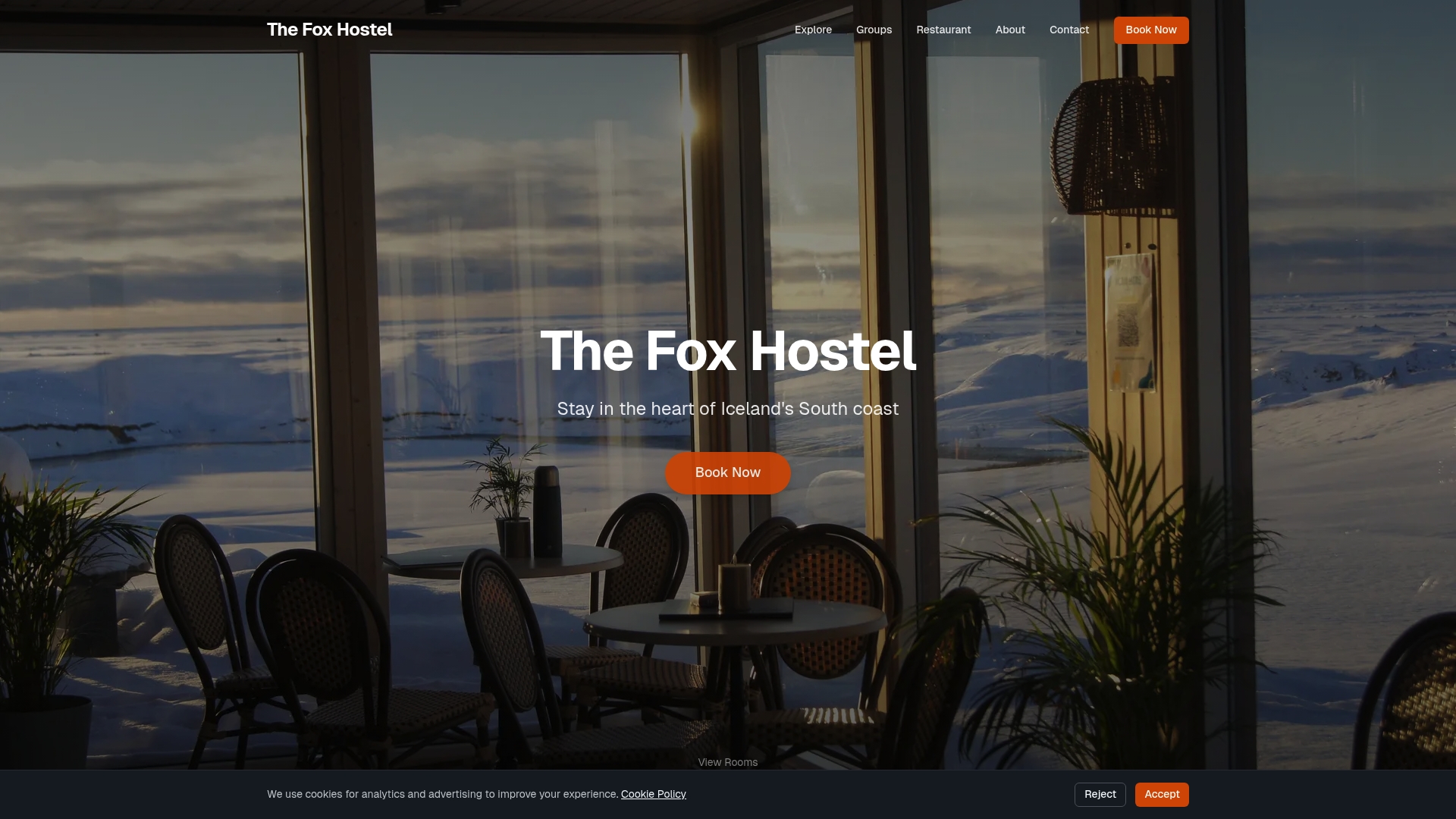
The location puts Reynisfjara, Dyrhólaey, and the Westman Islands ferry within easy reach, while Vatnajökull and Jökulsárlón are a straightforward morning drive east. In summer, book 6–8 weeks ahead. In shoulder season, you’ll have more flexibility, but availability still moves fast on weekends. Check live room availability and reserve your bed or room buyout at Foxhostel.
Sources
- Hvolsvöllur - Wikipedia
- About Lava Centre | LAVA Centre interactive exhibition in Iceland.
- HVOLSVÖLLUR | Visit South Iceland
- Hvolsvollur Travel Guide - NAT
- Hvolsvollur Iceland: Where to Stay & What to Do Guide 2026
Recommended
- What Is the South Coast of Iceland? A Travel Guide | Fox Hostel – South Iceland
- How to Plan a South Coast Itinerary in Iceland | Fox Hostel – South Iceland
- How to Visit South Coast Waterfalls in Iceland | Fox Hostel – South Iceland
- How to Discover Scenic Spots Near Vík, Iceland | Fox Hostel – South Iceland