3–4 Hour Katla Ice Cave Tour from Vík: Road Access and Safety Signals
3–4 Hour Katla Ice Cave Tour from Vík: Road Access and Safety Signals

Yes, you can visit Katla Ice Cave, but only with a certified guide, and conditions ultimately decide whether a tour runs on any given day. Tours often operate year-round, which sets Katla apart from caves that only open in winter. Most trips run 3 to 4 hours total, with about 45 to 60 minutes spent inside the ice cave itself.
TL;DR:
- Tours typically include a 2.5 to 3-hour drive from Reykjavík or under an hour from Vík, with about 45 to 60 minutes spent inside the cave.
- Access to the Katla Ice Cave is strictly guided and depends on daily safety checks due to shifting ice and volcanic activity risks.
- The cave remains open most of the year because it forms inside a glacier outlet, making year-round visits possible unlike many other Icelandic ice caves.
- Winter conditions may require additional caution or a 4x4 rental, but transfers from Reykjavík are available for those not driving themselves.
- The safest tours rely on monitoring seismic activity and gas levels, with cancellations common if hazards such as glacial floods or gas buildup are detected.
Table of Contents
- Quick facts: drive times, duration, and what to budget
- Where Katla Ice Cave is and how guided access works
- Getting there: self-drive, transfers, and road conditions
- What a Katla Ice Cave tour is like, step by step
- Safety: hazards, monitoring, and what guides manage
- Gear and clothing checklist for visiting Katla Ice Cave
- Best time to visit and how far ahead to book
- Staying near Vík makes the whole trip easier
- Who this trip is really for
- Fox Hostel: a practical base for your Katla trip
- FAQ
- Sources
Quick facts: drive times, duration, and what to budget
Before you book, here is the shape of a typical Katla trip. Expect a drive of roughly 2.5 to 3 hours from Reykjavík, or under an hour from Vík, where nearly every tour begins.
- Meeting point: Vík, with transfer by super jeep to the glacier edge.
- Total tour time: 3 to 4 hours, including transfer and a short hike.
- Time inside the cave: 45 to 60 minutes, depending on group size and conditions.
- Season: often accessible year-round, unlike many caves that close outside winter.
Katla is one of the few ice caves in Iceland that stays open most of the year, because it forms inside Kötlujökull, an outlet glacier of Mýrdalsjökull, rather than depending on a short cold window. That year-round access is the single biggest reason Katla draws visitors who cannot time a trip around peak winter.
Where Katla Ice Cave is and how guided access works
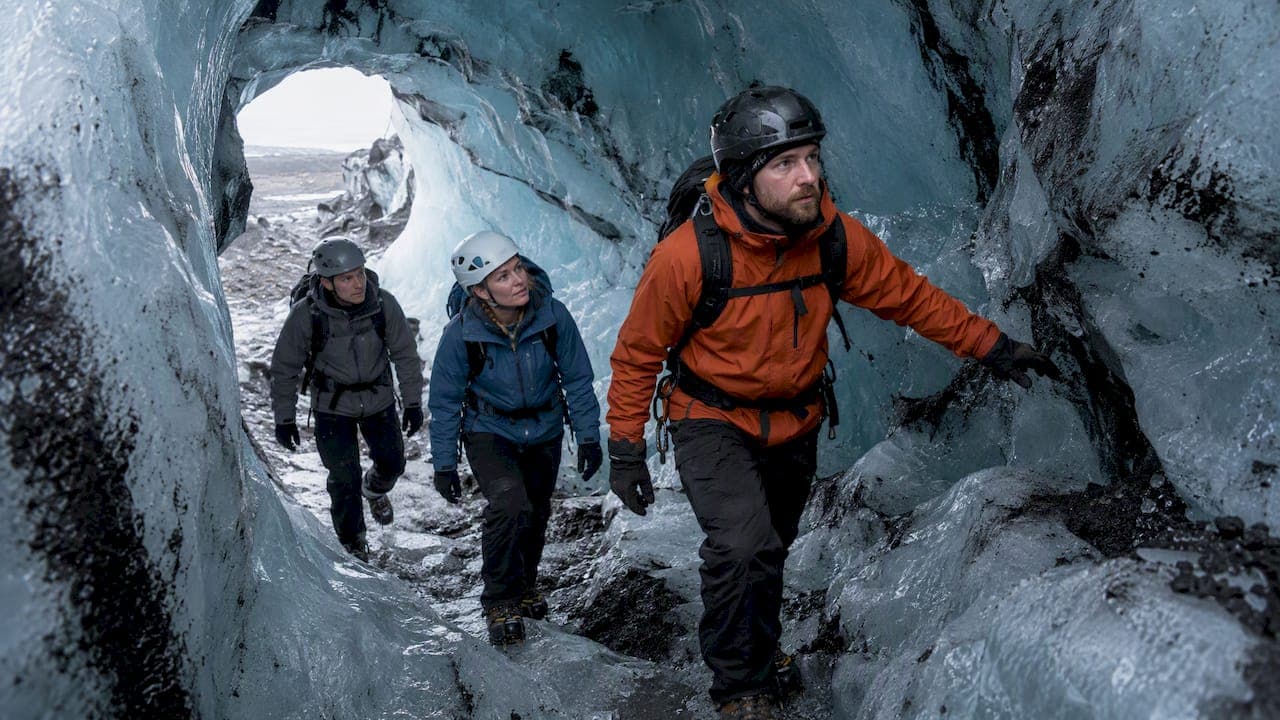
Katla Ice Cave sits inside Kötlujökull, one of the outlet glaciers that spill off Mýrdalsjökull, the ice cap covering the Katla volcano on Iceland’s South Coast. Meltwater carves tunnels through the glacier’s base, and the ice itself carries dark bands of volcanic ash from past eruptions trapped between layers of compressed snow. That combination of deep blue ice and black ash stripes is what makes Katla visually distinct from clearer caves elsewhere on the island.
You cannot walk in on your own, and that is not a matter of preference. Independent access is strongly discouraged and effectively impossible, since the glacier hides crevasses that are not visible from the surface, ice that shifts and collapses without warning, and drainage channels that can flood suddenly during a jökulhlaup, a glacial outburst flood. A guide who checks conditions that morning is not an added luxury here, it is the only way in.
Operators follow a fairly consistent routine:
- Guests gather in Vík, usually at a set meeting point in town.
- A super jeep or similarly modified vehicle carries the group across black sand plains and shallow river crossings that a standard car cannot manage.
- At the glacier edge, guides run a safety briefing and fit each guest with a helmet and crampons before the walk to the cave entrance.
Because the cave is a living formation, not a fixed structure, guides choose the specific entrance point on the day of the tour. The cave can shift or collapse over the course of days or weeks, so a reputable operator never promises a specific chamber in advance. What they promise instead is a formation that has been checked that morning and judged safe to enter, which is a better guarantee than any photo on a tour website.
Getting there: self-drive, transfers, and road conditions
Most visitors reach Katla by driving Route 1 along the South Coast, either from Reykjavík or from a base closer to Vík. The road itself is paved and manageable in a standard rental for most of the year, but the final stretch to the glacier is a different story.
- Drive Route 1 to Vík, where the road crosses black sand plains with sweeping views of Mýrdalsjökull in the distance.
- Meet your tour operator in town rather than attempting the glacier approach yourself, since the last leg crosses rough lava terrain and shallow rivers that require a super jeep or similarly modified vehicle.
- Expect seasonal differences: summer driving is generally straightforward, while winter can bring ice, wind, and shorter daylight that call for extra caution and sometimes a 4x4 rental even for the approach to Vík.
If you plan to self-drive to Vík and join a tour there, declare your planned route to your rental company and understand what your insurance actually covers on gravel or unpaved sections. Guidance for travelers taking on rougher Icelandic terrain consistently stresses matching the vehicle to the route rather than assuming a standard rental will handle everything.
For the glacier approach itself, skip the idea of self-driving entirely. No standard or even upgraded rental is built for the river crossings and loose terrain between Vík and the cave, which is why every legitimate operator supplies its own super jeep for that final stretch. If you would rather not drive at all, operator transfers from Reykjavík are widely available and fold the long drive into the tour price, which can be worth it if you are short on days or uneasy about winter roads.

What a Katla Ice Cave tour is like, step by step
A typical day runs in a predictable sequence, which helps if you want to know what you are signing up for before you commit.
- You meet your guide in Vík, usually early morning, and transfer by super jeep toward the glacier.
- At the glacier edge, you walk roughly 1 to 2 km over uneven terrain to reach the cave entrance, wearing crampons fitted by your guide.
- Inside, you spend about 45 to 60 minutes moving through the cave in a small group, pausing at the best viewpoints for photos.
- The group retraces its steps, transfers back to Vík, and the tour wraps up close to the 3 to 4 hour mark from start to finish.
Group sizes tend to stay small enough that everyone gets a turn near the best ice formations, and most operators supply helmets and crampons as part of the price. Photography inside the cave is allowed, but space is tight and your guide will keep the group moving, so you will not get long static setups.
Pro Tip: Shoot handheld rather than planning on a tripod. Space and time inside the cave are limited, and a fast lens with image stabilization will serve you better than extra gear you cannot deploy in a crowd.
If mobility is a concern, the 1 to 2 km walk over uneven, sometimes icy ground is the real limiting factor rather than time inside the cave. Ask your operator directly about terrain difficulty before booking, since descriptions vary between companies.
Safety: hazards, monitoring, and what guides manage
Katla sits on an active volcanic system, and the hazards that come with that are specific rather than abstract. The main risks are hidden crevasses in the ice, jökulhlaups, which are sudden glacial outburst floods triggered by geothermal meltwater or volcanic activity underneath the ice cap, falling ice inside unstable sections of the cave, and hydrogen sulfide gas that can accumulate near certain drainage channels.
Elevated electrical conductivity and hydrogen sulfide concentrations have been recorded in Múlakvísl during past events, with conductivity readings in some incidents rising into the 250 to 500 µS/cm range and gas levels exceeding health limits at monitoring stations. Readings like these are exactly what can trigger a same-day tour cancellation, since they signal that meltwater chemistry or gas levels near the glacier have shifted.
The Icelandic Meteorological Office tracks this activity continuously, and operators check those public measurements before heading out each day:
- Seismic monitoring flags unusual activity under Mýrdalsjökull that could signal instability.
- Gas and conductivity readings in rivers draining the glacier warn of jökulhlaup risk.
- Guides adjust routes or cancel outright when readings cross known thresholds.
Safetravel and ICE-SAR materials are consistent on this point: glacier travel requires either real experience or a certified guide, and travelers should always leave a travel plan with someone before heading into remote terrain. On tour, your guide carries communication equipment and is trained to manage the hazards above, but the honest takeaway is that the biggest safety factor is simply booking with an operator who takes a cancellation seriously rather than pushing through marginal conditions.
Gear and clothing checklist for visiting Katla Ice Cave
What you wear affects your experience more than almost anything else on this trip, and footwear is where people most often get it wrong.
- Waterproof, crampon-compatible boots with ankle support, since most operators expect you to bring your own rather than renting them on-site.
- A base layer, insulating midlayer, and waterproof outer layer and pants, avoiding cotton entirely since it holds moisture and offers no insulation once wet.
- Spare socks, a small daypack, snacks, and a headlamp if your tour includes early morning or low-light conditions.
- Camera protection such as a dry bag or rain cover, since dripping meltwater inside the cave is routine, not occasional.
Operators typically supply helmets and crampons, but policies vary, so confirm exactly what is included before you show up without the right boots. For a deeper rundown on dressing for ice-cave photography specifically, our ice cave tour tips for photographers cover lens choices and weatherproofing in more detail.
Pro Tip: Pack your boots and crampon-compatible footwear in your carry-on if you are flying into Iceland. Checked luggage delays are common enough that showing up without proper boots can mean missing your tour entirely.
Best time to visit and how far ahead to book
Summer and winter each offer something different at Katla, and neither is strictly better.
- Visit in summer for easier driving conditions and the clearest view of the ash bands that give the cave its signature look.
- Visit in winter for deeper blue ice tones, though you will face colder temperatures and far fewer daylight hours to work with.
- Book several days to weeks ahead for winter departures, when demand runs highest alongside other South Coast ice cave tours, while summer and shoulder season trips often allow for shorter lead times.
Expect that last-minute cancellations happen here more than with most tours, since guides watch seismic and gas monitoring right up until departure and will cancel rather than take a group into marginal conditions. Choose an operator with a clear rescheduling or refund policy rather than assuming every company handles cancellations the same way.
If you are deciding between tour types, photography-focused departures tend to run smaller groups and slower pacing, while combined South Coast day trips bundle Katla with stops like Reynisfjara, which suits travelers trying to cover more ground in a single day. Our guide to planning a South Coast itinerary walks through how to sequence those stops if you are building a multi-day route.
Staying near Vík makes the whole trip easier
Vík is the natural base for a Katla trip, not just because nearly every tour departs from there, but because it shortens your morning considerably. Staying an hour or more away from Vík means an earlier alarm and a longer drive before your tour even starts, and a longer drive back after a day that already includes a glacier hike.
A hostel close to Vík lets you eat breakfast before an early meeting time, get quick local advice on road and weather conditions, and come back to a hot meal rather than another hour of driving after a long day outdoors. We built Fox Hostel around exactly that kind of trip: breakfast is served on site, and Hrífunes Pizzeria gives you dinner without needing to drive further after a cave tour wraps up in the late afternoon or evening. For the wider area, our guide to scenic spots near Vík and our 2 to 3 day Vík itinerary cover what else is worth fitting in around a Katla visit.
Who this trip is really for
Katla rewards a specific kind of traveler more than others. Photographers chasing the contrast between black ash bands and blue ice get something here that brighter, purer caves cannot offer, and road-trippers working with limited time benefit from year-round access that does not force a winter-only itinerary. If what you actually want is the brightest possible blue ice and you are traveling in winter anyway, a cave on Vatnajökull, often marketed as a Crystal Ice Cave, may suit that specific goal better, since those formations are known for more saturated color under the right light.
My honest suggestion is to build a day of slack into your schedule around a Katla tour rather than booking it as the single fixed point in a tight itinerary. Weather and monitoring readings change fast enough that flexibility matters more than almost any other planning decision you will make.
— Siggi
Fox Hostel: a practical base for your Katla trip
Staying close to Vík removes one of the biggest friction points in visiting Katla: the early start. We offer dormitory-style rooms in a converted barn near Vík, with options for solo travelers, couples, and groups who want to book an entire room together.

- Breakfast is available on site, allowing you to eat before an early tour pickup without hunting for an open café in the dark.
- Dinner is available onsite, so you can eat after a long day outdoors without needing to drive elsewhere.
- Shared spaces provide the chance to meet other travelers who have just come back from their own Katla trip or are headed out the next morning.
If you are traveling with a group, our group bookings page lets you reserve a full room rather than scattered beds, and if you are coming through for a tour on your own, our rooms page has the current options for dormitory stays near Vík.
FAQ
Which Katla Ice Cave tour is best?
The best tour depends on what you want: photography-focused departures run smaller groups and slower pacing, while combined South Coast day trips pair Katla with stops like Reynisfjara for travelers short on time. Look for an operator with certified glacier guides and a clear cancellation policy, since conditions can change the plan on short notice.
How long should I spend at Katla Ice Cave?
Most tours run 3 to 4 hours total, covering the transfer from Vík, a short hike, and time inside the cave. You should expect to spend roughly 45 to 60 minutes inside the ice cave itself.
Is the Katla Ice Cave tour worth it?
Travelers and guides tend to rate it highly for the contrast between black volcanic ash bands and blue glacial ice, along with the convenience of access that often holds up outside the typical winter-only window. It suits road-trippers with limited time and photographers looking for a visually distinct cave rather than the brightest possible blue ice.
Is a Crystal Ice Cave or Katla Ice Cave better to visit?
It depends on timing and what you want to see. Katla often stays accessible for more of the year, while caves marketed as Crystal Ice Caves on glaciers like Vatnajökull are winter-only but known for more saturated blue tones under the right light.
Do I need to book a Katla Ice Cave tour in advance?
Winter departures see higher demand, so booking several days to weeks ahead is a safer bet during that season. Summer and shoulder season tours often allow more flexibility, though last-minute cancellations tied to safety monitoring can happen in any season, so a flexible rescheduling policy is worth checking before you pay.
Sources
- Perlan — Guide to Katla ice cave
- Icelandic Meteorological Office — Increased discharge and significant gas pollution in Múlakvisl
- Safetravel — Be safe in Iceland