2–3 Days in Vík, Iceland: Drive Times, Reynisfjara and Fox Hostel
2–3 Days in Vík, Iceland: Drive Times, Reynisfjara and Fox Hostel
Stay two nights in Vík for a relaxed South Coast loop, or three if you want Skaftafell and Jökulsárlón on a comfortable schedule instead of a rushed one. Vík works as a base because Reynisfjara, Dyrhólaey, and the big waterfalls all sit within a short drive, and Route 1 out of Reykjavík is a manageable 2.5 hour run without stops. Self-driving gives you the most control over timing, but respect the sneaker-wave warnings at Reynisfjara. They’re not exaggerated.
TL;DR:
- Visiting Reynisfjara early in the morning maximizes safety and photography opportunities before crowded tour buses arrive.
- The 2.5-hour drive from Reykjavík to Vík includes key stops at Seljalandsfoss, Gljúfrabúi, and Skógafoss, which may take most daylight hours.
- Booking glacier or ice cave tours on the second day provides flexibility in case of weather cancellations, avoiding missed opportunities.
- Staying outside Vík in the countryside offers darker skies for northern lights but requires a longer drive into town for amenities and dining.
- A 2–3 day trip with one relaxed core day and one flexible day allows optimal exploration of the South Coast’s highlights based on weather conditions.
Table of Contents
- Building Your Iceland Itinerary for Vík: A Day-by-Day Plan
- What Are the Top Attractions Near Vík?
- How Do You Get to Vík and Get Around Once You’re There?
- Where Should You Stay in and Around Vík?
- What Should You Pack, and What Safety Rules Matter Most?
- Why Fox Hostel Works as a South Coast Base
- What Is the History Behind Vík and Its Landscape?
- A Local’s Take on Timing Your Vík Days Right
- Book Your Stay at Fox Hostel
- Sources
Building Your Iceland Itinerary for Vík: A Day-by-Day Plan
Vík sits far enough from Reykjavík to feel like a real destination, but close enough that a two or three day loop covers it without burning your whole trip on driving. Here’s how the days break down.
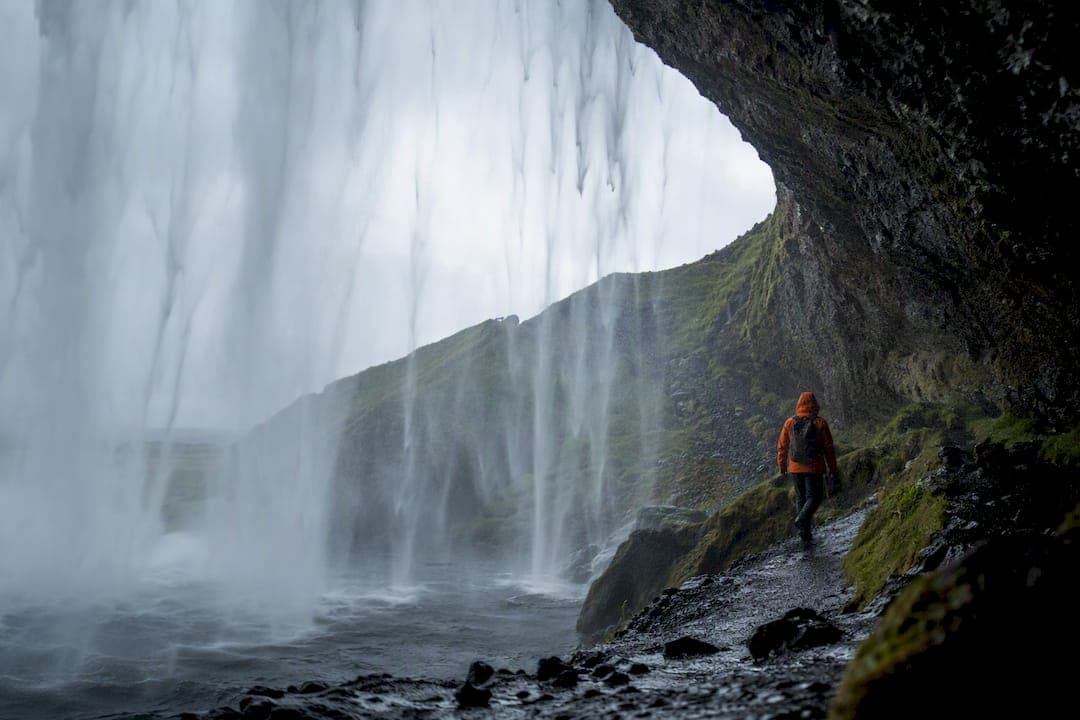
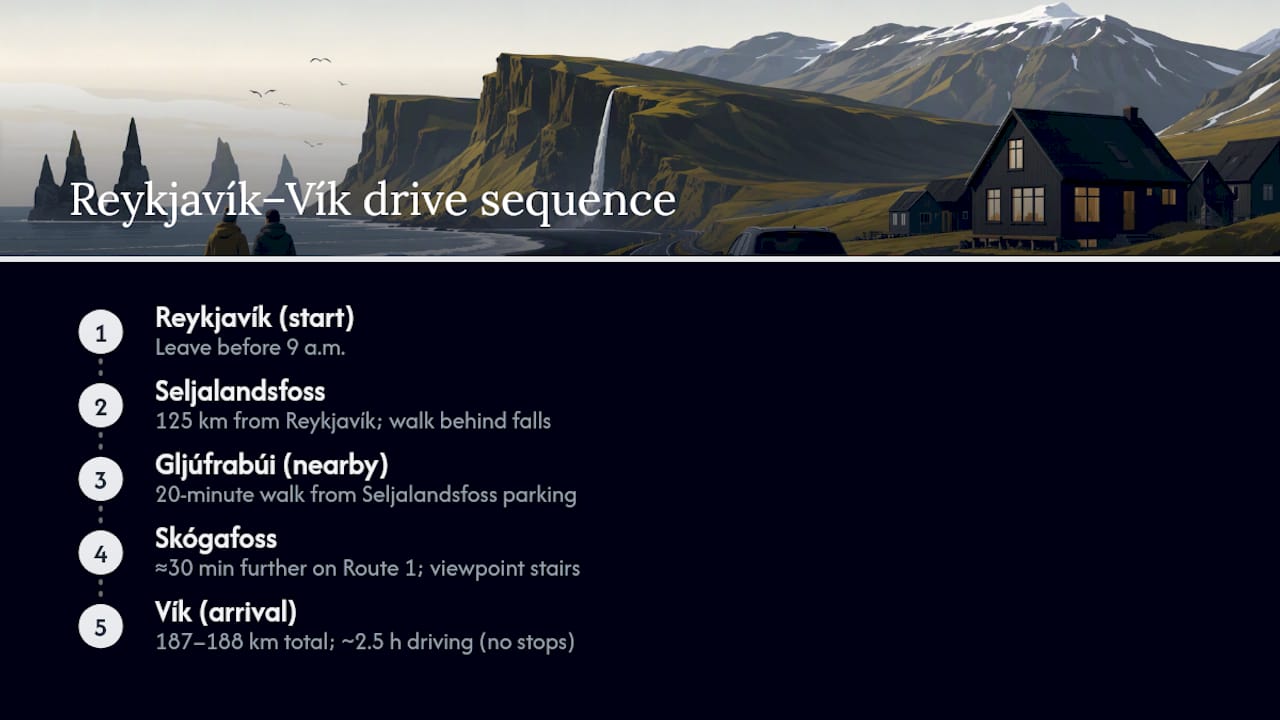
Day 1: Reykjavík to Vík. Leave early, ideally before 9 a.m., because the drive itself covers 187 to 188 kilometers and takes roughly 2.5 hours without stops, and you’ll want the extra hours for waterfalls. Seljalandsfoss is the first major stop, about 125 kilometers from Reykjavík, and it’s worth the short walk behind the falls if you don’t mind getting wet. Right next door, a 20-minute walk from the parking area, is Gljúfrabúi, a hidden waterfall inside a narrow canyon that most tour buses skip. Skógafoss comes next, roughly 30 minutes further along Route 1, with a staircase to a viewing platform at the top if you want the wide-angle version of the falls. Budget the whole day, arriving in Vík by early evening. Parking at the main waterfalls often carries a small fee, sometimes around 700 Icelandic krónur during peak season, so keep cash or a card handy.
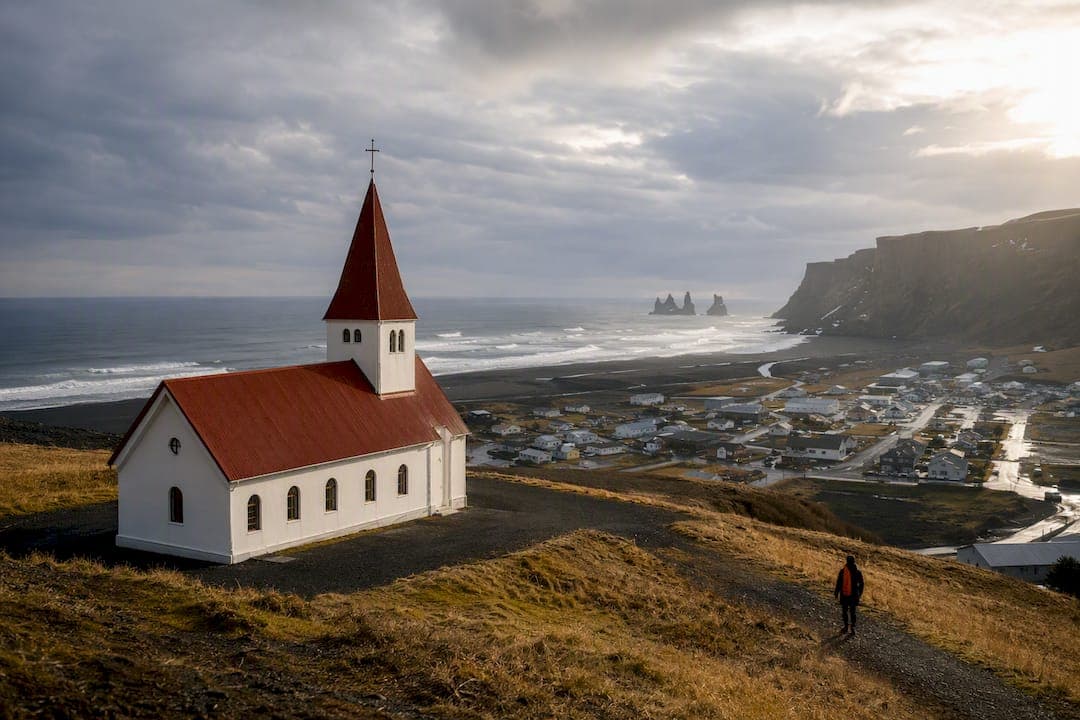
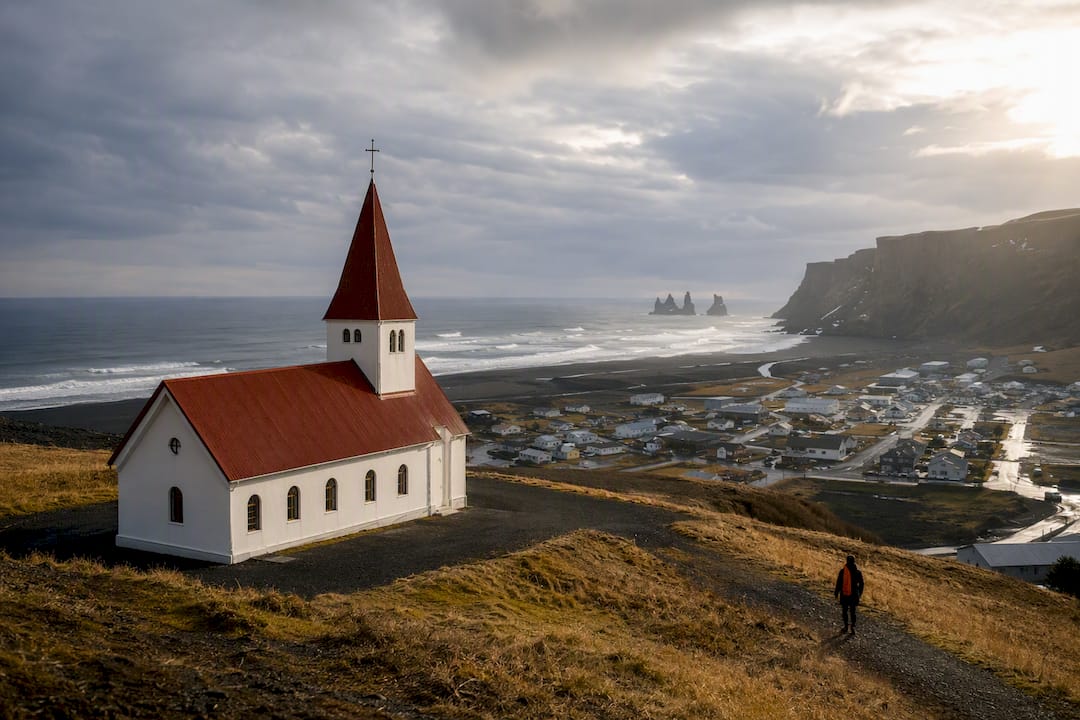
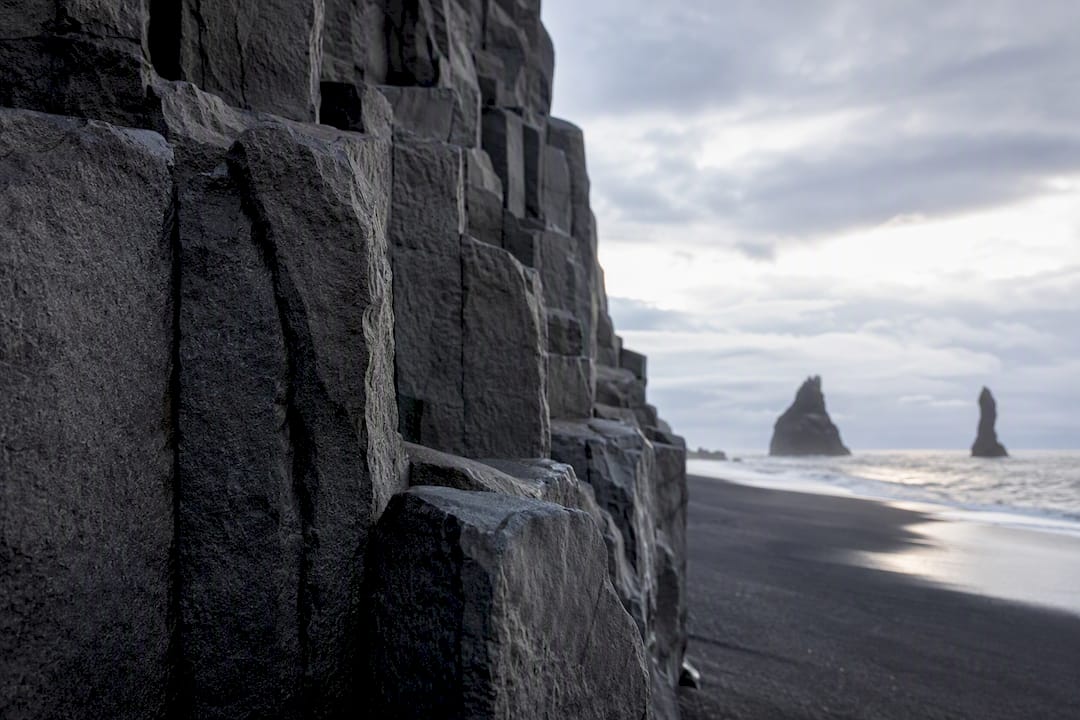
Day 2: Vík and its immediate surroundings. This is the day the whole itinerary is built around. Start at Reynisfjara black sand beach in the morning, before tour buses fill the lot, to see the basalt sea stacks and columns without fighting for space on the sand. From there, it’s a short drive to Dyrhólaey, where a coastal arch and clifftop views make for an easy add-on stop. Back in the village, Vik Church sits on a hill above town and gives you a wide view over the black sand coastline below, a good spot for photos in late afternoon light. If you want to add an activity, a glacier walk on Sólheimajökull, a Lava Show presentation in the village, or a horseback ride through the surrounding farmland all fit comfortably into an afternoon.
Optional Day 3: East toward Skaftafell and Jökulsárlón. This day rewards travelers who want glacier lagoons and ice caves without cramming them into Day 2. The drive from Vík to Skaftafell covers roughly 130 kilometers, and Jökulsárlón sits another 55 kilometers past that. Realistically, this makes for a long day out and back, so book any glacier lagoon boat tour or ice cave excursion in advance, since slots fill fast in summer and cancel easily in poor weather. If you’d rather keep things shorter, our 2-day South Coast itinerary skips the long eastbound drive and still hits the highlights.
Pro Tip: Book glacier or ice cave tours for your middle day rather than your last one. That gives you a buffer to reschedule if the weather turns, without losing your only shot at the activity.
A 2–3 day window built around Vík gives you one relaxed day for the core attractions and one flexible day for whichever direction the weather favors: glacier ice or a longer drive east.
What Are the Top Attractions Near Vík?
Exploring Vík means prioritizing a handful of sights that each demand a different amount of time and a different kind of caution. Here’s how to sequence them.
- Reynisfjara black sand beach. Plan for 45 minutes to an hour. The basalt columns and sea stacks called Reynisdrangar are the draw, but the real story here is the surf. Sneaker waves surge much farther up the sand than they appear capable of, and they’ve caused real injuries and deaths. Keep well back from the waterline, and never turn your back on the ocean for a photo. Morning light, before the crowds and before high tide, gives you the best combination of safety and photography.
- Dyrhólaey. Budget 30 to 45 minutes. The sea arch and lighthouse views are the main event, but the site partially closes during puffin nesting season, roughly May through August, to protect the birds. Check current access before you drive up, since the upper viewpoint sometimes shuts entirely during peak nesting weeks.
- Seljalandsfoss and Gljúfrabúi. Visit Seljalandsfoss first since it’s right off the road, then walk to Gljúfrabúi afterward. Together they take about an hour and a half. Parking fees apply at Seljalandsfoss during busy months.
- Skógafoss and Sólheimajökull. Skógafoss itself takes 30 to 45 minutes, longer if you climb the staircase. Sólheimajökull, the glacier tongue nearby, requires a guided walk with crampons. Book that separately and in advance, since it’s weather-dependent and spots disappear quickly in summer.
- Sólheimasandur plane wreck. This one surprises people. Access is now a 4-kilometer walk each way from the public parking area, meaning 1.5 to 2 hours round trip on foot, since a shuttle service that once ran there is not always available. Landowner rules can change access without much notice, so verify before you commit half a day to it.
- Secondary options. If you have extra time, Fjaðrárgljúfur canyon east of Vík offers a short, dramatic hike above a winding river, and the surrounding lava fields near the village are worth a slow look if you’re into geology rather than just photo stops.
How Do You Get to Vík and Get Around Once You’re There?
The baseline drive from Reykjavík covers 187 to 188 kilometers, about 2.5 hours without stopping, but nobody actually drives it straight through. Once you add Seljalandsfoss, Skógafoss, and a lunch break, plan a full day for the trip. That’s not a flaw in the itinerary. It’s just how South Coast road-tripping works.
- Renting a car gives you total control over timing and stops, which matters most for photography and for adjusting around weather. In winter, a 4x4 with good tires is worth the extra cost, since Route 1 can ice over past Selfoss.
- Guided day tours suit travelers who don’t want to navigate winter roads or juggle bookings for multiple attractions. You trade flexibility for convenience, and for a single-day visit that trade often makes sense.
- Public buses run on limited Strætó schedules that don’t align well with a multi-stop itinerary. They can work for a direct Reykjavík to Vík run, but they won’t get you to Seljalandsfoss or Dyrhólaey without a rental car or tour waiting on the other end.
Pro Tip: If you’re self-driving in the shoulder season, check road conditions on Road the morning you leave, not the night before. Conditions on Route 1 near Vík can shift overnight.
Self-drive works best for travelers who want to chase good light or skip a crowded stop, while guided tours fit those who’d rather hand off the logistics entirely.
Where Should You Stay in and Around Vík?
Your choice of base shapes how your whole itinerary feels, not just where you sleep. A few types dominate the area:
- Hostels and dorm rooms suit budget-minded travelers and solo road-trippers who want a social atmosphere and don’t mind shared spaces.
- Guesthouses offer a quieter, more private stay, usually at a mid-range price, often run by local families.
- Hotels in the village itself give you walkable access to dinner and morning coffee, useful if you want zero drive time before Reynisfjara.
- Countryside stays trade in-town convenience for darker skies, which matters enormously if aurora viewing is part of your trip.
Staying directly in Vík means shorter drives to Reynisfjara and easier evening access to restaurants. Basing yourself in the countryside nearby, on the other hand, buys you quieter nights and a much better shot at seeing the northern lights, since light pollution drops fast outside the village.
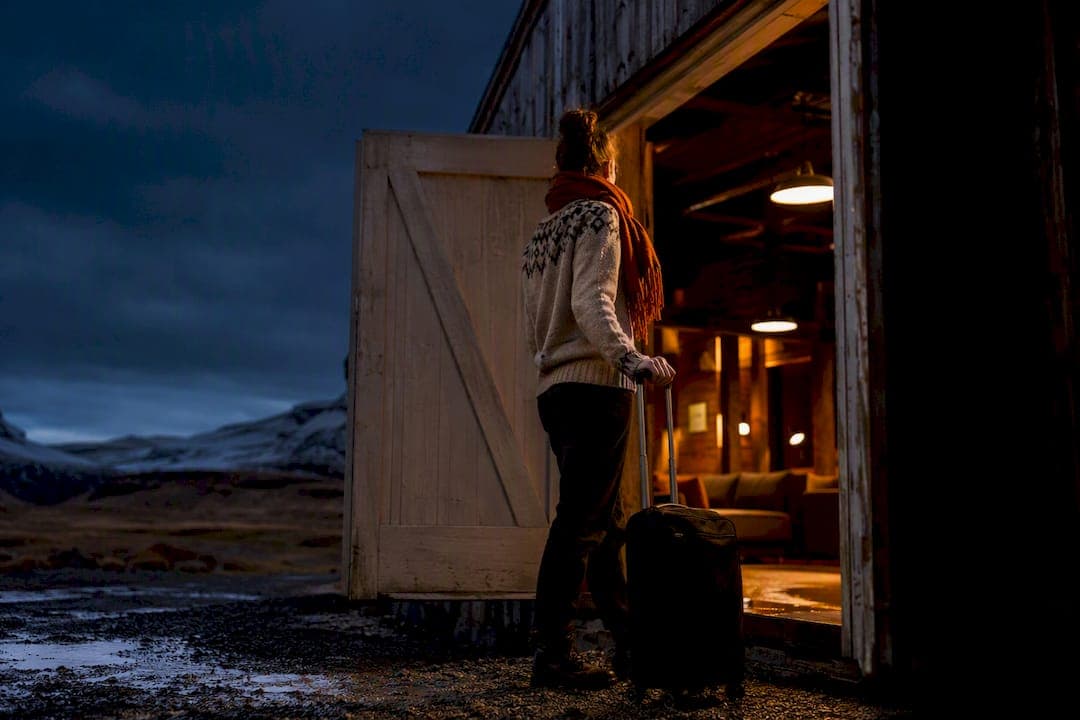
Fox Hostel sits about 35 minutes east of Vík in Hrífunes Nature Park, converted from a traditional Icelandic barn into a modern hostel with a communal kitchen and dining options. Travelers can book individual beds or entire rooms, with access to social common spaces.
The location puts you midway between Vík and Kirkjubæjarklaustur, which means an early start toward Skaftafell or Jökulsárlón the next morning, without backtracking through the village first.
Hostel and hotel availability tightens fast in June through August and again around aurora season in fall and winter, so book your bed a few weeks out at minimum during those windows. For a wider comparison of lodging options along the whole South Coast, see our guide to where to stay in South Iceland.
What Should You Pack, and What Safety Rules Matter Most?
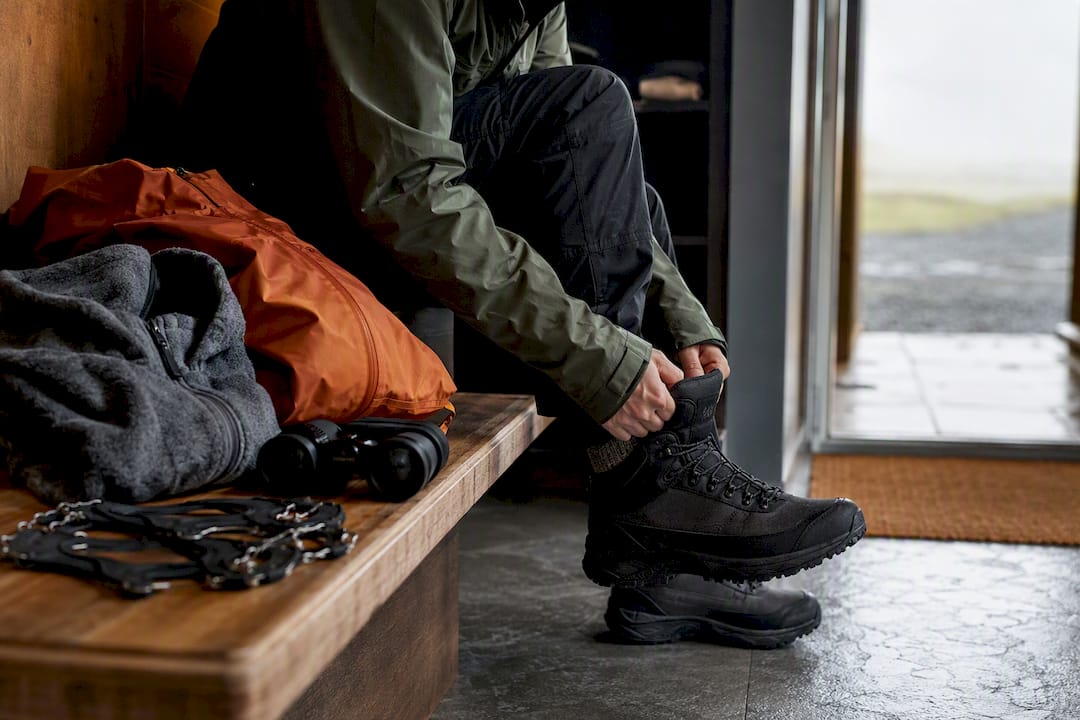
South Iceland weather changes fast, sometimes within the same afternoon, so pack in layers: a waterproof outer shell, a warm mid-layer, and sturdy waterproof boots. Winter travelers need crampons or ice cleats for icy paths and, if a glacier walk is planned, should rely on a guided tour’s gear rather than their own. Binoculars help at Dyrhólaey during puffin season, when the birds nest on cliffs well out of easy phone-camera range.
Two safety rules matter more than the rest. At Reynisfjara, keep well back from the waterline. Sneaker waves have surged unpredictably far up the beach, and turning your back on the ocean for a photo is exactly how people get caught. On any glacier, book a guided tour rather than walking out alone. Crevasses aren’t always visible.
A few practical notes round this out: the plane wreck’s access rules can change depending on the landowner, parking at popular waterfalls sometimes carries a small fee around 700 krónur, and the N1 station in Vík is a reliable spot for fuel, snacks, and a hot dog if you’re self-catering the rest of your meals. For actual restaurant options in the village, our guide to eating in Vík covers the local choices.
Why Fox Hostel Works as a South Coast Base
Fox Hostel sits roughly 35 minutes east of Vík, close enough for an early start at Reynisfjara without adding real driving time to your itinerary, but far enough out to sit under dark skies. That distance helps avoid village peak-season traffic while keeping attractions within reach.
Solo travelers, couples on a budget, and small groups road-tripping the Ring Road all fit well here. Book early for summer and aurora season, and check our guide to scenic spots near Vík for more local routes worth adding to your plan.
What Is the History Behind Vík and Its Landscape?
Vík í Mýrdal, to use its full name, is Iceland’s southernmost village and sits directly beneath Katla, one of the country’s most active subglacial volcanoes. That proximity has shaped the entire coastline.
The village itself grew slowly around fishing and farming, a small community holding on against a coastline with no natural harbor, forcing boats to launch directly off the open beach for generations. That history explains why the church sits on the hill above the village rather than down near the water: it was built as a refuge point in case of a Katla eruption or catastrophic flooding, a practical piece of disaster planning built into the town’s layout centuries before anyone used that phrase.
Today, the volcanic backdrop is part of what makes the area worth visiting rather than just passing through. The lava fields, the black beaches, and the dramatic cliffs at Dyrhólaey all trace back to the same geological forces that make South Iceland look unlike anywhere else on the Ring Road.
A Local’s Take on Timing Your Vík Days Right
If there’s one thing worth doing differently than most guides suggest, it’s this: hit Reynisfjara at first light, not mid-morning. Tour buses tend to arrive between 10 a.m. and 2 p.m., and the beach feels like a different place before that window opens. You get the basalt columns to yourself, softer light for photos, and a much easier read on the surf without a crowd pressing toward the water for selfies.
The same logic applies to your optional third day. If you’re debating whether to push east to Skaftafell, do it on your middle day rather than your last, so a weather delay doesn’t wreck your only shot at the glacier lagoon.
— Siggi
Book Your Stay at Fox Hostel
If this itinerary has you sold on Vík as your South Coast base, consider a social, communal accommodation option with privacy available when needed. Travelers can book individual beds or entire rooms, with shared common spaces and options for meals. Located about 35 minutes east of Vík, it offers proximity for early starts and opportunities for dark sky viewing.

Rooms fill quickly during summer and aurora season, so check available dorms and rooms a few weeks ahead of your travel dates, or head straight to the Fox Hostel booking page to lock in your stay before the South Coast’s busiest months.
Sources
- Rome2rio — Reykjavík to Vík distance and travel times
- IsNet — Iceland South Coast 3-Day Itinerary: Vík, Jökulsárlón, Skaftafell
- Iceland Highlights — Vík Iceland guide
- KimKim — Reykjavik to Vík practical travel notes