Save 3,000–6,000 ISK/Day: When Hostels Beat Hotels on Iceland Routes
Save 3,000–6,000 ISK/Day: When Hostels Beat Hotels on Iceland Routes

Choose a hostel if your trip runs on a budget and you like meeting other travelers; choose a hotel if privacy and a predictable routine matter more than price. The gap between the two comes down to one number: a dorm bed is generally much cheaper than a hotel room. Season and itinerary shift the math too. A July Ring Road trip through small towns favors hostels and guesthouses simply because that’s what exists there, while a short Reykjavik city break gives you real choice either way.
TL;DR:
- Hostel dorm beds typically cost between 5,000 and 10,000 ISK, while private hostel rooms range from 18,000 to 30,000 ISK, and budget hotels are more expensive.
- Peak summer season (July to August) often requires booking hostels 3 to 4 months in advance, with prices reaching their highest point.
- Hostels usually have shared bathrooms and communal kitchens that save money and encourage social interaction, unlike hotels which offer private baths and amenities.
- Rural and smaller towns along the Ring Road rely heavily on hostels and guesthouses, making early booking essential outside major cities like Reykjavik.
- Self-catering and group bookings significantly reduce overall costs, especially when combined with memberships or buyouts that include kitchens and common spaces.
Table of Contents
- Hostel vs Hotel in Iceland: A Quick Side-by-Side
- What Does a Night in Iceland Actually Cost?
- How Do Room Types and Privacy Compare?
- Where Hostels Pull Ahead on Social Life and Amenities
- Where Does Each Option Actually Make Sense in Iceland?
- When Should You Book to Avoid Price Spikes?
- How Do You Actually Cut Costs Without Cutting the Trip Short?
- Firsthand Look: Fox Hostel and Who It’s Built For
- How I Decide Between Hostels and Hotels for My Own Trips
- Ready to Book Your South Iceland Base?
- Sources
Hostel vs Hotel in Iceland: A Quick Side-by-Side
The differences show up fast once you line them up:
- Cost per night: dorm beds run cheapest, private hotel rooms cost the most, private hostel rooms sit in between.
- Privacy: hotels win outright; hostel dorms offer none; private hostel rooms split the difference.
- Amenities: hostels usually include a shared kitchen and common room; hotels lean toward breakfast, room service, and sometimes a spa.
- Availability: hotels concentrate in cities and larger towns; hostels and guesthouses fill in the gaps along rural stretches of the Ring Road.
- Booking flexibility: hostels often allow shorter windows and looser cancellation terms; hotels vary widely, with the cheapest rates usually non-refundable.
A solo traveler on a six-week budget trip wins with hostels almost every night. A couple celebrating an anniversary wins with a hotel, at least for a few nights. A family of four traveling for ten days often does best mixing both: private hostel rooms in smaller towns, a hotel or guesthouse for a couple of comfort nights.
Best for: hostels suit solo travelers, budget-conscious couples, and groups willing to trade a private bathroom for lower cost and easy socializing. Hotels suit couples, families with young kids, and anyone whose trip is short enough that comfort matters more than stretching the budget.
What Does a Night in Iceland Actually Cost?
Price is where the hostel vs hotel question gets decided for most travelers. Dorm beds at HI-affiliated hostels typically run 5,500 to 8,500 ISK, with private hostel rooms landing between 18,000 and 30,000 ISK. Independent budget guides put dorm pricing slightly lower, around 5,000 to 8,500 ISK, while Lonely Planet cites a somewhat higher range of 8,000 to 10,000 ISK for dorms and 20,000 to 30,000 ISK for private hostel doubles. Budget hotel rooms generally cost more than private hostel rooms, with midrange hotels being even more expensive.
Seasonal swing: Peak season (July–August) pushes every category toward its ceiling and can sell out popular hostels weeks in advance. Shoulder months like May and September often bring meaningfully lower rates while keeping most roads open.
Three quick scenarios show how this plays out:
- A solo backpacker doing 14 nights in dorms saves tens of thousands of ISK compared to booking even budget hotel rooms the whole trip.
- A couple splitting the difference, hostels in remote stops and a hotel in Reykjavik, lands somewhere in the middle.
- A family of four often finds a private hostel room buyout cheaper than two hotel rooms, with a kitchen thrown in.
How Do Room Types and Privacy Compare?
Four room types cover most of what you’ll book: a dorm bed (a shared room with bunk beds, usually four to ten people), a private hostel room (a locked room for one party, sometimes with a shared bathroom down the hall), a guesthouse room (small, family-run, often with breakfast included), and a standard hotel room (private bathroom, daily cleaning, consistent heating).
Bathroom setup is the real dividing line. Hostels frequently use shared bathrooms even for private rooms, though a growing number now offer en-suite private rooms at a premium. Hotels almost always include a private bathroom as standard.
- Insulation and heating are generally solid across the board in Iceland, since geothermal heating is standard even in budget lodging.
- Cleanliness in reviewed hostels tends to track closely with hotels once you’re past the cheapest hostel tier.
- A private hostel room with its own bathroom can feel nearly identical to a budget hotel room, just with thinner walls and a communal kitchen down the hall.
- Where private hostel rooms fall short of hotels is soundproofing and daily housekeeping, not hygiene.
Where Hostels Pull Ahead on Social Life and Amenities
A communal kitchen is the single biggest cost lever in Icelandic travel. Cooking your own meals instead of eating out saves an estimated 3,000 to 6,000 ISK per day, which adds up fast on a two-week trip. Hostels in Reykjavik in particular lean into this, with common rooms and bars built around getting strangers talking, something solo travelers tend to appreciate more than anyone.
Hotels take a different approach: included breakfast, occasional room service, and sometimes a spa or hot tub. These cost more upfront but require zero effort.
- Shared kitchens and laundry rooms cut daily spending without cutting corners on food quality.
- Hotel breakfast buffets remove a decision every morning but rarely beat cooking for value.
- The trade-off is real: a lively common room at 11 p.m. is great for making friends and rough on anyone who needs eight hours of silence.
Pro Tip: If you want the social upside without the sleep-loss risk, book a private room in a hostel that has a separate communal kitchen and lounge area, so you get quiet nights and easy access to the shared spaces during the day.
Where Does Each Option Actually Make Sense in Iceland?
Geography decides this almost as much as budget does. Reykjavik has Iceland’s deepest hostel market, dense enough that social travelers can pick a hostel purely for atmosphere. Smaller Ring Road towns flip the equation: hotels are sparse and pricier, so hostels and guesthouses fill the gap and are often the only private-room option for miles.
- Reykjavik: widest choice of both, hostels dominate the social scene.
- South Coast (Vík, Kirkjubæjarklaustur): hostels and guesthouses handle most budget and midrange demand.
- Ring Road stops further east and north: fewer hotels overall, book early regardless of type.
- Westfjords: limited lodging of any kind; seasonal closures are common outside summer.
If you’re road-tripping, check availability well before you go. Some rural guesthouses and smaller hostels close entirely in winter, and a “no vacancy” night in a remote stretch means driving further than planned in the dark.
When Should You Book to Avoid Price Spikes?
Lead time matters more in Iceland than in most destinations because inventory outside Reykjavik is genuinely limited.
- Summer (July–August): book hostels 3 to 4 months ahead and hotels 5 to 6 months ahead to dodge sold-out inventory and peak pricing.
- Shoulder season (May, September): 4 to 6 weeks ahead is usually enough, and rates run noticeably lower.
- Winter: 2 to 3 weeks ahead works for most towns, though popular Reykjavik weekends still fill up.
Weekend nights in Reykjavik carry a premium across both hostels and hotels. Shifting a city stay to midweek can shave a meaningful amount off the total bill.
Pro Tip: Book directly with the hostel when you can. Third-party sites like Hostelworld are useful for comparing options early in your planning, but a direct booking sometimes unlocks slightly better cancellation terms.
How Do You Actually Cut Costs Without Cutting the Trip Short?
Self-catering is the biggest single lever. Shopping at Bónus or Krónan and cooking in a hostel kitchen saves 3,000 to 6,000 ISK a day per person compared to restaurant meals, which turns into a serious sum over ten or fourteen nights.
- A Camping Card pays off quickly if you’re mixing in campsites, since it covers many sites nationwide for a flat cost.
- HI membership runs a small annual fee and saves roughly 700 ISK per night at member hostels, breaking even within about a week of stays.
- For groups of four or more, buying out a private hostel room often beats booking two separate hotel rooms, while keeping a kitchen and common space everyone can use.
Firsthand Look: Fox Hostel and Who It’s Built For
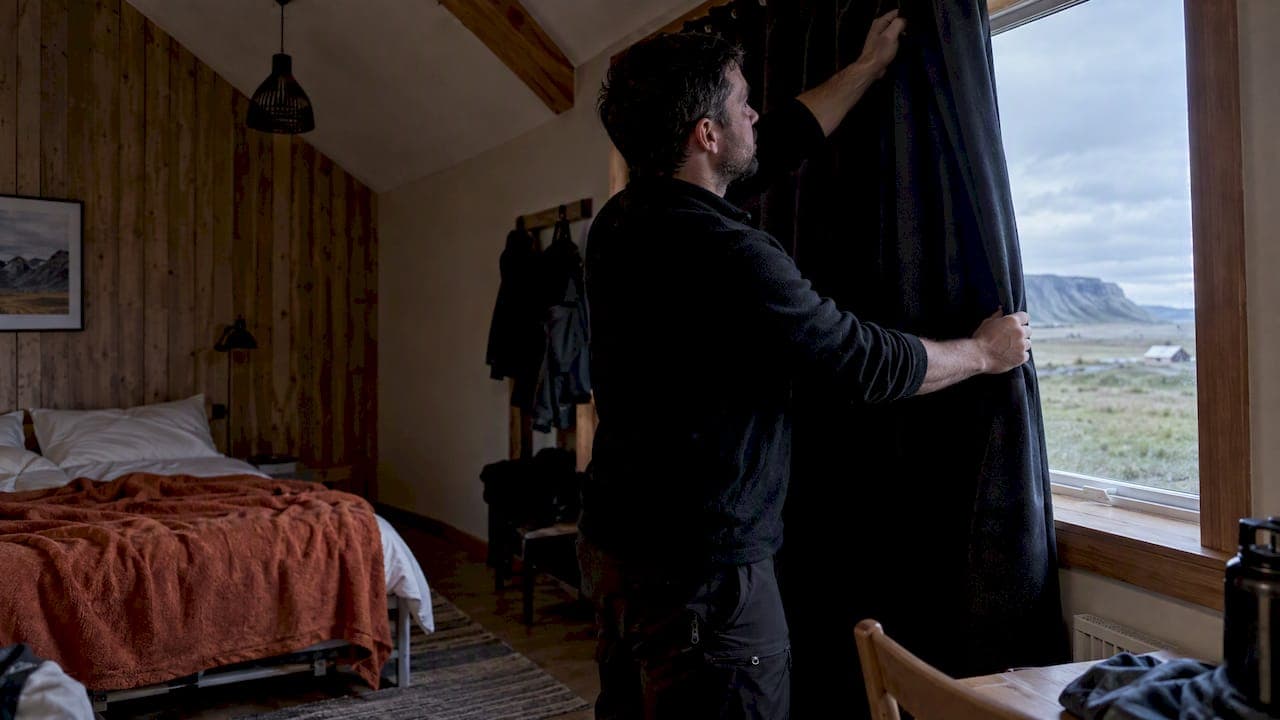
Fox Hostel sits in a converted Icelandic barn in Hrífunes Nature Park, about 35 minutes east of Vík, close enough for a quick run into town for Reynisfjara and Dyrhólaey but far enough to sit under genuinely dark skies for Northern Lights viewing. The hostel runs exclusively dorm-style rooms, but solo travelers book individual beds while couples, families, or groups can buy out an entire room for full privacy. A communal kitchen and an on-site pizzeria provide additional amenities.
- Road-trippers heading east toward Vatnajökull or the Highlands may find a convenient midpoint stop between Vík and Kirkjubæjarklaustur.
- Social solo travelers get the shared kitchen and common areas that make hostels worth choosing over a quiet hotel room.
- Groups can often book private room options offering more space than individual beds.
It’s a clean illustration of the tradeoffs covered above: lower cost, more social contact, and a private-room option that closes most of the comfort gap with a hotel.
How I Decide Between Hostels and Hotels for My Own Trips
My rule of thumb: if a trip runs longer than seven days, I mix hostels and guesthouses rather than committing to one type for the whole itinerary. A two-week Ring Road trip might mean hostel dorms in Reykjavik and Vík, a guesthouse in the Westfjords where options are thin, and one hotel night wherever I want an actual full night’s sleep before a long drive. For a four-night Reykjavik and South Coast trip, I’d lean almost entirely hostel: cheaper, sociable, and the private-room option covers the one or two nights I want quiet.
— Siggi
Ready to Book Your South Iceland Base?
If you’ve read this far, you already know the tradeoff: hostels save money and build in a social scene, hotels cost more for guaranteed privacy. Fox Hostel gives you a way to get both on your own terms. Solo travelers book a single dorm bed, while couples, families, or groups can buy out an entire room for the privacy of a hotel room without paying hotel prices, plus a full kitchen and pizzeria on site.
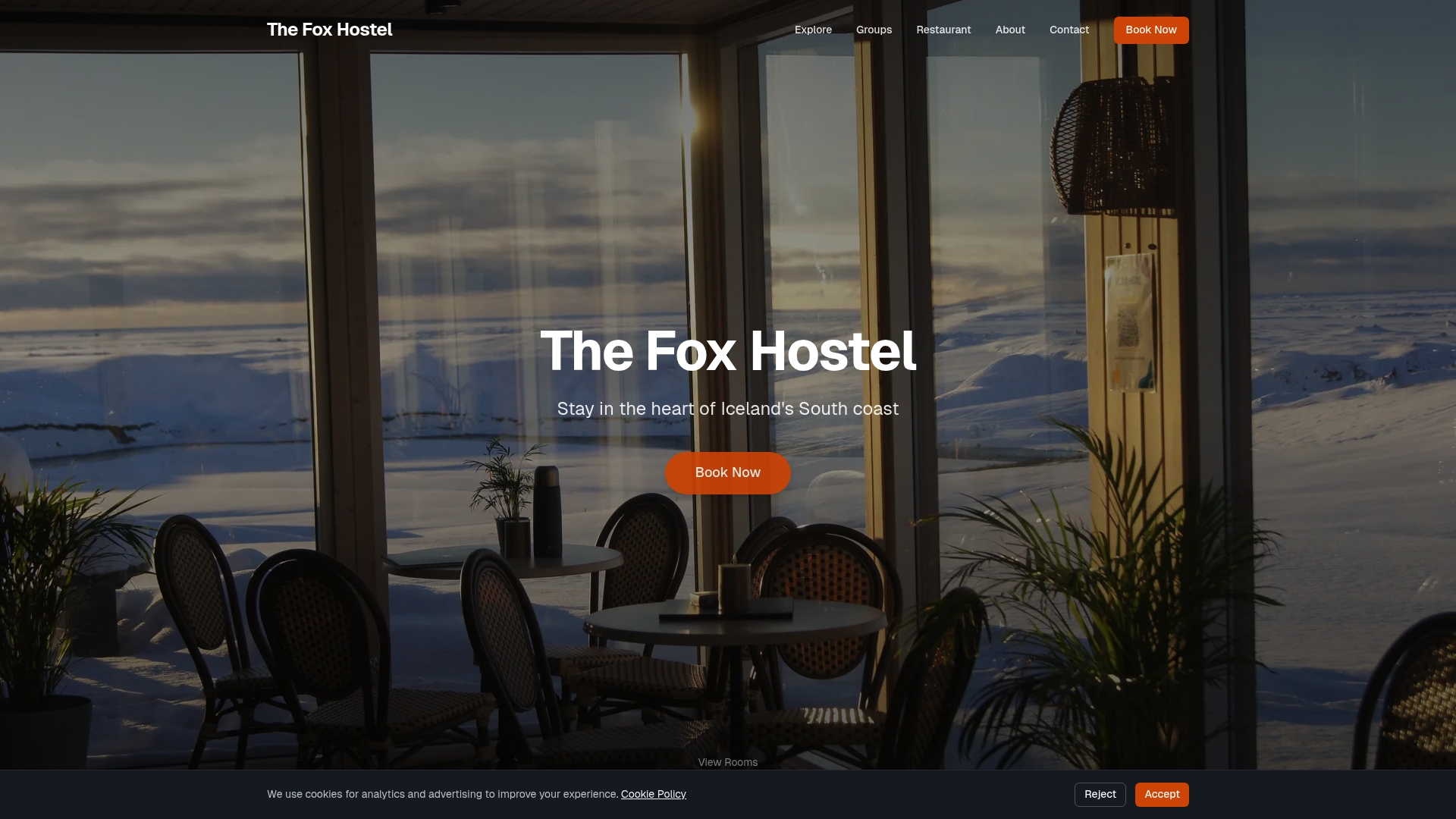
Its location, roughly midway between Vík and Kirkjubæjarklaustur, puts you close to Reynisfjara and Dyrhólaey while keeping you positioned for early starts toward Jökulsárlón and the Highlands. If you’re planning a South Coast leg of your Ring Road trip, check dates and book your stay at Fox Hostel before summer inventory tightens up.
Sources
- Visit Iceland
- Lonely Planet — Things to know before traveling to Iceland
- Budget Accommodation Iceland | The Icelandic Guide
- Iceland on a Budget: Practical 2026 Money-Saving Guide