Iceland Lava Tubes: Your Complete Visitor Guide
Iceland Lava Tubes: Your Complete Visitor Guide
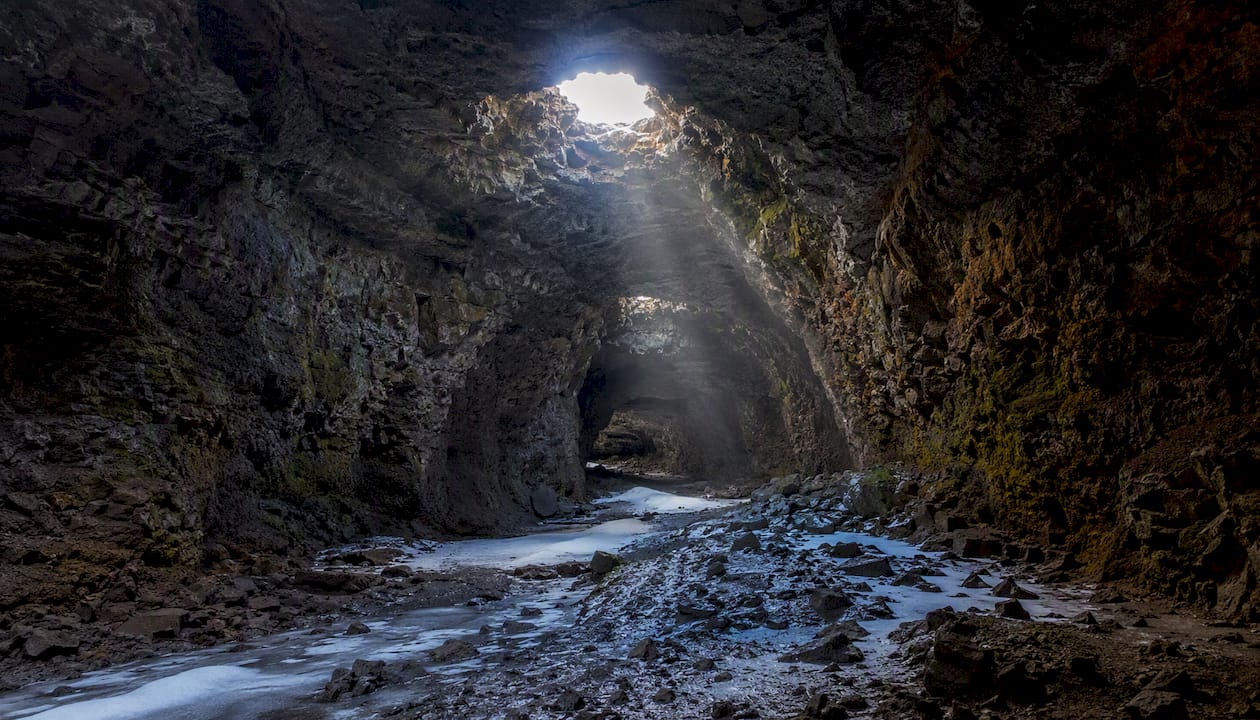
If you visit one underground site in Iceland, make it Raufarhólshellir. At a length of about one kilometer and a third, with ceilings reaching roughly 10 meters and widths up to 30 meters, it is the fourth-longest lava tube in Iceland and the most accessible from Reykjavík, sitting just a 30-minute drive from the capital. The operator, The Lava Tunnel, runs a standard one-hour show-cave tour that suits almost any fitness level, plus longer adventure options for those who want to go deeper. Book through thelavatunnel.is and reserve well ahead if you are visiting in summer.
A quick note on what you are actually walking into: lava tubes are ancient, static tunnels formed when the outer crust of a lava flow hardens while molten rock drains away beneath it, leaving a hollow corridor behind. Visitors see solidified flow lines, lava stalactites, and in winter, ice formations near the entrance. No active lava, no heat.
At a glance:
- Length: 1,360 m (fourth-longest in Iceland)
- Drive from Reykjavík: ~30–40 minutes
- Standard tour duration: ~1 hour
Key Takeaways
Raufarhólshellir is Iceland’s most accessible lava tube, reachable in under 40 minutes from Reykjavík, with guided tours running year-round and winter ice formations making it worth visiting in any season.
| Point | Details |
|---|---|
| Best first choice | Raufarhólshellir via The Lava Tunnel: 1,360 m long, ~30–40 min from Reykjavík. |
| Tour options | Standard (~1 hour, easy) or Adventure (~3–4 hours, moderate); book ahead in summer. |
| Dress for cold | Cave stays 0–4°C year-round; layers, waterproofs, and sturdy boots are non-negotiable. |
| Winter ice bonus | Cold-trap ice formations near the entrance are most dramatic from October through March. |
| Fox Hostel base | Fox Hostel in South Iceland offers flexible dorm or private room bookings, ideal for multi-day cave itineraries along the Ring Road. |
Table of Contents
- What makes Raufarhólshellir worth visiting
- Tour types, ticketing, and what you can expect to pay
- What to bring and how to dress for the cave
- Why guided tours are now mandatory at Raufarhólshellir
- Other Iceland lava tubes worth adding to your itinerary
- When is the best time to visit an Iceland lava tube?
- A practical itinerary recommendation
- Fox Hostel: a practical base for South Iceland cave trips
- Sources
What makes Raufarhólshellir worth visiting
Raufarhólshellir formed during the Leitahraun fissure eruption several millennia ago. Low-viscosity basaltic lava flowed downhill, its surface cooling and hardening into a crust while the still-liquid interior drained away. What remained was a tunnel system large enough to walk through comfortably, with interior temperatures hovering between 0–4°C year-round.
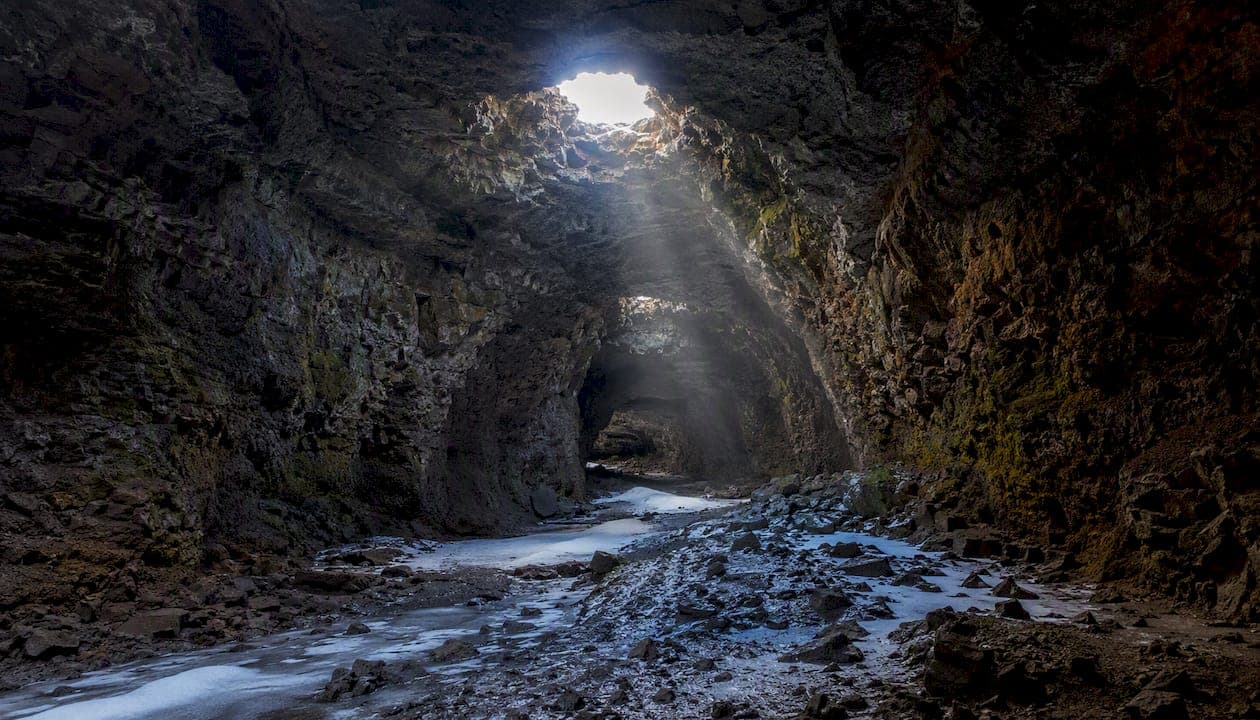
The tube’s dimensions are genuinely impressive. The main passage runs over a kilometer long, with ceiling heights around 10 meters and widths stretching to 30 meters in places. Multiple skylights punctuate the ceiling where sections have collapsed over millennia, letting in shafts of daylight and, in winter, allowing snow to fall inside. That snow and cold air create a cold-trap effect, building seasonal ice sculptures near the entrance that can be dramatic in winter months.
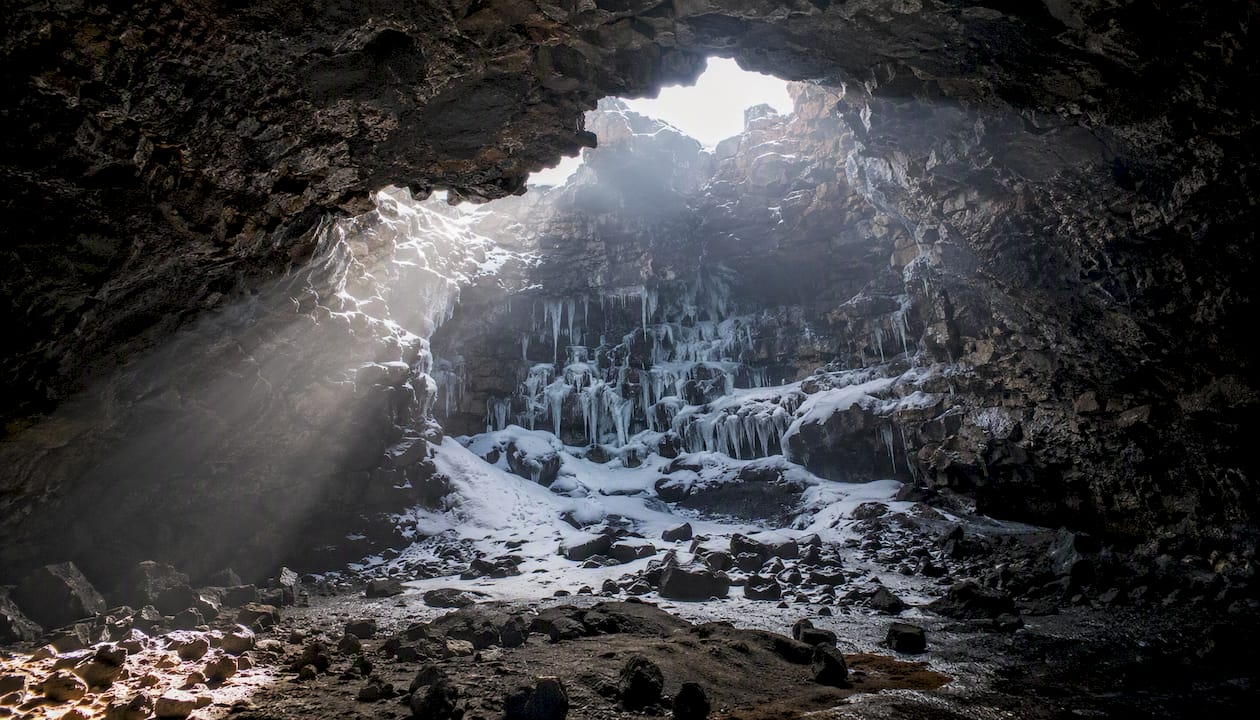
For most of its modern history, Raufarhólshellir was freely accessible. Visitors wandered in without guides, and over time the damage accumulated: broken formations, litter, and surface wear. The cave closed in late 2016 for cleanup and infrastructure work. When it reopened, it had boardwalks, installed lighting, and a mandatory guided-tour structure. That shift transformed it from an informal scramble into one of Iceland’s best-managed show caves.
Tour types, ticketing, and what you can expect to pay
The Lava Tunnel runs two main tour formats, and the difference between them is significant.
| Feature | Standard Tour | Adventure Tour |
|---|---|---|
| Duration | ~1 hour | ~3–4 hours |
| Difficulty | Easy, low fitness required | Moderate, some scrambling |
| Minimum age | Generally family-friendly | Higher minimum age applies |
| Route | Lit boardwalk through main passage | Deeper, unlit sections off-boardwalk |
| Best for | Families, first-timers, older travelers | Active adults, photography enthusiasts |
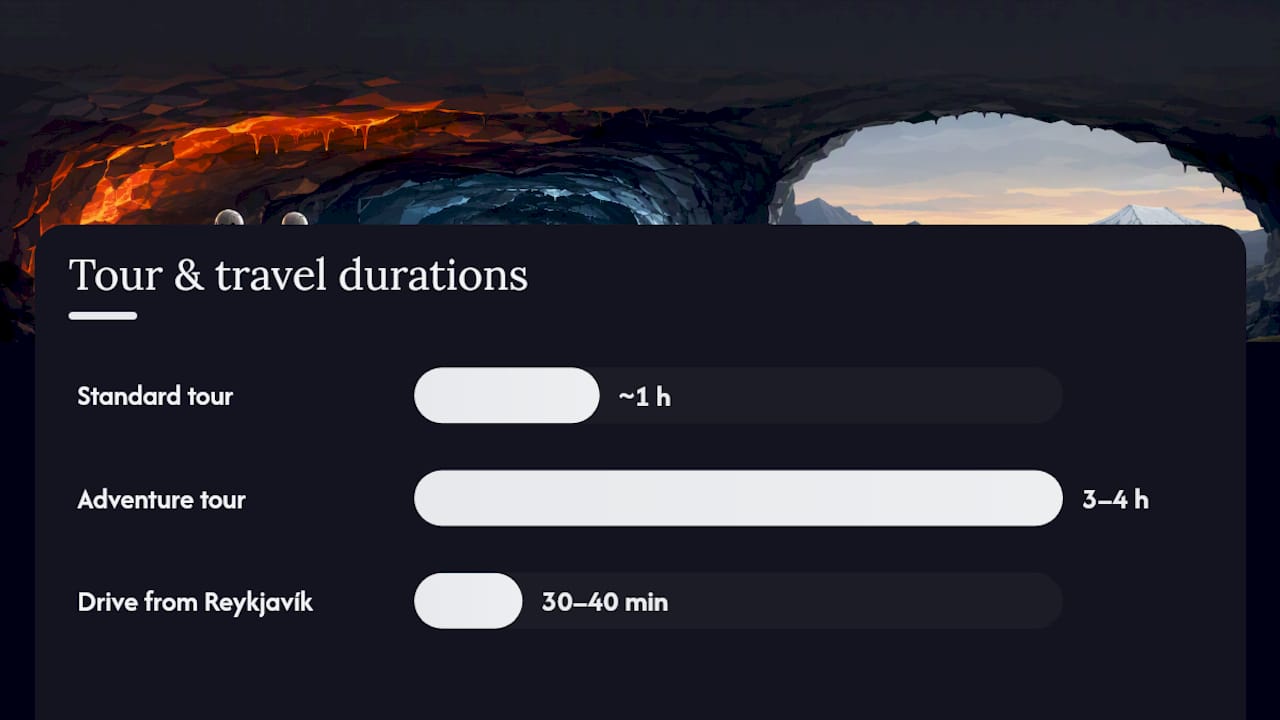
The standard tour covers the lit, boardwalk section of the cave and gives you a thorough look at the main passage, lava formations, and any winter ice near the entrance. The adventure tour pushes into sections without permanent lighting, requires helmets and headlamps, and involves some physical scrambling. It is a genuinely different experience, not just a longer version of the same walk.
Booking and transport:
- Self-drive from Reykjavík takes roughly 30–40 minutes. Parking is available at the cave entrance.
- Some tour packages include pickup from Reykjavík. Check the operator site for current pickup options.
- Prices vary by season and tour type. Check live pricing at thelavatunnel.is rather than relying on any fixed figure here, as rates change.
- In June, July, and August, tours fill quickly. Book at least a few days ahead, and ideally a week or more if your dates are fixed.
Pro Tip: If you are visiting in winter for the ice formations, call or email the operator to confirm the cave’s current ice status before you book. Cold-trap ice builds gradually and varies year to year.
What to bring and how to dress for the cave
The cave stays between 0–4°C regardless of what the weather is doing outside. That is cold enough to make a summer tourist in a light jacket genuinely uncomfortable after 20 minutes underground.
- Thermal base layer — merino wool or synthetic; cotton holds moisture and chills fast.
- Insulating mid-layer — a fleece or down jacket you can zip off if you warm up walking.
- Waterproof outer shell — dripping water from the ceiling and wet rock surfaces are standard.
- Sturdy hiking boots with ankle support — the boardwalk is even, but the adventure tour involves uneven terrain.
- Warm hat and gloves — non-negotiable in winter, strongly recommended in summer.
- Camera protection — condensation forms on lenses when you move from cold cave air to warmer sections. A dry bag or sealed pouch helps.
- Headlamp or phone torch — the standard tour is lit, but having your own light is useful for photography and mandatory on the adventure tour.
Accessibility: The standard tour’s boardwalk is paved and manageable for most visitors, including older travelers and children who can walk independently. The adventure tour involves scrambling over uneven lava rock and is not suitable for young children or anyone with significant mobility limitations. Follow your guide’s instructions on both tours; the surfaces off-boardwalk are slippery, especially in winter when ice forms near the entrance skylights.
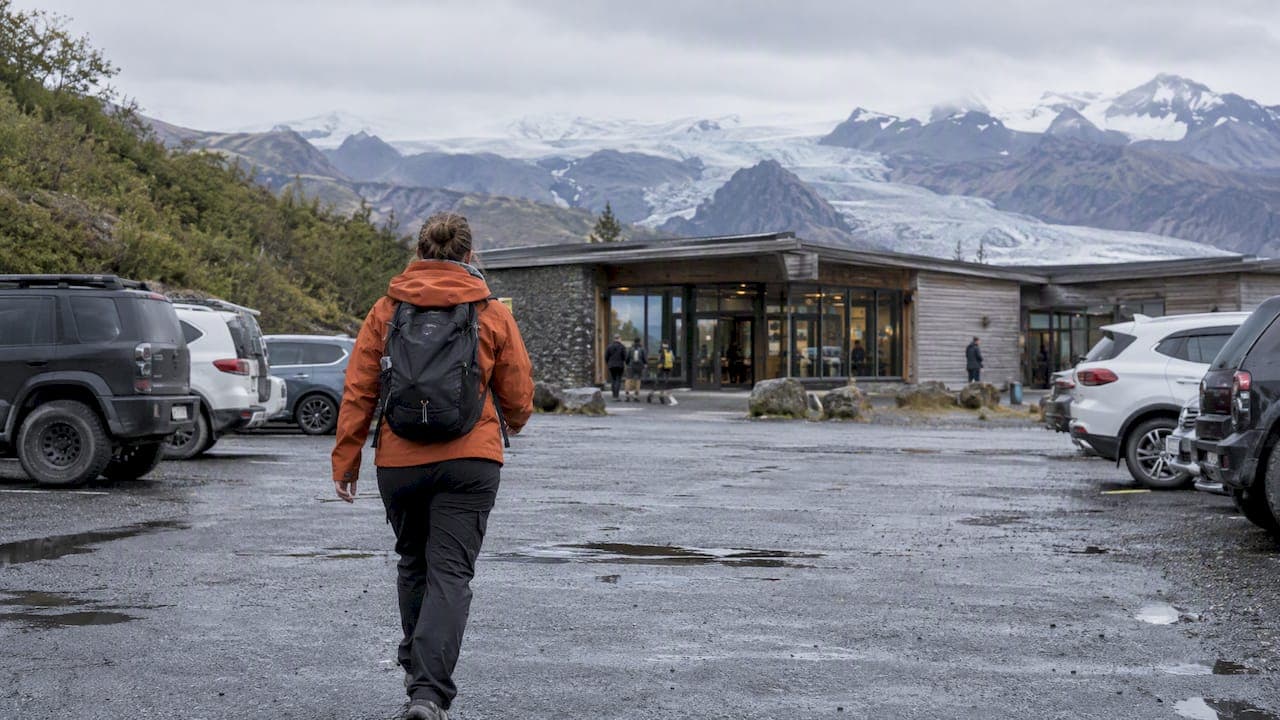
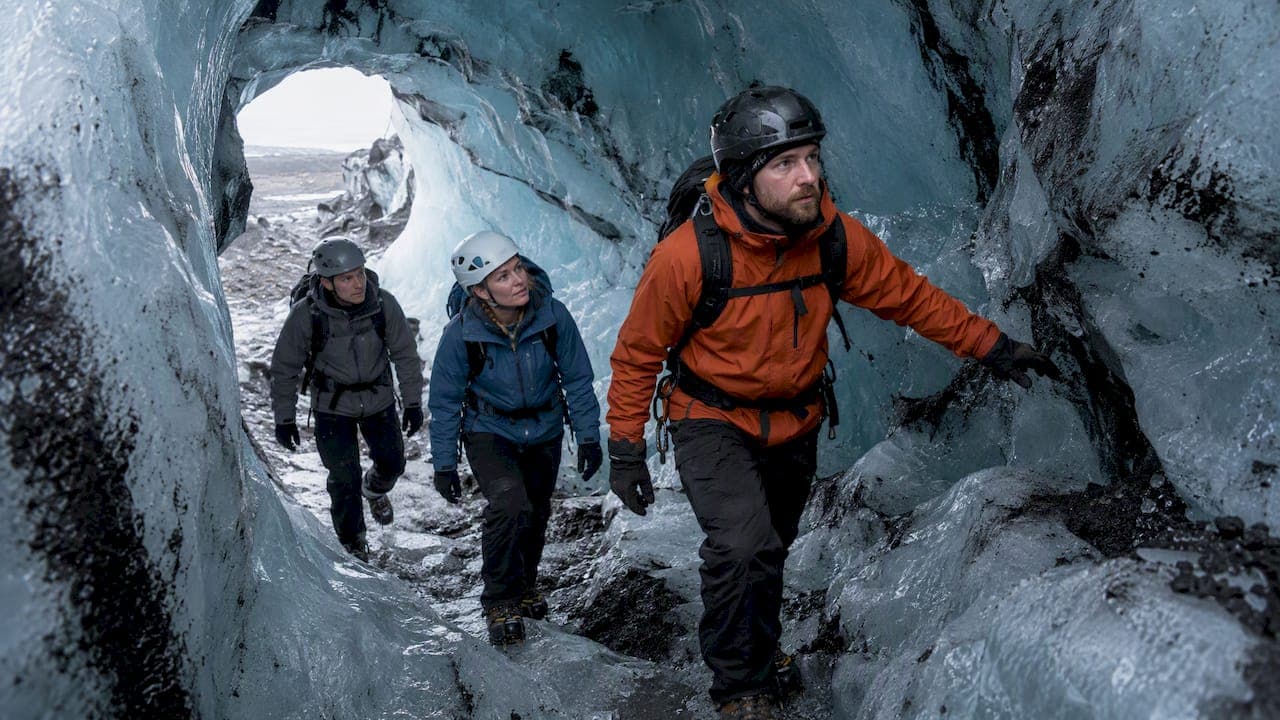
For travelers combining the cave with other South Iceland activities offered by local operators, the same layered clothing system works for glacier walks and coastal hikes, so packing once covers multiple sites.
Why guided tours are now mandatory at Raufarhólshellir
The cave’s management history shows the impact of unrestricted foot traffic on a fragile geological site.
Before 2016, Raufarhólshellir was open to anyone who wanted to walk in. The results were damage to delicate lava formations, disturbance of microbial mats, and litter accumulation. The cave closed in late 2016 specifically to address this damage. Cleanup crews removed debris, and contractors installed boardwalks and lighting that now define the visitor experience.
Fragile lava formations, including lava straws and ice features near the skylights, can take thousands of years to develop and minutes to destroy. The boardwalk and guided structure exist specifically to keep visitors on safe, marked paths and away from surfaces that cannot recover from contact.
The rules that come with the guided format are not bureaucratic friction. They are the reason the cave still has intact formations worth seeing:
- No touching formations — oils from skin degrade lava straws and microbial surfaces.
- Stay on the boardwalk or follow your guide — off-trail movement causes compaction and surface damage.
- No littering — even organic material disrupts the cave’s ecosystem.
- Photography is permitted — flash and tripods are generally fine on the standard tour; check with your guide on the adventure tour.
- Group size and age restrictions apply — the operator sets these for safety, not convenience.
Other Iceland lava tubes worth adding to your itinerary
Raufarhólshellir is the easiest to reach from Reykjavík, but Iceland has several other notable lava caves worth planning around, depending on how much time you have and how far you are traveling.
Víðgelmir is Iceland’s largest known lava tube at about 1,585 meters long, with chambers reaching over 15 meters in height. It sits in the Borgarfjörður region, roughly a two-hour drive from Reykjavík. The cave has installed walkways and lighting similar to Raufarhólshellir, plus a visitor center and shuttle service. Year-round guided tours run daily in summer with a reduced winter schedule. The colored lava walls and sheer scale of the chambers make it the better choice for photographers and anyone who wants the most dramatic underground scenery in Iceland.
Vatnshellir sits on the Snæfellsnes Peninsula, a couple of hours from Reykjavík, and descends significantly below the surface through multiple lava layers. It is a shorter experience than either Raufarhólshellir or Víðgelmir, but the multi-layer structure is geologically distinct and the Snæfellsnes setting makes it a natural add-on to a peninsula day trip.
Surtshellir is one of Iceland’s longer lava tubes, located in the Westfjords-adjacent Borgarfjörður highlands. It is a wilder, less managed site than the show caves above. Access requires more effort and is best suited to experienced hikers comfortable with unlit, uneven terrain. No formal guided tours operate here, so it attracts a different kind of visitor.
Grjótagjá is a small lava cave near Lake Mývatn in North Iceland, known for its geothermally heated pool inside. Swimming is currently not permitted due to water temperature fluctuations, but the cave itself is visually striking and a quick stop on any Mývatn itinerary.
| Cave | Best for | Drive from Reykjavík | Difficulty | Seasonal highlight |
|---|---|---|---|---|
| Raufarhólshellir | First-timers, families | ~30–40 min | Easy to moderate | Winter ice formations |
| Víðgelmir | Photographers, geology fans | ~2 hours | Easy (walkways) | Colored lava walls year-round |
| Vatnshellir | Snæfellsnes day-trippers | ~2 hours | Easy to moderate | Multi-layer lava structure |
| Surtshellir | Experienced hikers | ~3 hours | Challenging | Remote, wild setting |
| Grjótagjá | Mývatn visitors | ~5 hours | Easy | Geothermal cave pool |
For official booking and visitor-center details, go directly to each cave’s operator page rather than third-party aggregators, where hours and prices are often outdated.
When is the best time to visit an Iceland lava tube?
The cave interior stays cold year-round at 0–4°C, so the season does not change what you wear underground. What it changes is everything else: road conditions, tour frequency, and what you actually see near the entrance.
- Summer (June–August): The easiest time to visit. Roads are clear, tour departures are frequent, and daylight makes the drive straightforward. The trade-off is crowds and the need to book well ahead. Ice formations are absent in summer.
- Shoulder seasons (May and September): Quieter, with most tours still running. Weather is more variable but manageable. A good window if you want fewer people on the tour.
- Winter (October–March): The cold-trap ice formations near the entrance skylights are at their most dramatic. Lava stalactites coated in ice and frost columns near collapsed sections create a genuinely different visual experience. The downside: icy roads, reduced tour departures, and slippery conditions inside the cave near the entrance. Check road conditions on road.is before driving.
Booking timing matters most in summer. For July departures, booking a week ahead is the minimum; two weeks is safer. In winter, same-day or next-day availability is often possible, but confirm tour status directly with the operator since weather can cause cancellations.
The cold conditions inside the cave are consistent with what you will encounter on glacier walks and other South Iceland winter activities, so the same gear covers multiple experiences on a multi-day trip.
A practical itinerary recommendation
Raufarhólshellir is close enough to Reykjavík that most visitors treat it as a half-day trip, driving out in the morning, doing the standard tour, and returning to the city by early afternoon. That works, but it undersells what the area offers.
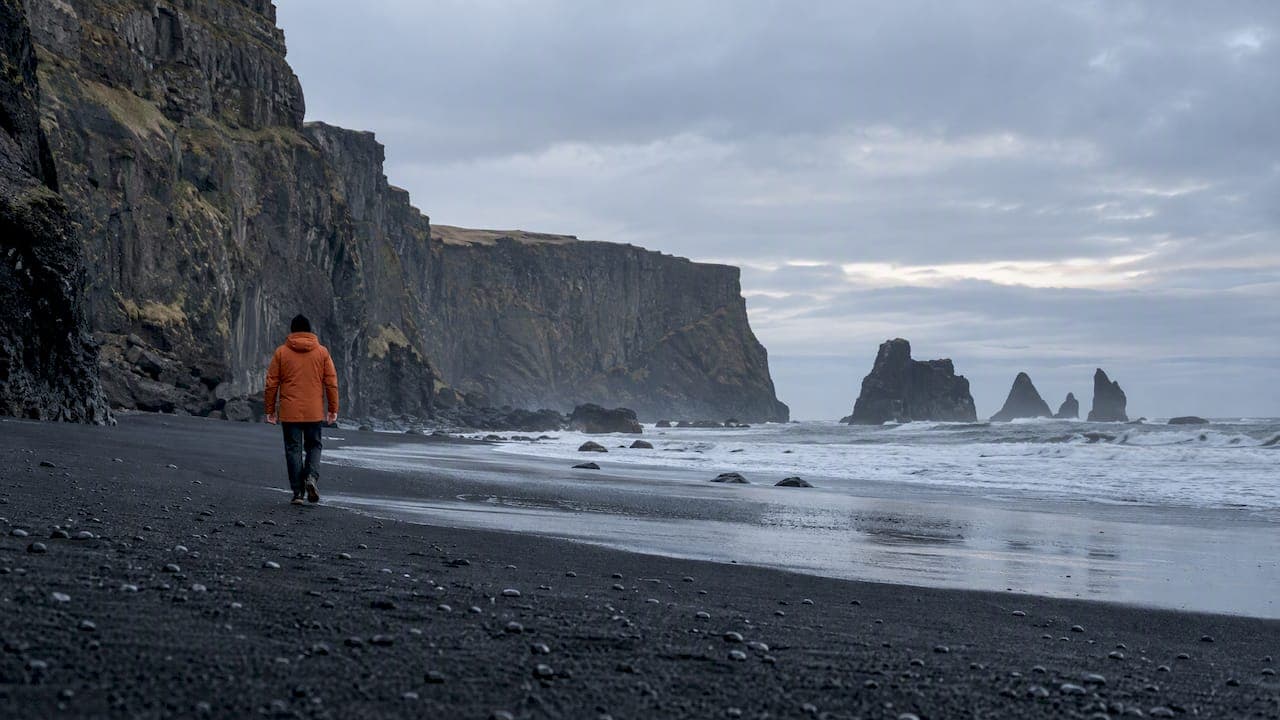
A smarter approach: combine the cave with a night or two on the South Coast. The drive from Reykjavík to Raufarhólshellir takes you east along the Ring Road, and continuing another hour puts you near Vík, Reynisfjara Black Sand Beach, and Dyrhólaey. If you are heading further east toward Jökulsárlón Glacier Lagoon or Vatnajökull National Park, the cave fits naturally as a morning stop on the way out.
For travelers who want to hit Víðgelmir as well, that is a separate day trip heading northwest from Reykjavík into Borgarfjörður. The two caves are in opposite directions from the capital, so combining them in a single day is not practical. Build them into separate days of a longer Iceland itinerary, or prioritize based on what matters more: proximity and ice features (Raufarhólshellir) or sheer scale and colored walls (Víðgelmir).
Couples planning a cave visit alongside other scenic spots near Vík will find the South Coast itinerary particularly rewarding, with black sand beaches, sea stacks, and waterfalls all within a short drive of each other.
Fox Hostel: a practical base for South Iceland cave trips
Staying close to the South Coast cuts your drive time and gives you a genuine head start on multi-site days. Fox Hostel sits in Hrífunes Nature Park, 35 minutes east of Vík, in a converted traditional Icelandic barn that manages to feel both social and genuinely comfortable. Dorm beds are available for solo travelers, and groups can book an entire room for full privacy, with no awkward compromises.

The communal kitchen is large and well-equipped, which matters when you are packing lunch for a cave tour or a long driving day. The on-site pizzeria handles the nights when cooking feels like too much. Dark skies here are exceptional for Northern Lights viewing, so a winter trip combining ice formations at Raufarhólshellir with an aurora evening at the hostel covers two of Iceland’s most memorable experiences in one stay. Check room availability and book your stay at Fox Hostel before your preferred dates fill up, particularly in summer and around the winter solstice.
Sources
Confirm current hours, prices, and tour availability directly with operators before booking. Details change seasonally and are not always updated on third-party sites.
- Raufarhólshellir - Wikipedia
- The Lava Tunnel - One of the Longest Lava Tube in Iceland | Raufarhólshellir
- Show Caves of Iceland: Raufarhólshellir
- Vidgelmir Cave Iceland: Sights, Tips & Complete Guide 2026
- Your Deep-diving Guide to Lava Caves in Iceland
Recommended
- Comment profiter des sources chaudes Islande : guide pratique | Fox Hostel – South Iceland
- Visit Iceland: Your Complete 2026 Travel Guide | Fox Hostel – South Iceland
- How to Discover Scenic Spots Near Vík, Iceland | Fox Hostel – South Iceland
- Visiting Kirkjubæjarklaustur: Your 2026 Tourist Guide | Fox Hostel – South Iceland