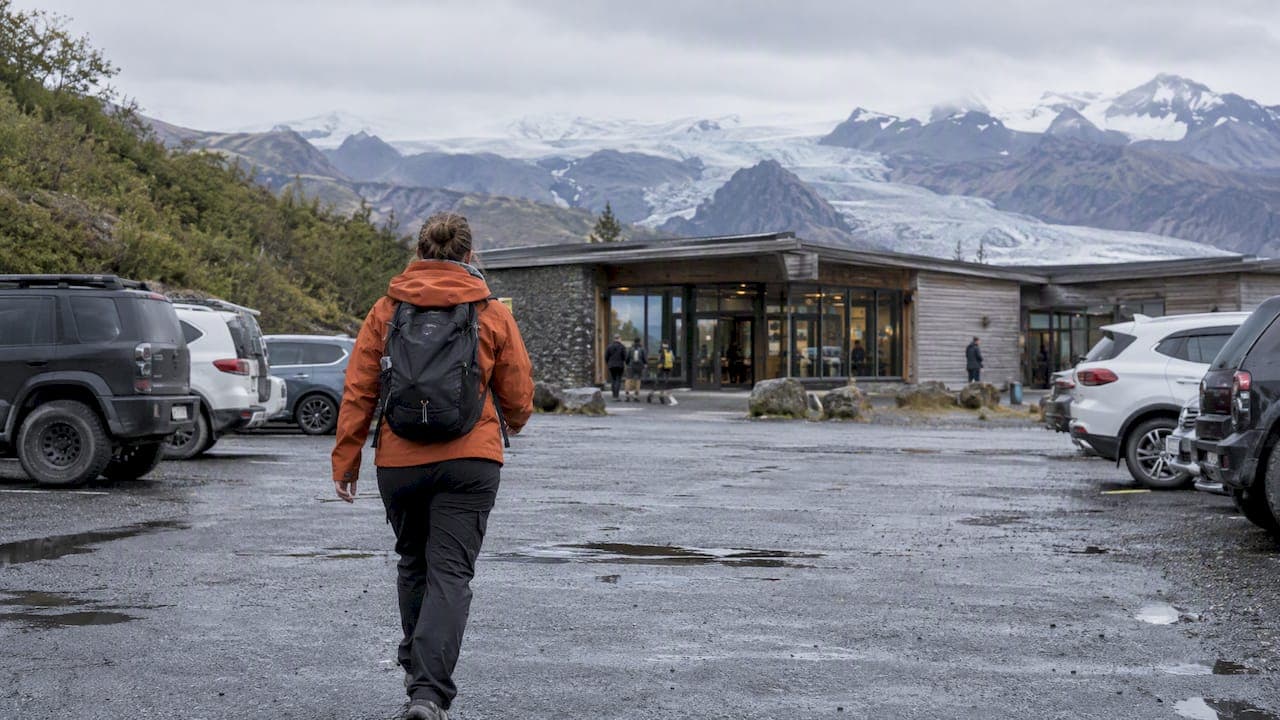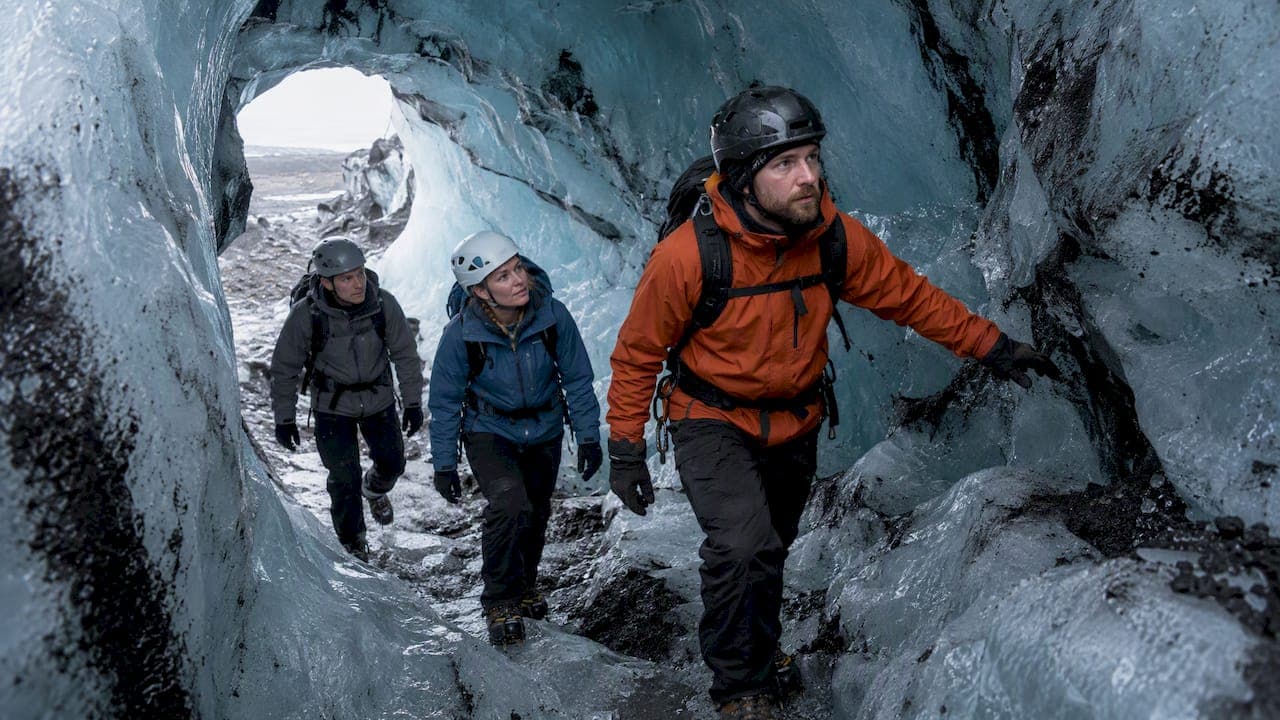
Internships in Iceland: Where to Find Them and How to Apply
Internships in Iceland: Where to Find Them and How to Apply

Yes, you can intern in Iceland, and the range is wider than most students expect: tourism and hospitality, marine biology and fisheries, geology, design and architecture, gaming and tech, and business roles at fintech firms all recruit interns most years. Many of these positions are paid, and a good share of the unpaid ones come bundled with grants, accommodation, or meal support through programs like Erasmus+ placements and government-funded research internships listed on Ísland.is.
Most internships worth your time include three things: real project work rather than filing and coffee runs, a named mentor or supervisor, and sometimes a housing or meal allowance. Icelandic employers consistently say the strongest interns are self-starters who contribute to actual projects instead of waiting to be told what to do next.
Your fastest path forward looks like this:
- Check Erasmus+ and your university’s international office for grant-funded placements first, since these often cover travel costs
- Search employer career pages directly (CCP Games, Tern Systems, SAS Iceland) rather than relying only on general job boards
- Draft a tight one-page CV and a cover letter that explains specifically why Iceland, not just why an internship
- Note that competitive programs, especially in design and culture, often require applications 4 to 9 months ahead of the start date
Three names worth bookmarking before you do anything else: Erasmus+ for grant-based mobility placements, Ísland.is as the government’s central portal for visas and public-sector openings, and, once you have an offer, Fox Hostel as a practical base for the first week or two while you sort out longer-term housing near your placement.
Key Takeaways
Landing a paid or grant-supported internship in Iceland comes down to targeting the right sector early, applying 4 to 9 months ahead, and budgeting realistically for a genuinely expensive country.
| Point | Details |
|---|---|
| Apply through Erasmus+ or your university first | Grant-funded placements often cover travel costs that employer-direct internships don’t. |
| Start your search 4 to 9 months early | Design, culture, and government placements reject qualified applicants mainly for missed deadlines. |
| Budget for high living costs | Expect a broad range of monthly housing costs, varying significantly depending on location and whether your program provides accommodation. |
| Show independence in your application | Icelandic employers favor self-starters who contribute to real projects over interns needing constant direction. |
| Use flexible short-term lodging on arrival | Fox Hostel’s dorm beds or private room buyouts near Vík work well for interns settling into placements along the South Coast. |
Table of Contents
- Which Industries Offer Internships in Iceland
- Where to Find Internships in Iceland
- Do You Need a Visa? Eligibility Basics by Citizenship
- What Does an Internship in Iceland Cost You?
- How to Apply and What Icelandic Employers Expect
- Real Internship Examples and How to Apply
- When to Go and How Long Internships Run
- Work Culture, Safety, and Staying Well While Interning
- Your Pre-Departure Checklist
- Building Your Network Before and After You Arrive
- Getting Around Iceland as an Intern
- Why an Internship in Iceland Is Worth the Effort
- Where to Stay While You’re Interning in South Iceland
- Frequently Asked Questions
- Sources
Which Industries Offer Internships in Iceland
Six sectors account for most of the openings you will find, and each one wants something slightly different from an intern.
Tourism and hospitality hires the most interns overall, especially between May and September. Typical tasks include guest service, reservations management, and day-to-day operations at hostels, tour companies, and small hotels. Pay varies widely here, and unpaid academic-credit placements are common alongside paid seasonal roles.
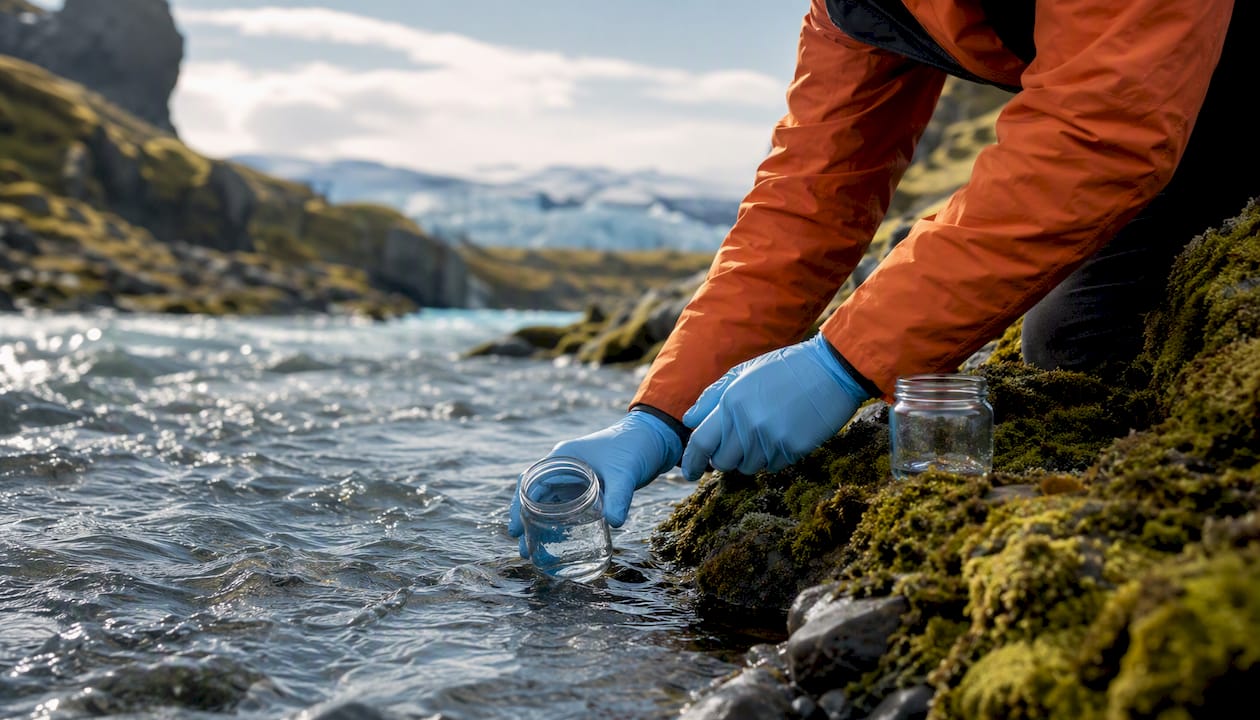
Marine biology, ecology, and fisheries placements tend to run through university partnerships or research institutes. Expect field sampling, water and soil testing, and lab work processing samples. These are frequently grant-funded or covered through Erasmus+ rather than salaried.
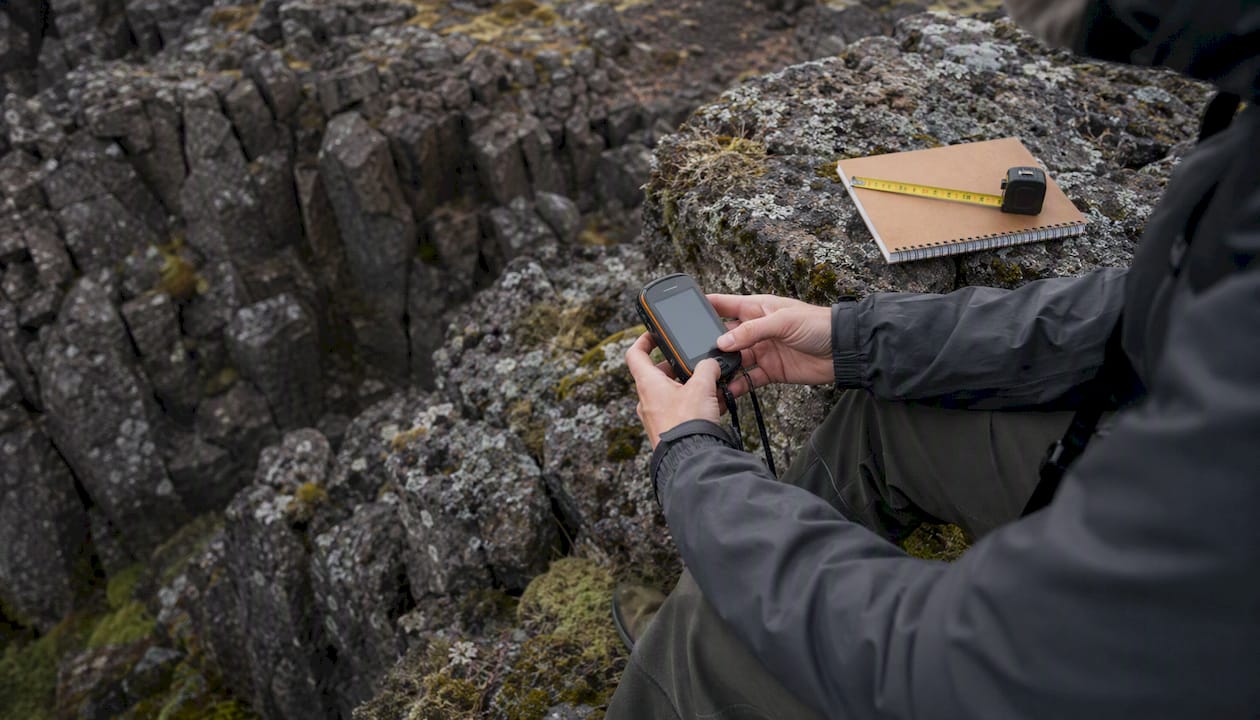
Geology and earth sciences internships overlap heavily with the research sector, given Iceland’s volcanic terrain. Work includes fieldwork logging, GPS survey assistance, and data entry for ongoing monitoring projects.
Design and architecture placements cluster around Reykjavík’s creative economy. Interns typically support exhibition prep, portfolio development, and client-facing design work. The Iceland Design and Architecture internship program is a recognized entry point here, and these slots fill up early.
IT and gaming is where the paid internships concentrate most heavily. Tasks range from prototyping features to running machine learning experiments, and English is the standard working language.
Business, retail, and fintech rounds out the list, with roles in operations, marketing, and product support at companies with a Reykjavík presence.
A quick language note: English gets you through most tech, tourism, and international business roles without friction. Basic Icelandic becomes a real asset once you’re applying to government-affiliated or public-facing positions, and it noticeably widens your options if you’re aiming for deeper integration into a team.
Where to Find Internships in Iceland
Four channels produce almost all the leads worth pursuing, and they work in different ways.
Erasmus+ placements are grant-based and run through your home university’s international office. If you’re an EU/EEA student, this is usually your cheapest and best-supported route, since the grant often covers a portion of travel and living costs.
University career pages post opportunities tied to specific faculties or research groups. Reykjavík University’s jobs listings, for example, carry postings from partner employers alongside internal research assistant roles.
Government portals, chiefly Ísland.is, list public-sector and research internships, along with the residence and permit information you’ll need regardless of which internship you land.
Employer career pages are where you’ll find the most detail on paid, structured programs. Bookmark these directly rather than waiting for a job board to surface them:
- CCP Games (game development and AI engineering)
- SAS Iceland (airline technical and business tracks)
- H&M Iceland (retail and operations)
- Tern Systems (technical and business summer roles)
- Iceland Design Centre (design and architecture placements)
Set email alerts on each employer’s careers page if it offers one. Application windows for competitive programs, particularly in design and culture, commonly open 4 to 9 months before the internship starts, and missing that window is one of the most common reasons qualified applicants get passed over, according to the RIFF internship call for 2026.
Do You Need a Visa? Eligibility Basics by Citizenship
If you hold an EU or EEA passport, your paperwork is minimal: register your stay with local authorities if it exceeds three months, but you don’t need a separate work permit to take up an internship. Non-EEA applicants face a genuinely different process and should start it early, since permits can take weeks to process.
Here’s the practical checklist regardless of citizenship:
- Confirm whether your internship counts as paid work or unpaid training, since this changes which permit category applies
- Register your address and length of stay through Ísland.is once you arrive, if required for your citizenship
- Carry proof of enrollment or your signed internship agreement, plus valid travel insurance, at all times during the application process
- Non-EEA applicants should contact the Directorate of Immigration directly, since processing times and required documents vary by permit type
Sector-specific wrinkles exist too. Government and research internships sometimes run additional security checks or prefer applicants with working Icelandic, particularly for public-facing roles. Paid internships almost always require more formal permit documentation than unpaid academic placements, so confirm your status with the employer before you assume either path applies.
None of this replaces checking the official guidance directly. Ísland.is and the Directorate of Immigration are the two sources to verify against before you book flights, since permit rules shift and a blog post (this one included) isn’t a substitute for the primary source.
What Does an Internship in Iceland Cost You?
Iceland runs expensive by European standards, and that reality should shape your housing choice before anything else. Budgeting realistically upfront saves you from a nasty surprise in month two.
These figures shift depending on whether you’re in Reykjavík or a smaller town, and whether your program includes housing. Some government-funded and research internships provide on-site housing and meals, which meaningfully lowers your out-of-pocket cost, though you’ll still need to arrange your own travel to Iceland and travel insurance. Field-based placements with the Icelandic Forest Service follow this pattern too: food and accommodation are often included, but you cover the flight and insurance yourself.
For housing you arrange independently, a few strategies cut real cost:
- Cook in shared kitchens rather than eating out, since restaurant prices in Iceland run high even by Nordic standards
- Ask directly whether your placement includes accommodation or a meal stipend before you sign anything, since this varies enormously by employer
- Book short-term, flexible lodging like hostel amenities for your first week or two while you scout longer-term rentals in person
- Split a private room with another intern if your program doesn’t provide housing, since shared arrangements cut per-person cost substantially
How to Apply and What Icelandic Employers Expect
Icelandic employers want to see independence on the page before they see it in an interview. Many organizations here run lean and flat, without layers of middle management, so an intern who needs constant direction is a real cost to a small team. Frame your application around initiative, not just enthusiasm.
Your application package should include:
- A concise, one-page CV that leads with relevant project work, not just coursework
- A cover letter that answers “why Iceland” specifically, not a generic “why this field” letter recycled from other applications
- A portfolio or work samples where relevant, especially for design, gaming, or research roles
- Proof of enrollment if your university requires it for credit-bearing placements
- One or two references who can speak to independent work, not just attendance
Pro Tip: Mention something specific about Iceland in your cover letter, like the volcanic geology if you’re applying in earth sciences, or the design scene’s minimalist tradition if you’re applying to a studio. Employers who host interns say applicants who show genuine interest in the local context, not just the job title, get matched more successfully.
Timing matters as much as content. Follow up once, about two weeks after you submit, and reference the specific role rather than sending a generic check-in. What you get in return varies by sector: paid internships are common in tech and gaming, less so in tourism and research, where grants and included housing often substitute for a salary. Confirm which model applies before you accept.
Real Internship Examples and How to Apply
These are concrete, current examples worth checking directly, not just categories.
CCP Games has advertised a paid, 6-month AI engineering internship in Reykjavík with a clear application deadline and contact details listed on Reykjavík University’s jobs page. Best for computer science students with machine learning coursework; this is one of the most competitive tech placements in the country.
Revolut runs an internship program with intakes aligned to summer cohorts starting around June or July, and documents relocation support and hybrid work expectations for strong candidates in some locations. Best for finance and business students comfortable in a fast-moving fintech environment.
SAS Iceland offers structured technical and business internships, typically paid and running six months, with real project responsibility built in from day one. Best for engineering and operations students who want airline-industry exposure.
H&M Iceland hires interns into retail and operations roles, generally shorter-term and suited to business or marketing students wanting commercial experience.
The Icelandic Forest Service (Land and Forest Iceland) runs field-focused placements that may include food and accommodation, though interns arrange their own travel and insurance. These roles demand physical fitness and appropriate outdoor gear, and forestry placements sometimes require basic chainsaw certification.
Tern Systems advertises summer positions across technical and business fields, with on-site support and hands-on learning; applications go in through English-language listings on their careers page.
Iceland Design Centre placements suit design and architecture students, but the application window opens 4 to 9 months ahead, so start early.
RIFF (Reykjavík International Film Festival) and various EU Delegation traineeships round out the cultural and diplomatic track, both with early deadlines and strong preference for candidates who show cultural fluency in their applications.
Align your timeline with your university calendar. If a placement wants an April start and your semester doesn’t end until May, ask about flexibility before ruling it out.
When to Go and How Long Internships Run
Summer is peak season for tourism and hospitality internships, running roughly from May through September when visitor numbers spike. Research, design, and government placements follow a different rhythm, often tied to academic semesters that start in autumn or align with a spring intake.
Duration varies by sector and structure:
- Summer placements in tourism and field research: 6 to 12 weeks
- Semester-aligned placements in research or design: 3 to 6 months
- Paid tech and gaming internships: typically 6 months, matching the CCP Games AI engineering program structure
Start your search 4 to 9 months before your target start date if you’re aiming for a competitive placement. Design, culture, and festival programs are the strictest about this window, and missing it is the single most common reason otherwise qualified applicants get turned down. Build in buffer time on both ends of your trip for orientation and, frankly, for adjusting to the weather and daylight swings if you’re coming from somewhere with a milder climate.
Work Culture, Safety, and Staying Well While Interning
Icelandic workplaces run flat and informal. You won’t find layers of hierarchy to hide behind, which means you’re expected to speak up, ask direct questions, and take ownership of your piece of a project fairly quickly. That can feel exposing at first if you’re used to more structured onboarding, but most interns adjust within the first few weeks.
Practical wellbeing basics worth sorting before you need them:
- Iceland’s emergency number is 112 for police, medical, and fire services, and it works nationwide including remote areas
- Hostels and student unions are genuinely useful for finding community fast, especially if your placement is in a smaller town without much of an expat network
- If your role involves outdoor or field work, confirm transport safety protocols with your supervisor before your first site visit, since weather can shift fast
For outdoor and field-based roles specifically, pack for function over fashion: waterproof layered clothing, sturdy hiking boots, and a realistic sense of your own fitness level, since forestry and geology fieldwork can involve long days on uneven terrain.
Pro Tip: If you’re placed with a small team, expect more responsibility than a similar internship might carry elsewhere. Lean teams mean fewer people to lean on, but also faster learning and real ownership of outcomes.
Your Pre-Departure Checklist
Four things need to be locked down before you book a flight: your internship agreement, your insurance, your first accommodation, and your gear.
- Get your internship agreement signed and confirm in writing whether it’s paid, unpaid, or grant-supported
- Sort travel and health insurance, since most placements require proof before your start date
- Book your first one to two weeks of accommodation so you’re not scrambling on arrival
- Pack sector-appropriate gear, especially if your role involves fieldwork or outdoor conditions
- Save the contact details of your host supervisor, the nearest medical clinic, and your country’s embassy or consulate contact
Beyond the paperwork, exchange direct contact information with your supervisor before you land, so you have a real point of contact rather than a general office email. Locate the nearest clinic to your accommodation in your first two days, not your third week when you actually need it.
In your final 30 days before departure: confirm your agreement is signed, finalize insurance, book your first accommodation, and join any local student or intern groups you can find online. That last step sounds minor but pays off fast, since most interns say their social footing in Iceland came from a handful of early connections, not from the internship itself.
Building Your Network Before and After You Arrive
Most useful contacts come from three places: your host organization’s team, university alumni who’ve already interned in Iceland, and informal expat or student groups you can find before you even land. Reach out to your future supervisor a few weeks before your start date and ask if there’s a Slack channel, WhatsApp group, or informal team chat you can join early. It costs nothing and gets you oriented faster than showing up cold.
Local student unions and hostel communities do more networking work than most interns expect. Staying somewhere social for even your first week, rather than isolating in a private studio from day one, puts you in the same room as other interns, seasonal workers, and long-term expats who know which employers are hiring and which programs are worth your time. A socially oriented hostel stay does more for your contact list in a week than a month of cold LinkedIn messages.
Once you’re settled, look for industry meetups: Reykjavík’s tech and design scenes both run regular events, and showing up to even one or two during your placement builds contacts that outlast the internship itself.
Getting Around Iceland as an Intern
Reykjavík has a public bus system (Strætó) that covers the capital area reasonably well, and it’s the cheapest way to commute if your internship is based there. Outside the capital, public transport thins out fast, and many field-based placements, especially in forestry or geology, expect you to arrange your own transport or ride with the team.
Biking works well within Reykjavík for short commutes, and several neighborhoods are genuinely bike-friendly. For anything outside the city, though, plan around either a rental car or your employer’s transport arrangements, since distances between towns are long and buses run infrequently.
If your placement is near the South Coast rather than the capital, factor that into your housing search early. It changes both your commute and your weekend options for exploring, and a South Coast itinerary is worth planning before you arrive so you’re not scrambling to figure out logistics during your one free weekend a month.
Why an Internship in Iceland Is Worth the Effort
The strongest case for interning in Iceland isn’t the scenery, though that helps. It’s the exposure to industries operating at a scale and with a level of access that larger countries rarely offer a student. A geology intern here isn’t shadowing a professor’s research from a distance; they’re often on the volcano, running instruments that feed directly into public monitoring systems. A gaming intern at a company like CCP isn’t buried in a fifty-person team; they’re one of a handful of people touching a live system.
That access comes with a real trade-off, and it’s worth naming honestly. Employers here expect you to show up ready to contribute, not to learn slowly. The flat, lean structure that makes Icelandic organizations interesting to intern at is the same structure that makes them unforgiving of interns who need heavy supervision. If you thrive with more independence than you’re used to, this is an advantage. If you need structure to do good work, it’s a real adjustment, not just a cultural quirk to note in a reflection paper.
What I’d tell any student weighing this: pick your sector before you pick your program. Don’t apply broadly to “an internship in Iceland.” Narrow to marine biology, or design, or gaming, or whatever actually maps to your coursework, then draft one cover letter that speaks specifically to that field’s Icelandic context. Put a reminder in your calendar now for application windows 4 to 9 months out, because that single habit, more than any credential on your CV, is what separates students who land these placements from students who miss the deadline and settle for something less specific.
Where to Stay While You’re Interning in South Iceland
If your placement sits anywhere along the South Coast rather than in Reykjavík proper, housing gets simpler and cheaper than the capital-area numbers above suggest. Fox Hostel, set in a converted barn in Hrífunes Nature Park about 35 minutes east of Vík, works well as a base while you sort out longer-term arrangements or if your internship itself runs closer to Vík than the city.

Solo interns can book a single dorm bed without paying for space they don’t need, while anyone relocating with a partner or a fellow intern can book out an entire room for privacy at a comparable cost to a private studio rental. The communal kitchen and social common areas do real work here too: they’re where you’ll actually meet other travelers and, occasionally, other interns working nearby placements, which matters if your work team is small and you want a wider social circle outside office hours. To be clear, Fox Hostel provides accommodation, not internship placements or job matching. Check current room and dorm availability directly to see what fits your dates and budget before you commit to a longer-term rental elsewhere.
Frequently Asked Questions
Are internships in Iceland paid?
It depends heavily on sector. Tech and gaming internships, like CCP Games’ AI engineering program, are typically paid and structured around a fixed term. Tourism, research, and government placements often rely on grants, included accommodation, or academic credit instead of a salary, so confirm the payment structure before you accept an offer.
Do I need a visa to intern in Iceland?
EU and EEA citizens face minimal requirements, mainly registering their stay if it exceeds three months. Non-EEA citizens need to check work and residence permit rules with the Directorate of Immigration well before their planned start date, since processing takes time.
How early should I apply for a summer internship in Iceland?
Aim for 4 to 9 months ahead, especially for design, cultural, and government-affiliated placements. Tech and business roles sometimes open later, but the earlier applicants consistently get matched over latecomers.
What’s the best way to find business internships in Iceland?
Check employer career pages directly (H&M Iceland, SAS Iceland, Revolut) alongside university career portals, since business roles are less centralized than academic research placements listed on Ísland.is.
Is it possible to find an internship in Iceland without speaking Icelandic?
Yes, particularly in tech, gaming, and international business, where English is the standard working language. Government and public-facing roles are the exception, where basic Icelandic meaningfully widens your options.
Sources
A handful of sources matter more than the rest, and each one answers a different question.
- Ísland.is
- RIFF internship call 2026
- CCP - AI Engineer | Háskólinn í Reykjavík
- Rev-celerator: Internship | Revolut Iceland
One in nine applicants to competitive cultural placements misses out purely on timing rather than qualification, based on how consistently early deadlines get cited as a rejection reason across design and festival internship programs. Check these primary pages directly rather than relying on secondary job boards, since permit rules and deadlines shift from one cycle to the next.
This article provides general information about internship opportunities and visa basics. Confirm current residence, permit, and application rules directly with Ísland.is, the Directorate of Immigration, or a qualified immigration adviser before making travel or financial commitments.