Feeling Lonely While Traveling Solo: What Actually Helps
Feeling Lonely While Traveling Solo: What Actually Helps

Loneliness on a solo trip is common, and it usually passes faster when you stop fighting it and change your surroundings a little. The most reliable fixes are practical: sleep somewhere social, show up where other travelers gather, start small conversations, and keep your plans loose enough to say yes. This guide covers each of them, with examples from a hostel on Iceland’s South Coast, where we see solo guests arrive nervous and leave with dinner plans.
TL;DR
- Feeling lonely while traveling alone is ordinary. The NHS notes that everyone is affected by loneliness at times, even people surrounded by others.
- Where you sleep shapes who you meet. Hostel common rooms, shared kitchens and shared dorms do most of the work for you.
- Small exchanges count. A chat with a waiter or a roommate is real social contact, and starting one is usually easier than you expect.
- Keep your itinerary flexible, and avoid using alcohol to take the edge off. If the feeling will not lift, talk to someone you trust or a professional.
Table of Contents
- Why loneliness shows up on a solo trip
- Your first 48 hours: set the tone
- How to make friends in a hostel
- Low-pressure ways to connect when you are not in the mood
- When loneliness is more than a passing mood
- Perspective: what we see from behind the counter
- Stay with us on the South Coast
- Before you go: a short plan against loneliness
- FAQ
- Sources
Why loneliness shows up on a solo trip
At home, your social life runs on autopilot: colleagues, neighbors, a group chat, a favorite bar where someone knows your order. On the road, all of that disappears at once. You wake up in a place where nobody knows you, and the day is entirely yours to fill.
The NHS describes loneliness as a subjective, personal experience, and says people can feel it even when they are with others. It also points out that life changes that take you away from home can trigger it. A trip is exactly that kind of change, even a happy, chosen one.
A few moments tend to hit hardest:
- Arrival day. You are tired, the novelty has not kicked in, and everyone else seems to have a plan.
- Dinner. Sightseeing is easy alone. Sitting at a table for one in the evening is where many people feel it.
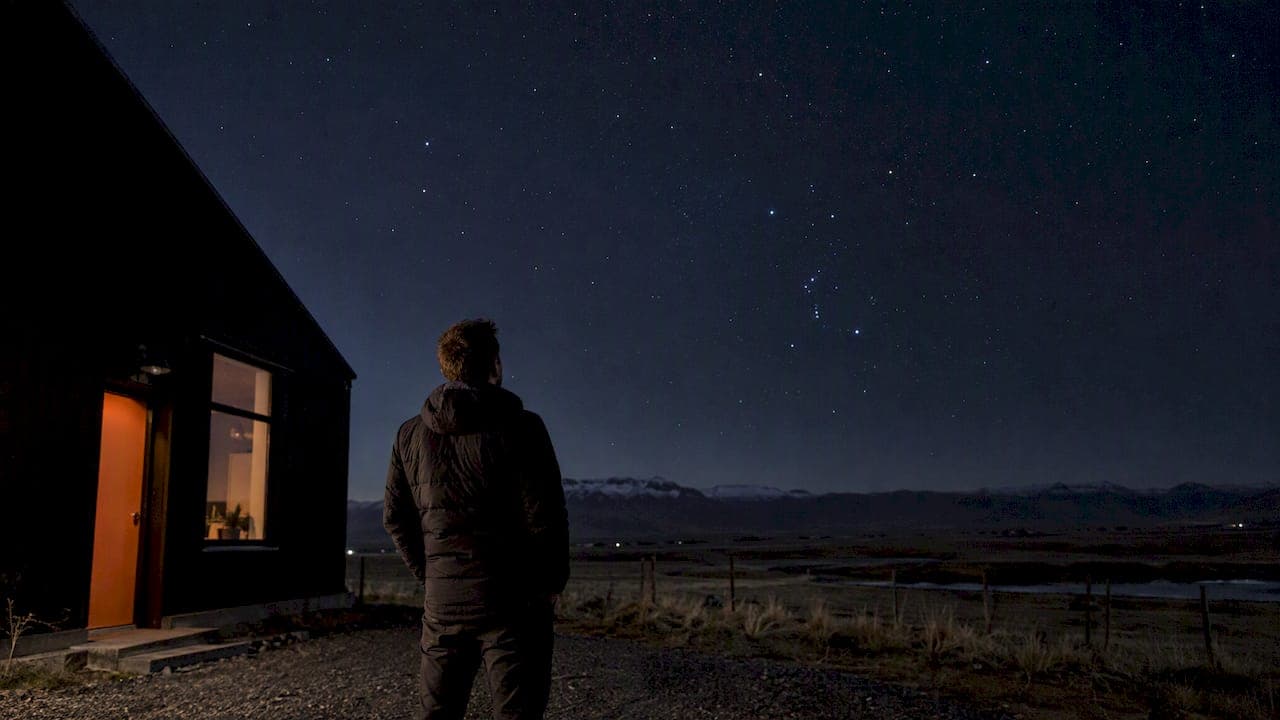
- Beautiful moments. You see something extraordinary, like a black sand beach at dusk, and there is nobody to turn to and say “look at that.”
- Day three or four. The adrenaline fades before new friendships have formed.
Knowing these pressure points helps, because you can plan for them instead of being surprised by them. Loneliness does not mean you chose the wrong trip or that you are bad at traveling. It is a signal that you want contact, and contact is something you can arrange.
Your first 48 hours: set the tone
The first two days matter more than the rest, because early habits stick. If you spend them hiding in your room, the third day feels harder.
- Arrive in daylight if you can. Unfamiliar places feel heavier after dark.
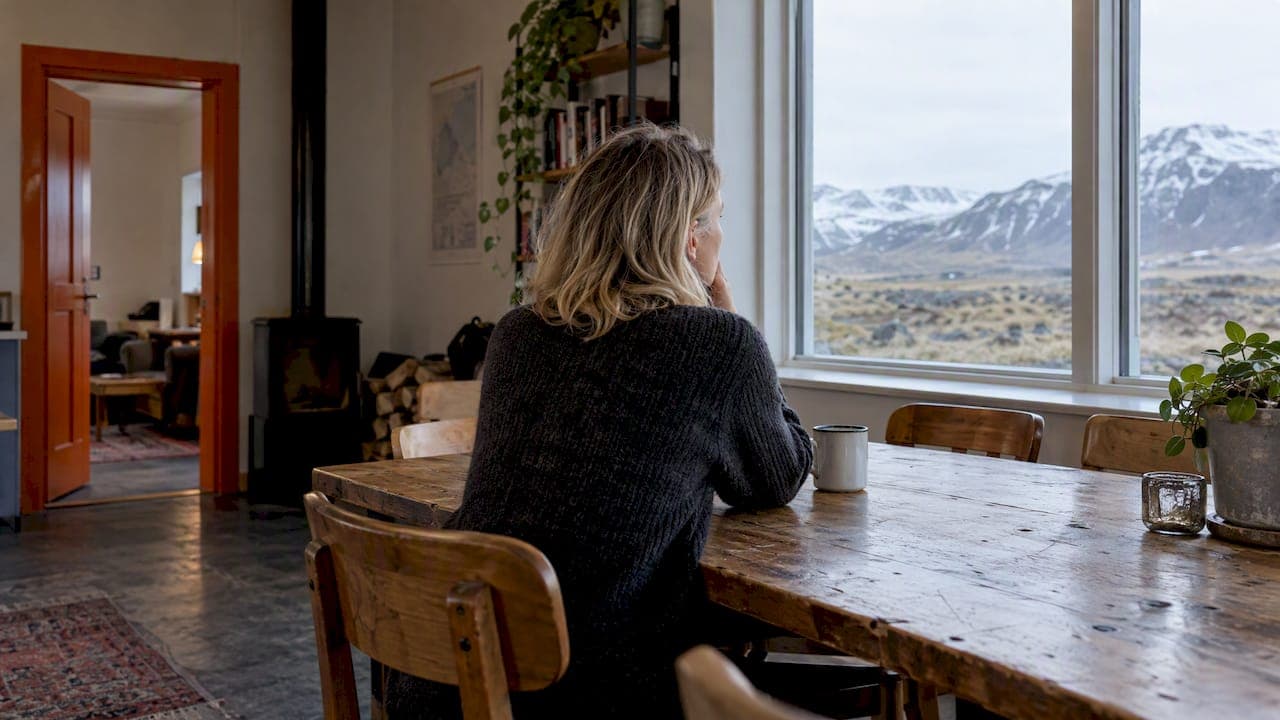
- Drop your bags and go straight to the common area. Do not unpack first. Make a coffee, sit down, and let the room come to you.
- Say hello to your roommates. A simple introduction and a question about their plans is enough.
- Make one plan with another person on day one. It can be small: sharing a table at dinner or walking to a nearby waterfall together.
- Leave one thing unplanned. The best invitations arrive when you are free to accept them.
For Iceland specifically, our guide on how to prepare for a solo hostel stay in Iceland walks through what to book and pack before you land.
How to make friends in a hostel
Hostels are built for this. Social common spaces and organized activities make meeting people easier, and ABC News advises introducing yourself in communal rooms, asking roommates about their plans, and spending time in shared areas around dinner time. None of that requires a big personality. It requires showing up in the right place at the right hour.
Choose the room that fits how social you want to be
A shared dormitory puts you in daily contact with other travelers, which is the fastest route to conversation: someone is always packing, planning or asking where to eat. A private room gives you a quiet retreat while still putting you in the same kitchen and lounge. If you are unsure, our breakdown of room types for solo travelers explains the trade-offs, and what a dormitory room is really like answers the common worries about privacy and noise.
Use the places where people already gather
The kitchen, the dining area and the lounge are where hostel friendships start. Cook something simple and eat it in the common room instead of in bed. Ask someone what they are making. Offer a spare onion. Evening is the best window: people have come back from their day, they are hungry, and everyone has a story from the road.
Ask roommates a real question
“Where are you from?” gets a short answer. “What was the best thing you saw today?” or “Do you know if the road east is open?” gets a conversation. Plans are the natural currency of a hostel. Once someone mentions where they are going tomorrow, you can ask whether they have room in the car or want company on the trail.
Say yes to events and shared plans
If your hostel runs an activity, join it, even if you would normally skip it. Forbes recommends keeping the door open for social opportunities, joining hostel events and not hesitating to start simple conversations. A group outing also removes the awkwardness of an open-ended chat, because the activity gives everyone something to talk about.
We go deeper on this in our guides to meeting other travelers in hostels and 12 proven ways to meet people while solo traveling.
Low-pressure ways to connect when you are not in the mood
Not every day is a day for group dinners. Some days you are tired, or shy, or simply want a gentler kind of company. That is fine. You can still reduce loneliness without a big social effort.
Count the small stuff. ABC News describes microconnections, small informal exchanges with shopkeepers or waiters, as a meaningful form of social engagement. Ask the barista what they recommend. Ask the person at the gas station about the weather ahead. These add up.
Be around people without having to perform. Forbes suggests low-energy ways to connect with your surroundings, such as people-watching in public spaces. A cafe window seat or a lounge sofa counts.
Eat where food is shared. Meals are the easiest social ritual there is. Local dishes give you something to ask about and compare, and this piece on the role of local cuisine in tourism is a good reminder that food is often how travelers get closest to a place and the people in it.
Start the conversation anyway. ABC News notes that talking to strangers can feel daunting at first, but that reaching out often leads to quick, rewarding connections. Most travelers are hoping someone else will speak first.
Keep your plans flexible. If you click with a group, being able to change your route and join them is worth more than a rigid itinerary. Our guide on how to connect with other travelers has more ideas for this.

When loneliness is more than a passing mood
Most travel loneliness lifts once you find your rhythm. But if it is affecting how you sleep, eat or function day to day, treat it seriously.
The NHS advises that if loneliness is affecting daily life, you can try talking to a friend, family member, healthcare professional or counselor. Video calls home are fine, and a short check-in with someone who knows you can reset a bad evening.
The same guidance says to avoid using alcohol or drugs to relieve loneliness, as they can contribute to poor mental health. That matters on a trip, where a drink at the bar can feel like the obvious answer. Having one with new friends is one thing. Drinking to numb a heavy mood alone is another.
If the feeling is heavy and persistent, speak with a doctor or licensed counselor, at home or by telephone, rather than waiting for the trip to end. Forbes also suggests planning ahead for your return by scheduling a therapist appointment to talk through what the trip brought up, which is a sensible idea if solo travel stirs up big questions.
Perspective: what we see from behind the counter
We run a hostel in a converted barn near Vík, and a large share of our guests arrive alone. The pattern is consistent. People come in a little guarded, with headphones on and a plan to keep to themselves. Then they sit down in the common area, someone asks about the weather forecast, and an hour later they are comparing routes.
What we have learned is that the building does most of the work if you let it. A shared kitchen gives people a reason to be in the same room. Breakfast at the hostel gives you an easy conversation before the day starts. Dinner at Hrífunes Pizzeria, on site, means you can sit at a table with other guests without having to find a restaurant, arrange transport or eat alone in a car park.

Our advice to solo guests is simple. Do not wait until you feel ready to be social, because that feeling rarely arrives first. Go to the common room, say one sentence to one person, and see what happens. Nobody is judging you. Everyone there is in the same position, and many are hoping you will speak first.
If you want your privacy, take it, and do not feel guilty. A quiet evening is not a failure. But keep one door open each day, even a small one.
— Siggi
Stay with us on the South Coast
If you are planning a solo trip through South Iceland, Fox Hostel is built for the kind of easy meeting we have described. You can book a bed in a shared dormitory if you want company built into your stay, or a private dormitory if you want a quieter base with the same shared spaces on your doorstep. Breakfast is served at the hostel, there is a communal kitchen, and Hrífunes Pizzeria is on site for the evening.

Want a shared plan for the day? We also offer a rafting adventure with a partner, a natural way to spend a day with other travelers. Traveling with friends later? Group bookings let you reserve whole rooms. Rates and availability are on the booking pages.
Before you go: a short plan against loneliness
Forbes suggests making a plan to manage loneliness before you leave, such as bringing journaling prompts and researching hostels with social reviews. Here is how we would put that into practice:
- Read reviews for the social atmosphere, not just cleanliness. Look for mentions of a lively common room, shared meals and helpful staff.
- Book your first two nights somewhere social. You can move to something quieter later.
- Pick lodging with food on site. It removes the hardest decision of the evening.
- Bring something to share or do. A deck of cards, a map you can spread on a table, or a notebook all give people a reason to come over.
- Schedule contact with home. A regular call is more helpful than checking in only when you feel low.
- Decide what you will do on a bad day. A walk, a hot shower, a call, an early night. A plan removes the panic.
- Think about why you are going. Solo travel can build real confidence and character, as ABC News reports, even when meeting people takes effort. Remembering that makes the awkward moments easier to tolerate.
For more on why staying social pays off, see why staying social while traveling matters and the role of shared spaces in travel.
FAQ
Is it normal to feel lonely when traveling alone?
Yes. The NHS says everyone is affected by loneliness at times, and that people can feel lonely even in company. A trip removes your usual routines and relationships, so it is not surprising that it shows up. It usually eases once you find a few people to talk to.
How do I make friends at a hostel?
Spend time in the common areas, especially around dinner. Introduce yourself to roommates and ask about their plans for the next day. Join hostel activities and keep your own schedule flexible so you can accept invitations.
What if I am shy or introverted?
Start with small interactions, such as a chat with a waiter or a shopkeeper, which count as real social contact. Sit in the lounge with a book and let conversations come to you. A shared kitchen or a group activity also gives you something to talk about, so you do not have to invent topics.
When should I get help for loneliness on a trip?
If loneliness is affecting your sleep, appetite or daily functioning, talk to a friend, family member, doctor or counselor. The NHS also advises against using alcohol or drugs to cope. If you ever feel unsafe or in crisis, contact local emergency services or a crisis line right away.
Is Iceland a good place to travel solo if I worry about being lonely?
It can be, if you choose social lodging and stay flexible. Many travelers move along the same South Coast route, so you tend to meet the same people at waterfalls and beaches. Staying somewhere with a shared kitchen and food on site makes those meetings easier, and our guide to meeting other travelers in Iceland has more detail.
Sources
- Loneliness - Every Mind Matters, NHS
- Get help with loneliness, NHS
- 7 Expert Tips for Avoiding Loneliness While Traveling Alone, Forbes
- How to make friends when travelling solo, ABC News
- The Role of Local Cuisine in Tourism: A Traveler’s Guide