1 to 2 Days: Pick South Coast or West Iceland and Where to Base
1 to 2 Days: Pick South Coast or West Iceland and Where to Base
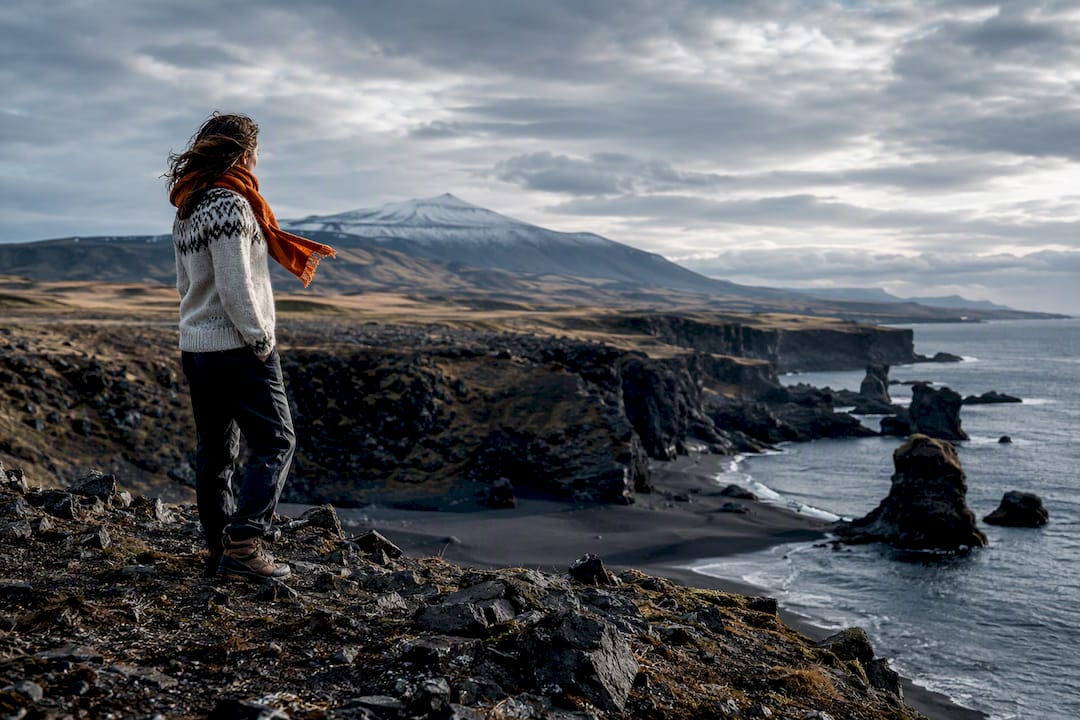
Pick the South Coast if you want waterfalls, black sand, and glaciers packed into a tight drive from Reykjavík. Pick West Iceland if you’d rather trade a bit of that drama for open roads, thin crowds, and a landscape that changes every twenty minutes. Photographers and glacier chasers lean south. Travelers craving quiet and variety in a smaller footprint lean west. With three to seven days, you can reasonably do both.
TL;DR:
- The South Coast offers a dense concentration of iconic waterfalls and glaciers within a short drive, making it ideal for maximum impact in limited time.
- West Iceland provides more open roads, fewer crowds, and a diverse landscape that includes volcanic scenery, lava fields, and fishing villages, better for quiet exploration.
- When staying near Vík, you can significantly reduce daily driving times and improve chances for sunrise and sunset photography, especially during peak summer months.
- Combining both regions over four or more days allows a more relaxed pace with varied scenery, while one to two days typically limit travelers to the South Coast’s highlights.
- Road conditions and seasonal weather, especially in winter, require careful planning, with guided tours recommended for safety and flexibility in bad weather.
Table of Contents
- South Coast vs West Iceland: What Sets Them Apart
- West Iceland Highlights: Snæfellsnes, Fjords, and Quieter Roads
- South Coast Highlights: Waterfalls, Black Sand, and Glaciers
- How Far Is It, and How Do You Get There?
- How to Choose: A Quick Decision Framework
- Can You Combine Both Regions? Sample Itineraries
- South Coast or West Iceland: Quick Reference
- An On-the-Ground Take on Basing Near Vík
- Cultural and Historical Threads Worth Following
- Where to Sleep: Lodging Patterns in Each Region
- What to Eat: Local Specialties Worth Seeking Out
- Wildlife: What You’ll Actually See in Each Region
- What This Actually Costs
- The Real Trade-Off Nobody Talks About
- Book a South Coast Base for Your Trip
- Sources
South Coast vs West Iceland: What Sets Them Apart
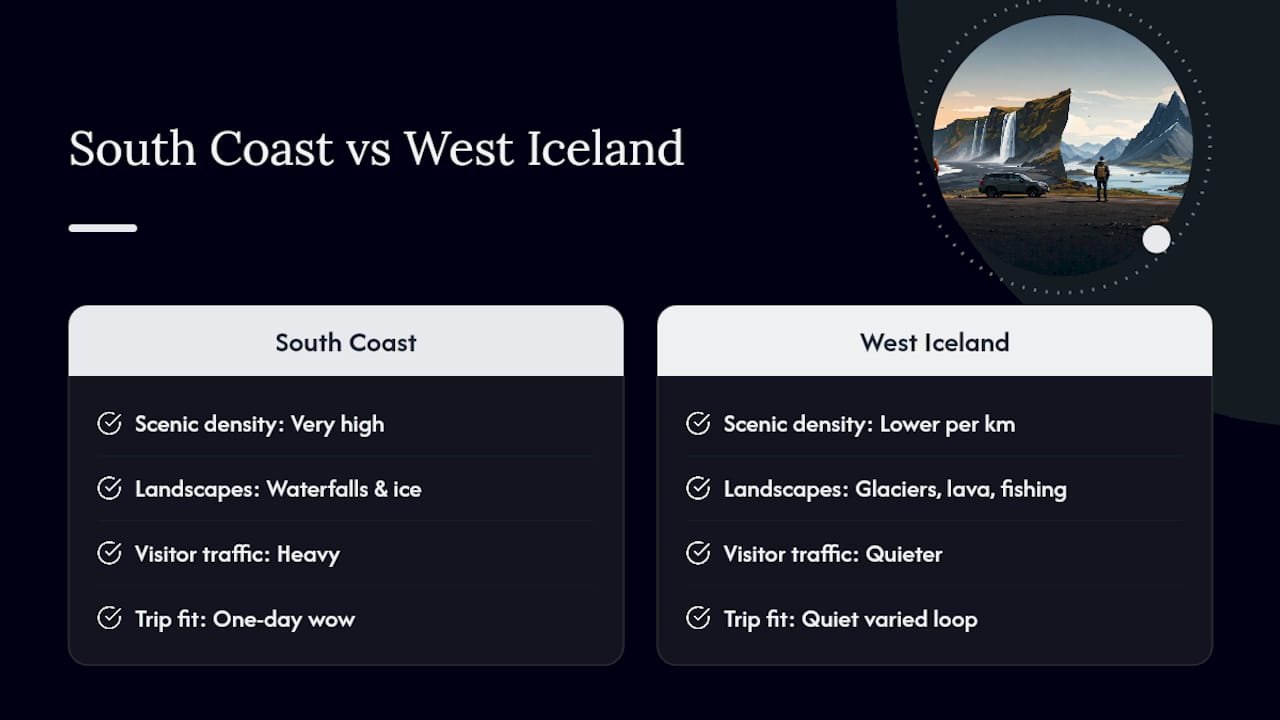
The comparison isn’t close in one respect: raw visual density. The South Coast crams Seljalandsfoss, Skógafoss, Reynisfjara, and Jökulsárlón into a single 400-kilometer round trip from Reykjavík, giving you more dramatic scenery per kilometer than almost anywhere else in the country. That’s why most South Coast day tours and multi-day itineraries dominate search results and Instagram feeds alike.
West Iceland plays a different game. Snæfellsnes and the surrounding Silver Circle trade some of that jaw-drop intensity for variety and breathing room — glaciers, lava fields, fishing villages, and black-sand coves all within a compact peninsular loop, with a fraction of the visitor traffic. If you’ve already done a Golden Circle day trip and want something quieter but still varied, West Iceland answers that specific itch better than a second lap through the south.
Neither region is objectively “better.” They solve different problems. The South Coast solves “I have one day and want maximum wow.” West Iceland solves “I want to feel like I found something myself.”
West Iceland Highlights: Snæfellsnes, Fjords, and Quieter Roads
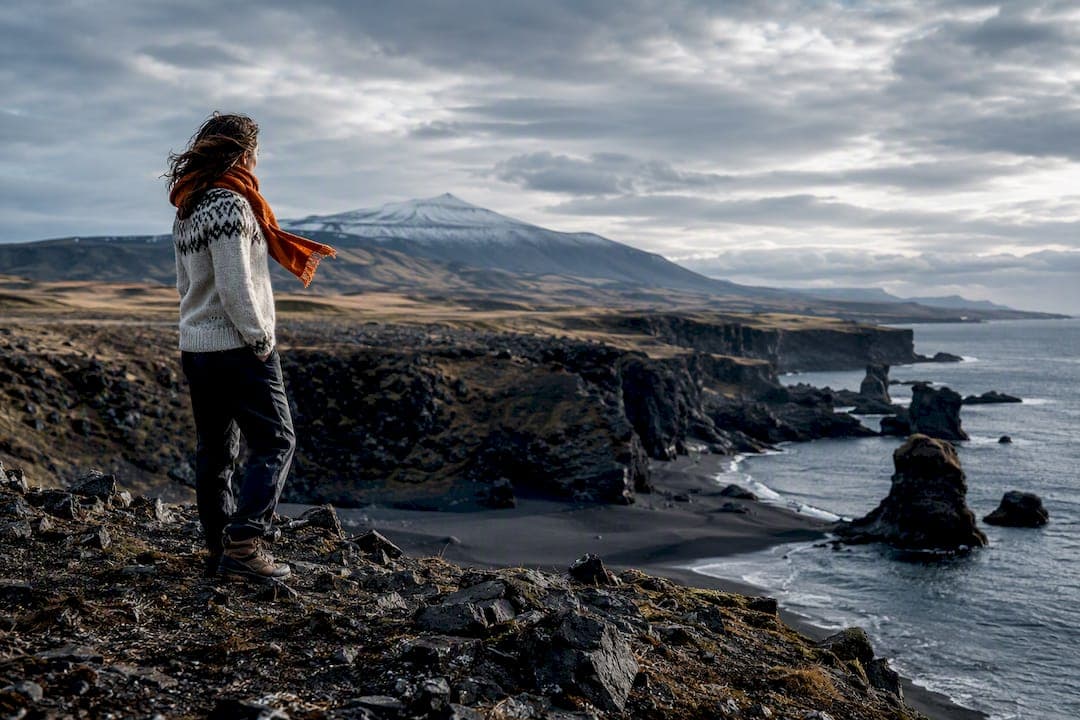
Snæfellsnes peninsula is West Iceland’s headline act, often nicknamed “Iceland in miniature” because it packs glaciers, volcanic craters, and coastline into roughly 90 kilometers of driving. The loop road makes it forgiving for planning: you drive out, circle the peninsula, and return without backtracking.
Key stops worth building a day or two around:
- Snæfellsjökull — the glacier-capped volcano that anchors the national park at the peninsula’s tip, visible from Reykjavík on a clear day.
- Kirkjufell — the arrowhead-shaped mountain near Grundarfjörður that shows up in countless Icelandic photographs, best shot early morning before tour buses arrive.
- Lóndrangar — twin basalt sea stacks rising out of a lava field, an easy short walk from the parking area.
- Arnarstapi — a small fishing village with coastal cliff walks and dramatic rock arches carved by centuries of North Atlantic swell.
- Hraunfossar and Barnafoss — a series of waterfalls where glacial meltwater seeps through lava rock in Borgarfjörður, a different kind of waterfall spectacle than anything on the South Coast.
A single day covers the Snæfellsnes loop’s major stops if you start early and don’t linger. Two to three days lets you add Hraunfossar, Deildartunguhver hot spring, and a slower pace at Arnarstapi without rushing. Compared with the South Coast, crowd levels drop noticeably outside peak July and August.
Seasonal timing matters here. Puffins nest on cliffs near Arnarstapi and elsewhere in West Iceland roughly from May through August, so birdwatchers should target that window specifically. Winter brings a different consideration: some Snæfellsnes roads see closures or require extra caution after snowfall, so check conditions before committing to the full loop between November and April.
South Coast Highlights: Waterfalls, Black Sand, and Glaciers
If the South Coast has a signature move, it’s stacking iconic stops one after another with barely a gap in between. You could spend a single rushed day hitting the highlights, or four unhurried days working east toward Jökulsárlón. Here’s the run, roughly in the order you’d hit them driving from Reykjavík:
- Seljalandsfoss — a waterfall you can walk behind, plus its lesser-known neighbor Gljúfrabúi, tucked inside a narrow canyon a short walk away. Budget 45 minutes for both.
- Skógafoss — a 60-meter curtain of a waterfall with a staircase to a viewing platform above. Give it 30 to 45 minutes if you climb the stairs.
- Sólheimajökull — an outlet glacier accessible via guided glacier hikes, roughly a 20-minute drive off the main road.
- Reynisfjara and Dyrhólaey — the black-sand beach with basalt columns and the nearby cliff promontory with sweeping ocean views. Allow an hour combined if you’re not lingering.
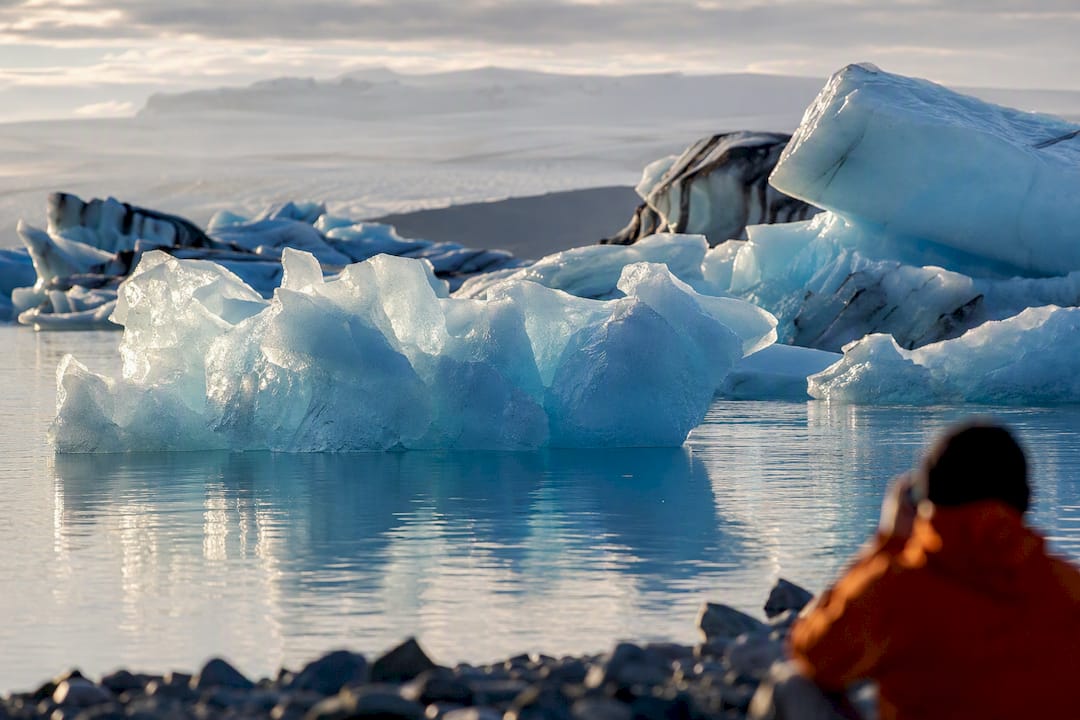
- Jökulsárlón and Diamond Beach — the glacier lagoon where icebergs drift toward the sea, with chunks of ice washing up on the black sand across the road. This is the farthest stop, roughly four hours from Reykjavík, and deserves at least 90 minutes.
Activity-wise, the South Coast is where the big-ticket experiences live: glacier hikes on Sólheimajökull or Vatnajökull’s outlet glaciers, ice-cave tours in winter, boat tours weaving through Jökulsárlón’s icebergs, and seasonal puffin viewing near Dyrhólaey and Reynisfjara in the summer months.
Pro Tip: Visit Reynisfjara and Jökulsárlón at opposite ends of the day. Early morning light hits the black sand beautifully before crowds build, while late afternoon sun on the glacier lagoon’s icebergs makes for the best photography of the whole trip.
Reynisfjara demands real caution. Sneaker waves surge much farther up the beach than they appear capable of, and they’ve caused serious injuries and fatalities over the years. Stay well behind the marked warning signs, never turn your back on the water, and keep a firm grip on kids near the shoreline. Our guide on visiting Iceland’s black sand beaches covers this in more depth, and the South Coast waterfall guide has timing tips for Seljalandsfoss and Skógafoss specifically.
Crowding follows a predictable pattern: tour buses cluster at Seljalandsfoss and Skógafoss between 10 AM and 3 PM. Arrive before 9 or after 5, and you’ll often have the waterfalls nearly to yourself.
How Far Is It, and How Do You Get There?
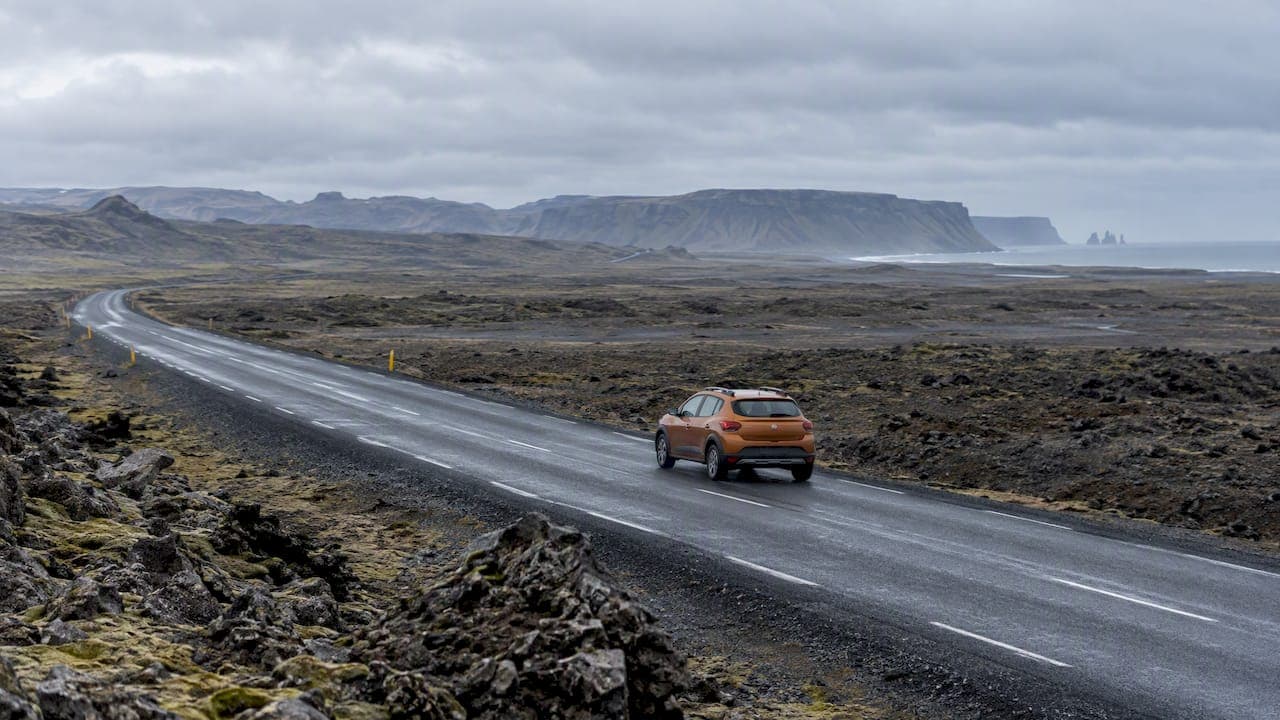
The two regions ask for different driving shapes. Snæfellsnes is a loop: you drive out from Reykjavík (roughly 2 hours to reach the peninsula’s base), circle it, and come back the same way you started, never retracing a long stretch. The South Coast is linear: Route 1 runs east and every additional stop pushes you farther from Reykjavík, so most visitors either do an out-and-back day trip or push all the way to a base near Vík or beyond.
Rough driving times from Reykjavík:
- Reykjavík to Vík: about 2.5 to 3 hours, covering most of the South Coast’s highlight reel along the way.
- Reykjavík to Snæfellsnes (Stykkishólmur or Grundarfjörður): about 2 to 2.5 hours to reach the peninsula’s main towns.
- Reykjavík to Jökulsárlón: roughly 4.5 hours one way, which is why most visitors treat it as an overnight trip rather than a day trip.
Public buses run limited routes to both regions, but frequency is thin outside summer and guided day tours often allow only 20 to 30 minutes per stop, which shortchanges photography and glacier walks. Self-driving gives you more flexibility to linger where the light is good and skip a stop that doesn’t interest you. Our Reykjavík to Vík drive guide breaks down the best stops along that specific stretch, and this Ring Road self-drive guide covers vehicle choices and logistics for either route.
Winter changes the math. Check road.is before any drive between October and April, since both regions see closures after heavy snow or high wind. Only book with operators listed on the official day-tour registry if you’re hiring a guide, and look for Vakinn certification as a baseline trust signal for any tour company or accommodation you’re considering.
How to Choose: A Quick Decision Framework
Run your trip through these questions before booking anything:
- How many days do you actually have? One day strongly favors the South Coast for sheer volume of sights per hour driven. Two or more days opens up West Iceland as a real option, either instead of or alongside the south.
- What’s non-negotiable on your list? If Jökulsárlón, a glacier hike, or Reynisfjara made your must-see list before you started researching, that’s the South Coast talking. If you’re drawn to quieter fishing villages and volcanic scenery without the tour-bus traffic, that’s West Iceland.
- How do you feel about driving? The Snæfellsnes loop is more forgiving because you never backtrack. The South Coast’s linear shape means every extra stop east adds return driving time later.
- Any accessibility or mobility concerns? Most South Coast highlights involve short, flat walks from parking areas. Some West Iceland cliff walks and lava-field paths are rougher underfoot.
A traveler forum thread discussing a six-night July trip found visitors repeatedly weighing the same trade-offs: food quality, accommodation standards, hiking access, and hot springs on one side against crowd avoidance and dramatic scenery on the other. There’s no universal winner in that debate. It comes down to what you personally can’t leave without seeing.
Red flags that should change your plan: short winter daylight (as little as four to five hours in December), sudden road closures after storms, and underestimating drive times because a map looks smaller than the road actually is. When in doubt, a guided tour from a licensed operator removes the driving-in-the-dark problem entirely.
Can You Combine Both Regions? Sample Itineraries
Yes, and with anything beyond a long weekend, you probably should. Tour operators commonly build combined itineraries around six days that hit both regions without feeling rushed.
Rough pacing by trip length:
- 1 day: Pick one region. The South Coast wins for most first-time visitors because of stop density.
- 3 days: Two days on the South Coast (Reykjavík to Vík and back, or one night near Vík), one day looping Snæfellsnes.
- 6 to 7 days: Two to three days South Coast with a base near Vík, two to three days on Snæfellsnes, with a buffer day for weather or an extra glacier activity.
Where you sleep changes the experience more than people expect. Basing in Reykjavík means long drives every day in both directions. Basing near Vík cuts your South Coast driving dramatically and buys you better light for sunrise and sunset shooting, since you’re not racing the clock back to the capital. Our South Coast itinerary planning guide and these South Coast route examples walk through pacing in more detail. For West Iceland, small towns like Stykkishólmur or Grundarfjörður work the same way, cutting the peninsula loop into a relaxed two-day visit instead of a single long day.
South Coast or West Iceland: Quick Reference
| Factor | South Coast | West Iceland |
|---|---|---|
| Best for | Photographers, glacier chasers, short trips | Solitude seekers, variety lovers, repeat visitors |
| Route shape | Linear (Route 1 out and back) | Peninsular loop |
| Crowd level | High at major stops midday | Noticeably lower |
| Minimum time | 1 day for highlights | 1 to 2 days for the full loop |
| Signature draw | Jökulsárlón, Reynisfjara, Skógafoss | Snæfellsjökull, Kirkjufell |
Quick checklist before you book: confirm how many days you actually have, book glacier hikes or boat tours in advance during summer, check road.is if traveling October through April, and read the sneaker-wave warnings at Reynisfjara before you go. If the South Coast wins your decision, look at accommodation near Vík early. It books up fast in July and August.
An On-the-Ground Take on Basing Near Vík
Staying near Vík instead of commuting from Reykjavík changes what’s realistically possible in a day. You’re not burning two hours each way before you’ve seen a single waterfall.
Fox Hostel sits roughly 35 minutes east of Vík, positioned between Vík and Kirkjubæjarklaustur, which puts Reynisfjara, Dyrhólaey, and the eastern stretch toward Jökulsárlón all within easy morning reach.
- Solo travelers can book a single dorm bed without paying for a room they don’t need.
- Couples, families, or groups can buy out an entire room for privacy.
- A shared kitchen and on-site pizzeria cut down on dinner logistics after a long day of driving.
Pro Tip: Leave for Reynisfjara or Jökulsárlón at first light from a base near Vík. You’ll beat the tour buses by hours and get the cleanest light of the day.
Cultural and Historical Threads Worth Following
The South Coast carries its own layer of human history beneath the scenery. Vík’s black church and the story of the offshore Reynisdrangar sea stacks come from Icelandic folklore involving trolls caught by sunrise, a tale still told by local guides at Reynisfjara. Farther east, Kirkjubæjarklaustur takes its name from an early monastic settlement, a quieter historical footnote most day-trippers drive past without noticing.
West Iceland leans harder into saga history. Snæfellsnes and the Borgarfjörður area feature prominently in Icelandic sagas, and several small museums and heritage sites around Stykkishólmur and Borgarnes unpack that history in more depth than anything comparable on the South Coast. The Settlement Center in Borgarnes, in particular, gives a grounded introduction to how Iceland was first settled, useful context before exploring the region’s landscape.
Neither region’s cultural layer competes with the natural scenery for attention, but travelers who build in an hour at a heritage site or small museum tend to come away with a fuller picture of Iceland than those who treat it purely as a drive-through photo circuit.
Where to Sleep: Lodging Patterns in Each Region
South Coast accommodation clusters around a few key towns: Hella and Hvolsvöllur for those staying closer to Reykjavík, and Vík and the stretch east of it for travelers pushing toward Jökulsárlón. Basing near Vík specifically, rather than commuting daily from the capital, is what most repeat visitors recommend once they’ve made the drive themselves. Our guide on cutting driving time by basing near Vík covers the reasoning in more detail.
West Iceland’s lodging options are more spread out and generally smaller in scale. Stykkishólmur and Grundarfjörður have the highest concentration of guesthouses and small hotels on the Snæfellsnes peninsula, while Borgarnes serves travelers who want to split the difference between Reykjavík and the peninsula itself.
Booking timing matters more on the South Coast, where July and August fill up weeks in advance for anything near Vík. West Iceland has more breathing room, though the handful of properties directly on Snæfellsnes still book solid during peak puffin season.
What to Eat: Local Specialties Worth Seeking Out
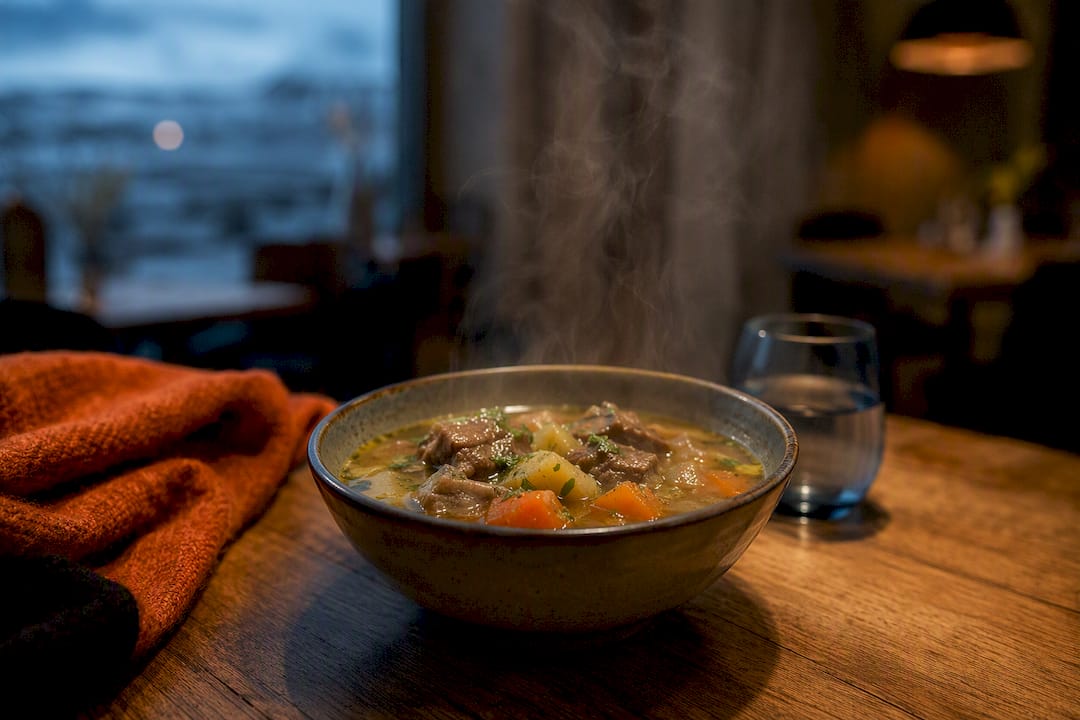
Vík and the surrounding South Coast towns lean on fresh seafood and lamb, with several small restaurants built specifically around bus-tour schedules, meaning they can get crowded fast around lunchtime. Icelandic lamb soup shows up on nearly every South Coast menu, and it’s worth ordering at least once given how well it suits the cold, wet weather common in the region.
West Iceland’s food scene ties closer to its fishing heritage. Stykkishólmur has a handful of seafood-focused spots serving the day’s catch, and the region’s proximity to Breiðafjörður Bay means scallops and langouste show up more often on menus here than on the South Coast. Smaller villages along the Snæfellsnes loop often have just one or two eating options, so planning meal stops ahead of time avoids arriving somewhere with nothing open.
Neither region has the restaurant density of Reykjavík, so most self-drive travelers pack snacks for the road and treat one real sit-down meal as the day’s anchor point.
Wildlife: What You’ll Actually See in Each Region
Puffins are the headline act in both regions, but the viewing windows and locations differ. On the South Coast, Dyrhólaey and the cliffs near Reynisfjara host puffin colonies roughly from May through August. West Iceland’s puffin cliffs near Arnarstape and Ingólfshöfði-adjacent areas offer a similar window with noticeably fewer spectators.
Seals show up more reliably in West Iceland, particularly around the Vatnsnes peninsula area and parts of Breiðafjörður Bay, where colonies haul out on rocks visible from shore. The South Coast’s marine wildlife draw centers more on the icebergs and occasional seal sightings at Jökulsárlón itself, rather than dedicated seal colonies.
Whale watching tours run from both regions, though most South Coast whale tours depart from towns you’d pass through anyway, while West Iceland’s whale watching is more commonly paired with a Snæfellsnes day trip out of Grundarfjörður or Ólafsvík.
What This Actually Costs
Neither region charges entrance fees at its major natural sites. Seljalandsfoss, Skógafoss, Reynisfjara, and Kirkjufell are all free to visit, though a couple of South Coast parking areas now charge small parking fees that go toward site maintenance.
Guided activities carry the real cost. A glacier hike on Sólheimajökull, an ice-cave tour, or a Jökulsárlón boat tour typically runs into the tens of thousands of Icelandic krónur per person, and prices climb further for private or small-group options. West Iceland’s guided add-ons, like caving tours near Snæfellsjökull, tend to run in a similar range but with fewer operators competing for your booking.
Transportation is where the biggest cost difference shows up. A rental car for a South Coast loop or a Snæfellsnes circuit costs roughly the same per day, but the South Coast’s linear shape means more total kilometers driven if you’re pushing all the way to Jökulsárlón and back. Guided day tours from Reykjavík run cheaper per person than a rental for solo travelers, but they cost you the flexibility of stopping where you want, for as long as you want.
The Real Trade-Off Nobody Talks About
Most guides frame this as scenery versus crowds, as if the South Coast is simply the “popular” choice and West Iceland is the “hidden gem.” That framing undersells both regions. The South Coast isn’t popular by accident. It genuinely delivers more high-impact stops per hour of driving than almost anywhere else in the country, and dismissing that as overrated does readers a disservice.
What conventional advice gets wrong is treating this as an either-or question when the real constraint is almost always days, not preference. Give someone four days and ask “South Coast or West Iceland,” and you’re asking the wrong question. The right question is how to split four days between them without wasting one on transit.
My honest read: default to the South Coast if you have one to two days, default to combining both if you have four or more, and only choose West Iceland alone if quiet matters more to you than checking off famous names. Where you sleep on the South Coast leg matters more than most itineraries admit. Basing near Vík instead of Reykjavík can turn a exhausting day trip into an unhurried one.
— Siggi
Book a South Coast Base for Your Trip
If the South Coast wins your decision, where you sleep determines how much of it you actually get to enjoy without rushing. Fox Hostel sits in a converted Icelandic barn in Hrífunes Nature Park, about 35 minutes east of Vík and roughly midway to Kirkjubæjarklaustur, putting Reynisfjara, Dyrhólaey, and the eastern glacier country all within easy striking distance without the long commute from Reykjavík.

Solo travelers can book a single dorm bed at Foxhostel without paying for space they don’t need, while couples, families, and groups can buy out an entire room through the rooms and dorms page for full privacy. The communal kitchen and on-site pizzeria mean dinner doesn’t require another drive after a long day of chasing waterfalls, and dark countryside skies make it a solid spot for Northern Lights viewing between September and April. Groups traveling together can find booking logistics for room buyouts in this group booking guide. Check availability early if you’re traveling in July or August. The South Coast’s most-searched base fills up fast.
Sources
- List of day-tour providers
- Vakinn certified companies
- Golden Circle vs South Coast | Two Iceland Day Trips Compared
- West vs. South Iceland: Which Region is Right for You?