Why staying near Iceland's waterfalls elevates your trip
Why staying near Iceland’s waterfalls elevates your trip
TL;DR:
- Staying near waterfalls enhances Icelandic travel with peaceful, immersive experiences beyond typical sightseeing.
- Proximity accommodations offer flexible timing, weather responsiveness, and cost benefits for exploring waterfalls.
- Proper gear and safety precautions are crucial for safe, enjoyable stays close to Iceland’s powerful waterfalls.
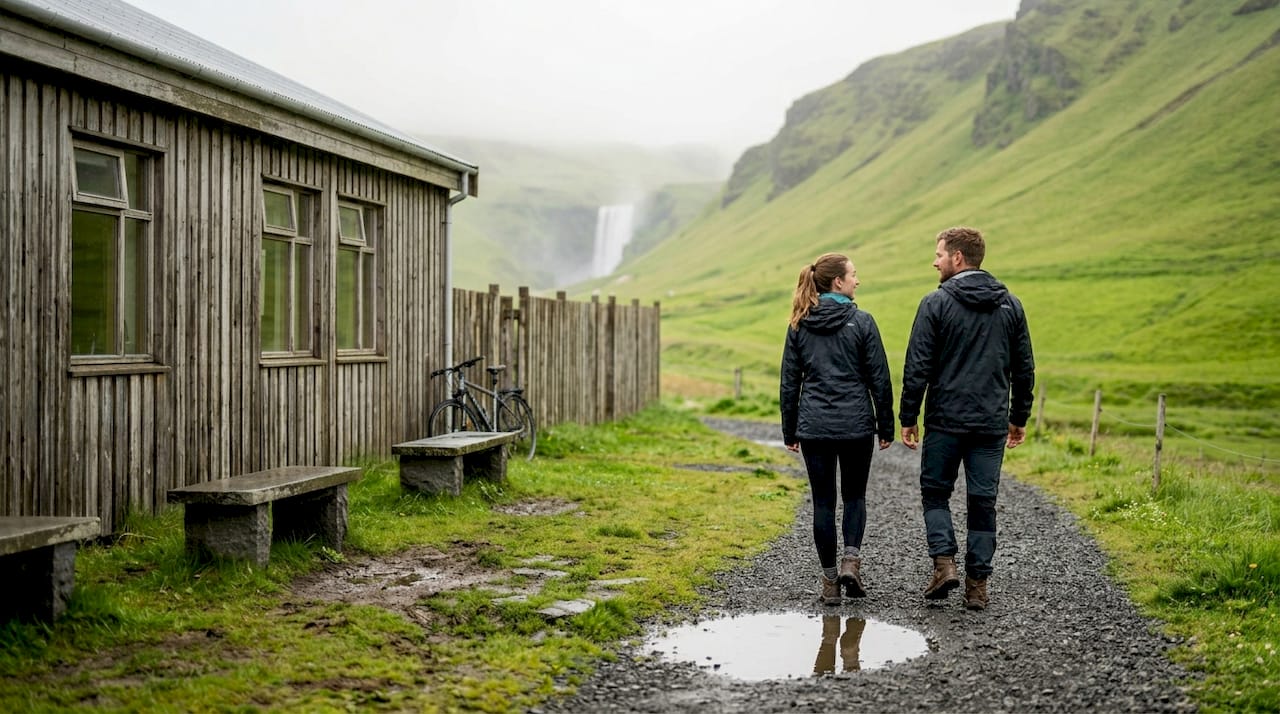
Most travelers race from one waterfall to the next, snapping a photo, then driving on. But the people who remember Iceland forever? They’re the ones who stayed. Waking up to the sound of cascading water before anyone else has arrived, catching golden light on mist at 5 a.m., or standing alone at the base of a fall as fog rolls in after sunset — these are the moments that don’t make it onto any tourist map. This guide breaks down why waterfall-proximate stays on the South Coast aren’t just a convenience. They’re a completely different travel experience.
Table of Contents
- The allure of Icelandic waterfalls: More than a view
- Practical perks: Access, timing, and adventure possibilities
- Where to stay: Lodges, hostels, and camping near waterfalls
- What to prepare for: Weather, safety, and insider advice
- Our take: Why true adventure means sleeping close to the falls
- Ready to plan your own waterfall adventure?
- Frequently asked questions
Key Takeaways
| Point | Details |
|---|---|
| Stay for the atmosphere | Staying near waterfalls means quieter, more memorable experiences than day visits. |
| Beat the crowds | Early or late access gives you magical moments without tourists. |
| Choose the right lodging | Hostels, guesthouses, and campsites all offer distinct waterfall-side experiences. |
| Prepare for Icelandic weather | Expect wind and rain, pack the right gear, and check seasonal access before booking. |
The allure of Icelandic waterfalls: More than a view
Iceland has more waterfalls per square mile than almost any country on Earth. They’re not just scenic backdrops. They’re central to how Iceland feels: raw, powerful, and quietly overwhelming. For adventure travelers, they represent something beyond beauty. They offer a kind of stillness that’s rare in modern travel.
The sensory experience of a waterfall is genuinely hard to replicate. The sound alone, a constant, deep roar that drowns out everything else, has a measurable calming effect. The fine mist that coats your face, the vibration in the ground underfoot, the way the air smells clean and cold all at once. These aren’t details you register during a 15-minute stop. They’re things you absorb over time.
That’s exactly why staying overnight near one changes the equation. Staying near waterfalls provides serene, peaceful retreats with sounds of cascading water that genuinely enhance relaxation after a long day of hiking or driving. When the tour buses leave and the parking lot empties, the waterfall is still there. And suddenly, it feels like it belongs to you.
Here are a few reasons why South Coast waterfalls in particular are worth building a stay around:
- Seljalandsfoss lets you walk behind the curtain of water, a trail that’s nearly impossible to enjoy when 200 other visitors are doing the same thing
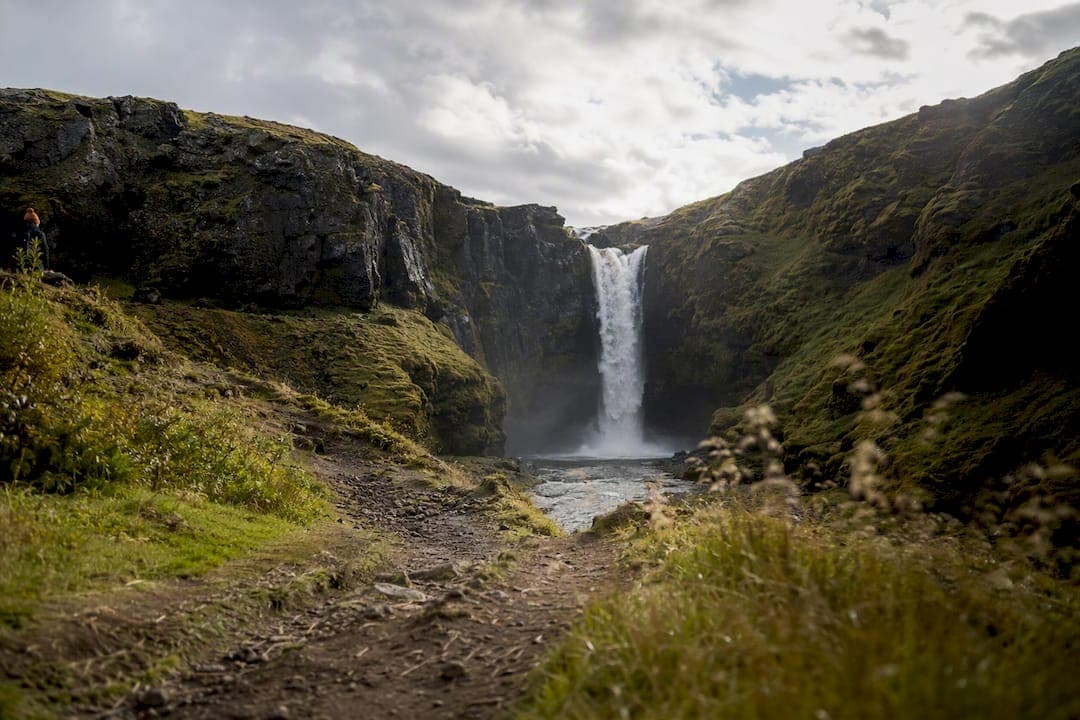
- Skogafoss has a staircase to the top with views of the coast that hit differently at golden hour
- Gljúfrabúi, a hidden fall tucked inside a canyon just 500 meters from Seljalandsfoss, rarely gets crowded even in summer
- Háifoss and Granni, twin falls accessible by mountain road, reward those willing to drive a bit further
“The real magic of Iceland’s waterfalls isn’t the water itself. It’s the quiet that surrounds it once the crowds go home.”
There are also practical reasons to base yourself near these sites. The benefits of staying outside Reykjavik go beyond cost savings. You wake up already in position, without burning an hour driving from the capital before your day even starts. For South Coast exploration, this matters enormously.
Practical perks: Access, timing, and adventure possibilities
Let’s talk logistics, because this is where staying near waterfalls shifts from romantic idea to genuinely smart travel strategy.
Iceland’s summer daylight is famously long, but even so, the hours between 10 p.m. and 8 a.m. see dramatically fewer visitors at popular sites. When you’re staying five minutes away instead of 90, you can actually use those windows. Avoiding peak summer crowds by staying nearby for dawn and dusk visits, then pairing your itinerary with the Golden Circle, creates one of the most time-efficient approaches to South Iceland travel.
Weather in Iceland is notoriously unpredictable. A waterfall that’s completely shrouded in rain and fog at 2 p.m. can open up into stunning clarity two hours later. If you’re staying nearby, you simply wait. If you’re driving from Reykjavik, you’ve already made the three-hour round trip before the sky clears.
Comparing proximity stays to city-based stays:
| Factor | Staying near the fall | Staying in Reykjavik |
|---|---|---|
| Drive time to waterfall | 5 to 20 minutes | 1.5 to 3 hours |
| Access to off-peak hours | Easy, flexible | Difficult, early starts required |
| Weather responsiveness | Same-day flexibility | Usually locked into schedule |
| Cost | Often lower | Higher accommodation + more fuel |
| Crowd management | Natural avoidance | Arrive with the crowds |
Here are the most useful ways to structure a South Coast day from a waterfall base:
- Hit Seljalandsfoss or Skogafoss before 8 a.m. while guided tours are still loading up
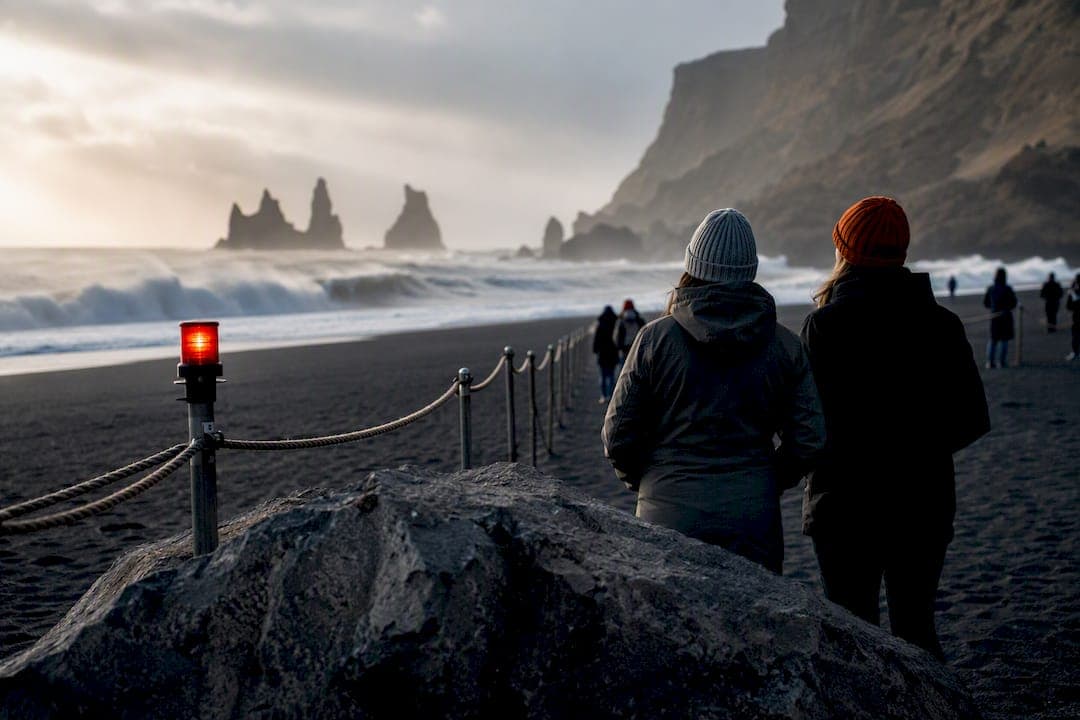
- Use midday for longer hikes, glacier walks, or the black sand beach at Reynisfjara
- Return to your accommodation, recharge, and head back to the falls at dusk for completely different light and atmosphere
Pro Tip: The South Coast hostels positioned between Vík and Kirkjubæjarklaustur give you a geographic sweet spot for reaching multiple waterfall sites without doubling back.
Where to stay: Lodges, hostels, and camping near waterfalls
Not all waterfall-proximate stays are created equal. The type of accommodation you choose shapes the experience almost as much as the location itself.
How to choose based on your adventure style:
- Solo travelers or social adventurers: A hostel is almost always the right call. You get a bed, a warm communal kitchen, and a built-in community of people who are probably doing the exact same route you are.
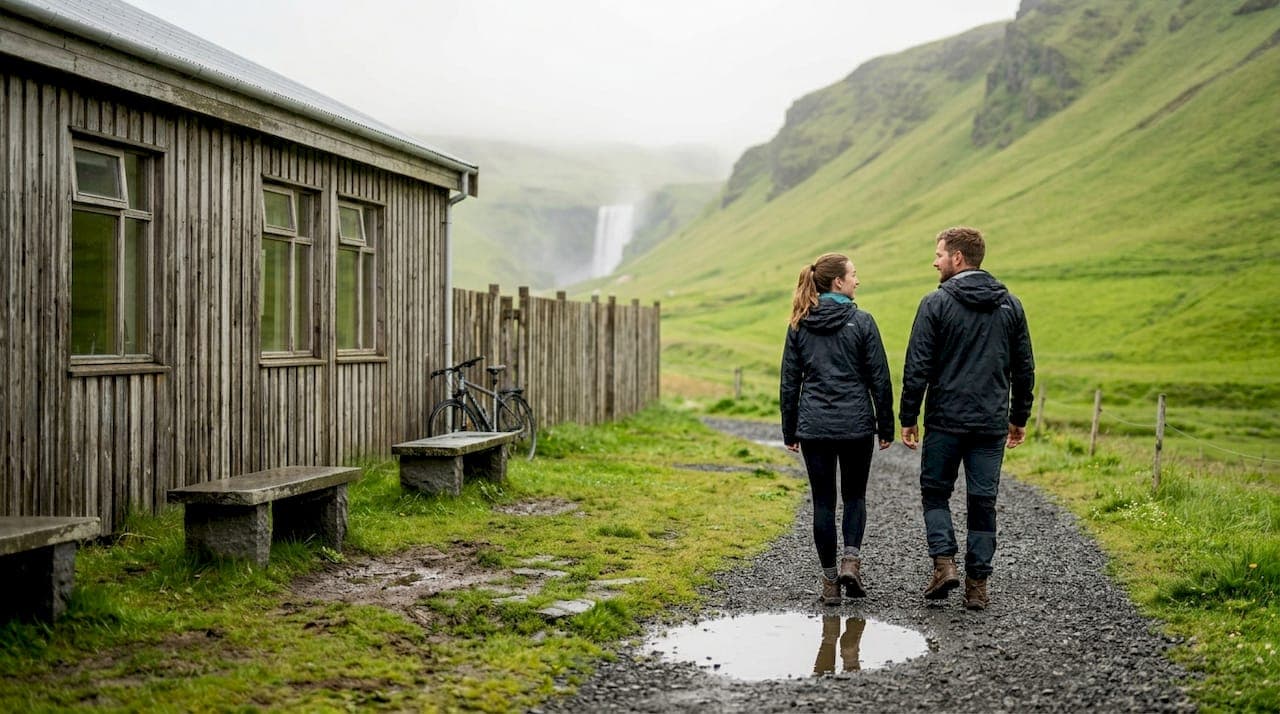
- Couples or small groups wanting privacy: Look for hostels that offer full room buyouts, or small guesthouses near waterfall sites. You get the location without the premium of a boutique hotel.
- Budget-first, experience-second travelers: Camping is the most direct option. Camping at Skogafoss base allows tent setup with direct waterfall views and includes basic facilities like hot showers, making it ideal for budget adventure, though crowds and limited amenities are real factors.
- Comfort travelers who still want nature access: Lodge-style guesthouses along the South Coast offer private rooms with countryside views and easy road access to multiple falls.
- Road-trippers working the Ring Road: Position yourself at a hostel or guesthouse midway between Vík and Kirkjubæjarklaustur for the best coverage of both western and eastern South Coast attractions.
Here’s a quick reference for what to expect from each accommodation type near waterfalls:
| Type | Average nightly cost | Facilities | Best for |
|---|---|---|---|
| Hostel dorm | $30 to $60 | Kitchen, social spaces, showers | Solo travelers, groups |
| Hostel private room | $80 to $140 | Same as dorm, more privacy | Couples, small groups |
| Campsite | $15 to $30 | Basic showers, toilets | Budget, authentic seekers |
| Guesthouse | $120 to $200 | Breakfast, private bathroom | Comfort travelers |
Pro Tip: Understanding your hostel room types before booking can save you from an uncomfortable surprise. Some hostels allow full room buyouts at a reasonable markup, which is worth considering if you’re a couple who wants flexibility without paying guesthouse prices.
For those who want a combination of affordability, community, and direct access to South Coast nature, nature hostels purpose-built near wilderness areas consistently outperform urban stays in terms of raw experience value. And if you’re still weighing whether to camp or bunk, reviewing the best places to camp alongside indoor options helps clarify which tradeoffs actually matter to you.
What to prepare for: Weather, safety, and insider advice
Iceland will humble even experienced travelers. Staying near waterfalls specifically comes with a set of conditions worth understanding before you arrive.
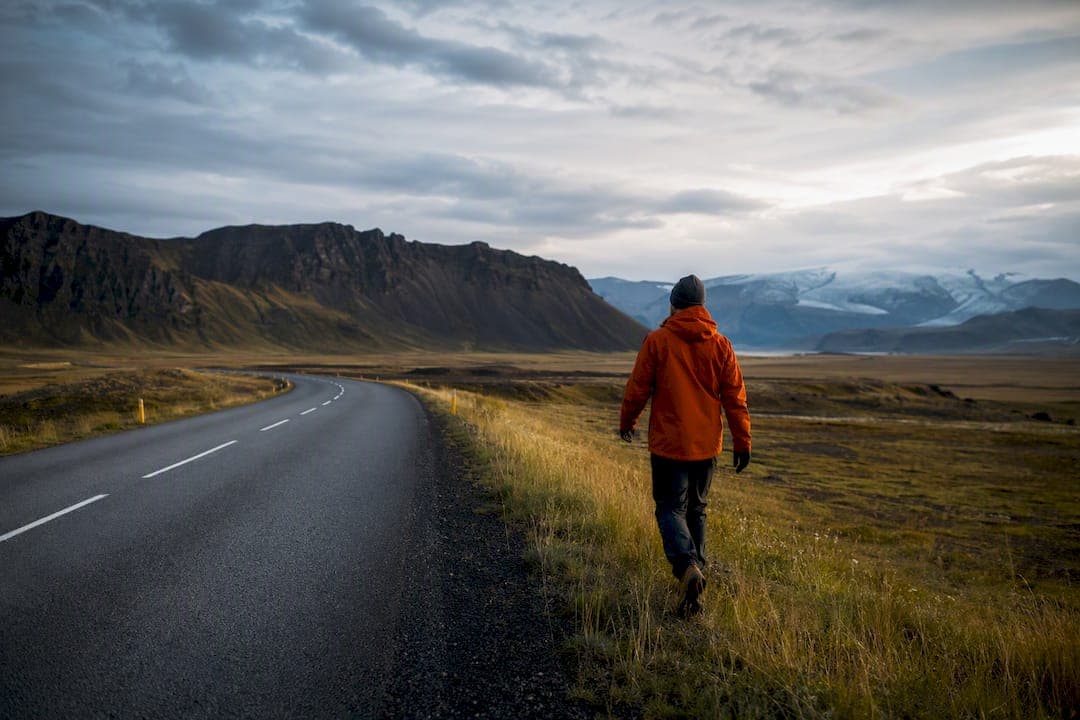
First, the wind. Waterfalls generate their own micro-weather. The mist is constant, and when wind picks up, it sprays sideways with real force. Windy conditions at falls require waterproof gear, winter paths can be icy or closed (the trail behind Seljalandsfoss is a well-known example), and remote waterfall stays need self-drive because public transport doesn’t reach them. Pack a quality rain jacket, waterproof pants, and boots with ankle support as non-negotiables.
Here’s a practical gear checklist for a waterfall-based stay:
- Waterproof outer layer (jacket and pants)
- Merino wool base layer for temperature regulation
- Waterproof hiking boots with grip
- Headlamp for early morning or late evening visits
- Microspikes or crampons for winter visits
- Dry bags to protect cameras and electronics
- Extra set of warm, dry clothes back at your accommodation
Safety deserves real attention. Never cross safety barriers, and treat waterfall safety advice as non-negotiable. Rocks near falls are permanently wet and dangerously slippery. Currents below falls are far stronger than they look.
“The most common mistake near Icelandic waterfalls isn’t going too close. It’s going unprepared.”
For winter visits specifically, check road conditions daily on road.is before driving to any remote site. Some mountain roads leading to more dramatic falls are F-roads that close entirely in winter.
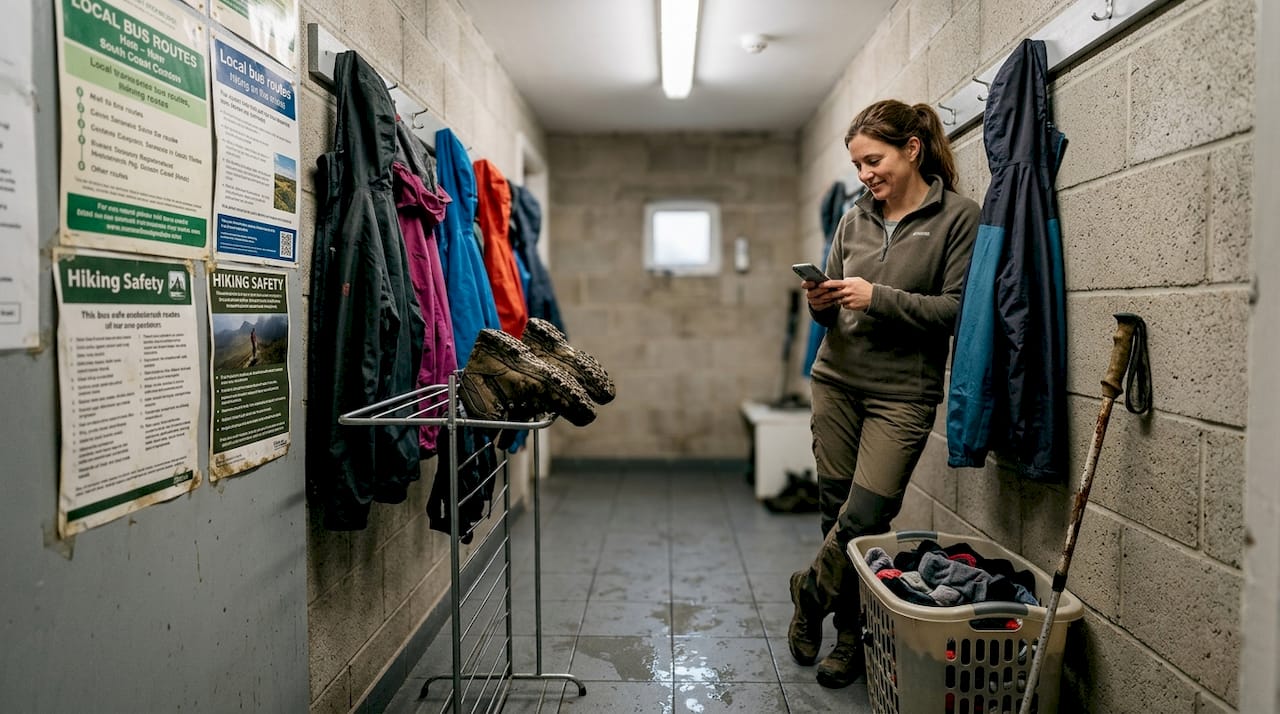
The amenities for travelers available at South Coast hostels, like drying rooms, equipment storage, and communal kitchens for hot meal prep, make a real difference when you come back soaked and cold. These aren’t luxuries near waterfalls. They’re essentials.
Our take: Why true adventure means sleeping close to the falls
Here’s something the typical Iceland itinerary guide won’t tell you: the waterfall itself is almost secondary. What you’re really after is a different relationship with a place.
When you’re staying nearby, you stop being a visitor passing through and start being someone who actually inhabits the landscape for a moment. You hear the water at 2 a.m. through your window. You walk out before breakfast with coffee in hand and no one else around. That changes how you remember the whole trip.
Too many travelers treat Iceland as a checklist. Waterfall: checked. Glacier: checked. Black sand beach: checked. That approach produces great photos and almost no lasting memories. The people who stay close, who connect and explore socially with other travelers and slow down long enough to let a place actually register, those are the people who come back.
Sleeping to the sound of a waterfall is genuinely rare. It’s not in the guidebooks because it can’t be photographed. But it’s the thing most people mention years later when they talk about Iceland.
Ready to plan your own waterfall adventure?
Fox Hostel sits in Hrífunes Nature Park, just 35 minutes east of Vík, and serves as a natural launch point for the South Coast’s most iconic waterfall sites. Seljalandsfoss and Skogafoss are both within easy driving distance, and the position between Vík and Kirkjubæjarklaustur puts you ahead of the day-tripping crowds every single morning.

Fox Hostel offers dorm beds for solo travelers and full room buyouts for couples and groups, so you get the experience you actually want, not a compromised version of it. With a communal kitchen, on-site pizzeria, and dark skies perfect for Northern Lights viewing, it’s a base that works as hard as you do. Check out the room options for your adventure and book direct for flexible, insider-friendly planning.
Frequently asked questions
What are the top waterfalls in Iceland to stay near?
Seljalandsfoss, Skogafoss, and Gullfoss are among the most visited, with nearby accommodation options that let you visit at dawn or dusk to avoid peak summer crowds.
Is it safe to stay near waterfalls in Iceland during winter?
Yes, but winter paths can be icy or closed, particularly around Seljalandsfoss; always check local advisories and road conditions before heading out.
Are there budget-friendly accommodation options near Icelandic waterfalls?
Absolutely. Hostels, guesthouses, and campsites all offer affordable stays near major falls, with Skogafoss camping offering direct waterfall views and basic hot shower facilities for budget travelers.
How early should I book a stay near a popular waterfall?
Aim to book several months in advance during peak summer (June through August) for the best selection, pricing, and flexibility.
What should I pack for a stay near waterfalls in Iceland?
Prioritize waterproof gear and layers, since windy conditions at falls mean mist hits from every angle, and sturdy, grippy boots are essential for safe exploration on wet rocks.
Recommended
- Why stay near Vík, Iceland: top reasons for nature & culture | Fox Hostel – South Iceland
- Must-see attractions near Vík: adventure & hidden gems | Fox Hostel – South Iceland
- Experience real Iceland: why rural stays offer more for less | Fox Hostel – South Iceland
- Ventajas de alojarse fuera de Reikiavik en Islandia | Fox Hostel – South Iceland