The Real Role of Hostels Near Waterfalls
The Real Role of Hostels Near Waterfalls
TL;DR:
- Hostels near waterfalls serve as social hubs, safety centers, and flexible logistics bases, enhancing the natural experience. They foster community, organize excursions, and provide real-time safety guidance crucial for changing trail conditions. Booking early during peak seasons is essential to secure affordable, adaptable accommodations that support safety and social connection.
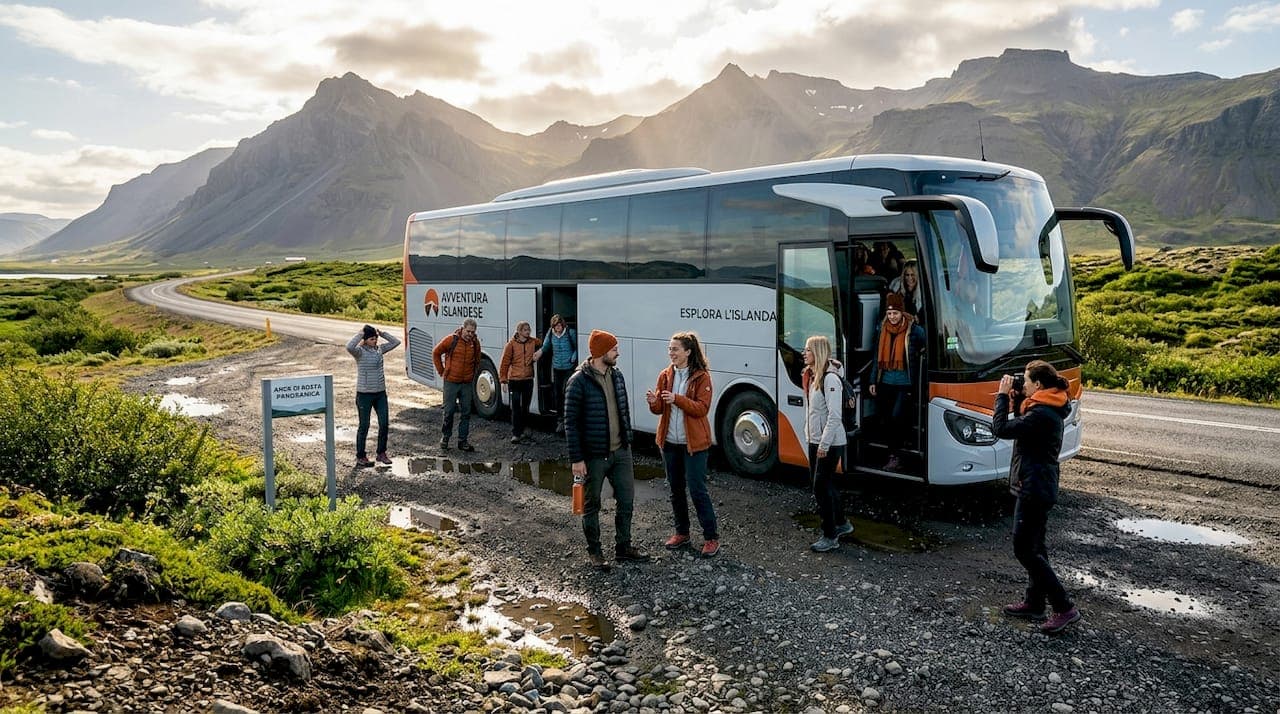
Most travelers think of a hostel as simply the cheapest bed available. That assumption misses most of the story. The role of hostels near waterfalls goes far beyond price. They function as social networks, safety briefing centers, and flexible logistics hubs that genuinely change how you experience one of nature’s most dynamic attractions. Whether you are traveling solo through Iceland, joining a group heading to Iguazu, or planning your first multi-day waterfall route, understanding what a hostel actually does for you near a waterfall destination will reshape how you plan your trip.
Table of Contents
- Key takeaways
- How hostels near waterfalls build real community
- Hostels as logistical bases for waterfall safety
- Seasonal crowds and why timing your hostel booking matters
- Hostels vs hotels vs campsites near waterfalls
- My honest take on what hostels near waterfalls actually deliver
- Stay at Fox Hostel for your South Iceland waterfall adventure
- FAQ
Key takeaways
| Point | Details |
|---|---|
| Hostels are logistics hubs | They provide local guidance, flexible scheduling, and real-time safety updates for waterfall trips. |
| Social infrastructure matters | 93% of solo hostel guests choose hostels specifically to meet people and join activities. |
| Seasonal timing is critical | Booking hostels early during peak waterfall seasons helps secure affordable beds when demand surges. |
| Safety starts at the hostel | Staff guidance on closures, terrain, and weather conditions is as valuable as any online travel guide. |
| Hostels beat hotels for flexibility | When waterfall conditions change unexpectedly, hostel stays adapt more easily than rigid hotel bookings. |
How hostels near waterfalls build real community
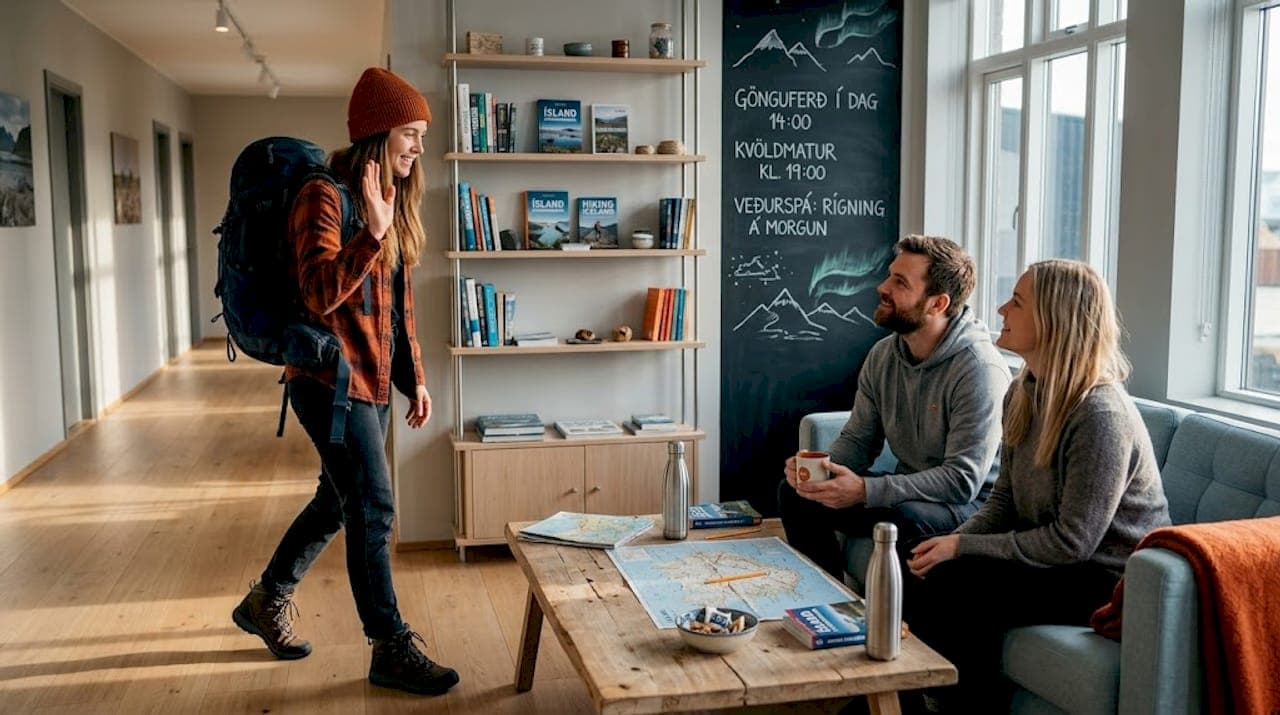
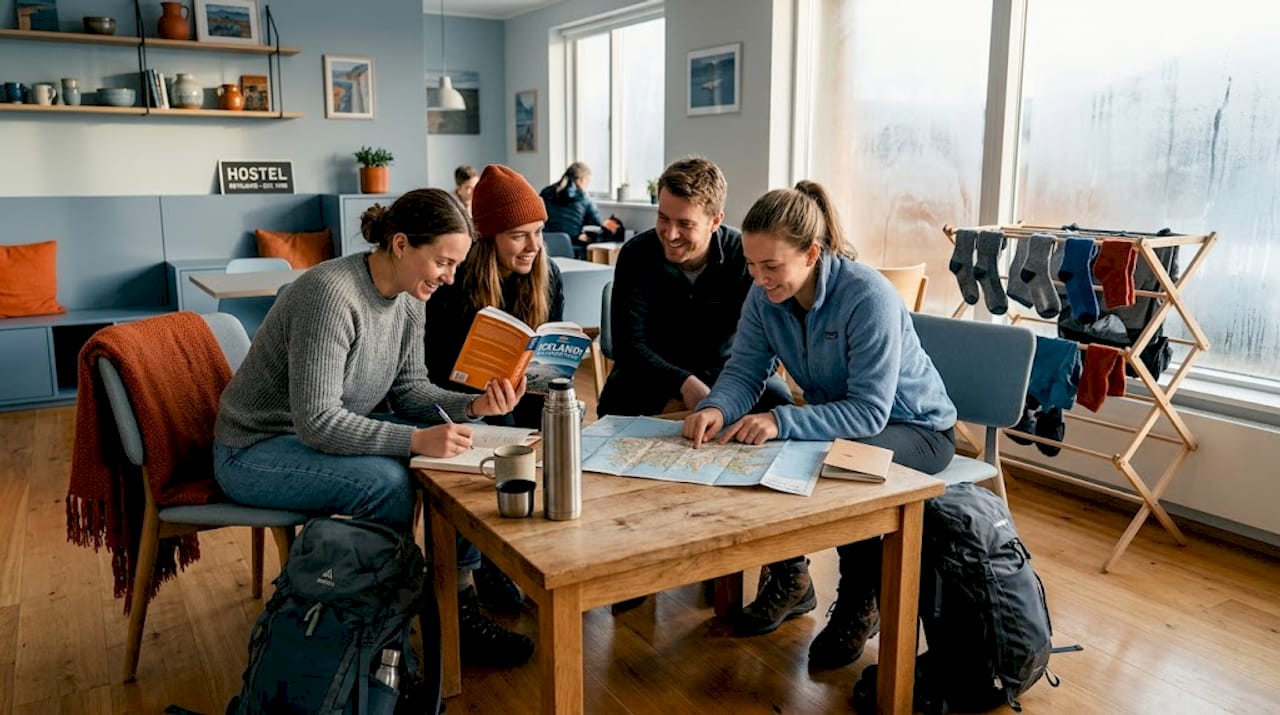
The benefits of hostels by waterfalls start well before you reach the water. Walk into any hostel near a major waterfall destination and you will find something a hotel lobby cannot replicate: a room full of people who want to do exactly what you want to do.
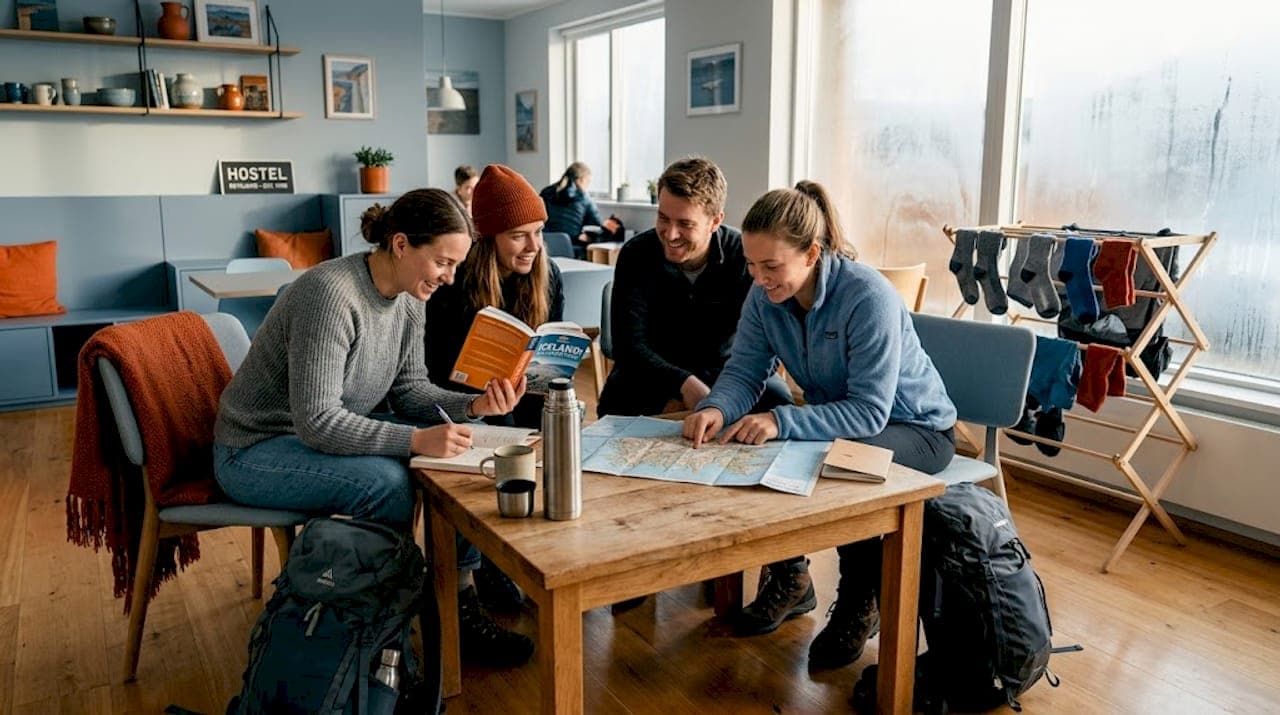
Research shows that 93% of solo travelers actively choose hostels because they want to meet people. That is not a coincidence. Hostel design, from shared kitchens to communal lounge areas, creates natural conversation starters that convert strangers into hiking partners within hours. For a solo traveler staring at a waterfall trail map alone, that social layer is the difference between a nerve-wracking solo hike and a genuinely memorable group adventure.
The organized activity side of hostel life amplifies this even further. Hostel Bambu near Iguazu Falls organizes group excursions directly to the falls, taking all the logistical guesswork out of the trip. Waterfall Hostel in Panama does the same with on-site hiking activities. These are not afterthoughts; they are core offerings that define why travelers pick one hostel over another. And 50% of guests end up joining at least one organized event during their stay, including hikes, group dinners, and cultural workshops.
The social infrastructure in these spaces does something else that matters: it reduces the friction of group planning. Shared kitchens mean you can split costs on food, cut your daily budget, and spend that savings on the waterfall experience itself. Common areas become informal planning rooms where experienced travelers share trail conditions, timing tips, and honest advice about what worked and what did not.
- Meet fellow hikers and form trail groups the night before your visit
- Join hostel-organized excursions that include transport and guide coordination
- Use shared kitchens to cut food costs and reallocate budget toward experiences
- Tap into the collective knowledge of guests who just returned from the falls
Pro Tip: Ask hostel staff which guests arrived back from the waterfall that afternoon. A five-minute conversation with someone who just did the trail is worth more than any blog post written six months ago.
Hostels as logistical bases for waterfall safety
Here is something most travel articles skip entirely: waterfall conditions change fast. A trail that was open yesterday can be closed by noon today due to rising water levels, unstable rock, or flash flooding upstream. The hostel stay near waterfalls gives you something no hotel concierge typically offers. It gives you a staff team with daily, local, ground-level knowledge of exactly what is happening out there.
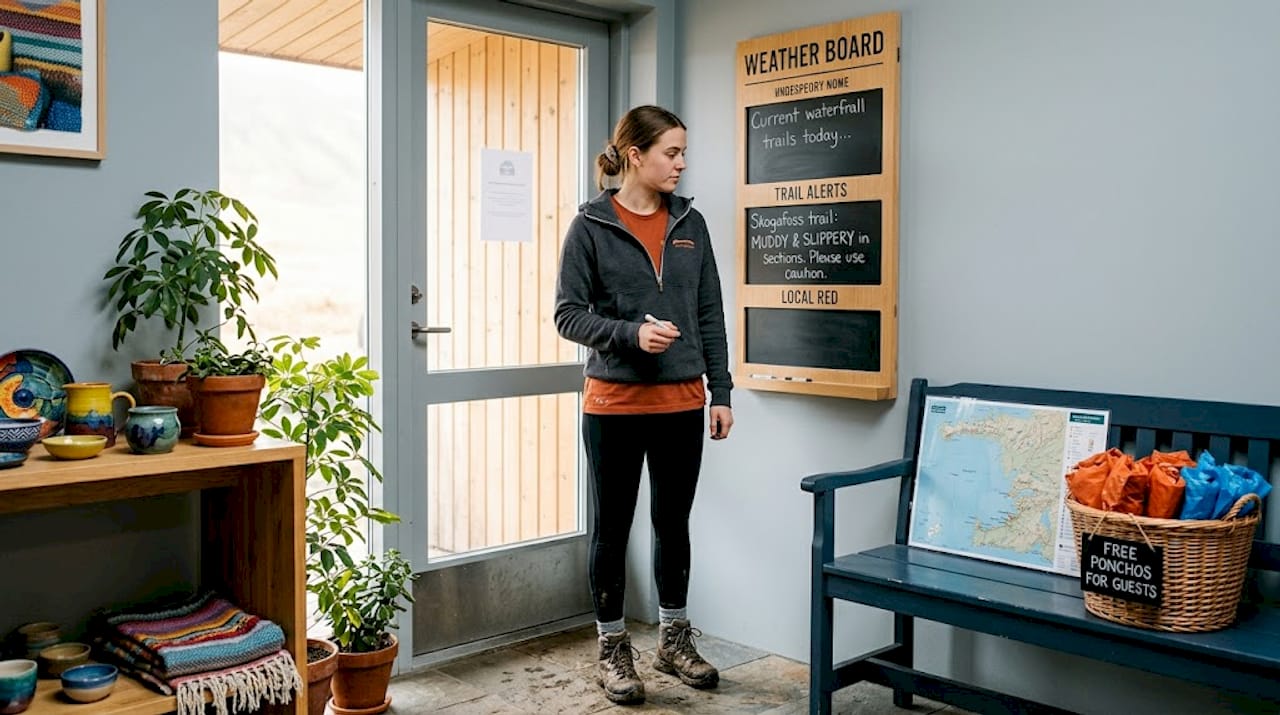
Kawasan Falls guides emphasize staying on marked paths, obeying closures, and wearing proper footwear as non-negotiable safety practices. A good hostel reinforces all of this before you leave the door. That briefing might feel minor when you are excited to get on the trail, but it has real consequences in slippery terrain.
Here is how a hostel functions as your waterfall safety base:
- Daily conditions check. Staff track weather, water levels, and any official closures through local ranger networks and social channels that you would never find on your own.
- Gear advice before you go. A hostel can tell you whether your sandals are acceptable or whether you genuinely need waterproof hiking boots for a specific trail.
- Flexible departure timing. Unlike a hotel checkout, hostel staff will tell you honestly if conditions mean you should wait two hours before heading out.
- Early arrival advantage. Optimal waterfall strategy involves arriving before the day crowds, which hostels actively support by enabling early starts from a nearby base.
- Emergency contact protocols. Reputable hostels near waterfalls keep ranger contact details and basic first aid on hand, and they track when guests are expected back.
Travel guides for Kuang Si Falls consistently recommend pairing waterfall visits with flexible schedules and backup plans. Multi-day waterfall trips especially benefit from hostels as logistics hubs that can pivot your itinerary when the weather shifts without costing you a non-refundable night.
Pro Tip: When you check in, ask staff directly: “What time do you recommend we leave tomorrow, and are there any current trail conditions we should know about?” That one question can shape your entire day.
Seasonal crowds and why timing your hostel booking matters
Waterfall tourism does not spread evenly across the year. It spikes. Hard. During monsoon onset in Courtallam, India, several lakhs of tourists arrive within days, pushing authorities to scale up safety staffing and visitor infrastructure on short notice. That same pattern repeats at snowmelt-fed waterfalls in Iceland, at Iguazu during wet season, and at hundreds of other high-traffic natural sites globally.
Hostels absorb a significant portion of this surge because they offer affordable accommodation near waterfalls at exactly the moment when hotel prices spike. They also tend to scale more flexibly than hotels, offering bed-by-bed booking that keeps costs down for solo travelers who cannot fill an entire room.
| Season type | Visitor volume | Hostel availability | Average cost relative to hotels |
|---|---|---|---|
| Peak waterfall flow season | Very high | Book 4-6 weeks ahead | 50-70% lower |
| Shoulder season | Moderate | Book 1-2 weeks ahead | 40-60% lower |
| Off-peak / low flow | Low | Often available last minute | 30-50% lower |
| Winter / frozen conditions | Very low | Easy availability | 25-40% lower |
Planning your hostel stay around peak versus off-peak waterfall seasons is one of the most underrated travel decisions you can make. Off-peak gives you better photos, quieter trails, and last-minute pricing. Peak gives you the full visual drama of the falls at maximum flow, but you need to book early and budget for crowds.
- Research the specific peak flow season for your waterfall before locking in dates
- Book hostel beds 4-6 weeks ahead during known high-demand windows
- Off-peak visits often mean better trail access with fewer safety complications
- Check whether your hostel offers room buyout options if you are traveling with a group
Hostels vs hotels vs campsites near waterfalls
Not all accommodation near waterfalls serves the same traveler. The right choice depends on what you actually need from your base. Here is an honest comparison:
| Factor | Hostel | Hotel | Campsite |
|---|---|---|---|
| Cost per night | Lowest | Highest | Mid to low |
| Social connection | High | Low | Medium |
| Local safety knowledge | High (staff briefings) | Low to medium | Low |
| Flexibility for weather changes | High | Low (rigid bookings) | Variable |
| Access to organized tours | Often included | Rarely | Rarely |
| Privacy | Shared rooms (or buyout) | Private | Semi-private |
| Kitchen access | Usually yes | Rarely | Yes (if equipped) |
| Proximity to waterfalls | Often very close | Variable | Often closest |
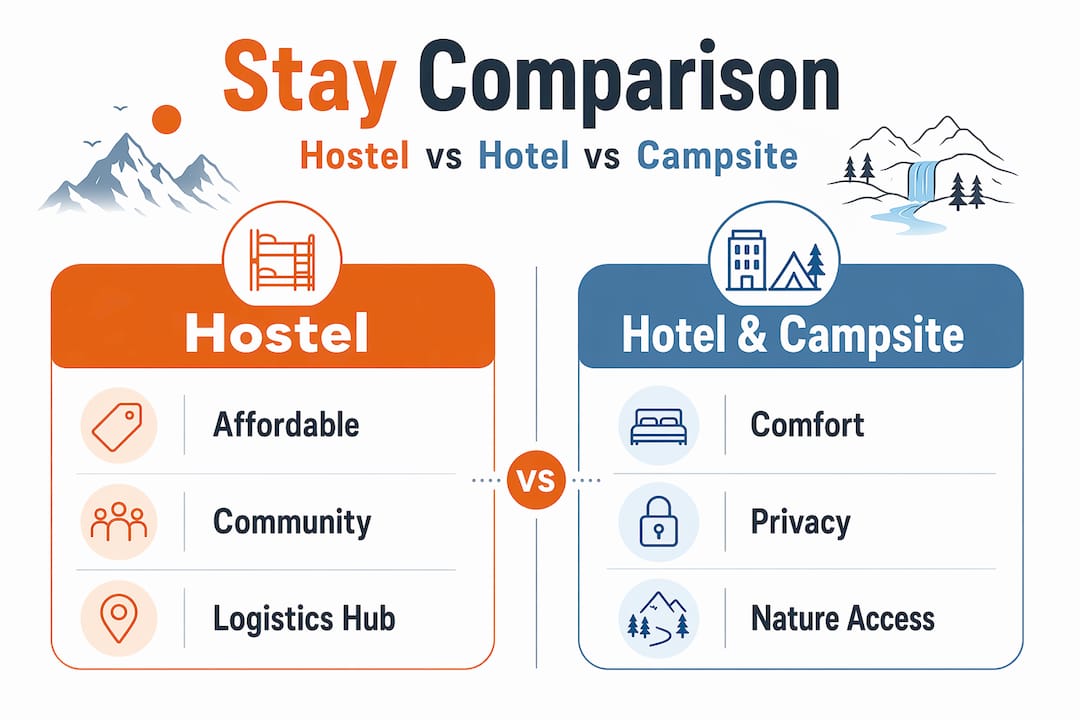
Hotels offer privacy and comfort. Campsites put you closest to the natural environment. But hostels attract nature lovers because they combine affordability with something the others genuinely lack: a built-in community of people with the same goals as you, plus a staff team with real local knowledge. That combination is hard to replicate at any price point.
The waterfall adventure hostel model works especially well for solo travelers and small groups who want to manage costs without sacrificing the logistical support that makes waterfall trips safer and more rewarding. When you are deciding where to stay, ask yourself whether you want to show up to the trailhead alone or as part of a group that already knows the terrain. That question usually answers itself.
My honest take on what hostels near waterfalls actually deliver
I have stayed in a lot of places while chasing natural sites. Nice hotels, rough campsites, and everything in between. What I have learned is that the social infrastructure in a good hostel near a waterfall is not a nice-to-have. It is the thing that determines whether your trip goes smoothly or sideways.
The flexibility piece matters more than people expect. I have had waterfall mornings where conditions changed by 8 AM and the entire plan needed to shift. A hostel environment adapts to that. You grab a coffee, talk to the staff, regroup with the people you met at dinner, and find a better option for the morning. A hotel room just leaves you alone with a closed curtain.
My advice: do not choose a hostel near a waterfall based purely on the price. Choose it based on whether the staff knows the area, whether there are organized activities, and whether the common areas actually encourage interaction. Those three things will shape your experience far more than the thread count on your bedsheets. Nature-focused travel rewards the traveler who stays connected to local knowledge, and the modern hostel experience is built to deliver exactly that.
— Trygve
Stay at Fox Hostel for your South Iceland waterfall adventure
If you are planning a South Coast Iceland route, the waterfall question is not just scenic. It is logistical. Seljalandsfoss and Skógafoss sit within easy reach, and the further east you go, the more dramatic the terrain gets. You need a base that puts you close to all of it without locking you into one fixed point.

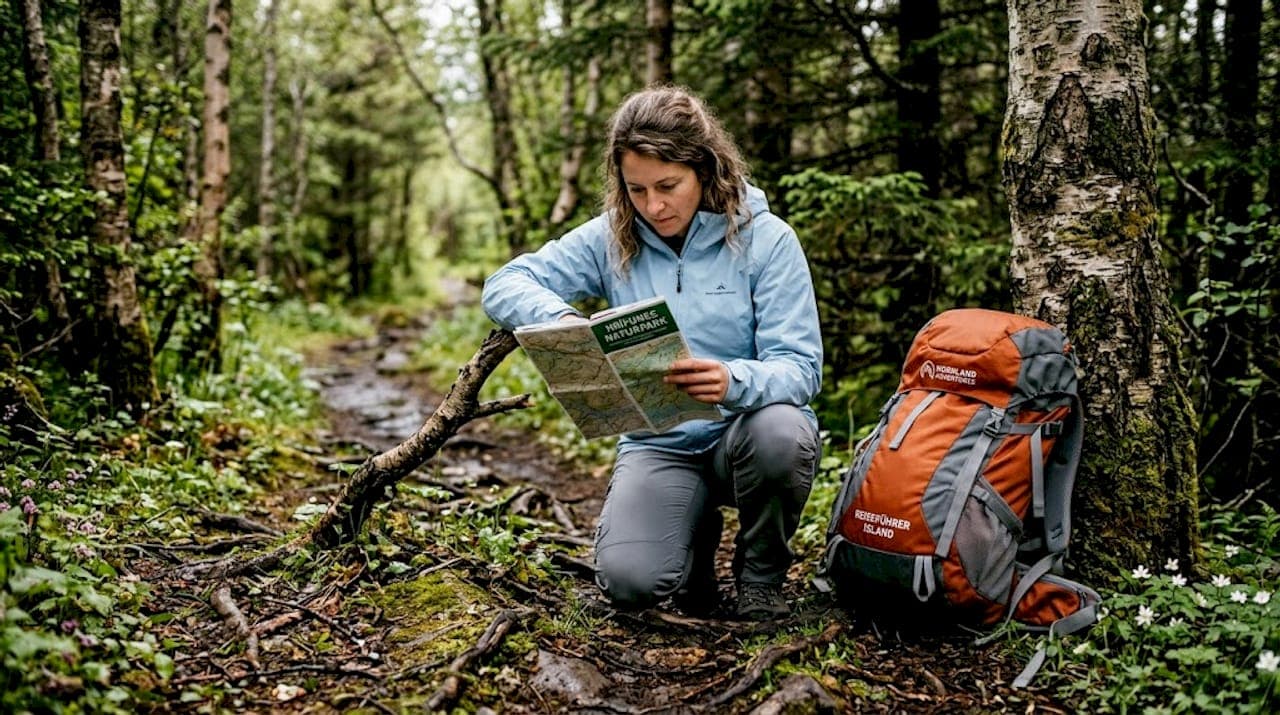
Foxhostel sits in Hrífunes Nature Park, 35 minutes east of Vík, positioned perfectly between the South Coast’s most iconic waterfall corridors and the vast eastern wilderness beyond. The hostel occupies a converted traditional Icelandic barn and offers dorm beds for solo travelers or full room buyouts for groups and couples who want privacy without losing the social atmosphere. There is a massive communal kitchen, an on-site pizzeria, and dark skies that regularly deliver Northern Lights views. Staff know this stretch of the Ring Road deeply and will tell you exactly when and where to go. Book your stay early if you are visiting during peak summer season. Beds go fast when the waterfalls are running at full flow.
FAQ
What is the role of hostels near waterfalls?
Hostels near waterfalls serve as social hubs, safety briefing centers, and flexible logistics bases that help travelers plan, adapt to conditions, and connect with other adventurers. They go well beyond affordable lodging to actively support the waterfall experience.
Why do solo travelers prefer hostels near waterfalls?
93% of solo hostel guests choose hostels specifically to meet people, and many hostels near waterfalls organize group hikes and excursions that make solo adventures safer and more social.
When should I book a hostel near a waterfall?
Book 4-6 weeks ahead during peak waterfall flow seasons, which typically align with monsoon onset or spring snowmelt depending on your destination. Off-peak visits allow more flexibility and often better trail access.
Are hostels near waterfalls actually safer than other accommodation types?
Hostel staff near popular waterfall sites typically maintain daily contact with local rangers and track trail conditions, making them a more reliable source of safety information than most hotels or campsites in the same area.
Can groups book hostels near waterfalls for privacy?
Yes. Many modern hostels, including Foxhostel in Iceland, offer full room buyout options so groups or couples can have a private space while still accessing the communal kitchen, social areas, and organized activities.
Recommended
- Why Hostels Attract Nature Lovers: Access, Affordability, Community | Fox Hostel – South Iceland
- Descubre el rol clave de los hostels en la Ring Road | Fox Hostel – South Iceland
- Discover nature hostels: budget-friendly adventure in Iceland | Fox Hostel – South Iceland
- Why choose hostels on Iceland’s South Coast in 2026 | Fox Hostel – South Iceland