The Role of Shared Spaces in Travel: 2026 Guide
The Role of Shared Spaces in Travel: 2026 Guide
TL;DR:
- Shared spaces in travel foster community, social interaction, and cultural exchange among travelers.
- Active participation in organized events and interactions maximizes the benefits of communal environments.
Shared spaces in travel are defined as communal environments, including hostel dorms, communal kitchens, lounges, and coworking areas, that bring travelers together under one roof to interact, collaborate, and build community. The role of shared spaces in travel goes far beyond affordable accommodation. Research shows that 48% of solo travelers on group backpacking trips formed lifelong friendships, and 55% reported feeling lonely in daily life before traveling. That gap between everyday isolation and travel connection is exactly what well-designed shared spaces close. Fox Hostel, set inside a converted Icelandic barn in Hrífunes Nature Park, is one clear example of how physical design and community intent combine to create something travelers genuinely remember.
How do shared spaces promote social interaction among travelers?
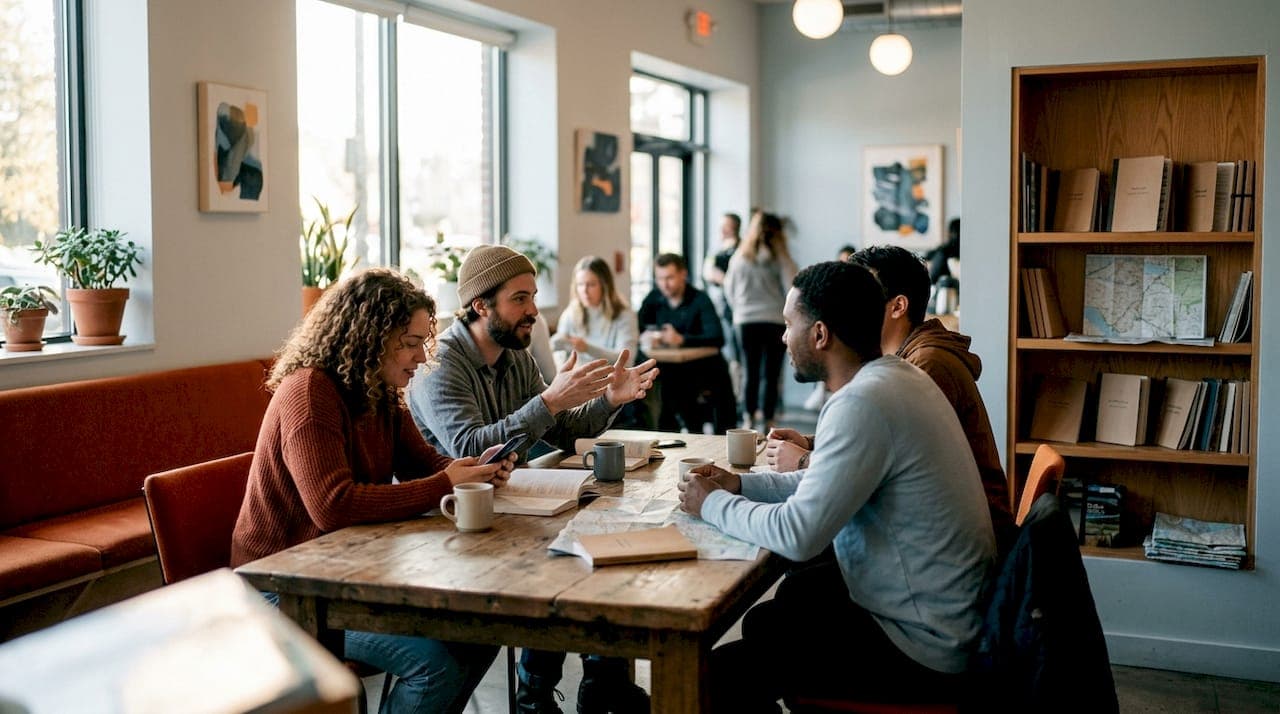
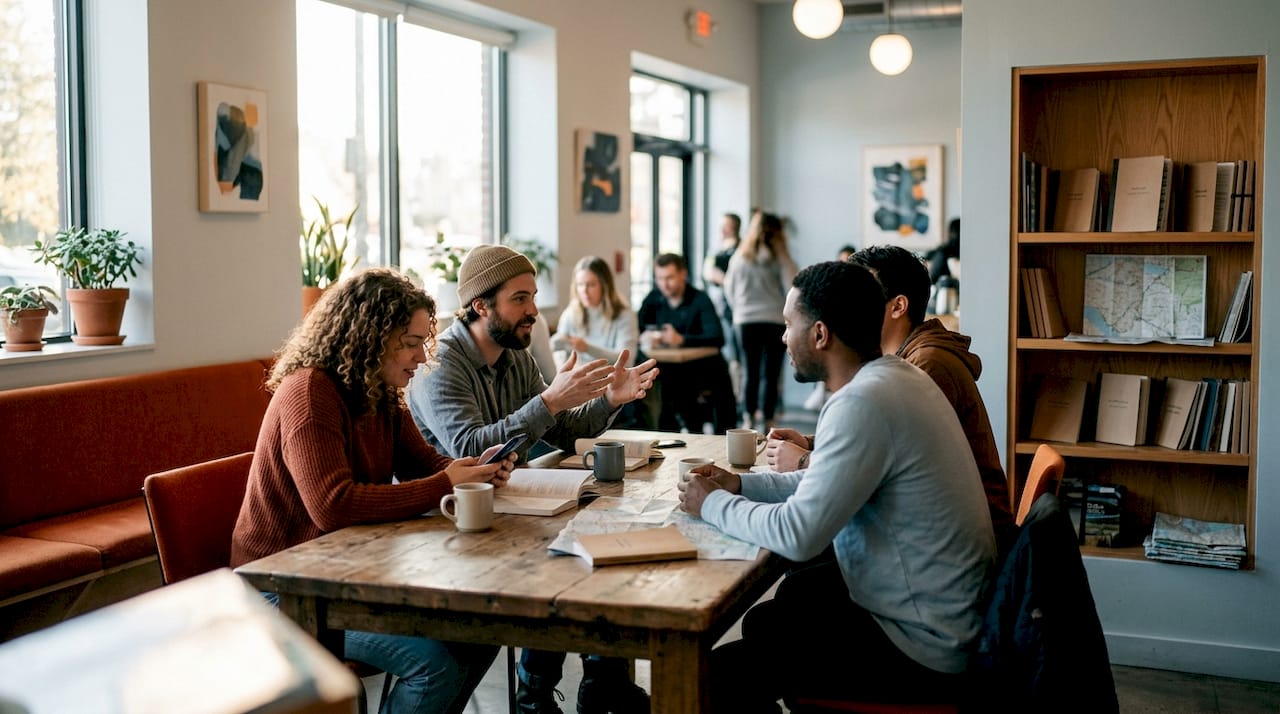
Shared spaces work because they remove the friction of meeting strangers. A communal kitchen forces a natural conversation. A lounge with board games gives people a reason to sit together without the awkwardness of introducing themselves cold. Community-first hostel designs with social spaces like kitchens, rooftop decks, and shared lounges consistently produce higher levels of traveler engagement than properties that treat accommodation as purely transactional.
Physical layout is only part of the equation. Organized activities are the other half. Social ease often begins with structured group events rather than proximity alone. A cooking night, a guided hike, or a shared dinner table gives travelers a shared task, which lowers the social stakes and makes conversation feel natural rather than forced.
Digital tools extend this further. Travelers now use digital-to-physical pathways in shared spaces, such as notice boards, group chats, and app-based meetup coordination, to turn casual encounters into planned group adventures. The result is a feedback loop where the physical space starts the connection and the digital layer sustains it.
Key design and programming elements that drive social interaction include:
- Communal kitchens where cooking together replaces awkward small talk
- Shared lounges with seating arranged for group conversation, not individual isolation
- Organized low-stakes events like trivia nights, group dinners, or guided local walks
- Notice boards and digital group channels that coordinate activities beyond the property
Pro Tip: If you want to meet people faster, skip the private room and book a bed in a shared dorm. The first conversation almost always happens within the first hour.
What is the impact of shared workspaces on productivity and traveler wellbeing?
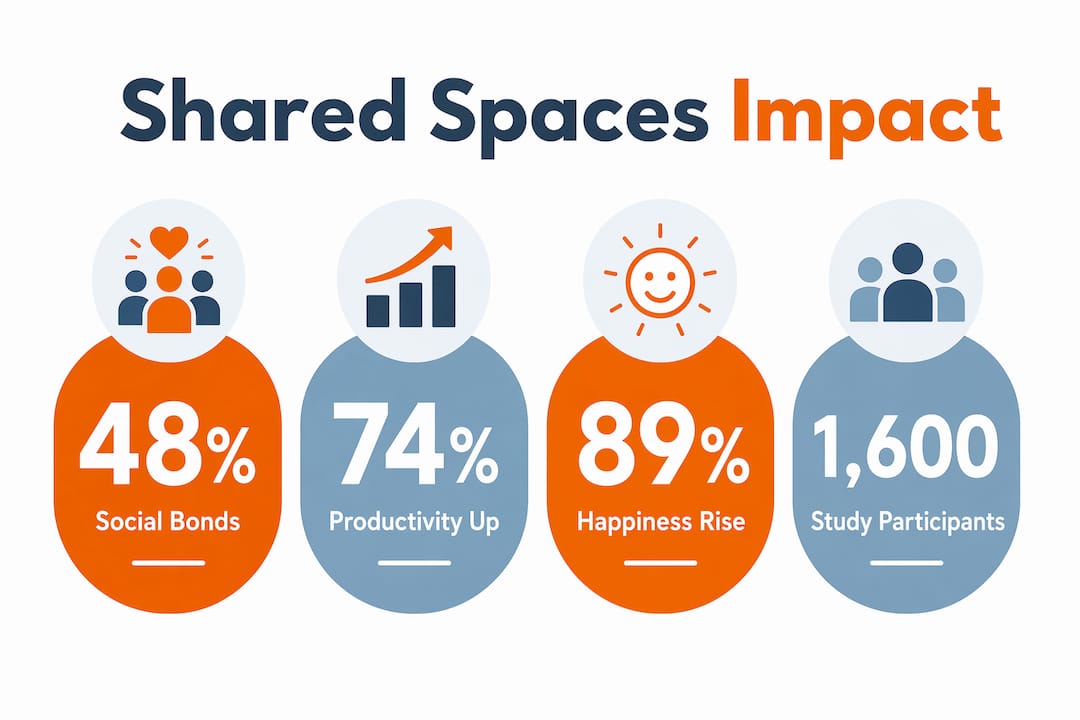
Coworking spaces and communal work areas have changed what it means to travel while working. 74% of shared workspace members report higher productivity, and 89% report greater happiness at work compared to working alone. Those numbers matter because they show that the benefits of co-working spaces are not just social. They are measurable improvements in output and mood.
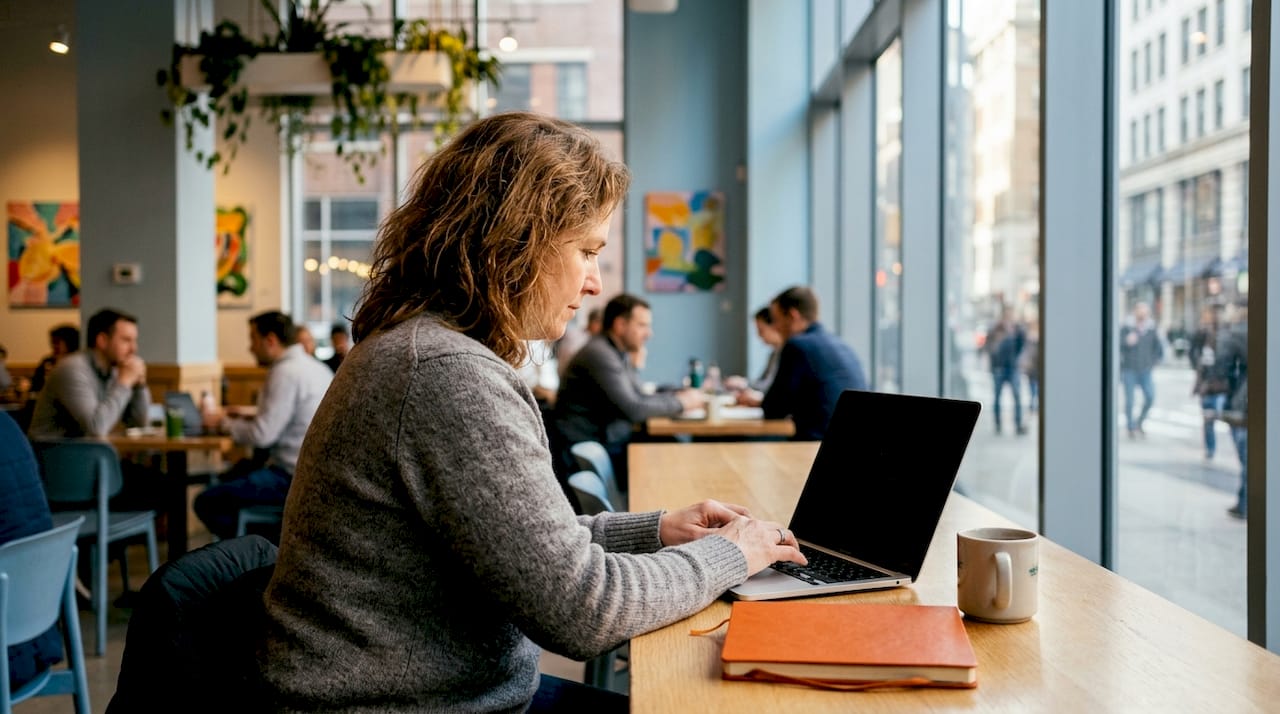
Working in isolation in a hotel room is the default for many remote travelers, but it carries a real cost. Without ambient social energy, focus drops and motivation fades. A shared workspace provides structure without the rigidity of a traditional office. The presence of other people working creates a productive atmosphere that solo environments simply cannot replicate.
The table below shows how shared work environments compare to solo setups across key traveler priorities:
| Factor | Working alone (hotel room) | Shared workspace |
|---|---|---|
| Productivity | Lower, prone to distraction | 74% of members report improvement |
| Social connection | Minimal | Daily interaction with peers |
| Motivation | Self-dependent | Boosted by ambient group energy |
| Work-life balance | Blurred boundaries | Structured environment supports separation |
| Networking opportunities | None | Regular, organic professional contact |
The benefits of shared travel spaces extend directly into professional wellbeing. Travelers who work from communal areas report feeling less isolated and more energized by the end of the day.
Pro Tip: Choose accommodations with a dedicated work table in the common area, not just a bed. The physical separation between sleeping and working keeps your travel schedule from collapsing into one blurred routine.
How do shared spaces enhance cultural immersion and community engagement?
Shared accommodations function as social infrastructure. They put travelers from different countries, backgrounds, and travel styles into the same physical space, which creates the conditions for genuine cultural exchange. Shared mobility and community-driven platforms increase trust and a sense of belonging among travelers, and the same dynamic plays out inside hostels and communal lodges.
The most effective shared spaces go beyond passive proximity. They create programming that actively connects travelers with local culture. A hostel that hosts a local chef for a cooking class, organizes a guided walk to a nearby natural landmark, or invites community members to share stories around a fire does something a private hotel room cannot. It makes the destination part of the accommodation experience.
Gen Z travelers in 2026 prioritize shared experiences and belonging over privacy, treating communal living and social events as the real luxury of travel. That shift reflects a broader change in what travelers value. Authentic human interaction has replaced thread-count and room service as the marker of a quality stay.
Specific ways shared spaces drive cultural immersion include:
- Local event programming that brings community members into the hostel space
- Communal meals where travelers cook and share food from their home countries
- Shared itinerary boards that encourage group trips to local landmarks
- Inclusive design that makes all travelers, regardless of background or travel style, feel welcome and seen
The role of hostels in social travel is increasingly recognized not just as a budget option but as the most direct path to genuine cultural connection.
What are the challenges of social interaction in shared travel spaces?
Shared spaces do not automatically produce connection. Physical proximity is a starting condition, not a guarantee. Travelers who arrive with low openness or high social anxiety often find communal environments uncomfortable rather than welcoming. The space creates opportunity. The traveler still has to act on it.
Safety and design also shape the experience significantly. A 2026 study of 1,600 participants found that context-sensitive shared space design improves perceived safety and fairness for all users. That finding has direct implications for hostels and communal lodges. Poor lighting, unclear boundaries between personal and shared zones, and lack of private storage all reduce how safe travelers feel, which in turn reduces how socially open they become.
Balancing privacy and community is the core design challenge. Travelers need to feel they have a personal retreat within a shared environment. Without that, the communal space feels intrusive rather than inviting. The best properties solve this with thoughtful zoning: quiet areas for rest, active areas for socializing, and clear visual cues that separate the two.
Steps travelers can take to maximize social benefits while respecting boundaries:
- Introduce yourself early. The first hour in a shared space sets the social tone for your stay.
- Join one organized activity. Even a single group event breaks the ice faster than days of passive coexistence.
- Use shared facilities actively. Cook in the communal kitchen, sit in the lounge, and put your phone away.
- Read the room. Not every traveler wants conversation. Respect quiet signals and you will earn more genuine connection.
- Check digital channels. Many properties use group chats or notice boards to coordinate activities. Joining them puts you ahead of the social curve.
The social benefits of staying connected while traveling are real, but they require intentional participation, not just physical presence.
Key Takeaways
Shared spaces in travel deliver measurable social, professional, and cultural benefits, but only when travelers engage actively with the environment and programming around them.
| Point | Details |
|---|---|
| Social connection is the primary driver | 48% of solo travelers form lifelong friendships in shared travel environments. |
| Design shapes interaction | Community-first layouts with kitchens, lounges, and event spaces produce higher traveler engagement. |
| Shared workspaces boost output | 74% of coworking members report higher productivity than working alone. |
| Cultural immersion requires programming | Local events and communal meals turn proximity into genuine cultural exchange. |
| Openness unlocks the experience | Physical space creates opportunity, but active participation is what produces real connection. |
Why shared spaces are the most underrated part of modern travel
I have spent enough time in communal travel environments to say this with confidence: most travelers underestimate how much the space around them shapes who they become on a trip. A private room is comfortable. A shared space is formative.
What the industry has been slow to acknowledge is that social connection, not price, is the primary reason travelers choose hostels and communal accommodations. Hostelworld CEO Gary Morrison made this point directly: community is the future of travel discovery, not just a budget feature. That reframe matters. It means shared spaces are not a compromise. They are the product.
The travelers I see getting the most out of shared environments are not the most extroverted. They are the most intentional. They show up to the communal kitchen with a plan to cook something. They ask one question at the notice board. They say yes to the group hike even when they are tired. The crisis of connection that drives people toward social travel in the first place does not resolve itself through proximity. It resolves through small, repeated acts of showing up.
My honest advice: stop treating the shared space as the part of your accommodation you tolerate. Treat it as the reason you booked.
— Siggi
Fox Hostel: where shared spaces meet South Iceland
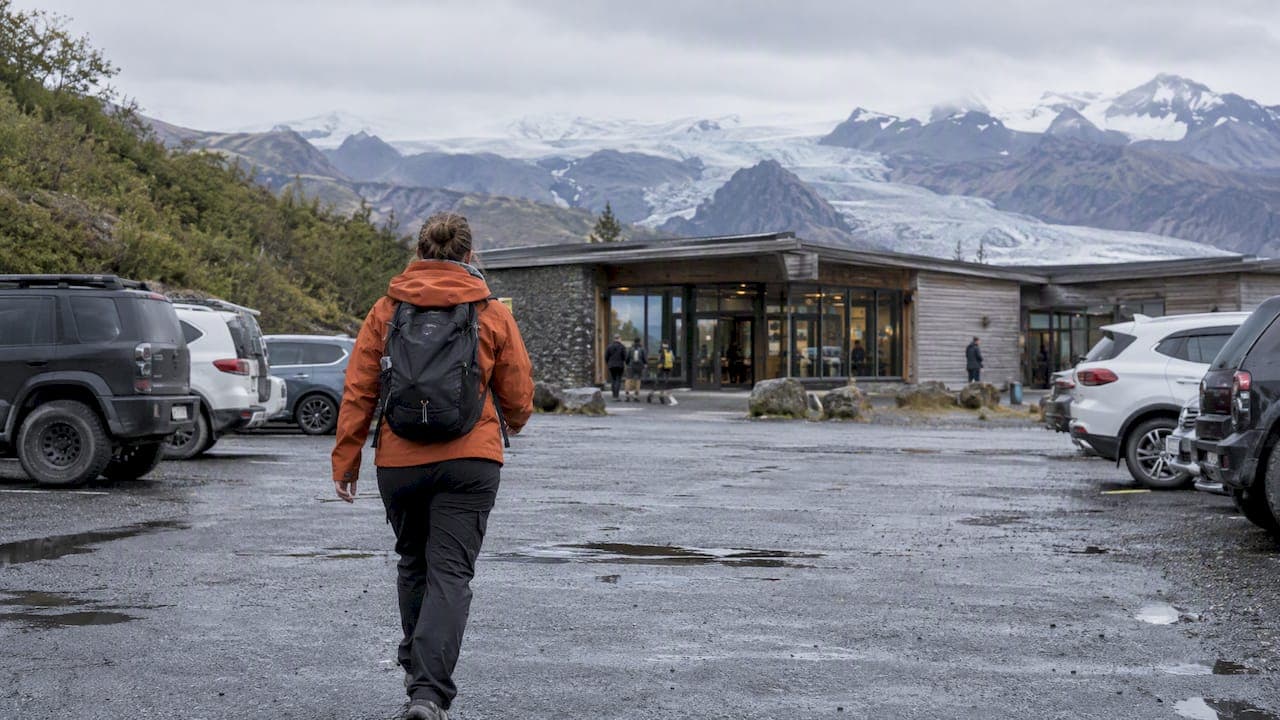
Fox Hostel sits inside a converted Icelandic barn in Hrífunes Nature Park, 35 minutes east of Vík. The property is built around the kind of communal design this article describes: a large, fully-equipped communal kitchen where travelers cook and connect, an on-site pizzeria that pulls the group together in the evenings, and open skies ideal for Northern Lights watching.
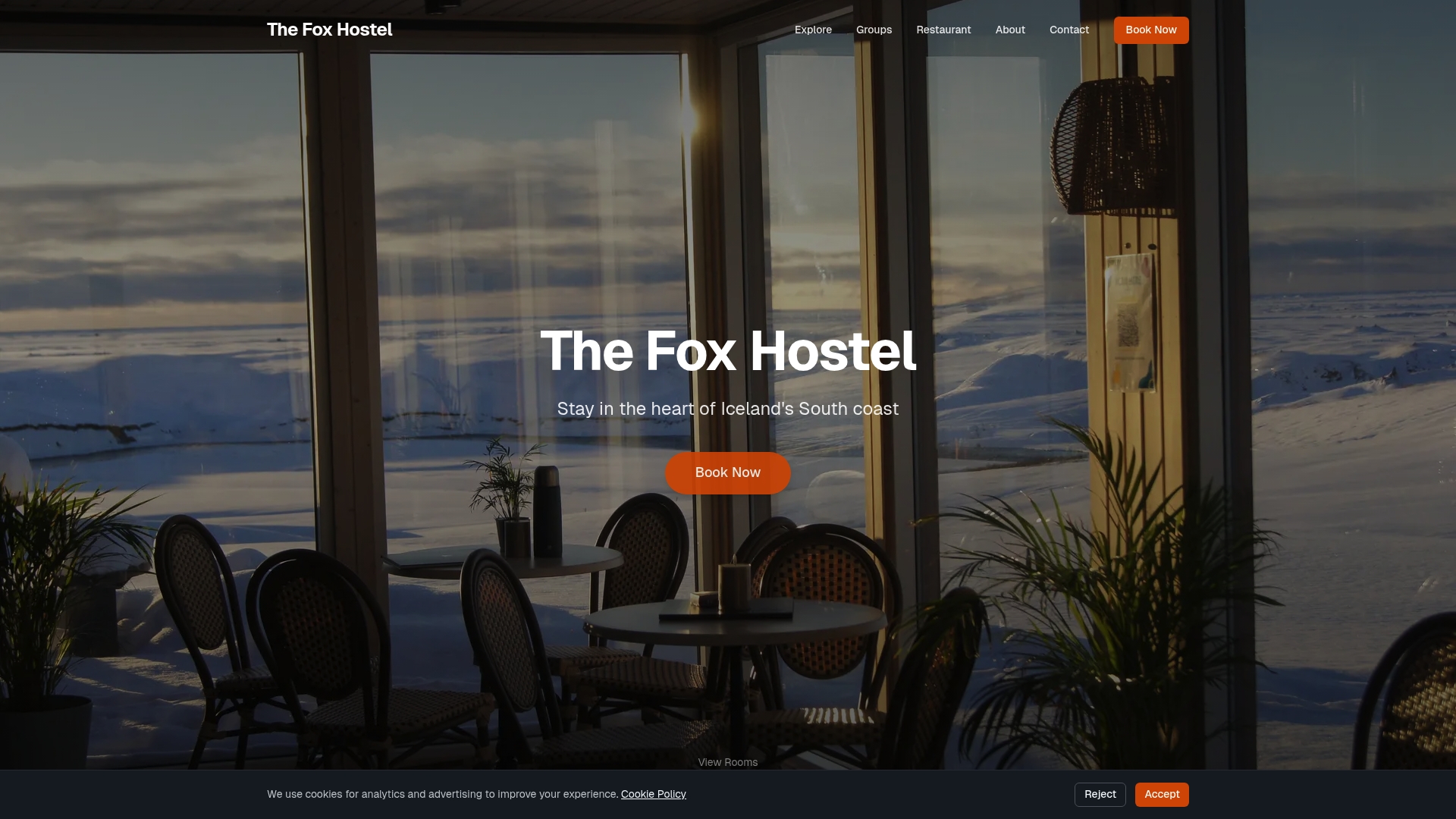
Solo travelers can book a single bed in a shared dorm. Groups and couples can buy out an entire room for privacy while still accessing all communal areas. The location puts Reynisfjara Black Sand Beach, Dyrhólaey, Vatnajökull National Park, and Jökulsárlón Glacier Lagoon within easy reach. If you want accommodation in South Iceland that puts community at the center of the experience, Fox Hostel delivers exactly that. Check availability and book your bed or room directly on the Fox Hostel website.
FAQ
What are shared spaces in travel?
Shared spaces in travel are communal environments within accommodations, including kitchens, lounges, dorms, and coworking areas, designed to bring travelers together for social interaction and community building.
How do shared spaces help solo travelers meet people?
Research shows that 48% of solo travelers on group trips form lifelong friendships. Communal kitchens, organized events, and shared lounges are the primary settings where those connections begin.
Do coworking spaces actually improve productivity while traveling?
Yes. 74% of coworking members report higher productivity and 89% report greater happiness compared to working alone, making shared workspaces a clear upgrade over solo hotel-room setups.
Are shared accommodations safe for all travelers?
A 2026 study of 1,600 participants confirmed that context-sensitive design improves perceived safety and fairness in shared spaces. Properties that invest in good lighting, clear zoning, and secure personal storage consistently score higher on traveler safety perception.
How can travelers get the most out of shared spaces?
Active participation matters more than physical presence. Join one organized activity, use the communal kitchen, and connect through the property’s digital channels to turn a shared environment into a genuine social experience. Tips on meeting people while traveling solo can help travelers prepare before they arrive.
Recommended
- Why Choose Shared Spaces: Benefits for Travelers | Fox Hostel – South Iceland
- Examples of Shared Spaces: Types, Design and Benefits | Fox Hostel – South Iceland
- What Is Communal Lodging? A Traveler’s 2026 Guide | Fox Hostel – South Iceland
- How to Connect with Other Travelers: 2026 Guide | Fox Hostel – South Iceland