Top Waterfalls to Visit: 10 Spectacular Picks
Top Waterfalls to Visit: 10 Spectacular Picks
TL;DR:
- The world’s most remarkable waterfalls combine height, volume, scenic surroundings, and accessibility. Visiting these sites requires planning for seasonal conditions and travel logistics to fully experience their grandeur.
The top waterfalls to visit are defined by a combination of height, water volume, surrounding scenery, and the depth of experience they offer travelers. From the thundering curtain of Victoria Falls on the Zambia-Zimbabwe border to the soaring free-fall of Angel Falls deep in the Venezuelan rainforest, the world’s greatest cascades reward those who plan carefully. Criteria like accessibility, best visiting season, and cultural significance separate a truly memorable waterfall from a merely pretty one. This list covers ten of the most extraordinary examples on earth, with the detail you need to actually get there and make the most of every visit.
1. What are the top waterfalls to visit worldwide?
The best waterfalls to explore share three qualities: a visual impact that stops you cold, a setting that amplifies the experience, and a practical path for visitors to reach them. Angel Falls, Niagara Falls, Victoria Falls, Iguazu Falls, and Kaieteur Falls represent the upper tier by almost any measure. Below that tier sits a second group of must-see waterfalls, including Kravice in Bosnia and Herzegovina, Nachi Falls in Japan, and Iceland’s South Coast cascades, which combine natural drama with cultural depth. Height alone does not make a waterfall great. Volume, mist, sound, and the landscape surrounding the drop all shape what you actually feel standing in front of one.
2. Angel Falls: the world’s tallest single-drop waterfall
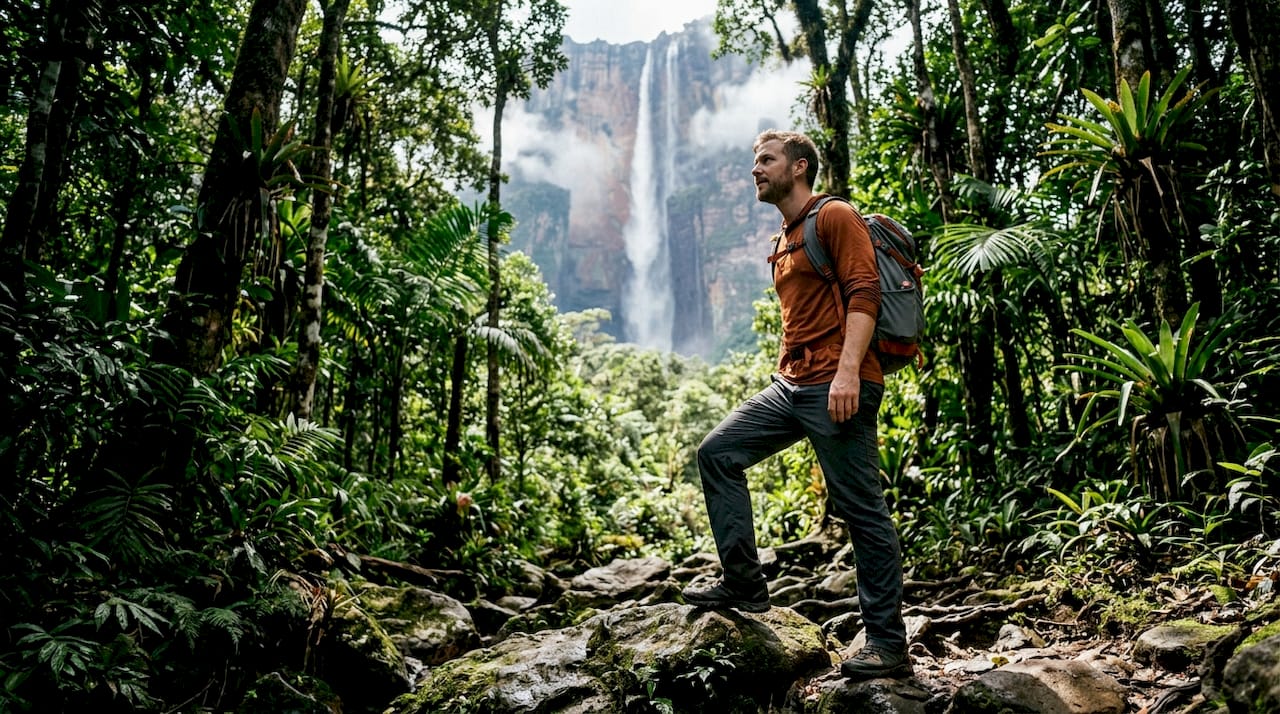
Angel Falls in Venezuela is the world’s tallest waterfall at 3,212 feet (979 meters). That number alone is staggering, but the mechanics make it even more remarkable.
- The water free-falls 807 meters before cascading another 172 meters down the rocky base of Auyán-tepui, a flat-topped mountain in Canaima National Park.
- The falls are so tall that much of the water atomizes into mist before reaching the ground during dry months.
- Access requires a flight to Canaima, followed by a motorized canoe journey through the jungle.
- The best visiting months are june through november, when rainfall keeps the flow strong and the falls visible from a distance.
The surrounding Gran Sabana rainforest adds a layer of isolation that few waterfalls can match. You are genuinely remote here, and that remoteness is part of the appeal. Clouds frequently wrap around Auyán-tepui, so patience is essential. Many visitors spend two nights at Canaima camp to improve their odds of a clear view.
Pro Tip: Book a morning canoe departure. Clouds tend to lift earlier in the day, giving you the best chance of seeing the full drop before afternoon mist rolls in.
3. Why Niagara Falls draws 30 million visitors every year
Niagara Falls is the most visited waterfall globally, attracting over 30 million visitors annually. That volume of tourism reflects something real: Niagara is genuinely accessible, visually dramatic, and surrounded by infrastructure that makes a visit easy for almost any traveler.
Key facts worth knowing before you go:
- Horseshoe Falls carries over 90% of the total flow, roughly 2,400 cubic meters per second during peak daylight hours.
- The falls sit on the border between Ontario, Canada, and New York State, offering distinct viewing experiences from each side.
- The Canadian side provides the wider panoramic view; the American side offers closer access to the base via the Cave of the Winds attraction.
- Peak season runs april through october, when boat tours operate and the surrounding parks are fully open.
The sheer volume of water at Horseshoe Falls creates a physical sensation. The roar is audible from blocks away, and the mist soaks anyone within 50 meters. Winter visits are quieter and genuinely beautiful, with ice formations building along the edges of the falls. If crowds are a concern, arriving before 9:00 AM on a weekday cuts wait times significantly.
4. What makes Victoria Falls a must-see world heritage waterfall?
Victoria Falls holds the title of the largest sheet of falling water on earth, combining a width of 1,708 meters with a height of 108 meters. No other waterfall matches that combination of scale. Known locally as “Mosi-oa-Tunya,” meaning “Thundering Smoke,” the falls produce a spray column visible from 50 kilometers away.
| Feature | Detail |
|---|---|
| Width | 1,708 meters across |
| Height | 108 meters drop |
| Location | Zambia-Zimbabwe border |
| UNESCO status | World Heritage Site |
| Local name | Mosi-oa-Tunya (“Thundering Smoke”) |
Victoria Falls sits within a biodiversity corridor that supports elephants, hippos, crocodiles, and over 400 bird species. The surrounding national parks on both the Zambian and Zimbabwean sides allow wildlife viewing alongside the waterfall experience. Climate change is altering flow patterns at Victoria Falls, with some dry-season periods now showing dramatically reduced water levels. Visiting between february and may, when flow peaks after the rainy season, gives you the full spectacle.
Pro Tip: Cross into Zambia for the Knife-Edge Bridge viewpoint. It puts you directly above the gorge with spray hitting from below, a completely different perspective from the Zimbabwean main viewpoint.
5. Hidden gems: Kravice Falls and Nachi Falls
Not every waterfall worth visiting requires a transatlantic flight or a jungle expedition. Kravice Waterfalls in Bosnia and Herzegovina and Nachi Falls in Japan both deliver extraordinary experiences with a fraction of the logistical complexity.
Kravice Waterfalls, Bosnia and Herzegovina
- Kravice forms a 120-meter-wide horseshoe arc with a drop of 25 to 28 meters into a turquoise pool.
- Entrance costs approximately 20 KM (around €10) as of 2026.
- Swimming is allowed and popular, making this one of the few major waterfalls where you can actually get in the water.
- Plan 3 to 4 hours on site to swim, explore the smaller side cascades, and eat at the riverside restaurant.
- Arrive before 10:00 AM to avoid the midday rush from Mostar, which is about 40 kilometers away.
Nachi Falls, Japan
- Nachi Falls drops 133 meters in a single vertical plunge, making it Japan’s tallest single-drop waterfall.
- The falls are part of a UNESCO World Heritage Site within the Kumano Kodo pilgrimage network.
- The adjacent Nachi Grand Shrine and three-story pagoda create a composition that appears on countless Japanese travel photographs.
- Early morning or near sunset visits produce the best light and mist effects; parking fills quickly during peak season.
Both falls reward travelers who look beyond the obvious headline destinations. Kravice offers a rare combination of swimming and scenery. Nachi offers cultural weight that most natural attractions simply cannot match.
6. How to safely explore remote waterfalls like Kaieteur Falls
Kaieteur Falls in Guyana stands 741 feet tall as a single-drop waterfall, placing it among the most powerful on earth by volume-to-height ratio. Getting there is the challenge that keeps crowds away and keeps the experience extraordinary.
- Access requires a small aircraft flight from Georgetown, Guyana, taking approximately 60 minutes each way.
- Road access does not exist. Specialized tour operators handle all logistics, including aircraft booking and park entry.
- Local guides are required due to rainforest hazards including jaguars, venomous snakes, and disorienting terrain.
- The falls sit inside Kaieteur National Park, one of the most pristine wilderness areas in South America.
The payoff for this effort is a waterfall that feels genuinely undiscovered. On a typical day, fewer than 100 visitors stand at the viewpoint. The sound is overwhelming in the best possible way, and the golden poison dart frogs that live in the spray zone are found almost nowhere else on earth.
Pro Tip: Book a day-trip flight that includes a guided walk to the secondary viewpoint above the falls. The aerial perspective during the return flight over the Pakaraima Mountains is worth the extra hour.
Key Takeaways
The most rewarding waterfall trips combine the right season, a clear understanding of access requirements, and a willingness to look beyond the most obvious destinations.
| Point | Details |
|---|---|
| Season determines the experience | Visit Angel Falls june to november and Victoria Falls february to may for peak flow. |
| Scale varies by measure | Victoria Falls is widest; Angel Falls is tallest; Niagara Falls draws the most visitors. |
| Remote waterfalls require planning | Kaieteur Falls demands a guided flight tour; no road access exists. |
| Hidden gems reward early arrivals | Kravice and Nachi Falls are best before 10:00 AM to avoid crowds and get ideal light. |
| Cultural context adds depth | Nachi Falls and Victoria Falls carry UNESCO status that enriches the visit beyond scenery. |
What I’ve learned from chasing waterfalls across five continents
Timing a waterfall visit is the single decision that separates a transcendent experience from a disappointing one. I have stood at Victoria Falls during a low-water year and seen a trickle where a curtain should have been. I have also arrived at Iguazu Falls during spring, when flows peak and the Devil’s Throat roars loud enough to feel in your chest. The difference is not subtle.
The advice I give every traveler is this: resist the urge to stack too many famous waterfalls into one trip. One waterfall visited slowly, with time to walk every trail and sit with the sound, beats five waterfalls photographed from a parking lot. Kravice taught me that. I spent an afternoon swimming there and left knowing more about that place than I know about waterfalls I have visited for 20 minutes and moved on from.
Responsible tourism matters more at waterfalls than almost anywhere else. These ecosystems are fragile. The spray zones support specialized plant communities. Stay on marked paths, follow guide instructions at remote sites, and read about eco-friendly travel practices before you go. The falls will still be there for the next traveler if you treat them with care.
— Siggi
A base worth considering for Iceland’s waterfall circuit
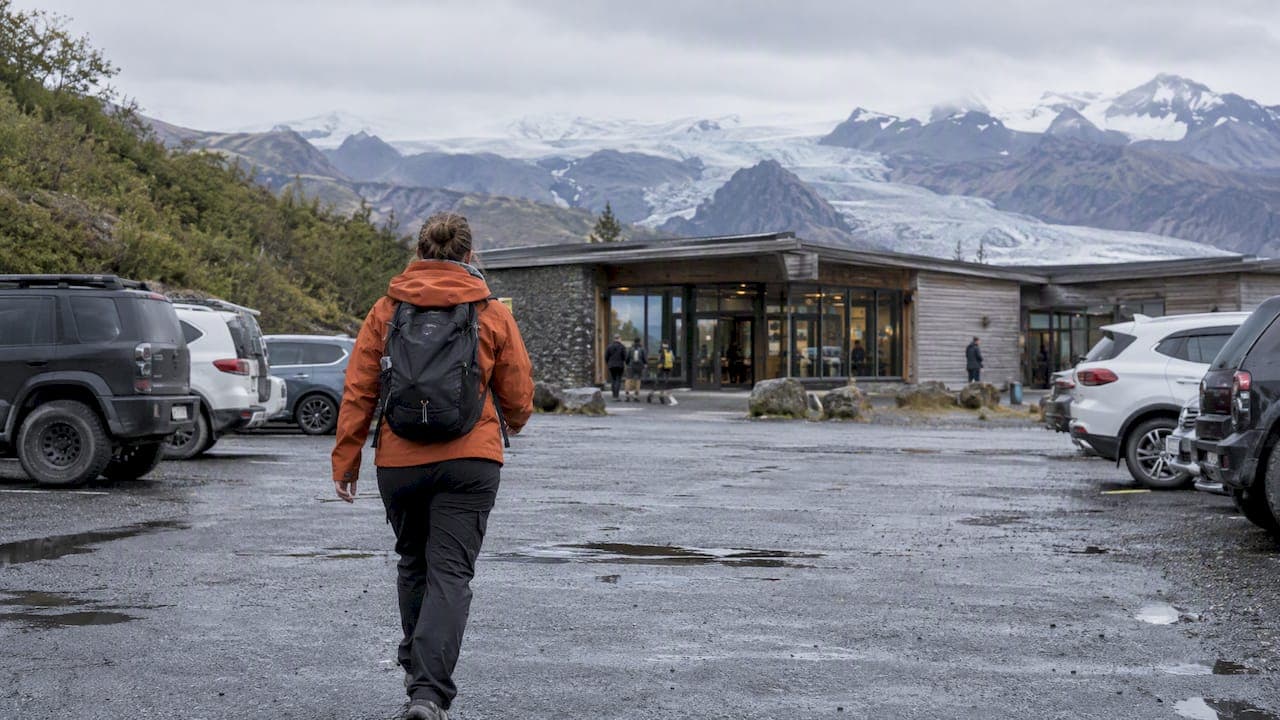
Iceland’s South Coast holds some of the most photogenic waterfalls in the northern hemisphere, including Skógafoss, Seljalandsfoss, and the lesser-known cascades east of Vík. Getting the most from these sites means staying close enough to reach them early, before tour buses arrive.

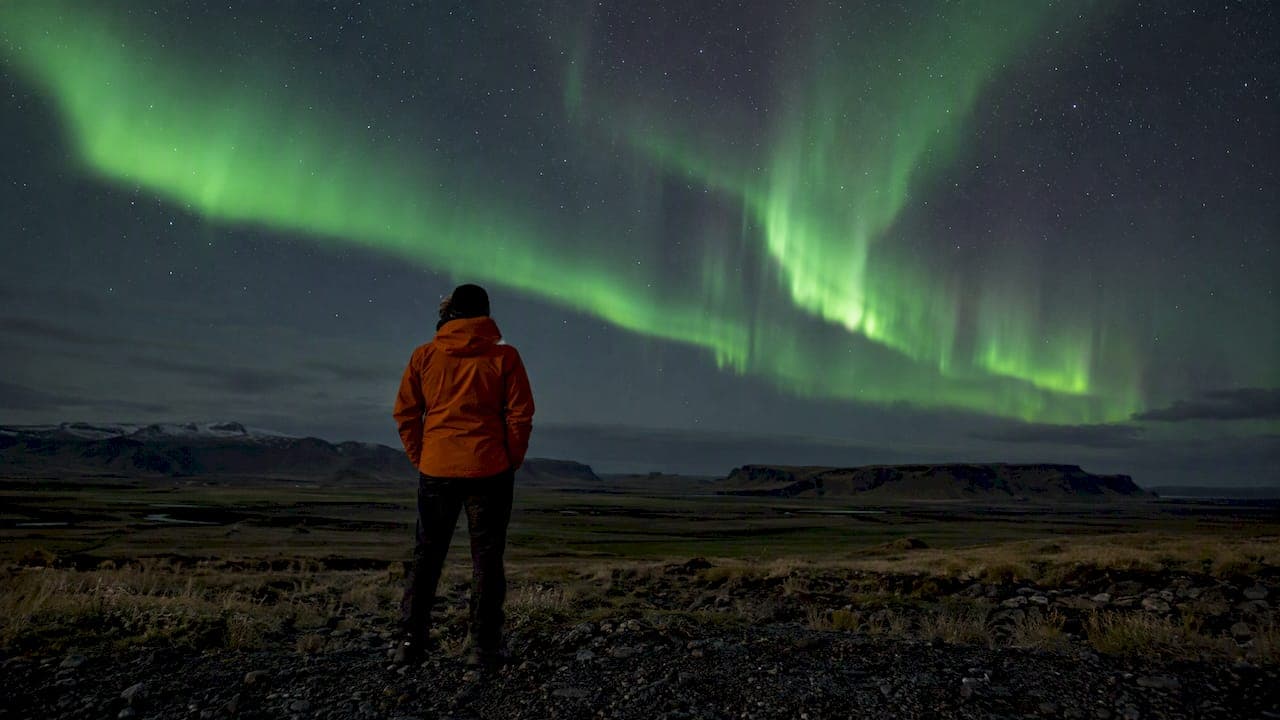
Fox Hostel sits in Hrífunes Nature Park, 35 minutes east of Vík, and serves as a practical base for visiting South Coast waterfalls on your own schedule. Solo travelers can book a single bed; groups can buy out an entire dorm room for privacy. The on-site pizzeria, communal kitchen, and dark skies for Northern Lights viewing make it more than just a place to sleep. Book your stay and build your Iceland waterfall itinerary around a location that actually puts you in the right place at the right time.
FAQ
What is the tallest waterfall in the world?
Angel Falls in Venezuela is the world’s tallest waterfall at 3,212 feet (979 meters). The water free-falls 807 meters before reaching the base of Auyán-tepui.
When is the best time to visit Niagara Falls?
April through october offers the best conditions, with boat tours operating and full water flow. Winter visits are quieter and feature dramatic ice formations along the falls’ edges.
Can you swim at any of the world’s famous waterfalls?
Kravice Waterfalls in Bosnia and Herzegovina is one of the few famous waterfalls where swimming is permitted and popular. The turquoise pool at the base of the 25-to-28-meter drop makes it a standout among beautiful waterfalls worldwide.
How do you get to Kaieteur Falls?
Kaieteur Falls is accessible only by small aircraft from Georgetown, Guyana, with flights taking about 60 minutes each way. All visits require a guided tour due to rainforest hazards and the absence of road access.
What is the largest waterfall by combined width and height?
Victoria Falls on the Zambia-Zimbabwe border holds that title, measuring 1,708 meters wide and 108 meters tall. It creates the largest sheet of falling water on earth and carries UNESCO World Heritage status.