What is a boutique hostel? Best social stays in Iceland
What is a boutique hostel? Best social stays in Iceland
TL;DR:
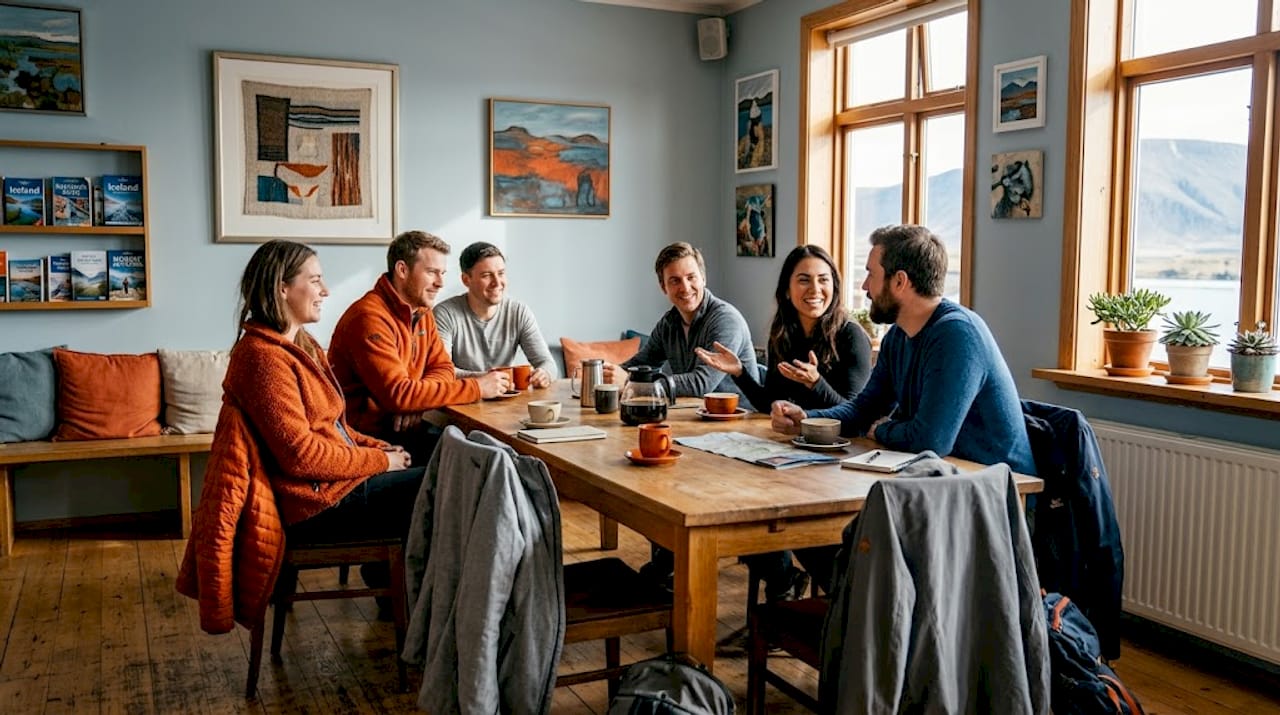
- Boutique hostels in Iceland blend thoughtful design, local character, and community spirit to enhance budget travel experiences. They feature intentional interiors, communal spaces, and staff with local expertise, creating immersive and social atmospheres. These properties support solo travelers and adventure seekers by fostering genuine connections and easy access to Iceland’s natural wonders.
Most travelers picture a hostel as a room packed with bunk beds, flickering lights, and a shared bathroom that’s seen better days. That image is outdated. A new category of accommodation has quietly taken over the budget travel scene, one that combines thoughtful design, genuine community energy, and a strong sense of place. Boutique hostels are rewriting what it means to travel affordably, and nowhere is that shift more exciting than in Iceland, where the landscape itself demands a more immersive, adventurous kind of stay.
Table of Contents
- Defining boutique hostels: What makes them unique?
- Boutique hostel vs. traditional hostel: Key differences
- Types of rooms and amenities: What to expect
- Why boutique hostels are ideal for Iceland adventurers
- The real value of boutique hostels: Our take
- Ready for your Iceland adventure? Find your boutique hostel
- Frequently asked questions
Key Takeaways
| Point | Details |
|---|---|
| Boutique hostel basics | They blend design, comfort, and a strong social atmosphere tailored for adventurous travelers. |
| Comparison is key | Boutique hostels stand out from traditional hostels and hotels with their style and sense of community. |
| Rooms and amenities | Options range from dorms to private rooms, but confirm amenity details for your needs. |
| Ideal for Iceland explorers | These hostels connect you to local culture, nature, and fellow travelers without breaking the bank. |
| Check the vibe | Always verify social spaces and programming to ensure the experience matches your expectations. |
Defining boutique hostels: What makes them unique?
A boutique hostel is a small to medium-scale property that prioritizes design, local character, and community atmosphere without abandoning the affordable, social spirit that makes hostels special in the first place. Think curated interiors, locally sourced artwork, cozy communal areas built for real conversation, and staff who actually know the best waterfall nobody talks about.
These places are built for a specific type of traveler: someone who wants to spend their money on experiences rather than a hotel room they’ll barely use. You care about the people you meet along the way. You want a place that feels like it belongs somewhere, not a carbon copy of every other budget property on the Ring Road.
Here’s what typically sets boutique hostels apart from standard options:
- Intentional interior design that reflects the local culture or natural surroundings
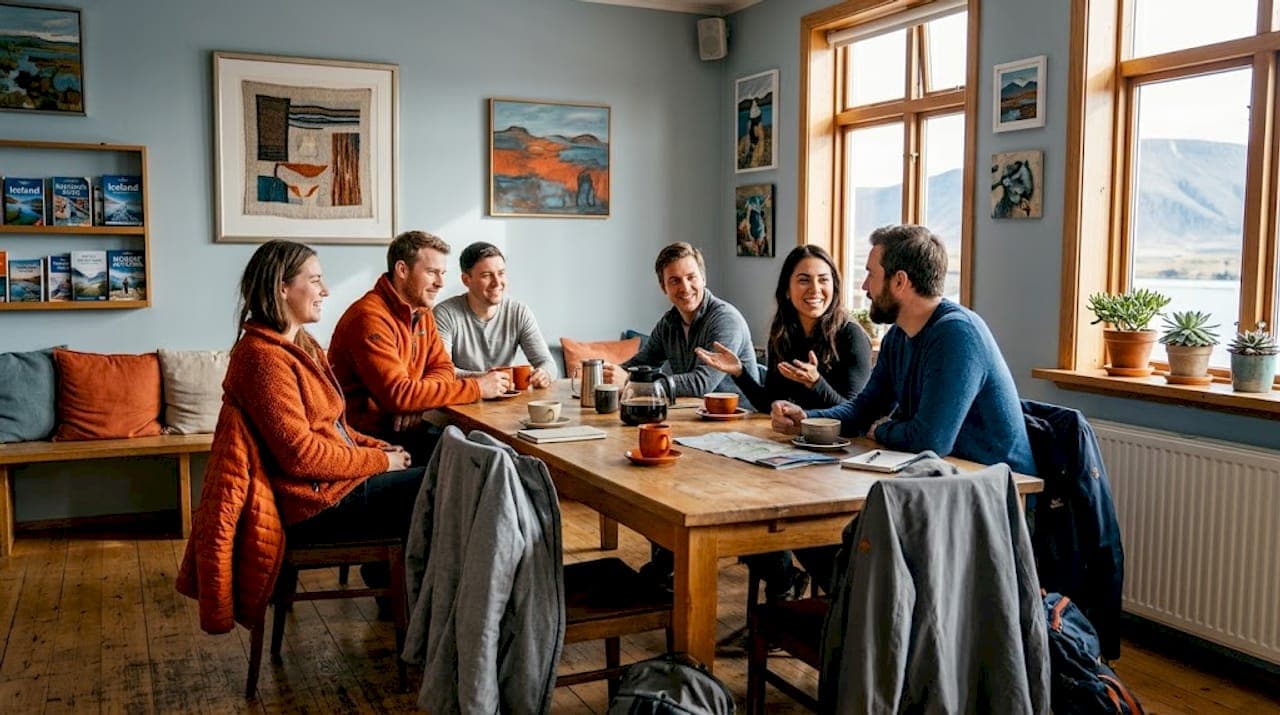
- Curated communal spaces like well-stocked lounges, fire pits, or outdoor decks with views
- A smaller, more personal scale that makes it easier to connect with other guests and staff
- Local flavor built in, whether through art, menu items, or partnerships with nearby guides
- Social programming like group dinners, guided hikes, or Northern Lights alert systems
It’s worth noting that the terms “boutique hostel,” “poshtel,” and “luxury hostel” often get used interchangeably, but they’re not always the same thing. As boutique properties may blend design and comfort without always guaranteeing a social vibe, it’s important to look beyond the branding when you’re choosing where to stay.
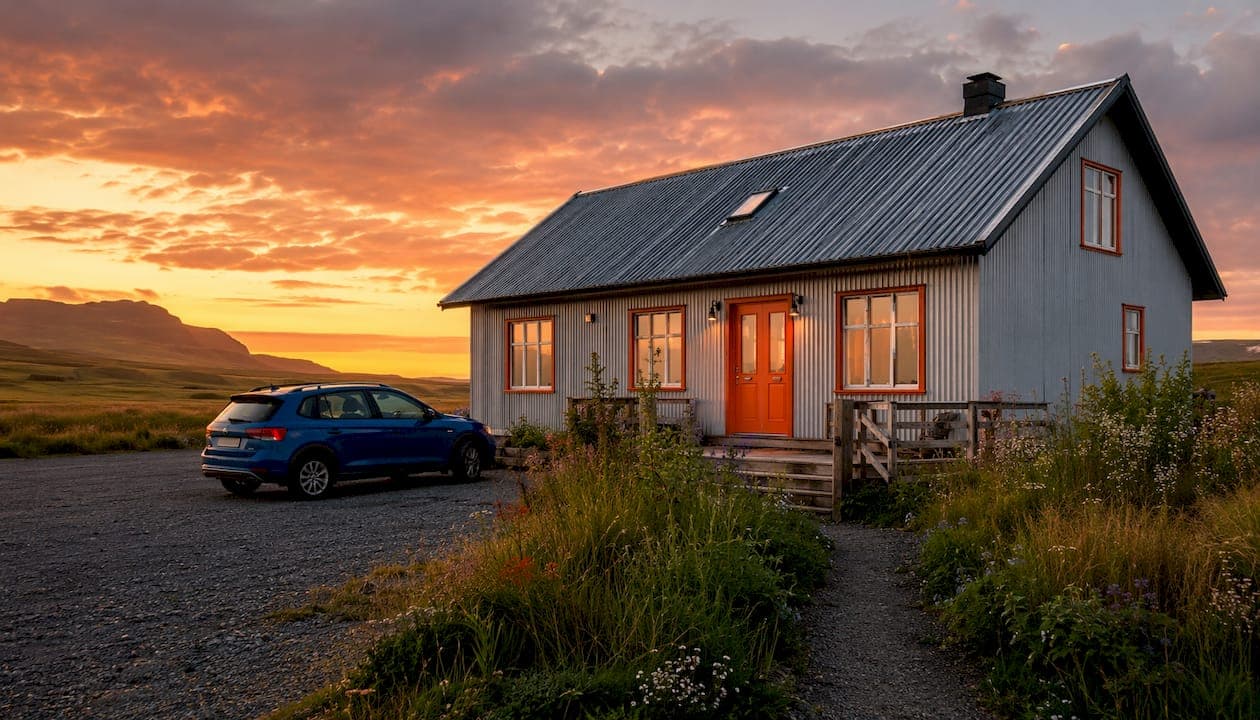
In Iceland specifically, boutique hostels often take this one step further. Many properties are converted farmhouses, fishing lodges, or traditional buildings that bring the raw, windswept Icelandic outdoors directly into the guest experience. The architecture itself tells a story, and that story matters when you’re traveling to one of the most dramatic landscapes on earth. Understanding modern hostel features can help you know exactly what to look for before you book.
“A boutique hostel should feel like a discovery, not just a place to sleep. The best ones make you feel like you’ve unlocked a local secret the moment you walk through the door.”
Boutique hostel vs. traditional hostel: Key differences
Now that you know what a boutique hostel is, it helps to see exactly how it compares to the standard hostel you might be picturing. The differences go well beyond aesthetics.
| Feature | Traditional hostel | Boutique hostel |
|---|---|---|
| Interior design | Functional, basic | Intentional, locally inspired |
| Common areas | Often minimal | Central to the experience |
| Social events | Rare or inconsistent | Frequently organized |
| Room types | Mostly dorms | Dorms plus flexible privacy options |
| Staff interaction | Front desk service | Knowledgeable, community-focused |
| Scale | Varies widely | Small to medium, personal feel |
| Location vibe | Often urban, central | Often unique, off the beaten path |
| Price range | Low | Low to mid-range |
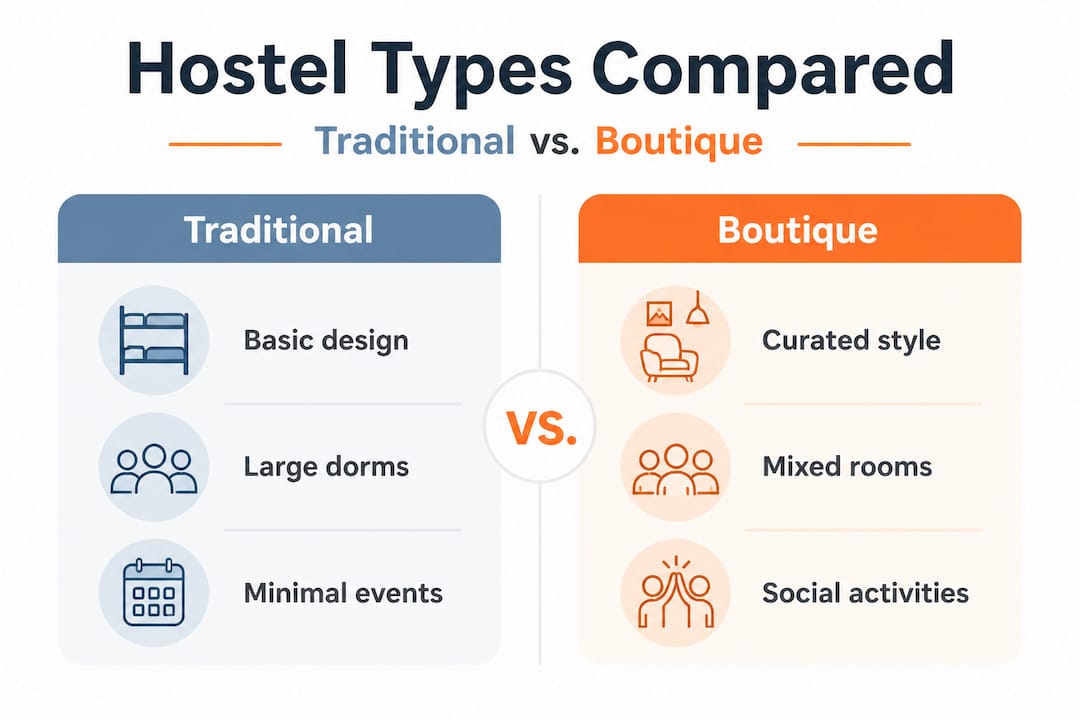
Traditional hostels do what they’re supposed to do. They give you a safe, affordable place to sleep, usually in a city center, and they attract budget travelers from all over the world. The tradeoff is consistency: the experience can feel transactional, and the social atmosphere depends entirely on whoever happens to be staying there that week.
Boutique hostels engineer the social experience intentionally. The layout of the common room, the communal kitchen setup, the evening programming, all of it is designed to get people talking. This matters more than you might think when you’re traveling solo through Iceland in October and you’d love a hiking partner for the next morning.
That said, not every boutique property delivers on its promise. Social travelers should always verify the presence of common areas and structured events when booking, because the label alone doesn’t guarantee an interactive experience.
To get the most out of shared hostel spaces and understand how to navigate them well, it also helps to brush up on hostel etiquette before you arrive. Knowing how to engage in communal kitchens, shared bathrooms, and group activity areas makes the whole experience smoother for everyone.
Pro Tip: When reading reviews for a boutique hostel, search specifically for words like “met people,” “group hike,” or “staff recommendation.” Those phrases tell you far more about the actual social atmosphere than star ratings do.
Types of rooms and amenities: What to expect
Understanding atmosphere is key, but so is knowing what kind of bed you’ll come home to after a glacier hike. Boutique hostels typically offer a range of room types, and the right choice depends on your travel style and who you’re traveling with.
Common room types you’ll find:
- Mixed dorm rooms (usually 4 to 10 beds): The classic option, great for solo travelers and social-first adventurers
- Female-only dorms: Preferred by many solo female travelers for added comfort and community
- Private rooms: Available at many boutique hostels, often with the same design quality as the rest of the property
- Family rooms or group buyouts: Ideal for couples, families, or friend groups who want privacy while still accessing communal spaces
| Room type | Best for | Privacy level | Social access |
|---|---|---|---|
| Mixed dorm | Solo travelers, social seekers | Low | High |
| Female-only dorm | Solo female travelers | Medium | High |
| Private room | Couples, light sleepers | High | Medium |
| Group/family room | Families, friend groups | High | Full access |
One thing many travelers overlook is bathroom arrangements. Some boutique hostels include ensuite bathrooms in private rooms, while others use a shared setup even for their premium rooms. Before booking, always verify whether private rooms include their own bathroom or share facilities with other guests. This one detail can completely change your experience, especially after a long day driving the South Coast.
When it comes to amenities, boutique hostels tend to invest heavily in the spaces guests share most. Expect well-equipped communal kitchens with actual quality cookware (not just a hot plate and a dull knife), comfortable lounges with reading nooks or board games, and outdoor areas designed to take advantage of the natural setting.
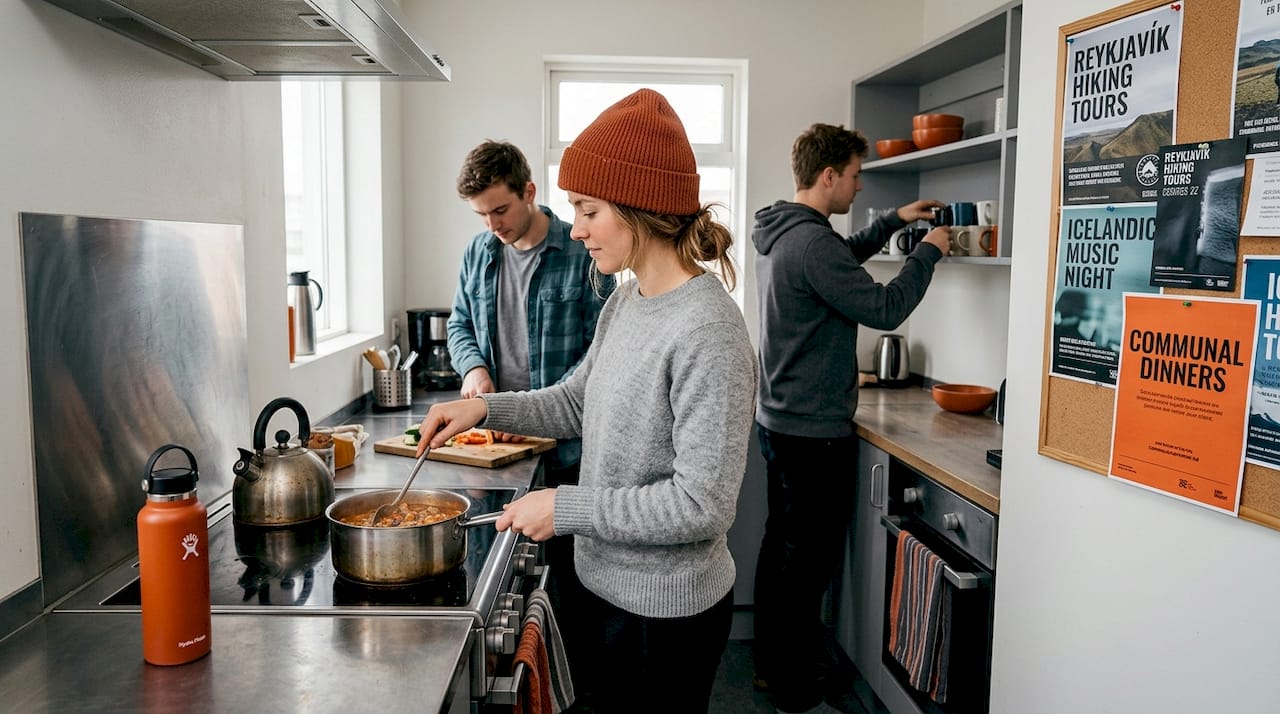
In Iceland, the best boutique hostels also incorporate eco-friendly practices, local artwork, and direct connections to outdoor activities. Some partner with nearby guide companies, others stock detailed trail maps and gear advice. To get a full picture of what you can expect from room setups, the hostel room types guide breaks it down clearly, and if you’re traveling with family, the dedicated family room options page is worth a read before you book.
Pro Tip: If your travel style is “dorm by night, private when exhausted,” look for boutique hostels that let you book individual beds in dorms AND offer room buyout options. That flexibility is rare and genuinely valuable on a long trip.
A useful pre-booking checklist for boutique hostels:
- Does the property have a dedicated communal kitchen?
- Are there organized social events or activities?
- What bathroom arrangement comes with each room type?
- Is there outdoor access or a common outdoor area?
- Does the hostel have a food option onsite (café, restaurant, or pizzeria)?
- What are the check-in and quiet hours policies?
For a deeper look at private hostel room setups and what to expect in Iceland specifically, that guide covers everything from bed sizes to soundproofing in converted buildings.
Why boutique hostels are ideal for Iceland adventurers
With the practical side covered, here’s why boutique hostels are the secret weapon for anyone exploring Iceland on their own terms.
Iceland is not a destination you experience passively. The country demands participation: getting up at 2am to chase the Northern Lights, deciding at breakfast whether to hike a volcano or explore a glacier, figuring out which stretch of the Ring Road to cover next. A boutique hostel fits that energy perfectly in a way a hotel simply cannot.
Here’s why they work so well for Iceland-specific travel:
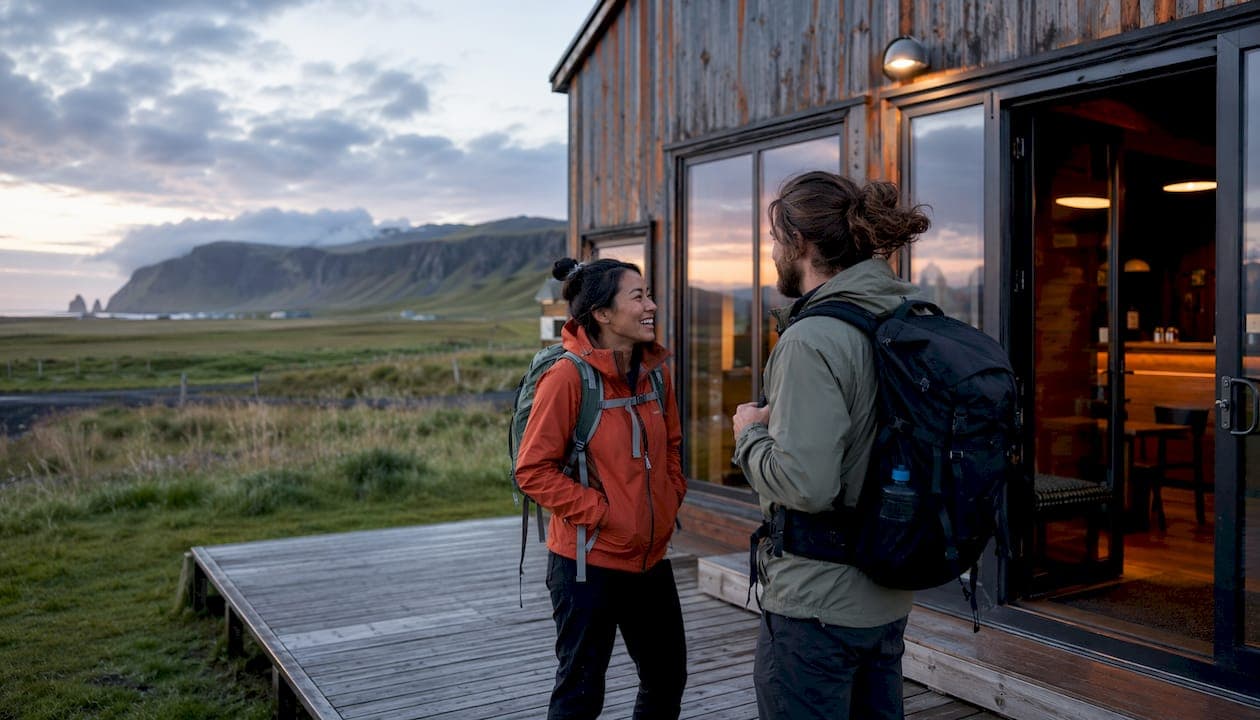
- Built-in community for spontaneous adventures. The communal kitchen at breakfast is where you find out someone else is also heading to Fjaðrárgljúfur Canyon. Now you have a hiking partner. This doesn’t happen at hotels.
- Affordability that extends your trip. Iceland is one of the most expensive countries in the world for travelers. A well-priced boutique hostel bed can mean the difference between a 7-day and a 14-day trip. That extra week matters enormously on the Ring Road.
- Staff who actually know Iceland. Boutique hostel teams tend to be locally connected. Ask them where to find the best soup in Vík, the least crowded trail near Skaftafell, or the exact spot to park for Northern Lights away from light pollution. You’ll get a real answer, not a brochure recommendation.
- One-of-a-kind settings. Converted barns, renovated fishing lodges, old farmhouses, these spaces have stories. Staying in a place that looks and feels like Iceland makes the whole trip more memorable.
- A genuine launchpad for the South Coast. The best boutique hostels are positioned strategically, close enough to key attractions to save you drive time, but far enough from tourist centers to give you quiet evenings and dark skies.
Boutique hostels are especially attractive to travelers who want immersive experiences and local community connections, and Iceland’s landscape amplifies every part of that appeal. The nature-friendly hostel model thrives here because the outdoors is the point. Everything about a good boutique hostel in Iceland is designed to get you out into it, fed and rested and equipped with solid local knowledge.
For a firsthand look at what that social energy actually feels like on Iceland’s South Coast, the social hostel experiences journal entry captures it well.
Pro Tip: When comparing boutique hostels for a Ring Road trip, prioritize location over price. A property placed midway between two major attraction clusters will save you hours of driving and open up day trips in both directions.
The real value of boutique hostels: Our take
Here’s the thing about the boutique hostel label: it gets applied to a very wide range of properties, and not all of them deserve it. We’ve seen places call themselves boutique because they hung a few nice prints on the wall and put a succulent on the reception desk. That’s not boutique. That’s just decoration.
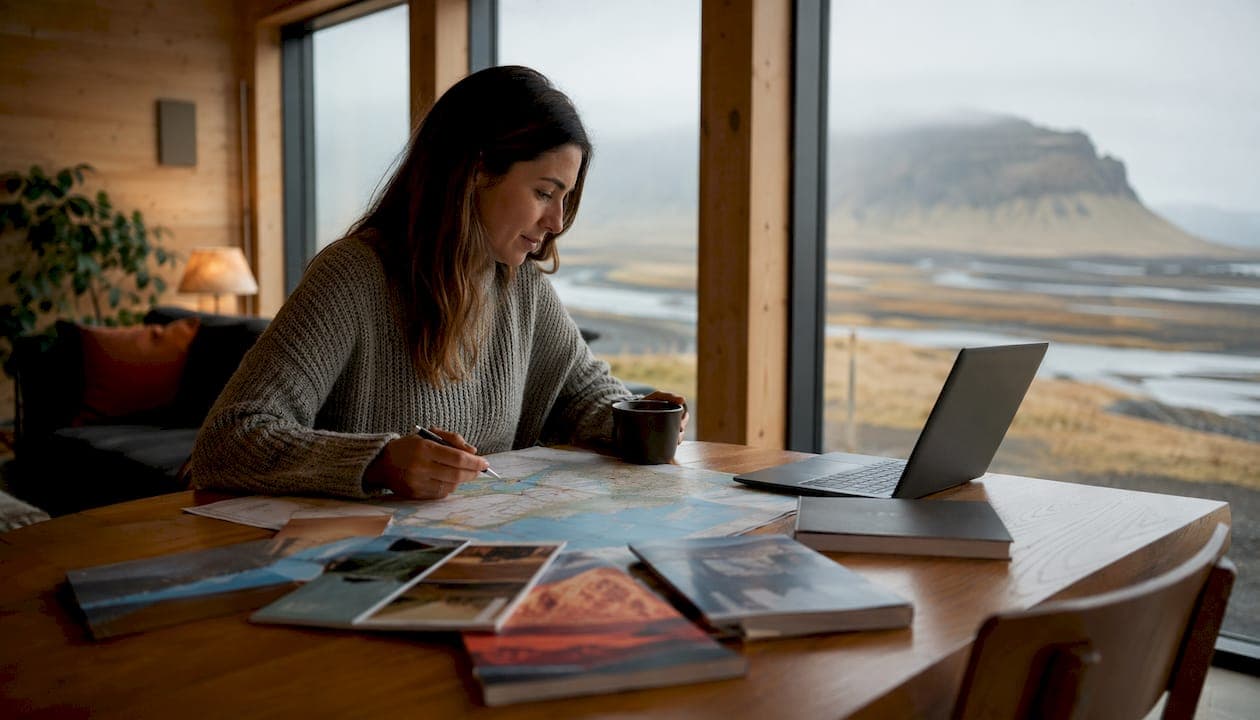
The real value of a boutique hostel comes from intentional hospitality. It’s the staff member who notices you staring at a map and offers to walk you through the entire week’s itinerary. It’s the common room that’s arranged so people face each other instead of a wall. It’s the kitchen that actually has sharp knives, a working stovetop, and the kind of energy where someone offers you a taste of whatever they’re cooking. These things don’t happen by accident.
Our honest take: some properties that call themselves boutique or premium focus so heavily on visual design that they forget the human element. Beautiful tiles and exposed beams are nice, but they won’t make solo travel feel less lonely at 9pm on a rainy South Coast evening.
The properties that get it right treat community as infrastructure, not decoration. They build it into the floor plan, the programming schedule, and the culture they train staff to create. As one honest piece of traveler advice puts it: choosing the right hostel is about matching your expectations, not just the label. Sometimes the glossiest poshtel or most Instagrammed design property completely misses the communal spirit that travelers actually came for.
What we believe, after seeing both ends of the spectrum, is that a great boutique hostel makes solo travel feel like belonging to a small, temporary Icelandic micro-community. You show up a stranger and leave with people you’re already planning to meet again somewhere on the road. No hotel, regardless of thread count or lobby size, can manufacture that.
Ready for your Iceland adventure? Find your boutique hostel
If this article has clarified what you’re actually looking for in a hostel stay, the next step is finding a property that delivers on every level.
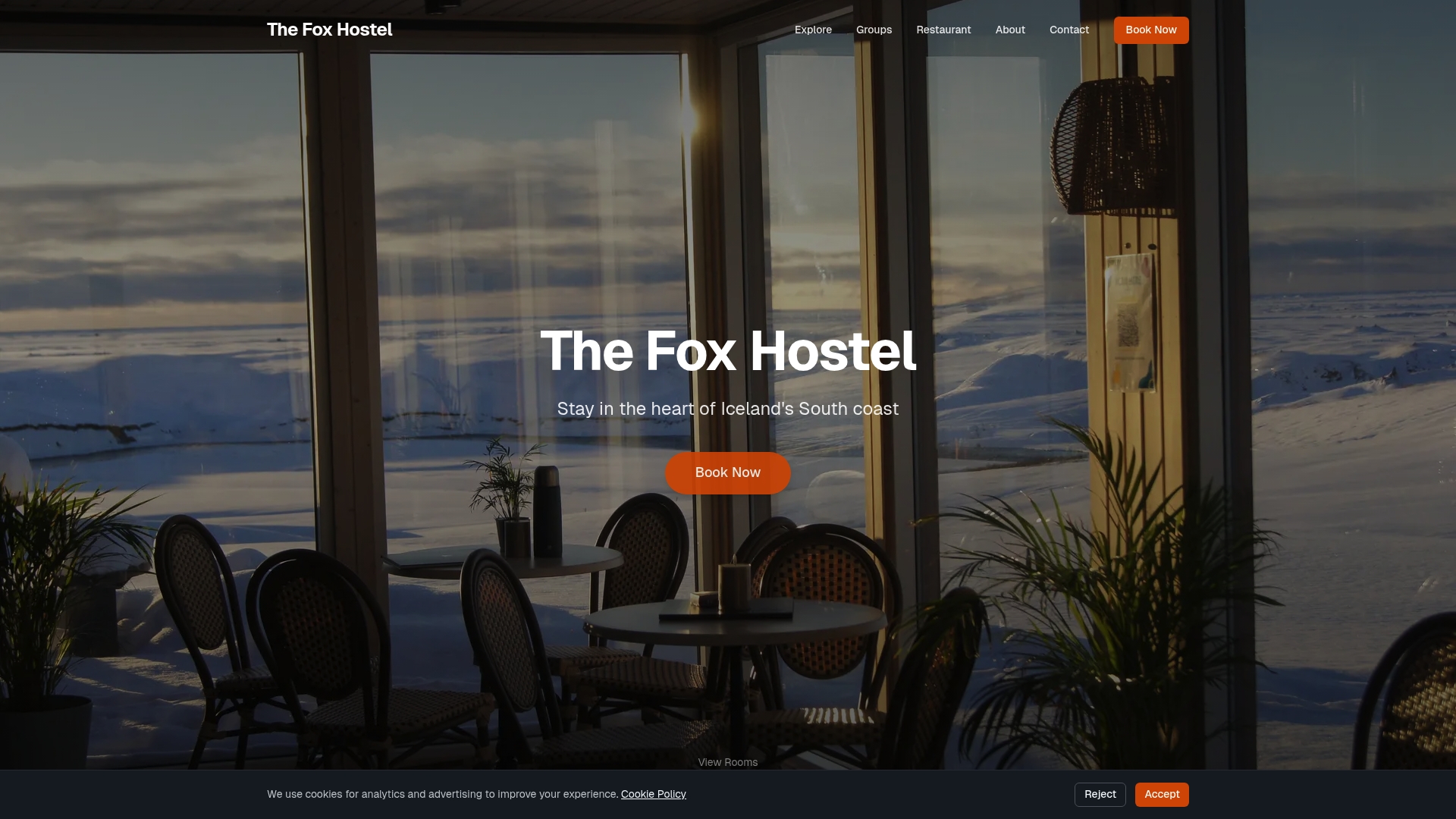
Fox Hostel, set in a converted traditional Icelandic barn inside Hrífunes Nature Park, is the kind of place this article was written about. It sits 35 minutes east of Vík, giving you fast access to Reynisfjara Black Sand Beach and Dyrhólaey while keeping you well away from the tourist bustle. The on-site pizzeria, massive communal kitchen, and genuinely dark skies for Northern Lights viewing make it far more than a place to sleep. Solo travelers can book individual dorm beds, while couples, families, and groups can buy out an entire room for full privacy. Browse the full hostel room types guide to find your best fit, or read more about what makes nature hostels in Iceland such a powerful choice for Ring Road adventurers.
Frequently asked questions
Are boutique hostels suitable for solo travelers?
Absolutely. Boutique hostels are specifically designed to help solo travelers feel welcome, connected, and safe, with social spaces and events that make it easy to meet people from day one. Solo adventurers consistently rank boutique hostels as the most welcoming category for independent travel.
What makes a hostel “boutique” in Iceland?
In Iceland, a boutique hostel typically combines locally inspired design with strong communal spaces and a genuine connection to the surrounding landscape. Icelandic boutique hostels often emphasize nature access, local character, and a community atmosphere that standard properties simply don’t prioritize.
Can I book a private room at a boutique hostel?
Most boutique hostels offer both dorm beds and some form of private accommodation, but the setup varies. Always verify private room details including whether the bathroom is ensuite or shared before you commit to a booking.
How do boutique hostels support social experiences?
They build social energy into the design itself through open kitchens, communal lounges, shared outdoor spaces, and organized activities. To actually benefit from that, confirm the hostel has genuine communal programming and not just a common area that nobody uses.
Recommended
- Social hostels in Iceland: connect, explore, and save | Fox Hostel – South Iceland
- Types of hostel room options: find the best stay in Iceland | Fox Hostel – South Iceland
- Unforgettable Social Hostel Experiences on Iceland’s South Coast | Fox Hostel – South Iceland
- Private hostel rooms: budget-friendly, social Iceland stay | Fox Hostel – South Iceland