
What Is a Self-Catering Kitchen? A Traveler's Guide
What Is a Self-Catering Kitchen? A Traveler’s Guide
TL;DR:
- A self-catering kitchen is a fully equipped space within your accommodation that allows you to prepare your own meals independently. It offers benefits like significant cost savings, flexible scheduling, and a home-like atmosphere, especially suited for travelers with dietary needs. Guests are responsible for grocery shopping, cooking, cleaning, and waste disposal, making preparation and local research essential for a smooth experience.
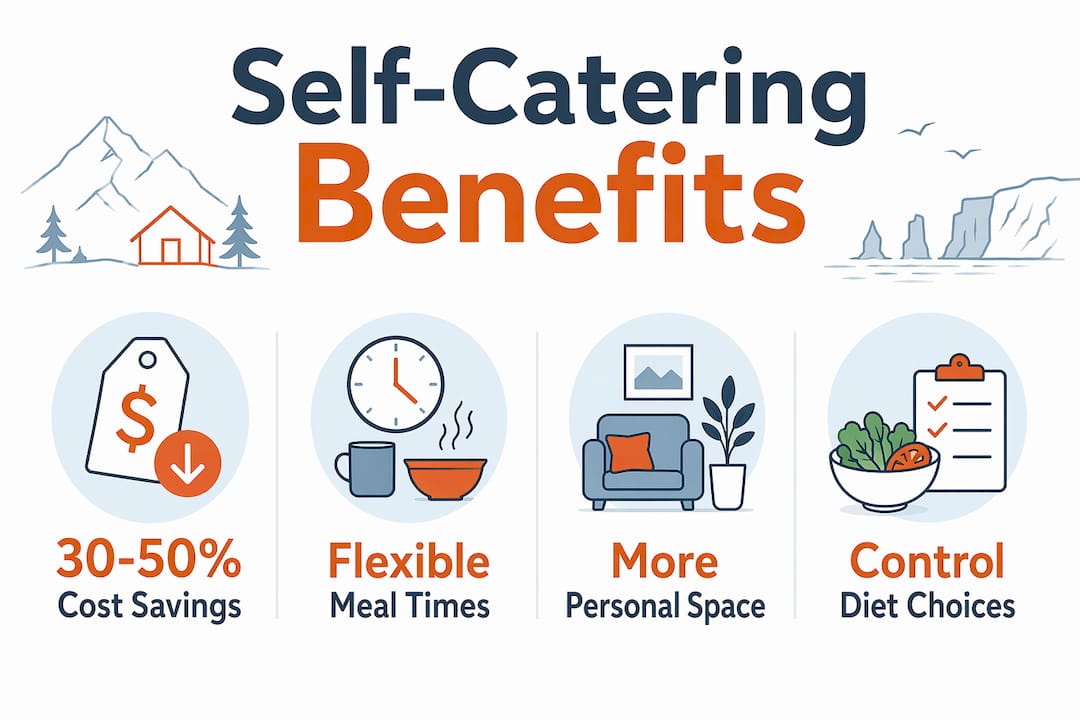
A self-catering kitchen is a fully equipped cooking space within your accommodation that lets you prepare your own meals independently during your trip. Unlike hotel dining, this setup gives you direct control over what you eat, when you eat, and how much you spend. Self-catering accommodation typically includes appliances, cookware, and dining supplies so you can function without relying on restaurants. Travelers who cook even a few meals per day can cut food costs by 30–50% compared to eating out every meal. That single advantage makes self-catering kitchens one of the most practical choices for budget-conscious and diet-conscious travelers alike.
What is a self-catering kitchen, and what does it include?
A self-catering kitchen is defined as a kitchen facility provided within rental or shared accommodation, stocked with the tools needed for independent cooking. The industry term you will also see is “self-catering accommodation,” which refers to the broader lodging type where guests handle their own meals rather than relying on hotel services.
Standard kitchen equipment typically includes:
- Appliances: stove, oven, refrigerator, microwave, and kettle
- Cookware: pots, pans, baking trays, and a colander
- Utensils: knives, spatulas, ladles, and a cutting board
- Dining supplies: plates, bowls, cups, glasses, and cutlery
- Cleaning basics: dish soap, sponge, and dish rack (varies by property)
Equipment quality and quantity vary significantly between properties. A countryside cottage may offer a full kitchen with a dishwasher and coffee maker. A hostel communal kitchen may offer shared burners and basic pots. Knowing the difference before you arrive prevents frustrating surprises.
Essential pantry items like oil, salt, pepper, and dish soap are frequently not provided. This is the detail most first-time self-catering guests miss. Buying a full bottle of olive oil for a two-night stay is wasteful and avoidable.
Pro Tip: Message your host before arrival and ask for a specific kitchen inventory list. Ask about oil, spices, foil, and cleaning supplies. A five-minute conversation saves you an unnecessary grocery run on day one.
What are the real advantages of self-catering for travelers?
Self-catering kitchens deliver three concrete benefits: lower costs, greater flexibility, and more personal space. Each one compounds the others to create a fundamentally different travel experience.

Cost savings that actually add up
Travelers who cook their own meals save 30–50% on daily food expenses compared to eating out or purchasing hotel dining packages. For a family of four on a two-week trip, that difference can fund an extra activity or two. Even solo travelers who cook breakfast and one other meal per day see meaningful savings over a full trip.
Flexibility that hotels cannot match
Self-catering accommodation suits travelers whose schedules and dietary needs hotel dining simply cannot accommodate. You eat at 6:00 AM before a sunrise hike or at 10:00 PM after a long day on the road. No reservation required, no kitchen closing time, no menu limitations.
Parents traveling with children benefit most from this flexibility. Feeding kids on their schedule without waiting for a restaurant table removes one of the most stressful parts of family travel. A quick pasta or scrambled eggs takes 15 minutes and costs a fraction of a restaurant meal.
More space and a home-like atmosphere
Self-catering properties typically offer separate living areas, kitchen spaces, and sometimes outdoor areas that standard hotel rooms do not provide. That extra room matters when you are traveling with a group or spending multiple nights in one location. You can spread out, store groceries, and settle into a routine rather than living out of a suitcase in a single room.
For travelers with specific dietary requirements, such as gluten-free, vegan, or allergy-restricted diets, a self-catering kitchen is not just convenient. It is often the only reliable option. Restaurant menus in remote or rural destinations may not accommodate every need, but a well-stocked grocery bag always will.
What to expect during a self-catering stay
Self-catering guests take full responsibility for meal planning, grocery shopping, cooking, and cleaning. No daily housekeeping service restocks your fridge or washes your dishes. That trade-off is the core of the self-catering model.
Here is what most properties expect from guests:
- Grocery shopping: You source all your own food. Identify the nearest supermarket before you arrive.
- Cooking: You prepare every meal you eat in the accommodation.
- Cleaning: You wash dishes, wipe surfaces, and leave the kitchen in reasonable condition throughout your stay.
- Departure clean: Most properties require the kitchen to be left clean when you check out.
- Waste management: Trash and recycling are your responsibility. Rural destinations often have strict local sorting rules that differ from what you are used to at home.
The mental shift from hotel guest to temporary resident is the biggest adjustment for first-time self-catering travelers. Treating the accommodation as a home away from home rather than a serviced room makes the experience far more enjoyable. You are not a guest waiting to be served. You are a resident managing your own space.
Pro Tip: Look up local recycling rules for your destination before you arrive. In Iceland, for example, waste sorting is taken seriously and bins are clearly labeled. Knowing the system on day one avoids confusion and keeps you on good terms with your host.
How to use a self-catering kitchen effectively
Getting the most from a self-catering kitchen comes down to preparation and a few practical habits. These tips apply whether you are staying in a rural cottage or a communal hostel kitchen.
- Check the kitchen inventory before arrival. Experienced travelers confirm what is stocked ahead of time so they do not buy large quantities of staples for short stays. Ask specifically about oil, spices, and cleaning supplies.
- Plan your meals for the first two days. Write a short grocery list before you shop. Buying without a plan leads to waste and forgotten ingredients.
- Pack a small travel pantry for short trips. A few small containers of salt, pepper, olive oil, and your preferred spices weigh almost nothing and eliminate the most common kitchen gaps.
- Balance cooking with eating out. Self-catering does not mean cooking every single meal. Eating at a local restaurant once or twice adds cultural experience without breaking your budget.
- Manage waste from day one. Locate the trash and recycling bins on arrival. Check the local waste rules for your destination, especially in rural or protected areas where regulations are stricter.
- Use communal kitchen time wisely. In shared accommodations, cook during off-peak hours, typically mid-morning or early afternoon, to avoid competing for burners and counter space.
For a deeper look at self-catering meal planning and grocery strategies, practical guides exist that walk through efficient shopping and cooking routines for short-stay travelers. If you are focused on eating well while traveling, resources on healthy eating on holiday offer specific strategies for using a self-catering kitchen to maintain your diet without sacrificing enjoyment.
Key Takeaways
A self-catering kitchen gives travelers direct control over food costs, meal timing, and dietary choices, making it the most flexible and cost-effective option for independent travel.
| Point | Details |
|---|---|
| Core definition | A self-catering kitchen is a fully equipped cooking space in your accommodation for independent meal preparation. |
| Cost advantage | Cooking your own meals cuts daily food expenses by 30–50% compared to eating out or hotel dining. |
| Guest responsibilities | You handle grocery shopping, cooking, cleaning, and waste disposal with no daily housekeeping support. |
| Preparation is key | Check kitchen inventory before arrival to avoid buying full-size staples for a short stay. |
| Flexibility benefit | Self-catering suits travelers with dietary restrictions, irregular schedules, or families with young children. |
Why self-catering changed how I think about travel
The first time I stayed in a self-catering property, I spent the first morning waiting for someone to bring me coffee. That says everything about the mental adjustment required.
Once I stopped thinking like a hotel guest, the whole experience clicked. I started shopping at local markets instead of tourist restaurants. I learned what ingredients were actually available in each region. In Iceland, that meant fresh skyr, dense rye bread, and lamb from farms I could see from the kitchen window. No restaurant menu would have taught me that.
The misconception most first-timers carry is that self-catering means roughing it. The reality is the opposite. A well-equipped communal kitchen in a good hostel gives you more cooking freedom than a cramped hotel room with a kettle and a minibar. You are not downgrading. You are choosing a different kind of experience.
The travelers who struggle with self-catering are the ones who arrive unprepared and expect hotel-level convenience. The ones who thrive are the ones who treat the kitchen as part of the trip itself. Cooking a simple meal after a long day of hiking is not a chore. It is a way of settling in. For a fuller picture of what self-catering accommodation actually involves day to day, the practical expectations are worth reading before your first stay.
— Siggi
Fox Hostel’s communal kitchen: built for real travelers
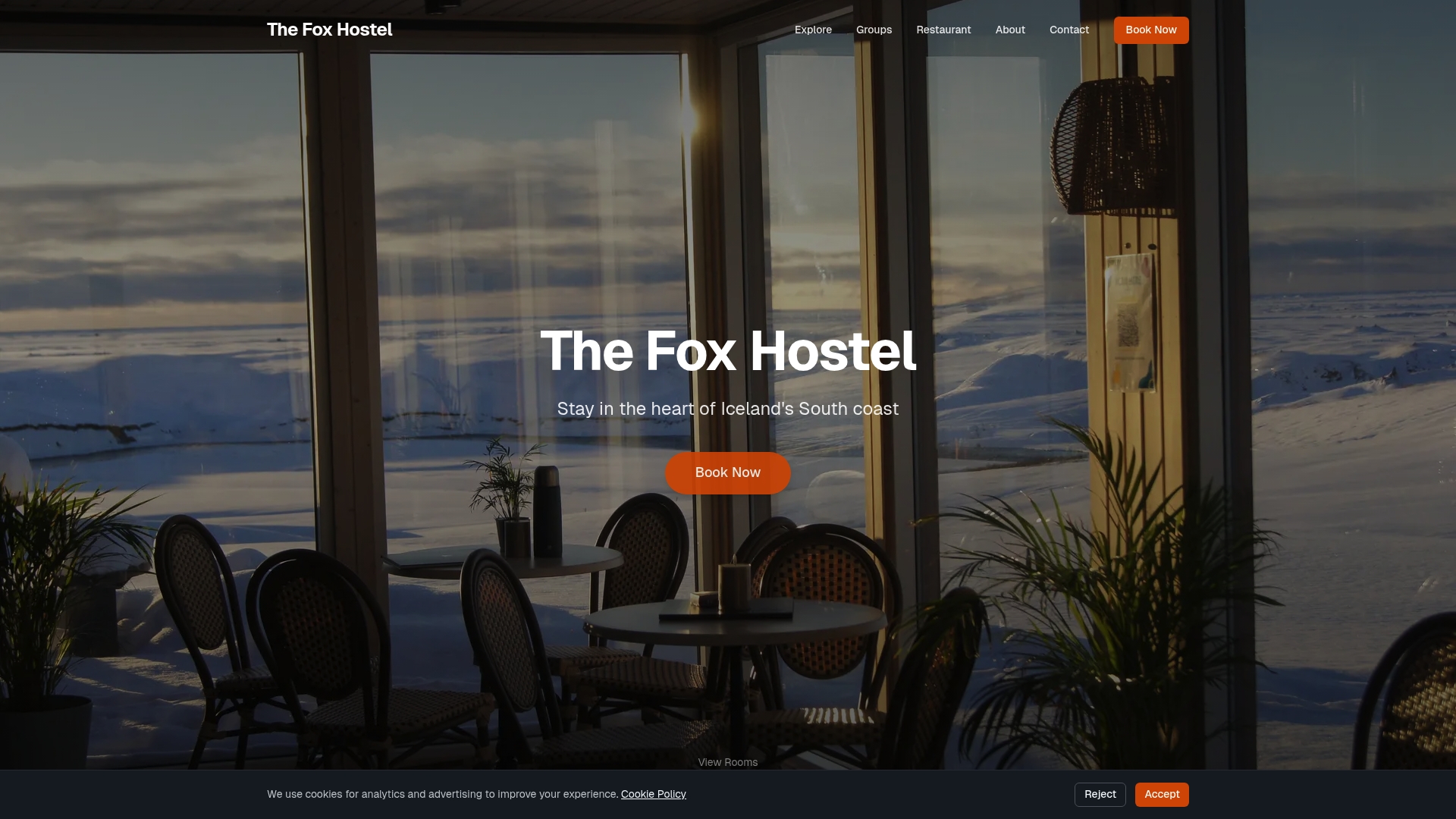
Fox Hostel sits in Hrífunes Nature Park, 35 minutes east of Vík on Iceland’s South Coast, inside a converted traditional Icelandic barn. The communal kitchen at Fox Hostel is fully equipped and sized for genuine use, not just a token gesture toward self-catering. Travelers cooking after a full day on the Ring Road have everything they need without hunting for missing equipment.
Beyond the kitchen, Fox Hostel offers an on-site pizzeria, flexible room options including full room buyouts for couples and groups, and some of the darkest skies in South Iceland for Northern Lights viewing. Solo travelers, families, and road-trip groups all find the setup works for their pace. If you are planning a South Coast itinerary and want a base that supports both independence and community, check availability and room options at Fox Hostel before your dates fill up.
FAQ
What is the self-catering kitchen definition?
A self-catering kitchen is a cooking space within your accommodation that provides appliances, cookware, and utensils so guests can prepare their own meals independently, without relying on restaurant or hotel dining services.
What appliances does a self-catering kitchen typically include?
Most self-catering kitchens include a stove, oven, refrigerator, microwave, and kettle, along with pots, pans, cutlery, and basic dishware. Specific inventory varies by property, so confirming with your host before arrival is always worth doing.
How does self-catering compare to staying in a hotel?
Self-catering accommodation trades daily housekeeping and restaurant access for more space, lower food costs, and full control over your meals and schedule. Travelers save 30–50% on daily food expenses by cooking their own meals.
What responsibilities do self-catering guests have?
Self-catering guests manage their own grocery shopping, cooking, cleaning, and waste disposal throughout their stay. Most properties also require the kitchen to be left in clean condition at checkout.
Is a self-catering kitchen suitable for travelers with dietary restrictions?
A self-catering kitchen is one of the best options for travelers with dietary restrictions, since you control every ingredient. It removes dependence on restaurant menus, which may be limited in rural or remote destinations.