Where to Stay on the Ring Road: Your Hub Guide
Where to Stay on the Ring Road: Your Hub Guide
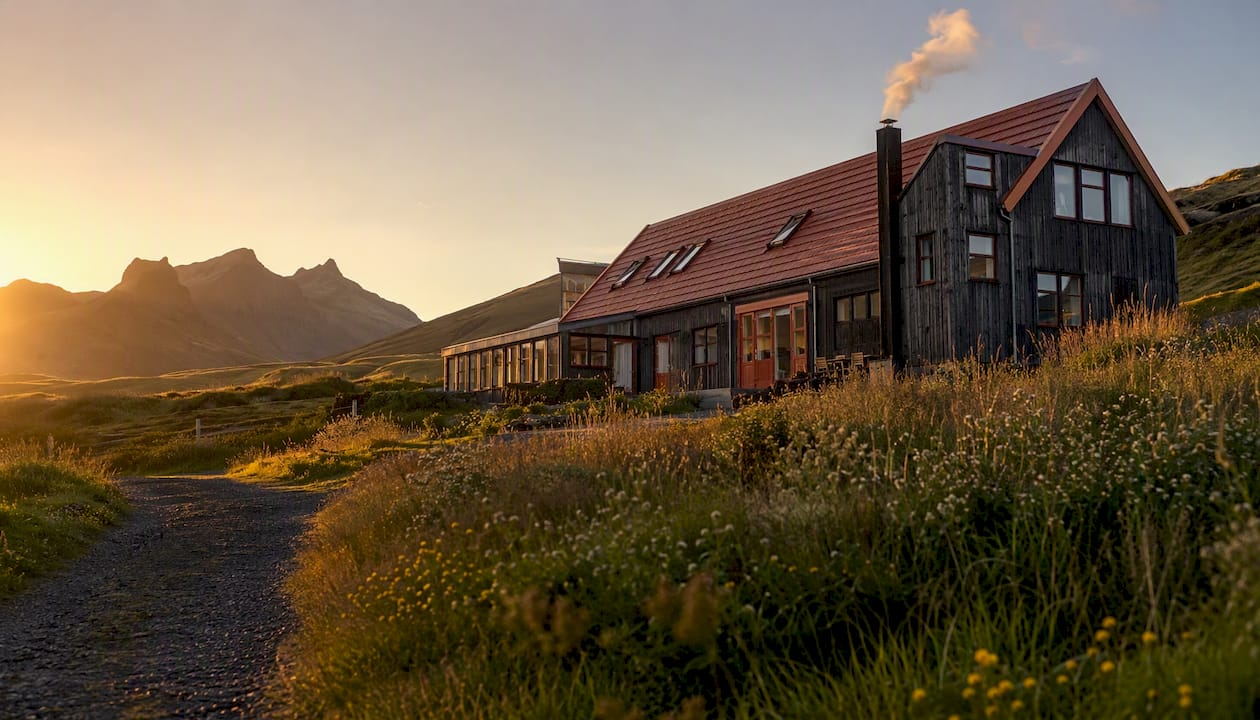
The six towns that matter most for Ring Road overnights are Reykjavík, Vík, Höfn, Egilsstaðir, Akureyri, and Borgarnes (for Snæfellsnes). Your trip length determines which ones you actually need. With just 3–4 days, base in Reykjavík and take day trips. A classic 7–8 day loop means sleeping in a different town nearly every night. Ten days or more lets you add Snæfellsnes or the Westfjords without feeling rushed.
One rule applies regardless of length: book the Southeast section first. The stretch from Vík to Jökulsárlón fills faster than anywhere else on the route, often months before peak season.
Trip length at a glance:
- 3–4 days: Reykjavík base + Golden Circle day trips (hostel or mid-range hotel)
- 7–8 days: Full loop — Reykjavík → Vík → Höfn → Egilsstaðir → Akureyri → Borgarnes (mix of hostels, guesthouses, and mid-range)
- 10 days: Add Snæfellsnes peninsula (2 nights) or Mývatn (extra night); budget travelers can stretch hostel stays
- 12+ days: Westfjords detour, slow travel, farm stays, and campervan freedom
Key Takeaways
The most important rule for Ring Road accommodation planning: book the Southeast (Vík to Höfn) first, at least 3–4 months ahead in peak season, and anchor every night to the next morning’s first stop rather than the previous day’s last.
| Point | Details |
|---|---|
| Book southeast first | Vík, Skaftafell/Hali, and Höfn fill faster than any other leg; secure these before anything else. |
| Peak season lead time | Book 3–4 months ahead for June–August; shoulder season (May/September) allows 4–6 weeks. |
| Winter safety limit | The full Ring Road is often unsafe October–April; restrict winter trips to the South Coast and check road.is before every drive. |
| Anchor nights to mornings | Choose where you sleep based on where you need to be at sunrise, not where you finished the previous day. |
| Fox Hostel South Coast base | Fox Hostel sits midway between Vík and Kirkjubæjarklaustur, offering dorm beds, room buyouts, and an on-site kitchen for budget and social travelers. |
Table of Contents
- How many nights should you plan per stop on the Ring Road?
- Which towns make the best overnight bases on the Ring Road?
- How do you choose where to sleep each night?
- Which lodging type is right for your Ring Road trip?
- When should you book, and is the full Ring Road safe year-round?
- A practical 7-day Ring Road plan with drive times
- Sources
How many nights should you plan per stop on the Ring Road?
The Ring Road runs roughly 1,332 km (828 miles), and most travelers complete the full loop in 7–10 days. That math leaves little room for wasted nights. The templates below are designed to be copied directly into a planner.
Who each template fits:
- 3–4 days / Reykjavík base: Ideal for first-timers, families with young children, or anyone who wants comfort without the logistics of moving every night. Day trips to the Golden Circle, Seljalandsfoss, and Reynisfjara are all doable from the capital.
- 7–8 days / Full loop: The most popular format. Works well for solo backpackers, couples, and small groups comfortable with daily packing and driving. Route direction matters here — counter-clockwise (south first) is the most common and has the best tour infrastructure, but clockwise can feel quieter in the early days.
- 10 days: Families or couples who want breathing room. The extra nights go into Snæfellsnes (worth 2 nights alone) and a second night in Akureyri for whale watching from Húsavík.
- 12+ days: Slow travelers, photographers, and anyone adding the Westfjords. Farm stays and campervans become genuinely practical at this length.
Pro Tip: Add at least one buffer night somewhere on the loop, ideally in Akureyri or Borgarnes. Weather delays and unexpected stops are almost guaranteed, and a flexible night saves the whole itinerary.
Which towns make the best overnight bases on the Ring Road?
Each hub on the Ring Road serves a different purpose. Choosing the wrong one means long drives to the next morning’s highlight, or arriving after dark with nothing open. Here’s what each base actually gives you.
Reykjavík
The capital is where most Ring Road trips start and end. It has the widest range of accommodation on the island, from budget dorms to design hotels, and every service you might need before a long drive: gear shops, supermarkets, car rental desks. Plan one night here at the start to sort logistics, and one at the end if your flight leaves in the afternoon.
Best for: First-timers, families, anyone who needs a city reset. Booking urgency: Moderate — more supply here than anywhere else, but summer weekends fill fast.
Vík and the South Coast
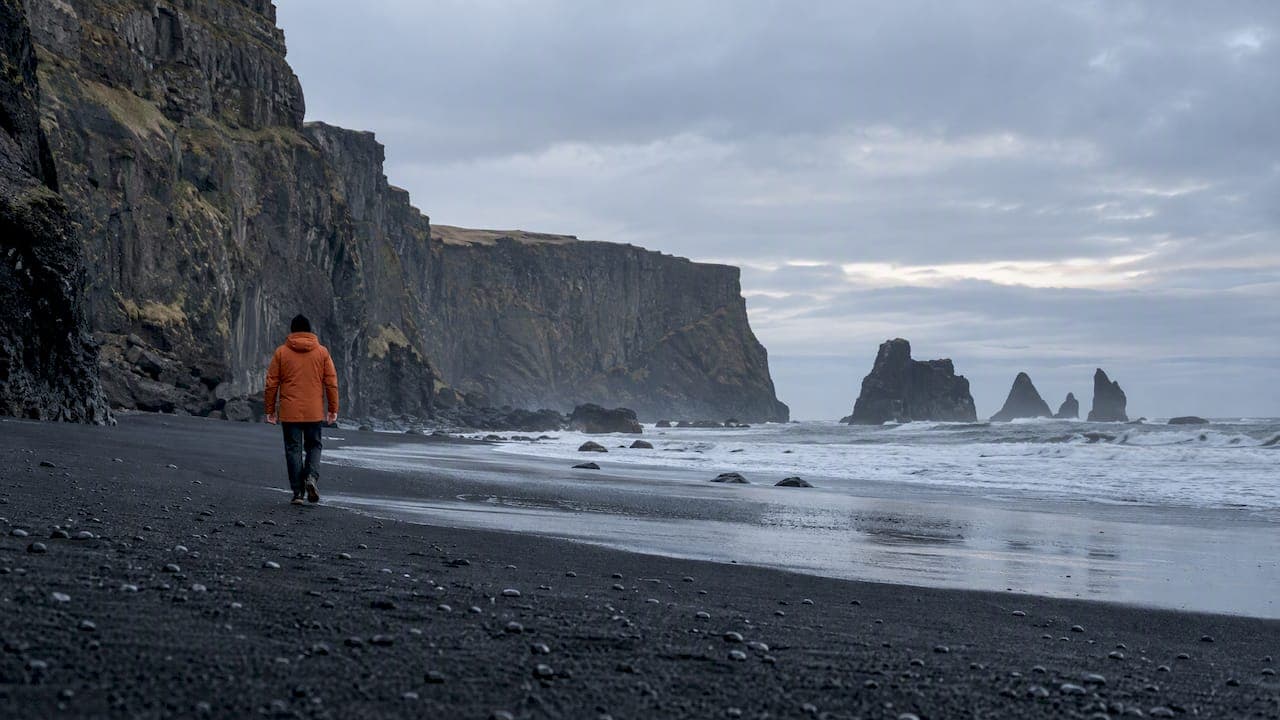
Vík is the essential South Coast overnight hub, positioned roughly two hours from Reykjavík and giving direct access to Reynisfjara Black Sand Beach and Dyrhólaey. Most travelers spend 1–2 nights here. The town itself is small — a handful of restaurants, a grocery store, and a gas station — but its location is unbeatable for morning light at the beach before the tour buses arrive.
For more flexibility, consider sleeping slightly east of Vík, midway toward Kirkjubæjarklaustur. That position cuts your drive time to early-morning glacier tours and avoids the daytime crowds that concentrate in the village. Staying between Vík and Kirkjubæjarklaustur is a move that experienced Ring Road travelers make on repeat trips.
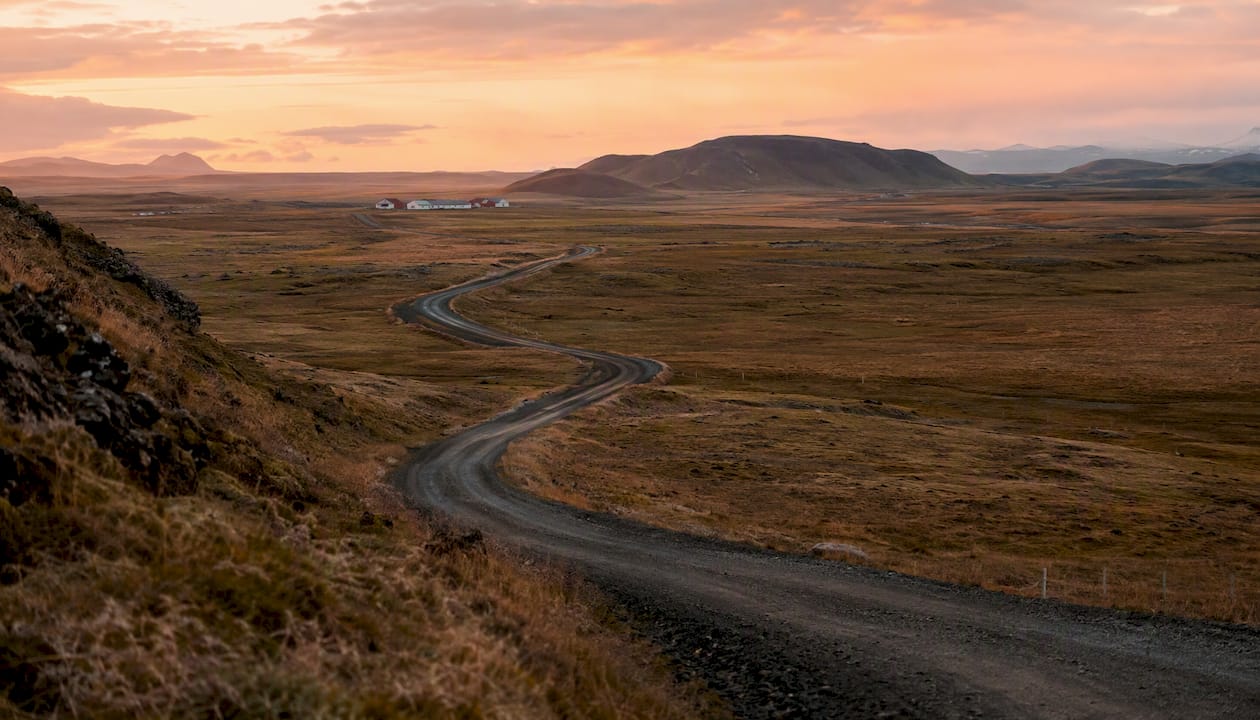
Budget tier: Hostels and dorms (most affordable), guesthouses (mid), a handful of small hotels (splurge). Booking urgency: High — this is one of the first sections to sell out.
Jökulsárlón and Höfn
The glacier lagoon area has the tightest accommodation supply on the entire route. There are no large towns within an hour of Jökulsárlón, and the properties closest to the lagoon sell out faster than anywhere else. Staying in Skaftafell, Hali, or Höfn gives you early-morning access to Diamond Beach before the light goes flat and before the first tour coaches arrive.
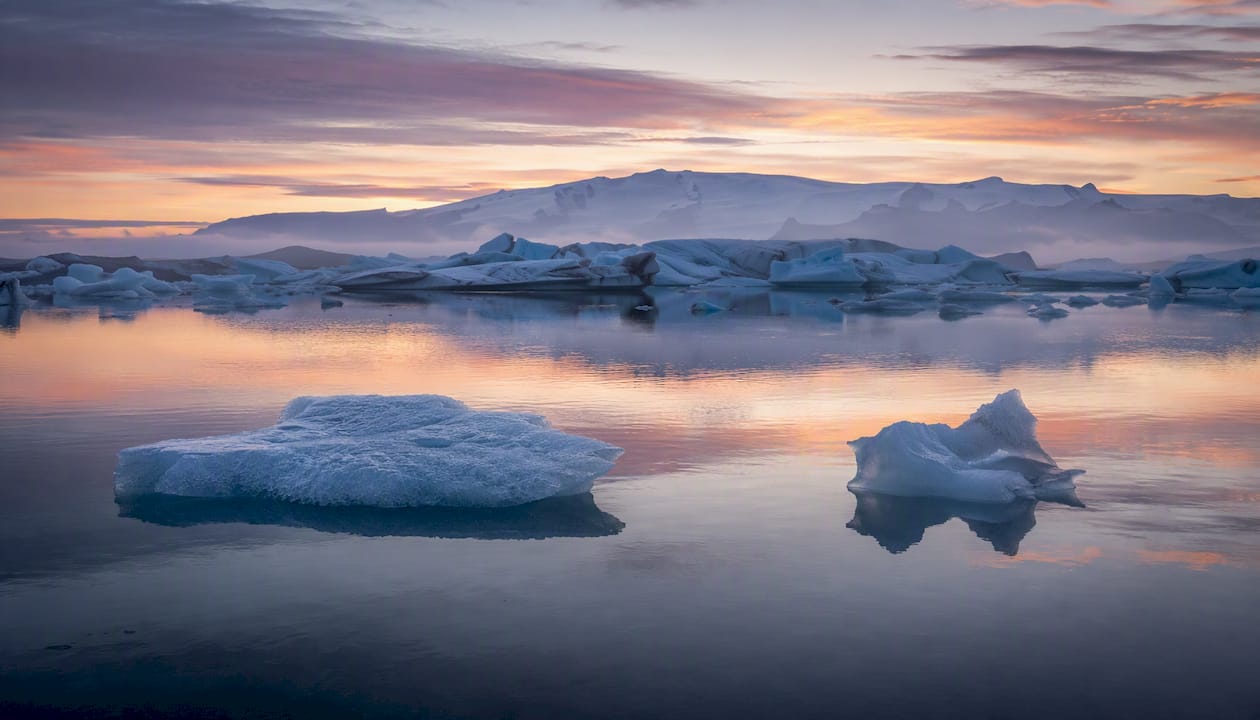
Höfn itself is a proper fishing town with a few restaurants (the lobster is genuinely worth it), a supermarket, and a gas station. It’s the most comfortable base in the southeast.
Budget tier: Guesthouses and farm lodges dominate; budget options are limited. Booking urgency: Highest on the route — book this leg before anything else.
Egilsstaðir and the East Fjords
Egilsstaðir is the service hub of the east: the only town in the region with a proper supermarket, a hospital, and multiple fuel options. It’s not the most dramatic setting, but it’s practical. The real draw is the drive through the East Fjords, which takes longer than the map suggests — the winding coastal road adds time, and the scenery demands stops.
Best for: Travelers who want a quiet night after a long fjord drive. Budget tier: Guesthouses and small hotels; a few hostel-style options. Booking urgency: Moderate, but limited supply means don’t leave it late.
Akureyri and Mývatn
Akureyri is Iceland’s second-largest city and functions as the “civilization reset” of the north. After days of remote driving, the restaurant selection, geothermal pool, and actual city streets feel like a genuine reward. It’s also the logical base for Goðafoss, Lake Mývatn, and whale-watching departures from Húsavík, which is about 90 minutes away.
Two nights here is the right call for most travelers. One night feels rushed; three nights is only worth it if you’re doing the Diamond Circle (Húsavík, Ásbyrgi, Dettifoss, Mývatn) as a full day loop.
Budget tier: Full range — hostels, mid-range hotels, and a few upscale options. Booking urgency: High in peak summer; book 3–4 months ahead.
Borgarnes and Snæfellsnes
Borgarnes sits at the junction between the Ring Road and the Snæfellsnes peninsula. It’s a practical overnight before the peninsula drive, with a good supermarket and a couple of solid guesthouses. Snæfellsnes itself warrants two nights: the glacier, Kirkjufell, and the lava fields on the south coast of the peninsula each deserve unhurried time.
Best for: Couples, slow travelers, photographers. Budget tier: Guesthouses and farm stays; limited hostel options. Booking urgency: Moderate, but Snæfellsnes properties are small and fill quickly in July.
A note on maps and drive times: The Ring Road looks manageable on a map until you factor in gravel detours, photo stops, and weather. Build in at least 30 extra minutes per 100 km of driving, and check South Iceland road trip bases for region-specific logistics before you finalize your nightly schedule.
How do you choose where to sleep each night?
The decision comes down to five questions, asked in this order:
- Where does tomorrow’s first stop open? If you’re doing a sunrise glacier hike or an early-morning boat tour, you need to sleep within 30 minutes of the trailhead, not 90.
- What time does check-in close? Remote guesthouses and farm stays often have a hard cutoff — 9 PM or even 8 PM. If you’re arriving after dark, confirm key pickup arrangements before you book.
- Is there parking? In Reykjavík and Vík, parking is limited. In rural areas, it’s usually fine, but worth confirming for larger vehicles or campervans.
- Can you get food after 8 PM? Many small towns have one restaurant that closes early. A property with a communal kitchen or an on-site food option matters more than you’d think after a long drive.
- What’s the cancellation policy? Iceland’s weather can force itinerary changes. Flexible cancellation is worth paying a small premium for, especially in shoulder season.
Questions worth asking hosts directly:
- Is breakfast included, or is there a kitchen I can use?
- Do you have luggage storage if I arrive before check-in?
- Can tour operators pick me up from your property?
- Is there a 24-hour contact in case of a late arrival?
Red flags when booking last-minute in remote areas:
- No response to pre-arrival messages within 24 hours
- Reviews that mention communication problems or cleanliness issues (not just one, but a pattern)
- No parking listed for a property outside a town center
- Check-in window listed as “3 PM–6 PM” with no after-hours option
Pro Tip: For small guesthouses and farm stays, prioritize verified traveler ratings over official star classifications. Iceland’s star system doesn’t always reflect what actually matters on a road trip — cleanliness, communication, and parking. A 4.7-star rating from 200 verified guests tells you more than a two-star official label.
Which lodging type is right for your Ring Road trip?
The five main options each suit a different traveler and a different budget. None is universally better — the right choice depends on how you travel, not how much you spend.
Hostels and dorms are the social backbone of budget Ring Road travel. You share a room, use a communal kitchen, and almost always meet other travelers doing the same route. The tradeoff is privacy and noise. For solo backpackers or anyone who wants to split costs on meals and share driving tips, a hostel is often the best value on the route. Social hostel stays on the South Coast tend to be the most memorable nights of a Ring Road trip for this type of traveler.
Guesthouses are the most common option outside Reykjavík. Usually family-run, they range from basic rooms with shared bathrooms to comfortable en-suite setups. Breakfast is sometimes included. Quality varies widely, which is exactly why verified traveler ratings matter more than star labels here.
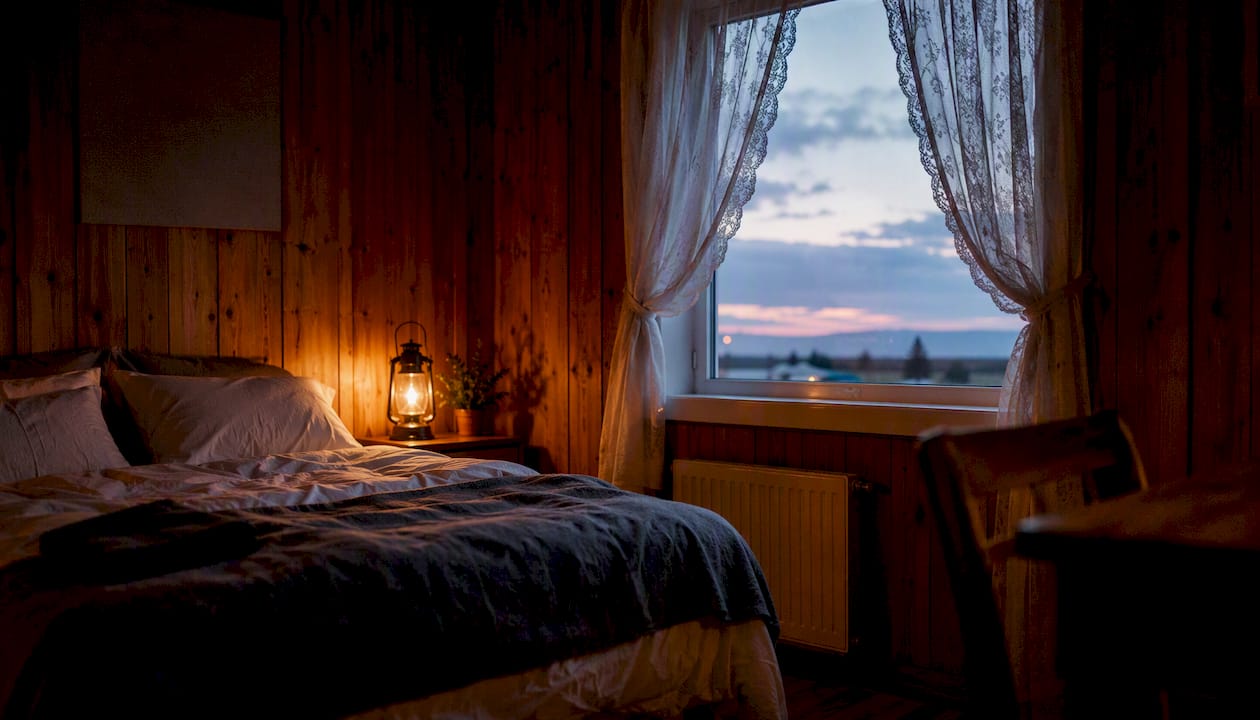
Hotels offer the most predictable experience: private rooms, consistent service, and usually a restaurant on-site. They cost significantly more, especially in peak season, and they’re concentrated in the larger towns (Reykjavík, Akureyri, Höfn). For couples or families who prioritize comfort over cost, they’re the obvious choice.
Farm stays are one of Iceland’s genuinely distinctive options. You sleep on a working farm, often with horses grazing outside the window, and the hosts usually know the local area better than any guidebook. They tend to be off the main road, which means quieter nights and better Northern Lights odds. Booking windows are tight because most farms have only 3–6 rooms.
Campervans and campsites make sense for 10+ day trips in summer (roughly June through August). Iceland’s campsite network is well-developed, and a campervan removes the nightly booking pressure entirely. Outside summer, campsites close and temperatures make van life genuinely uncomfortable. Note that wild camping is restricted in Iceland — use designated sites.
| Hostel/Dorm | Guesthouse | Hotel | Farm Stay | Campervan | |
|---|---|---|---|---|---|
| Cost range | Budget | Budget–Mid | Mid–Splurge | Mid | Budget–Mid (van rental varies) |
| Best for | Solo, social travelers | Couples, families | Couples, comfort seekers | Slow travelers, couples | 10+ day summer trips |
| Parking | Usually available | Usually available | Varies by town | Always available | Always available |
| Kitchen access | Communal kitchen | Sometimes | Rarely | Sometimes | Full kitchen in van |
| Best booking window | 4–8 weeks ahead | 6–10 weeks ahead | 3–4 months ahead (peak) | 2–3 months ahead | Book van 3–4 months ahead |
| Social atmosphere | High | Low–Medium | Low | Low–Medium | Self-contained |
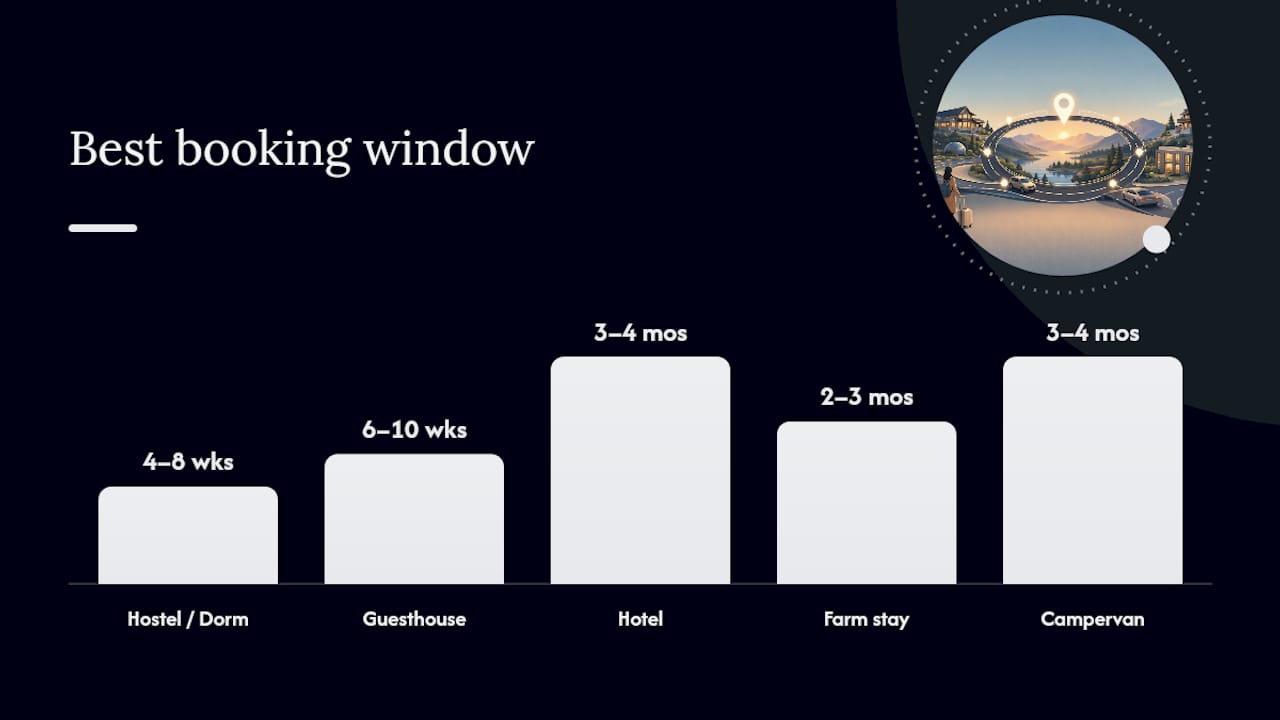
For a deeper look at why hostels specifically work well for adventure travelers on a budget, the role of budget accommodation for adventure travelers is worth reading before you decide.
When should you book, and is the full Ring Road safe year-round?
Booking timeline:
- June–August (peak): Book 3–4 months ahead for Vík, Höfn, and Akureyri. These towns fill fastest in peak season, and last-minute options in the southeast are often nonexistent by May.
- May and September (shoulder): 4–6 weeks ahead is usually sufficient, though the southeast still warrants earlier booking.
- October–April (winter): Book 2–4 weeks ahead for the south; many northern properties close entirely.
The seasonal safety reality:
Winter driving on the full Ring Road — roughly October through April — is often hazardous or outright impassable in the north and east. Ice, blizzards, and F-road closures can strand travelers for days. Winter Ring Road trips should be restricted to the South Coast and the Jökulsárlón area, where roads are more reliably maintained and services stay open.
That’s not a reason to avoid Iceland in winter — the Northern Lights, the snow-covered landscapes, and the smaller crowds make it genuinely special. But the itinerary has to match the conditions.
Where to check before you drive:
- Road: Real-time road conditions, closures, and surface status for every road in Iceland. Check it every morning before you leave your accommodation.
- SafeTravel: Official travel advisories from the Icelandic Association for Search and Rescue. Register your itinerary here so rescue teams know your plan.
- Icelandic Meteorological Office (vedur.is): Hour-by-hour weather forecasts for specific regions. Wind and visibility matter as much as temperature on the Ring Road.
The southeast section — Vík to Jökulsárlón — should be booked before any other leg, both for availability and because it’s the stretch where weather conditions change fastest. A storm that closes the road between Vík and Höfn can add an unplanned night to your stay, so having a flexible cancellation policy on that leg is worth the extra cost.
For off-season travel inspiration and how booking timelines shift outside peak months, Scotland’s off-season travel approach offers a useful parallel from another northern Atlantic destination.
A practical 7-day Ring Road plan with drive times
This plan runs counter-clockwise (south coast first), which is the most tour-friendly direction and the one with the best infrastructure for first-timers.
-
Day 1 — Reykjavík: Arrive, sort gear, pick up your rental car. Drive time: 0. Sleep in Reykjavík. Book a city hostel or mid-range hotel near the BSÍ bus terminal for easy morning departure.
-
Day 2 — Reykjavík to Vík: 2.5–3 hours driving. Stop at Seljalandsfoss and Skógafoss waterfalls en route. Arrive in Vík by late afternoon to catch Reynisfjara before sunset. Sleep in Vík or just east of it.
-
Day 3 — South Coast / Glacier Country: 2–3 hours driving. Morning at Dyrhólaey (arrive before 9 AM for puffins in summer), then east toward Skaftafell. Afternoon hike at Vatnajökull National Park. Sleep near Skaftafell or Hali for early Diamond Beach access.
-
Day 4 — Jökulsárlón to Höfn: 1–1.5 hours driving. Sunrise at Diamond Beach, then the glacier lagoon boat tour. Afternoon drive to Höfn. Sleep in Höfn. This is the shortest driving day — use the extra time at the lagoon.
-
Day 5 — Höfn to Egilsstaðir: 2.5–3.5 hours driving (longer through the East Fjords). The fjord road is slow and beautiful — budget for stops. Sleep in Egilsstaðir.
-
Day 6 — Egilsstaðir to Akureyri: 2.5–3 hours driving. Stop at Dettifoss or Goðafoss depending on your route. Arrive in Akureyri by early evening. Sleep in Akureyri — this is the night to book a proper restaurant.
-
Day 7 — Akureyri to Borgarnes or Reykjavík: 3–4 hours driving. Optional stop at Hraunfossar or Deildartunguhver hot spring en route. Sleep in Borgarnes if you’re adding Snæfellsnes the next day, or push back to Reykjavík if the trip ends here.
Optional detours to add if you have buffer nights:
- Diamond Circle (Húsavík, Ásbyrgi, Dettifoss): Add 1 night in Akureyri or Húsavík
- Snæfellsnes peninsula: Add 2 nights in Borgarnes or on the peninsula itself
- Landmannalaugar Highlands: Add 1 night; requires a 4WD and a summer window
For sunrise-sensitive stops: Plan to sleep within 30 minutes of Reynisfjara, Diamond Beach, and Goðafoss the night before you visit. Arriving the previous evening rather than the morning of is the single most reliable way to beat the crowds. The 7-day Ring Road itinerary guide from Fox Hostel maps this in more detail with South Coast-specific timing.
Fox Hostel: a strong South Coast base for social and budget travelers
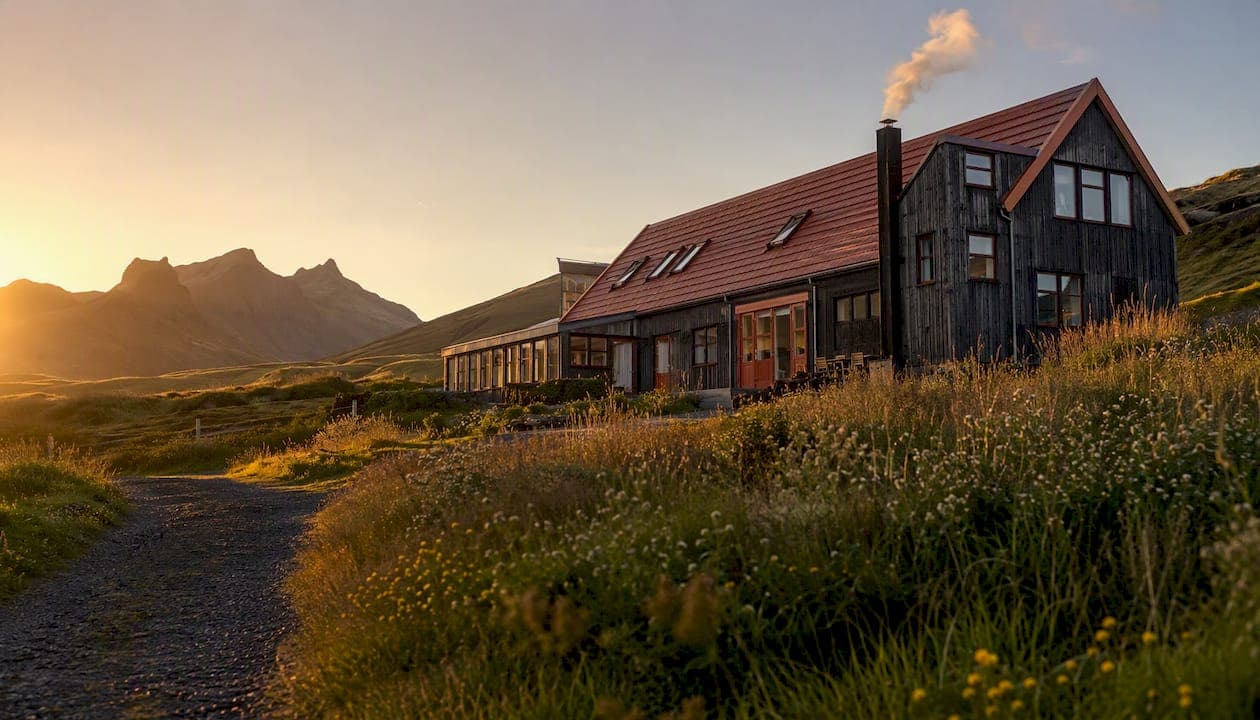
Fox Hostel sits in Hrífunes Nature Park, about 35 minutes east of Vík, which puts it almost exactly midway between Vík and Kirkjubæjarklaustur. That position is genuinely useful: you’re close enough to Vík to reach Reynisfjara and Dyrhólaey in the morning, and far enough east to get a head start on glacier country the next day.
What the property offers:
- Dorm-style rooms in a converted traditional Icelandic barn
- Individual bed bookings for solo travelers; full room buyouts for couples, families, or groups who want privacy
- A large communal kitchen — fully equipped, which matters when restaurant options thin out east of Vík
- An on-site pizzeria for nights when cooking isn’t happening
- Dark skies and open countryside, which makes it one of the better spots on the South Coast for Northern Lights viewing
Who it suits best:
- Solo backpackers who want to meet other travelers on the same route
- Small groups or couples willing to buy out a dorm for private use at a lower cost than a hotel
- Anyone doing a ring road south itinerary who needs a base that’s genuinely between the South Coast’s two main clusters of attractions
Pro Tip: Book Fox Hostel for the night before you plan to visit Jökulsárlón. The midpoint location means you’re already 35 minutes ahead of travelers sleeping in Vík, which translates directly into earlier arrival at Diamond Beach before the light changes.
Fox Hostel is operated by the publisher of this guide. That’s disclosed here because it’s relevant: the recommendation is based on location, amenities, and booking flexibility, not just proximity to the publisher. For more on what social hostel stays look like on the South Coast, the boutique hostel guide covers the format in detail.
Why the hub-first approach actually works
Most Ring Road itineraries fail the same way: travelers try to see everything and end up driving four hours a day, arriving after dark, and missing the morning light at every major attraction. The hub approach fixes that by anchoring each night to the next morning’s highlight rather than the previous day’s last stop.
The move-every-night format works well for 7–8 day trips where the route is tight and every hub is genuinely different. For 10+ day trips, two nights in Akureyri and two in Snæfellsnes reduce the daily packing fatigue considerably. The travelers who struggle most are the ones who try to do a 10-day itinerary in 7 days — they see the same sights but remember the driving more than the destinations.
One thing worth saying plainly: the southeast section is where most Ring Road trips either succeed or fall apart logistically. Booking Vík, Skaftafell/Hali, and Höfn early — before you book anything else — is the single most important planning decision you’ll make. Everything else on the route has more supply and more flexibility.
Book your South Coast night at Fox Hostel
Fox Hostel is the affordable, social alternative to the small guesthouses and pricier hotels that dominate the stretch between Vík and Kirkjubæjarklaustur. The converted barn setting, on-site pizzeria, and communal kitchen mean you’re not dependent on the limited restaurant options in the area after a long driving day. Solo travelers book a single bed; groups or couples can buy out an entire room for full privacy at a fraction of a hotel rate.

The publisher operates Fox Hostel, which is why it appears in this guide. The recommendation stands on its own: the midpoint location between Vík and Klaustur is genuinely useful for South Coast itineraries, and the booking flexibility is rare at this price point on the Ring Road.
Check live availability and book your South Coast stay at Fox Hostel directly. Individual beds and full room buyouts are both available, and the booking page shows real-time availability so you know exactly what’s open for your dates.
Sources
Before you finalize any Ring Road itinerary, run through these official resources:
- Where to Stay on Iceland’s Ring Road: 2026 Strategic Guide - Caitlyn’s Adventures
- Where to Stay in Iceland: A Region by Region Guide - FindingTheUniverse
- Accommodation in Iceland: Where to stay on the Ring Road and beyond - Retkee
- Iceland in 7 Days: The Perfect Ring Road Itinerary | IcelandicTravelTips
- Where to Stay Along Iceland’s Ring Road: Hotels or Airbnbs? - Love At First Flight Travel
- 7 Day Iceland Ring Road Itinerary (After 4 Weeks Driving It) - FindingTheUniverse
For small guesthouses and farm stays, always cross-reference the property’s verified traveler rating on a major booking platform before confirming. Official star ratings in Iceland don’t capture what actually matters on a road trip — communication speed, parking availability, and kitchen access tell you far more.
Recommended
- Checklist para tu viaje por la Ring Road 2026 | Fox Hostel – South Iceland
- Descubre el rol clave de los hostels en la Ring Road | Fox Hostel – South Iceland
- Imperdibles de la ruta Ring Road: guía 2026 | Fox Hostel – South Iceland
- Iceland’s Ring Road Itinerary: 7 Days, Full Loop | Fox Hostel – South Iceland