Why Hostels Attract Nature Lovers: Access, Affordability, Community
Why Hostels Attract Nature Lovers: Access, Affordability, Community
TL;DR:
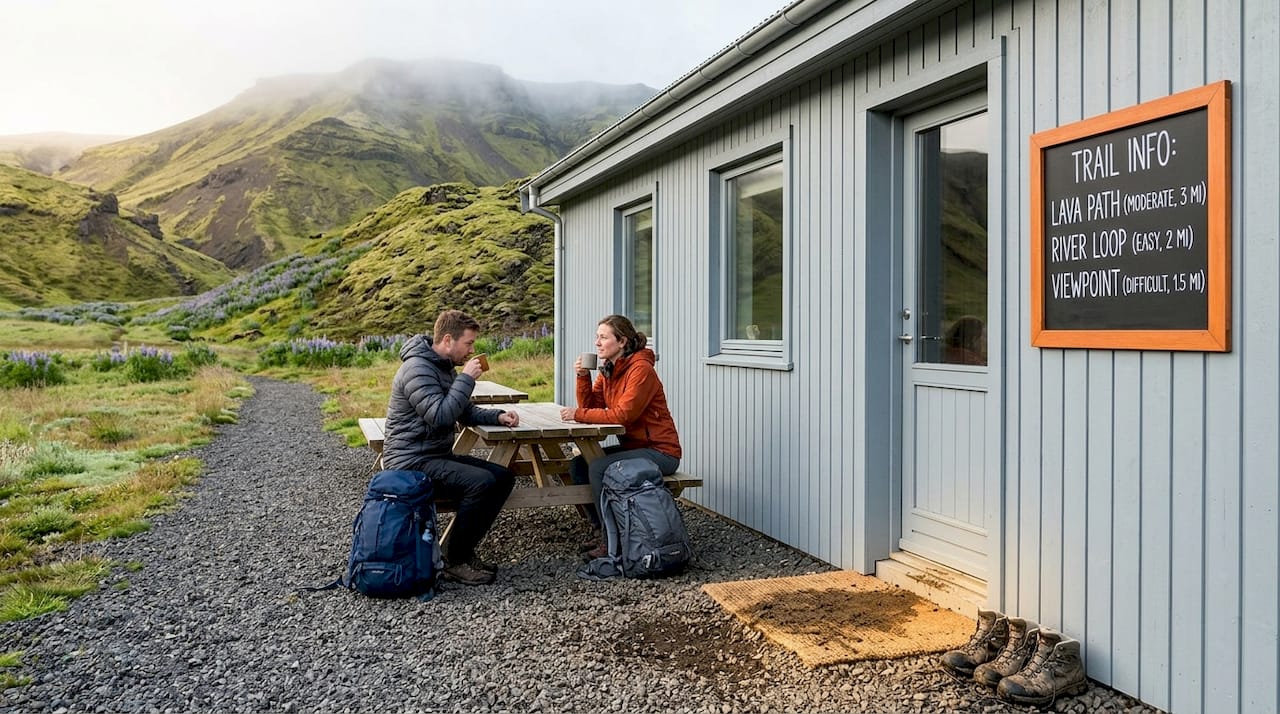
- Hostels in South Iceland are located close to natural attractions, offering immediate access and saving travel time.
- They are more affordable than hotels, allowing travelers to fund outdoor adventures and experiences.
- Social hostel environments foster connections, community, and local insights, enriching the travel experience.
There’s a persistent idea floating around travel forums: that experiencing South Iceland’s raw, volcanic landscapes properly requires a hotel room with a mountain view or a cozy lodge with a private hot tub. It’s understandable. Iceland feels grand, almost cinematic, and people assume grand scenery demands expensive lodging to match. But that assumption quietly strips away some of the best parts of travel. Hostels in South Iceland are quietly rewriting the rulebook, offering nature lovers better access, more flexibility, and a richer social experience than most hotels can provide at twice the price.
Table of Contents
- How hostels put stunning nature at your doorstep
- Travel more, spend less: How hostel affordability supports adventure
- Finding your crew in the wild: Hostels as nature-focused social hubs
- Expert staff, inside knowledge: Why guidance matters
- Who thrives (and who doesn’t) in nature hostels
- The misunderstood charm of nature hostels: A deeper look
- Ready to experience South Iceland’s nature with like-minded travelers?
- Frequently asked questions
Key Takeaways
| Point | Details |
|---|---|
| Immediate access to nature | Hostels in South Iceland place you steps from trails, parks, and landscapes. |
| Budget travel made easy | Hostels slash lodging costs, letting you spend more on adventures. |
| Community for explorers | Social spaces make it simple to meet fellow nature lovers and join group activities. |
| Expert local guidance | Hostel staff share inside info and organize nature-centric experiences you might miss on your own. |
How hostels put stunning nature at your doorstep
One of the most overlooked advantages of staying in a hostel is pure geography. Hotels and boutique lodges in South Iceland tend to cluster around Reykjavík or charge premium rates precisely because they sit near famous landmarks. Hostels, by contrast, are often planted deep in the countryside, close to the trails, waterfalls, and black sand shores that travelers come here to see.
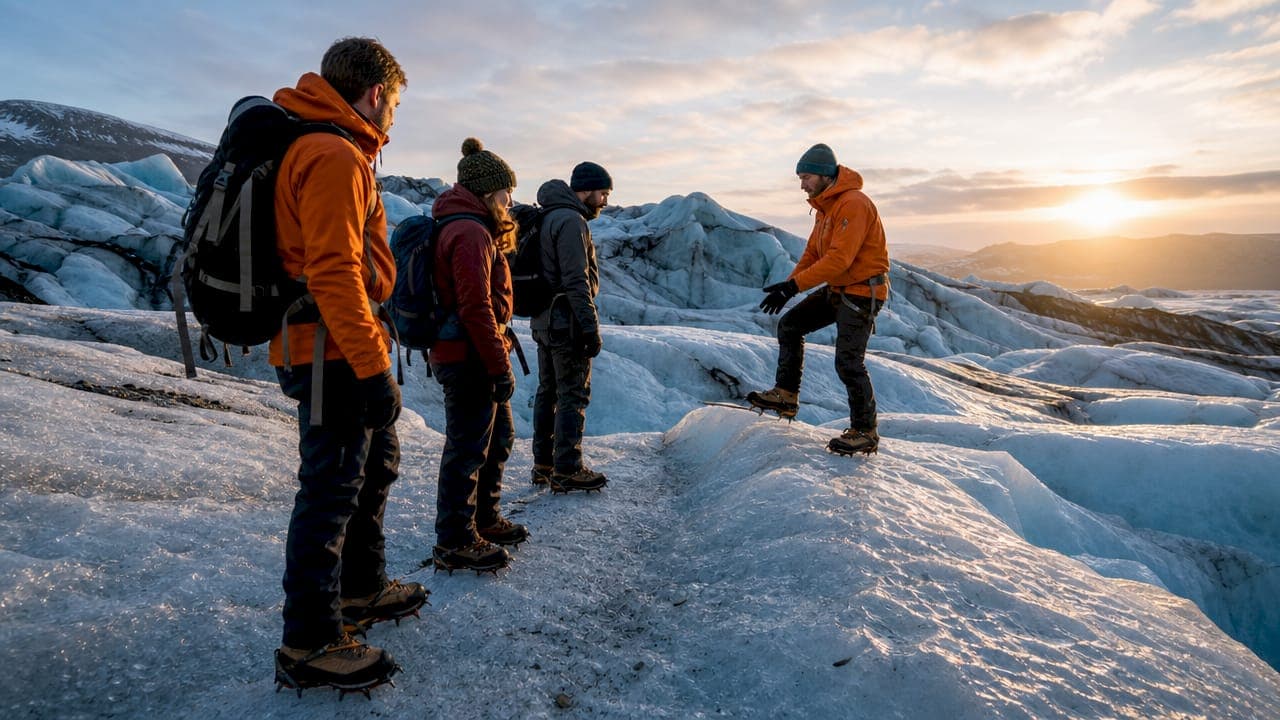
Nature hostels in Iceland are frequently positioned near national parks, coastal paths, and geological wonders, so guests step outside and find themselves already inside the experience. That proximity is not a small thing. When your accommodation is 35 minutes from Reynisfjara Black Sand Beach instead of two hours from Reykjavík, your entire day shifts. You catch golden hour light at Dyrhólaey without a four-alarm wake-up. You reach the waterfall before the tour buses arrive.
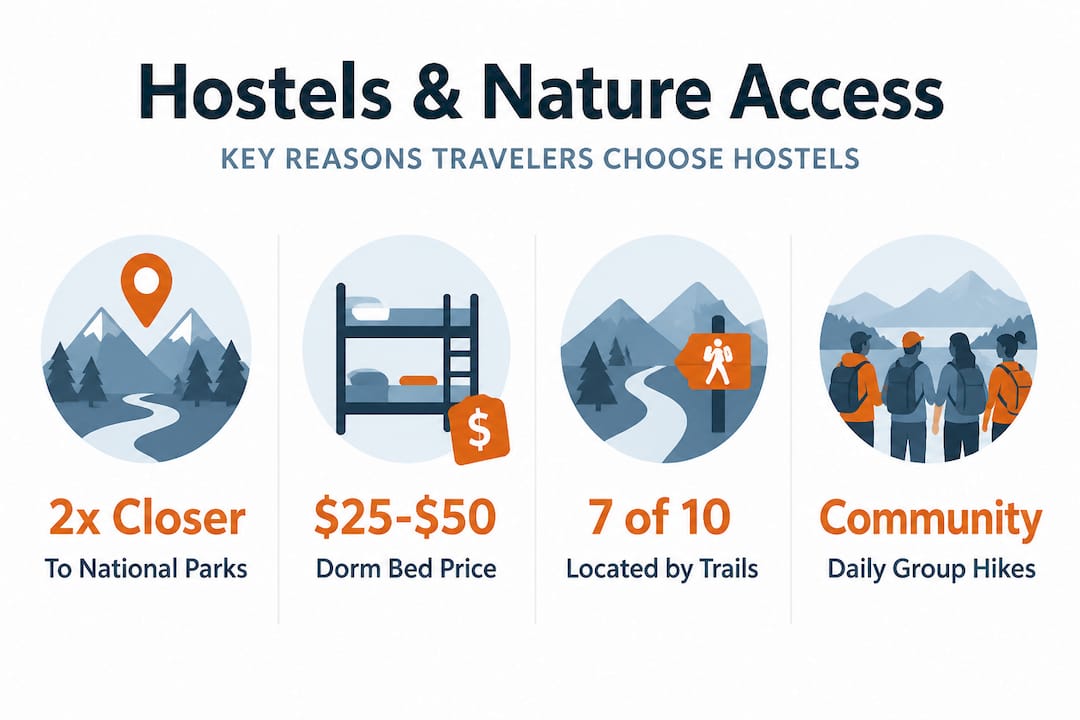
As research from the National Park Guide confirms, hostels attract nature lovers through prime locations near parks, trails, and natural attractions, providing immediate access to immersive countryside experiences. That immediacy is the product, not just a bonus feature.
| Destination | Typical hostel distance | Typical hotel distance (Reykjavík) |
|---|---|---|
| Reynisfjara Black Sand Beach | 35 min | 2.5 hrs |
| Dyrhólaey Arch | 30 min | 2.5 hrs |
| Vatnajökull National Park | 2 hrs | 4+ hrs |
| Jökulsárlón Glacier Lagoon | 2.5 hrs | 4.5 hrs |
| Skógafoss Waterfall | 1 hr | 2 hrs |
The distance difference compounds over a multi-day itinerary. Two hours saved each morning means two more hours on a glacier or inside a sea cave.
Pro Tip: When choosing a hostel for a South Iceland road trip, check its exact Ring Road position before booking. A hostel midway between Vík and Kirkjubæjarklaustur gives you a massive head start on eastbound day trips while keeping Vík’s services within easy reach.
Travel more, spend less: How hostel affordability supports adventure
Once location is settled, cost quickly becomes a key factor, especially for extended stays in Iceland’s countryside. Iceland has a well-earned reputation for being expensive. Groceries cost more. Fuel costs more. Tours cost more. But your accommodation does not have to follow that pattern.
Hostel room types in Iceland range from traditional dorm beds to full room buyouts, and the price gap compared to hotels is significant. Dorm beds in South Iceland typically run $25 to $50 per night. A mid-range hotel room in the same region can easily cost $180 to $300 or more during peak season. That gap matters enormously when you plan an itinerary around real adventure activities.
According to data on hostel pricing, dorm beds at $25 to $50 versus expensive park lodges and hotels means hostels cut costs by up to 35% in South Iceland, freeing up budget for the experiences that actually define your trip.
| Accommodation type | Average nightly cost (South Iceland) | Weekly total |
|---|---|---|
| Hostel dorm bed | $30 to $45 | $210 to $315 |
| Mid-range hotel room | $180 to $280 | $1,260 to $1,960 |
| Boutique lodge | $250 to $400 | $1,750 to $2,800 |
Here’s what that savings actually buys you:
- Glacier hike on Sólheimajökull ($85 to $120 per person)
- Snorkeling in Silfra fissure ($100 to $150 per person)
- Guided puffin and sea cave boat tour ($70 to $95 per person)
- Northern Lights jeep tour ($90 to $140 per person)
- South Coast full-day guided tour ($130 to $200 per person)
By choosing a hostel dorm over a hotel for one week, you generate enough savings to fund three or four of those experiences. That changes what your trip actually looks like in your memory afterward.
Pro Tip: Hostel rates in South Iceland drop noticeably in the shoulder seasons, typically late September through early November and February through March. You still get dramatic landscapes, and you may even catch the Northern Lights with far fewer crowds competing for the same dark sky views.
Finding your crew in the wild: Hostels as nature-focused social hubs
Stretching your budget offers more activity options, but real transformations happen in a hostel’s vibrant social atmosphere. This is where the hostel experience genuinely separates itself from anything a hotel lobby can offer.
Research shows that 93% of solo travelers choose hostels specifically to meet people. That is not a small preference. It is the primary motivation. And in a place like South Iceland, where a trail into the highlands can feel remote and even isolating, having a group of enthusiastic, like-minded travelers around you transforms that experience entirely.
“Hostels act as social hubs for meeting like-minded adventurers, sharing trail tips, finding hiking buddies, and joining group activities. The community that forms inside a hostel is often the thing travelers remember most.” — National Park Hostel Guide
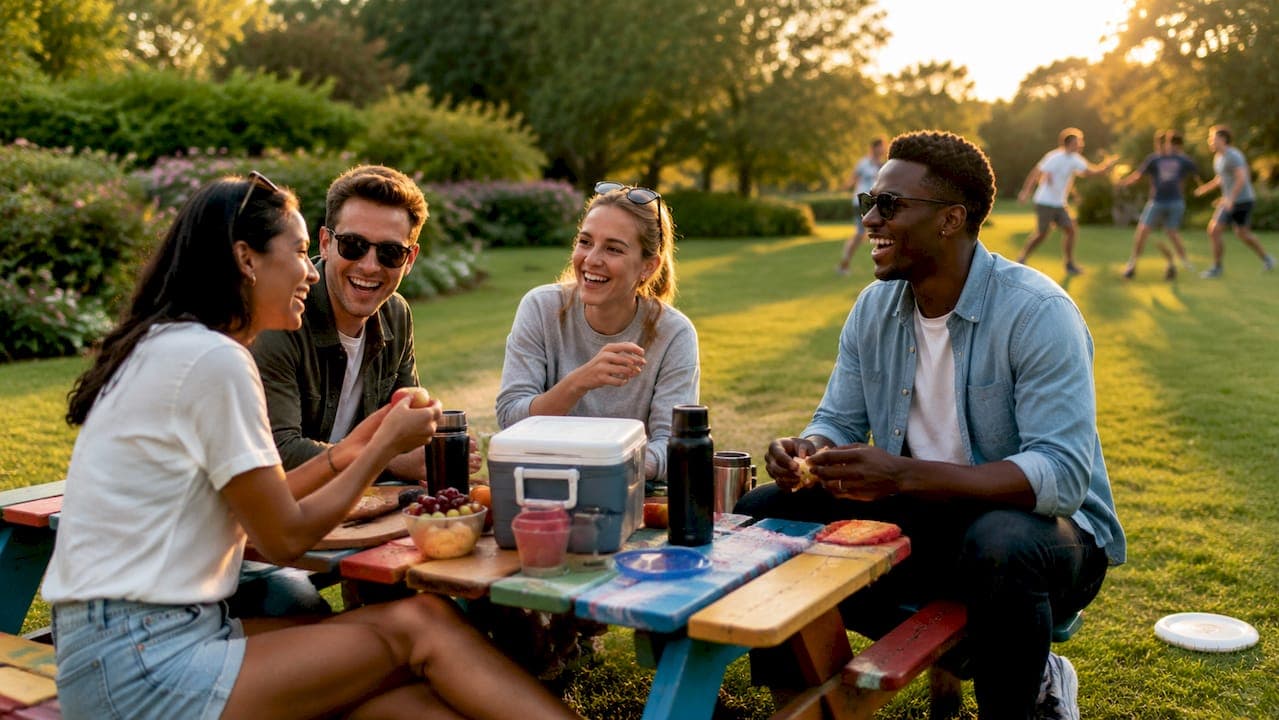
The shared hostel spaces at well-designed facilities become natural gathering points. Think about what happens in a large communal kitchen at 7 AM when eight people are all packing lunches for different trails. Someone mentions they found an unmarked viewpoint above the glacier. Someone else overheard a local talking about a beach with no crowds. Within minutes, plans shift, groups form, and strangers become travel companions for the day.
Common activities that emerge organically from social hostel experiences in South Iceland include:
- Shared kitchen meals where travelers swap local ingredient tips and recipes
- Group sunrise runs to viewpoints before the tourists arrive
- Impromptu Northern Lights watches where one person wakes the group when the sky activates
- Coordinated carpooling to split fuel costs to remote destinations
- Campfire storytelling about trail discoveries and close calls with Icelandic weather
The social layer of a hostel stay isn’t just pleasant. It’s protective. Solo travelers gain confidence knowing others have their back on unfamiliar trails. Social hostels in Iceland actively cultivate these connections, and the result is a kind of collaborative travel that no hotel can replicate.
Expert staff, inside knowledge: Why guidance matters
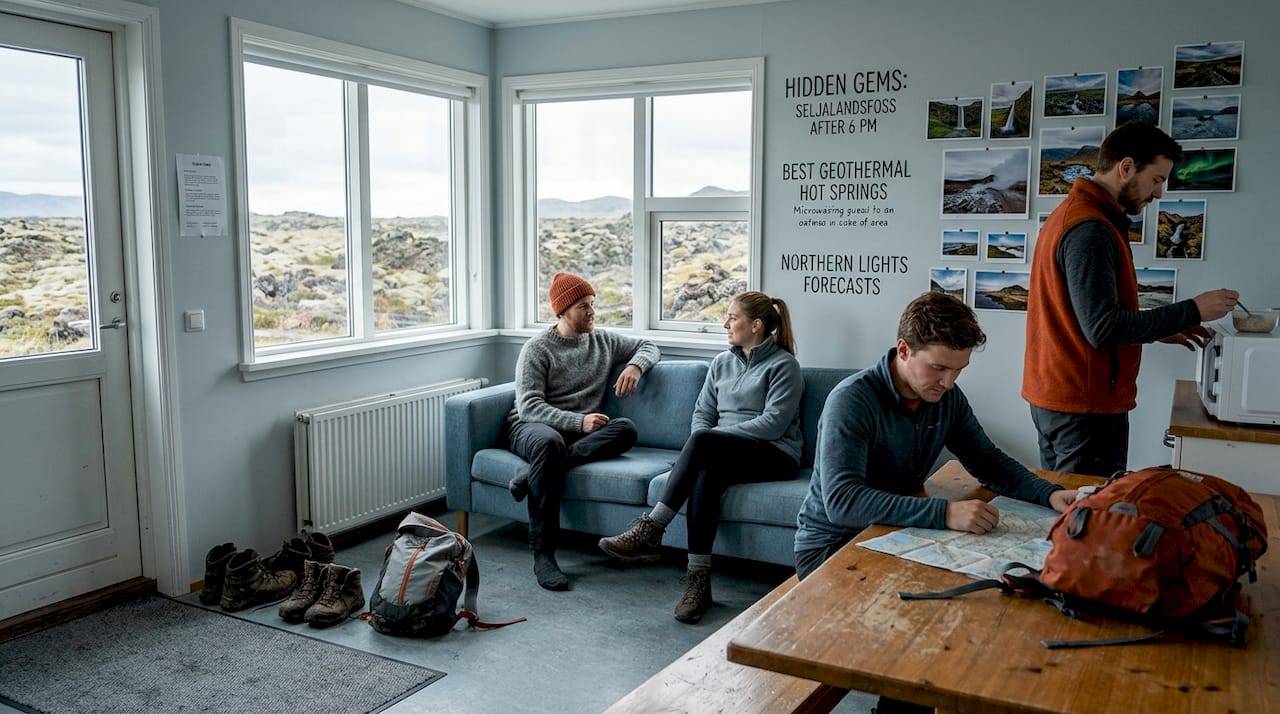
After community, it’s clear that in-depth local insight makes the real difference between an average trip and an extraordinary one. Hotel concierges are useful. Hostel staff are something else entirely. They often live in the area, hike the trails on their days off, and know which waterfall is accessible after the Tuesday snowmelt versus which one gets too icy to safely reach.
As confirmed by hostel travel research, expert staff provide insider tips on trails, conditions, and hidden gems, and hostels actively organize tours and shuttles for genuine nature immersion. This is not generic tourist-board advice. It’s real intelligence from people who spent last Sunday on the same path you’re considering tomorrow.
Here’s what a great hostel team typically does for nature travelers:
- Provide real-time weather and trail condition updates so you don’t attempt a highland route during dangerous gusts
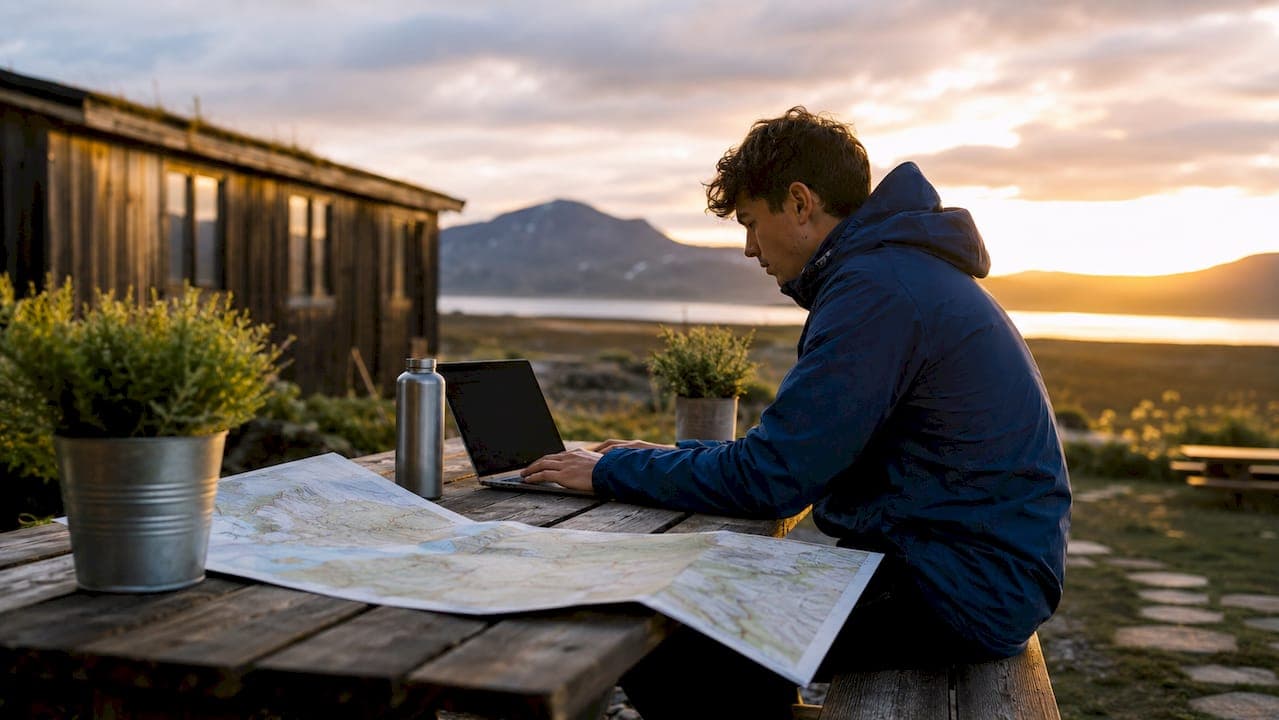
- Sketch personalized maps with marked photo spots, safe crossing points, and local shortcuts
- Arrange or recommend shuttles to trailheads without parking, saving you the stress of driving unfamiliar mountain roads
- Connect you with local guides who offer small-group experiences not advertised online
- Alert you to seasonal events like puffin nesting season, glacier calving activity, or aurora forecasts for the coming nights
Pro Tip: Always ask hostel staff directly about “the place you’d take a friend who’s never been here.” That framing consistently produces the most honest, enthusiastic local recommendations rather than the rehearsed tourist-trail suggestions.
The hostel etiquette guide covers how to interact respectfully within these shared spaces, including how to build genuine relationships with staff without monopolizing their time when they’re busy managing multiple guests.
Who thrives (and who doesn’t) in nature hostels
Understanding the people and choices shapes the final piece: how to pick the perfect hostel for your situation. The honest answer is that hostels are not for everyone, and acknowledging that upfront is important.
Research from experienced travelers confirms that hostels aren’t ideal for privacy seekers or light sleepers, since shared rooms can include snoring, early risers, and late arrivals. However, private rooms and mixed dorm options are increasingly available and suit solo travelers, couples, and families who still want the community environment without fully shared sleeping spaces.
Who genuinely thrives in nature hostels:
- Solo adventurers who want social safety, shared resources, and company for remote hikes
- Budget-conscious couples who value experiences over private hotel rooms and are open to meeting others
- Flexible families who want kids to interact with international travelers in a safe, structured environment
- Long-term road-trippers who plan multi-week Ring Road journeys and need affordable, reliable stops
- First-time Iceland visitors who benefit enormously from staff knowledge and traveler word-of-mouth
Who may want to consider alternatives or explore private hostel rooms:
- Travelers who need absolute silence for medical or health reasons
- Those who travel with significant personal equipment needing dedicated storage
- Guests expecting hotel-level service and individual attention at all hours
The good news for those with some privacy needs is that many hostels, including premium countryside options in South Iceland, now offer room buyout possibilities. You get a dorm-style space entirely to yourself or your group, keeping the communal kitchen and social areas available while sleeping privately. Explore hostel room types that match your group size before booking to avoid surprises.
The misunderstood charm of nature hostels: A deeper look
Here’s something the travel industry rarely admits: staying in a hotel while trying to “experience Iceland” is quietly self-defeating for many travelers. Hotels by design create separation. They wrap you in a private, comfortable bubble that insulates you from the very rawness you came to feel. You see the glacier through glass. You hear the wind from behind a thick wall. You eat a set-menu breakfast surrounded by other people doing the same thing in organized silence.
Hostels do the opposite. They push you into contact with the environment and with each other, and that friction is the point. We have watched travelers arrive at Fox Hostel in Hrífunes Nature Park looking tired from Reykjavík’s polished tourist circuit, and within one evening in the communal kitchen, they’re trading waterfall coordinates and planning a 5 AM Northern Lights watch together. That is not a hotel experience. That is not available at any price point in a boutique lodge.
The deeper truth is that nature connection is amplified by shared experience. Standing alone under the aurora borealis is breathtaking. Standing there with four people you met three hours ago, all of you speechless, is something entirely different. It becomes a story you retell for years rather than a photo you post once.
We also see travelers who’ve spent years assuming hostels are a compromise find themselves genuinely converted. The infrastructure at modern nature hostels for adventure has evolved dramatically. Fully equipped kitchens, on-site food options, dark sky access for aurora viewing, and knowledgeable local staff are not “budget” features. They are the right features for this kind of travel.
The travelers who struggle with the hostel model are usually those who arrive expecting a hotel and haven’t shifted their mindset. The ones who thrive come in curious, open, and ready to talk to the person at the next bunk. Iceland rewards exactly that attitude.
Ready to experience South Iceland’s nature with like-minded travelers?
If everything above resonates with how you like to travel, Fox Hostel was built with you specifically in mind. Sitting inside Hrífunes Nature Park in a beautifully converted traditional Icelandic barn, just 35 minutes east of Vík, it is one of the most strategically located and genuinely social hostels on the entire South Coast.

Whether you’re booking a single bed as a solo traveler or buying out an entire room for your group, Fox Hostel in South Iceland offers the flexibility to make it work for your situation. The on-site pizzeria and massive communal kitchen fuel long trail days. The dark skies above Hrífunes make Northern Lights nights genuinely spectacular. And the staff bring the kind of local knowledge that turns a good itinerary into an unforgettable one. Browse budget-friendly nature hostels on the journal, or go straight to the room options at Fox Hostel to find your fit and start planning your South Iceland adventure today.
Frequently asked questions
Are hostels in South Iceland safe for solo travelers?
Yes, hostels offer secure, social environments with staff support, making them a popular and practical choice for solo nature travelers. Research shows that 93% of solo travelers choose hostels specifically for the community and safety they provide.
Can I book a private room in a nature hostel?
Yes, most hostels now offer private rooms or room buyout options for couples and privacy seekers, especially across South Iceland. As experienced hostel travelers note, mixed and private options make hostels accessible even for those who prefer not to share a sleeping space.
Do hostels organize tours to Iceland’s natural attractions?
Many hostels actively coordinate tours, shuttle services, and personalized trail guidance for nearby nature destinations. Hostel staff expertise includes arranging nature immersion experiences that go well beyond what standard hotel concierge services typically offer.
Are hostels good for families or only solo and young travelers?
Nature hostels in South Iceland welcome families, couples, and groups of all ages, with multiple room configurations and community-centered spaces designed for diverse traveler types. As research confirms, the hostel model suits anyone open to shared spaces and community connection, regardless of age or travel style.
Recommended
- Discover nature hostels: budget-friendly adventure in Iceland | Fox Hostel – South Iceland
- Shared hostel spaces: affordable adventure & community | Fox Hostel – South Iceland
- Why choose hostels on Iceland’s South Coast in 2026 | Fox Hostel – South Iceland
- What Is a Modern Hostel? Features, Trends & Benefits | Fox Hostel – South Iceland