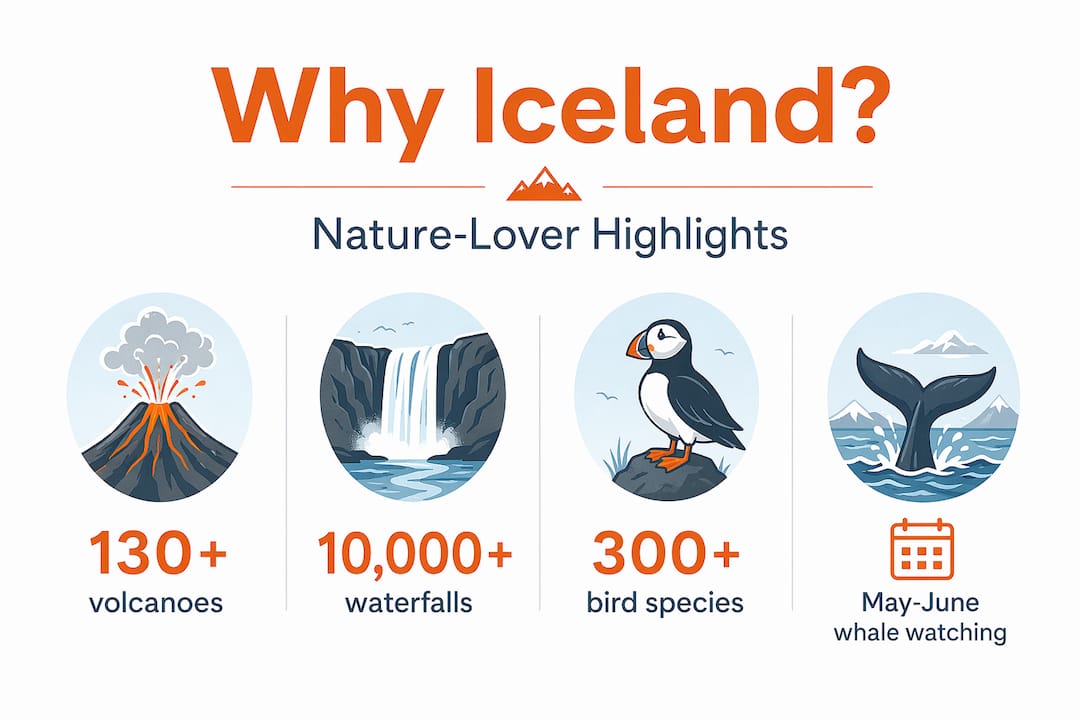
Why Iceland is perfect for nature lovers
Why Iceland is perfect for nature lovers
TL;DR:
- Iceland provides a unique concentration of volcanoes, glaciers, and wildlife within a compact island, making it ideal for nature lovers. Visiting during spring offers milder weather, fewer crowds, and excellent wildlife viewing opportunities, especially for hiking and birdwatching. Strategically staying in well-placed hostels like Fox Hostel enhances immersion by allowing layered exploration of diverse ecosystems on a single trip.
Few destinations on Earth reward a nature lover the way Iceland does. While most countries offer one or two headline landscapes, Iceland stacks them on top of each other: active volcanoes, ancient glaciers, roaring waterfalls, steaming geothermal pools, and coastal wildlife all within a single compact island. That is exactly why Iceland for nature lovers is not just a good option, it is the option. This guide covers the places that matter most, from the rainbow-colored highlands of Landmannalaugar to the quiet canyon walls of Fjardargljufur, plus the practical intel you need to actually get there.
Table of Contents
- Why Iceland’s landscape is a nature lover’s dream
- When to explore Iceland’s nature: the magic of the shoulder season
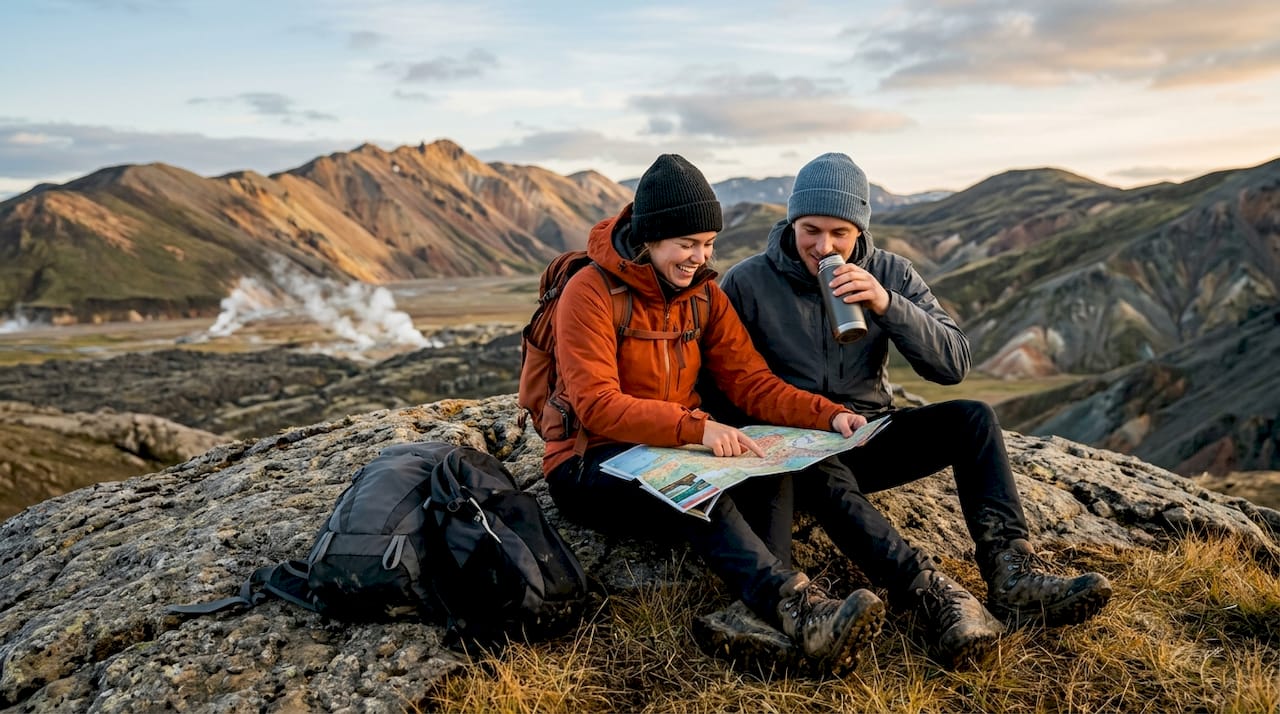
- Landmannalaugar: the colorful highland hotspot
- Fjardargljufur canyon: quiet beauty near Vik
- Exploring Eldgja and Thakgil: hidden gems for adventure lovers
- Practical tips and logistics for experiencing Iceland’s nature
- Rethinking nature travel in Iceland: layering landscapes for deeper immersion
- Book your nature adventure stay with Fox Hostel in South Iceland
- Frequently asked questions
Key Takeaways
| Point | Details |
|---|---|
| Diverse landscapes | Iceland combines volcanoes, glaciers, waterfalls, geothermal areas, and wildlife in one accessible destination. |
| Best travel season | Spring and early summer offer excellent hiking conditions with long daylight and active wildlife. |
| Landmannalaugar access | Landmannalaugar is reachable only in summer via F-roads requiring 4x4 vehicles, so plan accordingly. |
| Fjardargljufur hike | The canyon hike is short and scenic, ideal for easy nature stops near Vik. |
| Plan logistics well | Use scheduled buses and check road conditions to navigate Iceland’s nature spots smoothly. |
Why Iceland’s landscape is a nature lover’s dream
Iceland does something no other destination quite manages: it gives you volcanoes, glaciers, and wildlife in a single road trip. The island sits on the Mid-Atlantic Ridge, which means geological activity is not a distant backstory, it is happening right now. Drive 30 minutes in any direction on the South Coast and the landscape shifts completely.
Here is what makes Iceland nature attractions genuinely different from every other “great outdoors” destination:
- Volcanic highlands like Landmannalaugar and Eldgja offer lunar terrain with colors you have never seen in nature
- Glacial lagoons like Jökulsárlón give you icebergs floating through calm black-sand bays
- Geothermal hot springs let you soak in 38°C (100°F) water surrounded by snow-covered lava fields
- Coastal cliffs at Dyrhólaey and Reynisfjara host thousands of nesting puffins each summer
- Moss-covered canyons like Fjardargljufur feel pulled from a fantasy film set
The best places in Iceland for nature are not scattered across an enormous continent requiring five connecting flights. Many of the top nature sites in Iceland sit within a two-hour drive of each other along the South Coast. For outdoor enthusiasts, that density of experience is almost unfair.
“Most people expect one wow moment per country. Iceland delivers one every 30 kilometers.”
Staying at thoughtfully located nature hostels in Iceland puts you within striking distance of multiple ecosystems in a single day, which matters more than most travelers realize when they are planning their itineraries.
When to explore Iceland’s nature: the magic of the shoulder season
Timing your trip right changes everything. Summer gets the attention, but spring is arguably the better season for longer daylight and milder weather, with hiking trails reopening and migratory seabirds returning from late March through May.
Here is how the seasons stack up for nature experiences in Iceland:
- Late March to May (spring): Crowds are thin, prices are lower, puffins start arriving by mid-April, waterfalls run hard with snowmelt, and you can hike most coastal and low-elevation trails
- June to August (summer): All F-roads open, midnight sun gives you 24-hour photography light, Landmannalaugar and the Laugavegur trail become accessible, but visitor numbers peak
- September (early fall): A second shoulder season with golden-hour light nearly all day, quieter trails, and the first Northern Lights appearing after 9 PM
- October to February (winter): Iceland wildlife watching spots are quieter, but Northern Lights viewing peaks and ice cave access opens at Vatnajökull
Pro Tip: If whale watching is on your list, plan around May and June. Humpback whales and minke whales arrive in Icelandic waters in large numbers during this window, and offshore conditions are typically calmer than winter.
For hikers specifically, Iceland in May threads the needle perfectly: enough daylight to hike big days, enough quiet to actually hear the landscape.
Landmannalaugar: the colorful highland hotspot
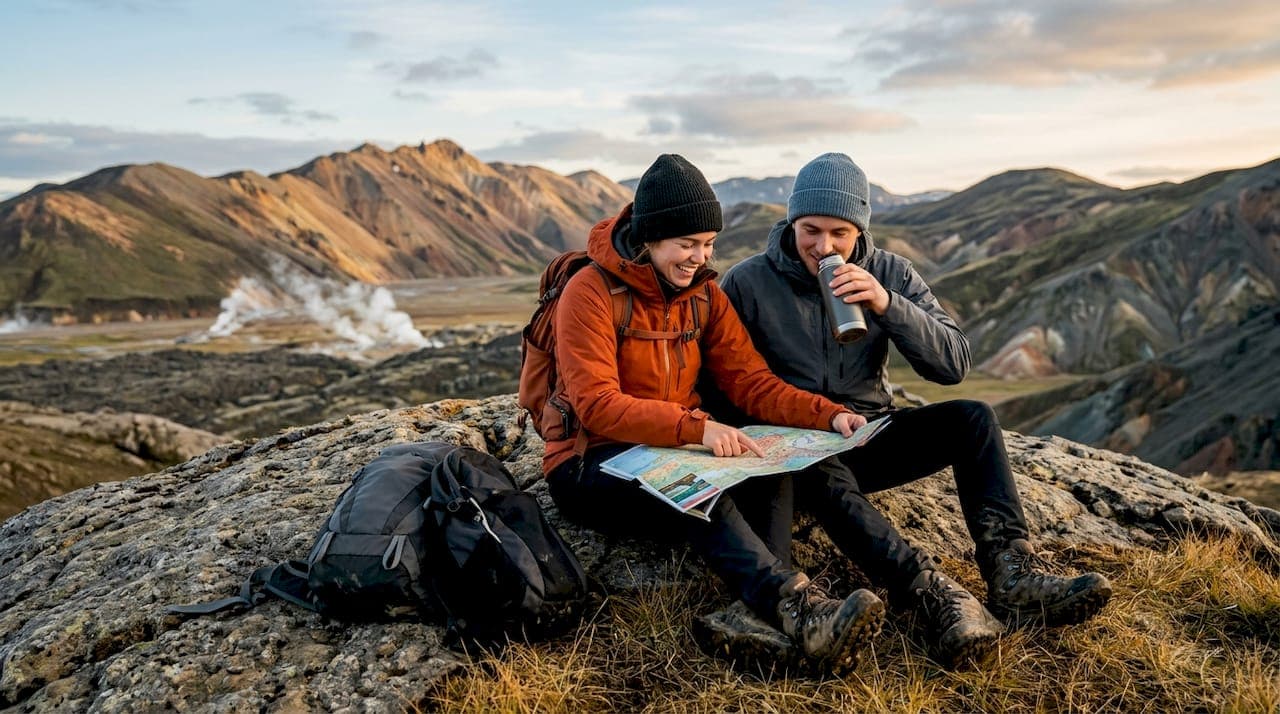
Nothing prepares you for Landmannalaugar the first time. The rhyolite mountains here shift from pink to sulfur yellow to mint green across a single ridgeline, a result of mineral-rich lava cooling at different rates over thousands of years. It is one of the most visually distinctive places on the planet, and most people have never heard of it.
Key facts and planning considerations for Landmannalaugar:
- The colors: Rhyolite rock in shades of red, orange, green, purple, and yellow cover the surrounding mountains
- The hot spring: A natural geothermal pool sits right at the base camp, perfect for a post-hike soak (free to use, bring a towel)
- The trail: Landmannalaugar is the northern trailhead of the famous Laugavegur trail to Þórsmörk, a four-day, 55 km route considered one of the world’s great hikes
- The access: F-roads are the only way in, and 4x4 vehicles are required with road opening dates varying by year and weather
- The timing: Realistically plan for mid-July onwards if driving yourself; highland bus services typically begin in late June
Pro Tip: Do not assume the F-road is open just because it was open last year at the same date. Check safetravel.is in real time before driving. River crossings on F208 can become impassable after heavy rain even mid-summer.
If you want to hike into the area without renting a 4x4, scheduled highland buses from Reykjavík run to Landmannalaugar during the summer season, making it one of the more accessible highland destinations despite the remote feel. For planning your base further south, hostel amenities in Iceland matter a lot when you are returning from a full highland day, a proper kitchen and a hot shower go a long way.
Fjardargljufur canyon: quiet beauty near Vik
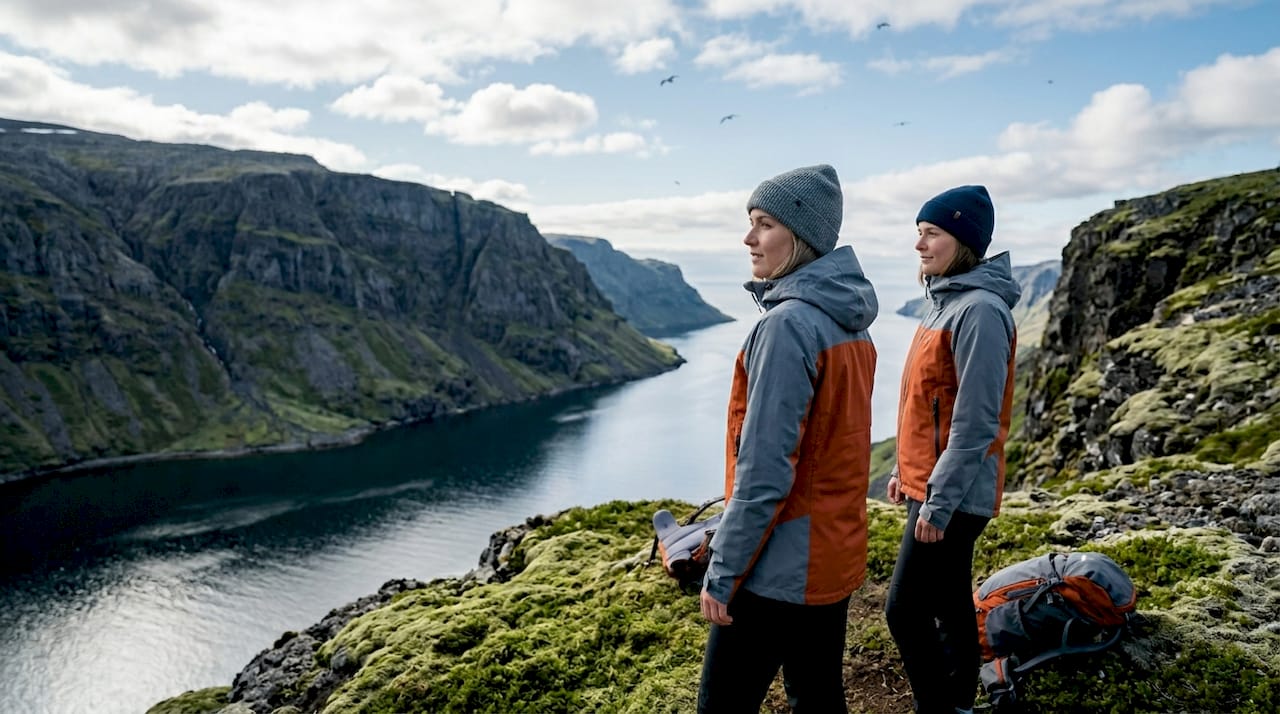
If Landmannalaugar is Iceland’s showiest landscape, Fjardargljufur is its quietest masterpiece. Located about 30 km east of Kirkjubæjarklaustur, this canyon was carved by glacial meltwater roughly 9,000 years ago and now cuts about 100 meters deep through basalt and sedimentary rock. The moss is so thick and green on the canyon walls it looks painted.
| Feature | Details |
|---|---|
| Trail length | ~1.2 km one way, ~2.5 km round trip |
| Elevation gain | Moderate, with some exposed cliff edges |
| Trail surface | Grassy, mossy, uneven in places |
| Highlight waterfall | Mögáfoss, near the canyon floor |
| Best season | May through September |
| Difficulty | Easy to moderate |
The hike from the lower parking area to the final viewpoint runs about 1.2 km one way and follows the canyon rim to a series of elevated lookouts. It is accessible enough for most fitness levels, but a few sections have slick moss and unguarded cliff edges that demand attention.
Key tips for visiting Fjardargljufur:
- Arrive early or late in the day to avoid tour bus crowds, especially in July and August
- Wear grippy footwear. Trail runners or hiking boots with real traction make a genuine difference on wet moss
- Bring a wide-angle lens if you shoot photography. The canyon is wider than it appears in most photos
- Visit in May or September for soft light and near-empty trails
Pro Tip: The Mögáfoss waterfall at the canyon floor is easy to miss if you only hike the rim. Take the short side path down toward the river at the far end of the trail for the best view of it.
For those staying near the area, options to stay near Vik for nature lovers keep Fjardargljufur well within day-trip range without making it a rushed drive.
Exploring Eldgja and Thakgil: hidden gems for adventure lovers
Iceland rewards travelers who look slightly beyond the obvious. Eldgja and Thakgil are two of the South Coast’s best-kept secrets, and both sit within reach of travelers already exploring the Ring Road.
Eldgja is a volcanic canyon stretching roughly 40 km long and up to 270 meters deep, making it one of the largest volcanic fissures on Earth. The eruption that formed it in 939 AD was one of the most powerful in recorded Icelandic history. Today, a short hike leads to Ófærufoss, a dramatic two-tiered waterfall inside the canyon that sits entirely off the radar for most first-time visitors.
Thakgil is a completely different experience: a lush green valley tucked into the mountains about 20 km east of Vik, accessible via a rough dirt road. It offers:
- Hiking trails into the surrounding ridges with views down to the black sand coastal plain
- Natural caves along the valley walls, some large enough to explore briefly
- Wild camping in one of the most visually striking settings on the South Coast
- Almost total solitude compared to every other attraction in the Vik area
Together, Eldgja and Thakgil give adventure lovers two full-day alternatives that most Ring Road travelers drive past without knowing exist. The adventures near Vik extend well beyond Reynisfjara once you know where to look.
Practical tips and logistics for experiencing Iceland’s nature
Getting the logistics right is half the battle for a nature-focused Iceland trip. Here is what to plan around:
- Secure a 4x4 vehicle early if highland access is part of your plan. During peak season (July and August), suitable vehicles book out weeks in advance
- Check F-road status on safetravel.is the morning you plan to drive. Conditions change overnight
- Book Laugavegur trail huts months ahead. Hut spaces sell out by February for the coming summer season
- Plan transport for both trailheads. The Laugavegur is point-to-point, meaning your vehicle stays at one end while you finish at the other. Bus logistics need to be booked in advance
- Build buffer days into your itinerary. Weather closes sites unexpectedly. A rest day in your schedule is actually an adventure day waiting to happen
Pro Tip: Position your accommodation midway along the South Coast rather than in Reykjavík. You spend less time driving back and forth and more time actually in the landscapes you came to see.
A useful comparison for planning your base:
| Location | Drive to Landmannalaugar | Drive to Fjardargljufur | Drive to Jökulsárlón |
|---|---|---|---|
| Reykjavík | ~3 hours | ~3.5 hours | ~5 hours |
| Vik area | ~2 hours | ~45 minutes | ~2.5 hours |
| Kirkjubæjarklaustur | ~1.5 hours | ~30 minutes | ~1.5 hours |
Staying at well-located budget nature hostels in Iceland in the Vik area genuinely cuts your drive times, which means earlier starts and better light. The right hostel amenities in Iceland, like a full kitchen and packed-lunch options, also reduce time wasted searching for food near trailheads.
Rethinking nature travel in Iceland: layering landscapes for deeper immersion
Most people plan an Iceland trip the way they would plan a bucket list: pick three famous sites, check them off, go home. That approach works, but it misses what makes Iceland genuinely extraordinary. The real reward comes from layering ecosystems across consecutive days, moving from volcanic to glacial to coastal in a rhythm that builds rather than scattered.
Here is what we mean. Spend a day in Thakgil’s green valley, then drive an hour to Jökulsárlón and stand in front of a glacier. The contrast between lush highland and blue-white ice hits harder because of what came before. Follow that with a morning at Reynisfjara watching puffins land on black basalt columns. By day three, you are not just seeing Iceland, you are reading it.
This layered approach also reduces a problem that affects many nature travelers: decision fatigue from jumping between unconnected experiences. When your itinerary has a geographic and ecological logic to it, each day feels like a continuation rather than a fresh start.
The practical tool that makes this work is accommodation placed at the right point on the route, not at the start or end of the trail, but in the middle, where you wake up already inside the landscape. Staying at thoughtfully placed nature hostel stays along the South Coast is not just a budget choice, it is a strategic one.
Book your nature adventure stay with Fox Hostel in South Iceland
Fox Hostel sits in Hrífunes Nature Park, a converted Icelandic barn just 35 minutes east of Vik, positioned exactly where the South Coast starts delivering its best landscapes. If you are planning a trip built around Fjardargljufur, Thakgil, Eldgja, or the eastern glaciers, this is the logical base.

Fox Hostel offers dorm beds for solo travelers and full room buyouts for couples or groups who want privacy without paying hotel prices. The communal kitchen is genuinely well-equipped for packed-lunch prep before highland days, and the dark skies here make Northern Lights viewing a realistic part of any stay from September through March. Explore budget nature hostels options or check out what adventure activities near Vik you can build your itinerary around.
Frequently asked questions
What makes Iceland ideal for nature lovers?
Iceland offers an exceptional combination of volcanoes, glaciers, and wildlife all within a compact island, making it possible to experience genuinely varied natural ecosystems on a single trip without extensive travel between them.
When is the best time to visit Iceland for hiking and nature watching?
The spring shoulder season from late March to May brings longer daylight and milder temperatures, fewer crowds, and returning migratory seabirds, making it an excellent window for both hiking and wildlife observation.
Is Landmannalaugar accessible year-round?
No, Landmannalaugar is open only in summer because F-roads require 4x4 vehicles and opening dates vary with weather conditions, typically becoming passable from mid-to-late June through September.
How long is the hike at Fjardargljufur canyon?
The Fjardargljufur hike runs about 1.2 km one way from the lower parking area to the final viewpoint, with the Mögáfoss waterfall as a highlight near the end.
Are there convenient transport options for hiking the Laugavegur trail?
Yes, scheduled highland buses connect Reykjavík to Landmannalaugar during the hiking season from late June through early September, removing the need for a 4x4 if you plan around the bus schedule.
Recommended
- Discover nature hostels: budget-friendly adventure in Iceland | Fox Hostel – South Iceland
- Why stay near Vík, Iceland: top reasons for nature & culture | Fox Hostel – South Iceland
- Explora Islandia: el verdadero rol de los parques naturales | Fox Hostel – South Iceland
- Las mejores actividades para grupos en la naturaleza islandesa | Fox Hostel – South Iceland