Examples of Shared Amenities for Travelers
Examples of Shared Amenities for Travelers
TL;DR:
- Shared amenities are communal facilities like kitchens, lounges, and fitness centers designed to foster social interaction and reduce costs. They include features such as shared laundry, coworking spaces, and wellness areas that enhance travel experiences and support sustainability. Active management, appropriate guest-to-amenity ratios, and community engagement are key to ensuring these spaces add value to travelers’ stays.
Shared amenities are defined as communal facilities within an accommodation that multiple guests use together, covering everything from kitchens and lounges to fitness centers and coworking spaces. The best examples of shared amenities go far beyond a coffee machine in a lobby. They shape how you spend your time, who you meet, and how much you spend. Travelers who understand what to look for in shared hostel spaces consistently get more value from their stays, both socially and financially.
1. Examples of shared amenities that connect you socially
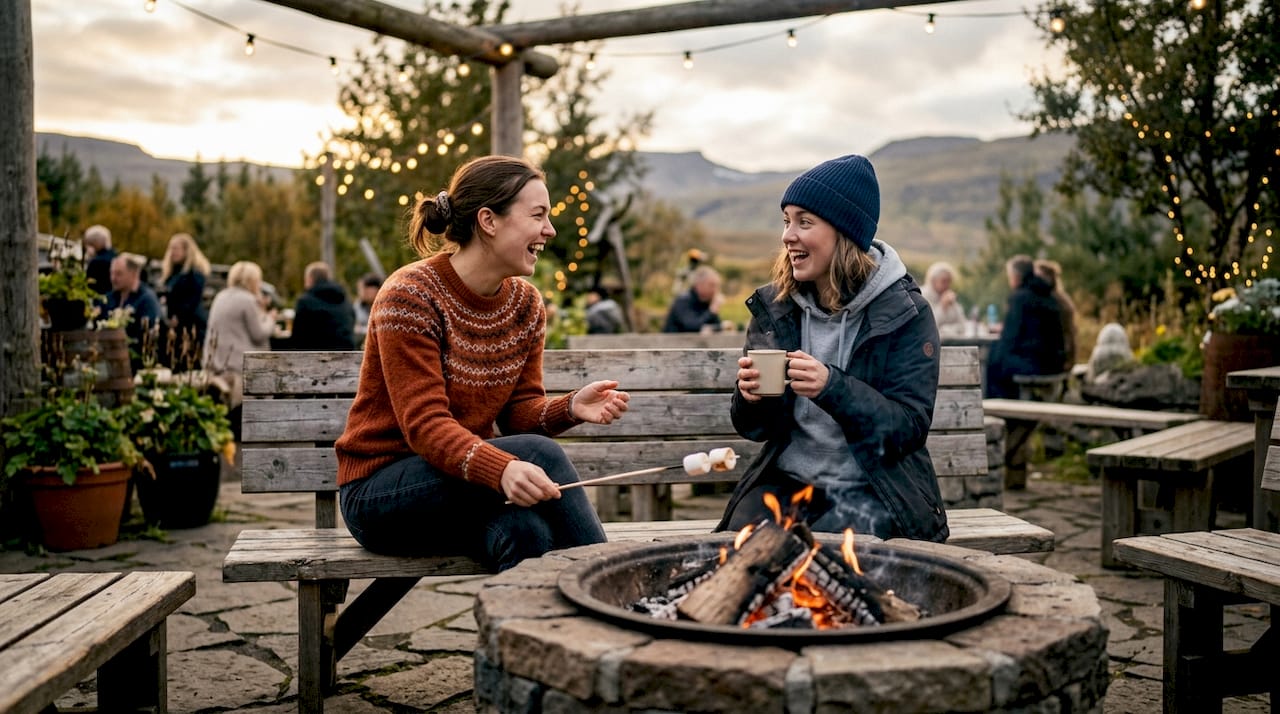
Social spaces are the most visible category of communal facilities, and they set the tone for an entire property. Common shared amenities include roof terraces with BBQ areas, communal lounges with kitchens, and game rooms designed to pull guests out of their private rooms and into conversation. These spaces work because they create low-pressure reasons to interact. You are not forced to socialize. You are simply given a good reason to.
The strongest social amenities found across hostels and coliving properties include:
- Communal kitchens with full cooking equipment, where preparing a meal becomes a shared activity
- Lounges and common rooms with seating, board games, and reading areas
- Rooftop terraces or outdoor BBQ areas that draw guests together in the evenings
- Community gardens where guests contribute to and harvest from shared plots
- Game rooms with pool tables, foosball, or consoles that break the ice instantly
The social value of these spaces is not accidental. Architects and operators who design shared spaces as vertical neighborhoods deliberately position kitchens, lounges, and coworking areas to encourage movement between private and communal life. The goal is to solve isolation, not just fill square footage.
Pro Tip: Look for accommodations that host regular community events, such as group dinners, movie nights, or guided hikes. A property with a weekly schedule of activities signals that the management actively invests in the social experience, not just the physical space.
2. Wellness and fitness amenities travelers can share
Health-focused shared amenities are increasingly standard in modern hostels, coliving properties, and boutique hotels. These facilities let you maintain your normal routine while traveling, which matters more than most people admit before a long trip.
The most common wellness and fitness communal facilities examples include:
- Fitness centers with free weights, cardio machines, and resistance equipment
- Yoga or spinning studios with scheduled classes or open-floor access
- Swimming pools, both indoor and outdoor, often shared across a building or complex
- Saunas and steam rooms, particularly common in Scandinavian and Nordic properties
- Wellness rooms for meditation, stretching, or massage bookings
The trend toward spa and wellness features in shared accommodations reflects a real shift in traveler expectations. Budget travelers no longer accept that wellness is a luxury add-on. Properties that include a sauna or yoga studio in the base rate attract guests who would otherwise pay significantly more elsewhere. For travelers checking hostel amenities in Iceland, wellness spaces like saunas are especially relevant given the country’s deep bathing culture.
Shared wellness spaces also reduce the cost barrier significantly. A private gym membership or spa day adds up fast on a long trip. Access to a communal fitness center or sauna at no extra charge is a genuine financial benefit, not just a marketing line.
3. Functional amenities that cut costs and daily hassle
Practical shared amenities are the ones travelers overlook during booking and then appreciate every single day of their stay. These are the facilities that handle the logistics of life on the road.
Key functional shared living amenities include:
- Communal laundry rooms with washers, dryers, and booking systems
- Bike storage and rental stations for guests exploring by pedal
- Secure parking areas shared across all guests
- Package handling and mail rooms for travelers receiving deliveries
- Shared tool kits and repair stations for cyclists and gear-heavy adventurers
Communal laundry deserves specific attention. Shared laundry facilities reduce costs for individual guests and create unexpected social moments. In Sweden, communal laundry programs have been studied as a model for buffering energy price shocks while building negotiation and scheduling skills among residents. That dynamic translates directly to hostel life. Waiting for your wash cycle next to another traveler is one of the more reliable ways to start a real conversation.
Shared infrastructure also carries environmental benefits. Upgrading communal machines benefits many guests at once and reduces the total energy and material waste compared to every traveler owning or renting individual equipment. Sustainability is built into the model.
Pro Tip: Before booking, check whether laundry facilities use a digital booking system or a physical sign-up sheet. Digital systems with app-based scheduling mean fewer conflicts and shorter waits, especially in high-occupancy properties.
4. Productive amenities for digital nomads and creative travelers
Work-focused shared spaces have moved from a niche feature to a standard expectation among a growing segment of travelers. Digital nomads, remote workers, and creative professionals now factor coworking access into accommodation decisions the same way they factor in bed quality.
The most useful productive communal facilities examples include:
- Coworking spaces with dedicated desks, fast Wi-Fi, and power outlets
- Conference or meeting rooms bookable by the hour for calls or presentations
- Podcast studios with soundproofing and recording equipment
- Hobby rooms for photography editing, music practice, or crafting
- Library corners with reference books, travel guides, and quiet seating
The comparison below shows how productive amenities differ across accommodation types:
| Amenity type | Typical hostel | Coliving property |
|---|---|---|
| Coworking space | Basic desks, shared Wi-Fi | Dedicated desks, private booths |
| Meeting rooms | Rarely available | Bookable by the hour |
| Creative studios | Uncommon | Podcast, photo, and music rooms |
| Community programming | Occasional events | Structured weekly schedule |
The concept of the vertical neighborhood is most visible in productive amenity design. When a coworking space sits one floor above a communal kitchen and two floors below a rooftop terrace, the building itself encourages you to move, interact, and collaborate. That is not an accident of floor planning. It is a deliberate design strategy.
5. How to evaluate accommodations based on shared amenities
Knowing what shared amenities exist is only half the work. Understanding whether they are actually usable is what separates a great stay from a frustrating one.
Assessing amenity usability requires looking at the ratio of guests to facilities. A communal kitchen serving 80 guests is a very different experience from one serving 20. Shared kitchens range from small pantries with a single burner to full catering-grade spaces with multiple prep stations. The photos on a booking page rarely tell you which one you are getting.
Use these criteria when evaluating any property:
- Guest-to-amenity ratio: How many guests share each facility? Ask the property directly if the website does not say.
- Booking protocols: Are high-demand spaces like laundry rooms and meeting rooms managed with a system, or is it first-come, first-served?
- Community management: Does the property employ a community manager or host regular residents’ meetings? Regular community meetings keep shared kitchens and lounges clean and socially functional.
- Photo and review quality: Guest reviews that mention specific amenities by name are far more reliable than marketing copy. Look for reviews that describe the kitchen, the lounge, or the coworking space in detail.
- Formal usage agreements: Well-run properties use shared facilities agreements that define cleaning responsibilities, cost sharing, and booking rules. This prevents the conflicts that make communal spaces unpleasant.
Choosing accommodations with strong shared amenities is ultimately a lifestyle choice. Guests who engage actively with communal spaces, join the group dinner, use the coworking room, and participate in the community consistently report richer travel experiences than those who treat shared spaces as background features.
Key takeaways
The best shared amenities combine social, wellness, functional, and productive spaces that reduce costs, build community, and improve the quality of every day on the road.
| Point | Details |
|---|---|
| Social amenities drive connection | Communal kitchens, lounges, and BBQ terraces create low-pressure reasons to meet other travelers. |
| Wellness spaces save real money | Shared fitness centers and saunas eliminate the cost of external gyms or spa visits during a trip. |
| Functional amenities cut daily friction | Communal laundry and bike storage reduce hassle and individual costs while promoting sustainability. |
| Productive spaces serve modern travelers | Coworking rooms and podcast studios make accommodations viable for digital nomads and remote workers. |
| Usability matters more than availability | Guest-to-amenity ratios, booking systems, and community management determine whether amenities actually deliver value. |
Why shared amenities changed how I travel
I used to book accommodations based almost entirely on price per night and location. The communal kitchen was something I noticed in the photos but never really factored in. That changed on a stay where the kitchen was genuinely excellent: six burners, a full spice rack, a long communal table, and a crowd of people who actually cooked together most evenings. I met more people in three days there than I had in two weeks of solo travel before it.
What I have learned since is that the quality of shared amenities is a better predictor of overall stay satisfaction than room quality, at least for travelers who are not just sleeping and leaving. A slightly smaller bed in a property with a great lounge, a working sauna, and a coworking room beats a larger room in a property where the “communal kitchen” is a microwave and a kettle.
The detail most travelers miss is community management. A beautiful shared kitchen that nobody maintains becomes a source of frustration within days. Properties that run regular meetings, post clear cleaning schedules, and employ someone whose job is to facilitate guest interaction consistently outperform properties that just build the space and hope for the best. When you are evaluating where to stay, look for evidence of active management, not just attractive photos.
The other thing worth saying: you get out of shared amenities what you put in. Sitting in the coworking room with headphones on all day is fine, but it is not the same experience as joining the group dinner or asking someone in the laundry room where they are headed next. The space creates the opportunity. You still have to take it.
— Trygve
Experience shared amenities at Foxhostel in South Iceland
Foxhostel sits in Hrífunes Nature Park, 35 minutes east of Vík, inside a converted traditional Icelandic barn. The communal kitchen is a genuine centerpiece: fully equipped, spacious, and the kind of space where evenings turn into long conversations over shared meals. Guests also have access to social lounges, and the on-site pizzeria means you always have a fallback when cooking feels like too much after a long day on the Ring Road.
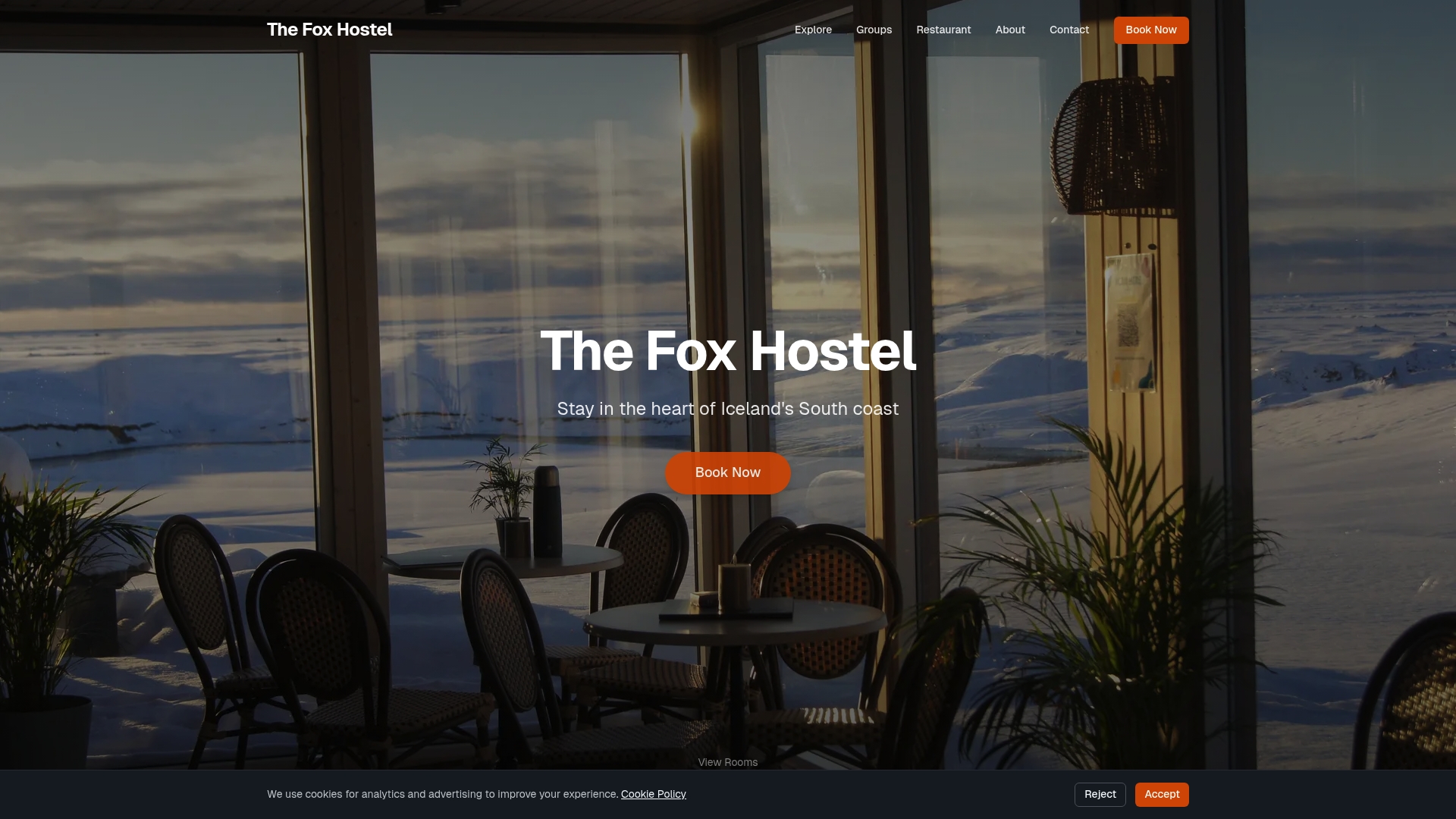
The location puts you within reach of Reynisfjara Black Sand Beach, Dyrhólaey, Jökulsárlón Glacier Lagoon, and Vatnajökull National Park. Solo travelers can book a single bed, while couples and groups can take a full room for privacy without losing access to the shared spaces that make the stay social. If you want a base that combines practical communal facilities with one of Iceland’s most dramatic settings, book your stay at Foxhostel.
FAQ
What are shared amenities in accommodation?
Shared amenities are communal facilities available to all guests at a property, including kitchens, lounges, fitness centers, laundry rooms, and coworking spaces. They are designed to reduce individual costs and encourage social interaction among travelers.
What are the most common examples of shared amenities in hostels?
The most common communal facilities in hostels include fully equipped kitchens, common room lounges, shared bathrooms, laundry rooms, and outdoor social areas like terraces or gardens. Higher-end hostels also offer coworking spaces, saunas, and fitness rooms.
How do shared amenities benefit travelers financially?
Shared amenities reduce the need to pay for external services like gyms, laundromats, or restaurants, which lowers the total daily cost of travel. A property with a communal kitchen alone can save a traveler a significant amount compared to eating out for every meal.
How do I know if shared amenities are actually good quality?
Check guest reviews that mention specific spaces by name, and look for properties that publish photos of their actual communal areas rather than just rooms. Amenity usability depends on the ratio of guests to facilities, so ask the property how many guests share each space before booking.
Do shared amenities require any rules or agreements?
Well-managed properties use shared facilities agreements that cover cleaning schedules, booking protocols, and cost-sharing responsibilities. These formal structures prevent conflicts and keep communal spaces functional and enjoyable for all guests.
Recommended
- Shared hostel spaces: affordable adventure & community | Fox Hostel – South Iceland
- What Is Shared Accommodation? Types, Benefits and Tips | Fox Hostel – South Iceland
- Top room amenities for couples in Iceland getaways | Fox Hostel – South Iceland
- Qué significa alojamiento compartido para viajeros | Fox Hostel – South Iceland