5 Minute Arrival Check for Hostel Bed Bugs to Protect Your Gear
5 Minute Arrival Check for Hostel Bed Bugs to Protect Your Gear
If you spot bed bugs in a hostel dorm, check the mattress seams and headboard first to confirm it, then tell staff immediately and ask for a room change or treatment. Don’t move to another bed in the same dorm. Seal your belongings in plastic bags right away so you don’t carry bugs to your next bed or your next hostel.
TL;DR:
- Checking mattress seams, headboards, and wall behind the bed takes less than five minutes and helps identify live bugs, skins, eggs, or fecal spots accurately.
- Coming prepared with photos of any evidence ensures a faster response from hostel staff and provides clear proof for escalation if needed.
- Sealing your belongings in plastic bags before moving rooms prevents bugs from hitchhiking, and using a dryer at high heat destroys any unseen eggs or bugs.
- Maintaining good habits like keeping luggage off the floor, zipped bags, and using a sleep liner greatly reduces the risk of bringing bed bugs home.
- Hostels should respond with professional treatment, and if unresponsive, contacting local health authorities is a valid step to ensure proper eradication.
Table of Contents
- How to Check a Hostel Bed for Bed Bugs in Under 5 Minutes
- What to Do If You Find Bed Bugs in Your Dorm
- Preventing Bed Bugs in Hostels: Habits That Actually Cut Risk
- How Do You Treat Bed Bug Bites?
- How Hostels Actually Get Rid of Bed Bugs
- Don’t Bring Bed Bugs Home With You
- Handling a Bed Bug Report Without Making It Worse
- Where to Verify Bed Bug Information and Report Concerns
- Sources
- FAQ
How to Check a Hostel Bed for Bed Bugs in Under 5 Minutes
Do this before you unpack, not after you’ve already stashed your bag under the bed. The whole check takes less time than finding an outlet for your charger.
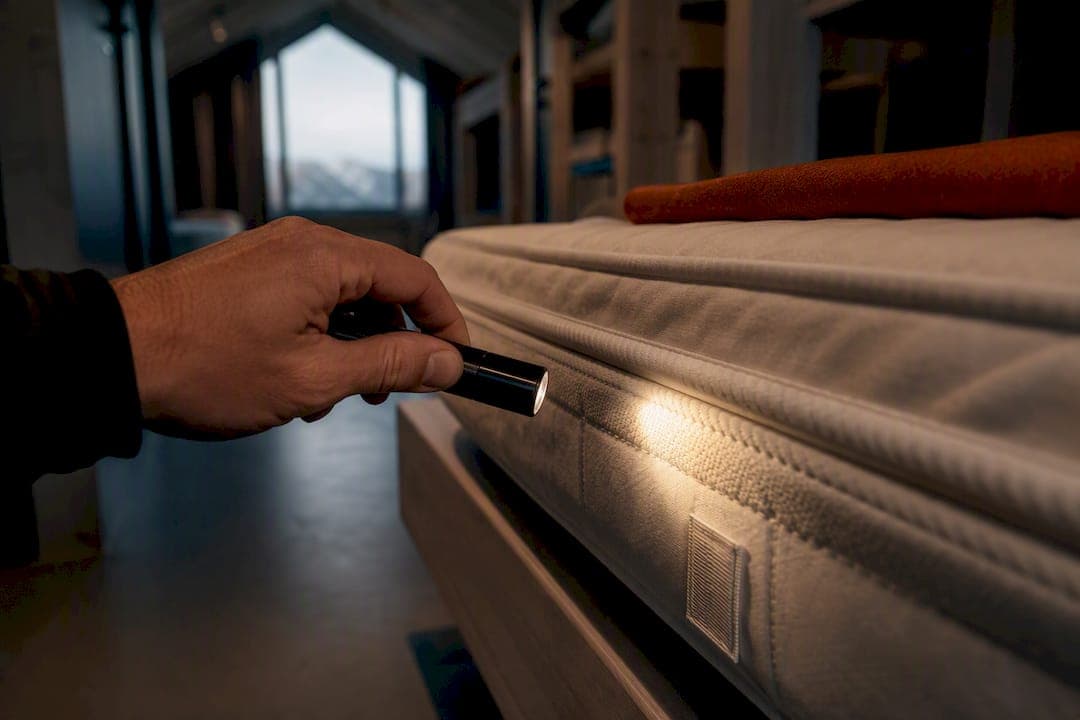
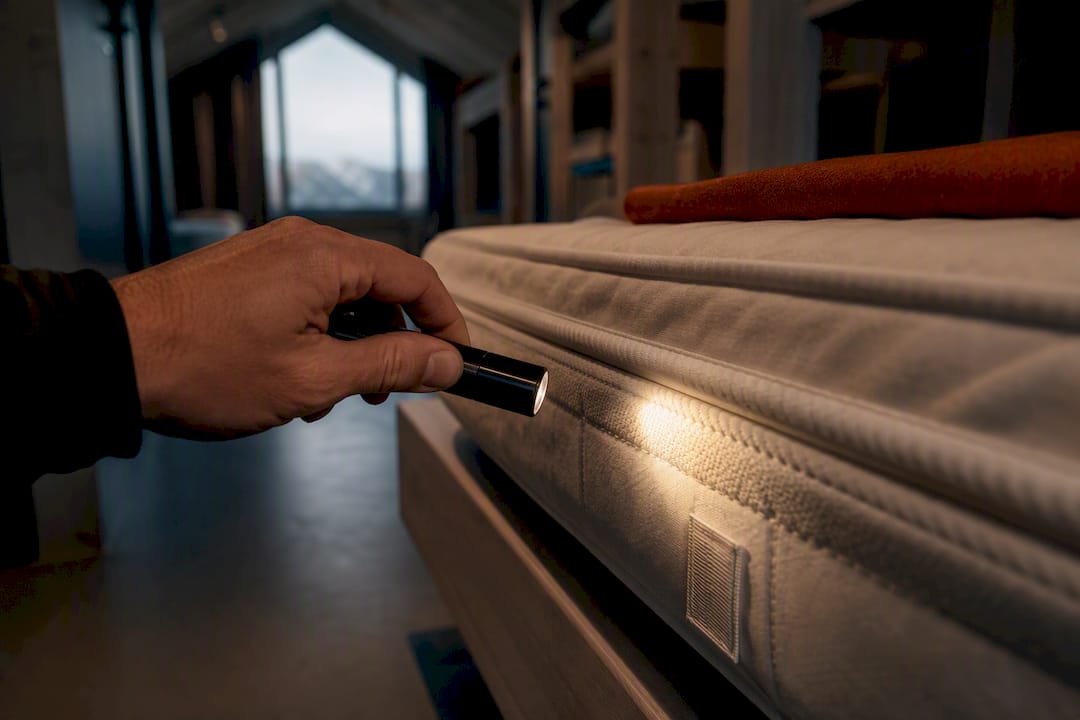
- Pull back the fitted sheet and inspect the mattress seams, corners, and piping. This is where bed bugs hide most reliably, and it’s the first place any pest inspector looks.
- Check the headboard and any wood joints on the bed frame. Bed bugs squeeze into cracks smaller than a credit card’s edge.
- Look at bedside furniture, nightstands, and shelves near the bed.
- Scan skirting boards and the wall directly behind the headboard.
- Check behind any framed art or wall hangings close to the sleeping area.
You’re hunting for five specific signs: live bugs (flat, reddish brown, about the size of an apple seed), shed skins, tiny pearl white eggs, dark fecal spots that look like a marker dot, and small rust-colored blood smears on the sheets. Any one of these is enough to act on.
Your phone flashlight is the best tool you have. Run it along seams at a low angle so shadows catch the raised texture of eggs and skins. Checking at night with the room lights dimmed makes bugs easier to spot if any are active, since they’re drawn out by warmth and darkness. Don’t skip the mattress tag or the underside of the mattress either.
Pro Tip: Check your pillowcase before checking anything else. It’s the fastest single test: bed bugs and their fecal spots show up clearly against light fabric, and you can do it in ten seconds flat.
What to Do If You Find Bed Bugs in Your Dorm
Finding evidence is only step one. What you do in the next twenty minutes determines whether this becomes a minor inconvenience or a genuinely bad trip.
Go to reception directly, not the group chat first. Bring photos of whatever you found (the mattress spots, the bug itself, shed skins) so staff can see the same evidence you did. Vague verbal reports get deprioritized; a photo on your phone gets action.
Do not simply move to another bed in the same dorm room. Bed bugs travel along bed frames, luggage racks, and shared walls, so a different bunk in the same room offers little protection. Ask for a different room, ideally in a different building or wing if the hostel has one.
Before you move anything, seal your clothes and gear in plastic bags. Trash bags work fine in a pinch. This keeps any hitchhiking bugs contained while you relocate, rather than shaking them loose across the hallway.
Once you’re settled, document the exchange:
- Note the time you reported it and who you spoke with.
- Ask directly what remediation they plan and by when.
- Ask about a refund or a room credit for the affected night.
- If staff are unresponsive or dismissive, that’s when to consider contacting the local health inspector or tourism authority. Authorities have issued formal cleansing orders against hostels that failed to act on verified infestations, so this option carries real weight.
Pro Tip: Take the photos before you say anything to staff, not after. If the conversation gets tense, you’ll want that evidence already saved rather than trying to snap a picture while explaining yourself.
Preventing Bed Bugs in Hostels: Habits That Actually Cut Risk
Prevention here isn’t about paranoia. It’s about a few small habits that take seconds and meaningfully lower your odds of a bad night.
- Keep your luggage on a rack or a hard surface, never on the floor or leaning against the wall. Bed bugs move along baseboards and furniture legs, and a suitcase touching the wall gives them a bridge.
- Keep your bag zipped when you’re not actively digging through it. An open bag is an open invitation.
- A hard-shell suitcase gives bugs fewer seams and zippers to hide in compared to soft fabric packs, though it’s heavier to haul around.
- Pack a lightweight travel sleeping liner. It adds a physical barrier between you and the mattress, and it reduces exposure without eliminating it entirely, so treat it as one layer of defense, not a guarantee.
- Store worn clothes in a separate resealable bag from clean ones between hostel stays, rather than tossing everything into one shared compartment.
- Run the pillowcase and mattress seam check every single time you switch beds, even if the last three hostels were spotless. Consistency, not intensity, is what makes this work.
If you use a locker for your main pack during the day, that also keeps it off dorm floors and away from other guests’ luggage. A solid storage routine does double duty: it protects your gear and reduces the surfaces where bugs can transfer between travelers.
How Do You Treat Bed Bug Bites?
Wash the bites with soap and water first, then apply an over-the-counter hydrocortisone cream to control the itch. That combination handles the vast majority of cases without any further intervention.
Resist scratching. Broken skin from scratching is what turns a mild bite into a secondary infection, which is a far bigger hassle than the original bite. If you notice increasing redness, warmth, swelling, or pus around a bite over the following day or two, that’s a sign of infection worth seeing a clinician for.
Watch for signs of a more serious allergic reaction too: significant swelling beyond the bite site, hives spreading elsewhere, or any difficulty breathing. Those symptoms warrant medical attention right away, not a wait and see approach.
The good news is that bed bugs rarely transmit disease, so this is almost always a comfort issue rather than a health emergency. The bites are irritating, occasionally itchy for a week or more, but not dangerous for most travelers.
How Hostels Actually Get Rid of Bed Bugs
A hostel handling this correctly follows a fairly standard sequence: a professional pest control inspection to confirm the extent of the problem, then either heat treatment or chemical treatment applied to the affected room, followed by closing that room for a set period while it takes effect. Bedding typically gets laundered on high heat or replaced outright, and in bad cases, mattresses get discarded entirely rather than treated.
As a guest, reasonable outcomes to expect include:
- A room move to an unaffected area for the remainder of your stay.
- A refund or reimbursement covering laundry costs for anything that may have picked up bugs.
- A follow up from management confirming treatment was completed, not just promised.
If a hostel brushes off repeated reports or refuses to act, that’s the point to escalate to a local public health authority or tourism board rather than just leaving a bad review and moving on.
Don’t Bring Bed Bugs Home With You
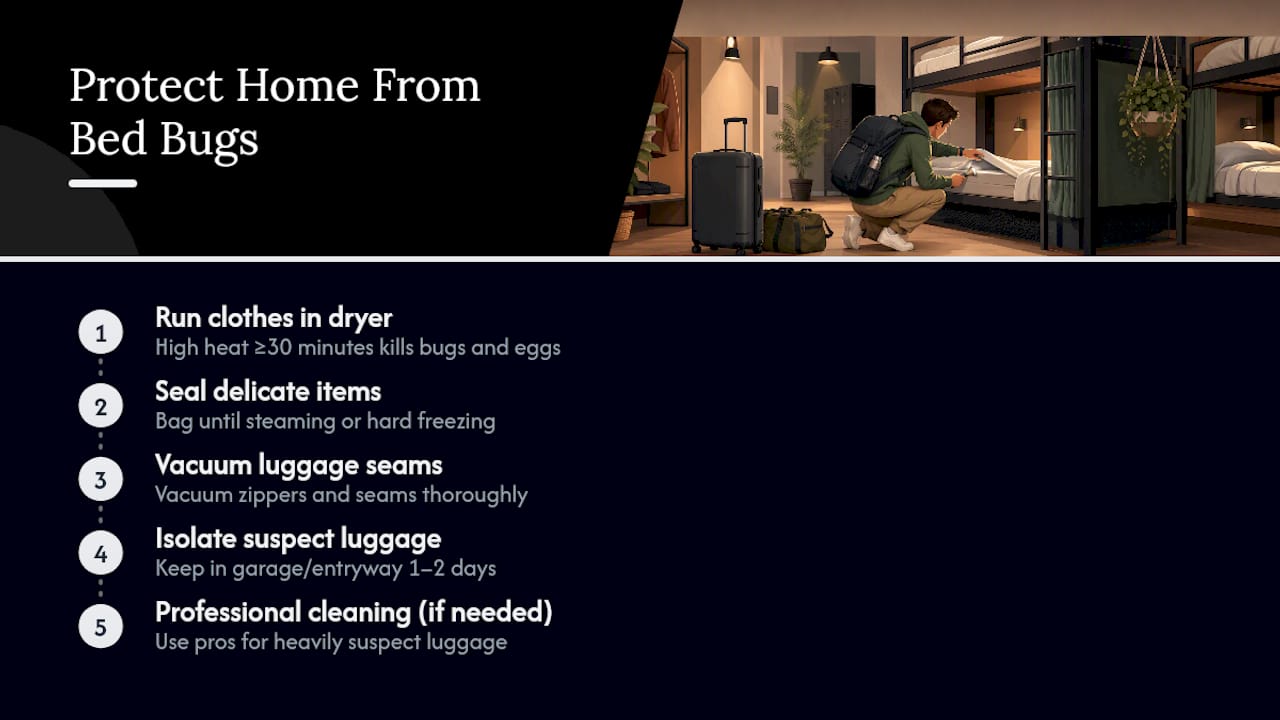
The dryer is your best friend here. A hot cycle for at least 30 minutes kills both live bugs and their eggs in clothing, so run everything you packed through high heat as soon as you get access to a machine, even items you didn’t wear.
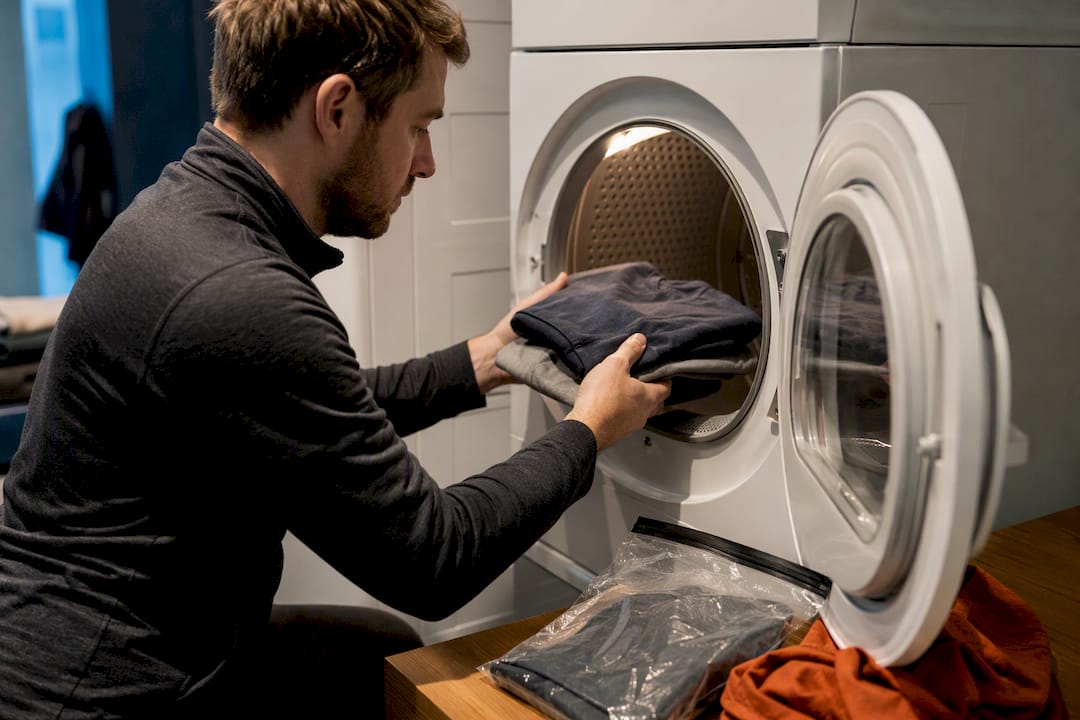
For anything too delicate for a dryer, seal it in a plastic bag and keep it isolated until you can steam it or, if you’re somewhere cold enough, leave it outside for several days of hard freezing. Heat and sustained cold both work; room temperature does nothing.
Vacuum your suitcase seams and zippers before you bring it back inside your home, and consider leaving it sealed in a garage or entryway for a day or two if you’re at all uncertain. For heavily suspect luggage, a professional cleaning service is worth the cost compared to risking an infestation at home.
Handling a Bed Bug Report Without Making It Worse
Report bed bugs to staff calmly, with photos, and ask for a specific remediation timeline. That gets results faster than a heated confrontation. Save public reviews and social posts for situations where a hostel is clearly ignoring repeated reports, since a measured private complaint usually triggers professional treatment faster than public pressure does.
— Siggi
Where to Verify Bed Bug Information and Report Concerns
For visual identification, the EPA’s bed bug guide covers exactly what fecal spots, eggs, and live bugs look like across different hiding spots. Cleveland Clinic’s page on bed bug bites and prevention is the clearest clinical rundown of symptoms and when to seek care. Medical News Today’s checking guide walks through hiding places room by room, useful if you want a second inspection method beyond the checklist above. And if you want proof that regulatory bodies do take this seriously, the Auckland cleansing order case shows what happens when a hostel fails to act on a verified infestation. For close up reference photos of what an adult bed bug and nymph actually look like, Wikimedia Commons hosts free licensed images worth bookmarking before your next trip.
None of this replaces good judgment on arrival, though. A five minute check when you walk into a room, paired with knowing what these signs actually look like, prevents most problems before they start. Fox Hostel builds mattress and linen care into daily housekeeping specifically because protective layering on mattresses catches problems early, even though no textile barrier alone guarantees a bug-free room. If your travel style leans toward booking a private room over a shared dorm to sidestep this risk entirely, Fox Hostel’s group and couples room options in South Iceland let you buy out a full room rather than share a dorm with strangers. You can check current availability directly on Fox Hostel’s booking page.
This article is general information, not a substitute for advice from a qualified doctor. Consult a qualified healthcare professional about your own circumstances before acting on anything here.
Sources
- How to Find Bed Bugs | US EPA
- Bed Bugs: Bites, Identification, Prevention | Cleveland Clinic
- How to check for bedbugs: Signs and hiding places | Medical News Today
- Auckland Central backpackers issued with cleansing order after tourist discovers bedbugs - NZ Herald
FAQ
Are Bed Bugs Common in Hostels?
Bed bugs turn up in hostels more often than in most other lodging types because of high guest turnover and shared luggage storage, but a clean, well-maintained hostel with good laundry practices can keep risk low.
How Do Hostels Get Rid of Bed Bugs?
Hostels typically bring in professional pest control for inspection and heat or chemical treatment, close the affected room temporarily, and launder or replace bedding and mattresses as needed.
Is It Likely to Get Bed Bugs From a Hostel or Hotel?
The risk is low on any single stay, but it rises with each additional night in shared or high-turnover accommodation, which is why a quick check on arrival matters regardless of how nice the place looks.
How Can I Tell if My Hostel Bed Has Bed Bugs?
Pull back the sheets and check the mattress seams, headboard, and bed frame joints for live bugs, shed skins, tiny white eggs, or dark fecal spots, since these visual signs are more reliable than waiting to see if you get bitten.