Daylight First South Iceland in Winter: Safety Checklist, Fox Hostel
Daylight First South Iceland in Winter: Safety Checklist, Fox Hostel
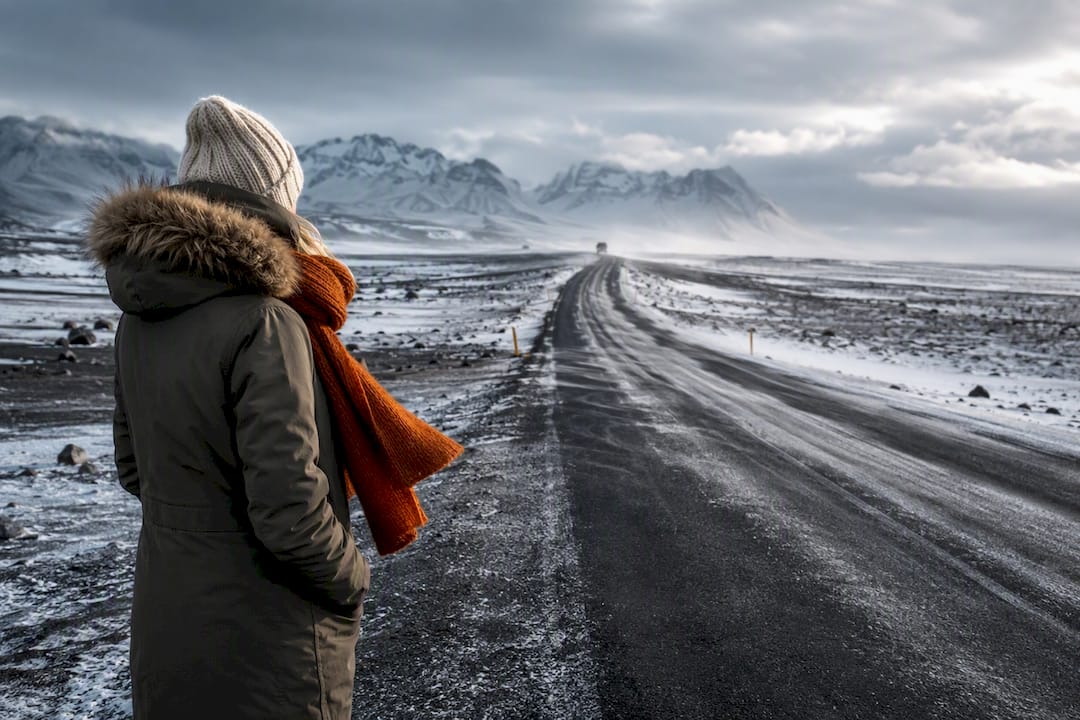
Yes, South Iceland in winter is worth it, and February or early March is the sweet spot between usable daylight and full access to ice caves and northern lights. The trade-off is real: you get several hours of daylight, roads that shut on short notice, and waterfalls that turn into ice sculptures. Plan around the light, not the map.
TL;DR:
- Waterfalls like Seljalandsfoss remain flowing, but paths behind the falls close for safety due to ice buildup, limiting access to the viewing angle.
- Road conditions heavily depend on wind, with gusts exceeding 25 meters per second causing travel hazards like vehicle sideways pushes and visibility drops during storms.
- Booking ice cave tours and popular activities at least two to four weeks in advance is essential, as winter slots fill quickly and cancellations are rare.
- Staying near Vík or Skaftafell reduces travel time to key sights and allows for better aurora viewing amid darker skies compared to commuting from Reykjavík.
- Carrying proper gear like waterproof layers, crampons, and extra batteries is crucial for safety and success in capturing landscapes during Iceland’s low-light winter conditions.
Table of Contents
- Key South Coast Sights To Visit In Winter
- How To Plan A South Iceland Road Trip In Winter
- Is It Safe To Drive The South Coast In Winter?
- Winter Activities Worth Booking In Advance
- What To Pack For Winter In South Iceland
- Where To Base Yourself On The South Coast
- Morning Checklist: Should You Drive Today?
- Winter Wildlife And Bird-Watching On The South Coast
- Cultural Events And Winter Festivals In South Iceland
- Winter Accommodation Options And What Changes
- Where To Eat Along The South Coast In Winter
- Winter Photography Tips For South Iceland’s Landscapes
- Who Should Choose Winter, And Who Should Wait
- Make Fox Hostel Your South Coast Winter Base
- Sources
Key South Coast Sights To Visit In Winter
South Iceland’s biggest names don’t close for winter, but they change shape, and a few get genuinely dangerous if you don’t know what you’re looking at. Here’s what each stop actually looks like between November and March.
Seljalandsfoss keeps flowing all winter, but the path behind the falls closes for safety because ice builds up on the walkway and icicles fall from the overhang above. You still get a strong frontal view from the base, and a five-minute walk north gets you to Gljúfrabúi, a half-hidden waterfall in a narrow canyon that often stays accessible when its famous neighbor doesn’t.
Skógafoss rewards a short walk from the parking lot with one of the closest waterfall views on the entire coast. The staircase to the clifftop viewpoint ices over fast, so wear traction devices or skip the climb. Budget 20 to 30 minutes here.
Reynisfjara and Dyrhólaey demand real respect in winter. Sneaker waves at Reynisfjara can pull people into the surf with no warning, and the basalt cliffs at Dyrhólaey get slick with ice near the edges. Stay well back from the waterline and never turn your back on the ocean.
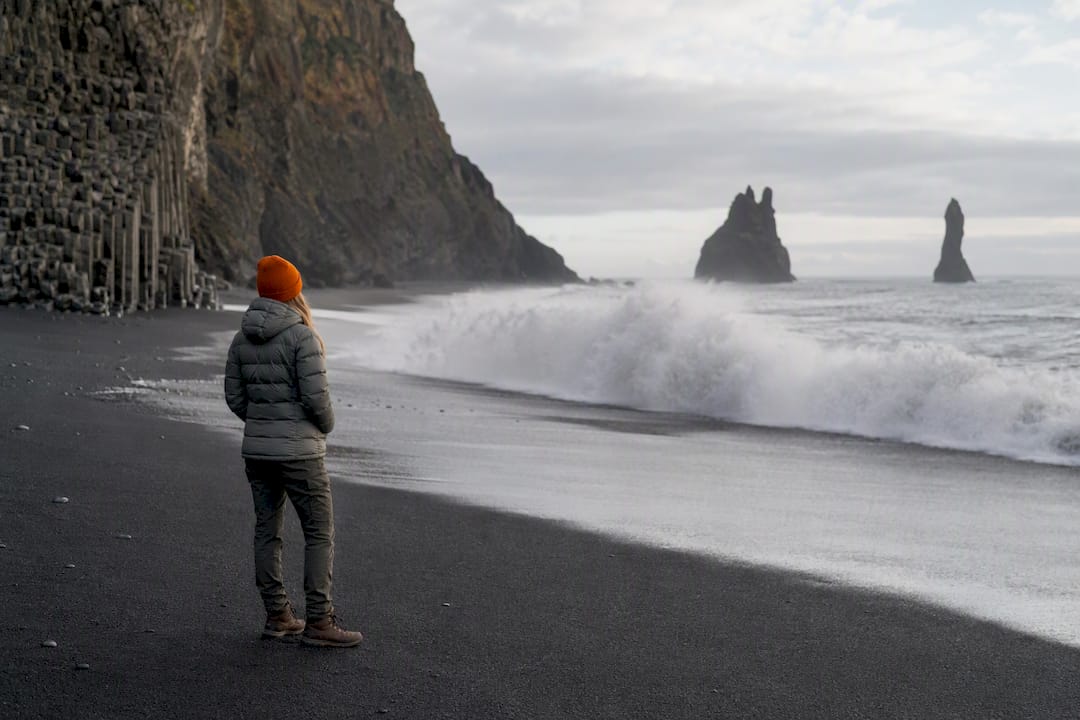
Vík is your last full-service town before things thin out heading east: fuel, groceries, a church on the hill for photos, and a handful of guesthouses if you need a fallback overnight.
Skaftafell and Svínafellsjökull offer guided glacier walks and ice climbing right off the Ring Road, plus short hiking trails to viewpoints like Svartifoss when conditions allow. Guides run trips almost daily through winter, weather permitting.
Jökulsárlón and Diamond Beach turn into a different place entirely once the icebergs pile up against the black sand. Boat tours pause or shorten in the roughest months, but the walk along Diamond Beach, watching chunks of glacier ice wash in the surf, needs no ticket at all. Several ice cave tours depart from operators near the lagoon.
A few smaller detours round out the route when time allows:
- Fjaðrárgljúfur canyon: often walkable via the lower viewpoint, though the upper trail can close after heavy snow.
- Kvernufoss: a quieter, less-visited waterfall near Skógar with a short, sometimes icy approach trail.
- Svartifoss: reachable via a moderate hike from Skaftafell visitor center; expect packed snow and ice on the trail in deep winter.
How To Plan A South Iceland Road Trip In Winter
Daylight decides your itinerary more than distance does. A route that feels short in July can eat your entire window in January, so build every plan around sunrise and sunset, not kilometers.
-
2 to 3 day quick circuit. Base in Vík or drive from Reykjavík. Day one: Reykjavík to Seljalandsfoss, Skógafoss, and Vík, overnighting near the village. Day two: Reynisfjara and Dyrhólaey at first light, then a slower return west, stopping wherever the light looks good. Day three (if you have it): push east to Fjaðrárgljúfur before turning back. Keep a hard rule of heading back toward shelter at least an hour before sunset.
-
4 to 5 day itinerary. Follow the same opening two days, then continue east to Skaftafell for a glacier walk and on to Jökulsárlón and Diamond Beach. Add a full day for an ice cave tour, since most operators run half-day trips that eat your remaining daylight anyway. Overnight somewhere between Vík and the glacier lagoon rather than commuting from Reykjavík each day; it cuts hours of driving in the dark.
-
6+ day relaxed plan. This is the version that actually lets Iceland surprise you. Add buffer days after the ice cave and glacier days specifically for weather. If conditions cooperate, push further east to Höfn for fresh langoustine and quieter scenery before looping back. A relaxed pace also gives you two or three chances at clear skies for aurora hunting instead of betting everything on one night.
If you don’t want to drive, guided day trips from Reykjavík cover the western half of the South Coast, typically as far as Vík or Jökulsárlón, in long single-day loops. They make sense for a short visit or for travelers uneasy about winter driving, but they also mean less time at each stop and no flexibility if the light turns good five minutes after the bus leaves. Self-driving pairs best with an overnight base closer to the attractions, which is exactly why staying mid-coast rather than commuting from the capital pays off on multi-day trips.
Is It Safe To Drive The South Coast In Winter?
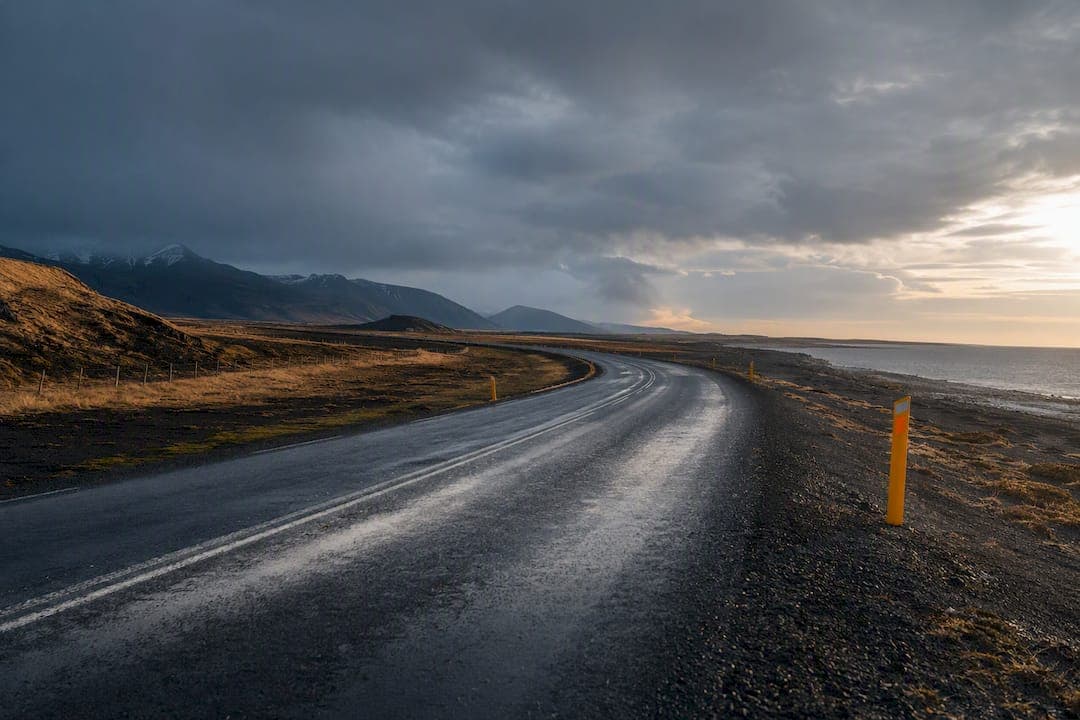
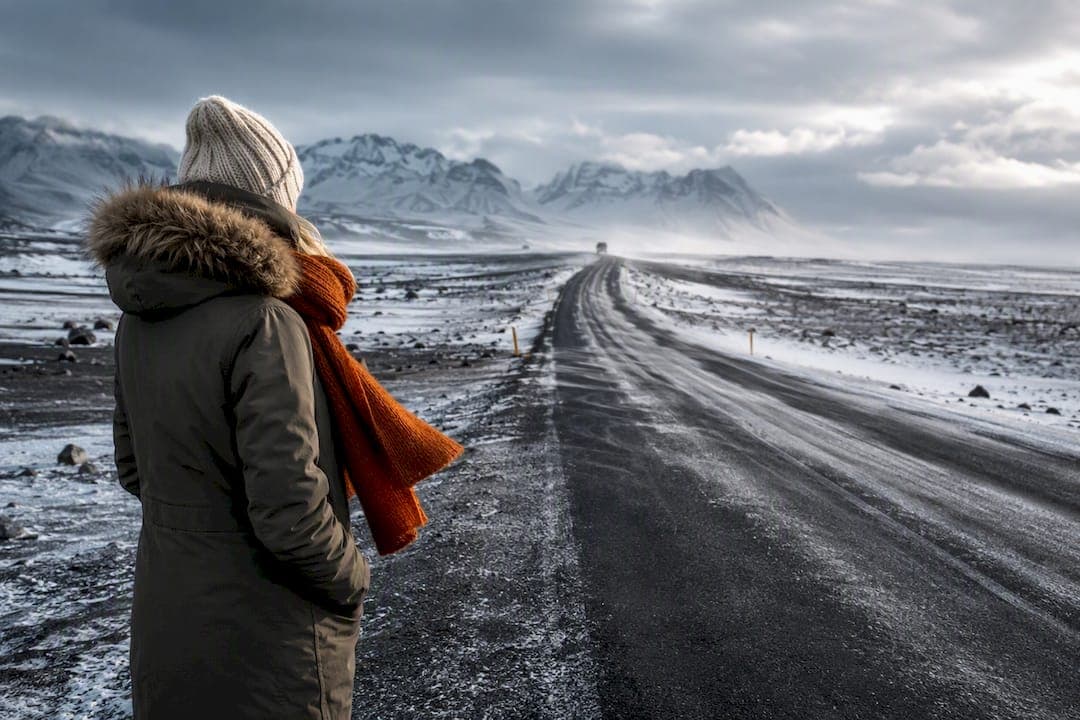
Wind, not snow, causes most of the trouble on this stretch of road. The open sandur plains east of Vík funnel gusts that regularly exceed 25 meters per second, strong enough to push a car sideways or fling open a door hard enough to snap it. Sand and volcanic ash storms are the other hazard tourists rarely expect: they can cut visibility below 10 meters and sandblast a windshield in minutes.
A 4WD or AWD vehicle is strongly recommended for anything beyond Reykjavík’s city limits, since many highland F-roads stay closed until May or June anyway and won’t factor into a South Coast trip. Rental cars come with winter tires by law, but studded tires are worth requesting for the coldest months of winter, when black ice forms fast on shaded curves.
Build a daily habit before you ever start the engine:
- Check road.is for real-time closures and surface conditions on your route.
- Check vedur.is for wind speed, direction, and storm warnings.
- Check safetravel.is for regional alerts, including sandstorm and ash warnings.
- Treat a road.is red status as a hard stop, yellow as proceed-with-caution and shorter driving legs, and green as normal driving with standard winter care.
- If forecast wind exceeds roughly 20 meters per second on your route, postpone the drive rather than push through it.
Single-lane bridges deserve extra caution too: the deck ices before the surrounding road does, and combined with darkness and crosswind, a crossing that looks routine in daylight can turn tense at night. If a sandstorm warning appears anywhere near your route, don’t attempt the exposed stretch at all. Rental insurance policies in Iceland generally exclude damage from driving through closed roads or ignoring official warnings, so a closure isn’t a suggestion. If you hit one, turn back to the nearest town and wait it out rather than looking for a way around.
Winter Activities Worth Booking In Advance
Ice caves, glacier hikes, and aurora hunts are the reason most people brave South Iceland in winter in the first place, and every one of them runs on a booking clock you need to respect.
- Ice caves exist only because glacier meltwater carves them out, and their shape shifts week to week, which is why access requires a licensed local guide. The season generally runs November through April. Book 2 to 4 weeks ahead for December through February, since peak dates fill fast and cancellations are rare.
- Glacier hiking and snowmobiling are guided-only activities requiring crampons, harnesses, and a baseline fitness level; most operators set a minimum age and a reasonable walking pace requirement.
- Northern lights show up most reliably from late August through April, but clear, dark skies matter more than the calendar date. Check an aurora forecast the same way you check the weather, and plan for two or three viewing nights rather than one, since cloud cover is the main thing standing between you and the sky.
- Geothermal bathing splits into two camps: municipal pools, which are far cheaper than premium lagoon packages and open through winter, and destination lagoons, which need booking well ahead but deliver a specific, polished experience.
Pro Tip: Treat your ice cave tour as the anchor of your itinerary and build the rest of the day around it, not the other way around. Losing a booked cave slot to a late arrival almost never gets rebooked on short notice.
What To Pack For Winter In South Iceland
Layering beats any single heavy coat, since you’ll move between a warm car, a windy cliff edge, and an ice cave in the same afternoon.
- A waterproof, windproof outer shell (not just water-resistant) is the single most important item you’ll pack.
- Insulating mid-layers, preferably wool or synthetic fleece, that you can add or shed as conditions change.
- Crampons or ice spikes for boots, essential for icy stairs at Skógafoss and glacier viewpoints.
- Waterproof gloves, a warm hat, and a buff or scarf for wind protection on exposed coastal stops.
- Spare camera batteries kept in an inner pocket, since cold drains them fast, plus a dry bag for mist near waterfalls and sea spray at Reynisfjara.
Book ice cave and glacier tours 2 to 4 weeks ahead for peak winter dates, and reserve popular lagoon slots at least a week out. Winter often brings modest accommodation discounts compared to summer rates, and municipal pool entry typically runs a fraction of what a premium lagoon package costs, so mixing a splurge day with a few budget days works well on a longer trip.
Where To Base Yourself On The South Coast
Staying between Vík and Kirkjubæjarklaustur cuts your morning drive time to Skaftafell and the ice caves roughly in half compared to commuting from Reykjavík, and it puts you under genuinely dark skies for aurora nights.
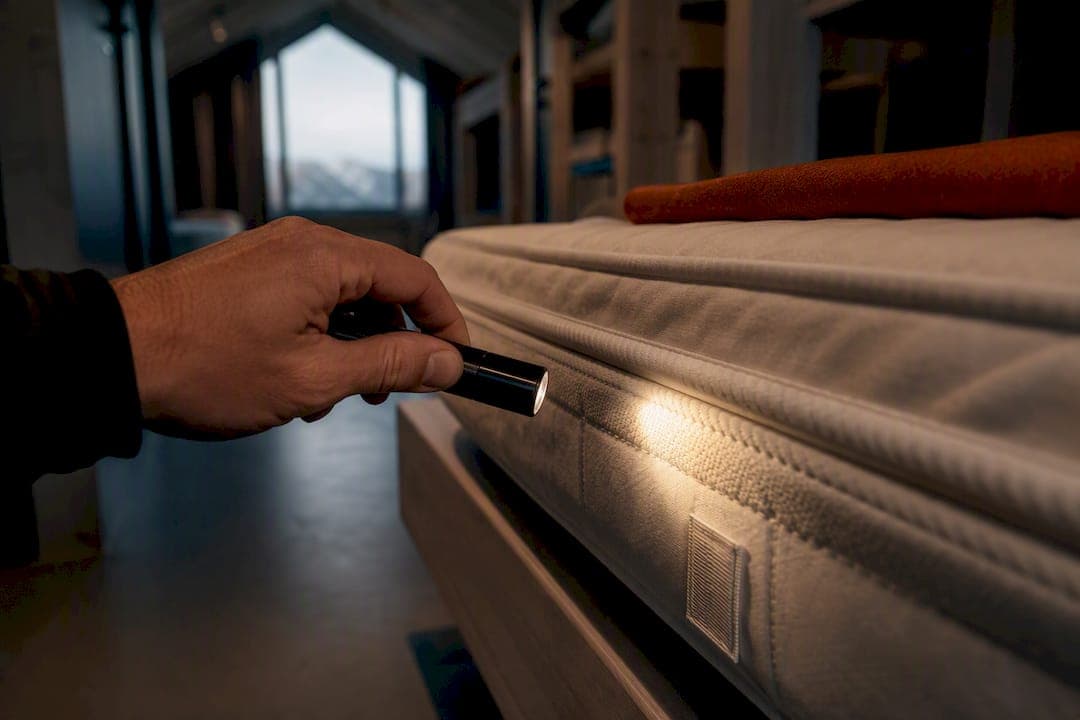
A hostel located about 35 minutes east of Vík in a converted barn at Hrífunes offers flexible booking: solo travelers can book individual dorm beds, while couples or groups have the option to book entire rooms for privacy. A communal kitchen and an on-site pizzeria provide a warm, social place to gather after a short, cold day, especially in winter. A two-night stay here covers an ice cave day to the east and a clear-sky aurora hunt without a long drive either evening.
Morning Checklist: Should You Drive Today?
Run this before breakfast, not after you’ve loaded the car.
- Check road.is for your planned route’s current status.
- Check vedur.is for wind speed and direction along that route.
- Check safetravel.is for regional alerts, including sandstorms.
- If wind exceeds 20 m/s or road.is shows red, postpone; if yellow, proceed with shorter driving legs and extra buffer time.
- Call ahead to any tour operator to confirm they’re still running.
- Leave your day’s route and expected check-in time with your accommodation host.
Winter Wildlife And Bird-Watching On The South Coast
Winter thins out the bird life compared to the nesting chaos of summer, but it doesn’t empty the coast. Ravens and snow buntings stay year-round, working the shoreline and farmland around Vík and Kirkjubæjarklaustur. Whooper swans and various geese species often winter in ice-free wetlands and river mouths along the coast, visible from pullouts if you’re patient with binoculars.
The real draw for wildlife-minded visitors is marine life along the coast: seals occasionally haul out on quieter beaches near river mouths, and offshore sightings of harbor porpoises happen even in winter months, though boat-based whale watching runs a shorter, weather-dependent schedule than in summer. Reynisfjara’s puffins are gone by winter, having headed out to sea in the fall, so don’t plan a puffin-focused trip between November and March. Instead, treat winter birding as a quiet bonus activity between bigger stops rather than a dedicated goal, and keep a pair of compact binoculars in the car for the moments a flock of swans lifts off a frozen field.
Cultural Events And Winter Festivals In South Iceland
Small-town Iceland doesn’t go dormant in winter. Vík and the surrounding villages mark Þorláksmessa on December 23, a traditional day tied to fermented skate and last-minute Christmas errands, and Christmas itself follows the Icelandic custom of Yule Lads visits leading up to the 24th. New Year’s Eve brings community bonfires in many towns along the coast, a striking sight against a dark winter sky, followed by informal fireworks displays that light up otherwise pitch-black rural horizons.
Þorrablót, a midwinter feast rooted in Norse tradition, runs in late January and early February in community halls across rural Iceland, often featuring traditional fermented and cured foods alongside music and storytelling. These events tend to be local and low-key rather than tourist-oriented, so ask at your accommodation about anything happening nearby during your stay. Smaller South Coast communities also hold informal gatherings tied to the returning light in February and March, marking the shift out of the darkest stretch of the year. None of this rivals Reykjavík’s winter festival calendar for scale, but it gives a road trip through quiet farming villages an unexpected layer of local life.
Winter Accommodation Options And What Changes
Accommodation along the South Coast splits roughly into farm guesthouses, small hotels, and hostels, and winter changes how each one functions. Farm guesthouses often reduce staffing and dining hours outside peak season, so confirm whether breakfast or dinner is actually served during your dates rather than assuming a summer-level operation. Smaller boutique hotels near Vík and Kirkjubæjarklaustur stay open but may block off entire wings in the quietest weeks of January.
Hostels tend to handle winter better than either category, mainly because communal kitchens let guests cook regardless of restaurant hours, and shared social spaces matter more when it’s dark by 5 p.m. and everyone’s looking for something to do after a short day outdoors. The main winter challenge across all lodging types is the same: heating older rural buildings against sustained coastal wind, and keeping parking areas clear of ice. Ask directly whether a property plows and treats its own parking area, since a beautiful countryside guesthouse loses its appeal fast if you’re chipping ice off your windshield at 7 a.m. in the dark.
Booking flexibility also matters more in winter than summer, since weather delays can shift your whole route by a day. Properties that allow free or low-cost date changes give you real breathing room if a storm forces you to add a buffer day mid-trip.
Where To Eat Along The South Coast In Winter
Dining options thin out east of Selfoss, and winter hours run shorter than the summer schedule, so this is not the season to wing it. Vík has the coast’s best concentration of restaurants for a small town, ranging from casual soup-and-sandwich spots to sit-down places serving Icelandic lamb and fresh fish. Skaftafell’s visitor center café covers basic hot food and coffee for hikers heading to or from Svartifoss, though hours shrink considerably outside the busiest months.
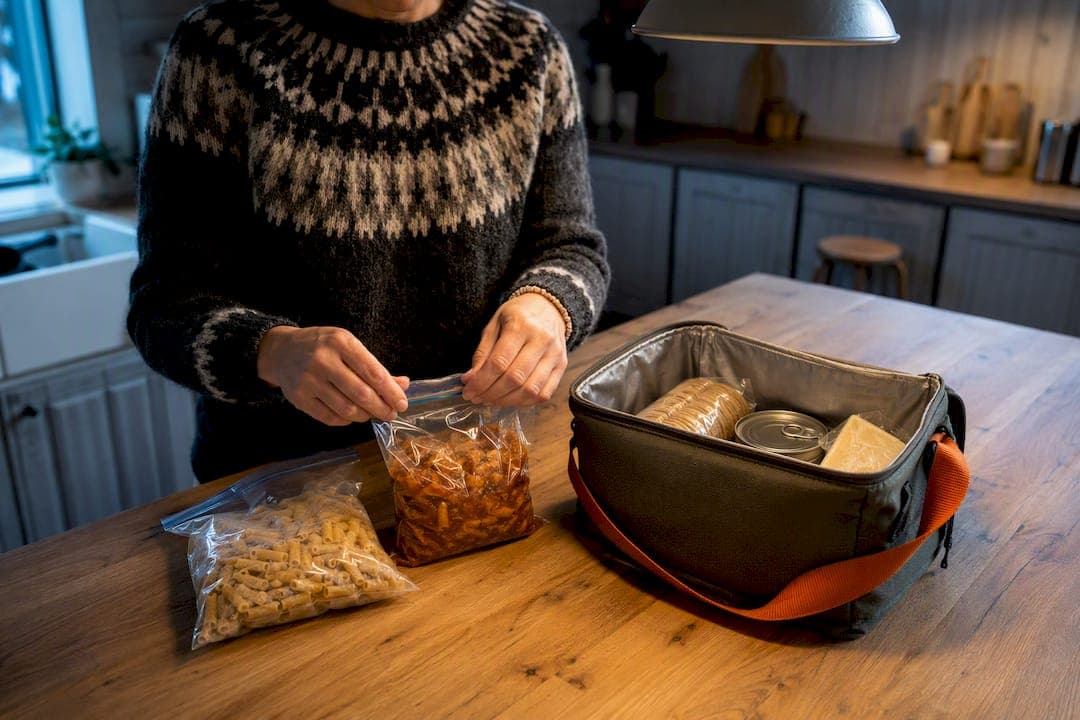
Smaller towns like Kirkjubæjarklaustur have limited but real options, usually a single guesthouse restaurant or gas station grill that doubles as the only hot meal for miles. Traditional Icelandic winter fare, hearty lamb stew, fresh langoustine around Höfn, and fish soup nearly everywhere, suits the season better than anything light. Grocery stores in Vík stock enough for self-catering, which matters if you’re staying somewhere with a kitchen, since it lets you skip the drive back into town after a long day chasing light.
Book dinner reservations ahead in the smallest villages during peak winter weeks, since a single restaurant serving an entire tour bus can mean a wait, or no table at all, if you show up without calling first.
Winter Photography Tips For South Iceland’s Landscapes
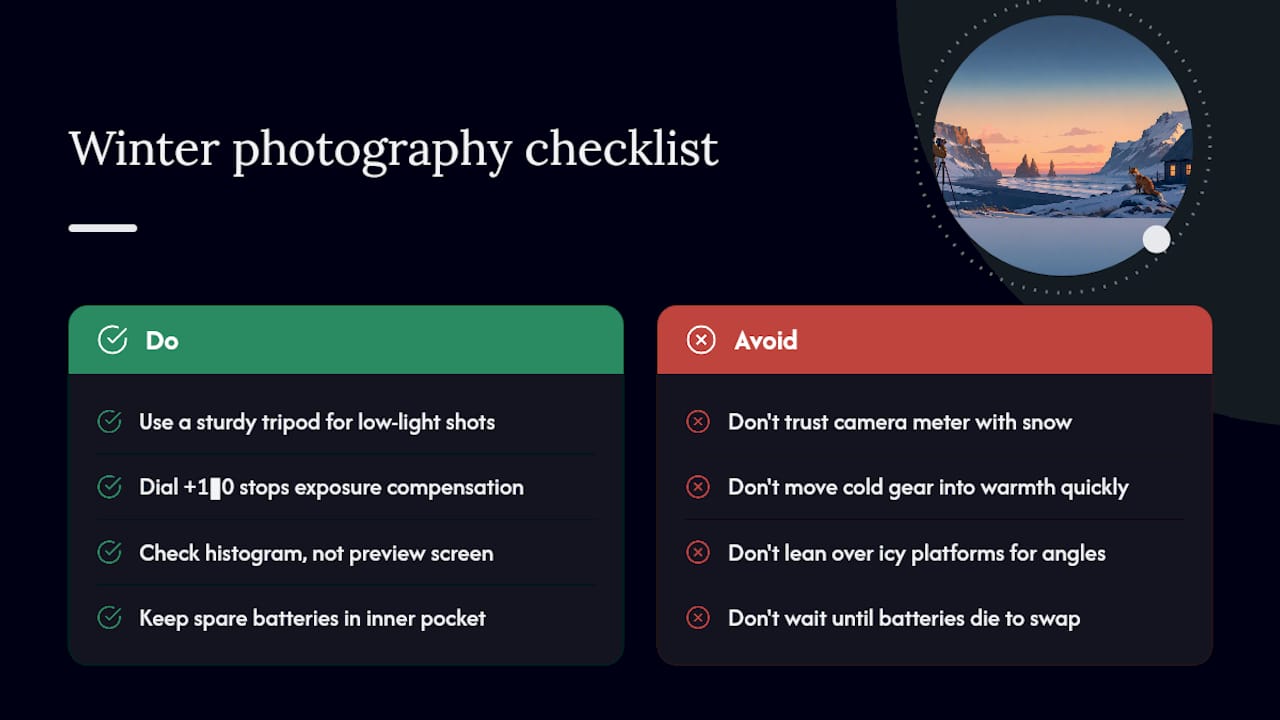
Low light is the defining challenge of shooting South Iceland in winter, and it’s also the reason the results look so different from summer photos. A sturdy tripod stops being optional once you’re shooting waterfalls or aurora in near-darkness by mid-afternoon; hand-held shots simply won’t hold up at the shutter speeds winter demands.
Snow and ice fool camera meters constantly, since all that bright white pushes most cameras to underexpose the scene. Dial in positive exposure compensation, roughly one to two stops, when shooting bright snowfields, and check your histogram rather than trusting the preview screen in low light. For aurora photography, a wide aperture, a high but manageable ISO, and manual focus set to infinity beforehand will save you from fumbling in the dark when the lights actually appear.
Batteries drain fast in freezing temperatures, so carry spares in an inner jacket pocket where body heat keeps them warmer, and swap them out well before they die rather than after. Condensation is the quieter threat: moving a cold camera into a warm car or hostel kitchen fogs the lens and can damage electronics, so let gear acclimate slowly inside a sealed bag before you start shooting again. For waterfalls like Skógafoss, a slower shutter speed smooths the water into that classic silky look, but ice on the platform means bracing the tripod firmly and never leaning out for a better angle.
Who Should Choose Winter, And Who Should Wait
Winter suits photographers, aurora chasers, and travelers who can roll with a changed plan without losing the day. If you want long daylight hours and full highland access, shoulder season serves you better than January. Come in with realistic expectations and a buffer day or two, and winter delivers scenery you simply can’t get any other time of year.
— Siggi
Make Fox Hostel Your South Coast Winter Base
A converted barn 35 minutes east of Vík solves the two biggest winter headaches at once: short daylight and long drives. Staying at Fox Hostel means your morning to Skaftafell or an ice cave meeting point takes a fraction of the time it would from Reykjavík, leaving more daylight for the actual sightseeing instead of the commute.

Solo travelers can book individual dorm beds, while couples or small groups can reserve entire rooms for privacy. The communal kitchen and an on-site pizzeria provide convenient dining options after dark in the afternoon. Dark countryside skies here make it a genuinely strong spot for aurora watching between excursions, and if you want to plan your viewing nights around real conditions rather than guesswork, the Northern Lights webcam guide is worth a look before you lock in dates. Check availability and book your dorm bed or room buyout directly through Fox Hostel for your winter South Coast dates.
Sources
- Carrental
- Iceland in winter: practical guide – IcelandicTravelTips
- Driving south coast Iceland winter guide – Vetrarakstur
- Seljalandsfoss in winter – Seljalandsfoss official site