October to April Ice Cave Tour Essentials for Photographers in Iceland
October to April Ice Cave Tour Essentials for Photographers in Iceland
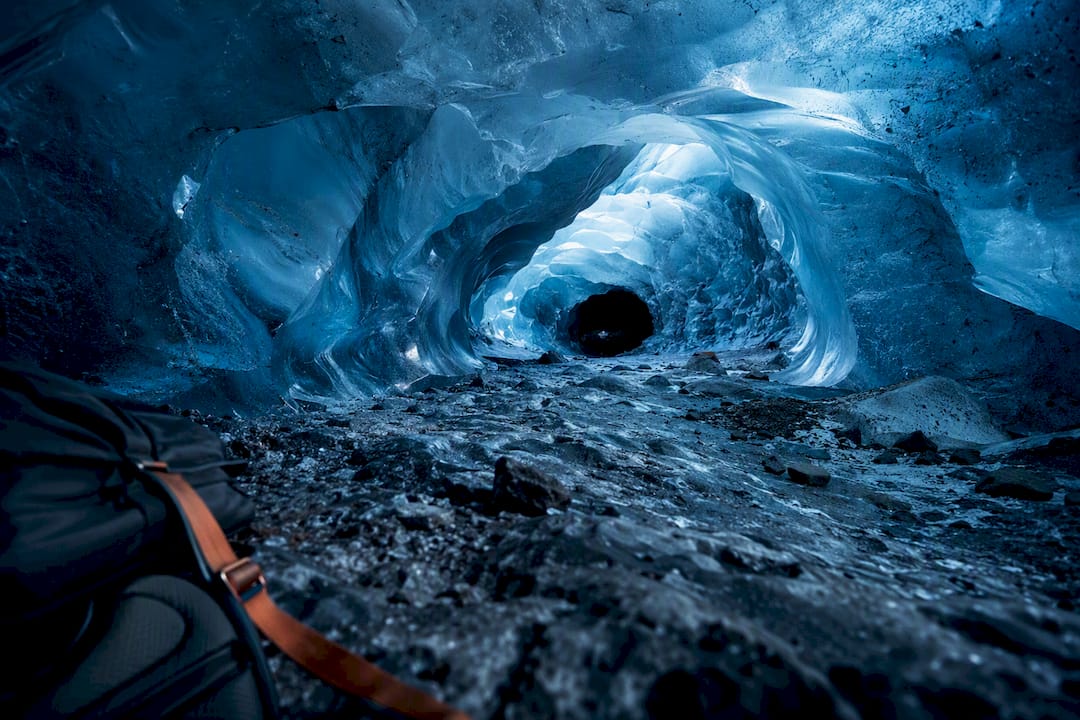
Yes, a natural blue ice cave is worth the trip. But three things decide whether it’s a highlight or a headache: going in the right season (October through April), booking with a certified guide who checks conditions daily, and showing up in real hiking boots. Everything else on your packing list is negotiable. Those three are not.
TL;DR:
- Winter months from October to April are the only viable time for natural blue ice cave tours, with peak experience from December to February for vivid colors and stability.
- Booking should be made 4 to 8 weeks in advance during peak season and 2 to 4 weeks during shoulder months, especially if traveling around holidays.
- Always tour with a certified guide who checks safety conditions daily and never attempt to enter an ice cave without professional supervision due to structural risks.
- Staying near Vík or the south coast is recommended to avoid long, risky drives from Reykjavík and to allow flexible rescheduling if weather delays occur.
- Proper layered clothing, waterproof hiking boots, and early-morning or small-group tours improve safety, comfort, and photography chances inside the cave.
Table of Contents
- Ice Cave Tour Tips Start With Knowing Where You’re Going
- When Is Ice Cave Season in Iceland?
- What Actually Happens on an Ice Cave Tour
- Ice Cave Safety: Why Tours Get Canceled and What to Watch
- What to Wear for Ice Caves: A Packing Checklist That Actually Works
- Ice Cave Photography Tips: Timing and Crowd Avoidance
- Booking an Ice Cave Tour: Questions to Ask and Red Flags to Skip
- Where to Base Yourself for an Easier Ice Cave Day
- A Local Perspective on Chasing the Perfect Cave Shot
- Make Your South Coast Base Work Harder
- Sources
- FAQ
Ice Cave Tour Tips Start With Knowing Where You’re Going
Not every “ice cave” is the same product, and confusing them causes most of the disappointment you’ll read about online.
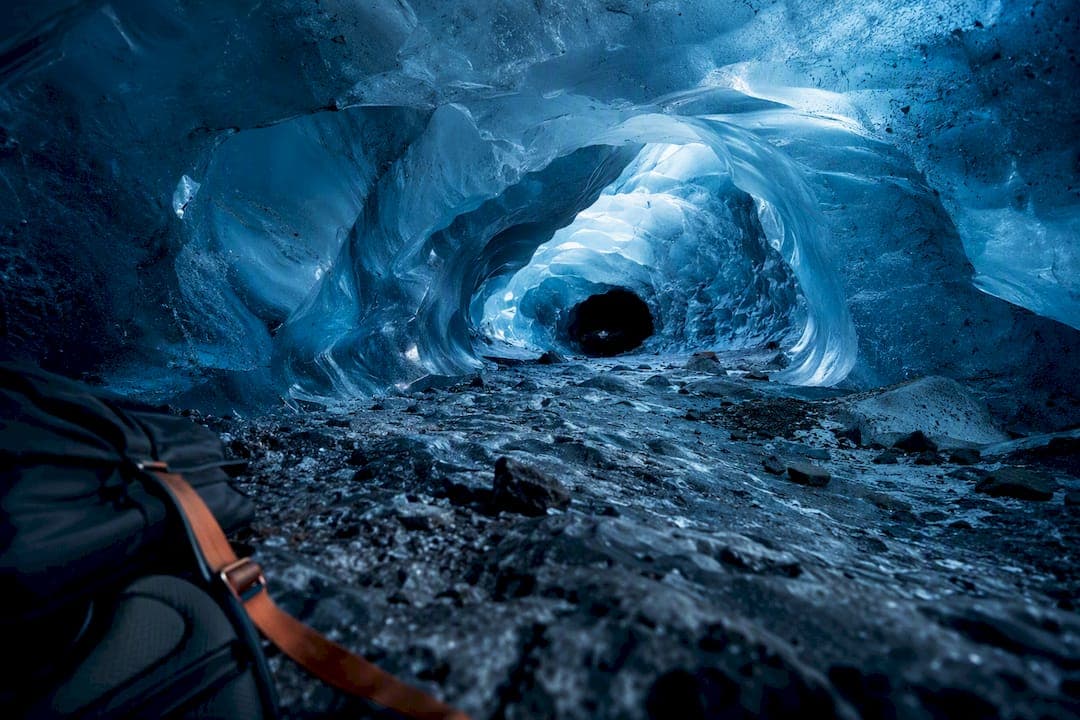
The classic experience, the one behind most ice cave tour tips you’ll find, is a natural blue ice cave inside Vatnajökull, usually accessed from the Jökulsárlón area. These caves only exist in winter. Meltwater carves them out each summer, and they refreeze into new shapes every autumn, so the cave you see this January won’t exist next January.
Then there’s Katla, near Vík in Mýrdalsjökull. It’s an ash-banded cave, dark and striped rather than glowing blue, and operators run it with more year-round consistency than the Vatnajökull caves because it sits under a different glacier system with different melt behavior.
Third is Langjökull, where a man-made tunnel is carved directly into the glacier and stays open all year regardless of season. It’s a different kind of experience: engineered, predictable, and less dependent on weather.
- Vatnajökull blue caves: winter-only, the most photogenic, requires basing near the southeast
- Katla cave: near Vík, more stable scheduling, different visual character
- Langjökull tunnel: man-made, open year-round, easiest to plan around
If you’re staying along the south coast, Vatnajökull or Katla make sense without a huge detour. Langjökull sits closer to the interior highlands route, so factor in a longer drive or a separate day.
When Is Ice Cave Season in Iceland?
Natural blue ice caves run from roughly October through April, and that window isn’t flexible. Try to book one in July and you’ll be looking at a meltwater cavern with a roof that could come down, which is exactly why no reputable operator offers it.
Inside that window, though, not all months deliver the same thing.
- December through February: peak season for the deep blue color and the most structurally stable ice, but also the coldest, darkest, and busiest months
- October and November: quieter, fewer crowds, but ice is still forming and access can be less consistent
- March and April: milder weather and longer daylight, though the ice starts softening toward the end
If color and drama matter most to you, aim for the December to February stretch. If you’d rather skip the crowds and don’t mind slightly less vivid ice, the shoulder months are the better trade.
Booking lead time follows the same logic. Peak season (December through February, and anything around Christmas or New Year) fills up 4 to 8 weeks in advance. Shoulder months are more forgiving, often bookable 2 to 4 weeks out. If your trip lands over a holiday period, book earlier than you think you need to.
What Actually Happens on an Ice Cave Tour
Most tours follow a similar shape, even though the length varies a lot depending on which product you book.
You’ll meet at a designated point, usually near Jökulsárlón for Vatnajökull tours, then transfer by Super Jeep or another 4x4 across terrain a regular rental car can’t handle. From there it’s a walk onto the glacier itself, then into the cave for roughly half an hour to an hour, depending on group size and how much your guide lets you linger.
Total time commitment splits into two rough categories. Shorter Vatnajökull cave visits run about 2.5 to 3 hours door to door. Longer glacier-hike combination tours, which add crampons, harnesses, and more technical terrain, run several hours and come with smaller groups and more time inside the cave for photos.
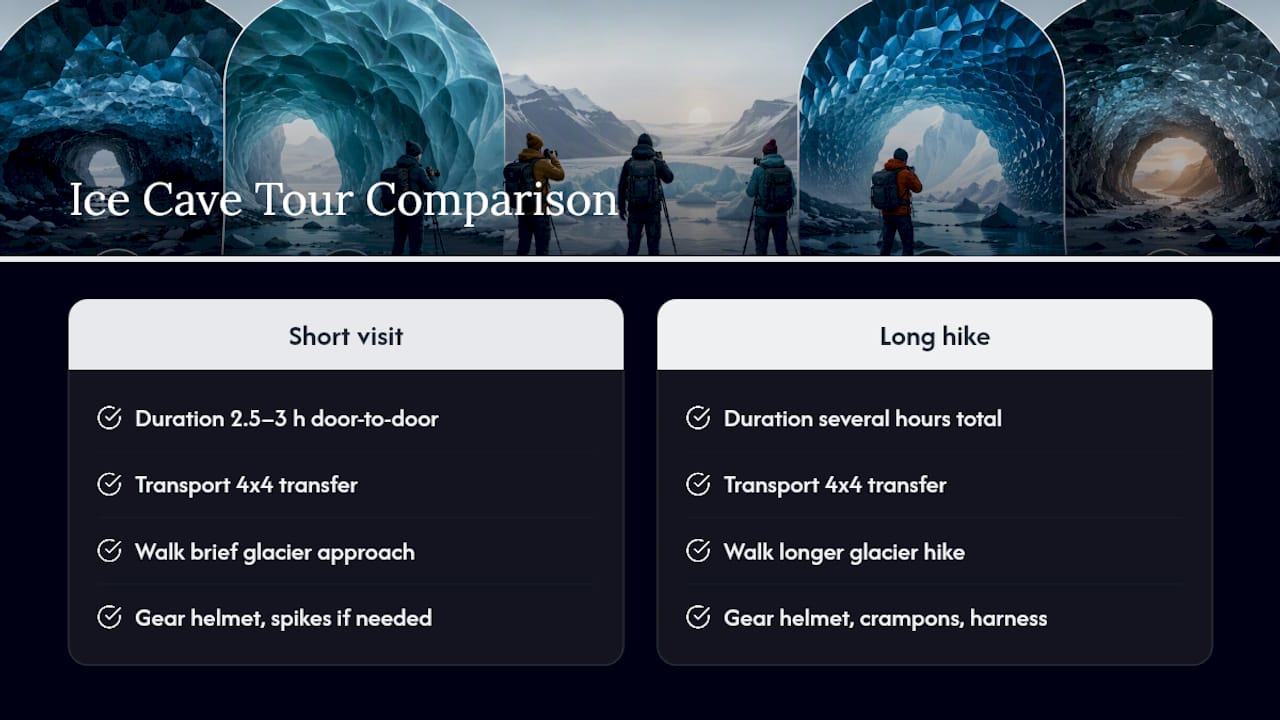
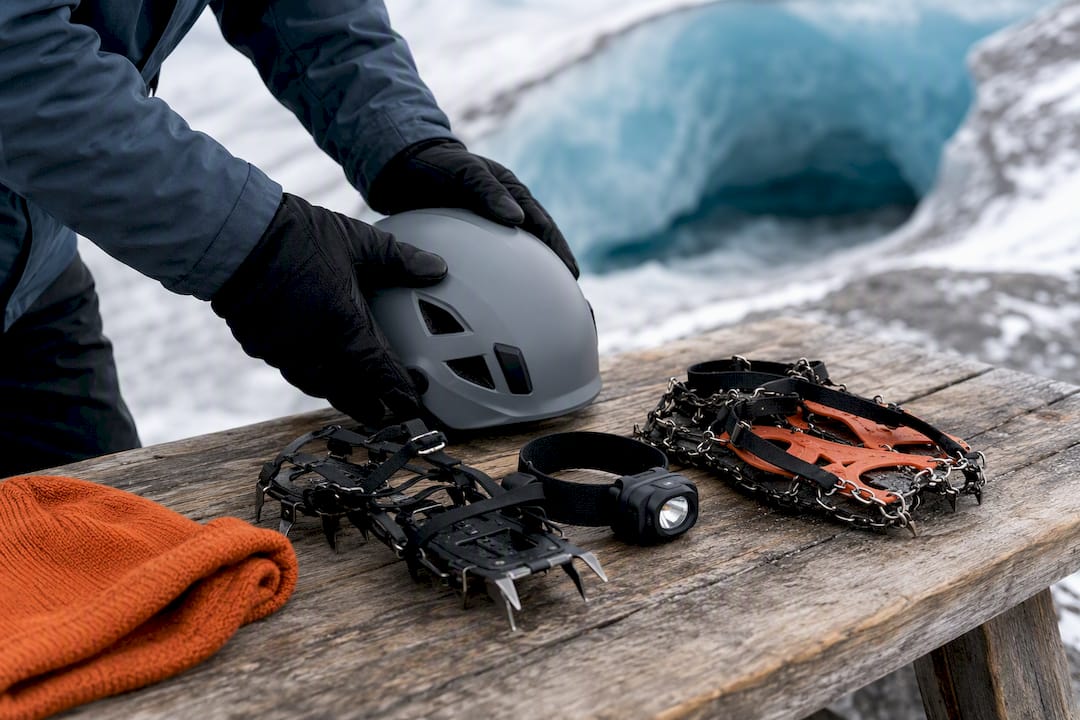
Operators typically supply the safety gear you actually need: a helmet, microspikes or crampons when conditions call for them, and a headlamp if the cave interior needs it. You don’t need to own any of that.
Group size matters more than people expect. A packed 15-person group inside a narrow ice chamber means you get a few minutes near the best formation before the guide moves everyone along. Smaller or private tours buy you real time to set up a shot instead of grabbing a phone photo and stepping aside.
Age and fitness requirements vary by product. Many short cave-only tours accept children around 8 and up. The longer glacier-hike versions, with steeper terrain and technical gear, usually set higher minimum ages and expect a reasonable fitness level.
Ice Cave Safety: Why Tours Get Canceled and What to Watch
Cancellations are common, and that’s the system working, not failing.
Storms, closed roads, elevated avalanche risk, or a guide’s assessment that the ice itself is unstable will all shut down a scheduled tour, sometimes with only a day’s notice. Natural ice caves are living structures. Ceilings shift, cracks open overnight, and a cave that was safe last week can be closed this week for reasons you’d never spot as a visitor. That’s why you should never attempt to enter a natural ice cave without a certified, professional guide, no matter how tempting a “quick look” seems from the outside.
Daily go/no-go checks are standard practice among serious operators. Guides assess conditions each morning before deciding whether a route or cave is safe to run that day.
Reputable operators build in flexible rebooking windows, often 24 to 48 hours, precisely because these go/no-go safety checks happen daily and cancellations aren’t predictable in advance.
Before your trip, and again the morning of, check two Icelandic government resources directly:
- Road for closures and driving conditions on your route
- vedur.is for the Icelandic Meteorological Office’s storm and avalanche warnings
- Ask your operator directly what their cancellation and refund policy looks like before you book
On the day itself, the rules are simple: stay with your guide, don’t wander off to get a better angle, and respect any roped-off sections. A canceled tour is disappointing. A collapsed ice shelf is not something you get a second chance on.
What to Wear for Ice Caves: A Packing Checklist That Actually Works
Layering wins, and it’s not close. Inside the cave itself, temperatures hover near freezing, and without wind it can feel surprisingly tolerable in the right clothes. Out on the open glacier surface, though, wind chill drops the real feel dramatically, so your system needs to handle both environments in the same day.
- Base layer: merino wool or synthetic, never cotton, since cotton holds moisture against your skin and stops insulating the moment it gets damp
- Mid layer: fleece or a lightweight puffy for warmth you can add or shed as conditions change
- Outer shell: waterproof and windproof, non-negotiable given how exposed the glacier approach can be
- Boots: waterproof hiking boots with ankle support are the single most important item you’ll pack. Rent a pair in Reykjavík if you don’t own suitable boots, and don’t try to get by in sneakers or fashion boots.
- Gloves: thin liner gloves underneath insulated outer gloves, so you can peel off the outer layer to operate a camera without exposing bare skin to the cold
- Extras: hand warmers, spare wool socks, sunglasses for glare off the ice and snow, water, and snacks for the transfer time
If photography matters to you, keep spare batteries in an inner pocket close to your body. Cold drains a battery far faster than you’d expect, and a dead battery ten minutes into a 30-minute cave visit is a real loss.
Pro Tip: Bring a compact tripod only if you’ve booked a longer or small-group tour. On a packed short tour there simply isn’t time to set one up, and you’ll end up carrying dead weight through slippery terrain.
Ice Cave Photography Tips: Timing and Crowd Avoidance
The single easiest lever you have is departure time. Tours booked for an 11:00 to 12:00 slot often land you inside the cave between the early morning rush and the afternoon wave, giving you a cleaner shot without the guide rushing you past other groups.
- Choose a small-group or dedicated photography tour if image quality is your priority, since longer formats give you actual time to compose a shot instead of a 90-second window
- Skip bulky gloves when you need fine camera control. Thin liners let you adjust settings without freezing your fingers in the process
- Ask your guide, quietly, if there’s a less crowded angle or formation nearby. Guides know the cave’s layout better than any online tips list
Pro Tip: If your schedule allows it, staying locally rather than day-tripping from Reykjavík gives you the flexibility to shift to a quieter weekday departure if your first date gets rebooked.
Arrive with a buffer, too. Parking near Jökulsárlón can fill up on peak winter weekends, so give yourself an extra 10 to 15 minutes before your scheduled meeting time.
Booking an Ice Cave Tour: Questions to Ask and Red Flags to Skip
Before you hand over a deposit, ask the operator these directly:
- What’s your cancellation and rebooking policy if weather shuts down the tour?
- What equipment is included, and what am I expected to bring myself?
- What’s your maximum group size for this specific tour?
- Exactly where is the meeting point, and how do I get there?
- Are there age or fitness minimums I should know about?
Watch for a few warning signs. Any operator promising you’ll see a specific named cave, or guaranteeing certain photo conditions, is overselling something nature doesn’t guarantee. Vague or evasive answers about refunds and rebooking are a bigger red flag than price. So is a website with no mention of guide certification or glacier-guide training. Vetting a local guide properly matters more here than almost any other adventure activity, because the terrain genuinely can hurt you if handled carelessly.
The cheapest tour on the list is rarely the best value once you factor in flexibility and guide expertise. A slightly pricier operator with a clear rebooking policy and certified guides is worth more than a discount booking with no safety net.
Where to Base Yourself for an Easier Ice Cave Day
Same-day round trips from Reykjavík to Jökulsárlón mean hours of winter driving in the dark on both ends of your tour. Basing yourself closer to the south coast cuts that risk substantially and gives you room to shift your booking if a storm rolls through.
Staying near Vík also means you’re positioned for more than just the cave. You can pair your ice cave day with Jökulsárlón, Diamond Beach, and the waterfalls along the south coast without cramming everything into a single exhausting day. Located in a countryside setting east of Vík, the accommodation provides convenient access to the glacier lagoon region for early departures. If a tour gets pushed back a day, you’re not scrambling to rebook flights or change a Reykjavík hotel. You’re just adjusting your morning.
A Local Perspective on Chasing the Perfect Cave Shot
The biggest mistake I see travelers make is treating the cave as a photo op first and an experience second. Book the flexible tour, trust the guide’s daily safety call, and let the shot happen instead of forcing it. Base yourself somewhere that makes rescheduling painless, and the whole trip gets easier.
— Siggi
Make Your South Coast Base Work Harder
Fox Hostel sits in a converted Icelandic barn in Hrífunes Nature Park, roughly 35 minutes east of Vík, which puts you within easy reach of the meeting points for most southeast ice cave tours without the long drive back to Reykjavík at night.

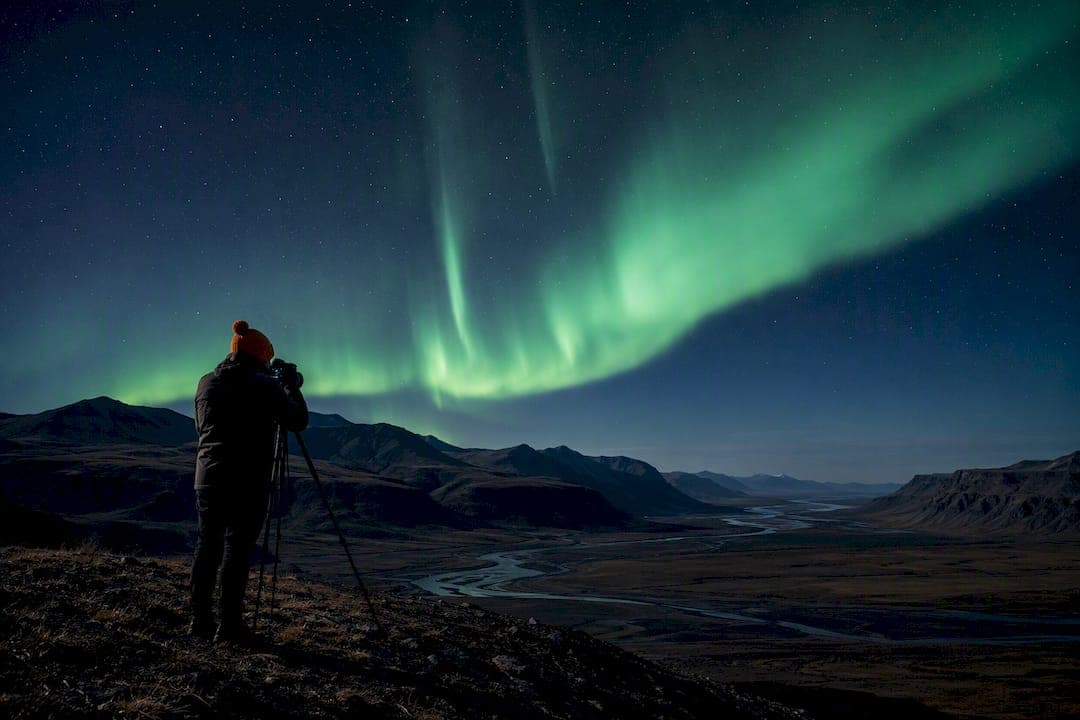
Solo travelers can book a single bed in the shared dormitories, while couples, families, or small photography groups can buy out an entire room for privacy without paying for a full hotel. If you’re traveling with a larger crew heading to Vatnajökull or Katla together, the group booking option lets everyone stay under one roof and coordinate an early departure without splitting across different accommodations. Amenities such as a communal kitchen and opportunities for aurora viewing enhance the travel experience for guests during their stay. Check current room availability and book your dates directly on the rooms page.
Sources
Confirm conditions directly: road.is for route closures, vedur.is for the Icelandic Meteorological Office’s storm and avalanche warnings, and your operator’s own cancellation policy page before booking.
- Do Ice Cave Tours Run Year-Round in Iceland? A Straight Answer From a Winter-Only Operator | Glacier Trips
- Ice Cave Tours in Iceland: Everything You Need to Know - Iceland Paradise Tours
FAQ
Which Ice Cave Tour in Iceland Is Best?
It depends on your priority: Vatnajökull delivers the classic blue ice look but only runs in winter, Katla near Vík offers more scheduling stability with a different ash-striped appearance, and Langjökull’s man-made tunnel is the most predictable option since it’s open year-round.
Is the Ice Cave in Iceland Worth It?
For most adventure travelers, yes. A natural blue ice cave is a genuinely rare sight that only exists for a few months each year, and a short guided visit fits into a broader south coast trip without derailing your schedule.
How Cold Is It Inside an Ice Cave?
Temperatures inside the cave hover close to freezing, and without wind it often feels tolerable in proper layers, though the open glacier approach outside the cave carries a much harsher wind chill.
Can You Visit Ice Caves Without a Tour?
No, not safely. Natural ice caves shift and can collapse without warning, and entering one without a certified guide who has assessed that day’s conditions is a real safety risk rather than a shortcut.