Managing Luggage Solo in Iceland Hostels: 2026 Guide
Managing Luggage Solo in Iceland Hostels: 2026 Guide
TL;DR:
- Solo travelers in Iceland should pack a small, soft-sided bag of 40 to 45 liters that fits hostel lockers easily. They should use compression packing cubes, secure valuables in lockers with combination padlocks, and confirm storage hours before arrival. Proper luggage management improves mobility, safety, and experience during Iceland’s challenging terrain.
Managing luggage solo in Iceland hostels means packing compact, securing your valuables, and using hostel storage options effectively. Solo travelers face a specific challenge: hostel dorm rooms offer limited luggage space, lockers have fixed dimensions, and Iceland’s weather punishes oversized or poorly protected bags. The standard industry term for this practice is “luggage management,” and it covers everything from bag selection to locker strategy. Get it right, and you move freely across the South Coast. Get it wrong, and your oversized suitcase becomes a daily obstacle. This guide covers every practical step, from choosing the right bag to locking up your gear at night.
What luggage types work best for managing luggage solo in Iceland hostels?
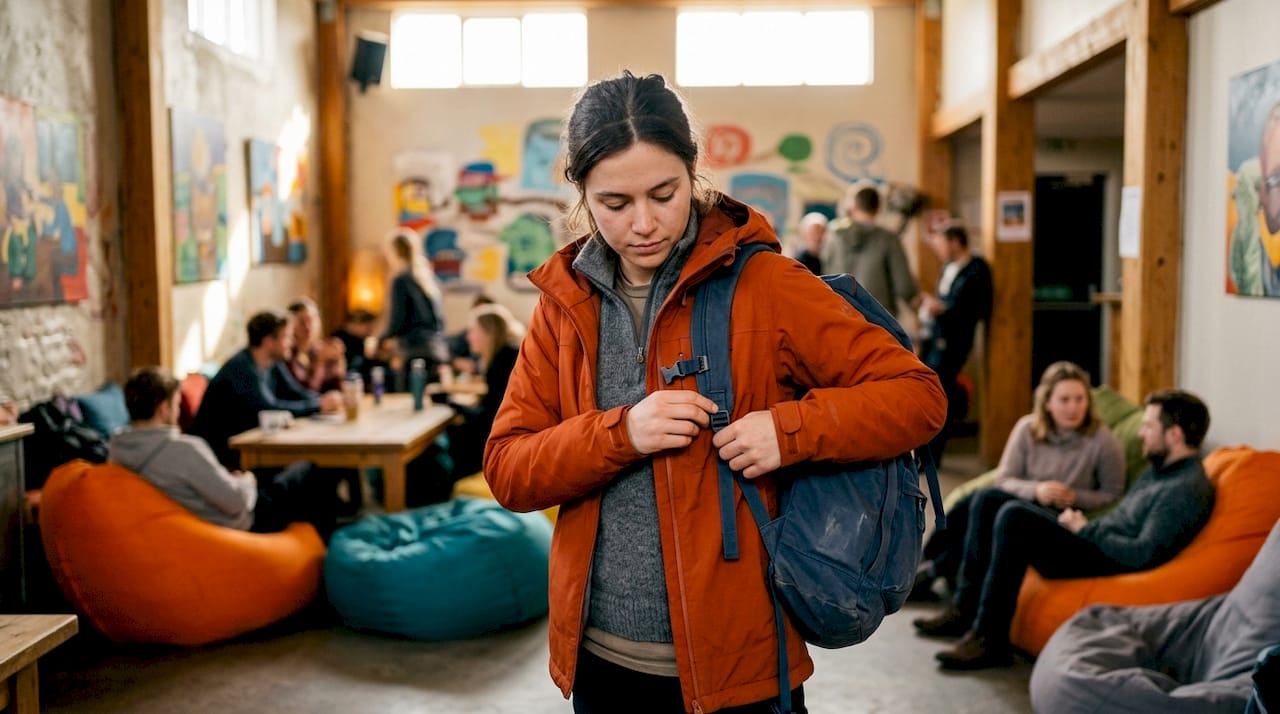
The single most important decision you make before your trip is your bag. Luggage space in hostel dorms is extremely limited, and large suitcases often do not fit in lockers or under beds. Solo travelers should limit their bag to roughly 40–45 liters, which is carry-on equivalent. That size fits most hostel lockers and slides under a bunk without blocking your dorm neighbors.
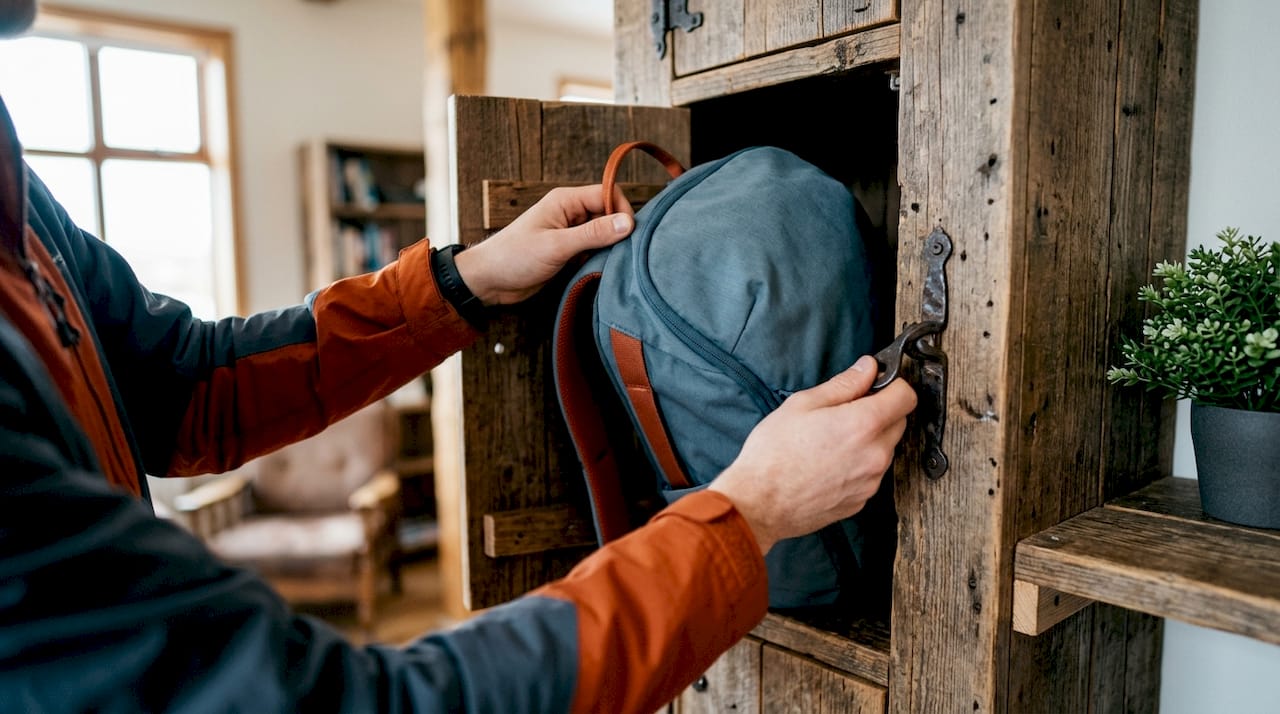
Soft-sided backpacks and duffel bags beat hard-shell suitcases in every hostel scenario. They compress to fit tight spaces, absorb bumps on uneven terrain, and weigh less before you even pack them. Hard suitcases add dead weight and fail completely when you hit a gravel path near Reynisfjara Black Sand Beach or a narrow hostel staircase.
Compression packing cubes reduce clothing volume by 30–40%, which is the difference between a bag that fits a locker and one that does not. Standard hostel lockers measure roughly 40–50cm wide and 50–60cm tall. Packing cubes also keep your gear organized in a shared dorm, so you grab what you need without unpacking everything at 6:00 AM while your roommates sleep.
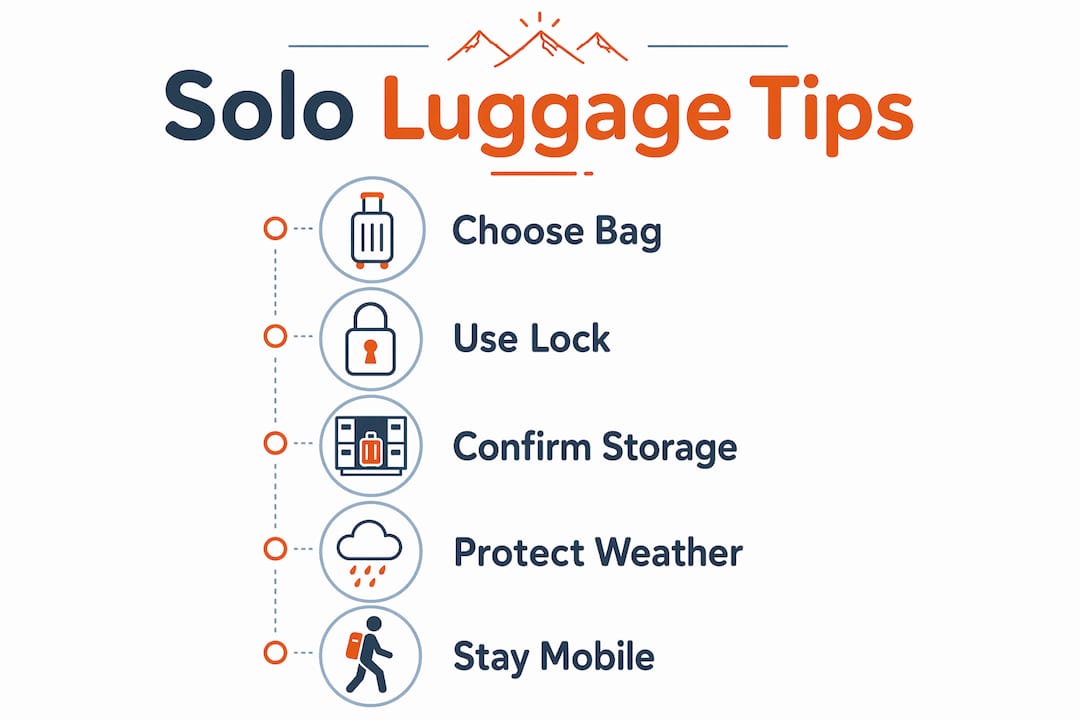
Here is what to prioritize when choosing your kit:
- Bag size: 40–45 liters maximum, soft-sided, with a rain cover
- Material: Lightweight, waterproof or water-resistant fabric for Iceland’s rain and wind
- Packing cubes: Use compression versions to cut clothing volume by up to 40%
- Toiletry bag: A hanging toiletry bag with a hook keeps items dry and off wet bathroom counters
- Clothing: Pack quick-dry, merino wool, or synthetic layers that work in multiple conditions
Pro Tip: Choose combination padlocks over key locks for hostel lockers. Combination padlocks eliminate the risk of losing a key in a foreign country, and you can reset the code if needed.
How do Icelandic hostel luggage storage and lockers work?
Most Reykjavik hostels offer free luggage storage with flexible drop-off and pick-up times, though some only during reception hours, typically 8:00 AM to 8:00 PM. That window matters if your flight lands early or departs late. Knowing the hours before you arrive prevents a stressful scramble with a full pack on your back.
Hostel luggage storage policies vary significantly between properties. Larger hostels in Reykjavik tend to offer free storage with generous hours. Smaller rural hostels may charge a small fee or restrict access to times when staff are on-site. Always confirm the policy when you book, not when you arrive.
Hostel lockers typically measure 40–50cm wide and 50–60cm tall. That is tight. A standard 45-liter backpack fits, but only if it is not overstuffed. If your bag is borderline, compress it with packing cubes before you leave home and test the fit. For solo hostel stays in Iceland, knowing your locker dimensions in advance saves real frustration.
Follow these steps to use hostel storage without problems:
- Confirm storage hours when booking. Ask specifically whether access is 24 hours or limited to reception hours.
- Request early drop-off if you arrive before check-in. Most hostels accommodate this, but you need to ask.
- Arrange late pick-up if your departure is after checkout. Again, ask in advance.
- Bring your own lock. Many hostels provide lockers but not locks. A combination padlock is the right tool.
- Label your bag with your name and contact details. This helps staff if your bag needs to be moved.
Pro Tip: Call or email the hostel the day before arrival to confirm reception hours. Policies listed online are not always current, and a quick message takes 60 seconds.
What security measures should solo travelers take in Iceland hostels?
Iceland is one of the safest countries for solo travelers, with a low crime rate that makes it genuinely relaxed compared to most destinations. That said, hostel environments are shared spaces, and unattended items in common areas or unlocked lockers are always a small risk. The right habits cost nothing and protect everything.
The core security strategy for solo travelers is splitting valuables. Carry your passport, credit cards, and phone on your body at all times. Lock secondary gear, such as a camera, laptop, or extra cash, in your hostel locker. This split means a worst-case scenario is never catastrophic.
Splitting your valuables between your body and a locked locker is the single most effective security habit in any hostel. If something goes wrong in a common area, your most critical items are still with you.
Here is a practical checklist for hostel security:
- Use a combination padlock on your locker every time, even for short trips to the bathroom
- Keep your passport and bank cards in a neck wallet or inner pocket, not in your bag
- Do not leave electronics on your bunk or in open areas while you sleep or leave the room
- Secure your bag to a fixed object with a cable lock if your hostel has no lockers
- Be aware in common areas. Shared kitchens and lounges are low-risk but not zero-risk
The main risks to luggage in Iceland are not theft but natural elements: wind, rain, and sudden weather shifts. A water-resistant luggage cover protects your bag on the walk from the parking lot to the hostel door. That is a more likely problem than a stolen item.
How do you stay mobile with luggage while exploring Iceland solo?
Mobility is the defining advantage of traveling alone in Iceland. You set your own pace, change plans without negotiating, and move fast when conditions shift. Heavy or oversized luggage destroys that advantage immediately. Lightweight, waterproof luggage is the practical standard for Iceland’s terrain and weather.
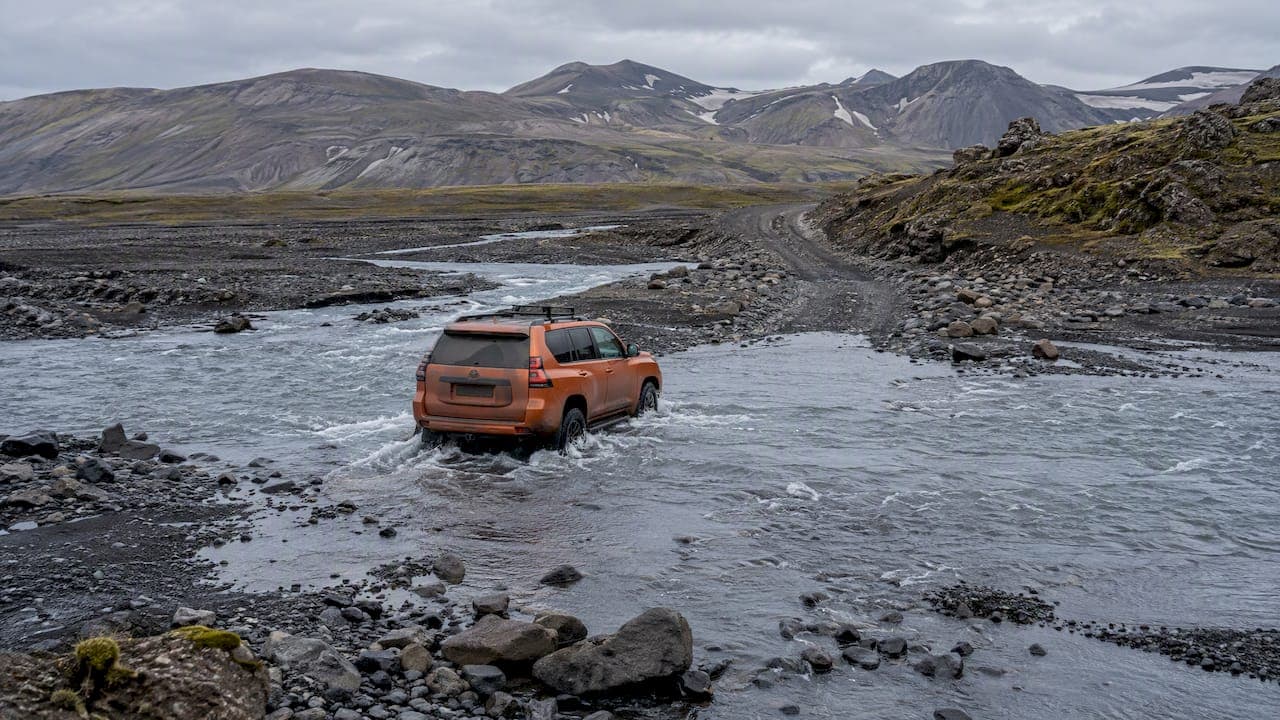
Iceland’s roads and landscapes are not luggage-friendly. Gravel parking lots, uneven lava fields near trailheads, and narrow hostel corridors all punish wheeled suitcases. A backpack distributes weight evenly and keeps your hands free. That matters when you are loading a rental car alone or walking from a bus stop in the rain.
Adaptability is the core skill for solo travel in Iceland. Weather changes fast, plans shift, and the best experiences often require moving quickly. A 40-liter bag you can grab and go beats a 70-liter bag that requires 20 minutes to repack every morning.
Practical tips for staying mobile:
- Pack versatile clothing. Three merino wool base layers work harder than six cotton shirts and weigh less
- Use a rain cover on your backpack. Iceland’s wind drives rain sideways, and a cover costs almost nothing
- Limit shoes to two pairs. Waterproof hiking boots and lightweight sandals cover every scenario
- Pack electronics compactly. A small packing cube for cables, adapters, and a power bank keeps your tech accessible without digging
Pro Tip: Keep a hostel amenities checklist for each property on your itinerary. Knowing which hostels have drying rooms, luggage storage, or communal kitchens lets you pack lighter because you rely on facilities rather than carrying everything yourself.
Key Takeaways
Efficient luggage management in Iceland hostels requires a bag under 45 liters, a combination padlock, and confirmed storage hours before you arrive.
| Point | Details |
|---|---|
| Bag size is the first decision | Limit to 40–45 liters so your bag fits hostel lockers sized 40–50cm wide and 50–60cm tall. |
| Compression packing cubes work | They reduce clothing volume by 30–40%, which is the margin between fitting a locker and not. |
| Confirm storage hours in advance | Many hostels restrict luggage access to reception hours, typically 8:00 AM to 8:00 PM. |
| Split your valuables | Carry passport and cards on your body; lock secondary gear in your hostel locker. |
| Weatherproof your bag | Iceland’s wind and rain are a bigger threat to your luggage than theft. |
What I’ve learned about luggage and solo travel in Iceland
The advice I give every solo traveler heading to Iceland is simple: your bag should feel light enough that you forget it is there. That sounds obvious, but most people pack for every possible scenario and end up carrying gear they never touch. I have watched travelers haul 70-liter suitcases through Reykjavik and spend 15 minutes every morning reorganizing just to find a clean shirt. That is not travel. That is logistics.
The locker situation in Icelandic hostels is real. A bag that is even slightly oversized creates daily friction. I have seen travelers leave valuables on their bunk because their locker was full. That is a problem you create for yourself, and it is entirely avoidable with a smaller bag and packing cubes.
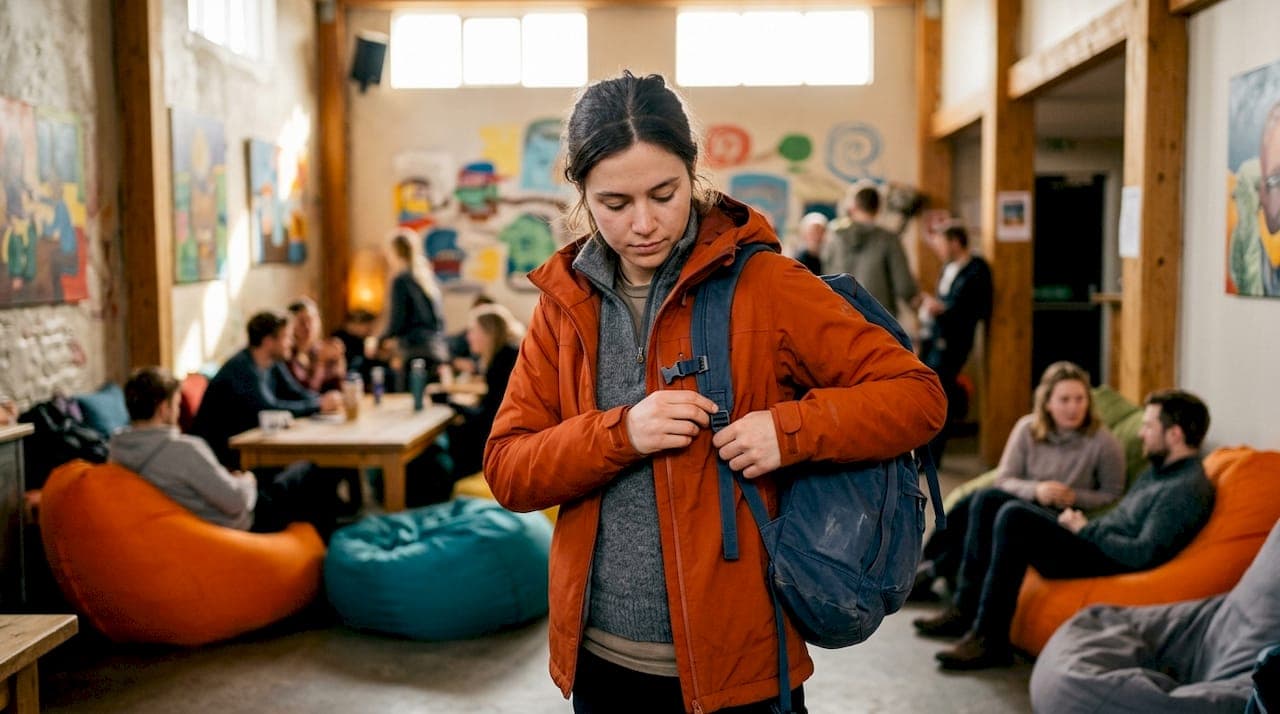
What surprised me most about solo hostel stays in Iceland is how much the right luggage affects your social experience. When you are not stressed about your bag, you relax. You sit in the common kitchen, talk to other travelers, and actually enjoy the hostel. A heavy, chaotic pack keeps you in your head. A clean, compact setup sets you free.
The weather point is not a cliché. Iceland’s elements are genuinely aggressive. I have had a dry bag turn into a wet bag in 90 seconds because I skipped the rain cover. Prioritize waterproofing over almost everything else when choosing your gear.
— Siggi
Fox Hostel makes luggage management easier for solo travelers
Solo travelers staying at Fox Hostel in South Iceland get practical support built into the experience. Fox Hostel offers luggage storage and secure lockers, with reception hours designed to accommodate flexible travel schedules. The hostel sits 35 minutes east of Vík in Hrífunes Nature Park, giving you a quiet base with fast access to Reynisfjara Black Sand Beach, Dyrhólaey, and the Ring Road east toward Jökulsárlón Glacier Lagoon.
Dorm beds are available for solo travelers who want to book a single bed, and full room buyouts are available for those who want complete privacy. The communal kitchen, on-site pizzeria, and dark skies for Northern Lights viewing make Fox Hostel a practical and social base for anyone traveling alone. Check availability and book your stay at Fox Hostel before your South Iceland dates fill up.
FAQ
What size bag fits in an Iceland hostel locker?
Hostel lockers in Iceland typically measure 40–50cm wide and 50–60cm tall. A soft-sided bag of 40–45 liters fits most lockers when packed with compression cubes.
Do Iceland hostels offer free luggage storage?
Many Reykjavik hostels offer free luggage storage, but access is often limited to reception hours, usually 8:00 AM to 8:00 PM. Smaller hostels may charge a fee, so confirm before you arrive.
What lock should I use for a hostel locker in Iceland?
A combination padlock is the best choice. Combination locks remove the risk of losing a key and give you easy access without carrying extra hardware.
Is Iceland safe for solo travelers staying in hostels?
Iceland ranks among the safest countries for solo travelers. The main risk to luggage is weather, not theft, but basic security habits like locking your locker and splitting valuables are still worth practicing.
How do I manage luggage on Iceland’s uneven terrain?
Use a soft-sided backpack with a rain cover instead of a wheeled suitcase. Lightweight, waterproof luggage handles gravel roads, lava fields, and narrow hostel corridors far better than hard-shell bags with wheels.