Plan One Midnight Sun Evening in Iceland: Exact Dates and a Night Plan
Plan One Midnight Sun Evening in Iceland: Exact Dates and a Night Plan
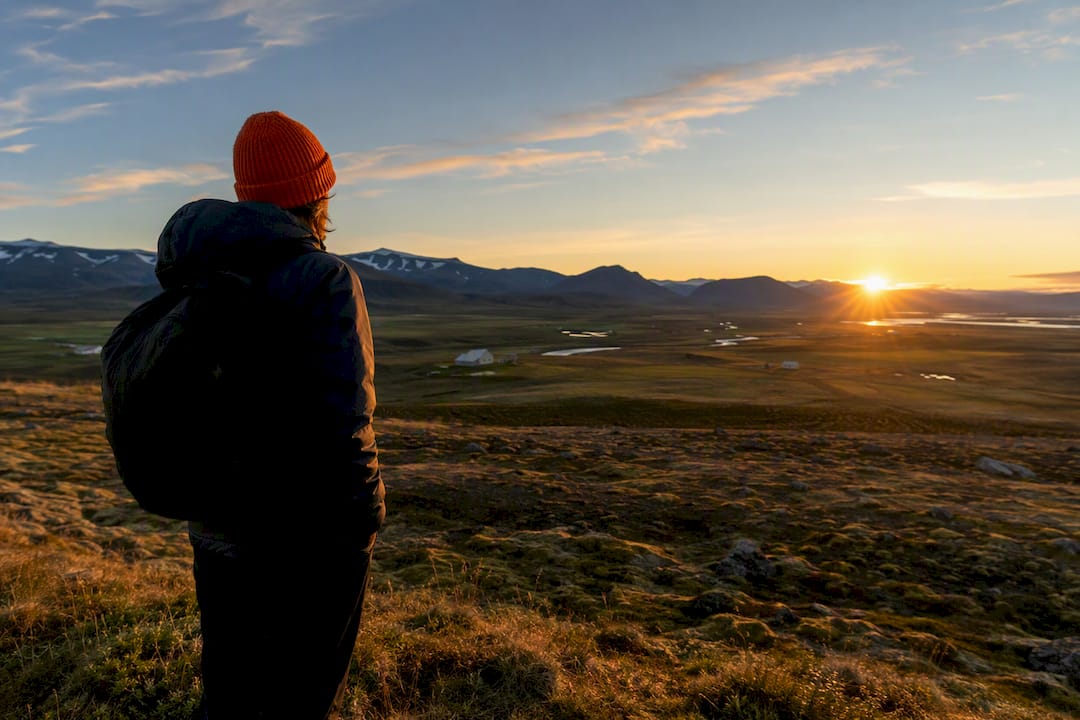
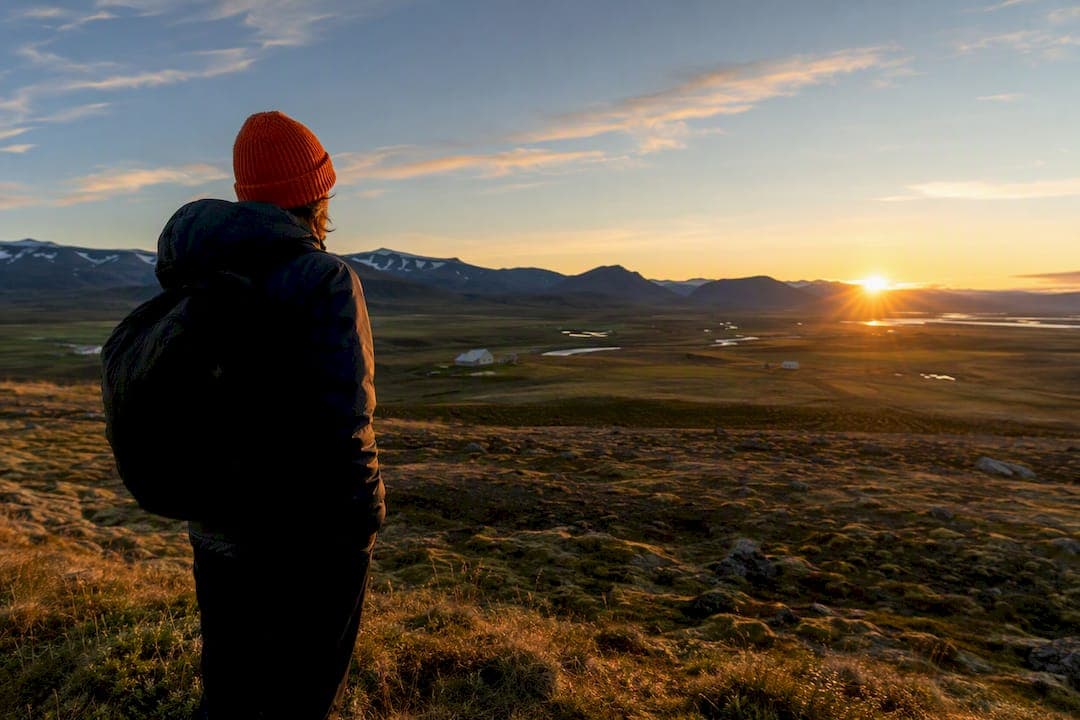
Yes, Iceland delivers real midnight sun, and the window runs roughly late May through late July, peaking at the June solstice around June 20 to 21. In Reykjavík, the sun stays effectively above the horizon from about June 5 to July 17, while Grímsey, sitting right on the Arctic Circle, gets the full, uninterrupted version. One trade-off worth knowing before you book: you won’t see the northern lights during this period, so check your room for blackout curtains if you actually want to sleep.
TL;DR:
- Reykjavík experiences nearly continuous daylight from early June to mid-July, but it never reaches full midnight sun due to its latitude.
- The sun stays effectively above the horizon in Reykjavík from about June 5 to July 17, with the longest day around the June solstice.
- Grímsey Island, on the Arctic Circle, is the only Icelandic location where the sun does not set around the solstice, providing true midnight sun.
- During this period, night skies remain a soft blue-gray, making it impossible to see the northern lights and ideal for late-night outdoor activities.
- Travelers should prepare for bright nights by using blackout curtains or sleep masks and plan evening outings around specific viewpoints and local weather conditions.
Table of Contents
- Midnight Sun Iceland: Quick Facts and Key Dates
- When Should You Plan Your Trip to See It?
- Where To Watch the Midnight Sun
- What To Do During Iceland’s Long Summer Nights
- How To Sleep and Pack for the Midnight Sun
- A Sample Midnight Sun Evening in Iceland
- Fox Hostel: A South Coast Base for Long Summer Days
- Cultural Events During Iceland’s Midnight Sun Season
- Folklore and History Behind Iceland’s Midnight Sun
- Plan One Deliberate Midnight Sun Outing
- Book a South Coast Base for Your Midnight Sun Trip
- Where To Verify Midnight Sun Timing
- Sources
- FAQ
Midnight Sun Iceland: Quick Facts and Key Dates
The sky in Reykjavík doesn’t go properly dark between roughly early May and early August, and the difference between “civil twilight” and true midnight sun matters more than most guides admit. Civil twilight means the sun dips just below the horizon but the sky stays bright enough to read a map. Full midnight sun means the sun never sets at all.
Here’s how it breaks down for Reykjavík on a few key dates:
| Date | Sunrise | Sunset | Daylight type |
|---|---|---|---|
| June 1 | ~3:20 AM | ~11:30 PM | Near-continuous twilight |
| June 21 (solstice) | ~3:00 AM | ~11:45 PM | Peak light, brief dusk |
| July 1 | ~3:10 AM | ~11:45 PM | Near-continuous twilight |
| August 1 | ~4:30 AM | ~10:30 PM | Long daylight, real dusk returns |
Reykjavík never technically hits full midnight sun. The sun ducks a degree or two below the horizon at its lowest point, which is why the sky stays a soft blue gray instead of black. Grímsey, on the Arctic Circle, is a different story entirely. Around the solstice, the sun there simply doesn’t set.
When Should You Plan Your Trip to See It?
Latitude decides everything here, and it’s worth understanding before you pick dates. Reykjavík sits at about 64 degrees north, close enough to the Arctic Circle to get near-total light in summer without technically crossing into true polar day territory. That’s why the sun in Reykjavík dips below the horizon for a couple of hours around the solstice but the sky barely dims. The sun is effectively above the horizon in Reykjavík from around June 5 to July 17, with the solstice itself, June 20 or 21 depending on the year, marking the longest day.
Head north and the effect gets stronger. Akureyri, up near 65.7 degrees, gets a longer stretch of bright nights than the capital. Grímsey Island, straddling 66.5 degrees north right on the Arctic Circle, is the only spot in Iceland where the sun genuinely never sets around the solstice. That’s the difference between “very bright at midnight” and “the sun is still up at 1 AM.”
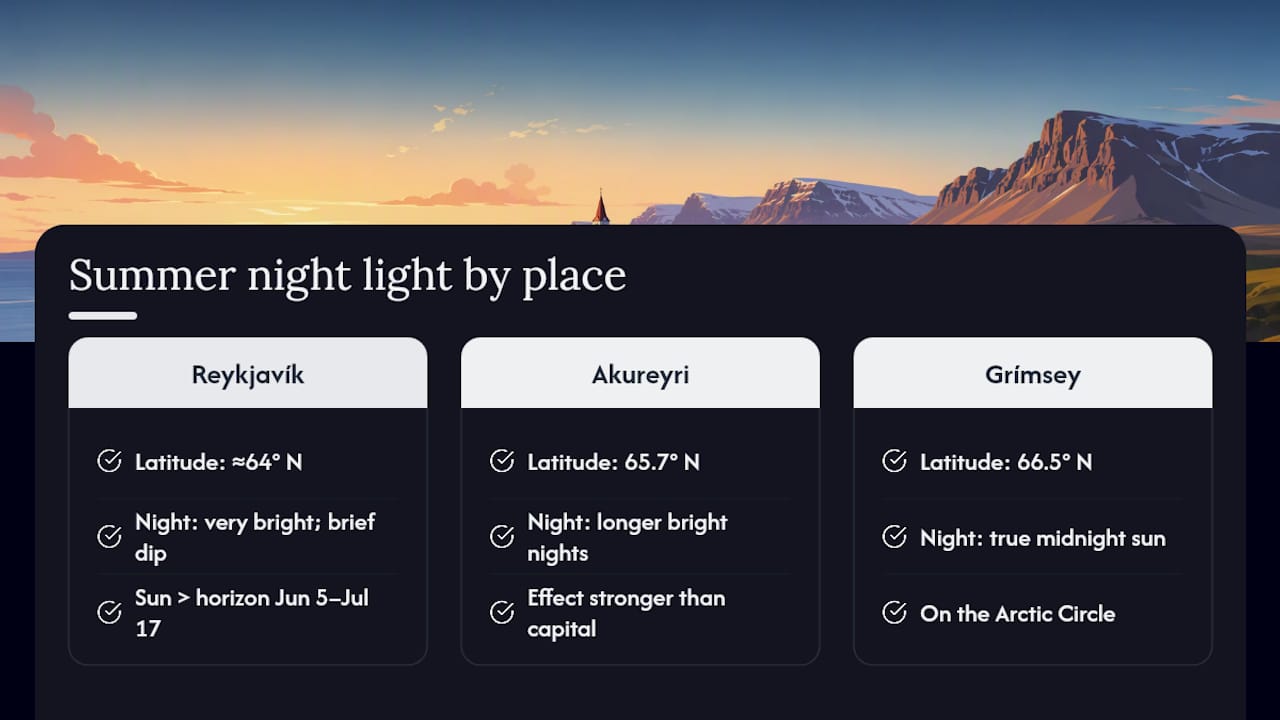
The physics behind this comes down to Earth’s tilt: during the June solstice, the Northern Hemisphere leans toward the sun enough that anywhere near or above the Arctic Circle keeps the sun above the horizon for a full rotation. At Reykjavík’s latitude, the sun’s midnight altitude around solstice is only a degree or two below the horizon, which is why you get prolonged civil twilight rather than a black sky, and why the effect fades gradually rather than switching off on a single date.
Before you lock in dates, check Reykjavík’s exact sunrise and sunset times on timeanddate.com for whichever week you’re traveling. Weather and cloud cover can also change how bright a given night actually feels, so pair sunrise data with the forecast from Iceland’s meteorological office closer to your trip.
Where To Watch the Midnight Sun
Reykjavík itself is a legitimate viewing base, not just a jumping-off point. Climb to the viewing deck of Hallgrímskirkja for a rooftop view over the colorful houses, or walk out to Grótta lighthouse on the peninsula’s tip, where the sun skims low over the water and there’s a footbridge you can only cross at low tide. Öskjuhlíð hill, home to the Perlan dome, gives a wider panorama over the city and Faxaflói Bay.
Beyond the capital, a few regions stand out for different reasons:
- Snæfellsnes Peninsula puts the sun low over open ocean and the Snæfellsjökull glacier, making for dramatic, uncluttered horizon shots.
- Akureyri and North Iceland get noticeably longer bright-night windows than Reykjavík, plus easy access to the Diamond Circle route (Goðafoss, Ásbyrgi, Dettifoss).
- Grímsey Island is the only place in Iceland with true, unbroken midnight sun at the solstice, but getting there takes planning: a ferry from Dalvík (about three hours each way) or a short flight from Akureyri, both running on limited seasonal schedules.
- The Diamond Circle pairs well with a north-Iceland base if you’re already chasing long daylight near Akureyri.
Crowding is real in July, especially at Reynisfjara and the Golden Circle stops during daytime hours, but midnight itself tends to be quiet almost everywhere. That’s arguably the best trick of the whole season: the crowds go to bed, and the light doesn’t.
What To Do During Iceland’s Long Summer Nights
Long daylight opens up a schedule that simply doesn’t exist most of the year. Here’s how to use it:
- Hike later than usual. Trails that would be too risky to start at 6 PM in winter are perfectly reasonable at 9 or 10 PM in June, though huts and ranger stations still keep fixed hours, so check those before you go.
- Photograph the “second golden hour.” Midnight light sits low and warm like sunset, but it lasts far longer and the crowds thin out, giving you clean shots at black-sand beaches or waterfalls without a dozen other tripods in frame.
- Soak late. Geothermal pools and lagoons that stay open into the evening turn a midnight sun outing into something genuinely relaxing rather than just a photo op.
- Watch wildlife on an extended clock. Puffin colonies and whale-watching tours run through the summer months, and some operators add later departures to take advantage of the extra light, so booking ahead matters.
Pro Tip: Shoot around 11:30 PM to 12:30 AM near the solstice. The light sits just above the horizon at a low, warm angle that photographers usually associate with sunrise, except it lingers for well over an hour instead of fading in minutes.
How To Sleep and Pack for the Midnight Sun
Bright nights wreck sleep for a lot of first-time visitors, and it usually takes two to three nights to adjust even with good prep. Before you book anywhere, confirm the room has blackout curtains; if it doesn’t, pack a sleep mask and consider melatonin for the first couple of nights.
Packing for Icelandic summer means layers, not shorts and a light jacket:
- A base layer, a warm mid layer, and a genuinely waterproof hard shell, since rain shows up even on sunny forecasts.
- Sturdy waterproof boots for lava fields and glacier-adjacent trails.
- Sun protection (yes, sunglasses and sunscreen) for glacier walks, where reflected light is stronger than you’d expect.
Average summer temperatures run in the mid-40s to mid-50s Fahrenheit, so even the “warm” season rarely feels warm. If you’re driving, confirm your rental insurance actually covers gravel and F-road driving before you leave the lot, since underbody and gravel damage exclusions are common and F-roads only open once conditions allow, typically mid-June onward. If crowds bother you more than a slightly shorter daylight window, May or September gives 13 to 20 hours of daylight with noticeably thinner crowds.
A Sample Midnight Sun Evening in Iceland
Don’t just notice the midnight sun happening around you; build one evening specifically around it. Structuring the night deliberately, rather than letting it pass as background scenery, is what actually makes it memorable.
- 8:00 PM Dinner somewhere with a west-facing view, ideally overlooking water, so you can watch the light shift over the meal.
- 10:30 PM Head to a viewpoint. In Reykjavík, that’s Grótta or the Hallgrímskirkja tower; in Akureyri, a hillside overlooking Eyjafjörður fjord works just as well.
- 11:45 PM to 12:30 AM Catch the sun near its lowest point, which is when the light turns warmest and most photogenic.
- After midnight Finish with a late soak in a geothermal pool if one’s open, or a quiet walk back while the sky stays lit.
If you’re basing this out of Snæfellsnes or Akureyri instead of the capital, swap in local transport times and confirm pool or restaurant hours in advance. Not every kitchen or pool stays open past 10 PM even in peak summer, so a five minute phone call the day before saves you a wasted midnight.
Fox Hostel: A South Coast Base for Long Summer Days
Fox Hostel sits inside a converted Icelandic barn in Hrífunes Nature Park, about 35 minutes east of Vík, which puts you close to Reynisfjara Black Sand Beach and Dyrhólaey without competing for a parking spot with every tour bus on the Ring Road. Long summer daylight means you can head out for a sunset shoot at 9 PM and still make it back for a late dinner in the communal kitchen or a slice from the on-site pizzeria.
Rooms run dorm-style, but solo travelers can book a single bed while couples, families, or small groups can buy out an entire room for privacy. That flexibility matters when your midnight sun plans mean odd hours and an early start the next morning for scenic spots near Vík.
Cultural Events During Iceland’s Midnight Sun Season
June and July line up with several of Iceland’s biggest cultural moments, and the timing isn’t a coincidence. Long daylight makes outdoor festivals genuinely practical in a country where winter events have to work around four hours of light.
Secret Solstice, held in Reykjavík around the summer solstice, leans directly into the phenomenon, running concerts through the night under a sky that never really darkens. Independence Day on June 17 brings parades, street music, and public celebrations to Reykjavík and towns across the country, timed to fall right in the middle of the bright-night stretch.
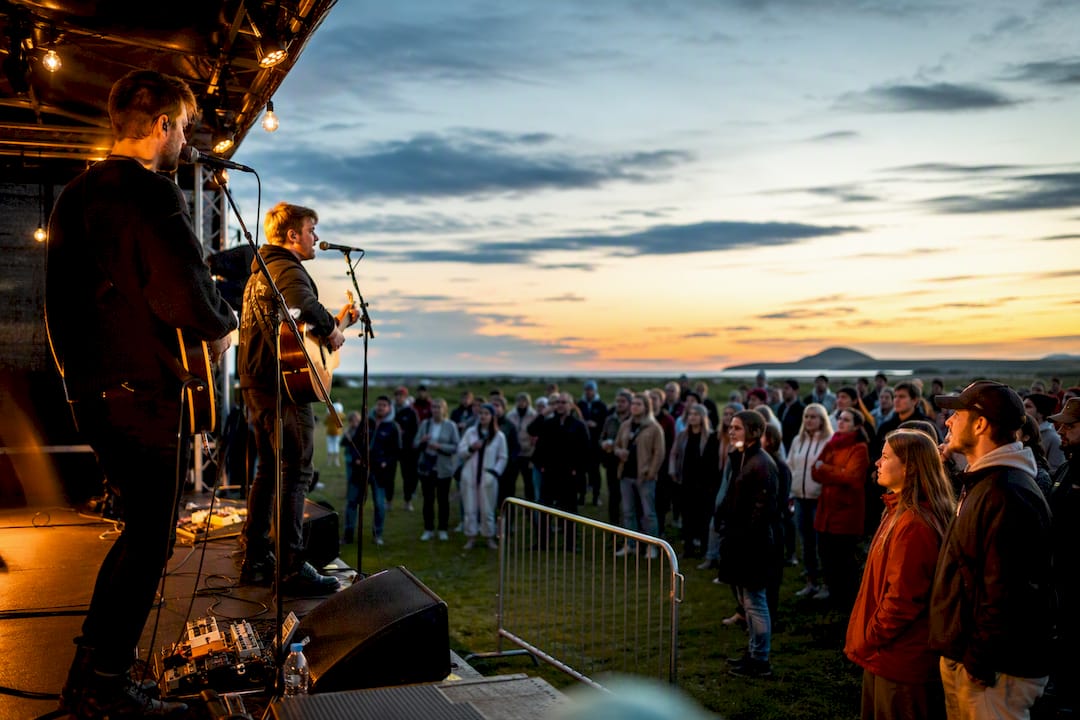
Þjóðhátíð, the Westman Islands festival held in early August, draws tens of thousands to Heimaey for a long weekend of bonfires, music, and camping that leans on the still-long daylight even after the true solstice peak has passed. Smaller regional events, farmers’ markets, outdoor concerts, and local arts festivals, tend to cluster in June and July across towns like Akureyri and Húsavík, taking advantage of the same long evenings that make midnight sun viewing possible in the first place.
None of these events require planning around darkness the way a winter trip does. A concert that runs until 1 AM in July still lets you walk home in daylight, which changes how the whole evening feels compared to the same event in November.
Folklore and History Behind Iceland’s Midnight Sun
Iceland’s relationship with its endless summer light goes back to the country’s earliest settlement in the ninth century, when Norse settlers arriving by boat reportedly used the unusual bright nights as a navigational and seasonal marker, a detail that shows up in later Icelandic sagas describing summer travel and farm work stretching deep into the night.
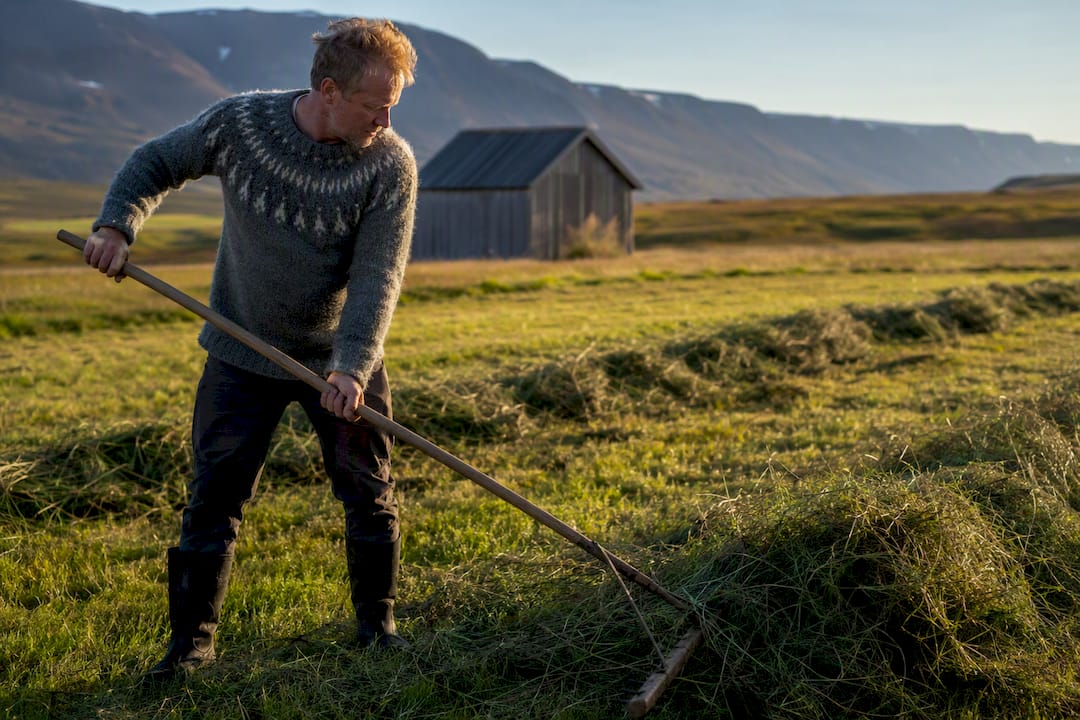
Historically, the midnight sun wasn’t just a curiosity. It shaped how farm work got done. Haymaking and other seasonal labor stretched later into the evening precisely because the light allowed it, a practical rhythm that outlasted the old agricultural economy and still echoes in how modern Icelanders treat summer nights as extra daytime rather than time to rest.
Folklore around the phenomenon tends to frame it less as a scientific quirk and more as a kind of gift, a short compensation for the brutal darkness of December and January. Older Icelandic stories about “hidden people” and elves often place their more active seasons in the bright half of the year, when the boundary between day and night blurs enough that the ordinary rules of time feel suspended. Whether or not you buy into that framing, it captures something real about the experience: standing outside at midnight under a lit sky does feel like the ordinary rules have shifted, if only for a few weeks.
Plan One Deliberate Midnight Sun Outing
Most visitors let the midnight sun happen to them. They notice it’s bright at 11 PM, take a photo through a car window, and move on. That’s a waste of one of the more genuinely strange experiences Iceland offers.
Pick one evening. Check the forecast, pick a viewpoint away from the main tour routes, and actually go stand there at midnight. Grótta at low tide on a clear night is about as quiet and strange as travel gets. If you want more structure, Fox Hostel’s guides can help you build the rest of the trip around it.
— Siggi
Book a South Coast Base for Your Midnight Sun Trip
Fox Hostel is set up for trips featuring long summer days and late starts, with a location that provides access to the South Coast’s attractions.

The rooms are dorm-style by design, with options to book individual beds or entire rooms for privacy, balancing social atmosphere and personal space. The communal kitchen and on-site pizzeria offer convenient dining options, and the location provides access to day trips toward Vatnajökull National Park and Jökulsárlón. If you’re heading further afield for supplies, the boat trip packing checklist covers waterproof gear that overlaps well with Iceland’s coastal weather.
Other accommodation types exist along the South Coast, from guesthouses to hotels, but if you want flexible booking and a genuinely social base for a midnight sun trip, check room availability at Fox Hostel and build your dates around the solstice.
Where To Verify Midnight Sun Timing
For the most current weather and forecast information, check Iceland’s Meteorological Office, which tracks conditions that affect how visible the light actually feels on any given night. For exact sunrise and sunset times at your specific dates, timeanddate.com’s Reykjavík page is the most reliable single source. For broader seasonal planning, Iceland’s official tourism guidance covers road access and crowd patterns across the year.
Sources
- Best Time to Visit Iceland: Travel Tips & Visitor Guide 2026
- Midnight sun in Iceland: dates, locations, practical tips
- Timeanddate
FAQ
When Is the Best Time To See the Midnight Sun in Iceland?
The peak window runs from roughly early June to mid-July, with the June solstice, around June 20 or 21, marking the longest and brightest night of the year.
Does Iceland Have Six Months of Darkness?
No. That describes locations much closer to the poles; Iceland gets long winter nights with only a few hours of daylight around December, but never a true six-month polar night.
Is Iceland Really the Land of the Midnight Sun?
Yes, though the experience varies by location: Reykjavík gets prolonged twilight rather than a fully visible sun at midnight, while Grímsey Island, sitting on the Arctic Circle, gets the true, unbroken version around the solstice.
How Long Does the Midnight Sun Last in Iceland?
The full bright-night effect lasts from around early May to early August in Reykjavík, with the most intense stretch of near-continuous daylight concentrated between early June and mid-July.
Can I See the Northern Lights During the Midnight Sun?
No. Aurora activity requires dark skies, so northern lights viewing isn’t possible during the midnight sun period; aurora season runs from late August through mid-April instead.